
 IN
INCatering Supplies & Ingredients
291 products available
𝗪𝗵𝗮𝘁 𝗮𝗿𝗲 𝗖𝗮𝘁𝗲𝗿𝗶𝗻𝗴 𝗦𝘂𝗽𝗽𝗹𝗶𝗲𝘀 & 𝗜𝗻𝗴𝗿𝗲𝗱𝗶𝗲𝗻𝘁𝘀?
Catering supplies and ingredients refer to the essential items and materials used in the preparation and service of food for events, parties, and gatherings. This category encompasses a wide range of products, including disposable utensils, serving trays, food packaging, and the ingredients necessary for cooking and baking. These supplies are critical for catering businesses, restaurants, and food service operations that aim to provide quality meals efficiently and professionally.
The primary uses of catering supplies and ingredients include food preparation, presentation, and service. Businesses utilize these products to streamline their operations, enhance food safety, and ensure customer satisfaction. Catering companies, event planners, and food service providers rely on these supplies to deliver meals to clients, often in large quantities, while maintaining high standards of quality and hygiene.
In the current market, the catering supplies and ingredients industry is relevant due to the growing trend of event catering, food delivery services, and the demand for convenient dining options. As more businesses and consumers seek out catering services for various occasions, the need for reliable and high-quality supplies has also increased. This trend underscores the importance of sourcing the right products to meet the evolving needs of the food service industry.
𝗞𝗲𝘆 𝗙𝗲𝗮𝘁𝘂𝗿𝗲𝘀 𝗮𝗻𝗱 𝗦𝗽𝗲𝗰𝗶𝗳𝗶𝗰𝗮𝘁𝗶𝗼𝗻𝘀
Catering supplies and ingredients come with a variety of features and specifications that cater to the diverse needs of the food service industry. Understanding these specifications can help businesses make informed purchasing decisions.
Key specifications include:
1. Material Quality
- Catering supplies are often made from plastic, metal, or biodegradable materials.
- Quality affects durability, safety, and environmental impact.
2. Size and Capacity
- Products come in various sizes for different portioning needs.
- Capacity specifications are essential for bulk food preparation and serving.
3. Temperature Resistance
- Catering supplies need to withstand various temperatures for food safety.
- Materials should be suitable for hot or cold food items.
4. Compliance Standards
- Products may need to meet local food safety regulations.
- Look for certifications like CE to ensure quality.
5. Packaging Options
- Supplies may come in bulk packages or individual servings.
- Packaging affects convenience and storage.
6. Design and Aesthetics
- The design can enhance presentation and improve customer experience.
- Consider options that align with branding.
7. Eco-friendliness
- Many supplies are now available in eco-friendly materials.
- This is increasingly important for environmentally conscious businesses.
8. Versatility
- Some products are designed for multiple uses, reducing the need for various items.
- Versatile supplies can help streamline operations.
In summary, selecting the right catering supplies and ingredients involves considering these key features and specifications to meet operational needs while ensuring quality and compliance.
𝗖𝗼𝗺𝗺𝗼𝗻 𝗔𝗽𝗽𝗹𝗶𝗰𝗮𝘁𝗶𝗼𝗻𝘀 𝗮𝗻𝗱 𝗨𝘀𝗲 𝗖𝗮𝘀𝗲𝘀
Catering supplies and ingredients serve a broad range of industries, each with specific applications.
1. Catering Services: Catering companies use these supplies to prepare and deliver food for events, ensuring quality and presentation.
2. Restaurants: Restaurants rely on catering supplies for takeout and delivery services, enhancing customer convenience.
3. Food Trucks: Food trucks utilize portable catering supplies for efficient food service in diverse locations.
4. Event Planning: Event planners source catering supplies to meet the needs of various gatherings, from weddings to corporate events.
5. Schools and Institutions: Educational institutions use catering supplies for meal service in cafeterias and events.
6. Healthcare Facilities: Hospitals and care homes require catering supplies for patient meals and special dietary needs.
7. Corporate Catering: Businesses host events and meetings that necessitate reliable catering supplies for food service.
𝗣𝗿𝗼𝗱𝘂𝗰𝘁 𝗩𝗮𝗿𝗶𝗮𝗻𝘁𝘀 𝗮𝗻𝗱 𝗦𝘂𝗯𝗰𝗮𝘁𝗲𝗴𝗼𝗿𝗶𝗲𝘀
Catering supplies and ingredients come in various forms to cater to different requirements.
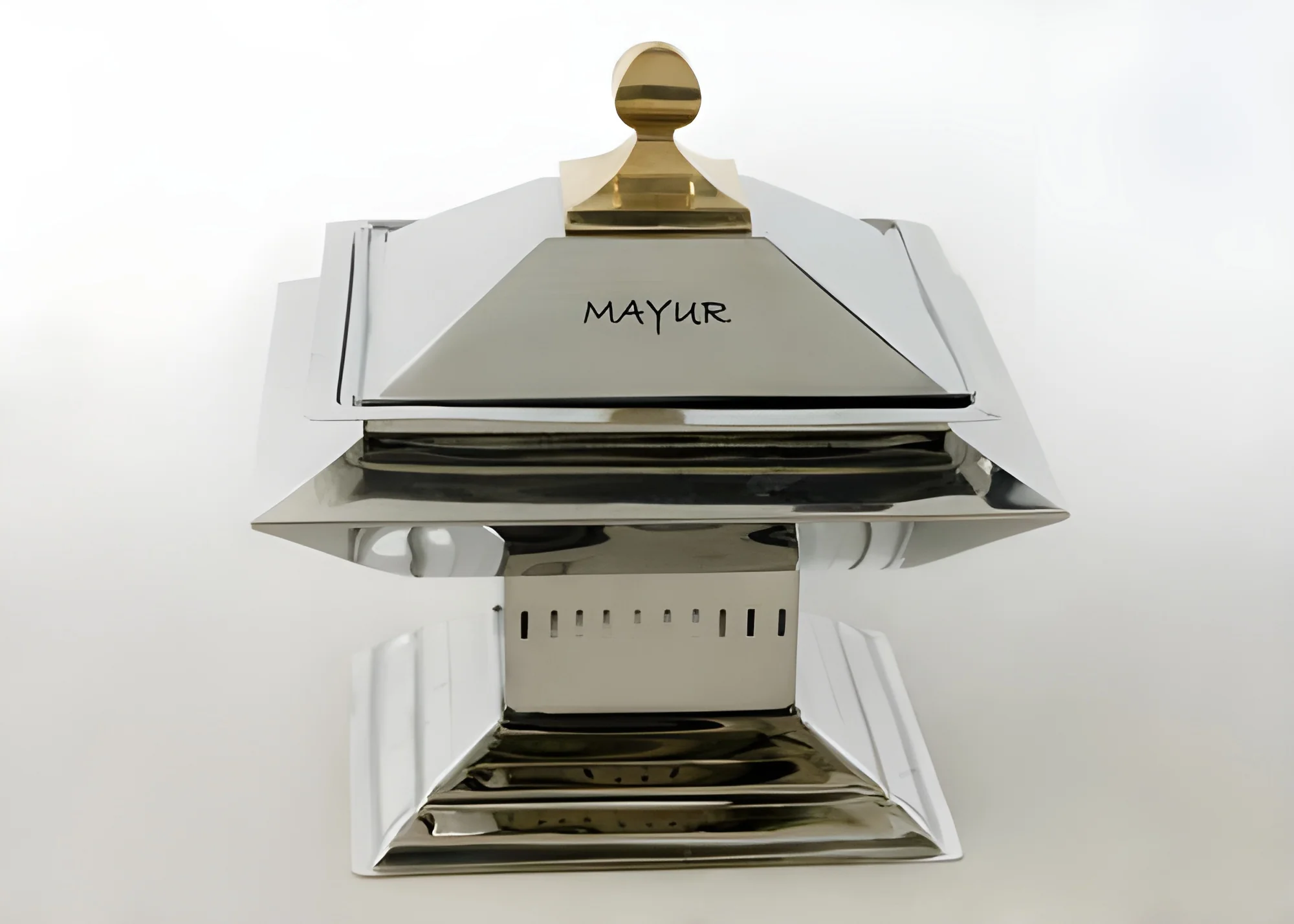
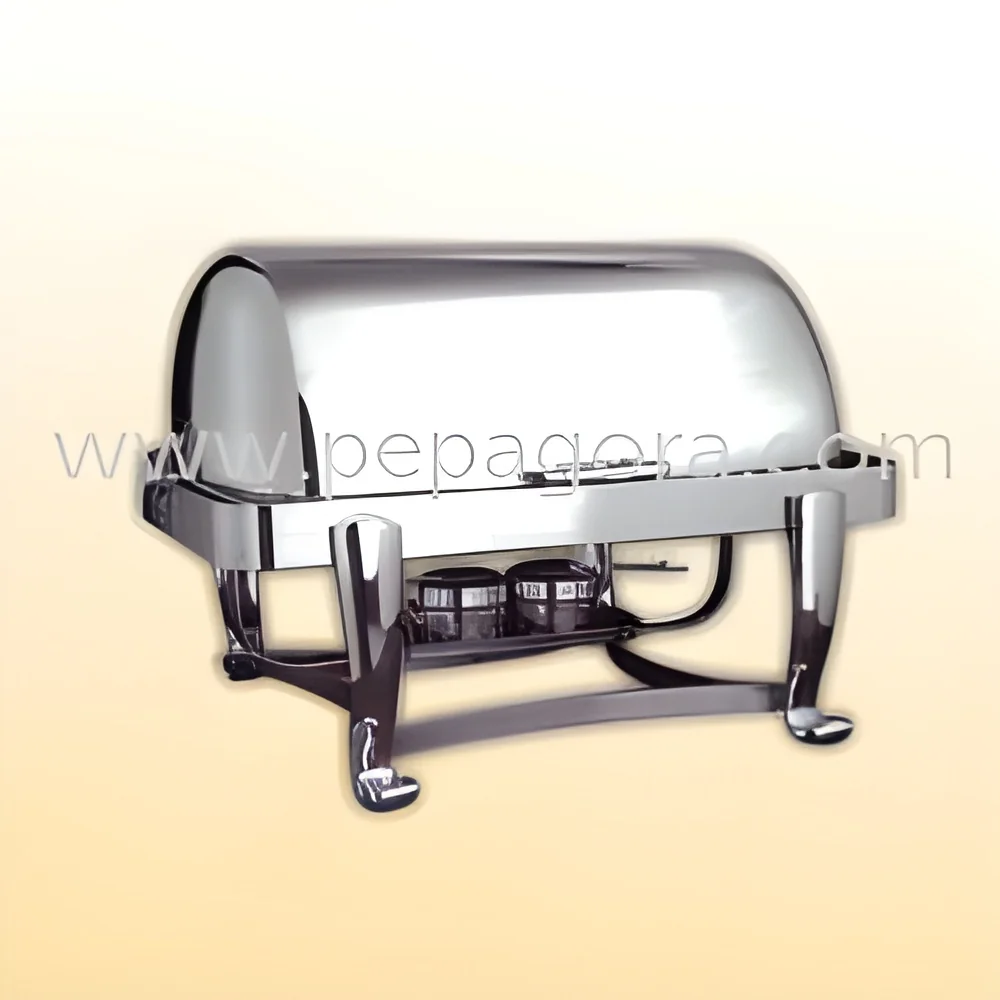
Disposable Serving Ware: This variant includes plates, cups, and utensils designed for single use. They offer convenience for large gatherings and are often made from eco-friendly materials.
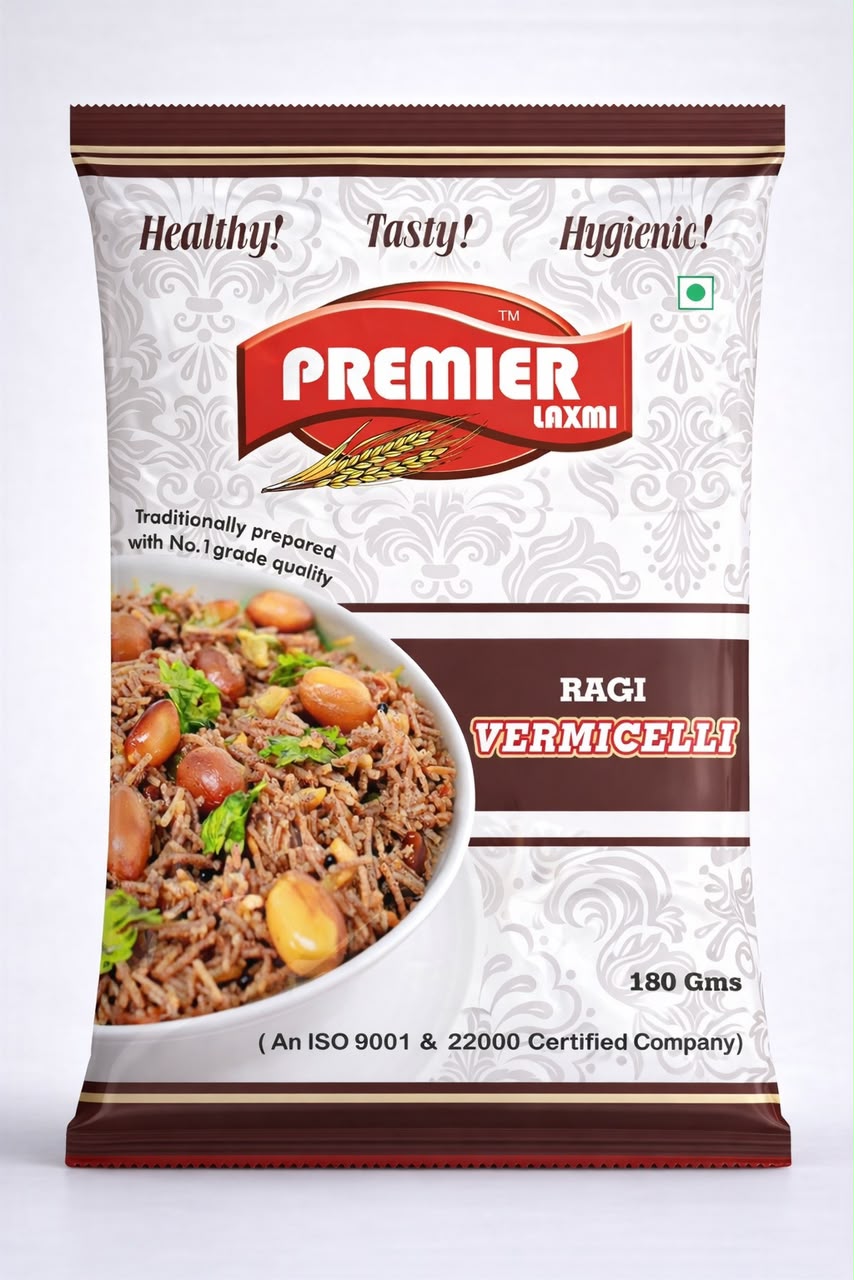
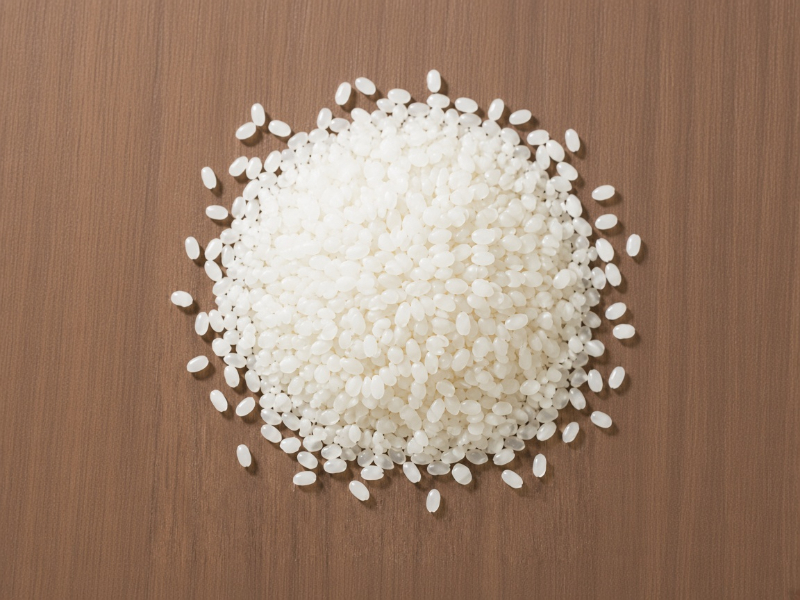
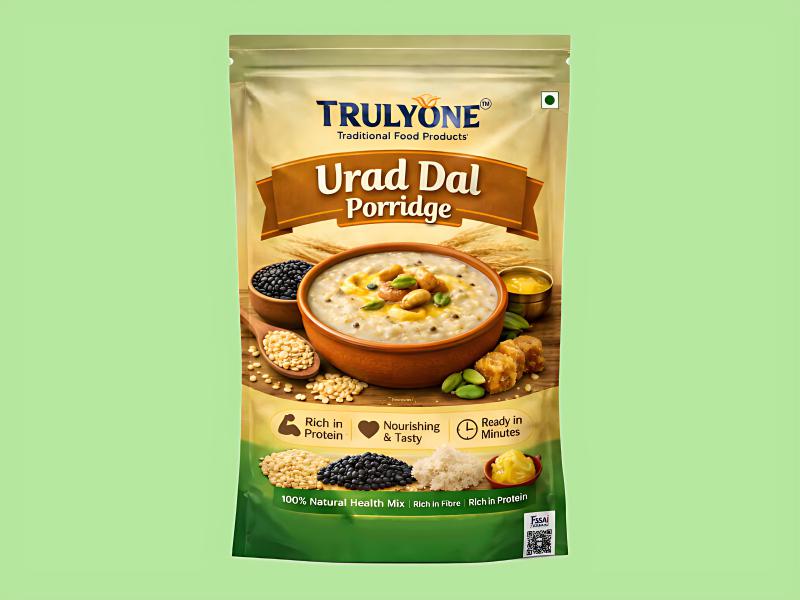
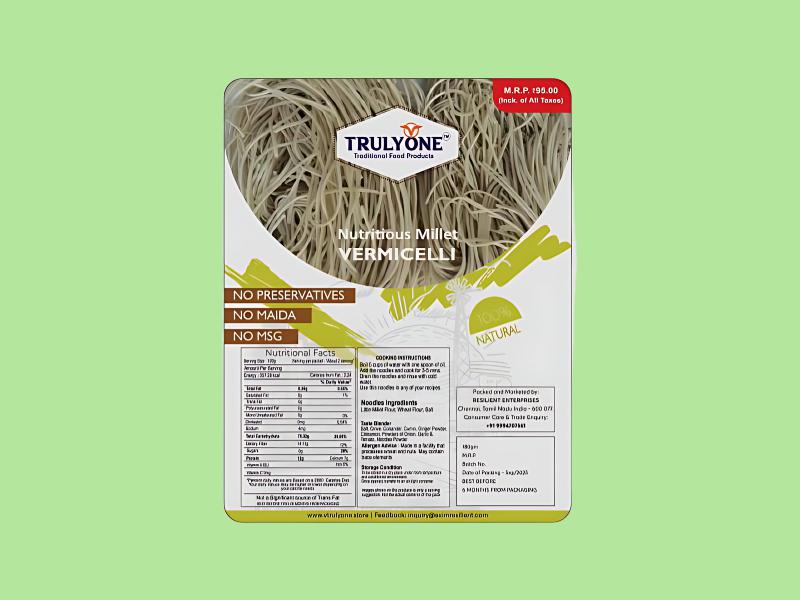
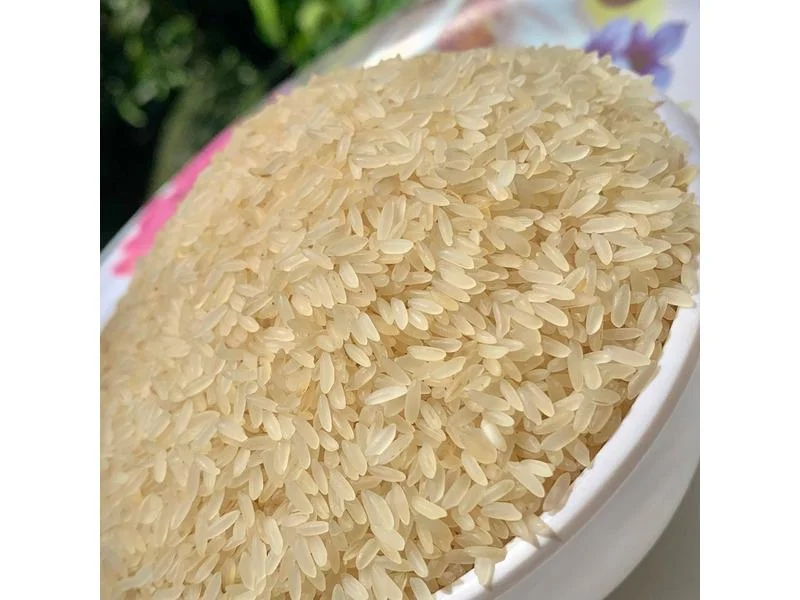
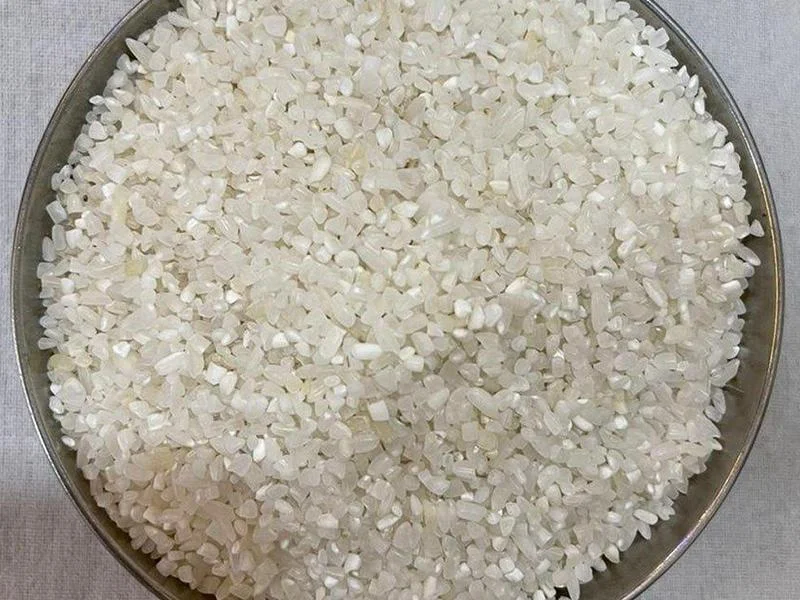
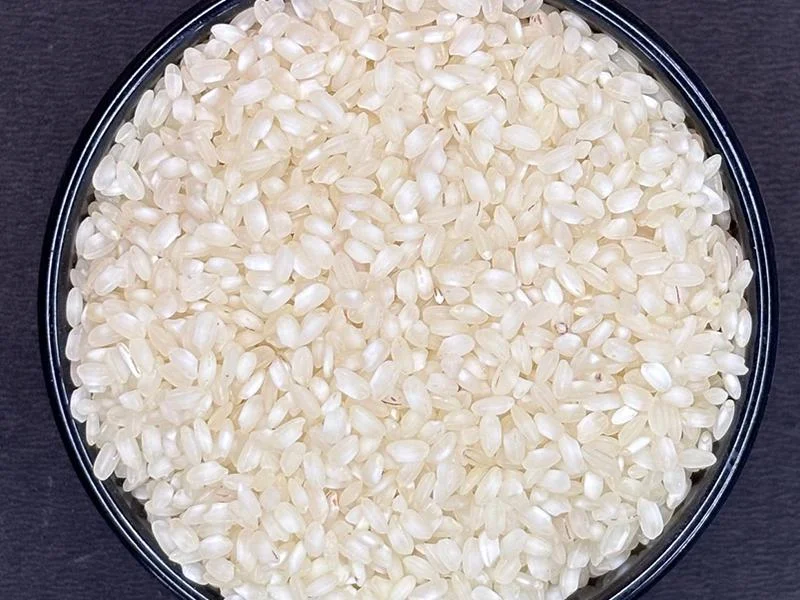
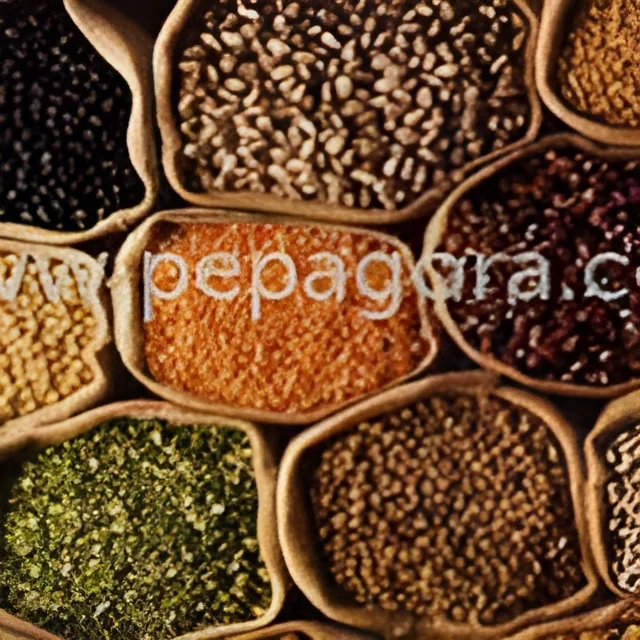
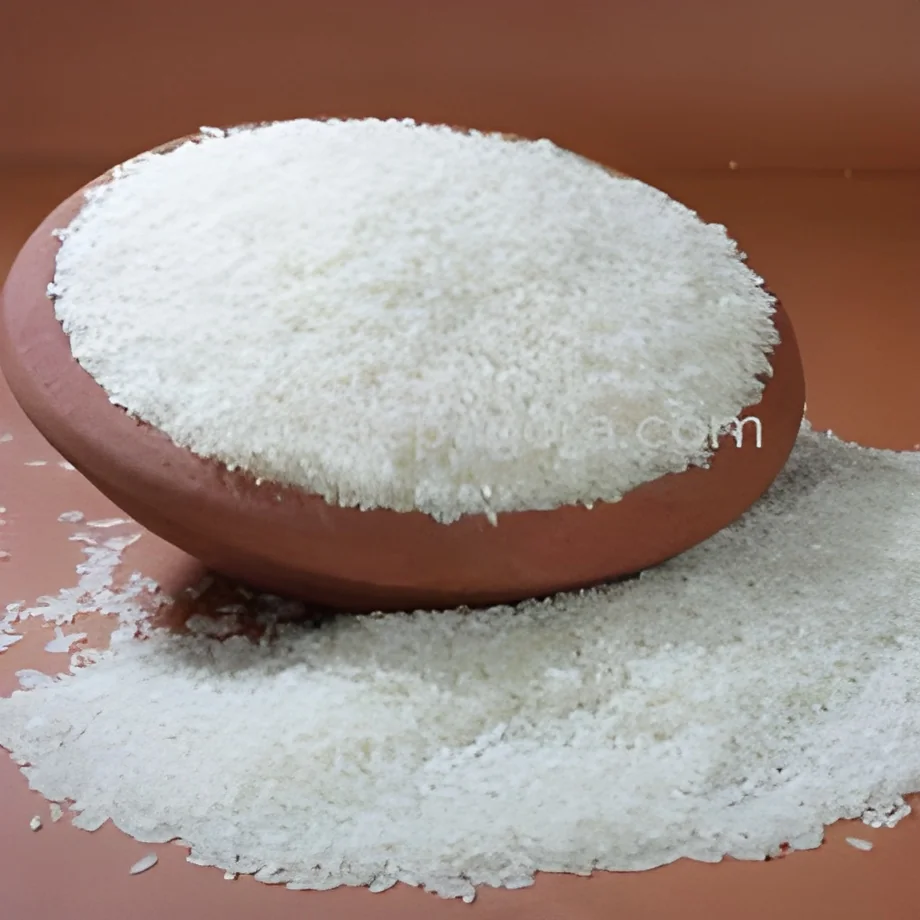
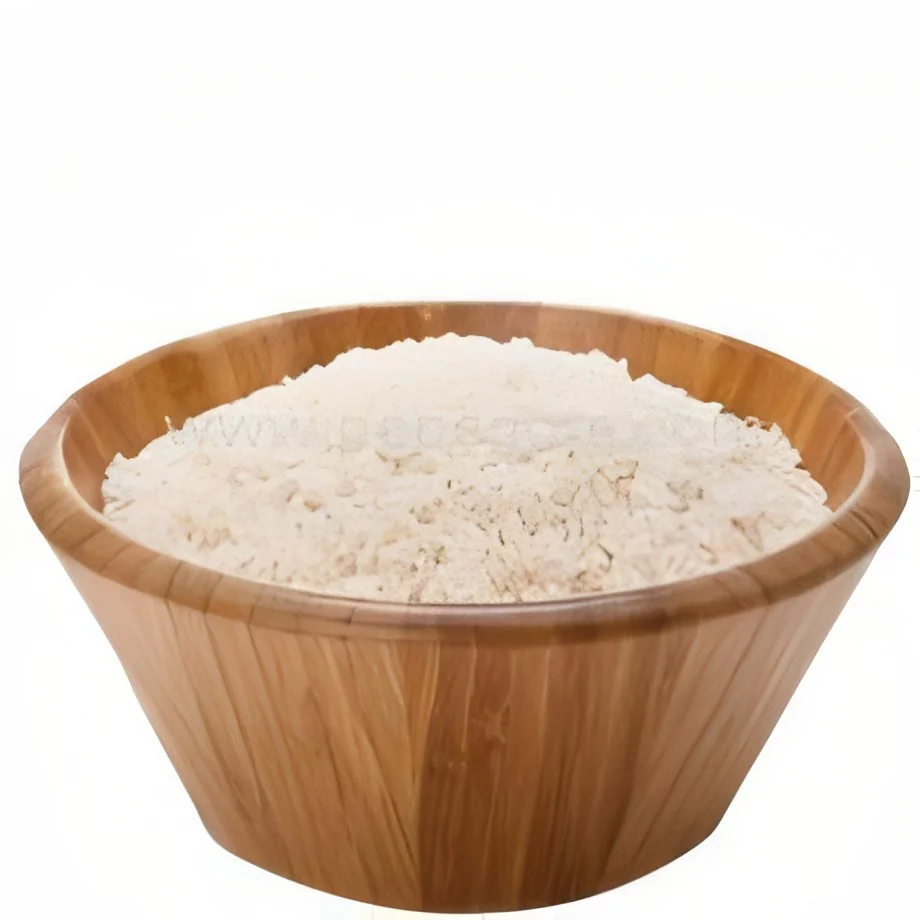
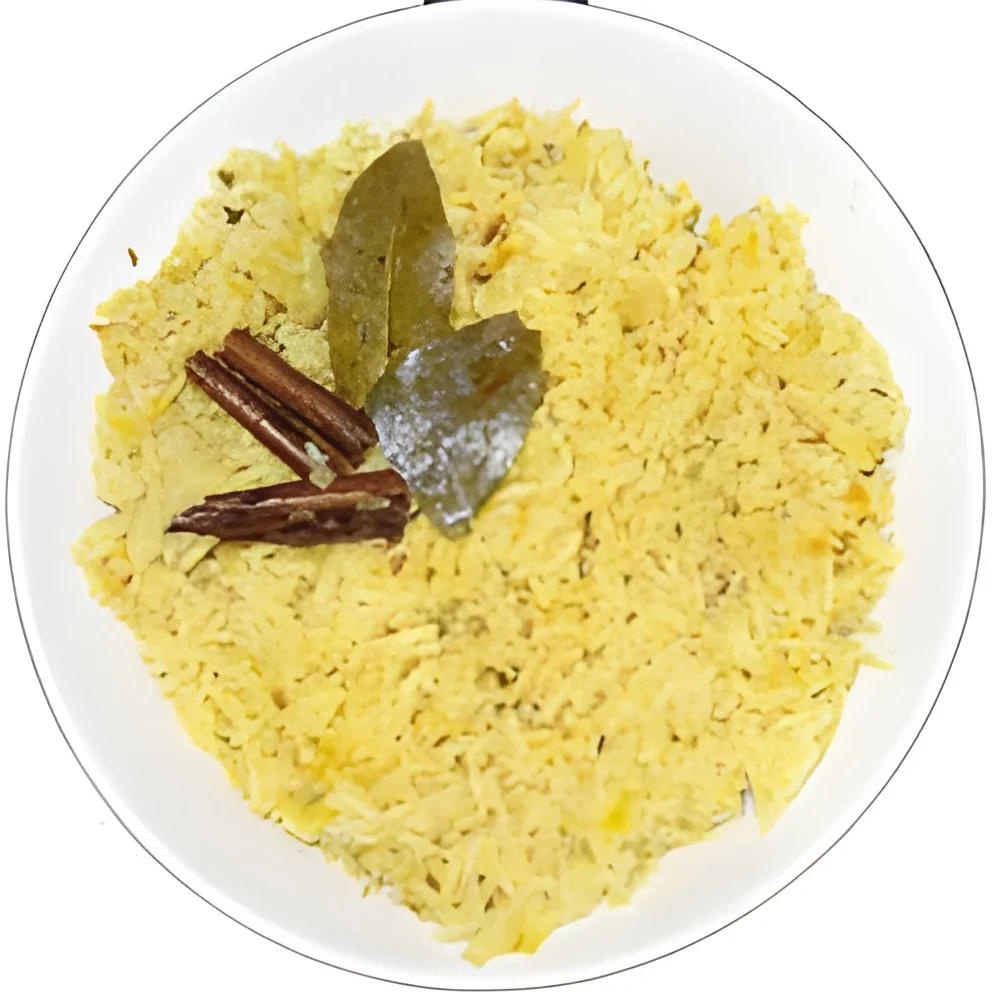
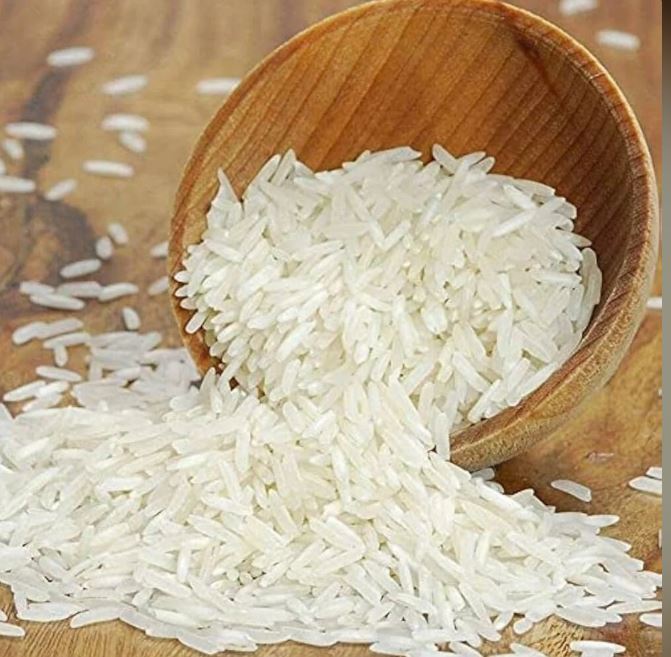
Bulk Ingredients: These include food items purchased in large quantities, such as flour, sugar, spices, and sauces. Bulk purchasing is cost-effective for catering businesses that require substantial amounts of ingredients.
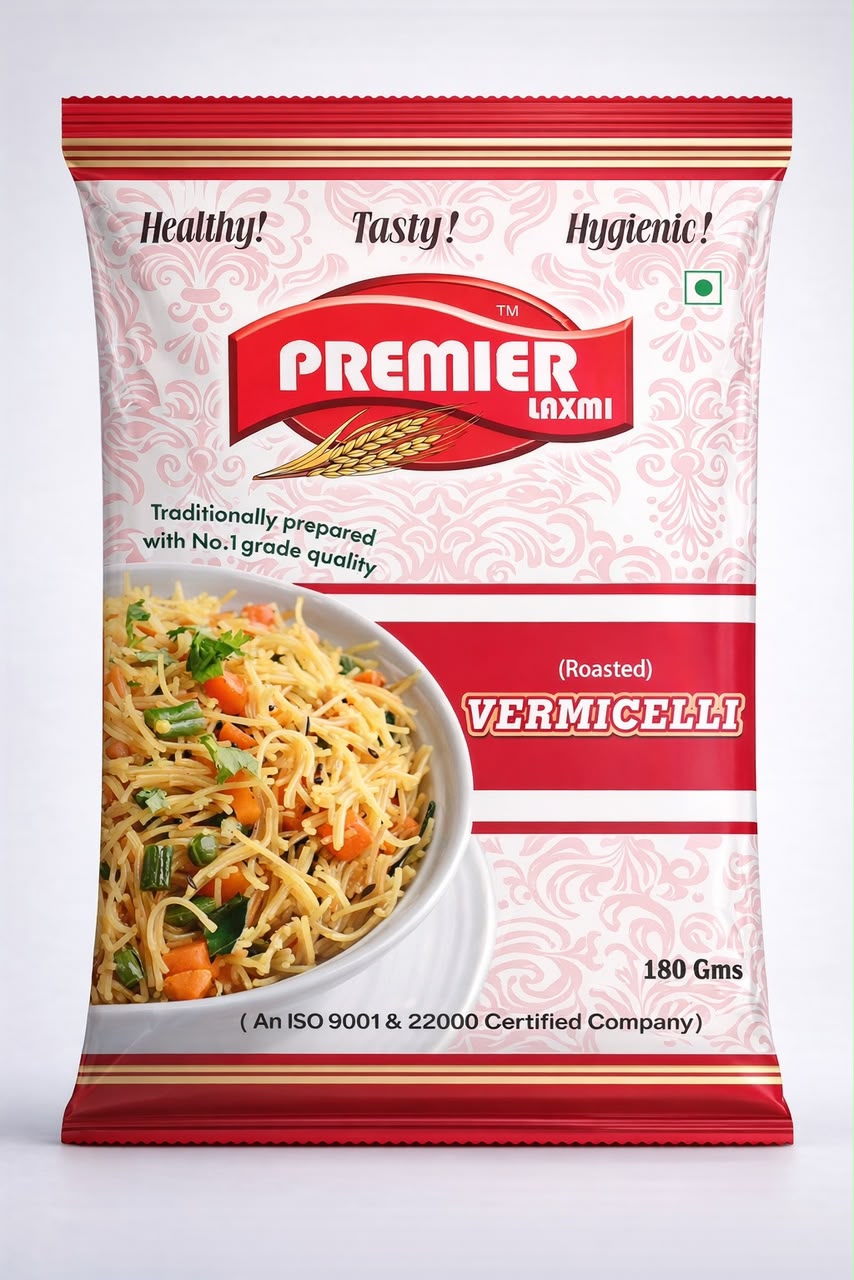
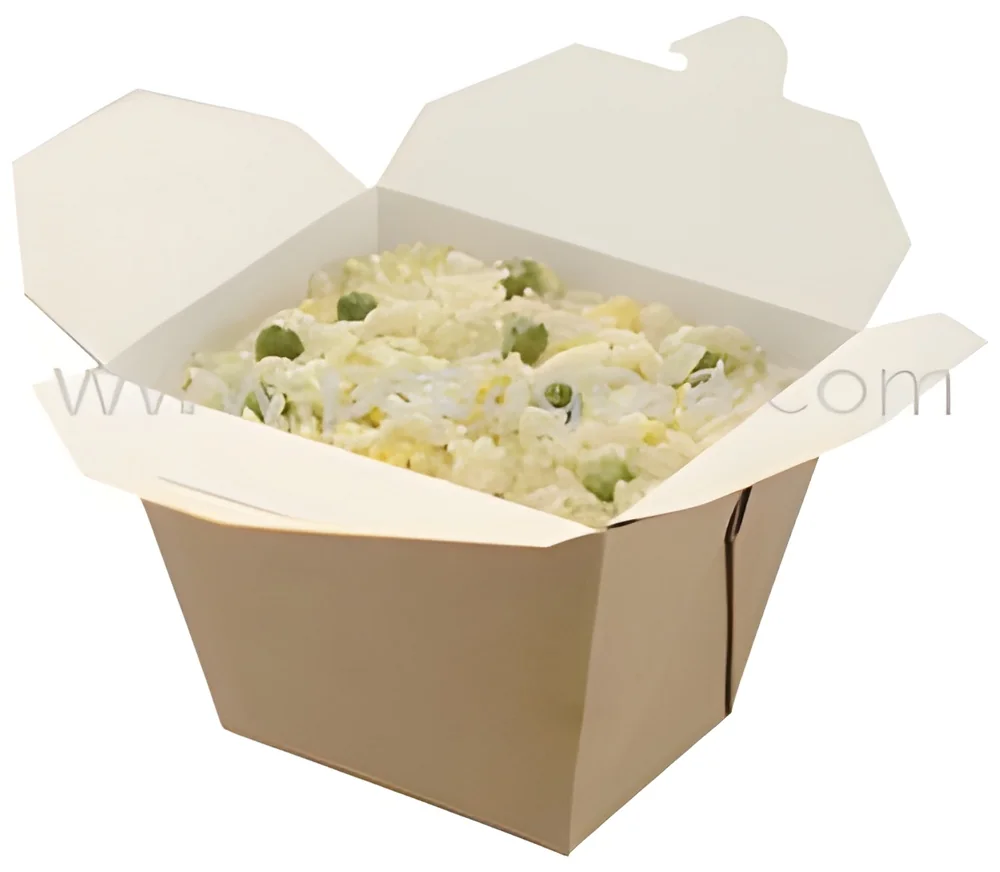
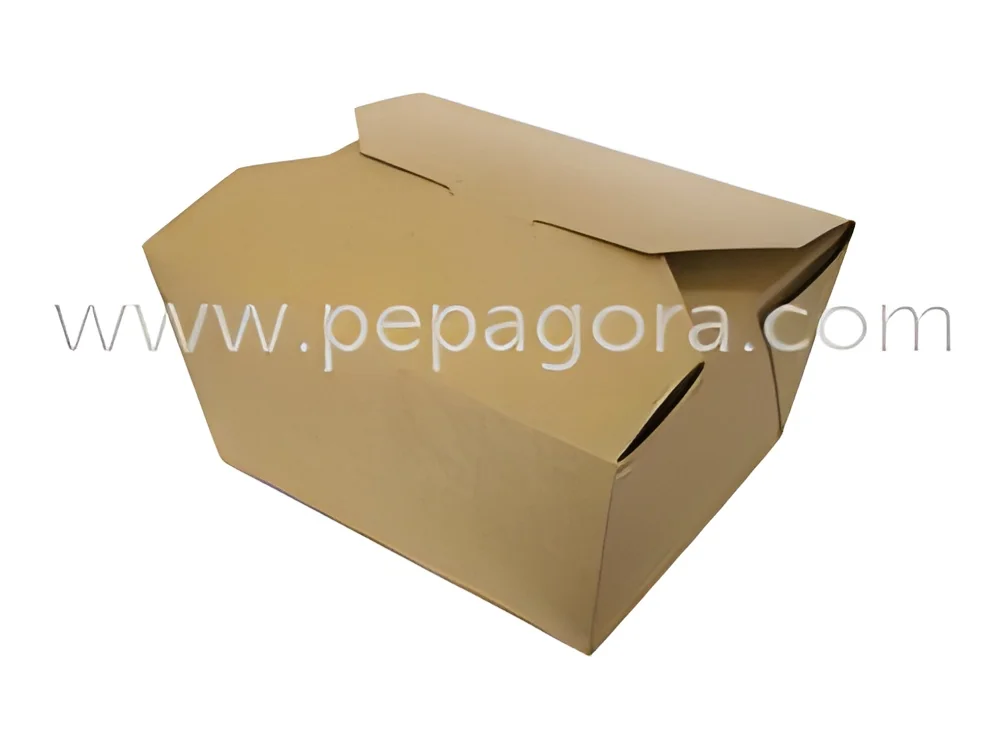
Packaging Solutions: Custom packaging options for food items are essential for maintaining food safety and presentation. These can range from takeout boxes to vacuum-sealed bags.
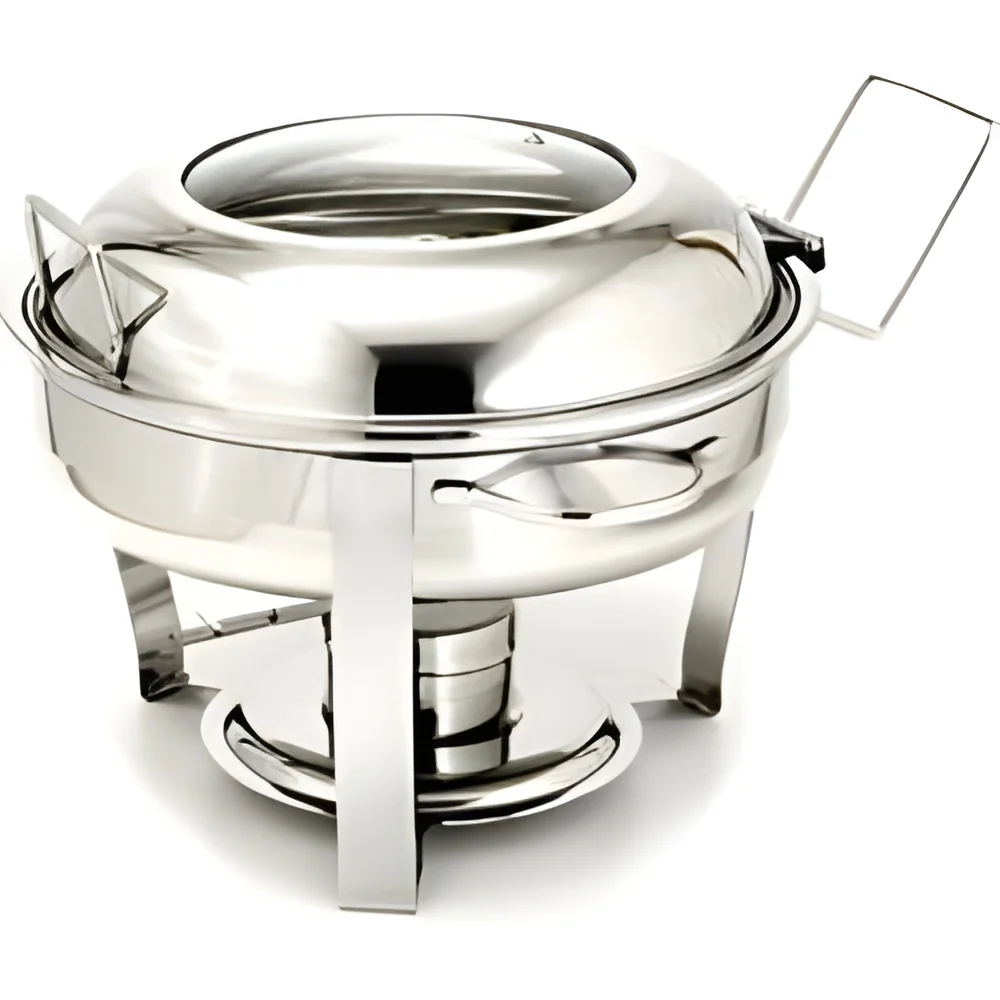
Beverage Dispensers: Catering events often require beverage solutions, including pitchers, dispensers, and coolers to serve drinks efficiently.
𝗕𝗲𝗻𝗲𝗳𝗶𝘁𝘀 𝗮𝗻𝗱 𝗔𝗱𝘃𝗮𝗻𝘁𝗮𝗴𝗲𝘀
Catering supplies and ingredients offer numerous benefits that enhance food service operations.
1. Efficiency: High-quality supplies streamline food preparation and service, saving time and labor costs.
2. Food Safety: Proper supplies help maintain hygiene and safety standards, crucial in food service.
3. Cost-Effectiveness: Bulk purchasing of ingredients can significantly reduce costs for catering companies.
4. Flexibility: A wide range of supplies allows businesses to adapt to various event types and guest needs.
5. Enhanced Presentation: Well-designed serving and packaging options improve food presentation, enhancing customer satisfaction.
6. Sustainability: Eco-friendly options appeal to environmentally conscious consumers and reduce waste.
𝗕𝘂𝘆𝗶𝗻𝗴 𝗚𝘂𝗶𝗱𝗲 𝗳𝗼𝗿 𝗕𝟮𝗕 𝗕𝘂𝘆𝗲𝗿𝘀
When sourcing catering supplies and ingredients, B2B buyers should consider several important factors.
1. Quality Assessment: Evaluate the quality of materials and manufacturing processes. Look for suppliers that adhere to industry standards to ensure safety and durability.
2. Supplier Verification: Conduct background checks on potential suppliers. Verify their reputation, reliability, and compliance with health regulations.
3. Pricing and MOQ: Understand pricing structures and minimum order quantities (MOQ). Compare costs to ensure you get the best value for your budget.
4. Delivery and Lead Times: Discuss logistics with suppliers to ensure timely delivery. Consider lead times to avoid disruptions in service.
5. Compliance Requirements: Be aware of local regulations regarding food safety and packaging. Ensure that the products meet necessary compliance standards.
𝗖𝗼𝗺𝗽𝗹𝗶𝗮𝗻𝗰𝗲 𝗮𝗻𝗱 𝗖𝗲𝗿𝘁𝗶𝗳𝗶𝗰𝗮𝘁𝗶𝗼𝗻𝘀
Catering supplies and ingredients are subject to various quality standards and certifications that ensure safety and reliability. ISO 9001 is a common standard that demonstrates effective quality management systems within suppliers. Additionally, the HACCP (Hazard Analysis Critical Control Point) certification focuses on food safety principles and is essential for businesses handling food.
CE certification indicates that products meet European safety, health, and environmental protection standards. This is particularly important for businesses operating in or exporting to European markets. Safety and testing requirements must also be met to ensure the products are safe for use in food preparation and service.
Regional compliance considerations can vary significantly. It is vital for businesses to stay informed about local regulations that govern food service and catering operations. Compliance with these standards not only ensures safety but also enhances the credibility of the business in the market.
𝗪𝗵𝘆 𝗦𝗼𝘂𝗿𝗰𝗲 𝗖𝗮𝘁𝗲𝗿𝗶𝗻𝗴 𝗦𝘂𝗽𝗽𝗹𝗶𝗲𝘀 & 𝗜𝗻𝗴𝗿𝗲𝗱𝗶𝗲𝗻𝘁𝘀 𝗳𝗿𝗼𝗺 𝗣𝗲𝗽𝗮𝗴𝗼𝗿𝗮?
Pepagora provides a trusted platform for sourcing catering supplies and ingredients, offering several key advantages to B2B buyers.
Verified Supplier Network: Pepagora maintains a robust network of verified suppliers. This ensures that buyers can find reliable sources for high-quality products, reducing the risk of subpar supplies.
Streamlined RFQ Process: The request for quotation (RFQ) process on Pepagora is designed to be efficient and user-friendly. This allows buyers to quickly compare options and receive competitive pricing from multiple suppliers.
Trade Assurance and Support: Pepagora offers trade assurance to protect buyers during transactions. This includes support services to address any concerns or issues that may arise, providing peace of mind.
Regional Coverage: Pepagora’s geographic reach spans India, the GCC, and Southeast Asia. This broad coverage ensures that buyers can access a diverse range of catering supplies and ingredients suited to their local market needs.
By choosing Pepagora, businesses can enhance their sourcing strategies and ensure they have access to the best catering supplies and ingredients.













Frequently Asked Questions
What are Catering Supplies & Ingredients?
Catering Supplies & Ingredients refer to the essential materials and products used in food preparation and service for events, restaurants, and catering businesses. This category includes items such as cooking equipment, serving utensils, bulk food ingredients, and disposable tableware.
What are the different types of Catering Supplies & Ingredients?
Catering Supplies & Ingredients encompass a wide range of products, including cooking appliances, serving dishes, cutlery, food storage containers, and various raw ingredients like spices, grains, and proteins. Additionally, they may include specialized items for specific cuisines or dietary needs.
How do I choose the right Catering Supplies & Ingredients?
Selecting the right Catering Supplies & Ingredients involves considering the type of event, the number of guests, and the specific menu requirements. It's essential to evaluate quality, supplier reputation, and compatibility with existing kitchen equipment to ensure efficient food preparation and service.
What are the standard specifications for Catering Supplies & Ingredients?
Standard specifications for Catering Supplies & Ingredients vary by product but generally include size, material, shelf life, and compliance with food safety regulations. For example, cooking equipment should meet safety standards, while food ingredients should adhere to quality and freshness criteria.
What is the price range for Catering Supplies & Ingredients?
The price range for Catering Supplies & Ingredients can vary significantly based on the type and quality of the products. Generally, you can expect to pay anywhere from a few hundred to several thousand rupees, depending on whether you are purchasing bulk ingredients or high-end catering equipment.
What quality standards apply to Catering Supplies & Ingredients?
Quality standards for Catering Supplies & Ingredients include compliance with food safety and hygiene regulations, as well as certifications from relevant authorities. Additionally, many suppliers maintain their own quality assurance processes to ensure that products meet industry standards.
Where can I find Catering Supplies & Ingredients suppliers in India?
You can find Catering Supplies & Ingredients suppliers in India through various channels, including online marketplaces, supplier directories, trade shows, and industry associations. Platforms like Pepagora.com offer a comprehensive listing of suppliers and manufacturers in this category.
Can Catering Supplies & Ingredients be customized?
Yes, many Catering Supplies & Ingredients can be customized to meet specific requirements, such as branding, packaging, or tailored ingredient blends. Discussing your customization needs with suppliers can help ensure that you receive products that align with your catering business objectives.
What is the typical minimum order quantity for Catering Supplies & Ingredients?
The typical minimum order quantity (MOQ) for Catering Supplies & Ingredients varies by supplier and product type. Generally, bulk food ingredients may have a higher MOQ compared to smaller items like serving utensils or disposable tableware.
What is the typical lead time for Catering Supplies & Ingredients?
The lead time for Catering Supplies & Ingredients can vary depending on the supplier, product availability, and order size. Typically, you can expect a lead time ranging from a few days to several weeks, especially for customized or bulk orders.
Why Businesses Trust Pepagora
Thousands of companies trust Pepagora to source smarter and sell faster
Expand Your Sales Globally

Source Smarter,Grow Faster
