What are Frozen Indian Breads (Paratha, Naan)?
Frozen Indian breads, including paratha and naan, are traditional Indian flatbreads that have been prepared and frozen for convenience. Paratha is typically a layered, pan-fried bread that can be made plain or stuffed with various fillings, while naan is a soft, leavened bread traditionally baked in a tandoor. These products are popular for their versatility, flavor, and ease of preparation, making them a staple in many Indian households and restaurants.
In a business context, frozen Indian breads are widely used in the food service industry, catering operations, and retail establishments. They offer a quick and easy solution for food preparation, allowing businesses to serve authentic Indian cuisine without the need for extensive cooking. With rising consumer interest in ethnic foods and convenience products, these frozen breads have become increasingly relevant in the market.
The demand for frozen Indian breads has been growing, driven by changing consumer demographics and a preference for diverse culinary experiences. As more people discover the flavors of Indian cuisine, businesses that offer these products can capitalize on this trend. Additionally, the convenience of frozen options aligns with the fast-paced lifestyles of modern consumers.
๐๐ฒ๐ ๐๐ฒ๐ฎ๐๐๐ฟ๐ฒ๐ ๐ฎ๐ป๐ฑ ๐ฆ๐ฝ๐ฒ๐ฐ๐ถ๐ณ๐ถ๐ฐ๐ฎ๐๐ถ๐ผ๐ป๐
Frozen Indian breads come with several key features that enhance their appeal and usability for businesses. These specifications ensure quality, consistency, and safety for end-users.
Key specifications include:
1. Type of Bread
- Paratha and Naan
- Offers variety for different culinary applications
2. Packaging
- Typically vacuum-sealed or in modified atmosphere packaging
- Designed to maintain freshness and prevent freezer burn
3. Shelf Life
- Generally ranges from 6 to 12 months when stored properly
- Allows for flexible inventory management
4. Cooking Method
- Can be cooked from frozen using methods such as frying, baking, or microwaving
- Provides versatility in preparation
5. Ingredient Quality
- Made from high-quality wheat flour and other natural ingredients
- No artificial preservatives or additives
6. Nutritional Information
- Typically low in fat and high in carbohydrates
- Offers a good source of energy
7. Allergen Information
- Commonly contains wheat, which may be a concern for gluten-sensitive individuals
- Must comply with labeling regulations for allergens
8. Certification
- Products are often certified by relevant food safety authorities
- Compliance with standards such as CE
These specifications ensure that businesses can rely on frozen Indian breads for consistent quality and taste.
๐๐ผ๐บ๐บ๐ผ๐ป ๐๐ฝ๐ฝ๐น๐ถ๐ฐ๐ฎ๐๐ถ๐ผ๐ป๐ ๐ฎ๐ป๐ฑ ๐จ๐๐ฒ ๐๐ฎ๐๐ฒ๐
Frozen Indian breads are versatile products that serve various industries effectively.
1. Restaurants: Many Indian and fusion restaurants use frozen breads as a quick side option for meals, enhancing their menu offerings without extensive preparation.
2. Catering Services: Caterers often rely on frozen breads to provide authentic Indian cuisine at events, ensuring quality and convenience for large gatherings.
3. Retail Grocery: Supermarkets and specialty stores sell frozen Indian breads to meet consumer demand for convenient meal solutions.
4. Meal Kit Services: Companies offering meal kits can include frozen breads as part of their offerings, providing customers with a complete dining experience.
5. Food Trucks: Mobile food vendors use frozen breads to serve fast, authentic meals, appealing to customers looking for quick bites.
6. Hotels: Hotels with diverse dining options utilize frozen breads in their buffets and room service, catering to international guests' preferences.
7. Educational Institutions: Cafeterias in schools and universities can provide quick and nutritious meal options using frozen Indian breads.
๐ฃ๐ฟ๐ผ๐ฑ๐๐ฐ๐ ๐ฉ๐ฎ๐ฟ๐ถ๐ฎ๐ป๐๐ ๐ฎ๐ป๐ฑ ๐ฆ๐๐ฏ๐ฐ๐ฎ๐๐ฒ๐ด๐ผ๐ฟ๐ถ๐ฒ๐
Frozen Indian breads come in diverse variants to cater to different tastes and preferences.
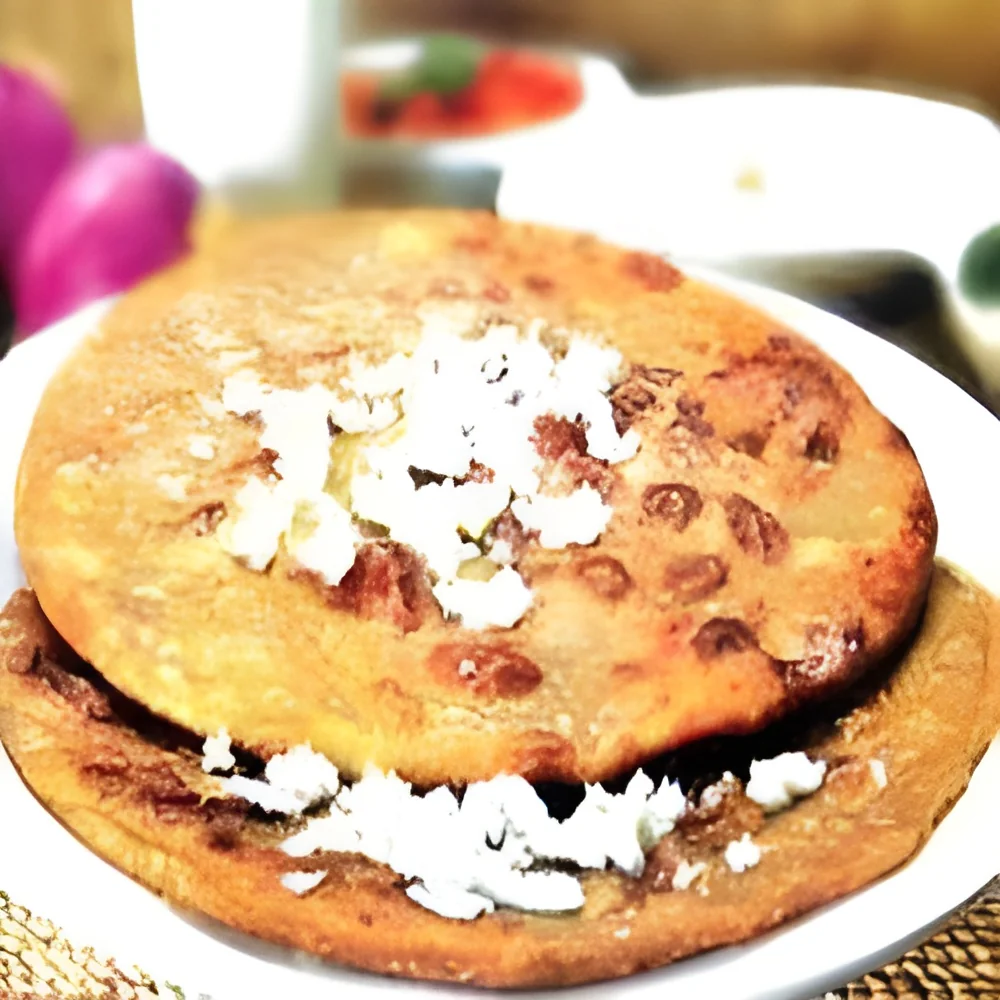
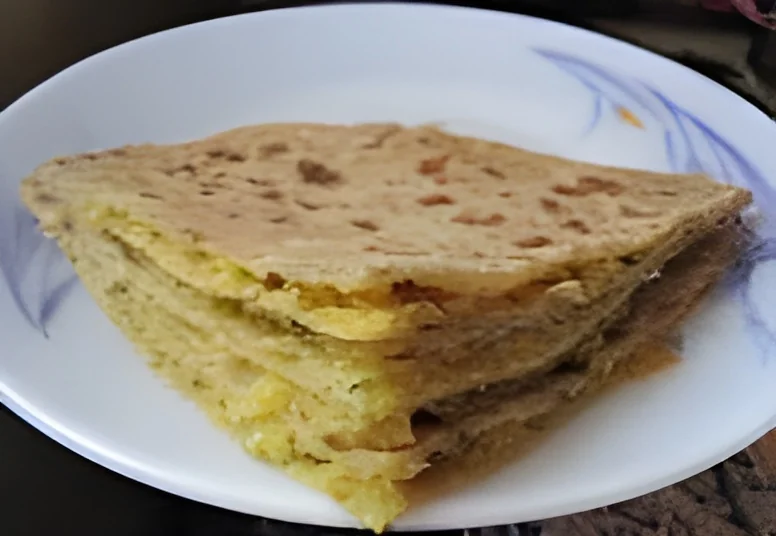
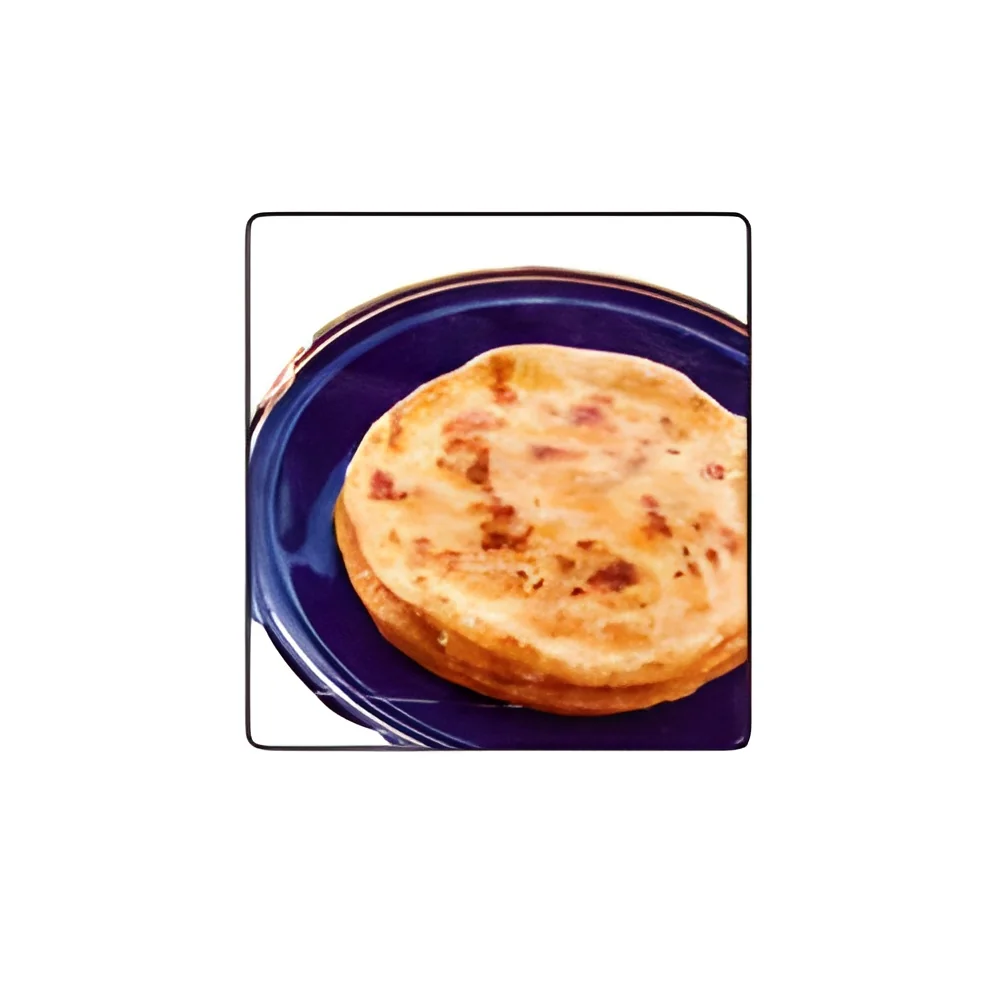
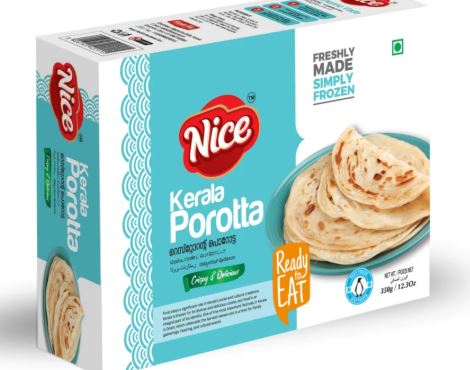
Plain Paratha: This variant is soft, flaky, and versatile, making it suitable for various dishes. It can be served with curries or used as a wrap for fillings.
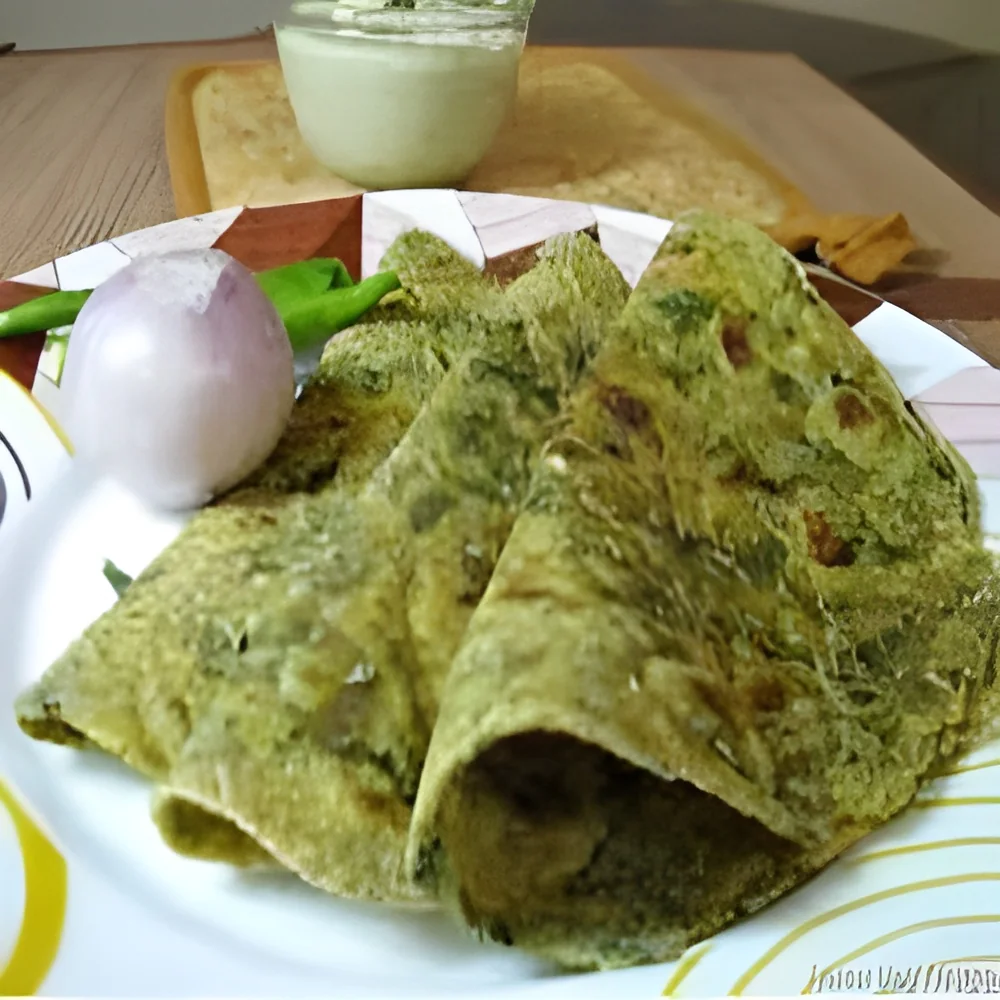
Stuffed Paratha: Popular flavors include potato, paneer, and mixed vegetables. These breads offer a hearty meal option and are ideal for quick lunches or snacks.
Naan: Traditional naan is soft and chewy, perfect for pairing with rich sauces. It can be offered plain or with garlic and other seasonings.
Garlic Naan: This variant adds a flavorful twist with garlic infusion, enhancing the overall dining experience.
๐๐ฒ๐ป๐ฒ๐ณ๐ถ๐๐ ๐ฎ๐ป๐ฑ ๐๐ฑ๐๐ฎ๐ป๐๐ฎ๐ด๐ฒ๐
Frozen Indian breads offer numerous benefits that are advantageous for businesses.
1. Convenience: They require minimal preparation time, allowing for quicker service in busy establishments.
2. Consistency: Each bread is produced to the same high-quality specifications, ensuring uniformity in taste and texture.
3. Cost-Effectiveness: Using frozen breads can reduce labor costs associated with preparing fresh bread from scratch.
4. Variety: Businesses can offer different types of breads to cater to diverse customer preferences, enhancing their menu appeal.
5. Extended Shelf Life: With proper storage, frozen breads remain fresh for extended periods, reducing waste and improving inventory management.
6. Authenticity: Frozen Indian breads enable businesses to serve authentic flavors without the complexity of traditional cooking methods.
๐๐๐๐ถ๐ป๐ด ๐๐๐ถ๐ฑ๐ฒ ๐ณ๐ผ๐ฟ ๐๐ฎ๐ ๐๐๐๐ฒ๐ฟ๐
When sourcing frozen Indian breads, businesses should consider several critical factors.
1. Quality Assessment: Ensure that the products meet high standards of freshness and taste. Look for suppliers who provide samples for evaluation.
2. Supplier Verification: Vet suppliers by checking their certifications, reviews, and industry reputation. Reliable suppliers ensure consistent product quality.
3. Pricing and MOQ: Analyze pricing structures and minimum order quantities (MOQ) to find a balance between cost-effectiveness and supply needs.
4. Delivery and Lead Times: Discuss logistics and expected delivery times to ensure that supply meets operational demands.
5. Compliance Requirements: Verify that the products comply with relevant food safety regulations and labeling requirements to avoid legal issues.
๐๐ผ๐บ๐ฝ๐น๐ถ๐ฎ๐ป๐ฐ๐ฒ ๐ฎ๐ป๐ฑ ๐๐ฒ๐ฟ๐๐ถ๐ณ๐ถ๐ฐ๐ฎ๐๐ถ๐ผ๐ป๐
Compliance with quality standards is essential for Frozen Indian Breads. Relevant standards include ISO 9001 for quality management systems, HACCP for food safety management, and GDP for good distribution practices.
Additionally, industry certifications such as CE ensure that the products meet European safety standards. Safety and testing requirements are critical to maintaining product integrity and consumer trust.
Regional compliance considerations vary, so businesses should be aware of local regulations in their markets to ensure that all products meet necessary requirements.
Why Source Frozen Indian Breads (Paratha, Naan) from Pepagora?
Pepagora provides a trusted platform for sourcing Frozen Indian Breads, offering several key advantages to businesses.
Verified Supplier Network: Pepagora connects buyers with a network of verified suppliers, ensuring quality and reliability in sourcing.
Streamlined RFQ Process: The platform simplifies the request for quotation (RFQ) process, allowing buyers to receive competitive quotes efficiently.
Trade Assurance and Support: Pepagora offers trade assurance, providing buyers with protection and support throughout the purchasing process.
Regional Coverage: With extensive reach across India, the GCC, and Southeast Asia, Pepagora ensures that businesses can source frozen Indian breads effectively across diverse markets.