What are Bulk Spices & Masala Mixes?
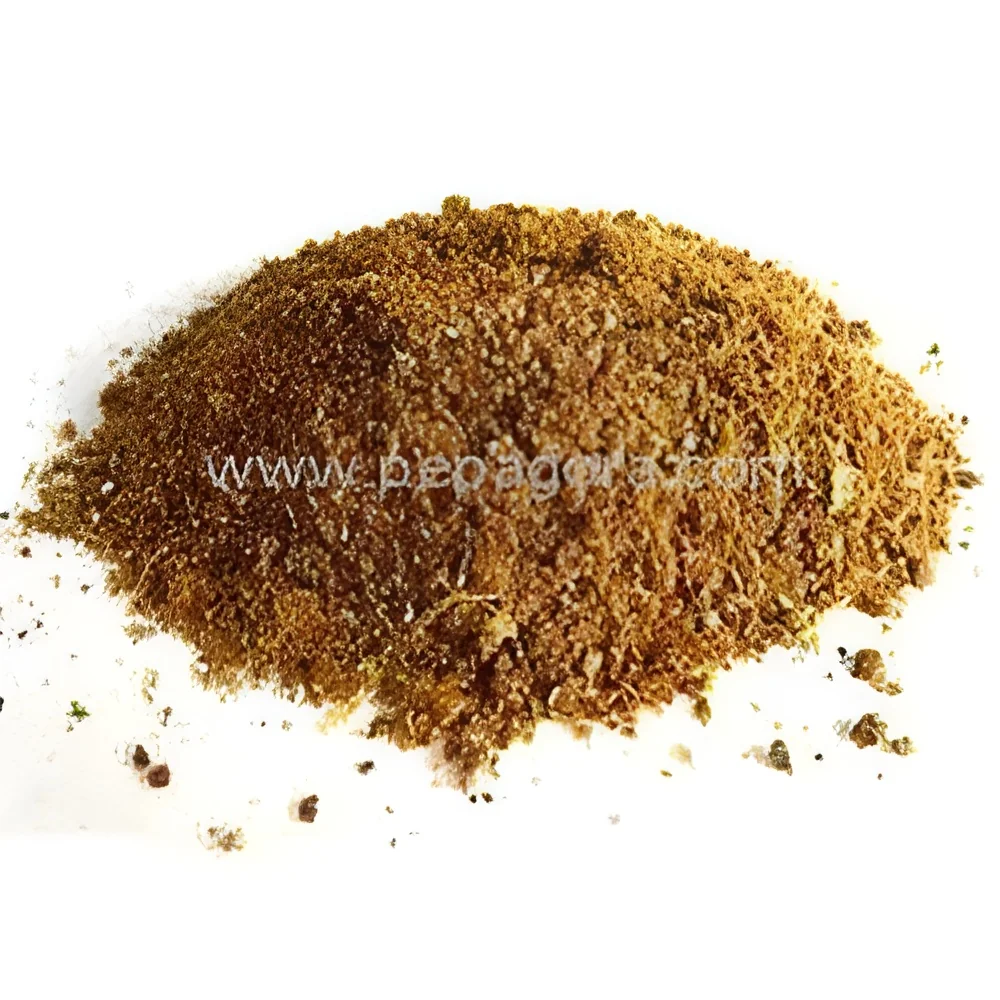
Bulk spices and masala mixes refer to large quantities of various spices and blends used primarily in cooking. These products are essential in enhancing the flavor, aroma, and color of food. Spices are derived from different parts of plants, including seeds, roots, and bark, while masala mixes are carefully curated blends of multiple spices designed for specific culinary applications.
These products are widely used in the food industry, including restaurants, catering services, and food processing companies. They serve as the backbone of countless recipes, allowing chefs to create authentic dishes with consistency and efficiency. In recent years, the market for bulk spices and masala mixes has seen significant growth due to the rising demand for diverse cuisines and flavor profiles across the globe.
The relevance of bulk spices and masala mixes in the industry is further underscored by the increasing popularity of ethnic foods and gourmet cooking. Businesses are looking for reliable suppliers who can provide high-quality products that meet their specific needs. The competitive landscape is characterized by an emphasis on quality, sourcing practices, and an understanding of regional flavors.
Key Features and Specifications
Bulk spices and masala mixes come with a variety of features and specifications that cater to the diverse needs of the food industry. Understanding these specifications is crucial for businesses looking to source these products effectively.
Key specifications include:
1. Quality Standards
- Adherence to quality standards such as ISO 9001 and HACCP ensures that products meet safety and quality benchmarks.
- Verification processes help maintain product integrity.
2. Flavor Profile
- Each spice or mix has a unique flavor profile that can vary based on origin and processing methods.
- Detailed descriptions of flavor notes can guide users in selecting the right blend for their culinary applications.
3. Packaging Options
- Bulk spices are often available in various packaging sizes, allowing businesses to choose quantities that fit their operational needs.
- Options may include vacuum-sealed bags, jars, or bulk containers.
4. Shelf Life
- Properly stored bulk spices can have a shelf life ranging from several months to years, depending on the type and storage conditions.
- Understanding shelf life is essential for inventory management.
5. Origin
- The geographical origin of spices can affect their flavor and quality.
- Sourcing from reputable regions known for specific spices can enhance product authenticity.
6. Moisture Content
- Control of moisture content is vital to prevent spoilage and maintain quality.
- Specifications typically indicate acceptable moisture levels for storage.
7. Customization Options
- Many suppliers offer customization of spice blends to meet specific customer requirements.
- Businesses can request tailored mixes for unique recipes.
8. Compliance Certifications
- Certifications such as CE and UL may apply, ensuring that products meet industry safety standards.
- Compliance with local regulations is also a consideration for import/export activities.
In summary, understanding the key features and specifications of bulk spices and masala mixes helps businesses make informed decisions when sourcing these essential culinary ingredients.
Common Applications and Use Cases
Bulk spices and masala mixes have a wide range of applications across various industries, making them versatile ingredients in the culinary world.
1. Food Service Industry: Restaurants and catering services utilize bulk spices to create consistent flavors in their dishes. These spices are crucial for maintaining recipe integrity and enhancing customer satisfaction.
2. Food Manufacturing: Food processing companies integrate bulk spices and masala mixes into packaged foods. This includes products like sauces, frozen meals, and marinades, where spices play a vital role in flavor enhancement.
3. Retail Food Products: Grocery stores and specialty shops sell bulk spices and masala mixes for home cooking. These products cater to consumers looking for authentic flavors in their meals.
4. Hospitality: Hotels and resorts often use bulk spices in their kitchens to prepare a variety of cuisines for guests. Quality spices can elevate the dining experience.
5. Health and Wellness: The rise in health-conscious eating has led to the use of natural spices in organic and health food products, where flavor and nutrition are both prioritized.
6. Export Markets: Many countries import bulk spices for local use or further processing, making them significant for international trade.
7. Ethnic Cuisine Restaurants: Establishments focusing on specific regional cuisines rely heavily on authentic spices and masala mixes to deliver traditional flavors.
Product Variants and Subcategories
Bulk spices and masala mixes come in various forms, accommodating different culinary needs and preferences.
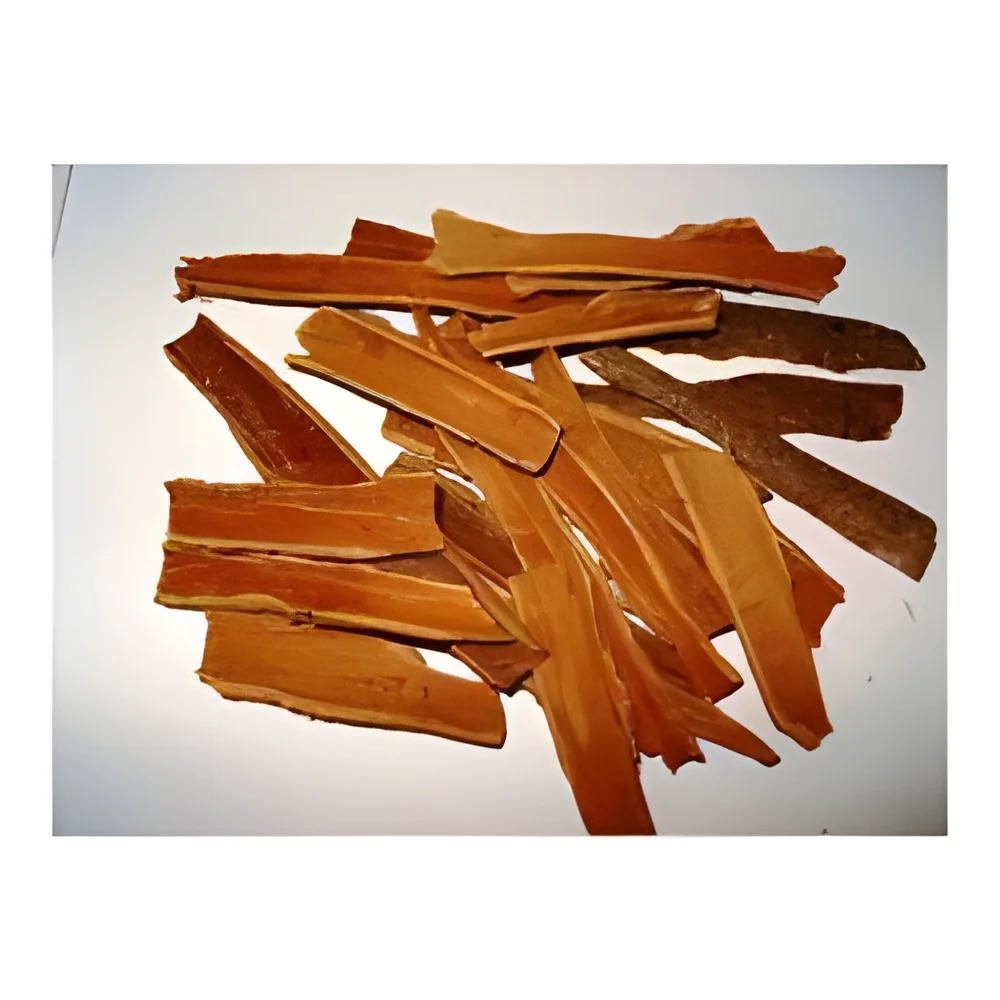
Whole Spices: Whole spices, such as cinnamon sticks and cardamom pods, provide robust flavors and are often preferred for their freshness. They can be ground as needed, ensuring maximum flavor retention.
Ground Spices: These are pre-ground spices like turmeric and cumin powder. They offer convenience for quick preparation and are critical in dishes where blending is essential.
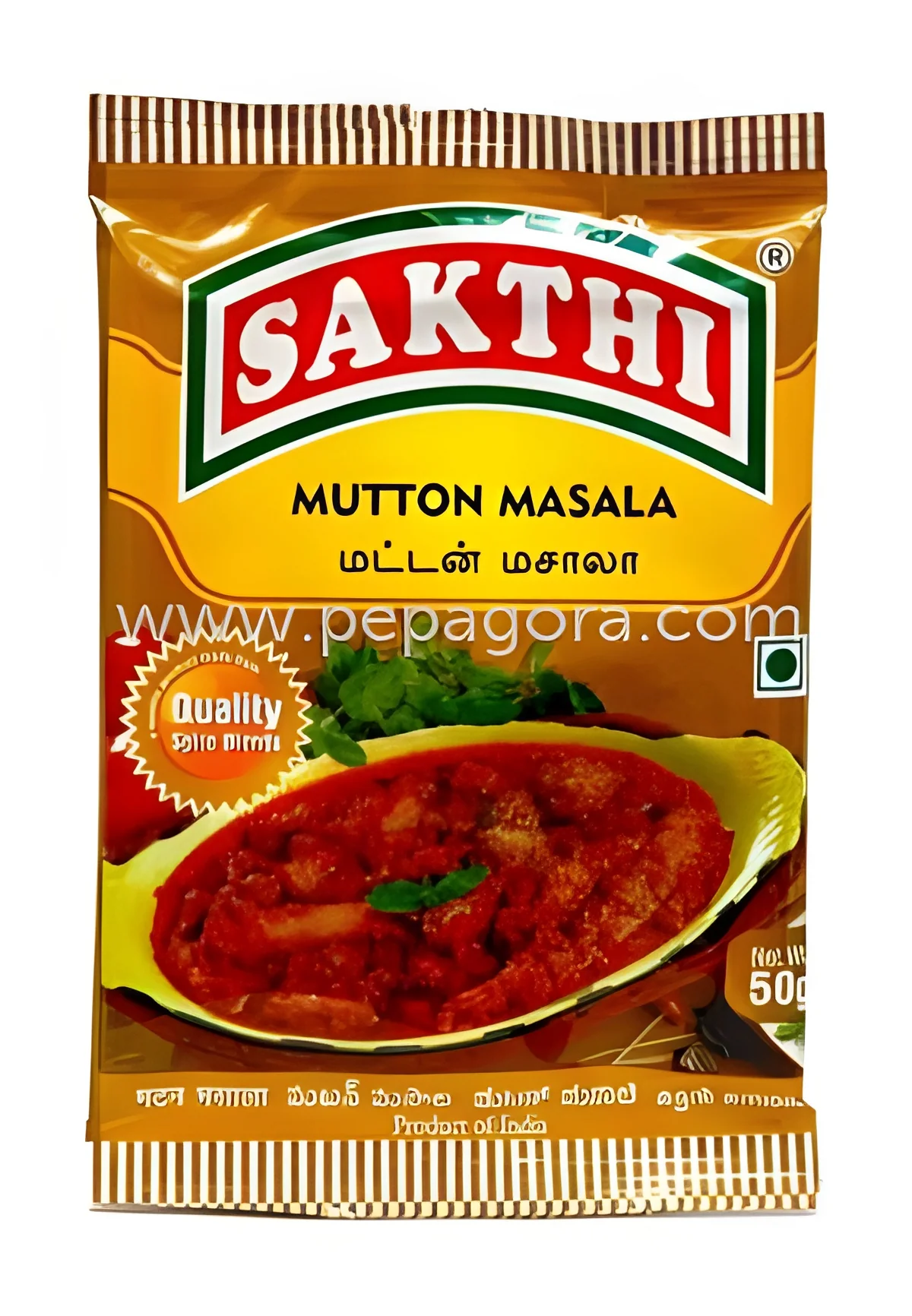
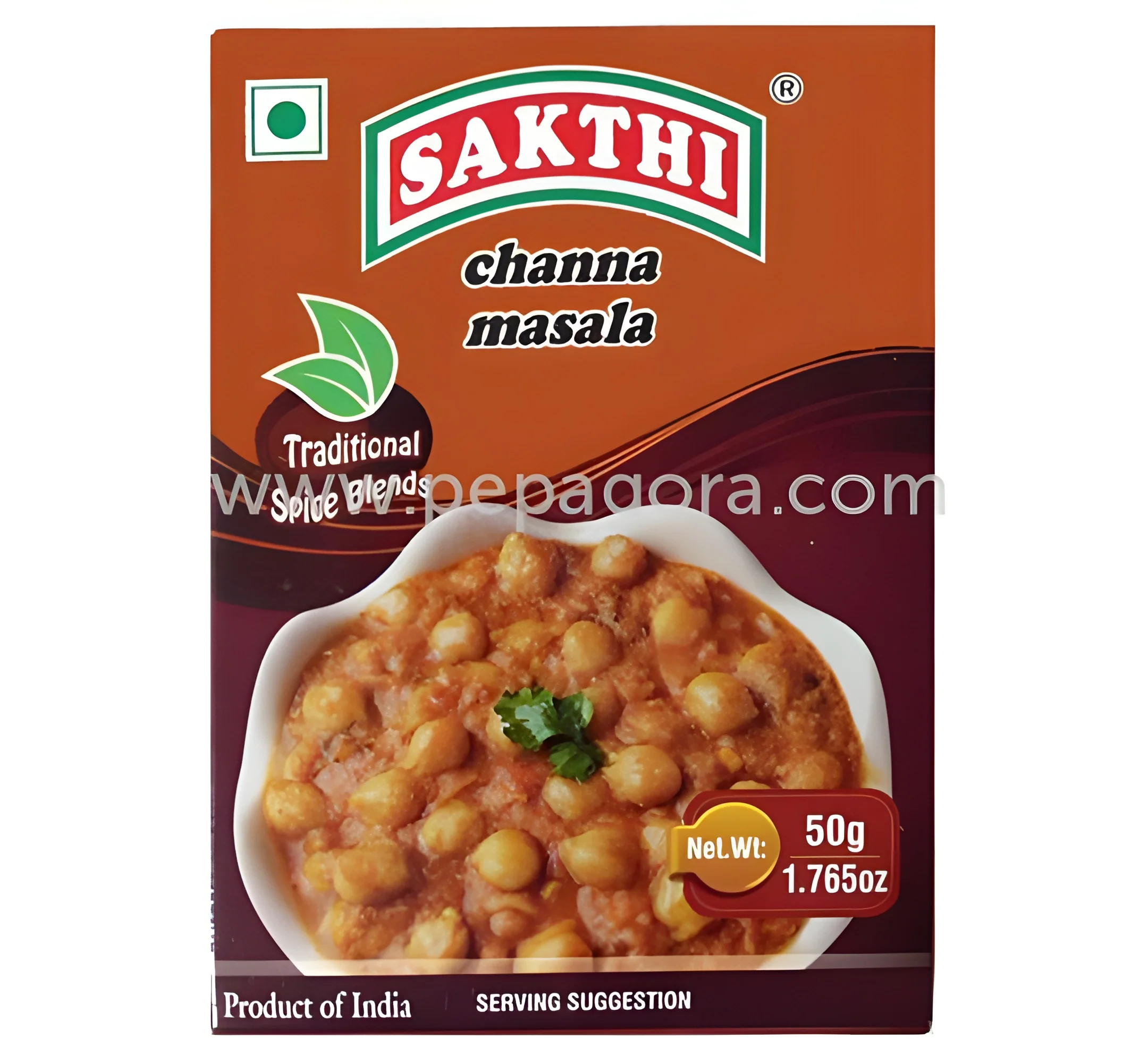
Masala Mixes: Custom blends designed for specific cuisines, such as garam masala or curry powder, offer a balanced flavor profile. They simplify the cooking process by providing a ready-to-use option for chefs.
Organic Spices: Sourced from organic farms, these spices appeal to health-conscious consumers and businesses emphasizing sustainability in their sourcing practices.
Seasoning Blends: These blends combine various spices with additional flavoring agents such as salt or sugar. They are designed for specific applications, like barbecue rubs or salad dressings.
Benefits and Advantages
Sourcing bulk spices and masala mixes offers numerous benefits that can enhance culinary operations.
1. Cost Efficiency: Purchasing in bulk typically results in lower costs per unit, allowing businesses to save on ingredient expenses.
2. Quality Control: Sourcing directly from suppliers enables better quality assurance, ensuring that only the finest spices are used in food preparation.
3. Flavor Consistency: Bulk spices provide a consistent flavor profile, which is crucial for maintaining the quality of dishes served across various locations.
4. Customization: Many suppliers offer tailored spice blends, allowing businesses to create unique flavors that cater to their target market.
5. Enhanced Shelf Life: When properly stored, bulk spices can last significantly longer than pre-packaged alternatives, reducing waste and ensuring supply.
6. Versatility: Bulk spices can be used in a wide range of applications, from savory to sweet dishes, making them a staple in any kitchen.
Buying Guide for B2B Buyers
When sourcing bulk spices and masala mixes, several factors should be considered to ensure the best selection for your business needs.
1. Quality Assessment: Look for suppliers that provide quality certifications and have a track record of delivering high-standard products. Conducting taste tests can also help in evaluating flavor profiles.
2. Supplier Verification: Vet suppliers to ensure they have a solid reputation in the industry. Check for reviews and ask for references to confirm their reliability.
3. Pricing and MOQ: Understand the pricing structure and minimum order quantities (MOQ) before making a commitment. This will help in budgeting and ensuring you can meet supply needs.
4. Delivery and Lead Times: Check the delivery schedules and lead times to ensure that your supply chain remains uninterrupted. Timely delivery is critical for maintaining operational efficiency.
5. Compliance Requirements: Be aware of any regulatory standards that may apply to the spices you are sourcing. This includes food safety certifications and compliance with local regulations.
Compliance and Certifications
Compliance and certifications are essential for ensuring the quality and safety of bulk spices and masala mixes. Relevant quality standards such as ISO 9001 and HACCP are critical in maintaining product integrity from sourcing to final use. These standards ensure that suppliers follow rigorous processes to meet safety and quality benchmarks.
Industry certifications, including CE and UL, indicate that products have undergone testing and meet specific safety requirements. This is important for businesses that prioritize the safety of their food products.
Safety and testing requirements are also fundamental. Regular tests for contaminants and quality assurance are necessary to ensure that spices are safe for consumption.
Regional compliance considerations may vary based on local regulations regarding food safety and labeling. Businesses must stay informed about these regulations to ensure their products meet all necessary guidelines.
Why Source Bulk Spices & Masala Mixes from Pepagora?
Pepagora offers a trusted platform for sourcing bulk spices and masala mixes, backed by several key advantages for businesses.
Verified Supplier Network: Pepagora ensures that all suppliers in its network are thoroughly vetted. This verification process guarantees that buyers are working with reputable and reliable sources.
Streamlined RFQ Process: The request for quotation (RFQ) system simplifies the sourcing process. Buyers can easily compare prices and specifications from multiple suppliers in one place.
Trade Assurance and Support: Pepagora provides trade assurance, offering buyers protection against potential issues during transactions. This support fosters confidence in the sourcing process.
Regional Coverage: With a focus on markets in India, the GCC, and Southeast Asia, Pepagora has extensive regional coverage. This allows businesses to access a diverse range of spices and masala mixes tailored to local cuisines and preferences.

 IN
IN