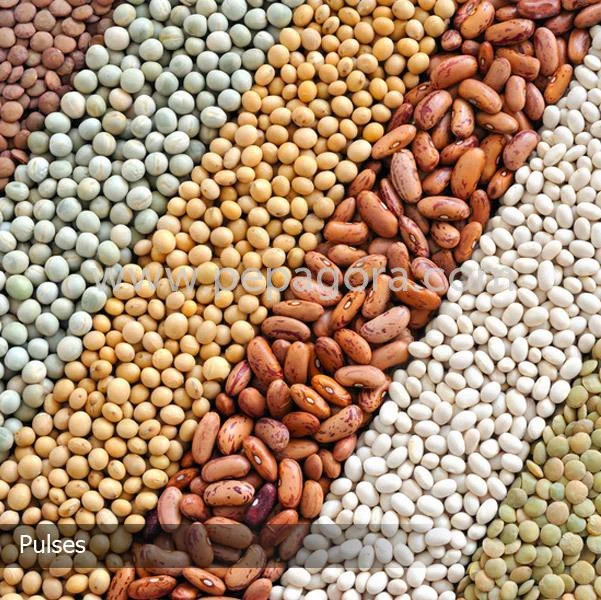
What are Bulk Pulses & Lentils?
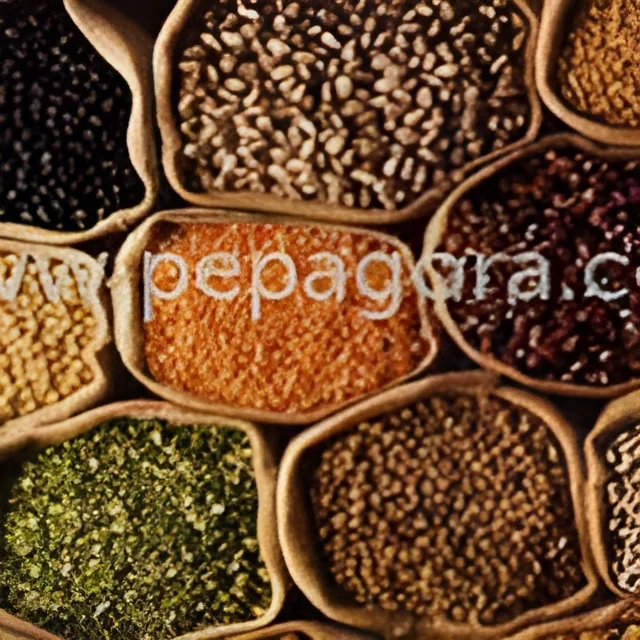
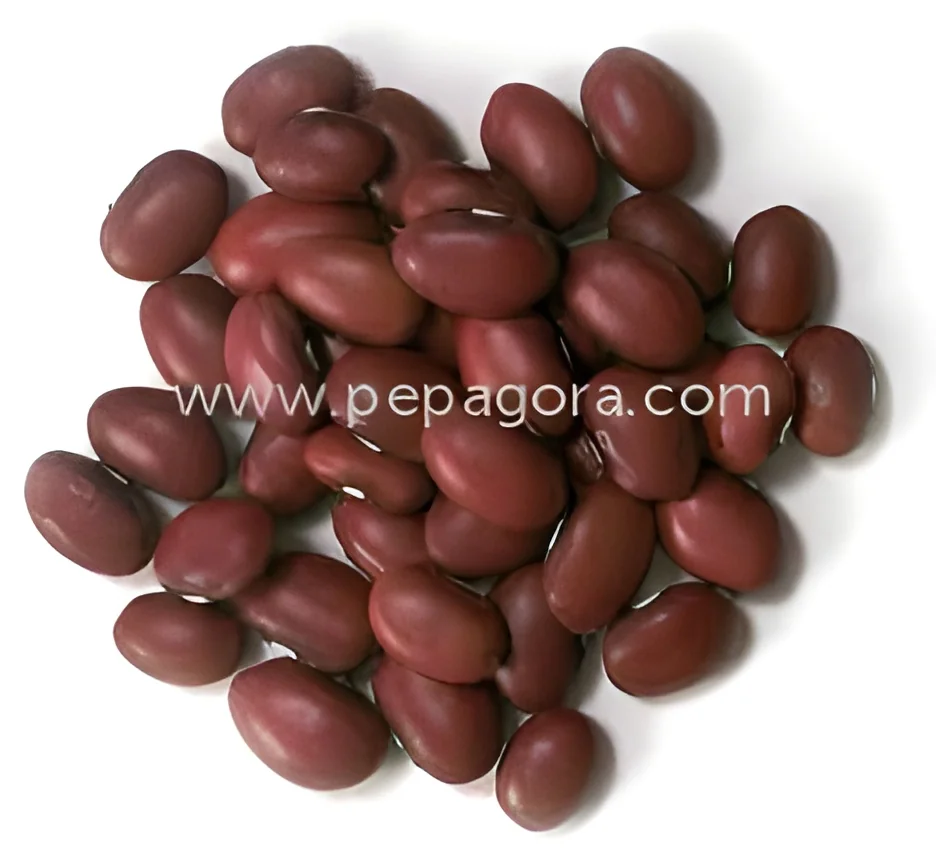
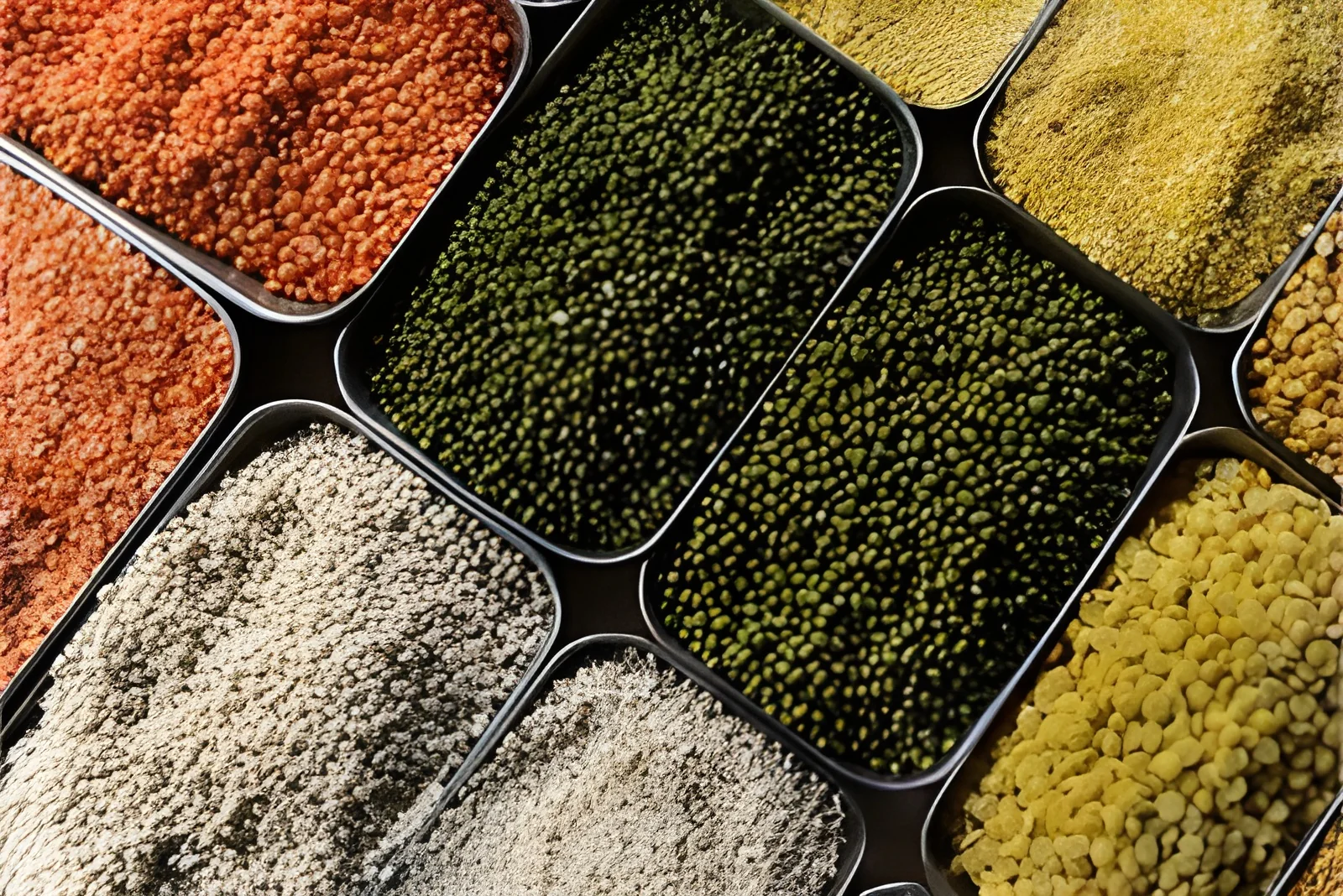
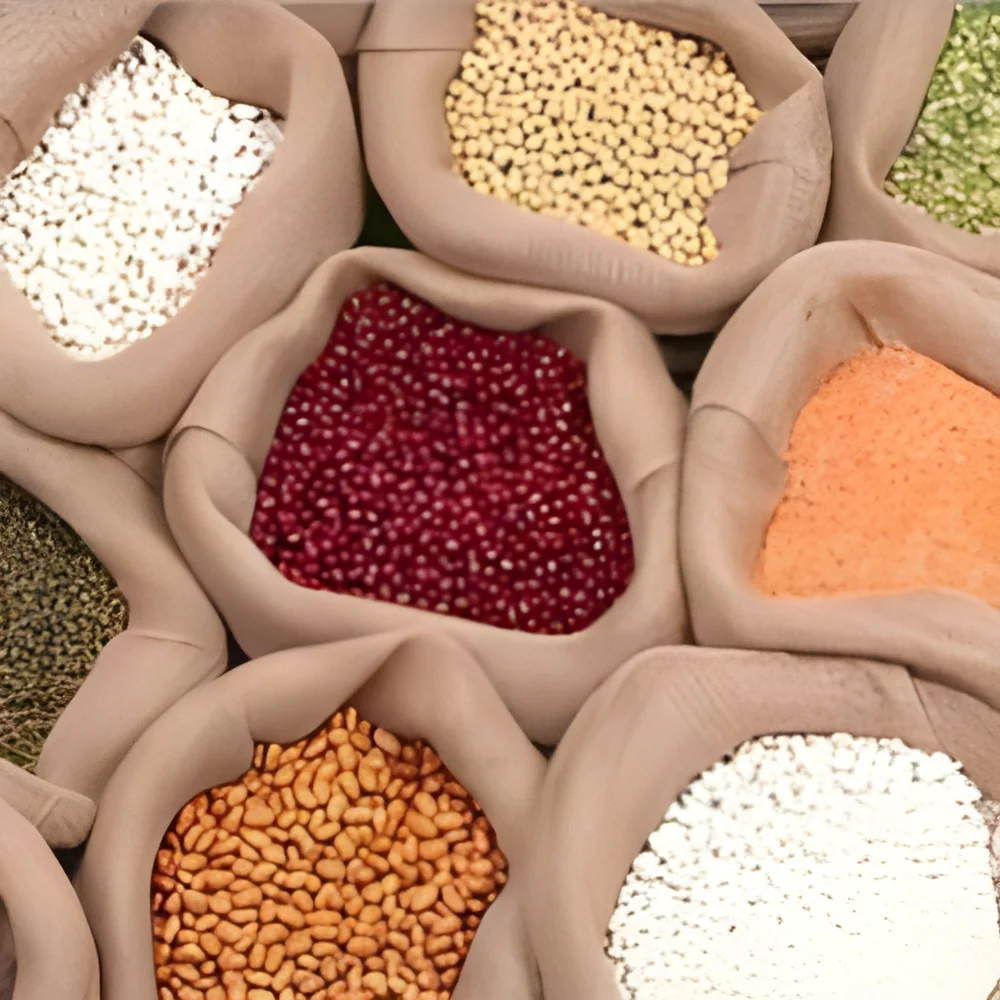
Bulk pulses and lentils are dried seeds from leguminous plants that are harvested for their nutritional value and versatility. They are a staple in various cuisines around the world and are known for their high protein content, fiber, and essential vitamins. Pulses include beans, peas, chickpeas, and lentils, which are distinguished by their hard outer shells and typically require soaking or cooking before consumption.
These products serve significant roles in both food manufacturing and direct consumption markets. They are used in the production of protein-rich food products, snacks, and meal bases. Additionally, they find applications in the feed industry and as ingredients in various processed foods. The market for bulk pulses and lentils has been growing due to the increasing demand for plant-based protein sources, making them relevant in today's health-conscious consumer landscape.
Key Features and Specifications
Bulk pulses and lentils offer a range of features that cater to diverse industrial needs. Their quality and specifications can vary based on the type of pulse or lentil, with each having unique attributes that influence their use in various applications.
Key specifications include:
1. Quality Assessment
- Pulses and lentils are evaluated based on color, size, and absence of defects.
- Standards often align with international quality parameters.
2. Nutritional Content
- Typically high in protein, fiber, and essential nutrients.
- Varied nutritional profiles depending on the specific type of pulse or lentil.
3. Moisture Content
- Ideal moisture levels ensure freshness and prevent spoilage.
- Common ranges are between 12-14 percent.
4. Shelf Life
- Generally, pulses and lentils have a shelf life of 1-2 years if stored properly.
- This duration can vary based on packaging and environmental conditions.
5. Packaging Options
- Available in bulk bags, bins, or smaller retail packaging.
- Custom packaging may be offered based on buyer requirements.
6. Origin and Variety
- Sourced from different regions, each with unique varieties.
- Geographic origin can influence flavor and cooking properties.
7. Compliance Standards
- Must adhere to industry standards and regulations for food safety.
- Compliance with certifications like CE and UL is common.
8. Supply Chain Flexibility
- Options for just-in-time delivery or bulk orders.
- Flexible ordering processes cater to various business sizes.
In summary, understanding these key specifications helps businesses choose the right type of bulk pulses and lentils for their needs.
Common Applications and Use Cases
Bulk pulses and lentils are utilized across various industries due to their nutritional benefits and versatility.
1. Food Industry: Pulses and lentils are used as primary ingredients in soups, stews, and processed foods. They provide essential nutrients and cater to vegetarian and vegan diets.
2. Snack Production: Many companies use lentils and pulses to create healthy snack alternatives, such as lentil chips and roasted chickpeas, appealing to health-conscious consumers.
3. Animal Feed: Pulses are often included in livestock feed due to their high protein content, promoting healthy growth and weight gain in animals.
4. Pharmaceuticals: Some pulses are processed into ingredient forms for dietary supplements, offering health benefits to consumers.
5. Catering Services: Catering businesses use bulk pulses and lentils in large quantities to prepare nutritious meals for events and gatherings.
6. Organic Farming: Many organic farms incorporate pulses into their crop rotation for soil enrichment and pest management.
7. Export Markets: Countries with large agricultural outputs of pulses often export these products, catering to international markets.
Product Variants and Subcategories
The diversity of bulk pulses and lentils allows for various product variants, each serving distinct purposes.
Red Lentils
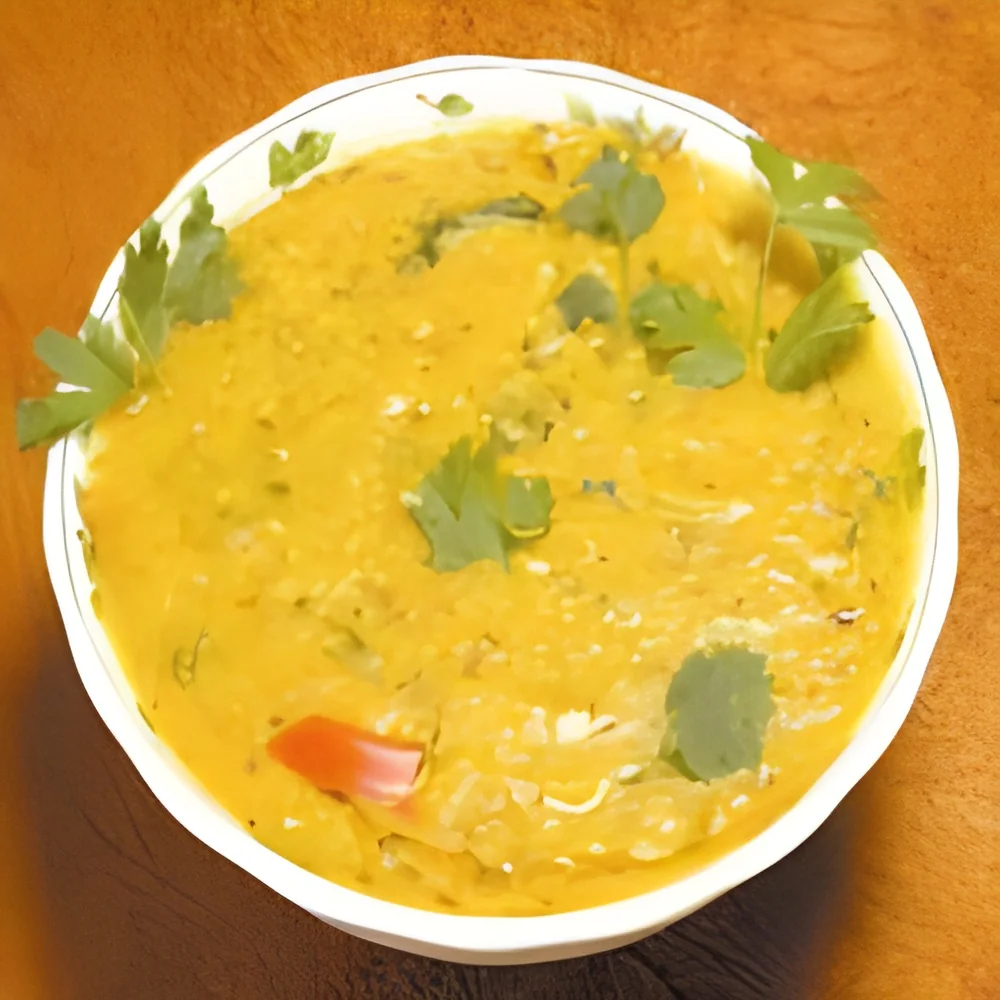
Red lentils cook quickly and are often used in soups and purees. Their mild flavor and soft texture make them ideal for a variety of dishes.
Green Lentils
Green lentils maintain their shape after cooking, making them suitable for salads and side dishes. They have a slightly peppery flavor that enhances many recipes.
Black Beans
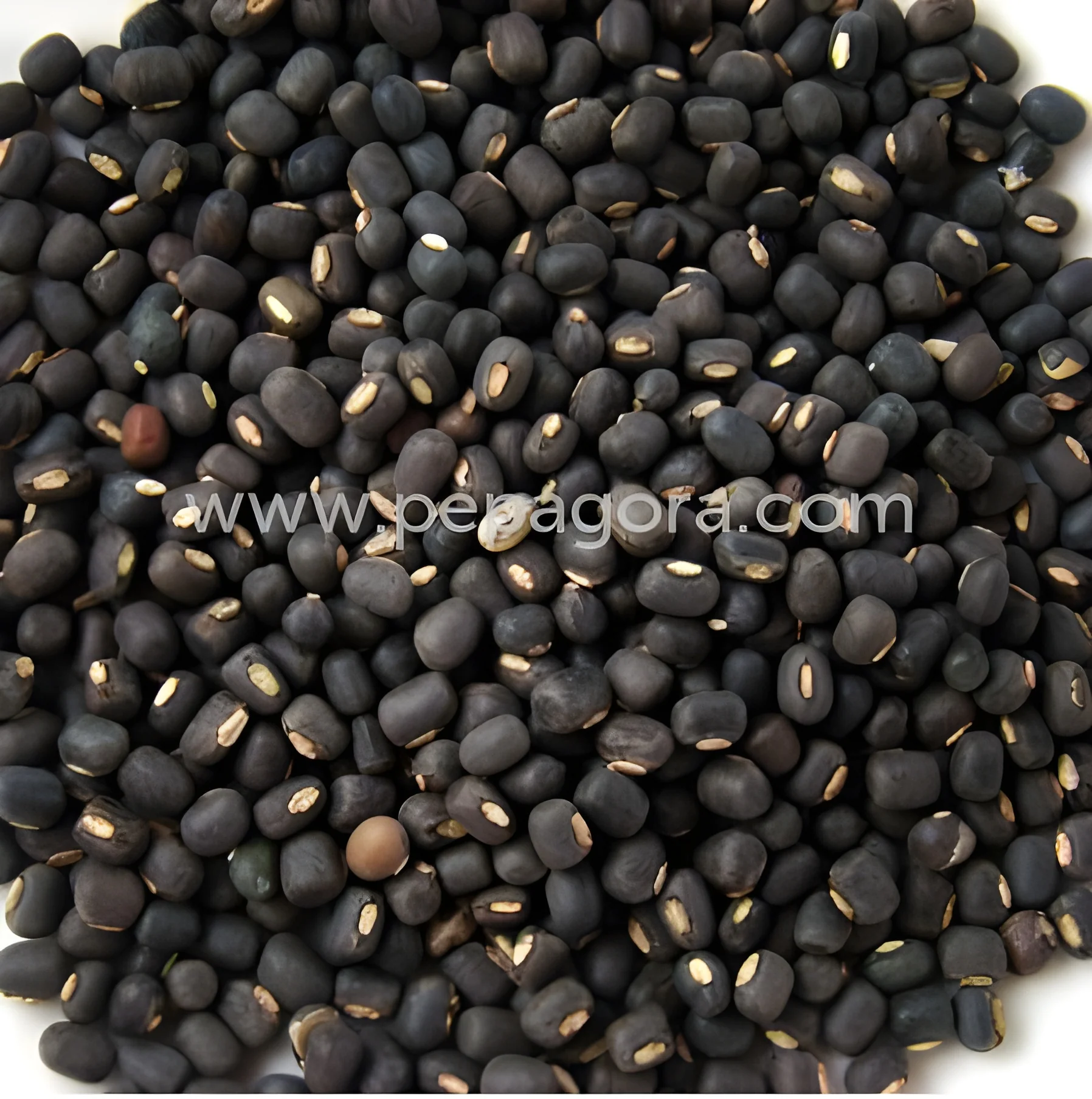
Known for their rich taste and color, black beans are commonly used in Latin American cuisine. They are high in protein and fiber, making them a popular choice for health-focused meals.
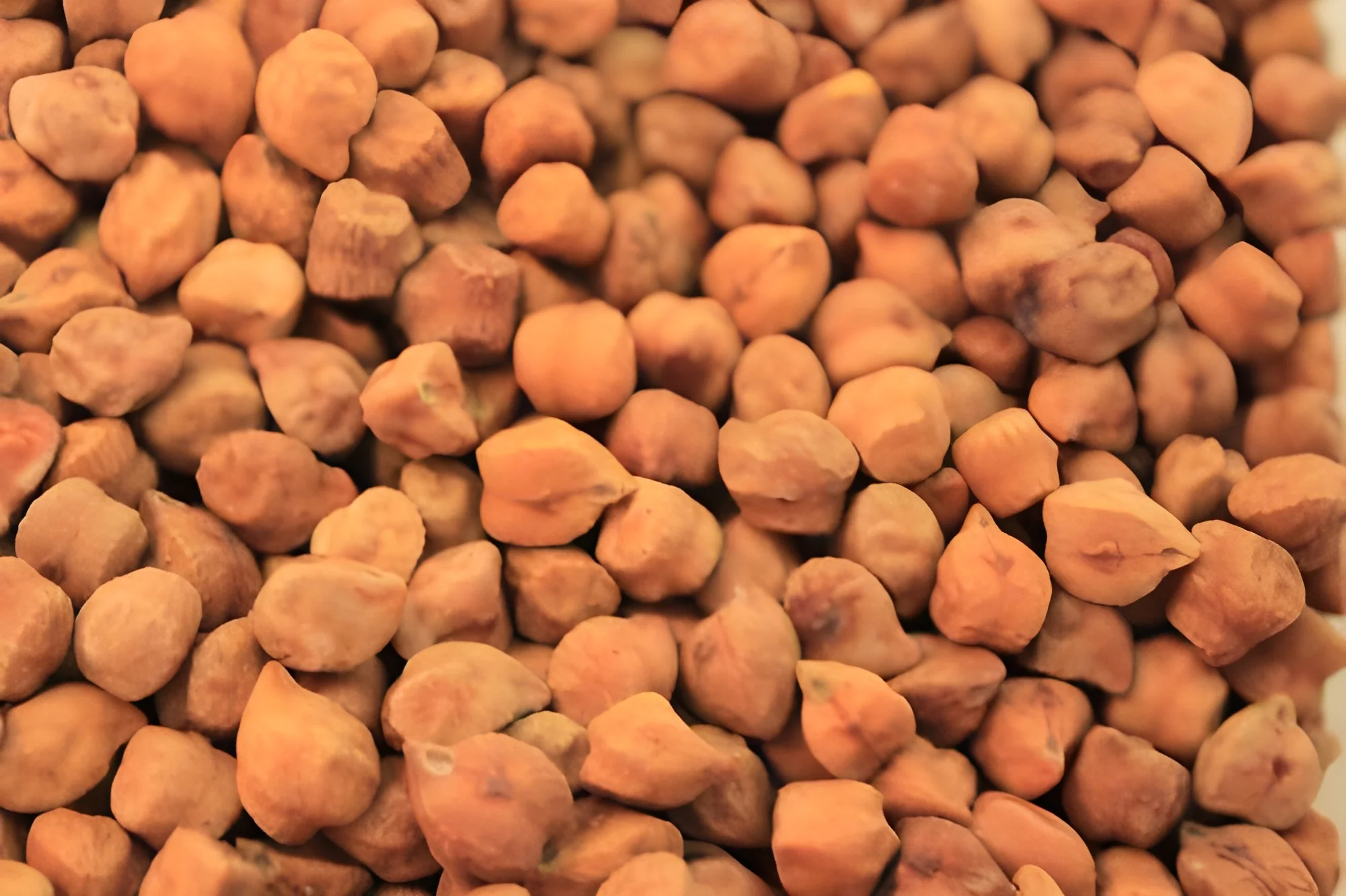
Chickpeas
Chickpeas are versatile and can be used in salads, hummus, or as a meat substitute. They are high in protein and offer a nutty flavor.
Benefits and Advantages
Bulk pulses and lentils offer numerous advantages for businesses looking to incorporate these ingredients into their offerings.
1. High Nutritional Value: Pulses and lentils are rich in protein, making them an excellent source of nutrition for various consumer diets.
2. Cost-Effective: Compared to meat, pulses and lentils are generally more affordable while providing similar nutritional benefits.
3. Versatility: They can be used in a wide range of dishes, from soups to salads, making them suitable for many culinary applications.
4. Health Benefits: Regular consumption of pulses and lentils is linked to lower cholesterol and improved heart health.
5. Sustainable Sourcing: Growing pulses requires less water and energy than animal protein sources, making them an environmentally friendly choice.
6. Long Shelf Life: Their extended shelf life allows businesses to maintain inventory without quick turnover, reducing waste.
Buying Guide for B2B Buyers
When sourcing bulk pulses and lentils, several factors should be considered to ensure the best quality and value.
1. Quality Assessment: Ensure the pulses and lentils meet specific quality criteria regarding size, color, and moisture content. Look for suppliers who adhere to international standards.
2. Supplier Verification: Vet potential suppliers thoroughly to confirm their reliability and reputation in the market. Check for certifications and customer reviews.
3. Pricing and MOQ: Understand the pricing structure and minimum order quantities (MOQ) set by suppliers. This information helps in budgeting and planning orders.
4. Delivery and Lead Times: Discuss logistics with suppliers to ensure timely delivery that meets your production schedules. Confirm lead times based on order size.
5. Compliance Requirements: Be aware of regulatory needs that may apply to your products, including safety certifications and quality control measures.
Compliance and Certifications
Ensuring compliance and obtaining necessary certifications for bulk pulses and lentils is crucial in maintaining product quality and safety.
Relevant quality standards, such as ISO 9001, ensure that suppliers consistently meet customer requirements and enhance satisfaction. HACCP (Hazard Analysis Critical Control Point) is essential for identifying and managing food safety risks throughout the production process.
Industry certifications like CE and UL signify adherence to safety and performance standards. These certifications can enhance a product's marketability and provide assurance to buyers.
Additionally, safety and testing requirements are critical for ensuring that products are free from contaminants and meet health regulations. Regional compliance considerations may include specific labeling requirements and adherence to local food safety laws.
Why Source Bulk Pulses & Lentils from Pepagora?
Pepagora offers a trusted platform for sourcing bulk pulses and lentils, providing several key advantages that set it apart in the marketplace.
The verified supplier network ensures that all suppliers undergo thorough vetting processes. This verification fosters trust and reliability in sourcing high-quality products.
The streamlined RFQ process simplifies the quotation system, allowing buyers to obtain competitive pricing and terms quickly. This efficiency is crucial for businesses looking to maintain a smooth supply chain.
Trade assurance and support provide an extra layer of protection for buyers. This assurance helps mitigate risks associated with purchasing, ensuring that transactions are secure.
Lastly, Pepagora's regional coverage spans India, the GCC, and Southeast Asia, making it a valuable resource for businesses seeking to source bulk pulses and lentils from diverse markets. The platform connects buyers with suppliers who can meet their specific needs effectively.

 IN
IN