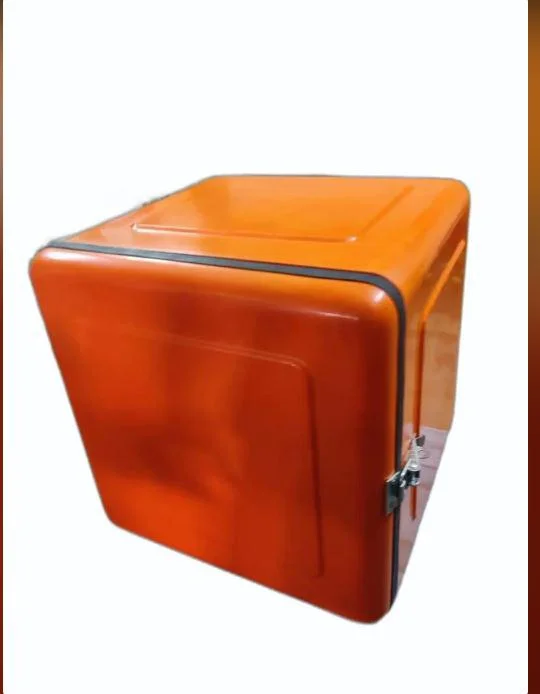
What are Food Delivery Packaging Boxes?
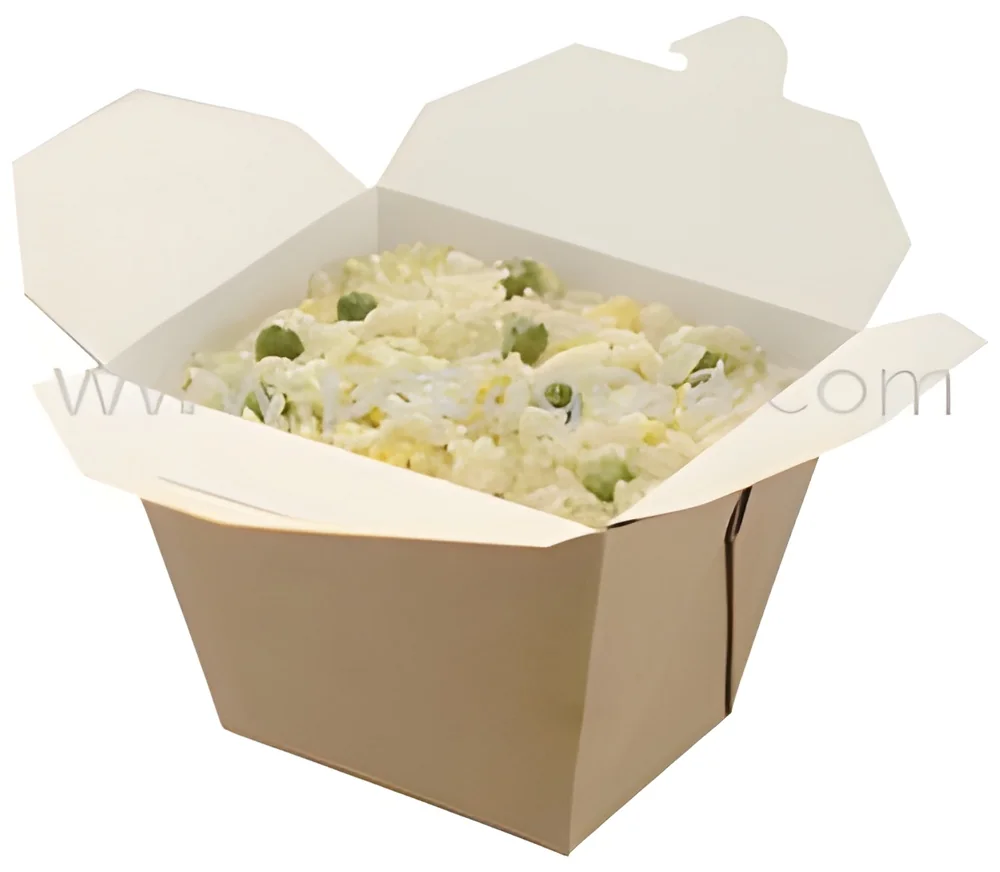
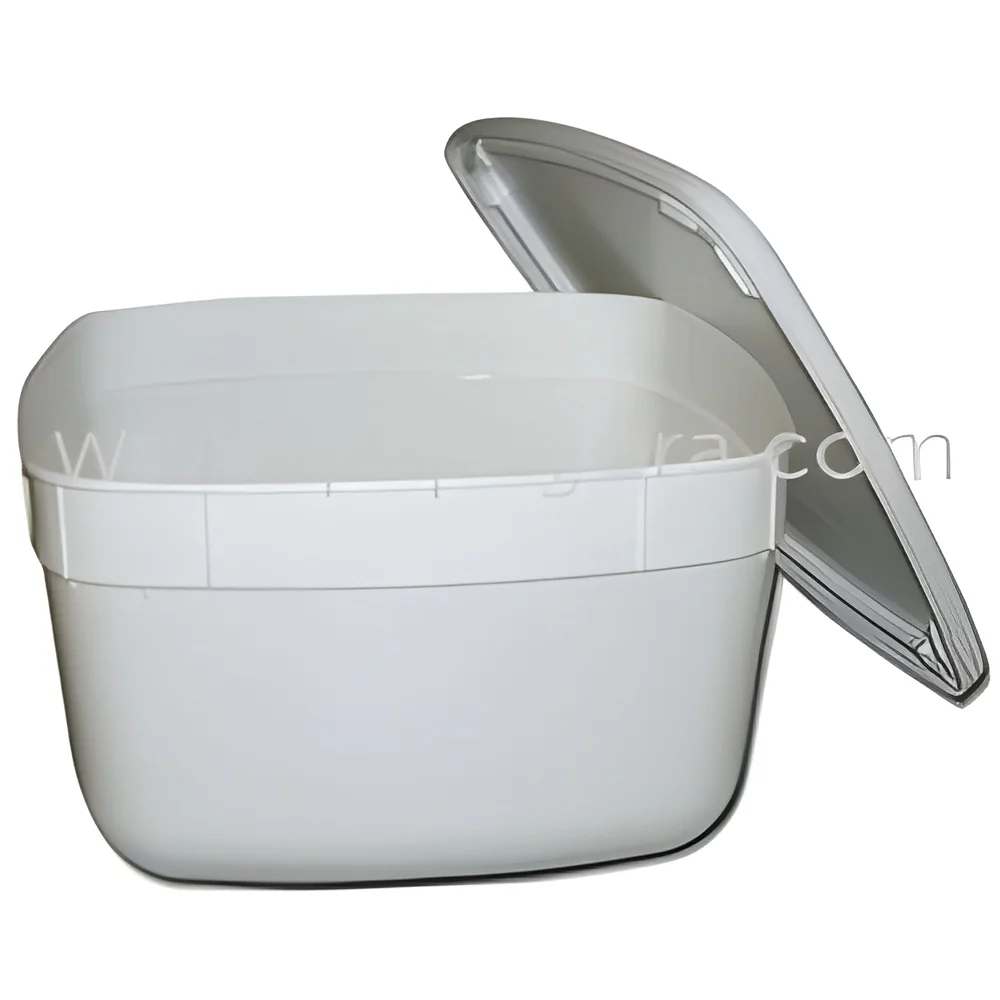
Food delivery packaging boxes are specialized containers designed to safely transport prepared food from restaurants or food service establishments to consumers. These boxes are crafted to maintain the integrity and temperature of food items during transit. They can come in various shapes and sizes, accommodating different types of meals, whether they are hot, cold, solid, or liquid.
The primary uses of food delivery packaging boxes are to ensure food safety, preserve freshness, and provide convenience for both food providers and customers. Restaurants, catering services, and food delivery companies utilize these boxes to package meals for takeout, delivery, or catering events. As the food delivery market continues to grow, the demand for reliable and efficient packaging solutions has become increasingly important.
In the current market context, food delivery packaging boxes play a crucial role in the overall food supply chain. With the rise of online food ordering and delivery services, companies must ensure their packaging meets consumer expectations for quality and safety. This relevance is heightened by an increasing focus on sustainability and eco-friendly materials, pushing the industry to innovate and adapt.
Key Features and Specifications
Food delivery packaging boxes are designed with several key features that enhance their functionality and usability. These specifications ensure that the boxes meet the diverse needs of food service providers while maintaining quality and safety.
Key specifications include:
1. Material Composition
- Boxes are typically made from materials such as cardboard, paperboard, or biodegradable plastics.
- These materials are chosen for their strength and insulation properties.
2. Size Options
- Available in various sizes to accommodate different types of food items.
- Custom sizes can be ordered based on specific business needs.
3. Insulation Properties
- Designed to maintain the temperature of hot or cold food.
- Insulated options may include thermal liners or double-walled construction.
4. Ventilation Features
- Some boxes come with ventilation holes to prevent steam buildup.
- This helps maintain food quality during transit.
5. Customization Options
- Many suppliers offer customization for branding and design.
- Custom prints can enhance brand visibility and customer experience.
6. Eco-friendly Options
- Availability of biodegradable and recyclable materials.
- Supports businesses looking to reduce their environmental impact.
7. Stackability
- Designed for easy stacking during storage and transport.
- Helps optimize space and improve logistics.
8. Leak-proof Design
- Many boxes feature seals or coatings to prevent leakage.
- Essential for transporting liquid or saucy food items.
In summary, food delivery packaging boxes are built with multiple features that cater to food safety, convenience, and sustainability, making them essential for the food service industry.
Common Applications and Use Cases
Food delivery packaging boxes find applications across various industries, ensuring food is delivered safely and efficiently.
1. Restaurants: Many restaurants use these boxes for takeout and delivery services, allowing customers to enjoy meals at home while maintaining quality.
2. Catering Services: Caterers utilize food delivery packaging boxes to transport larger quantities of food to events, ensuring freshness and presentation.
3. Food Trucks: Mobile food vendors rely on these boxes to serve food efficiently, providing customers with a convenient option for on-the-go meals.
4. Meal Kit Companies: Businesses that provide meal kits use specialized packaging to ensure ingredients remain fresh and are delivered safely.
5. Grocery Stores: Some grocery stores offer prepared meal options packaged in food delivery boxes, allowing customers to purchase ready-to-eat meals.
6. Bakeries: Bakeries utilize these boxes for delivering cakes and pastries, ensuring that delicate items arrive intact.
7. Health Food Services: Companies focusing on health-conscious meals often use eco-friendly packaging options to align with their brand values.
Product Variants and Subcategories
Food delivery packaging boxes come in a variety of forms to suit different needs and preferences. This diversity allows businesses to select the most appropriate solutions for their specific applications.
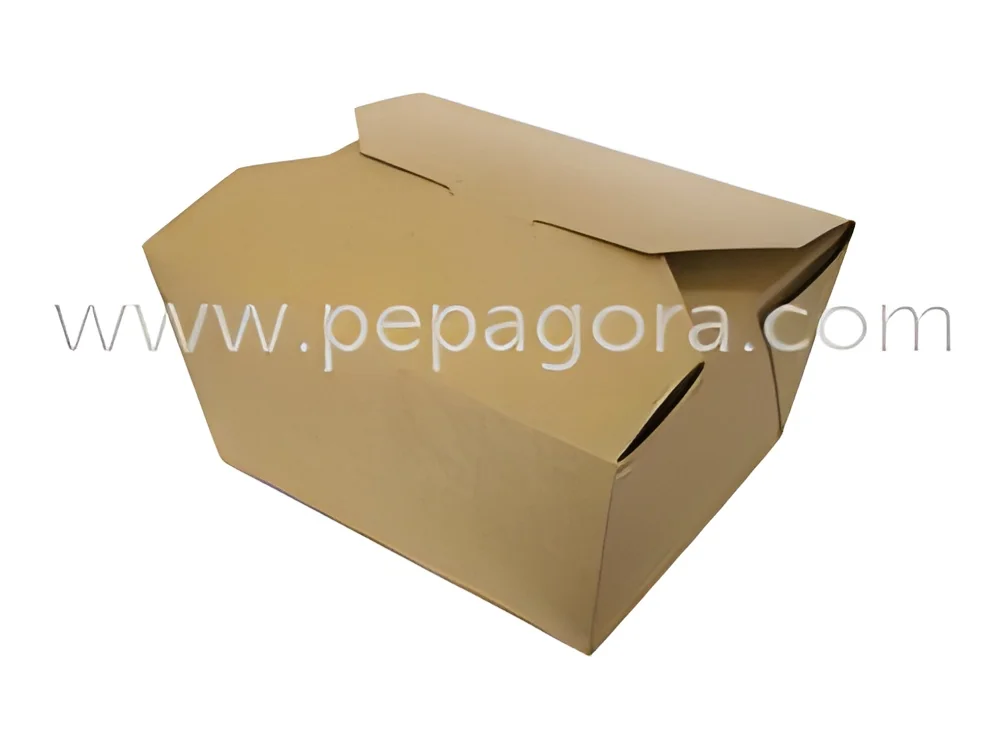
Takeout Boxes: These are designed for quick service and convenience, often featuring secure closures to prevent spills during transport. They are ideal for fast food and casual dining establishments.
Insulated Delivery Boxes: These boxes are specifically designed to maintain food temperature during delivery. They often include thermal insulation and are perfect for hot meals or desserts that require temperature control.
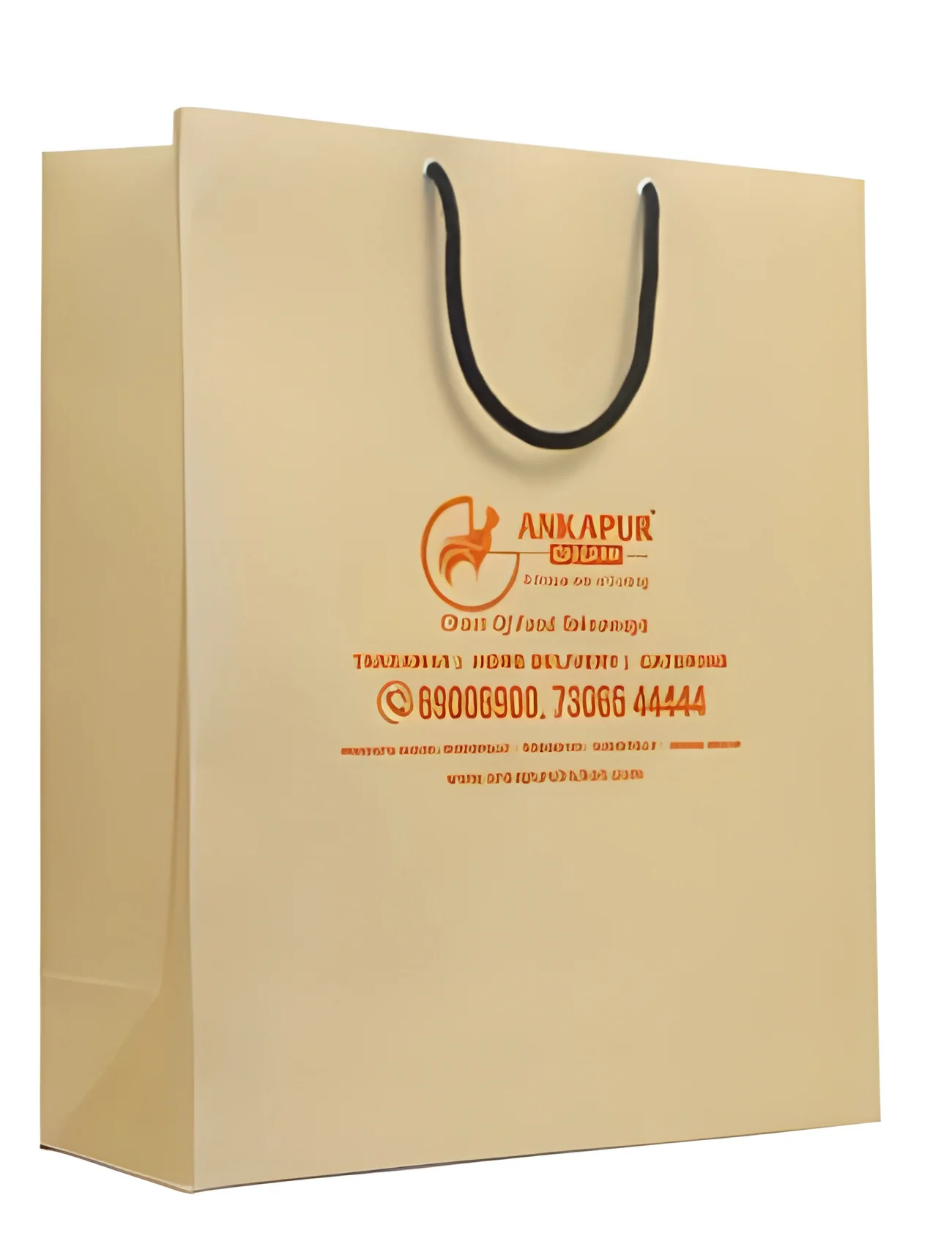
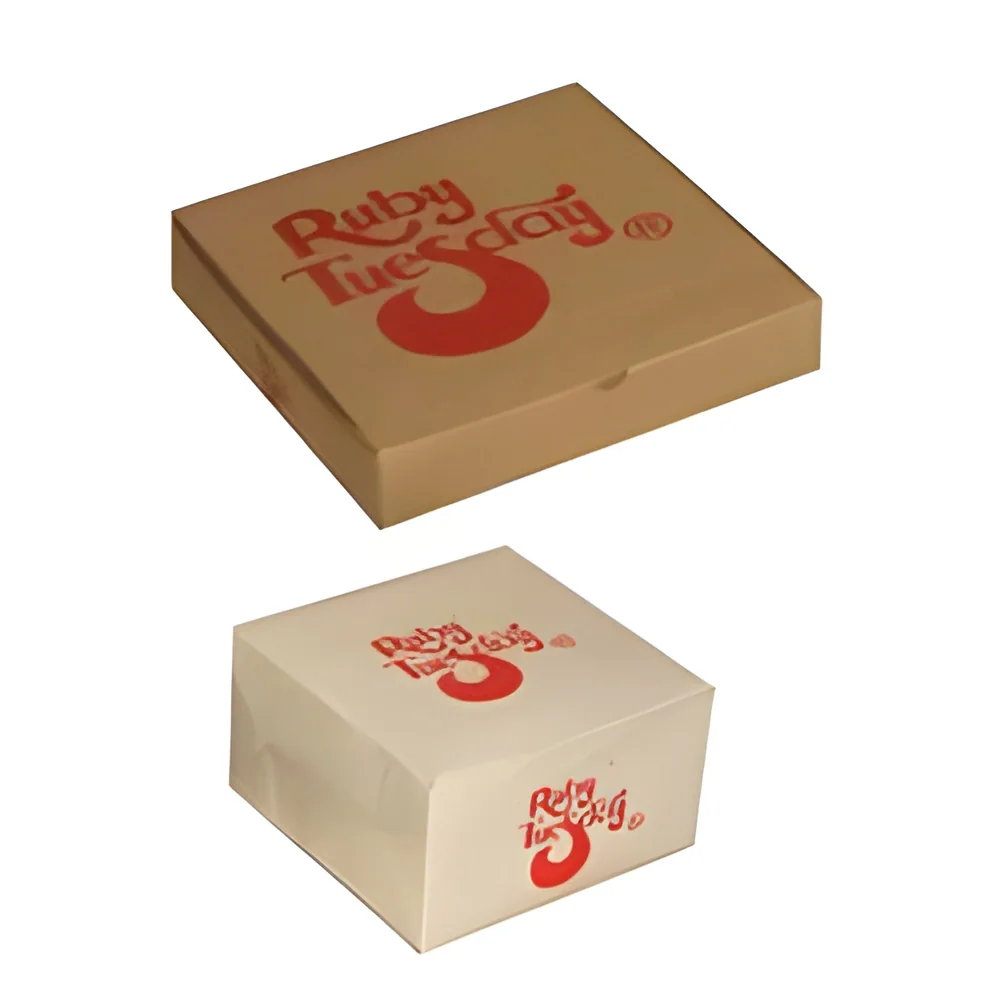
Custom-Branded Boxes: Many businesses opt for customized packaging that showcases their branding. These boxes can be printed with logos and designs, enhancing brand visibility and customer experience.
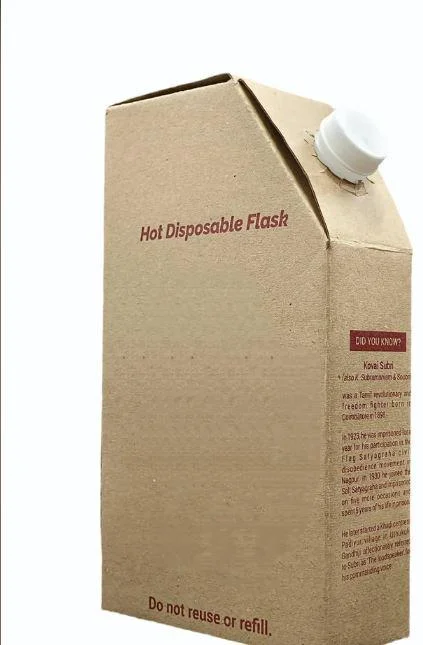
Eco-friendly Boxes: With increasing demand for sustainable packaging, these boxes are made from biodegradable materials. They are suitable for businesses looking to reduce their environmental footprint.
Benefits and Advantages
Food delivery packaging boxes offer several key benefits that enhance the overall delivery process for food businesses.
1. Enhanced Food Safety: These boxes are designed to protect food items from contamination during transit, ensuring they remain safe for consumption.
2. Temperature Maintenance: Many packaging options are insulated, helping to keep hot foods hot and cold foods cold until they reach the customer.
3. Brand Visibility: Customizable packaging allows businesses to promote their brand effectively, creating a memorable experience for customers.
4. Convenience: These boxes are designed for easy packing and handling, facilitating a smoother process for food service providers.
5. Sustainability: Eco-friendly options help businesses align with consumer preferences for environmentally responsible practices.
6. Cost-Effectiveness: High-quality packaging can reduce food waste and enhance delivery efficiency, ultimately saving costs for businesses.
Buying Guide for B2B Buyers
When sourcing food delivery packaging boxes, B2B buyers should consider several important factors to ensure they select the best products for their needs.
1. Quality Assessment: Evaluate the material quality and durability of the packaging. Boxes should withstand transport stresses without compromising food safety.
2. Supplier Verification: Conduct thorough research on potential suppliers. Check for reviews, certifications, and their track record in providing reliable packaging solutions.
3. Pricing and MOQ: Understand the pricing structure and minimum order quantities (MOQ) to ensure compatibility with your budget and delivery needs.
4. Delivery and Lead Times: Confirm the expected delivery times and logistics capabilities of the supplier to avoid delays in your operations.
5. Compliance Requirements: Ensure that the packaging meets relevant regulations and industry standards. This includes safety certifications and material compliance for food contact.
Compliance and Certifications
Food delivery packaging boxes must adhere to various quality standards and regulations to ensure safety and reliability. Key standards include ISO 9001, which outlines quality management systems, and HACCP, which focuses on food safety during production and handling.
Industry certifications such as CE indicate compliance with European safety requirements, providing assurance to businesses regarding the quality of their packaging products. Additionally, safety and testing requirements are essential to confirm that materials used are safe for food contact.
Regional compliance considerations can vary. It is crucial to be aware of local regulations that may dictate specific requirements for food packaging, including any environmental standards for materials used.
Why Source Food Delivery Packaging Boxes from Pepagora?
Pepagora offers a comprehensive platform for sourcing food delivery packaging boxes, providing numerous advantages for businesses looking to streamline their purchasing process.
Verified Supplier Network: Pepagora connects buyers with a network of verified suppliers, ensuring that you work with trusted partners who meet industry standards.
Streamlined RFQ Process: The platform facilitates a straightforward request for quotation (RFQ) process, allowing businesses to easily compare offers and select the best options.
Trade Assurance and Support: Buyers benefit from trade assurance, which provides protection in transactions, ensuring that orders are fulfilled as expected.
Regional Coverage: With a strong presence in India, GCC, and Southeast Asia, Pepagora provides broad geographic reach, making it convenient for businesses operating in these regions to find the right packaging solutions.

 IN
IN