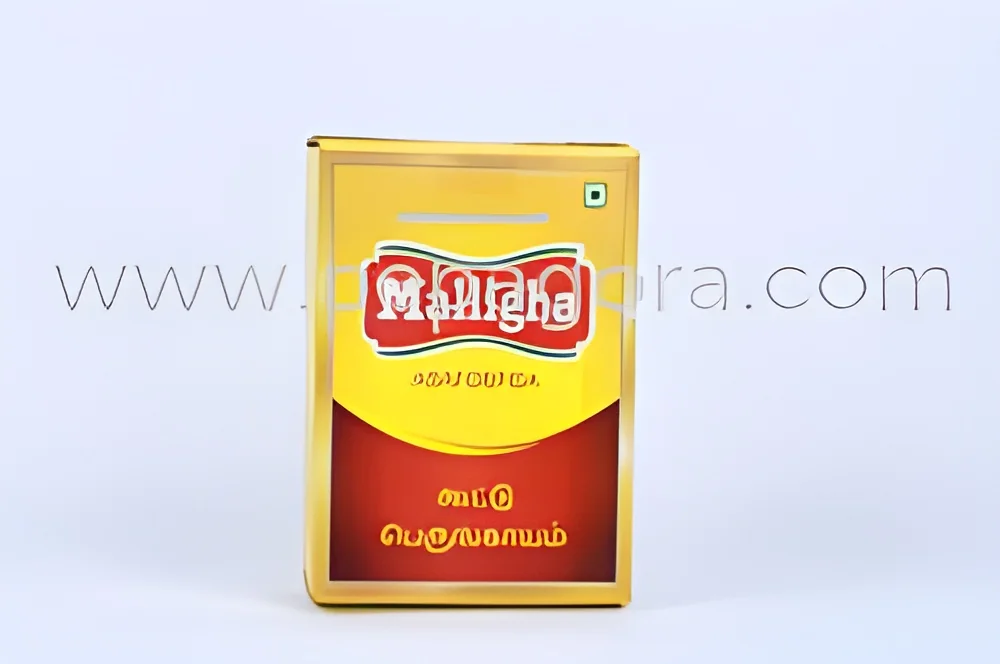
What are Private Label Horeca Ingredient Brands?
Private Label Horeca Ingredient Brands refer to food and beverage products that are manufactured by one company but sold under another brand name. These products are typically found in the hospitality, restaurant, and catering (Horeca) sectors. Businesses often utilize these private label products to offer high-quality ingredients while maintaining cost-efficiency and brand identity. By using private label ingredients, companies can exert greater control over product quality, pricing, and branding, providing a competitive edge in the market.
The primary uses of Private Label Horeca Ingredient Brands include cooking, baking, and food preparation for restaurants, catering services, hotels, and other food service operations. These ingredients range from sauces and seasonings to bulk food items and specialty products. Their versatility allows businesses to customize their offerings and enhance menu items while ensuring consistency and quality.
In a market that is increasingly driven by consumer preferences for quality and uniqueness, Private Label Horeca Ingredient Brands play a vital role. They account for a significant share of the foodservice sector, enabling businesses to differentiate themselves. This trend reflects a growing demand for tailored solutions that meet specific culinary needs, making these brands essential for operators looking to thrive in a competitive landscape.
Key Features and Specifications
Private Label Horeca Ingredient Brands offer a variety of features and specifications that cater to the needs of the food service industry. These specifications define the quality, usability, and performance of the products, ensuring they meet professional standards.
Key specifications include:
1. Quality Assurance
- Products are developed following rigorous quality control measures.
- Adherence to industry standards ensures consistency.
2. Customization Options
- Many brands offer the flexibility to tailor products to specific recipes.
- Custom formulations can be developed based on client requirements.
3. Packaging Solutions
- Products are available in various packaging sizes to suit operational needs.
- Sustainable packaging options are increasingly offered.
4. Shelf Stability
- Ingredients are formulated to maintain freshness over extended periods.
- Proper storage conditions are recommended to ensure quality.
5. Nutritional Information
- Detailed labeling provides essential nutritional data for compliance and customer information.
- Options for allergen-free and specialty diets are often available.
6. Flavor Profiles
- A wide range of flavors allows for diverse menu offerings.
- Unique blends can be created to enhance culinary applications.
7. Compliance with Regulations
- Products are compliant with food safety regulations and standards.
- Certifications such as CE may apply.
8. Availability and Supply Chain Reliability
- Consistent supply is maintained to meet customer demands.
- Efficient logistics ensure timely delivery.
In summary, these features and specifications are crucial for businesses in the Horeca sector to ensure they deliver high-quality dishes consistently while meeting customer expectations.
Common Applications and Use Cases
Private Label Horeca Ingredient Brands serve various industries, providing essential components for culinary operations.
1. Restaurants: These brands supply sauces, dressings, and seasoning mixes that help chefs create signature dishes with ease.
2. Catering Services: Ingredients like bulk spices and specialty items allow caterers to deliver diverse menus for events and gatherings.
3. Hotels: Private label products are used in hotel kitchens for breakfast services, banquets, and in-room dining.
4. Food Trucks: Operators benefit from ready-to-use sauces and toppings that enhance their menu offerings and streamline food preparation.
5. Bakeries: Specialty flours and pre-mixed ingredients support bakers in producing consistent baked goods.
6. Cafés: Coffee blends and flavor syrups enable cafés to craft unique beverages that cater to customer preferences.
7. Institutional Food Service: Schools and hospitals utilize private label ingredients to meet dietary requirements while maintaining quality.
Product Variants and Subcategories
The diversity in Private Label Horeca Ingredient Brands allows businesses to select products that best meet their operational needs.
Sauces and Condiments: These products range from classic ketchup and mustard to gourmet sauces like aioli and sriracha. They are designed to enhance flavors and provide versatility in applications.
Baking Ingredients: This category includes specialized flour blends, pre-mixed cake batters, and flavored extracts. They cater to both professional bakers and home cooks seeking consistency and quality.
Spices and Seasonings: A variety of spice blends and seasoning mixes are available to enhance culinary creations. These products are crafted for specific cuisines and flavor profiles.
Ready-to-Eat Products: This includes pre-packaged salads, snacks, and meals designed for convenience. They meet the growing demand for quick and easy meal solutions.
Beverage Mixes: These products include cocktail mixers, coffee concentrates, and fruit syrups, allowing establishments to create unique drink offerings with ease.
Benefits and Advantages
Sourcing Private Label Horeca Ingredient Brands provides various benefits to businesses in the food service sector.
1. Cost Efficiency: By utilizing private label products, businesses can reduce costs compared to national brands while maintaining quality.
2. Brand Differentiation: Custom branding allows companies to stand out in a crowded marketplace and build customer loyalty.
3. Quality Control: These products often undergo strict quality assurance processes, ensuring consistency and reliability.
4. Flexibility: Private label offerings can be easily tailored to meet specific culinary needs, allowing for menu innovation.
5. Supply Chain Stability: Established suppliers ensure reliable access to ingredients, minimizing disruptions in food service operations.
6. Marketing Opportunities: Unique private label products provide marketing leverage, enabling promotional activities focused on exclusivity.
Buying Guide for B2B Buyers
When sourcing Private Label Horeca Ingredient Brands, buyers should carefully consider several factors to ensure the right fit for their business needs.
1. Quality Assessment: Evaluate products based on taste, texture, and consistency. Request samples to gauge quality before making a commitment.
2. Supplier Verification: Conduct thorough research on suppliers to verify their credibility, production capabilities, and adherence to quality standards.
3. Pricing and MOQ: Understand the pricing structure and minimum order quantities (MOQ) required to ensure it aligns with your budget and inventory management.
4. Delivery and Lead Times: Assess logistics capabilities and lead times to ensure timely delivery of products to avoid operational delays.
5. Compliance Requirements: Ensure that the products meet relevant food safety regulations and certifications, such as CE, to maintain compliance and customer trust.
Compliance and Certifications
Compliance and certifications are critical for Private Label Horeca Ingredient Brands to ensure product safety and quality.
Relevant quality standards such as ISO 9001 and HACCP (Hazard Analysis and Critical Control Points) are essential for maintaining high-quality production processes. These standards help businesses ensure food safety and minimize risks associated with food handling and production.
Industry certifications like CE indicate compliance with European safety standards, which is important for products sold in or exported to European markets. Such certifications reinforce the credibility of the brand and assure buyers of product quality.
Safety and testing requirements are vital to verify that products meet health regulations. Regular audits and testing can identify potential hazards and ensure ongoing compliance.
Regional compliance considerations vary, and businesses should be aware of specific local regulations that may impact product sourcing and distribution.
Why Source Private Label Horeca Ingredient Brands from Pepagora?
Pepagora provides a trusted platform for sourcing Private Label Horeca Ingredient Brands with several key advantages.
Verified Supplier Network: Pepagora’s extensive network includes thoroughly vetted suppliers who adhere to strict quality standards. This network ensures buyers can connect with reliable manufacturers that meet their specific needs.
Streamlined RFQ Process: The platform simplifies the request for quotation (RFQ) process, making it easier for buyers to obtain competitive pricing and product information quickly. This efficiency saves time and enhances decision-making.
Trade Assurance and Support: Pepagora offers trade assurance to protect buyers throughout the purchasing process. This includes support for dispute resolution and quality assurance, providing peace of mind.
Regional Coverage: With a strong presence in India, GCC, and Southeast Asia, Pepagora facilitates access to a wide range of private label products tailored for the Horeca sector. This geographic reach enables businesses to find local suppliers that understand regional market demands.

 IN
IN