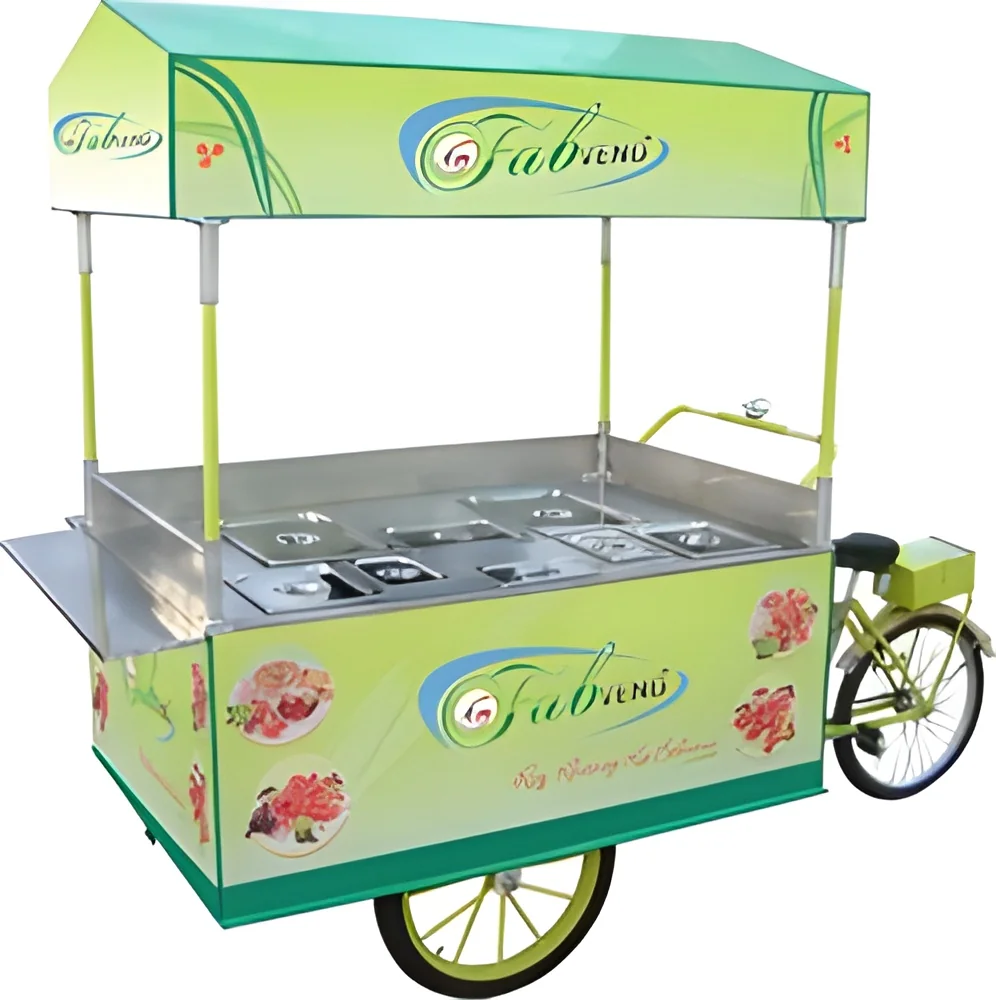
What are Bulk Procurement for Caterers?
Bulk procurement for caterers refers to the process of purchasing large quantities of food and supplies needed for catering services. This approach helps caterers manage their inventory efficiently while reducing costs associated with smaller orders. By buying in bulk, caterers can ensure they have the necessary ingredients and materials on hand to meet client demands, especially during peak seasons or special events.
The primary uses of bulk procurement include sourcing perishable items such as meats, vegetables, and dairy, as well as non-perishable goods like dry ingredients and packaging materials. Caterers benefit from this strategy by achieving better pricing, streamlining their supply chain, and ensuring consistency in their offerings. This method is particularly essential in the catering industry, where timely delivery and quality are vital to maintaining customer satisfaction.
In the current market context, bulk procurement is increasingly relevant as the catering sector adapts to growing demand and competition. With the rise of online platforms, caterers can now access a wider range of suppliers and negotiate better terms. This evolution supports industry growth by allowing caterers to focus on their core competencies while ensuring they have reliable access to essential products.
Key Features and Specifications
Bulk procurement for caterers has several features that cater to the specific needs of this sector. Understanding these features helps in selecting the right products and suppliers.
Key specifications include:
1. Quality Standards
- Compliance with recognized quality standards ensures that products meet industry requirements.
- Standards may include certifications such as HACCP and ISO 9001.
2. Supplier Reliability
- A reliable supplier can provide consistent quality and timely delivery.
- Long-term partnerships with suppliers can enhance procurement efficiency.
3. Minimum Order Quantity (MOQ)
- Suppliers often set a minimum order quantity, which can influence purchasing decisions.
- Understanding MOQ helps caterers plan their inventory and budget effectively.
4. Pricing Structures
- Pricing can vary based on volume, product type, and supplier agreements.
- Bulk purchasing often results in lower per-unit costs.
5. Delivery Options
- Suppliers may offer various delivery methods, impacting logistics and costs.
- Timely delivery is crucial for maintaining service quality.
6. Storage Requirements
- Certain bulk items may have specific storage needs, such as temperature control.
- Awareness of storage conditions is important to maintain product quality.
7. Product Variety
- A diverse range of products allows caterers to meet different client preferences.
- Availability of unique ingredients can enhance menu offerings.
8. Inventory Management
- Effective inventory management systems help track stock levels and reorder points.
- Automation in procurement can reduce manual errors and save time.
In summary, understanding these features and specifications is critical for caterers looking to optimize their bulk procurement strategies.
Common Applications and Use Cases
Bulk procurement for caterers is applicable across various industries, each with unique requirements.
1. Event Catering: Caterers serving large events can benefit from bulk purchasing to meet high demand for food and supplies.
2. Corporate Catering: Businesses often require catering services for meetings and events, necessitating bulk procurement for consistent quality and variety.
3. Educational Institutions: Schools and universities need large quantities of food for cafeteria services, making bulk procurement an efficient solution.
4. Healthcare Facilities: Hospitals and nursing homes require bulk food supplies to cater to patients and staff, ensuring nutritional needs are met.
5. Hospitality Industry: Hotels and resorts rely on bulk procurement to supply their restaurants and banquet services with a wide range of ingredients.
6. Food Trucks and Mobile Catering: These businesses often purchase in bulk to manage costs while providing diverse menu options.
7. Non-Profit Organizations: Charitable events frequently require bulk food supplies for feeding large groups, making efficient procurement essential.
Product Variants and Subcategories
The bulk procurement market for caterers offers various product options to suit different needs. These variants allow caterers to tailor their offerings based on client requirements.
Standard Ingredients
These include essential items such as grains, spices, and sauces that are staples in catering menus. Purchasing these in bulk ensures caterers have the foundational ingredients for various dishes.
Specialty Items
Caterers can also source specialty products, such as organic or gluten-free ingredients, in bulk. This allows for menu customization and caters to dietary restrictions.
Disposable Supplies
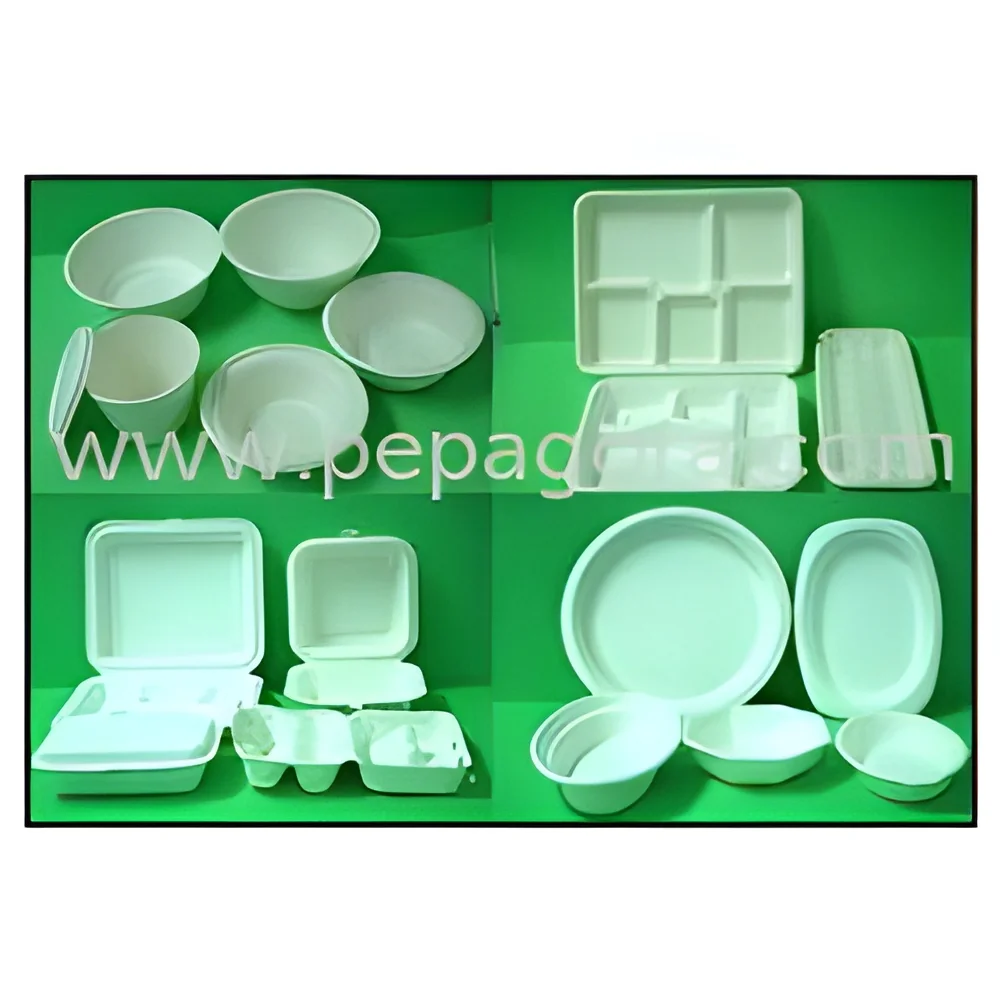
Bulk procurement of disposable items like cutlery, plates, and napkins is crucial for event catering. This ensures that caterers are well-prepared for large gatherings without compromising on presentation.
Frozen Products
Bulk purchasing of frozen foods, including pre-prepared meals and ingredients, helps caterers save time in food preparation while ensuring quality.
Beverages
Bulk procurement of drinks, including soft drinks, juices, and alcohol, is essential for catering events, helping to manage costs effectively.
Benefits and Advantages
Bulk procurement for caterers provides numerous benefits that enhance operational efficiency and profitability.
Key benefits include:
1. Cost Savings: Purchasing in bulk often results in reduced per-unit prices, leading to significant savings over time.
2. Reduced Waste: Buying in larger quantities allows for better inventory management, minimizing spoilage and waste of perishable goods.
3. Consistent Supply: Bulk procurement ensures that caterers maintain a steady supply of essential items, preventing shortages during peak demand.
4. Enhanced Menu Flexibility: With a diverse inventory, caterers can quickly adapt their menus to client preferences and seasonal trends.
5. Improved Supplier Relationships: Long-term partnerships with suppliers can lead to better pricing, priority service, and exclusive offers.
6. Simplified Ordering Process: Streamlined procurement processes reduce the administrative burden, allowing caterers to focus on their core business.
Buying Guide for B2B Buyers
When sourcing bulk procurement for caterers, it is essential to consider several factors to ensure a successful purchasing experience.
1. Quality Assessment: Evaluate products based on quality standards and certifications. Look for suppliers who adhere to recognized food safety regulations to ensure product integrity.
2. Supplier Verification: Conduct thorough background checks on potential suppliers. Check their reputation, reliability, and previous customer feedback to ensure they can meet your needs.
3. Pricing and MOQ: Understand the pricing structure and minimum order quantities of suppliers. This helps in budgeting and ensures that you are getting the best value for your investment.
4. Delivery and Lead Times: Consider logistics and delivery options when selecting suppliers. Timely delivery is crucial for maintaining service quality in the catering industry.
5. Compliance Requirements: Be aware of any regulatory requirements specific to your region. Ensure that suppliers can meet these standards to avoid any potential issues.
Compliance and Certifications
In the realm of bulk procurement for caterers, compliance and certifications play a vital role in ensuring product quality and safety.
Relevant quality standards include ISO 9001, which focuses on quality management systems, and HACCP, which aims to ensure food safety through the identification and control of potential hazards. These standards are essential for maintaining high quality in food products and ensuring they are safe for consumption.
Additionally, industry certifications such as CE and UL indicate that products meet certain safety and performance criteria. These certifications provide added assurance to caterers that the products they source are reliable and compliant with industry regulations.
Safety and testing requirements are also critical in the procurement process. Suppliers should be able to demonstrate that their products have undergone rigorous testing to meet safety standards.
Regional compliance considerations are equally important, as regulations can vary significantly from one region to another. Understanding local regulations ensures that caterers remain compliant and avoid potential legal issues.
Why Source Bulk Procurement for Caterers from Pepagora?
Pepagora stands out as a trusted platform for sourcing bulk procurement for caterers, providing several key advantages that caterers can leverage.
The verified supplier network at Pepagora ensures that all suppliers meet stringent quality and reliability standards. This reduces the risk associated with procurement, allowing caterers to focus on their core business operations.
The streamlined RFQ process simplifies the quotation system, enabling caterers to request and compare offers from multiple suppliers quickly. This efficiency helps caterers make informed purchasing decisions while saving time.
Trade assurance and support further enhance the buying experience, providing buyers with protection against any discrepancies or issues that may arise. This added layer of security builds confidence in the procurement process.
Lastly, Pepagora's regional coverage spans across India, the GCC, and Southeast Asia, ensuring that caterers can find local suppliers that meet their specific needs and preferences. This broad geographic reach helps caterers tap into diverse product offerings and competitive pricing.

 IN
IN