
 IN
Beverages (Tea, Coffee, Juices)
354 products available
𝗞𝗲𝘆 𝗙𝗲𝗮𝘁𝘂𝗿𝗲𝘀 𝗮𝗻𝗱 𝗦𝗽𝗲𝗰𝗶𝗳𝗶𝗰𝗮𝘁𝗶𝗼𝗻𝘀
Beverages such as tea, coffee, and juices come with various features and specifications that cater to different consumer needs. Understanding these specifications helps businesses to choose the right products for their operations.
Key specifications include:
1. Variety
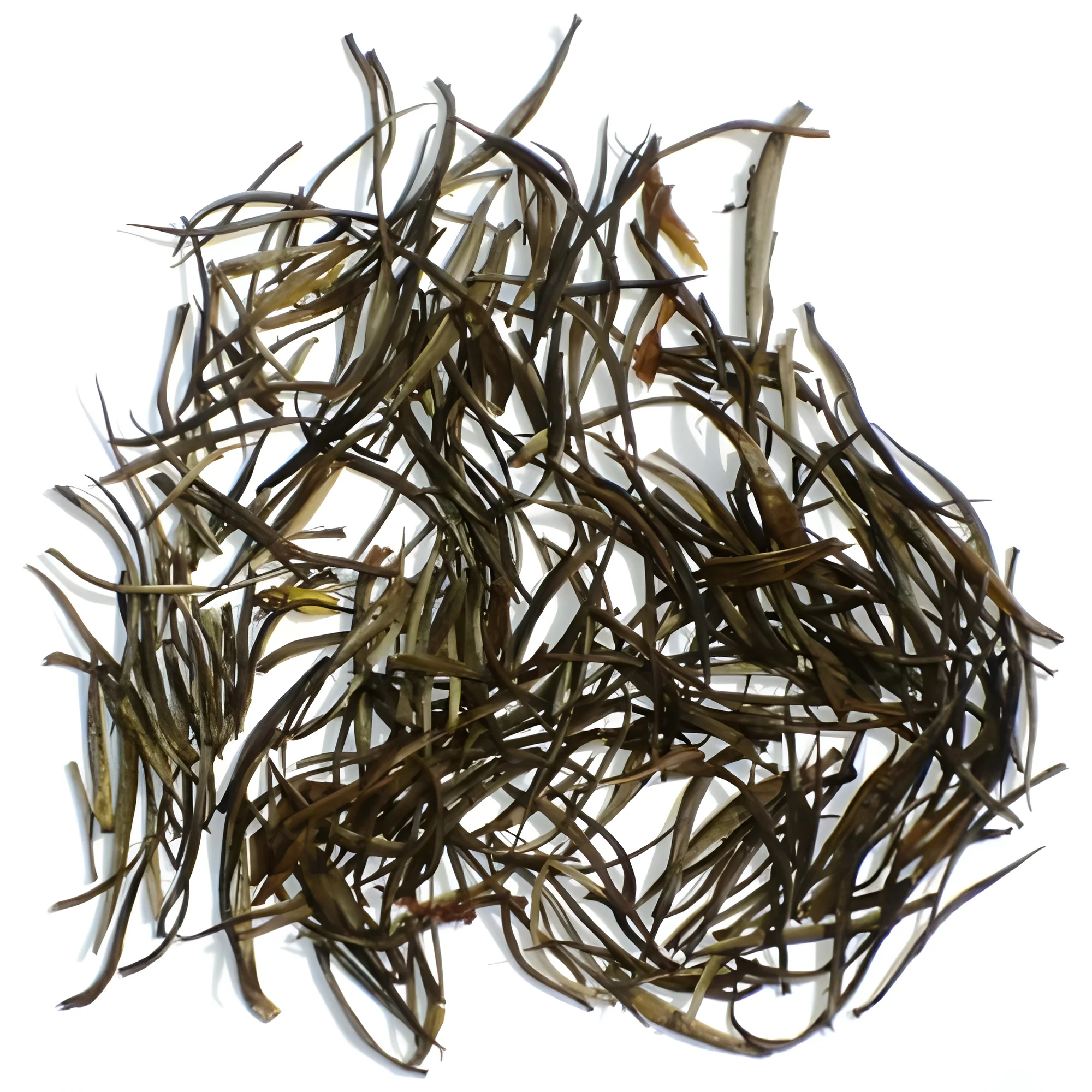
- Different types of tea (black, green, herbal), coffee (Arabica, Robusta), and juices (citrus, berry).
- Offers a range of flavors and health benefits.
2. Packaging
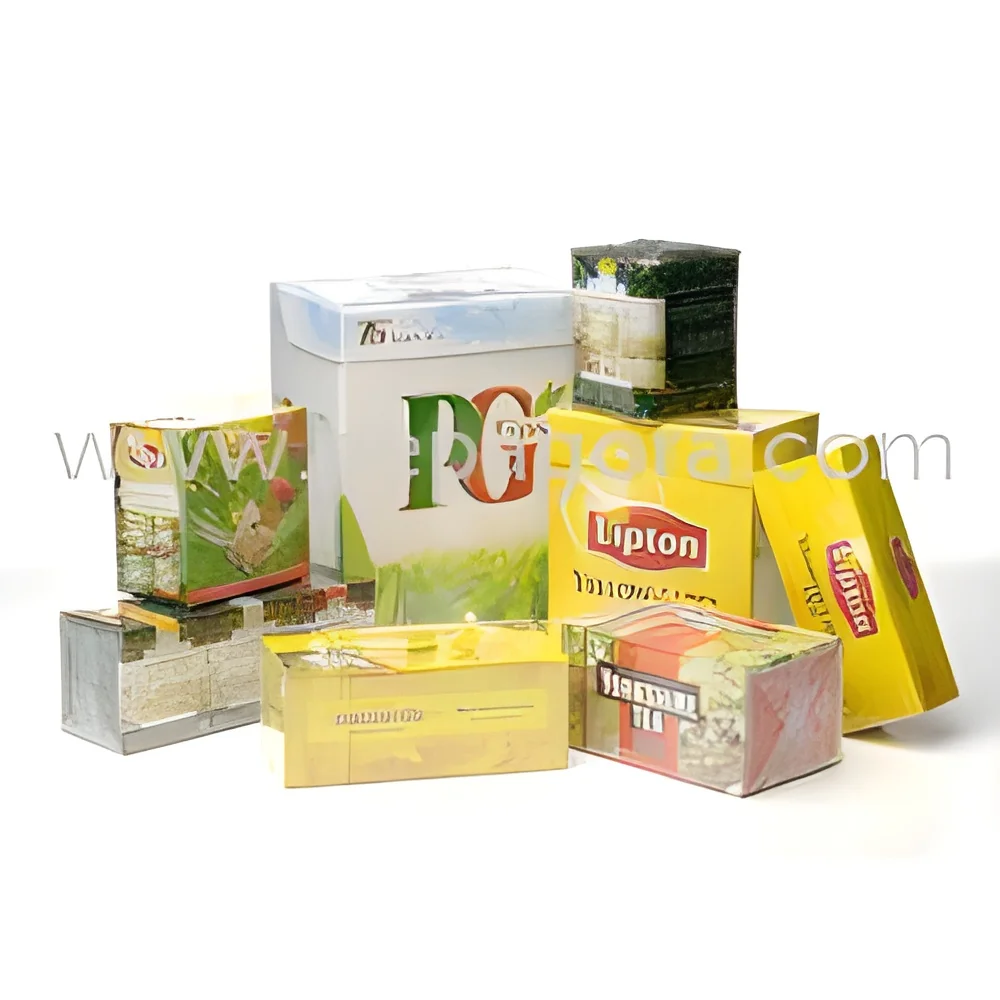
- Available in various forms, such as loose leaf, tea bags, ground coffee, and bottled juices.
- Ensures product freshness and ease of use.
3. Shelf Life
- Varies by product type, generally ranging from several months to years.
- Important for inventory management and planning.
4. Nutritional Information
- Details on calorie counts, sugar content, and vitamins.
- Essential for health-conscious consumers.
5. Flavor Profiles
- Unique taste characteristics influenced by source and preparation methods.
- Important for product positioning and marketing.
6. Source of Ingredients
- Sourced from various regions, affecting taste and quality.
- Traceability is crucial for quality assurance.
7. Certifications
- Compliance with industry standards such as CE.
- Indicates safety and quality assurance.
8. Customization Options
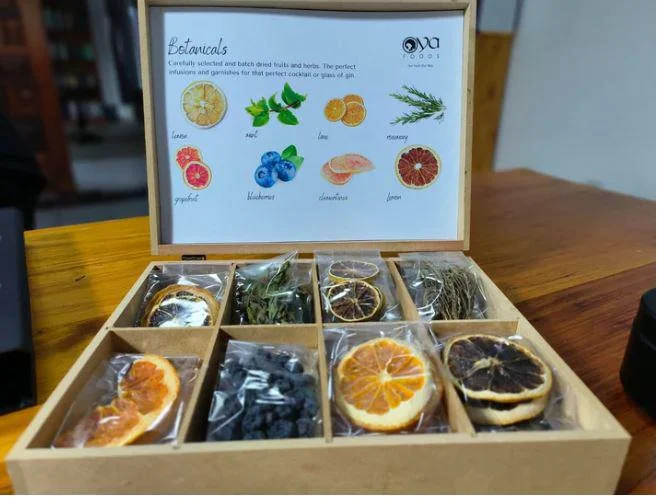
- Possibility for businesses to create unique blends or flavors.
- Allows for differentiation in competitive markets.
The wide range of specifications allows businesses to select beverages that align with their brand identity and customer preferences.
𝗖𝗼𝗺𝗺𝗼𝗻 𝗔𝗽𝗽𝗹𝗶𝗰𝗮𝘁𝗶𝗼𝗻𝘀 𝗮𝗻𝗱 𝗨𝘀𝗲 𝗖𝗮𝘀𝗲𝘀
Beverages play a vital role across multiple industries, serving various applications.
1. Hospitality: Hotels and restaurants serve beverages to enhance guest experiences, offering a selection of teas, coffees, and juices at meal times and events.
2. Catering: Catering services provide beverages for events, ensuring options are available that meet guests' preferences and dietary requirements.
3. Corporate: Companies often supply coffee and tea in offices to promote productivity and employee satisfaction, creating a welcoming environment.
4. Retail: Grocery and convenience stores stock a variety of beverages to meet consumer demand, providing convenient options for on-the-go purchases.
5. Health and Wellness: Gyms and health food stores offer cold-pressed juices and herbal teas, appealing to health-conscious consumers seeking nutritious options.
6. Food Service: Cafes and coffee shops specialize in beverage offerings, creating unique blends and presentations to attract customers.
7. Education: Schools and universities provide beverage options in cafeterias, focusing on healthy choices for students.
𝗣𝗿𝗼𝗱𝘂𝗰𝘁 𝗩𝗮𝗿𝗶𝗮𝗻𝘁𝘀 𝗮𝗻𝗱 𝗦𝘂𝗯𝗰𝗮𝘁𝗲𝗴𝗼𝗿𝗶𝗲𝘀
The beverage market is diverse, catering to various consumer tastes and preferences.
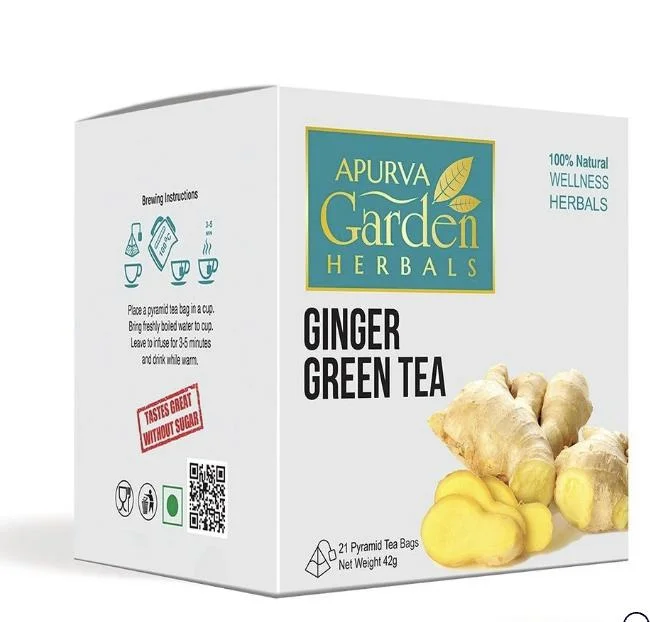
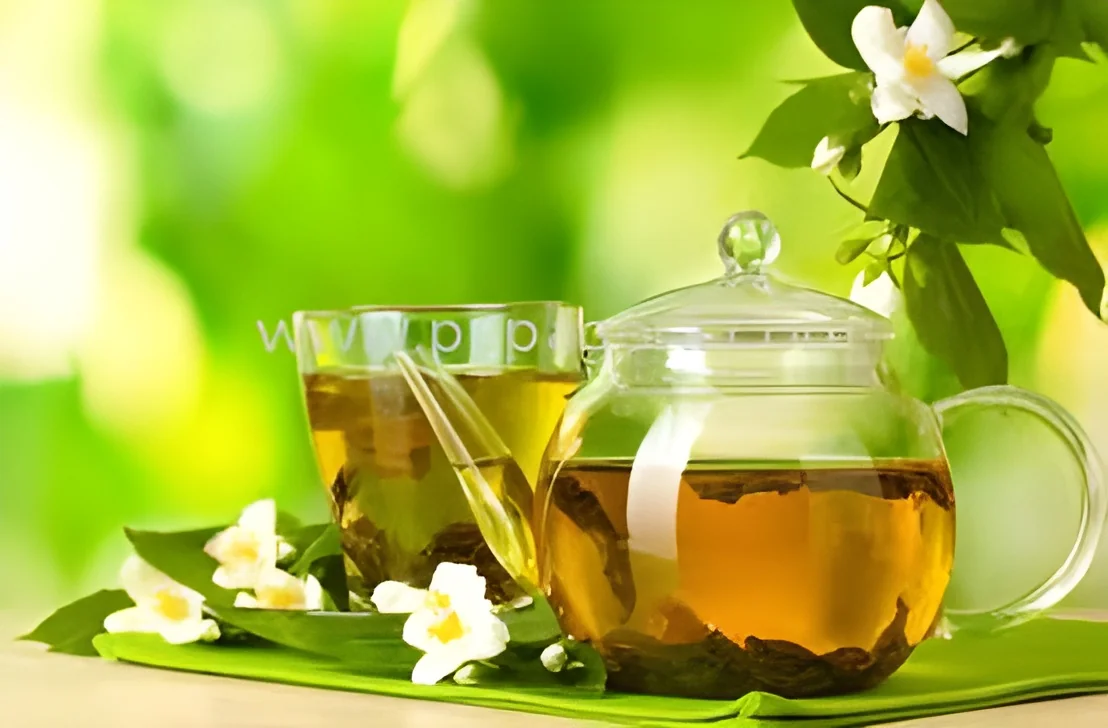
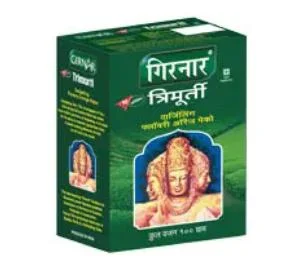
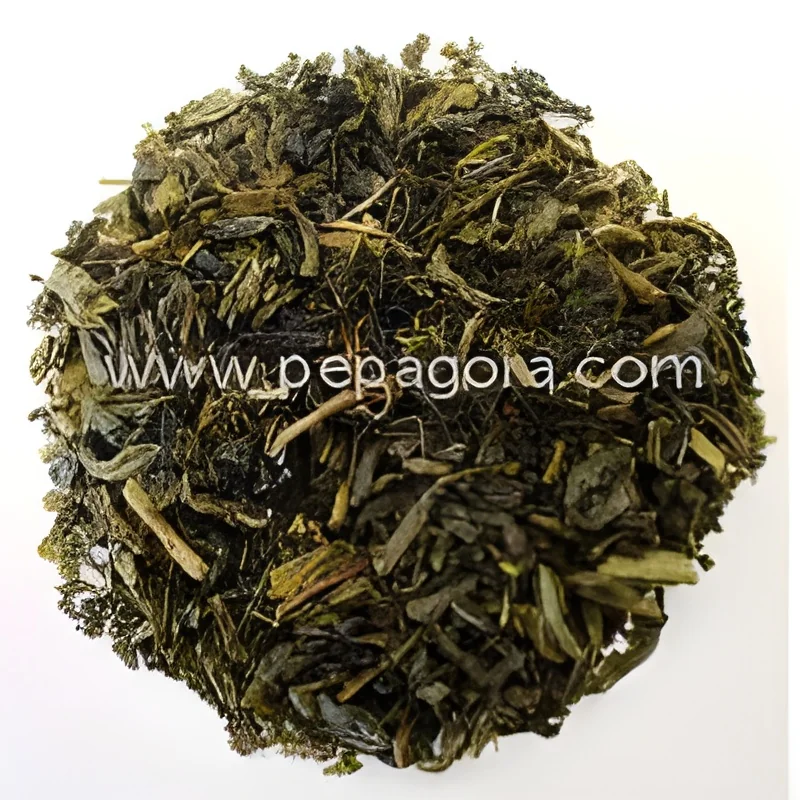
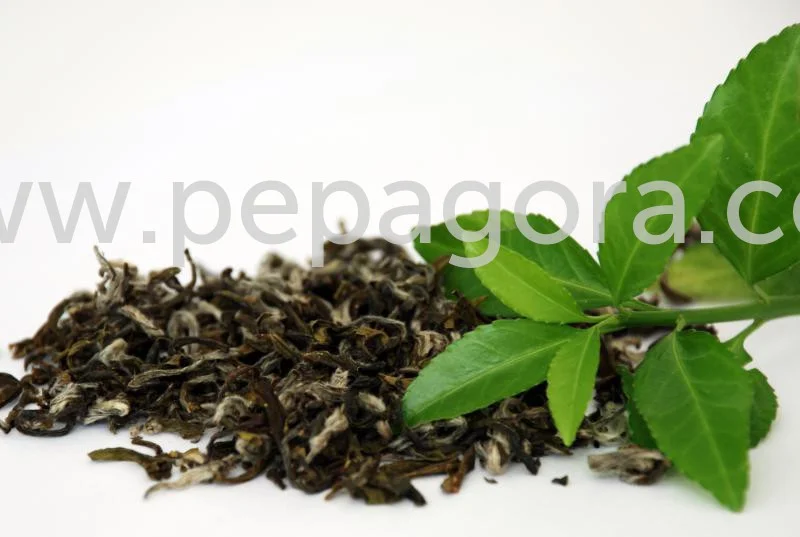
Tea Variants: This category includes black, green, herbal, and specialty teas. Each type offers distinct flavor profiles and health benefits, appealing to different consumer segments.
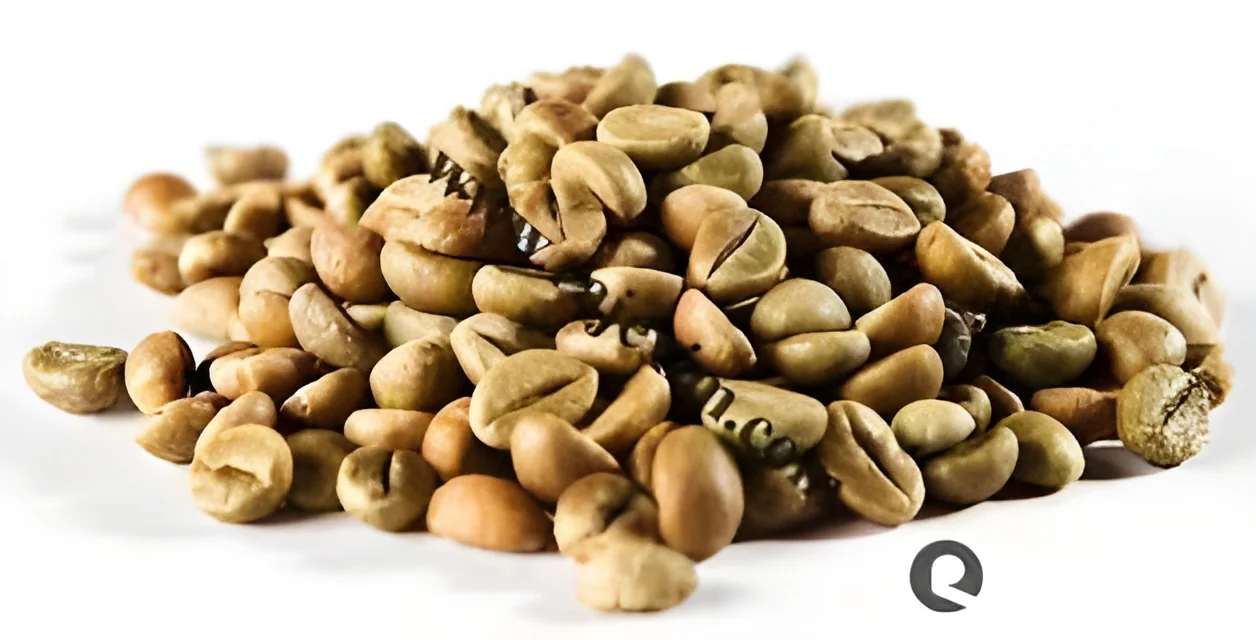
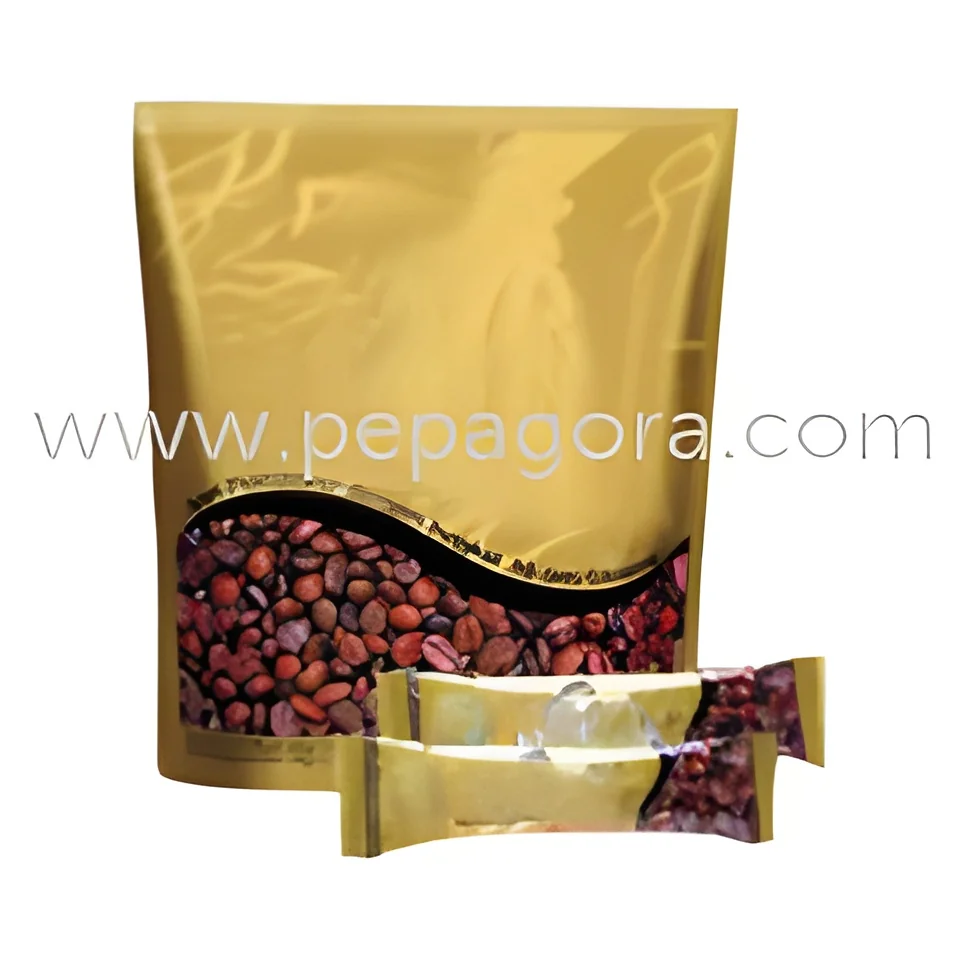
Coffee Variants: Coffee options include whole bean, ground, and instant varieties, along with flavored and specialty blends. These cater to both casual drinkers and coffee aficionados.
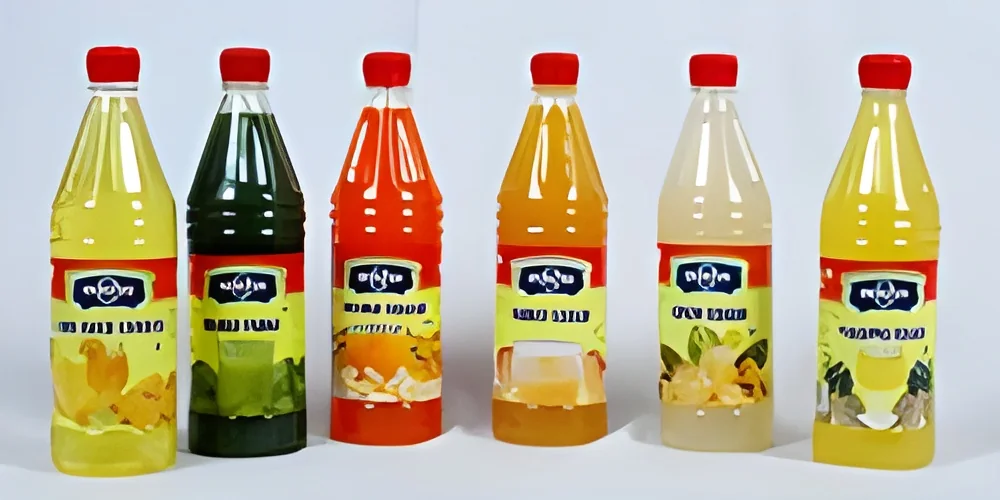
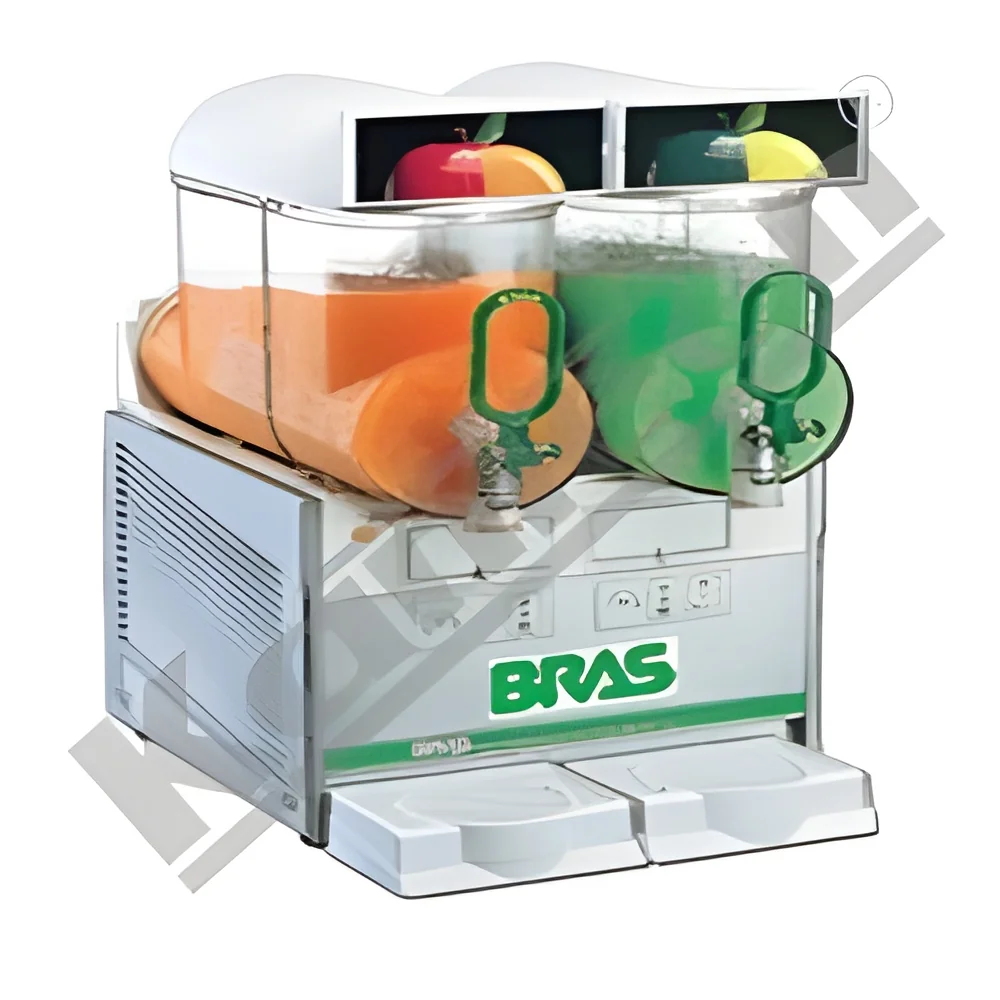
Juice Variants: Juices can be categorized into 100% fruit juices, blended juices, and organic options. Each variant provides different nutritional benefits and flavor experiences.
𝗕𝗲𝗻𝗲𝗳𝗶𝘁𝘀 𝗮𝗻𝗱 𝗔𝗱𝘃𝗮𝗻𝘁𝗮𝗴𝗲𝘀
Beverages provide numerous benefits that make them essential for businesses.
1. Versatility: Beverages can be enjoyed at any time of day and can be served hot or cold, appealing to a wide audience.
2. Health Benefits: Many beverages, particularly teas and juices, offer health benefits, such as antioxidants and vitamins, attracting health-conscious consumers.
3. Customer Engagement: Offering a diverse beverage selection can enhance customer engagement and satisfaction, encouraging repeat business.
4. Revenue Generation: Beverages can significantly contribute to overall sales, especially in food service and retail environments.
5. Brand Differentiation: Unique beverage offerings allow businesses to stand out in competitive markets and attract specific consumer demographics.
6. Convenience: Ready-to-drink options cater to busy lifestyles, making them appealing for on-the-go consumption.
𝗕𝘂𝘆𝗶𝗻𝗴 𝗚𝘂𝗶𝗱𝗲 𝗳𝗼𝗿 𝗕𝟮𝗕 𝗕𝘂𝘆𝗲𝗿𝘀
When sourcing Beverages (Tea, Coffee, Juices), several factors should be taken into account to ensure quality and satisfaction.
1. Quality Assessment: Buyers should evaluate the quality of beverages based on flavor, aroma, and freshness. Considerations should also include sourcing practices and ingredient integrity.
2. Supplier Verification: It is crucial to vet potential suppliers to ensure they meet quality standards and have a reliable supply chain. Check for certifications and customer reviews.
3. Pricing and MOQ: Understand the pricing structure and minimum order quantities (MOQ) to ensure they align with budget and inventory needs. Compare suppliers to find the best value.
4. Delivery and Lead Times: Assess logistics capabilities, including shipping times and reliability. Ensure suppliers can meet your operational timelines.
5. Compliance Requirements: Familiarize yourself with regulatory standards that apply to beverages, including health and safety guidelines, to ensure compliance in your operations.
𝗖𝗼𝗺𝗽𝗹𝗶𝗮𝗻𝗰𝗲 𝗮𝗻𝗱 𝗖𝗲𝗿𝘁𝗶𝗳𝗶𝗰𝗮𝘁𝗶𝗼𝗻𝘀
Compliance and certifications are critical in the beverage industry to guarantee safety and quality.
Relevant quality standards, such as ISO 9001, ensure that processes are in place for maintaining quality throughout production. HACCP (Hazard Analysis and Critical Control Points) focuses on food safety, identifying and managing potential hazards in the beverage supply chain.
Industry certifications, like CE, indicate that products meet European safety and performance standards. This is particularly important for businesses looking to enter international markets.
Safety and testing requirements are essential to ensure beverages are free from contaminants and safe for consumption. Regular testing and quality checks are necessary to maintain compliance.
Regional compliance considerations vary, with different countries having specific regulations regarding beverage production and labeling. Understanding these regulations is crucial for market entry and product acceptance.
Why Source Beverages (Tea, Coffee, Juices) from Pepagora?
Pepagora offers a reliable platform for sourcing Beverages (Tea, Coffee, Juices) with several advantages for B2B buyers.
Verified Supplier Network: Pepagora connects buyers with a network of verified suppliers, ensuring that businesses can source high-quality beverages from trusted partners. This reduces the risk of quality issues and enhances supply chain reliability.
Streamlined RFQ Process: The Request for Quotation (RFQ) process is designed to be efficient, allowing buyers to obtain quotes quickly from multiple suppliers. This helps businesses make informed purchasing decisions and compare options effectively.
Trade Assurance and Support: Buyers benefit from trade assurance that protects their investments. Pepagora provides support throughout the sourcing process, ensuring that buyers feel confident in their purchases.
Regional Coverage: With a strong presence in India, the GCC, and Southeast Asia, Pepagora offers extensive geographic reach. This enables businesses to tap into diverse markets and access a broad range of beverage products tailored to local preferences.






Frequently Asked Questions
What are Beverages (Tea, Coffee, Juices)?
Beverages (Tea, Coffee, Juices) refer to a wide range of drinks that are primarily made from brewed leaves, roasted beans, or extracted juice from fruits. These products are consumed globally for refreshment, health benefits, and social interactions. They are categorized into various types based on their ingredients and preparation methods.
What are the different types of Beverages (Tea, Coffee, Juices)?
The main types of Beverages include Tea (such as black, green, and herbal), Coffee (including espresso, cappuccino, and cold brew), and Juices (like orange, apple, and mixed fruit). Each category has sub-types and variations that cater to different tastes and preferences. Additionally, there are flavored and functional beverages that combine various ingredients for added benefits.
How do I choose the right Beverages (Tea, Coffee, Juices)?
Choosing the right Beverages depends on factors such as flavor preferences, intended health benefits, and occasions for consumption. It's important to consider the quality of the ingredients, the brewing or extraction methods, and any dietary restrictions. Sampling different varieties can also help in making an informed choice.
What are the standard specifications for Beverages (Tea, Coffee, Juices)?
Standard specifications for Beverages typically include parameters such as flavor profile, aroma, appearance, and nutritional content. For example, tea specifications may involve leaf size and grade, while coffee may include bean origin and roasting level. Juices are often measured for purity and absence of additives.
What is the price range for Beverages (Tea, Coffee, Juices)?
The price range for Beverages can vary significantly based on the type, quality, and brand. Generally, tea and coffee can range from a few hundred to several thousand Indian Rupees per kilogram, while juices are priced per liter, typically ranging from ₹50 to ₹300. Premium and organic options tend to be on the higher end of the spectrum.
What quality standards apply to Beverages (Tea, Coffee, Juices)?
Quality standards for Beverages often include compliance with food safety regulations, such as FSSAI in India. Additionally, standards may cover aspects like pesticide residue limits, purity, and labeling requirements. Certifications such as organic or fair trade can also indicate adherence to specific quality practices.
Where can I find Beverages (Tea, Coffee, Juices) suppliers in India?
Beverages suppliers can be found on B2B marketplaces like Pepagora.com, which connects buyers with manufacturers and distributors across India. Various trade shows, industry directories, and local wholesalers are also valuable resources for sourcing Beverages in bulk. Online searches can yield numerous options tailored to specific needs.
Can Beverages (Tea, Coffee, Juices) be customized?
Yes, Beverages can often be customized based on flavor, packaging, and branding requirements. Many suppliers offer options for private labeling, unique blends, or tailored formulations to meet specific customer preferences. It's advisable to discuss customization options directly with suppliers to ensure exact specifications.
What is the typical minimum order quantity for Beverages (Tea, Coffee, Juices)?
The typical minimum order quantity (MOQ) for Beverages varies by supplier and product type. Generally, MOQs can range from 10 to 100 kilograms for bulk orders of tea and coffee, while juices might have lower MOQs around 50 liters. It's important to confirm MOQs directly with suppliers before placing an order.
What is the typical lead time for Beverages (Tea, Coffee, Juices)?
The typical lead time for Beverages can range from a few days to several weeks, depending on the type of beverage and supplier capabilities. Custom orders may require longer lead times due to production and packaging processes. It's best to discuss lead times with suppliers to ensure timely delivery.
Why Businesses Trust Pepagora
Thousands of companies trust Pepagora to source smarter and sell faster
Expand Your Sales Globally

Source Smarter,Grow Faster
