
 IN
INOther Beverages (Tea, Coffee, Juices)
11 products available
Key Features and Specifications
Common Applications and Use Cases
Product Variants and Subcategories
Benefits and Advantages
Buying Guide for B2B Buyers
Compliance and Certifications



Frequently Asked Questions
What are Other Beverages (Tea, Coffee, Juices)?
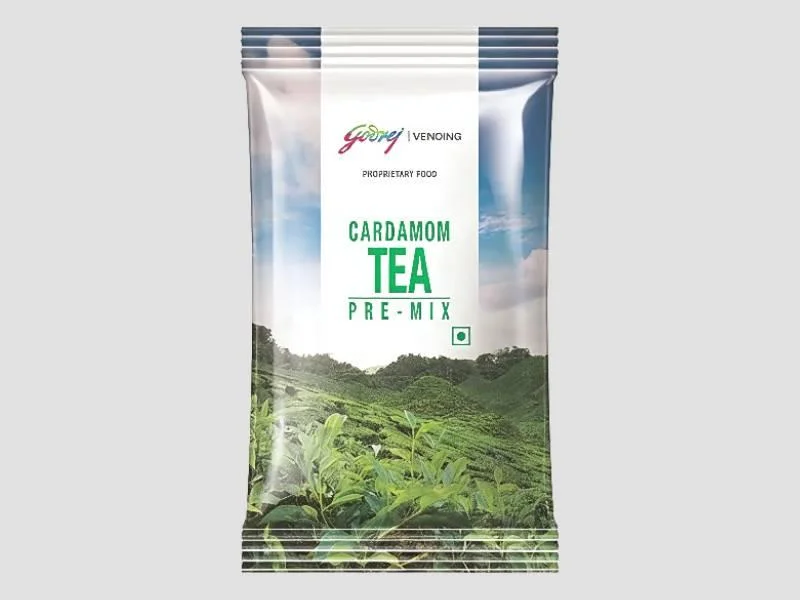
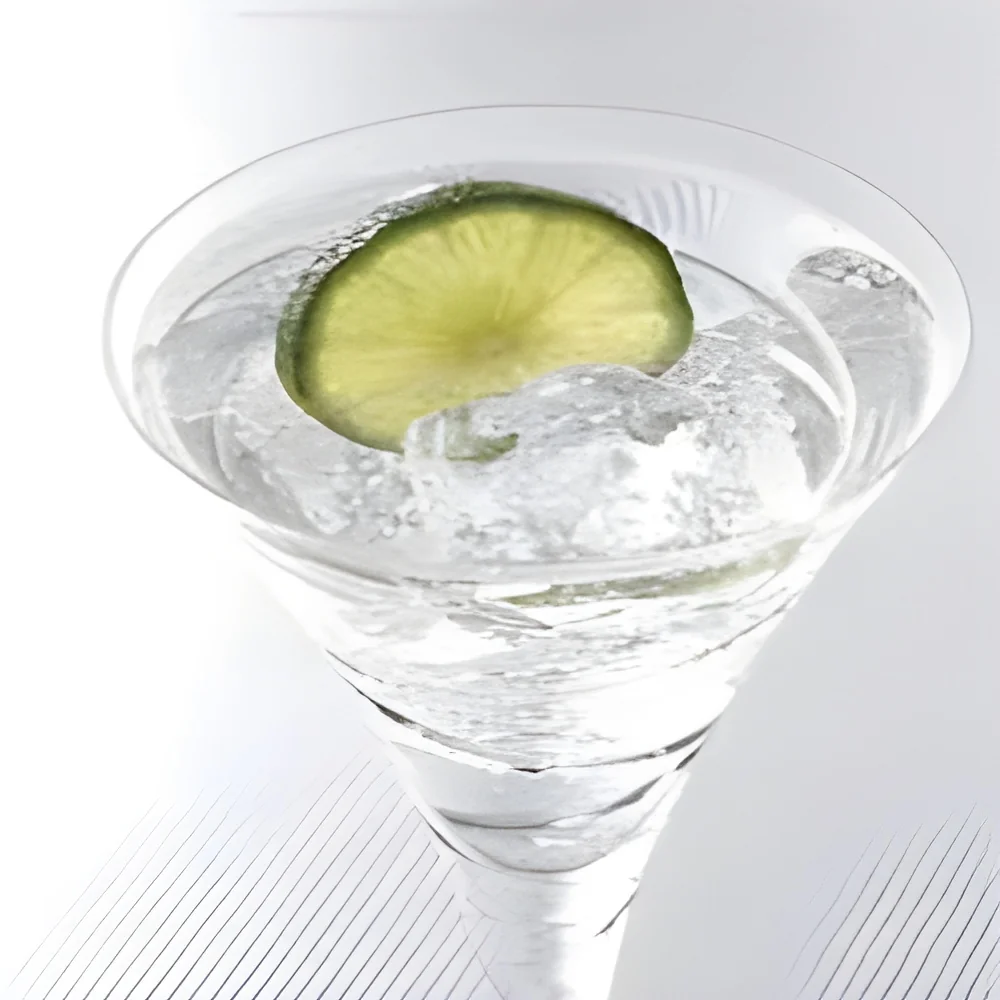
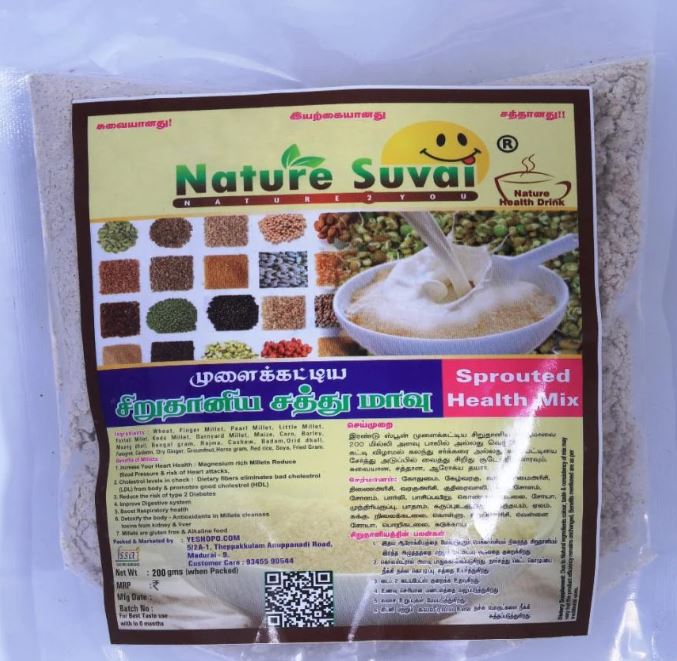
Other Beverages refer to a diverse category of drinks that include tea, coffee, and juices. These beverages are widely consumed across various cultures and are often enjoyed for their flavor, aroma, and potential health benefits.
What are the different types of Other Beverages (Tea, Coffee, Juices)?
The different types of Other Beverages include various kinds of tea (such as black, green, and herbal), coffee (including espresso, brewed, and instant), and a wide range of juices (from fruits like oranges, apples, and berries). Each type contributes unique flavors and characteristics to the beverage category.
How do I choose the right Other Beverages (Tea, Coffee, Juices)?
Choosing the right Other Beverages depends on personal preference, desired flavor profiles, and health considerations. It's important to consider factors such as caffeine content in coffee and tea, sugar levels in juices, and any dietary restrictions you may have.
What are the standard specifications for Other Beverages (Tea, Coffee, Juices)?
Standard specifications for Other Beverages typically include parameters such as taste, aroma, color, and packaging. Additionally, beverages may be assessed on their nutritional content, shelf life, and compliance with food safety regulations.
What is the price range for Other Beverages (Tea, Coffee, Juices)?
The price range for Other Beverages varies significantly based on factors like quality, brand, and packaging. Generally, prices can start from a few rupees for basic juices to several hundred rupees for premium coffee and specialty teas.
What quality standards apply to Other Beverages (Tea, Coffee, Juices)?
Quality standards for Other Beverages are governed by food safety regulations, which include parameters for hygiene, ingredient sourcing, and labeling. Products should also comply with specific quality certifications, such as ISO and FSSAI standards in India.
Where can I find Other Beverages (Tea, Coffee, Juices) suppliers in India?
You can find Other Beverages suppliers in India through various B2B marketplaces, trade fairs, and industry directories. Websites like Pepagora.com offer a platform to connect with reliable manufacturers and suppliers of these beverages.
Can Other Beverages (Tea, Coffee, Juices) be customized?
Yes, many suppliers offer customization options for Other Beverages, allowing you to tailor flavors, ingredients, and packaging to meet specific customer needs. It's advisable to discuss your requirements directly with the suppliers for better clarity.
What is the typical minimum order quantity for Other Beverages (Tea, Coffee, Juices)?
The typical minimum order quantity (MOQ) for Other Beverages varies by supplier and product type. Generally, MOQs can range from a few dozen units to several hundred, depending on the scale of production and packaging.
What is the typical lead time for Other Beverages (Tea, Coffee, Juices)?
The typical lead time for Other Beverages can vary based on factors such as supplier location, order size, and production schedules. Generally, lead times can range from a few days to several weeks, so it's recommended to confirm with the supplier.
Why Businesses Trust Pepagora
Thousands of companies trust Pepagora to source smarter and sell faster
Expand Your Sales Globally

Source Smarter,Grow Faster
