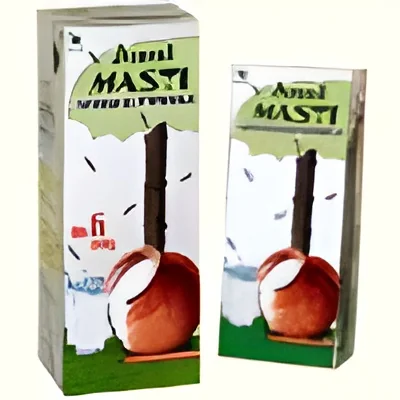
What are Buttermilk & Lassi?
Buttermilk and lassi are both traditional dairy products widely consumed in South Asian countries. Buttermilk is a fermented dairy product made from the liquid left after churning yogurt or cream. It is known for its tangy taste and is often used in cooking or as a refreshing drink. Lassi, on the other hand, is a yogurt-based drink that can be made sweet or salty, often flavored with fruits or spices. It is thicker than buttermilk and is a popular accompaniment to meals.
These products are primarily used in various culinary applications, including cooking, baking, and as beverages. Buttermilk is often used as a marinade for meats, in salad dressings, or in baked goods to enhance flavor and moisture. Lassi is commonly served as a cooling drink to complement spicy dishes. They hold significant relevance in the food and beverage industry, catering to a growing demand for healthy and probiotic-rich products. The market for buttermilk and lassi continues to expand, driven by increased consumer awareness of health benefits and traditional culinary practices.
Key Features and Specifications
Buttermilk and lassi are characterized by their unique properties and specifications that cater to specific industry needs. These specifications ensure quality and consistency across products.
Key specifications include:
1. Texture
- Buttermilk typically has a thin, liquid consistency, while lassi is thicker and creamy.
- The viscosity can vary based on the preparation method.
2. Flavor Profile
- Buttermilk has a tangy taste, while lassi can be either sweet, salty, or flavored with fruits.
- Flavor variations may include mango, rose, or cardamom.
3. Nutritional Content
- Both products are rich in probiotics, vitamins, and minerals.
- The fat content can vary based on the source of milk used.
4. Shelf Life
- Buttermilk and lassi generally have a shelf life of 7-14 days when refrigerated.
- Proper storage conditions are essential to maintain freshness.
5. Packaging Options
- Available in bulk containers or consumer-sized bottles.
- Packaging can vary from glass jars to plastic bottles.
6. Compliance Standards
- Must meet food safety standards.
- Adherence to quality certifications such as CE is important.
In summary, understanding the key features and specifications of buttermilk and lassi helps businesses select the right products for their needs, ensuring quality and satisfaction.
Common Applications and Use Cases
Buttermilk and lassi find applications in various industries, showcasing their versatility.
1. Food Service Industry: Restaurants and cafes use buttermilk in marinades and dressings, while lassi is served as a refreshing beverage alongside meals.
2. Dairy Industry: Manufacturers utilize buttermilk in cheese production and lassi as a ready-to-drink product. Both are essential in creating a variety of dairy-based goods.
3. Beverage Industry: Lassi is increasingly popular in health-focused beverage lines, often marketed as a probiotic drink.
4. Home Cooking: Consumers use buttermilk for baking and cooking, while lassi is a favorite homemade drink during hot weather.
5. Health and Wellness: Both products are recognized for their digestive benefits and are included in health foods and supplements.
6. Export Markets: Buttermilk and lassi are increasingly exported to international markets, promoting traditional South Asian culinary practices globally.
Product Variants and Subcategories
Buttermilk and lassi come in various forms to suit different consumer preferences and market demands.
Plain Buttermilk
This variant is unflavored and commonly used in cooking and baking. It serves as a versatile ingredient in various recipes.
Fruit-flavored Lassi
This variant includes flavors such as mango, strawberry, or rose. It is marketed as a refreshing drink option, appealing to a wider audience.
Savory Lassi
Typically flavored with spices such as cumin and salt, this variant is often enjoyed as a cooling accompaniment to spicy dishes, especially in hot climates.
Benefits and Advantages
Sourcing buttermilk and lassi offers several advantages for businesses.
Key benefits include:
1. Health Benefits: Both products are rich in probiotics, aiding digestion and boosting gut health.
2. Versatility: They can be used in a variety of culinary applications, from cooking to beverage preparation, enhancing product offerings.
3. Consumer Demand: The trend toward healthy eating and traditional foods increases demand for these products, providing a profitable market opportunity.
4. Cultural Relevance: Buttermilk and lassi are integral to many cuisines, making them attractive to diverse consumer bases.
5. Easy to Use: Both products are ready-to-use and require minimal preparation, making them convenient for both commercial and home kitchens.
6. Cost-Effectiveness: They are generally affordable products that can enhance meals without significantly increasing costs.
Buying Guide for B2B Buyers
When sourcing buttermilk and lassi, several factors should be considered to ensure quality and reliability.
1. Quality Assessment: Evaluate products based on taste, texture, and nutritional content. Conduct taste tests and check for certifications to ensure high standards.
2. Supplier Verification: Research and vet suppliers thoroughly. Look for established companies with a track record of reliability and quality.
3. Pricing and MOQ: Understand the pricing structures and minimum order quantities offered by suppliers to find a balance between cost and supply needs.
4. Delivery and Lead Times: Discuss delivery schedules and lead times to ensure products meet your operational requirements. Timely delivery is crucial for maintaining inventory.
5. Compliance Requirements: Ensure that suppliers meet all regulatory and safety standards for food products. Confirm compliance with relevant certifications.
Compliance and Certifications
Compliance and certifications are crucial for ensuring the safety and quality of buttermilk and lassi. Relevant quality standards such as ISO 9001, HACCP, and GDP govern the production and handling of these products, ensuring safe consumption.
Industry certifications like CE indicate that products meet European safety standards, which is essential for international trade. Additionally, safety and testing requirements must be adhered to, including microbiological testing and shelf-life studies to guarantee product integrity.
Regional compliance considerations vary, depending on the market. It is important to be aware of local regulations regarding dairy products, labeling, and health claims to ensure that all products are compliant with regional laws.
Why Source Buttermilk & Lassi from Pepagora?
Pepagora provides a trusted platform for sourcing buttermilk and lassi with several key advantages.
Verified Supplier Network: Pepagora connects buyers with a network of verified suppliers, ensuring quality and reliability. Each supplier undergoes a thorough vetting process to maintain high standards.
Streamlined RFQ Process: The platform offers a simplified Request for Quotation (RFQ) process, allowing buyers to easily obtain multiple quotes from different suppliers. This efficiency helps in making informed purchasing decisions.
Trade Assurance and Support: Pepagora provides trade assurance to protect buyers, ensuring that they receive the products as described. In case of discrepancies, the platform offers support to resolve issues effectively.
Regional Coverage: With a strong presence in India, the GCC, and Southeast Asia, Pepagora offers extensive regional coverage, making it easier for businesses to source buttermilk and lassi tailored to their local markets.
This comprehensive approach ensures that businesses can confidently source high-quality dairy products to meet their needs.

 IN
IN