
 IN
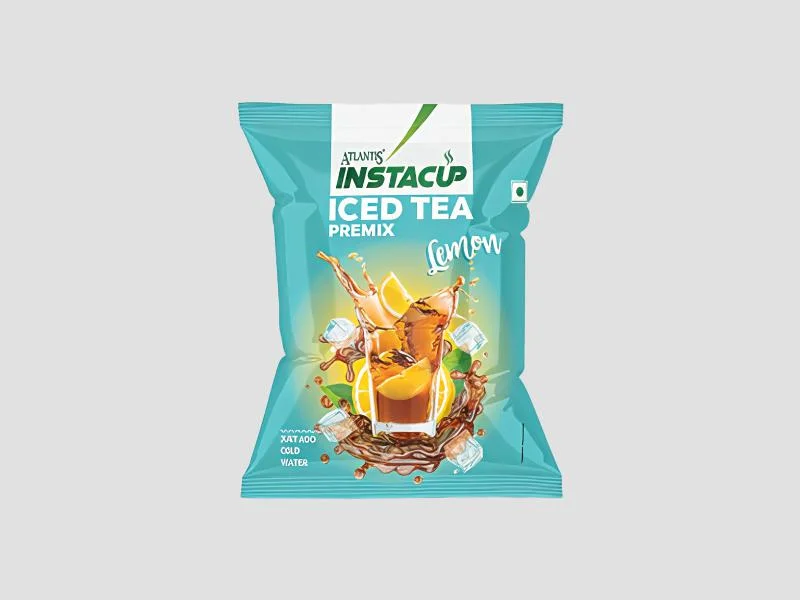
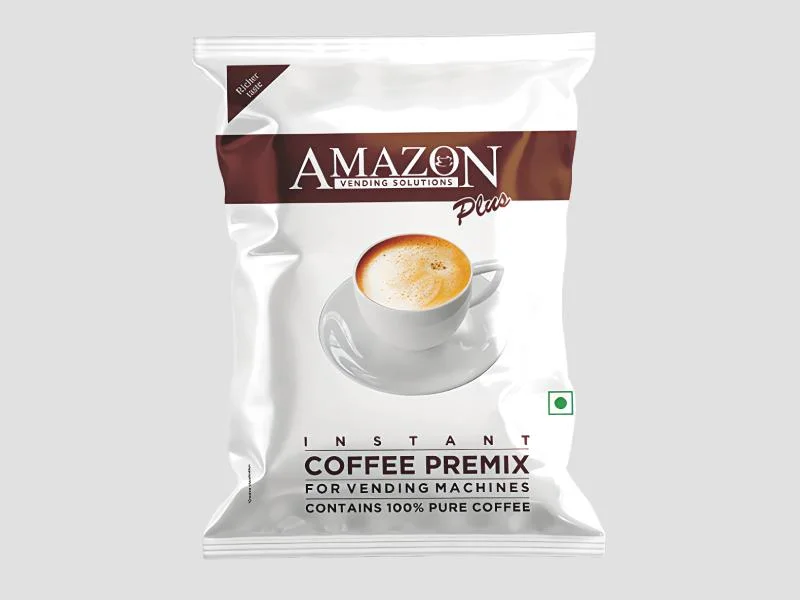
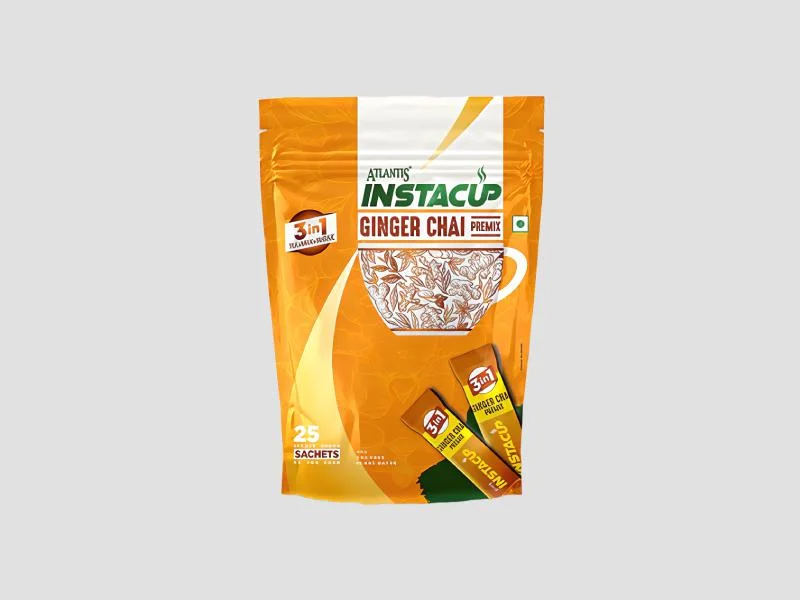
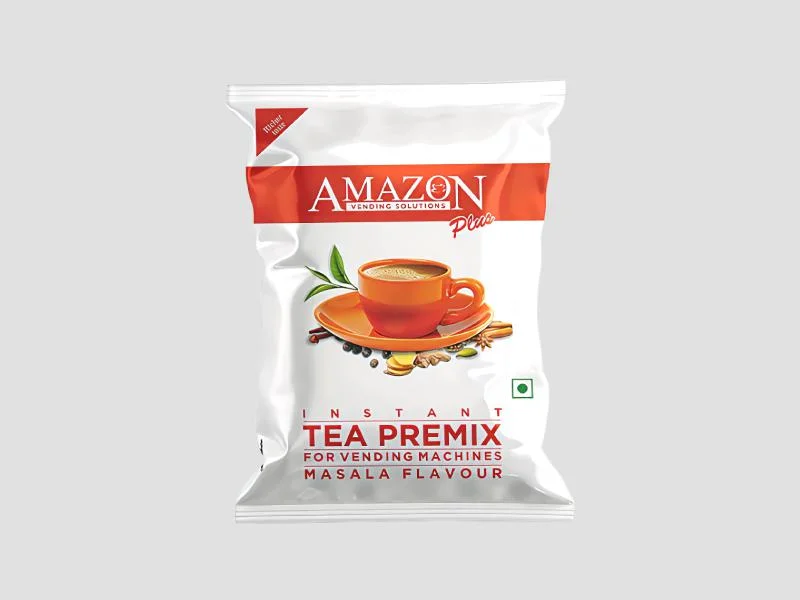
INBeverages (Tea, Coffee, Juices)
375 products available
𝗞𝗲𝘆 𝗙𝗲𝗮𝘁𝘂𝗿𝗲𝘀 𝗮𝗻𝗱 𝗦𝗽𝗲𝗰𝗶𝗳𝗶𝗰𝗮𝘁𝗶𝗼𝗻𝘀
𝗖𝗼𝗺𝗺𝗼𝗻 𝗔𝗽𝗽𝗹𝗶𝗰𝗮𝘁𝗶𝗼𝗻𝘀 𝗮𝗻𝗱 𝗨𝘀𝗲 𝗖𝗮𝘀𝗲𝘀
𝗣𝗿𝗼𝗱𝘂𝗰𝘁 𝗩𝗮𝗿𝗶𝗮𝗻𝘁𝘀 𝗮𝗻𝗱 𝗦𝘂𝗯𝗰𝗮𝘁𝗲𝗴𝗼𝗿𝗶𝗲𝘀
𝗕𝗲𝗻𝗲𝗳𝗶𝘁𝘀 𝗮𝗻𝗱 𝗔𝗱𝘃𝗮𝗻𝘁𝗮𝗴𝗲𝘀
𝗕𝘂𝘆𝗶𝗻𝗴 𝗚𝘂𝗶𝗱𝗲 𝗳𝗼𝗿 𝗕𝟮𝗕 𝗕𝘂𝘆𝗲𝗿𝘀
𝗖𝗼𝗺𝗽𝗹𝗶𝗮𝗻𝗰𝗲 𝗮𝗻𝗱 𝗖𝗲𝗿𝘁𝗶𝗳𝗶𝗰𝗮𝘁𝗶𝗼𝗻𝘀





Frequently Asked Questions
What are Beverages (Tea, Coffee, Juices)?
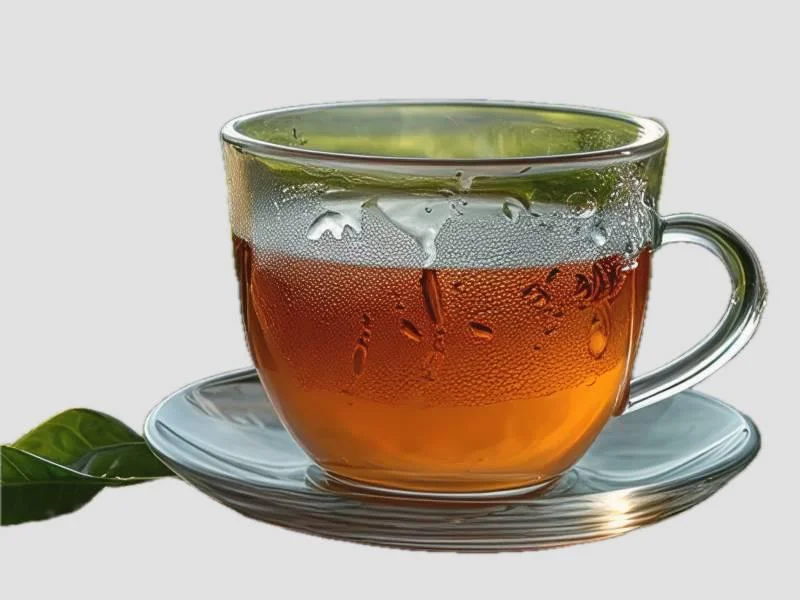
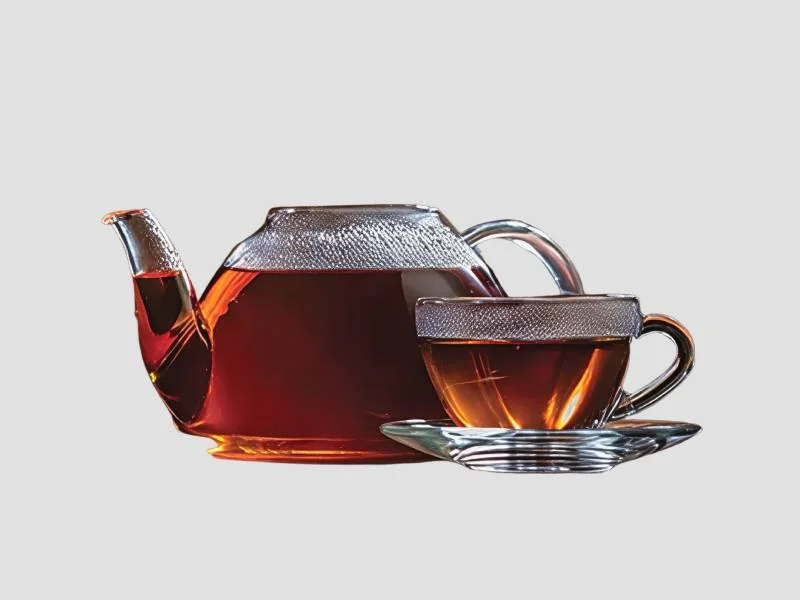
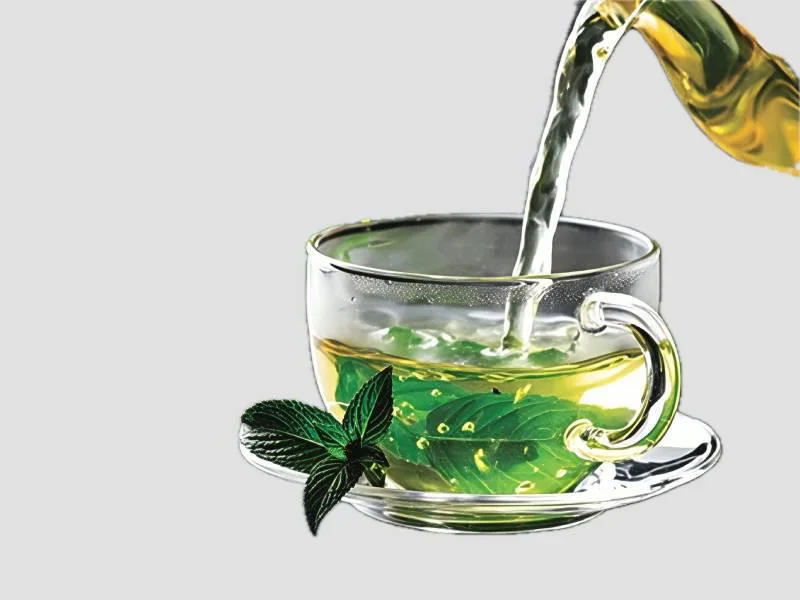
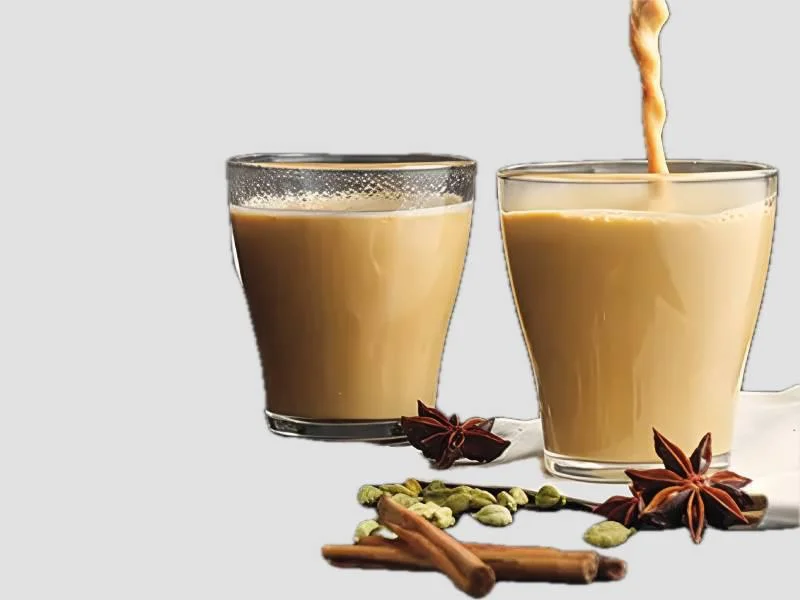
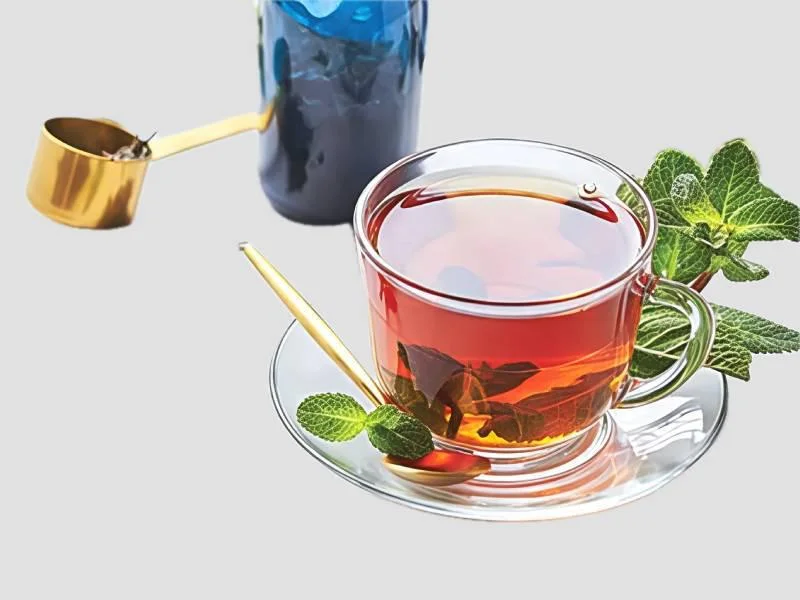
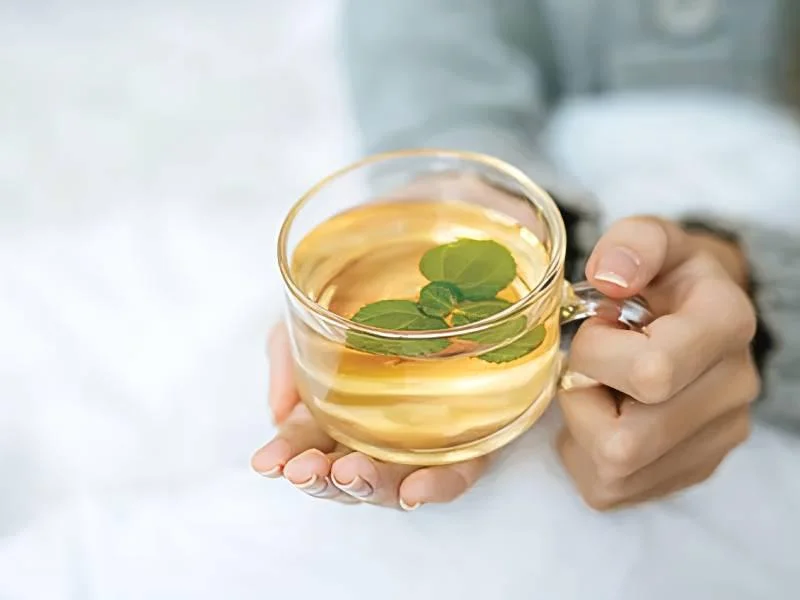
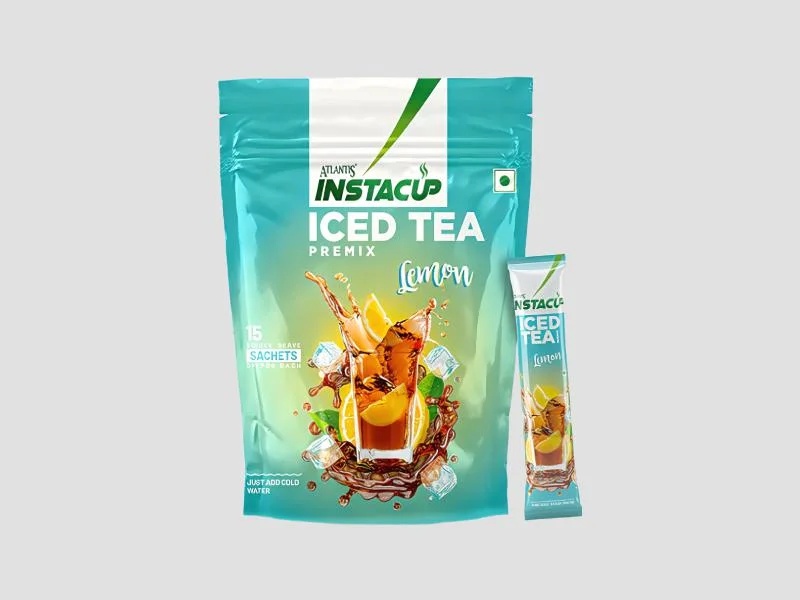
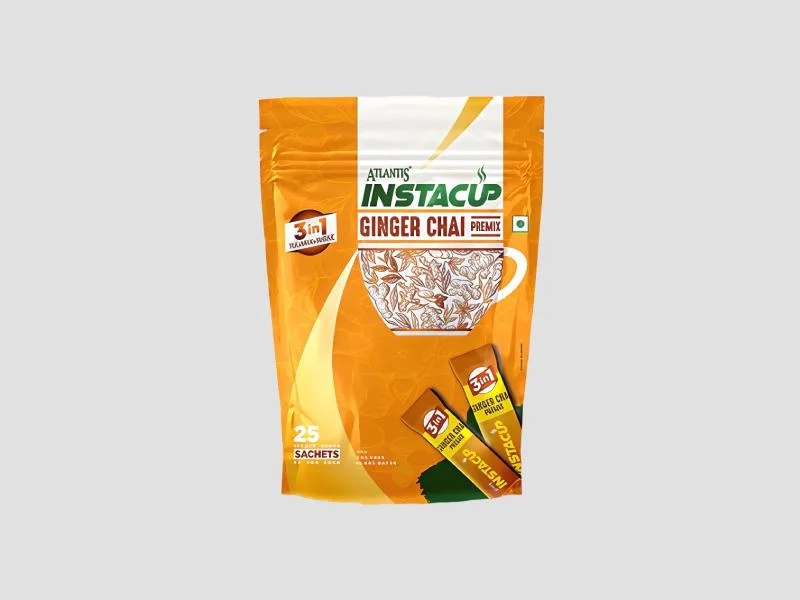
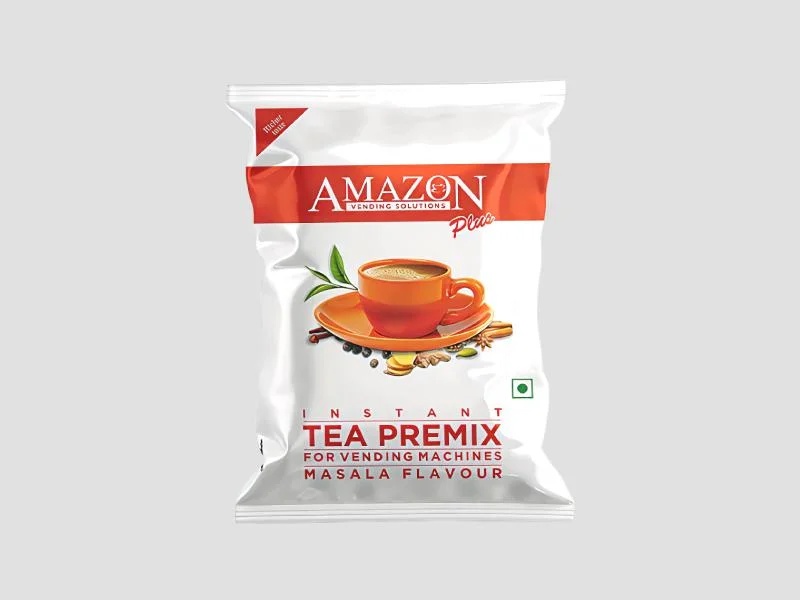
Beverages (Tea, Coffee, Juices) refer to a wide range of drinks that are primarily made from brewed leaves, roasted beans, or extracted juice from fruits. These products are consumed globally for refreshment, health benefits, and social interactions. They are categorized into various types based on their ingredients and preparation methods.
What are the different types of Beverages (Tea, Coffee, Juices)?
The main types of Beverages include Tea (such as black, green, and herbal), Coffee (including espresso, cappuccino, and cold brew), and Juices (like orange, apple, and mixed fruit). Each category has sub-types and variations that cater to different tastes and preferences. Additionally, there are flavored and functional beverages that combine various ingredients for added benefits.
How do I choose the right Beverages (Tea, Coffee, Juices)?
Choosing the right Beverages depends on factors such as flavor preferences, intended health benefits, and occasions for consumption. It's important to consider the quality of the ingredients, the brewing or extraction methods, and any dietary restrictions. Sampling different varieties can also help in making an informed choice.
What are the standard specifications for Beverages (Tea, Coffee, Juices)?
Standard specifications for Beverages typically include parameters such as flavor profile, aroma, appearance, and nutritional content. For example, tea specifications may involve leaf size and grade, while coffee may include bean origin and roasting level. Juices are often measured for purity and absence of additives.
What is the price range for Beverages (Tea, Coffee, Juices)?
The price range for Beverages can vary significantly based on the type, quality, and brand. Generally, tea and coffee can range from a few hundred to several thousand Indian Rupees per kilogram, while juices are priced per liter, typically ranging from ₹50 to ₹300. Premium and organic options tend to be on the higher end of the spectrum.
What quality standards apply to Beverages (Tea, Coffee, Juices)?
Quality standards for Beverages often include compliance with food safety regulations, such as FSSAI in India. Additionally, standards may cover aspects like pesticide residue limits, purity, and labeling requirements. Certifications such as organic or fair trade can also indicate adherence to specific quality practices.
Where can I find Beverages (Tea, Coffee, Juices) suppliers in India?
Beverages suppliers can be found on B2B marketplaces like Pepagora.com, which connects buyers with manufacturers and distributors across India. Various trade shows, industry directories, and local wholesalers are also valuable resources for sourcing Beverages in bulk. Online searches can yield numerous options tailored to specific needs.
Can Beverages (Tea, Coffee, Juices) be customized?
Yes, Beverages can often be customized based on flavor, packaging, and branding requirements. Many suppliers offer options for private labeling, unique blends, or tailored formulations to meet specific customer preferences. It's advisable to discuss customization options directly with suppliers to ensure exact specifications.
What is the typical minimum order quantity for Beverages (Tea, Coffee, Juices)?
The typical minimum order quantity (MOQ) for Beverages varies by supplier and product type. Generally, MOQs can range from 10 to 100 kilograms for bulk orders of tea and coffee, while juices might have lower MOQs around 50 liters. It's important to confirm MOQs directly with suppliers before placing an order.
What is the typical lead time for Beverages (Tea, Coffee, Juices)?
The typical lead time for Beverages can range from a few days to several weeks, depending on the type of beverage and supplier capabilities. Custom orders may require longer lead times due to production and packaging processes. It's best to discuss lead times with suppliers to ensure timely delivery.
Why Businesses Trust Pepagora
Thousands of companies trust Pepagora to source smarter and sell faster
Expand Your Sales Globally

Source Smarter,Grow Faster
