𝗪𝗵𝗮𝘁 𝗮𝗿𝗲 𝗠𝗮𝘀𝗮𝗹𝗮 𝗧𝗲𝗮 𝗕𝗹𝗲𝗻𝗱𝘀?
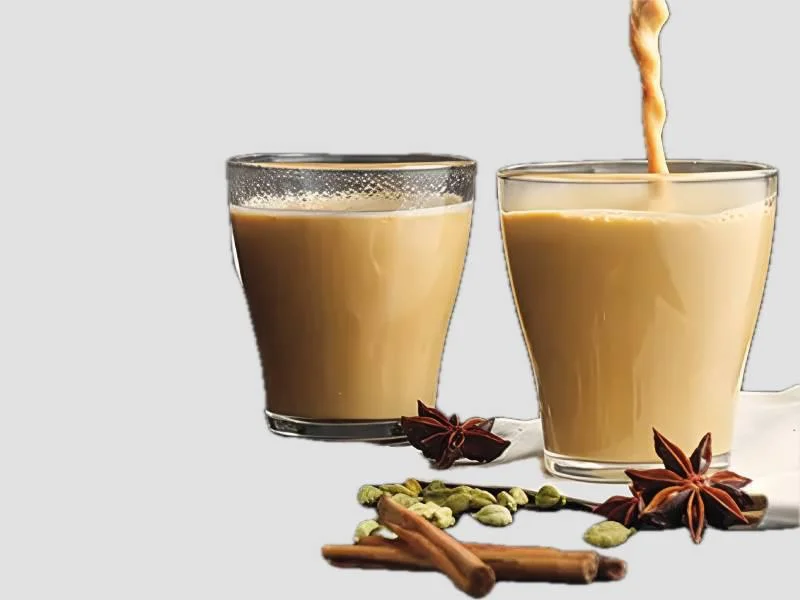
Masala Tea Blends are a unique combination of black tea and various spices, herbs, and flavorings, which create a robust and aromatic beverage. These blends often include ingredients such as cardamom, ginger, cinnamon, and cloves, among others. The exact composition can vary widely, depending on regional preferences and individual recipes. The tea is typically brewed with milk and sweetened, resulting in a rich, flavorful drink enjoyed by many.
In the business context, Masala Tea Blends are commonly used in cafes, restaurants, and food service establishments, catering to customers looking for enriching beverage options. They are also popular for retail distribution, allowing consumers to purchase pre-packaged blends for home preparation. The growing trend toward specialty teas and wellness beverages has fueled demand for high-quality Masala Tea Blends in the market.
The industry relevance of Masala Tea Blends extends beyond just the beverage sector. With increasing consumer interest in authentic and traditional flavors, these blends are gaining traction in health food stores and gourmet shops. The market for Masala Tea Blends is expanding, supported by a rising preference for natural ingredients and unique taste experiences.
𝗞𝗲𝘆 𝗙𝗲𝗮𝘁𝘂𝗿𝗲𝘀 𝗮𝗻𝗱 𝗦𝗽𝗲𝗰𝗶𝗳𝗶𝗰𝗮𝘁𝗶𝗼𝗻𝘀
Masala Tea Blends come with a range of features and specifications that cater to different preferences and business needs. Understanding these specifications is crucial for buyers looking to source high-quality products.
Key specifications include:
1. Flavor Profile
- A variety of spices and tea types can be blended to create distinct flavor profiles.
- Customization options are often available to meet specific taste preferences.
2. Packaging Options
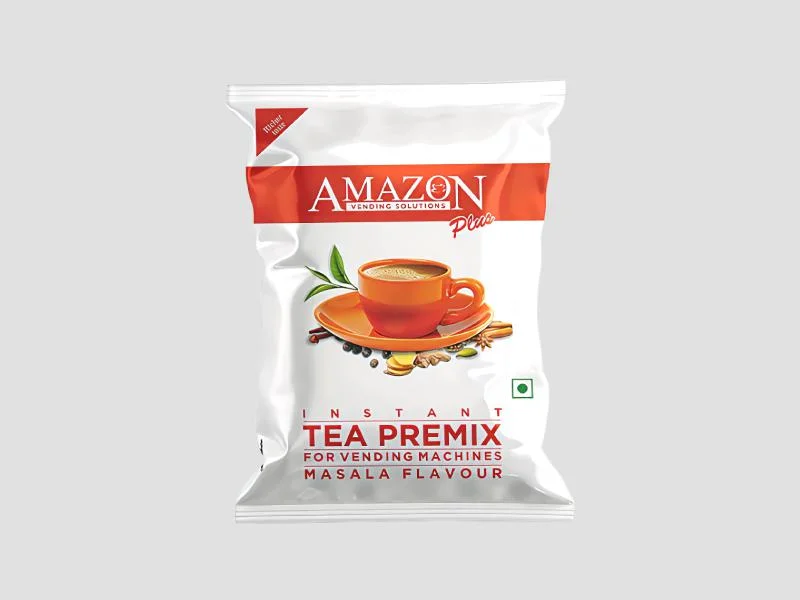
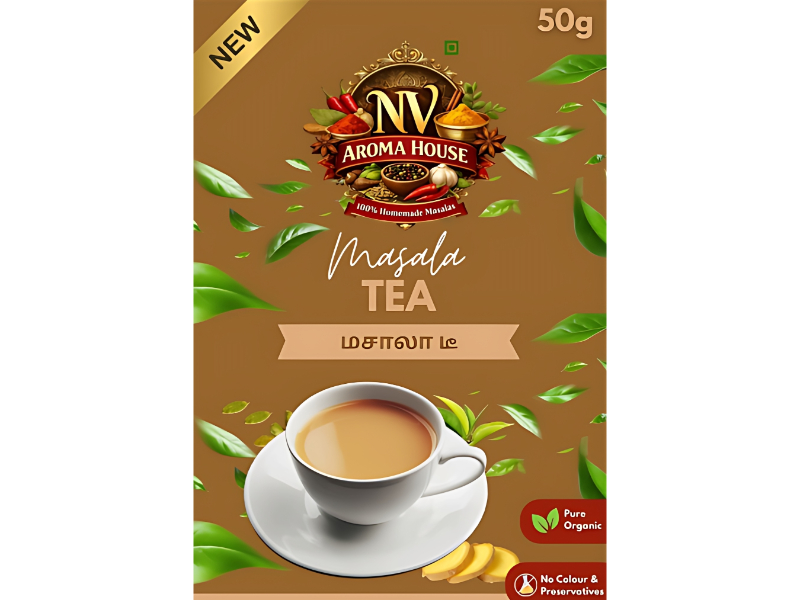
- Available in bulk packaging for wholesale buyers or retail packaging for consumer markets.
- Eco-friendly packaging solutions are increasingly in demand.
3. Shelf Life
- Typically ranges from 12 to 24 months when stored in a cool, dry place.
- Proper storage is essential to maintain flavor and freshness.
4. Ingredients
- Made from natural and organic ingredients, with an emphasis on quality.
- Allergen information should be clearly stated for consumer safety.
5. Preparation Method
- Can be brewed using traditional methods or modern brewing machines.
- Versatile enough for both hot and iced tea preparations.
6. Certifications
- Often certified by relevant quality and safety standards, such as CE.
- Compliance with food safety regulations is essential.
In summary, understanding the features and specifications of Masala Tea Blends helps businesses make informed sourcing decisions, ensuring they select products that align with their market demands and consumer preferences.
𝗖𝗼𝗺𝗺𝗼𝗻 𝗔𝗽𝗽𝗹𝗶𝗰𝗮𝘁𝗶𝗼𝗻𝘀 𝗮𝗻𝗱 𝗨𝘀𝗲 𝗖𝗮𝘀𝗲𝘀
Masala Tea Blends have diverse applications across various industries, making them a versatile product in the beverage market.
1. Hospitality Industry: Cafes and restaurants use Masala Tea Blends to enhance their beverage menus, offering customers unique flavor experiences that highlight cultural traditions.
2. Retail Food Sector: Grocery stores and specialty food shops sell packaged Masala Tea Blends, catering to consumers who prefer making these blends at home.
3. Wellness and Health: With an increasing focus on natural ingredients, health food stores incorporate Masala Tea Blends as part of their wellness offerings, promoting their potential health benefits.
4. Food Service Providers: Catering companies utilize Masala Tea Blends for events and gatherings, providing flavorful beverage options that appeal to a wide audience.
5. E-commerce Platforms: Online retailers list various Masala Tea Blends, allowing consumers to conveniently purchase their favorite flavors from home.
6. Export Markets: International markets seek Masala Tea Blends for their unique taste, providing opportunities for producers to expand their reach globally.
𝗣𝗿𝗼𝗱𝘂𝗰𝘁 𝗩𝗮𝗿𝗶𝗮𝗻𝘁𝘀 𝗮𝗻𝗱 𝗦𝘂𝗯𝗰𝗮𝘁𝗲𝗴𝗼𝗿𝗶𝗲𝘀
Masala Tea Blends are available in a variety of formulations, allowing businesses to select products that best meet their needs.
Classic Masala Chai Blend: This variant offers a traditional blend of black tea and spices, perfect for those looking to experience authentic flavors. It is often enjoyed with milk and sugar.
Ginger Masala Tea Blend: Focused on the health benefits of ginger, this variant combines ginger with traditional masala spices, appealing to health-conscious consumers seeking a flavorful option.
Cardamom Masala Tea Blend: Highlighting the aromatic qualities of cardamom, this blend is ideal for those who prefer a sweeter, spicier tea experience, often enjoyed in both hot and cold preparations.
Decaffeinated Masala Tea Blend: For consumers seeking a caffeine-free option, this variant provides the same rich flavor profile without the caffeine, making it suitable for all times of the day.
Organic Masala Tea Blend: Made from certified organic ingredients, this blend caters to the growing market of eco-conscious consumers who prioritize sustainability in their purchasing choices.
𝗕𝗲𝗻𝗲𝗳𝗶𝘁𝘀 𝗮𝗻𝗱 𝗔𝗱𝘃𝗮𝗻𝘁𝗮𝗴𝗲𝘀
Masala Tea Blends offer numerous benefits that make them an attractive choice for both businesses and consumers.
1. Unique Flavor Experience: The combination of spices and tea creates a rich, multi-layered flavor that stands out from regular tea offerings.
2. Health Benefits: Many spices used in Masala Tea Blends, such as ginger and cardamom, are known for their health-promoting properties, which can enhance overall wellness.
3. Versatility: Masala Tea Blends can be enjoyed hot or iced, making them suitable for various occasions and seasonal preferences.
4. Cultural Appeal: These blends often carry cultural significance, attracting consumers interested in exploring traditional flavors and beverages.
5. Customization Options: Many suppliers allow for the customization of blends, enabling businesses to create unique offerings that cater to their customer base.
6. Growing Market Demand: With the increasing popularity of specialty teas, sourcing Masala Tea Blends can provide a competitive edge in the beverage market.
𝗕𝘂𝘆𝗶𝗻𝗴 𝗚𝘂𝗶𝗱𝗲 𝗳𝗼𝗿 𝗕𝟮𝗕 𝗕𝘂𝘆𝗲𝗿𝘀
When sourcing Masala Tea Blends, B2B buyers should consider several important factors to ensure they make informed decisions.
1. Quality Assessment: Evaluate the quality of the tea and spices used in the blends. Look for suppliers who provide samples to assess flavor and freshness.
2. Supplier Verification: It is essential to vet suppliers for reliability and reputation. Check for certifications and customer reviews to ensure they meet industry standards.
3. Pricing and MOQ: Understand the cost structure and minimum order quantities (MOQ) required by suppliers. This will help in budgeting and planning inventory.
4. Delivery and Lead Times: Discuss logistics with suppliers to determine delivery schedules and lead times. Timely delivery is crucial for maintaining inventory levels.
5. Compliance Requirements: Ensure that the products meet relevant food safety regulations and quality standards. This includes checking for certifications such as CE and adherence to local regulations.
𝗖𝗼𝗺𝗽𝗹𝗶𝗮𝗻𝗰𝗲 𝗮𝗻𝗱 𝗖𝗲𝗿𝘁𝗶𝗳𝗶𝗰𝗮𝘁𝗶𝗼𝗻𝘀
Masala Tea Blends must adhere to various quality and safety standards to ensure their marketability and consumer safety. Key compliance aspects include:
ISO 9001: This standard focuses on quality management systems, ensuring that producers consistently meet customer and regulatory requirements.
HACCP: Hazard Analysis and Critical Control Points is a management system addressing food safety by identifying potential hazards and implementing controls in the production process.
GDP: Good Distribution Practice ensures that products are consistently stored and transported under appropriate conditions to maintain their quality.
CE Certification: This European standard indicates that the product meets safety, health, and environmental protection requirements, allowing for market access in the European Union.
Safety and testing requirements also play a crucial role in ensuring the quality of Masala Tea Blends. It is essential for producers to conduct regular testing for contaminants and maintain transparency in their production processes. Additionally, regional compliance considerations may vary, necessitating awareness of local regulations governing food and beverage production.
𝗪𝗵𝘆 𝗦𝗼𝘂𝗿𝗰𝗲 𝗠𝗮𝘀𝗮𝗹𝗮 𝗧𝗲𝗮 𝗕𝗹𝗲𝗻𝗱𝘀 𝗳𝗿𝗼𝗺 𝗣𝗲𝗽𝗮𝗴𝗼𝗿𝗮?
Pepagora provides a trusted platform for sourcing Masala Tea Blends, offering several key advantages for businesses.
Verified Supplier Network: Pepagora connects buyers with a network of verified suppliers, ensuring reliability and quality in sourcing. Each supplier undergoes a thorough vetting process to meet industry standards.
Streamlined RFQ Process: The platform features a streamlined Request for Quotation (RFQ) process, allowing buyers to easily compare offers from multiple suppliers. This simplifies the sourcing process and ensures competitive pricing.
Trade Assurance and Support: Pepagora offers trade assurance to protect buyers during transactions. This includes support in case of disputes and ensuring that suppliers deliver the promised quality and service.
Regional Coverage: With a strong presence in India, the GCC, and Southeast Asia, Pepagora facilitates access to a wide range of Masala Tea Blends, catering to diverse market needs and preferences. This regional reach enables buyers to tap into local and international markets effectively.

 IN
IN