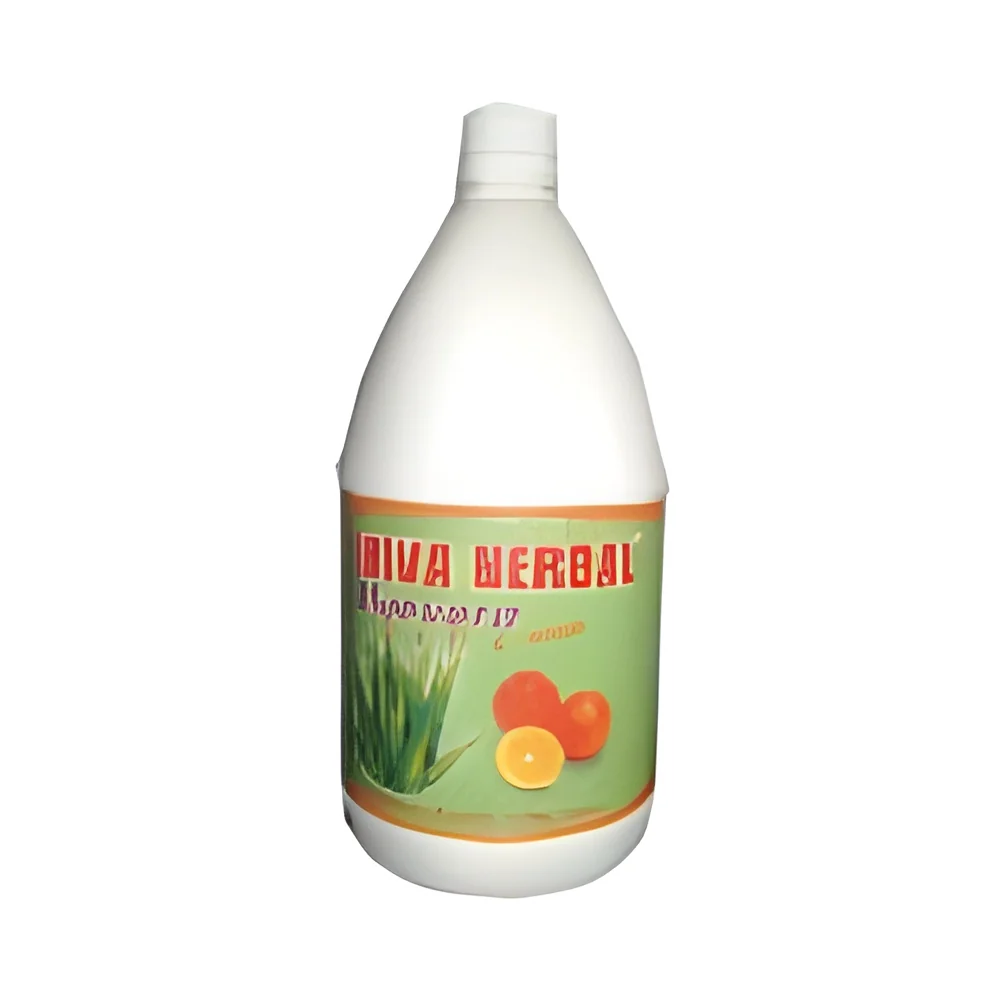
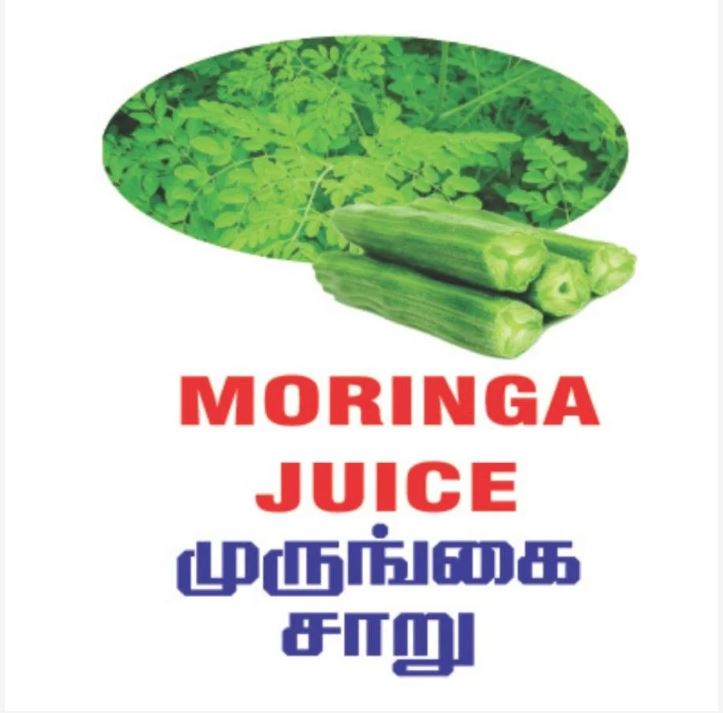
What are Aloe Vera & Herbal Juices?
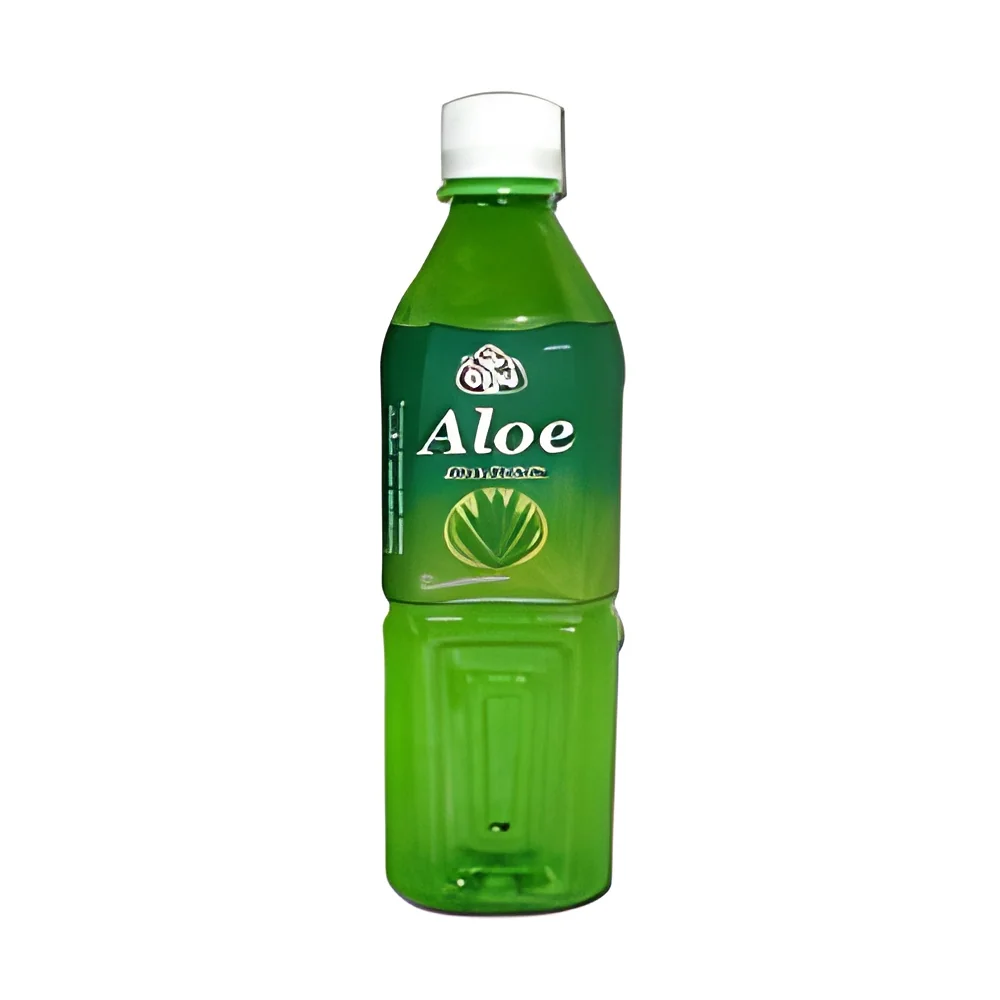
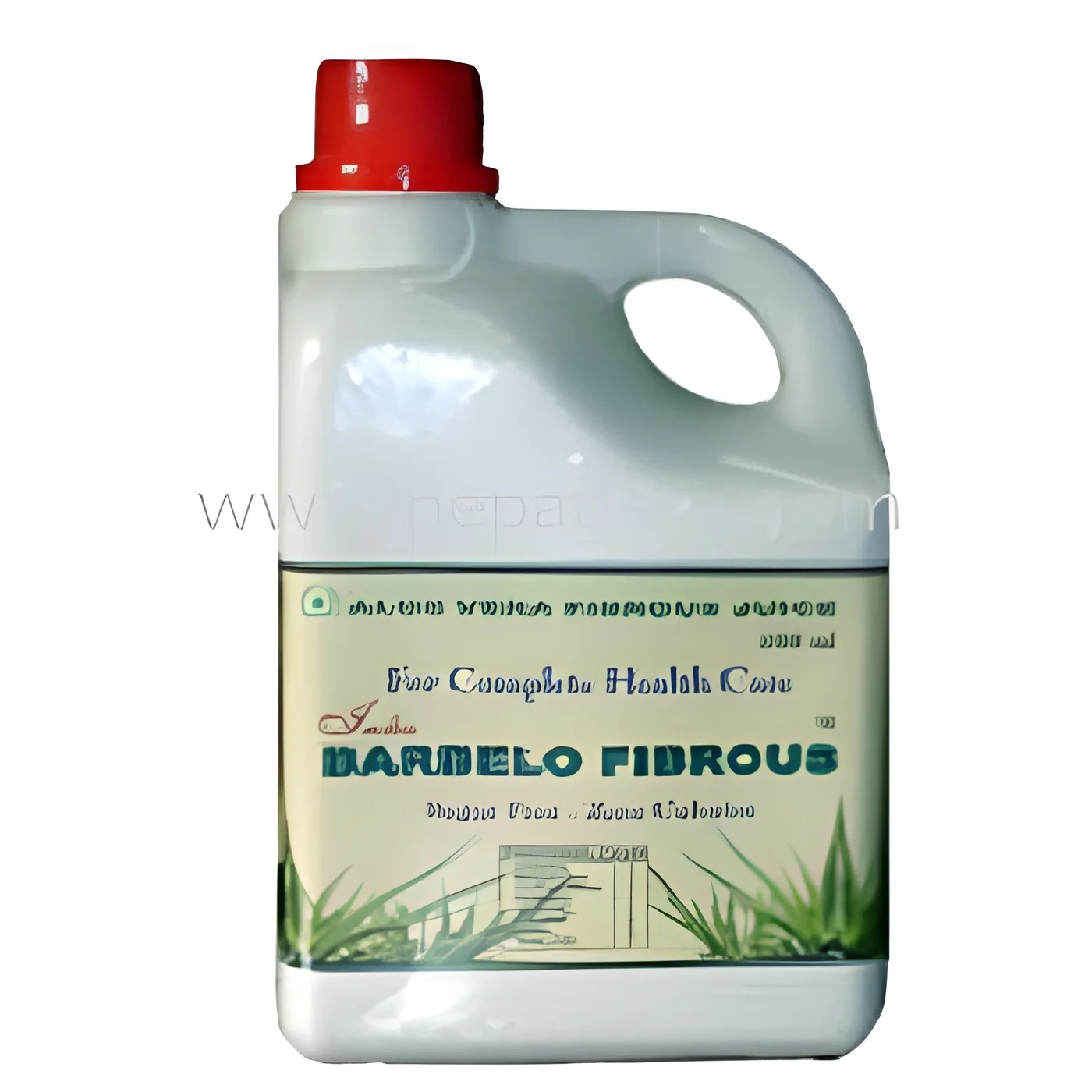
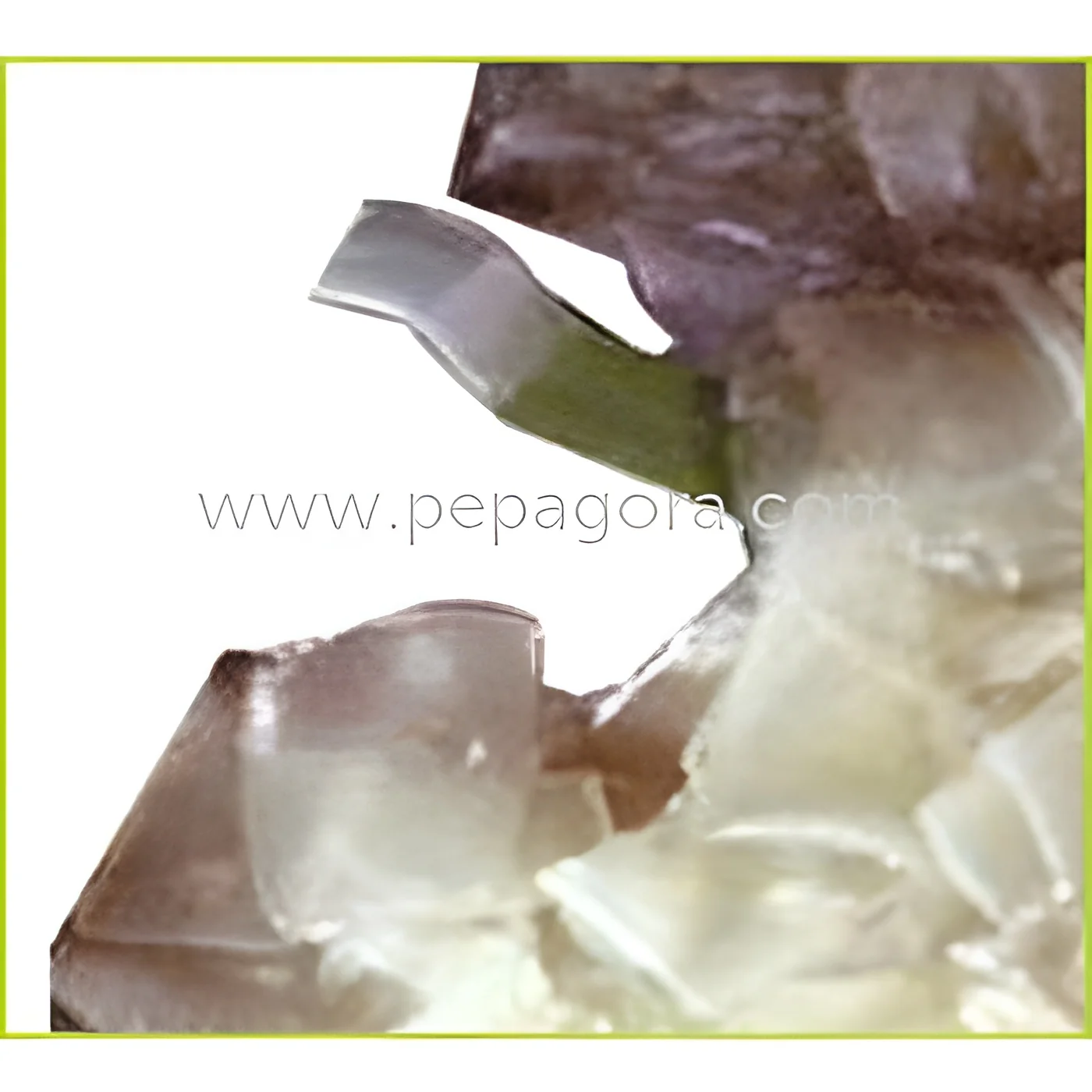
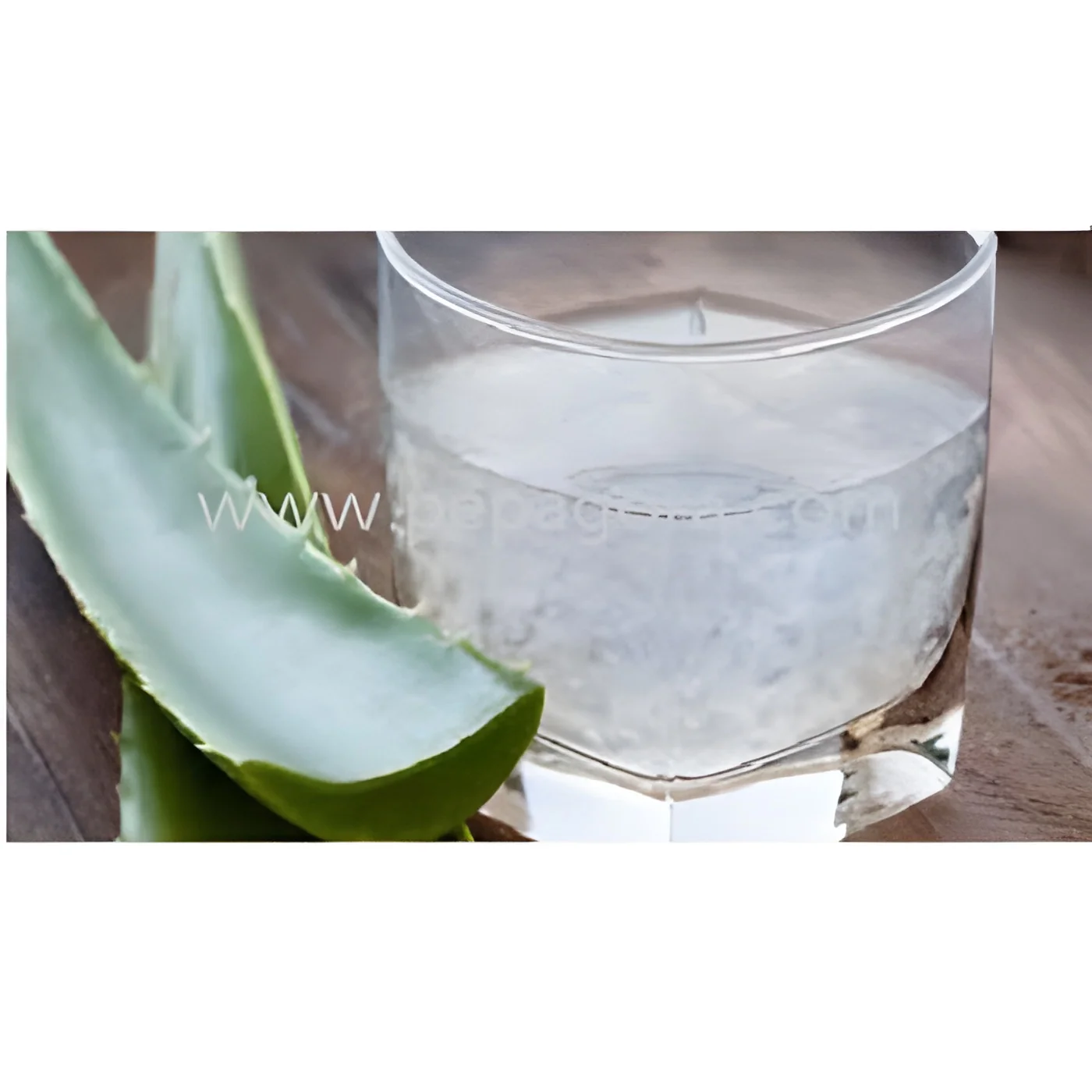
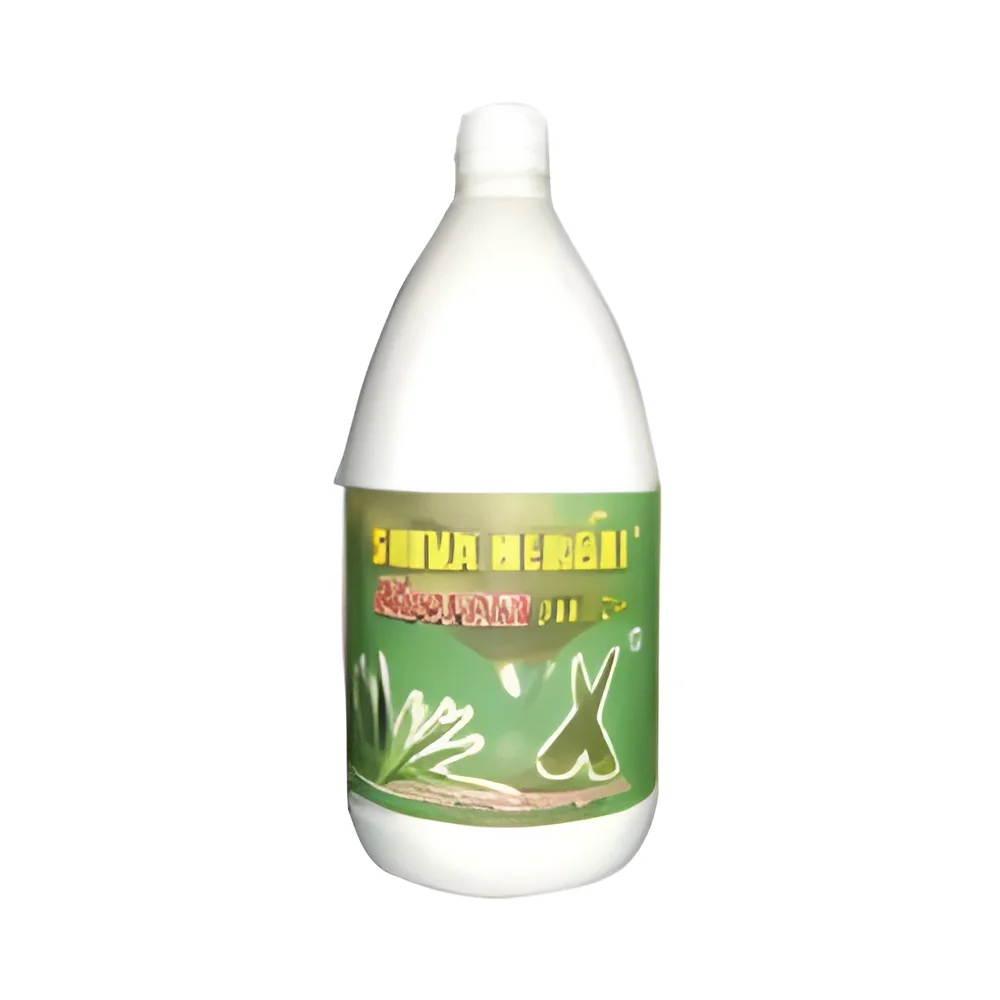
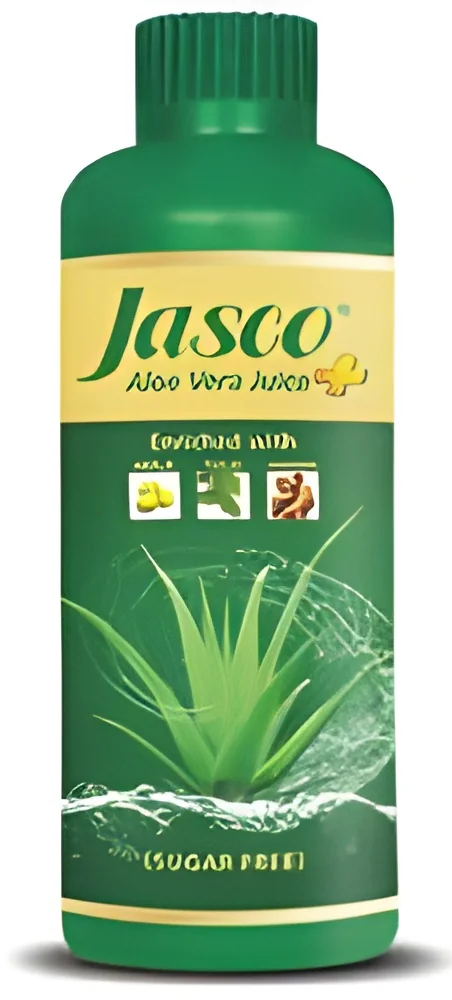
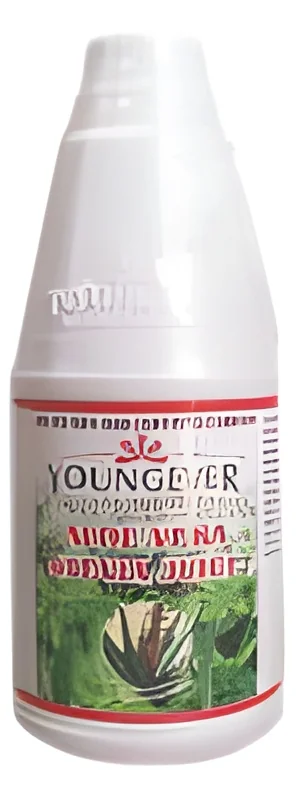
Aloe Vera and herbal juices are natural products derived from the Aloe Vera plant and various herbs. Aloe Vera juice is extracted from the leaves of the Aloe Vera plant, known for its soothing and rejuvenating properties. Herbal juices are derived from a variety of plants and herbs, each offering unique health benefits. These juices are often consumed for their nutritional value, natural flavors, and therapeutic properties.
These juices have a wide range of applications across various industries. In the food and beverage sector, they are popular as health drinks and dietary supplements. The cosmetics industry utilizes Aloe Vera and herbal extracts for their skin-soothing and moisturizing properties. Additionally, the pharmaceutical industry incorporates these juices into health products due to their medicinal benefits. The increasing consumer demand for natural and organic products enhances their relevance in the current market.
The market for Aloe Vera and herbal juices has been growing steadily as more businesses recognize the shift towards natural ingredients. This growth is driven by consumer preferences for healthier lifestyle choices and an increasing awareness of the benefits associated with these juices. As a result, companies in different sectors are exploring sourcing opportunities to meet this demand.
Key Features and Specifications
Aloe Vera and herbal juices come with a variety of features that make them appealing for different business applications. Understanding these specifications is crucial for B2B buyers looking to source quality products.
Key specifications include:
1. Composition
- Percentage of Aloe Vera or herbal content
- Presence of additives or preservatives
2. Nutritional Profile
- Vitamins and minerals content
- Caloric value per serving
3. Packaging Options
- Available sizes (e.g., 250ml, 1L, bulk)
- Types of packaging (e.g., glass bottles, cartons)
4. Shelf Life
- Typical shelf life duration
- Storage conditions for optimal freshness
5. Flavor Profiles
- Range of flavors available
- Options for sugar-free or organic variations
6. Certifications
- Compliance with food safety standards
- Organic certifications, if applicable
7. Production Methods
- Cold-pressed versus heat-processed
- Sustainable sourcing practices
8. Customization Options
- Ability to customize formulations
- Labeling and branding services available
In summary, these specifications help ensure that businesses can find products that meet their specific requirements for quality, safety, and effectiveness.
Common Applications and Use Cases
Aloe Vera and herbal juices find applications in various industries, catering to different consumer needs and preferences.
1. Food and Beverage Industry: These juices are widely used as health drinks, smoothies, and dietary supplements. They are appealing to health-conscious consumers looking for natural hydration and nutrients.
2. Cosmetics Industry: Aloe Vera is commonly found in skincare products due to its moisturizing and healing properties. Herbal juices are also incorporated into beauty products for their natural benefits.
3. Pharmaceutical Industry: Many health products, including supplements and remedies, utilize Aloe Vera and herbal extracts for their medicinal qualities. They are often used in formulations targeting digestive health and skin care.
4. Wellness and Health Sector: These juices are popular in wellness programs and health retreats, promoting detoxification and overall well-being among participants.
5. Retail and E-commerce: Online platforms are increasingly offering Aloe Vera and herbal juices, allowing consumers to purchase these products conveniently from home.
6. Hospitality and Food Services: Restaurants and cafes are using these juices to create unique beverage offerings, enhancing their menus with healthy options.
7. Nutritional Supplements: Many companies produce capsules or powders derived from Aloe Vera and herbal juices, targeting consumers seeking specific health benefits.
Product Variants and Subcategories
The market for Aloe Vera and herbal juices is diverse, offering various product variants to cater to different consumer preferences.
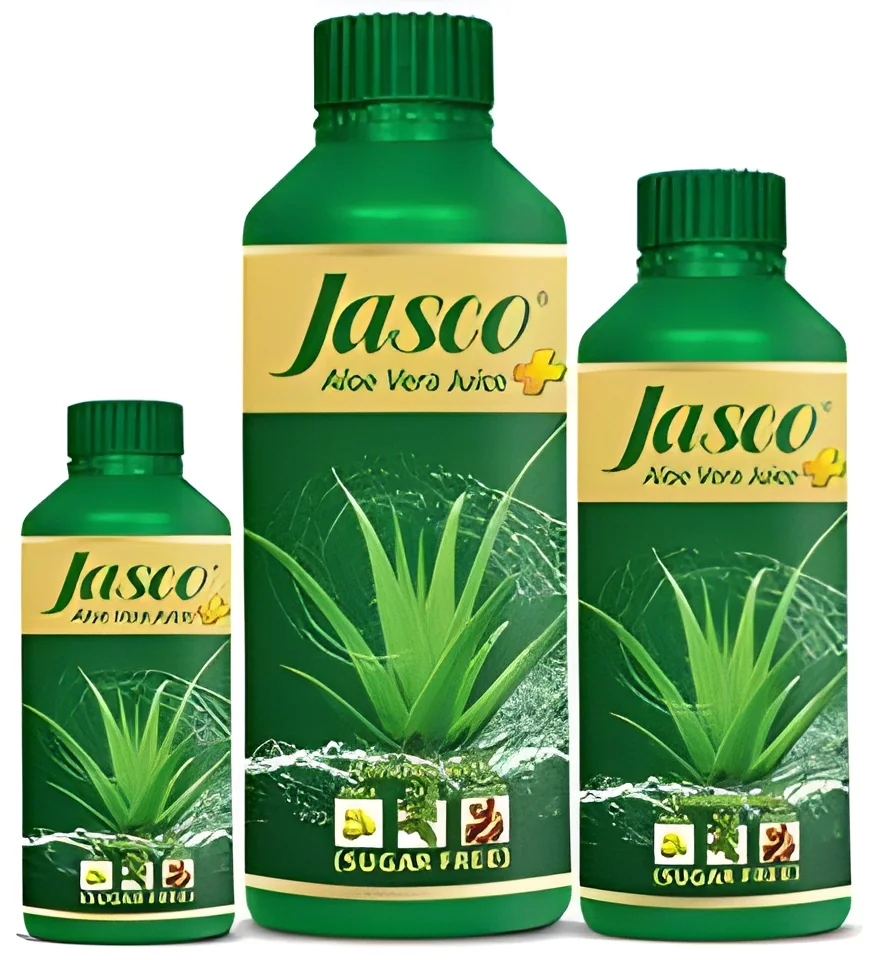
Pure Aloe Vera Juice: This variant is made from 100% Aloe Vera, offering a concentrated source of nutrients. It is ideal for health-conscious consumers seeking the pure benefits of Aloe Vera.
Aloe Vera with Herbal Blend: This juice combines Aloe Vera with other beneficial herbs, enhancing its health properties. It is popular among those looking for a more complex flavor and additional health benefits.
Aloe Vera Juice with Added Sweeteners: This variant incorporates natural sweeteners for a more palatable taste. It appeals to consumers who prefer flavored beverages.
Organic Aloe Vera Juice: Sourced from organic farms, this variant ensures no synthetic pesticides or fertilizers are used. It is ideal for consumers who prioritize organic products.
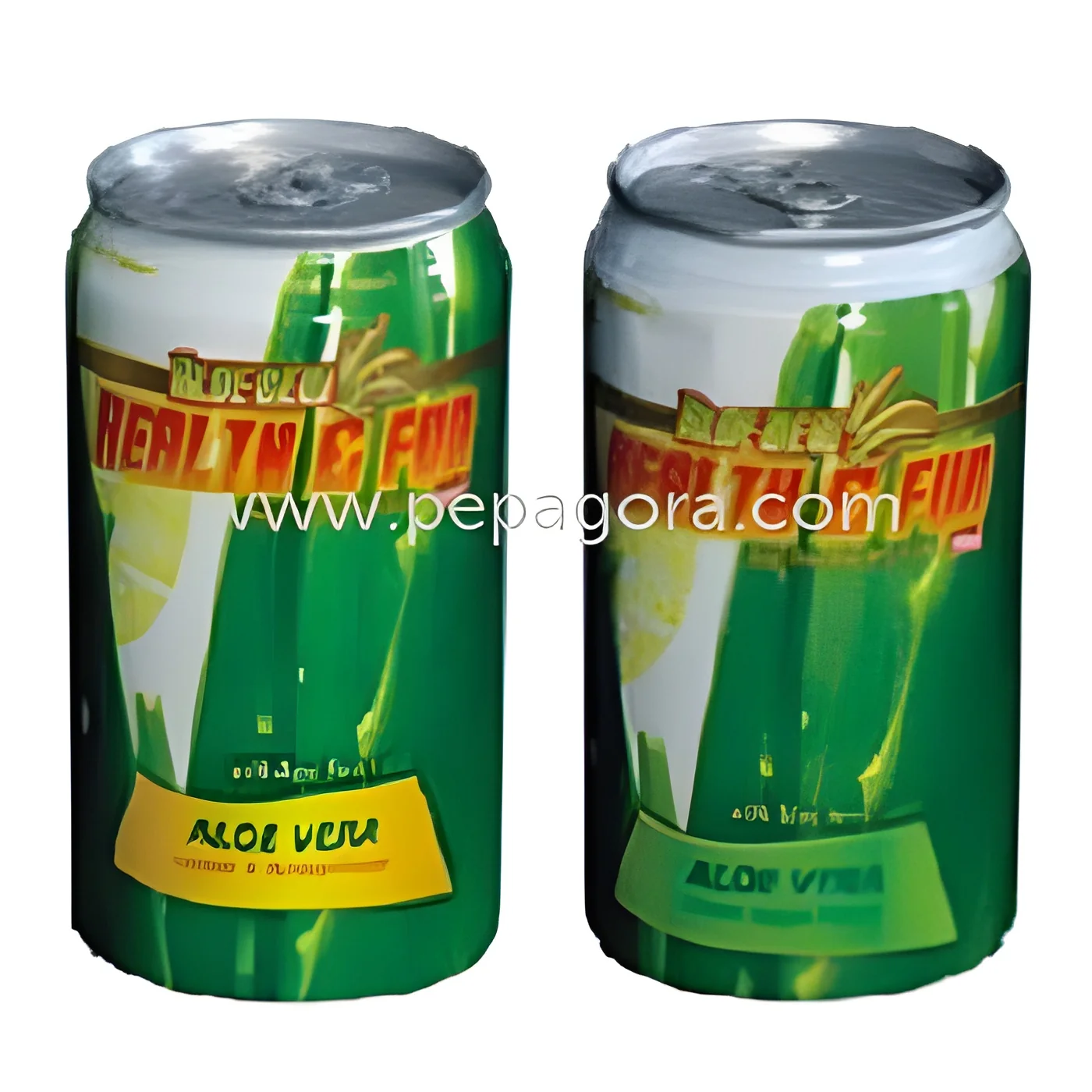
Ready-to-Drink Herbal Juices: These pre-packaged juices offer convenience for on-the-go consumption. They are available in various flavors, targeting busy individuals seeking healthy options.
Benefits and Advantages
Aloe Vera and herbal juices provide several advantages that make them attractive for both consumers and businesses.
1. Nutritional Value: These juices are rich in vitamins, minerals, and antioxidants, contributing to overall health and wellness.
2. Natural Hydration: They serve as an excellent source of hydration, making them ideal for refreshing beverages.
3. Digestive Health: Aloe Vera is known for its digestive benefits, helping to soothe and support gut health.
4. Skin Benefits: The moisturizing properties of Aloe Vera make it beneficial for skin care, promoting hydration and soothing irritation.
5. Versatility: These juices can be used in various applications, from beverages to cosmetics, making them highly adaptable for different industries.
6. Growing Market Demand: With increasing consumer interest in natural and organic products, sourcing these juices can enhance a company's product offerings.
Buying Guide for B2B Buyers
When sourcing Aloe Vera and herbal juices, several factors should be considered to ensure quality and suitability.
1. Quality Assessment: Buyers should evaluate the quality of the juices by checking for certifications, ingredient transparency, and sourcing practices to ensure they meet required standards.
2. Supplier Verification: It is essential to vet suppliers through research and references. This helps ensure reliability and quality in the sourcing process.
3. Pricing and MOQ: Understanding the pricing structure and minimum order quantities (MOQs) is critical for budgeting and financial planning.
4. Delivery and Lead Times: Buyers should confirm delivery schedules and lead times to align with their inventory needs and ensure timely restocking.
5. Compliance Requirements: Familiarizing oneself with relevant regulatory and compliance standards is crucial, as this can impact the import and distribution of these products.
Compliance and Certifications
Aloe Vera and herbal juices must adhere to various quality standards and certifications to ensure product safety and efficacy.
Relevant quality standards such as ISO 9001 ensure that manufacturers maintain quality management systems. This certification helps guarantee that products are consistently produced and controlled according to quality standards.
Compliance with HACCP (Hazard Analysis and Critical Control Points) ensures that food safety is maintained throughout the production process. It involves identifying potential hazards and implementing measures to mitigate risks.
Additionally, CE certification is relevant for products sold in European markets, indicating compliance with health, safety, and environmental protection standards.
It is also important for manufacturers to meet regional compliance requirements, which may vary by country. This includes regulations regarding labeling, ingredients, and health claims.
Why Source Aloe Vera & Herbal Juices from Pepagora?
Pepagora offers a trusted platform for sourcing Aloe Vera and herbal juices, providing several key advantages for B2B buyers.
Verified Supplier Network: Pepagora ensures that all suppliers in its network are thoroughly vetted. This process guarantees reliability and quality, giving buyers confidence in their sourcing decisions.
Streamlined RFQ Process: The request for quotation (RFQ) system simplifies the procurement process. Buyers can easily submit inquiries and receive competitive quotes from multiple suppliers, saving time and effort.
Trade Assurance and Support: Pepagora provides trade assurance to protect buyers throughout the transaction process. This includes support for any disputes or issues that may arise, ensuring a secure purchasing experience.
Regional Coverage: With a broad geographic reach that includes India, the GCC, and Southeast Asia, Pepagora connects buyers with suppliers across multiple regions. This facilitates access to a diverse range of Aloe Vera and herbal juices tailored to different market needs.

 IN
IN