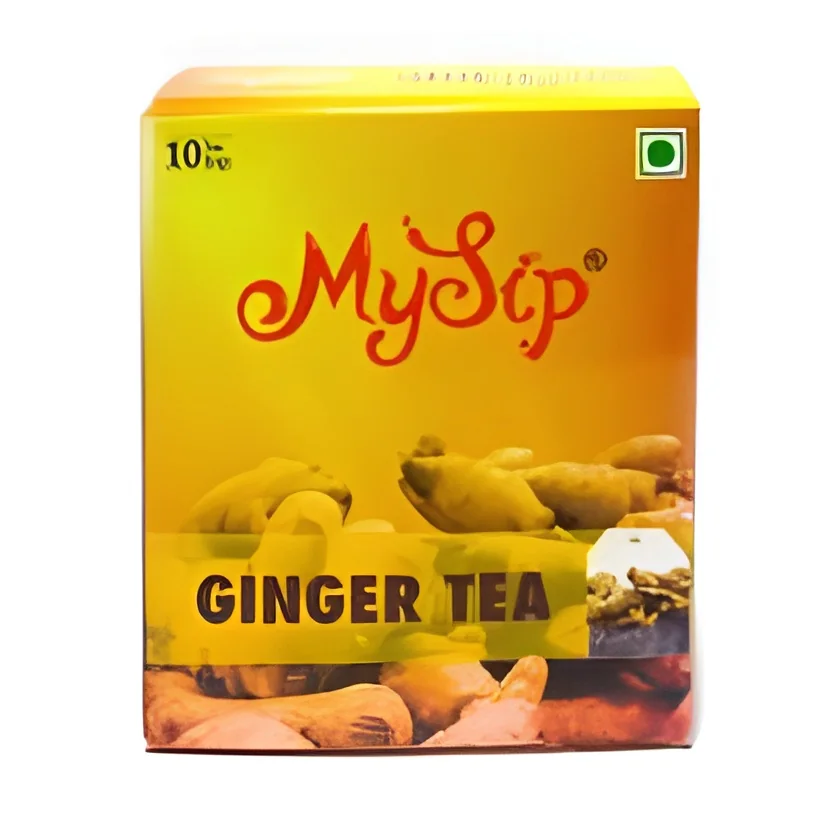
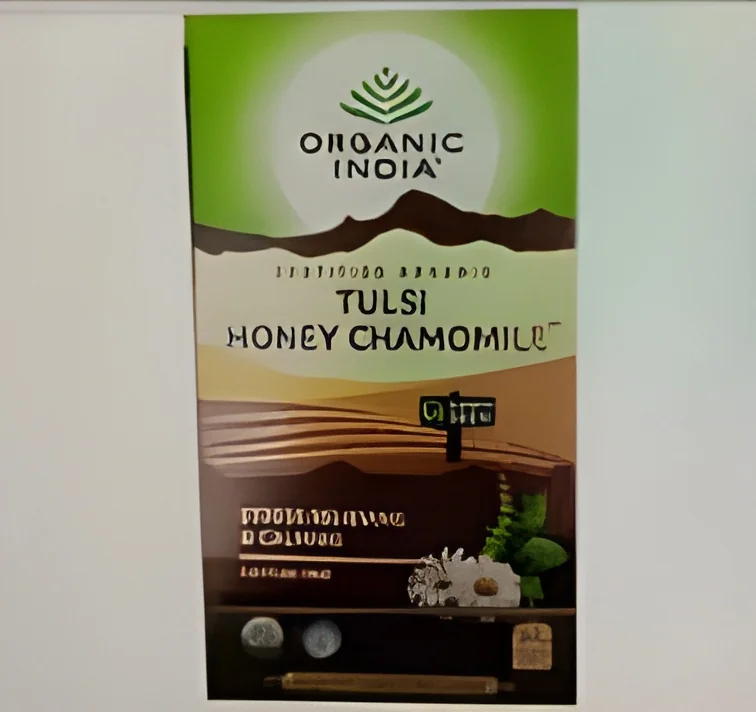
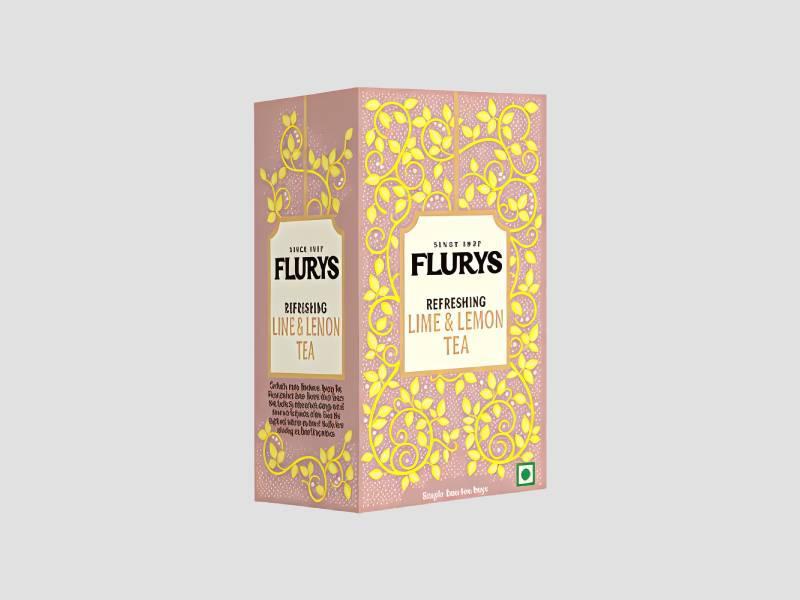
Key Features and Specifications
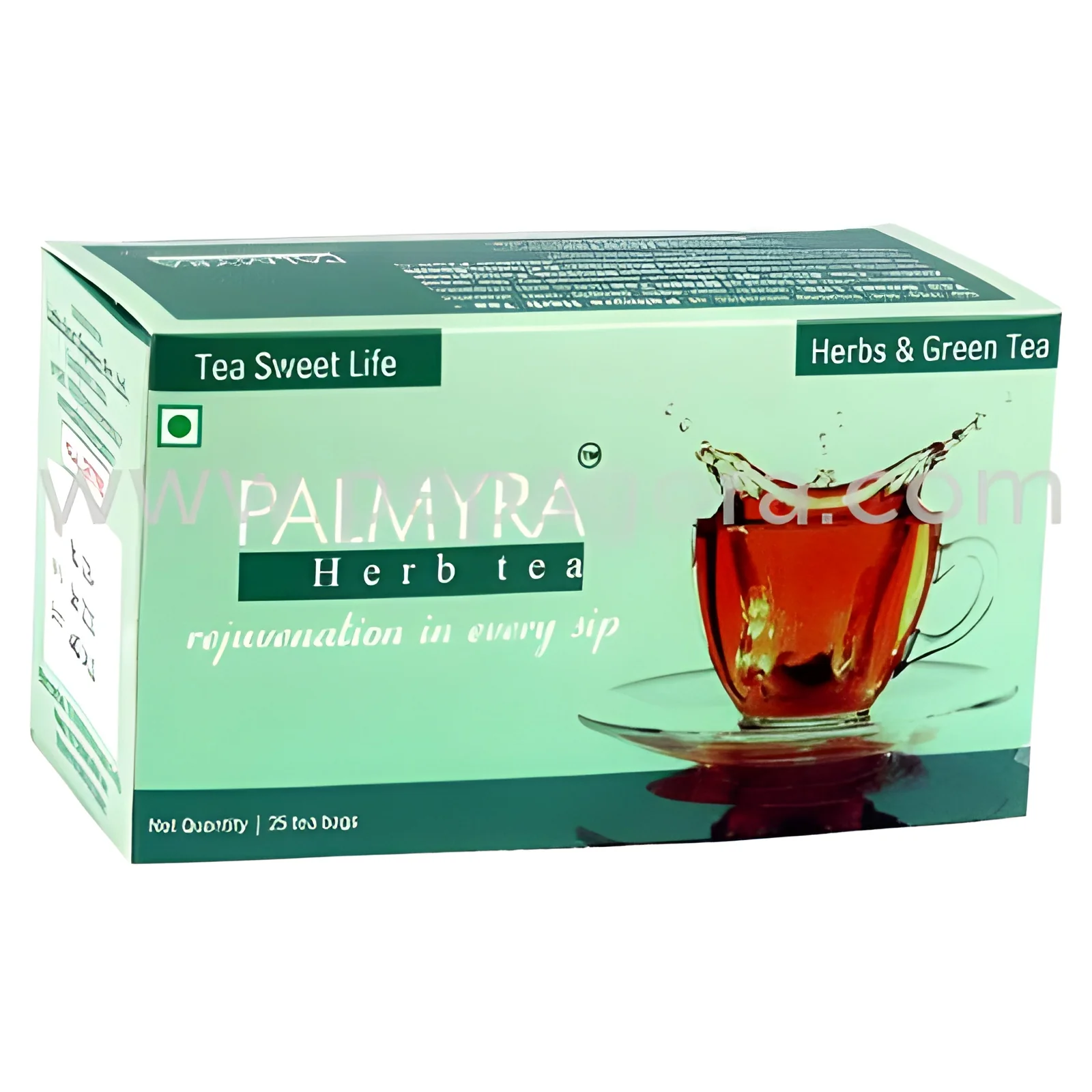
Flavored teas come with a variety of features and specifications that appeal to B2B buyers. Understanding these specifications is crucial for selecting high-quality products that meet customer expectations.
Key specifications include:
1. Flavor Profile
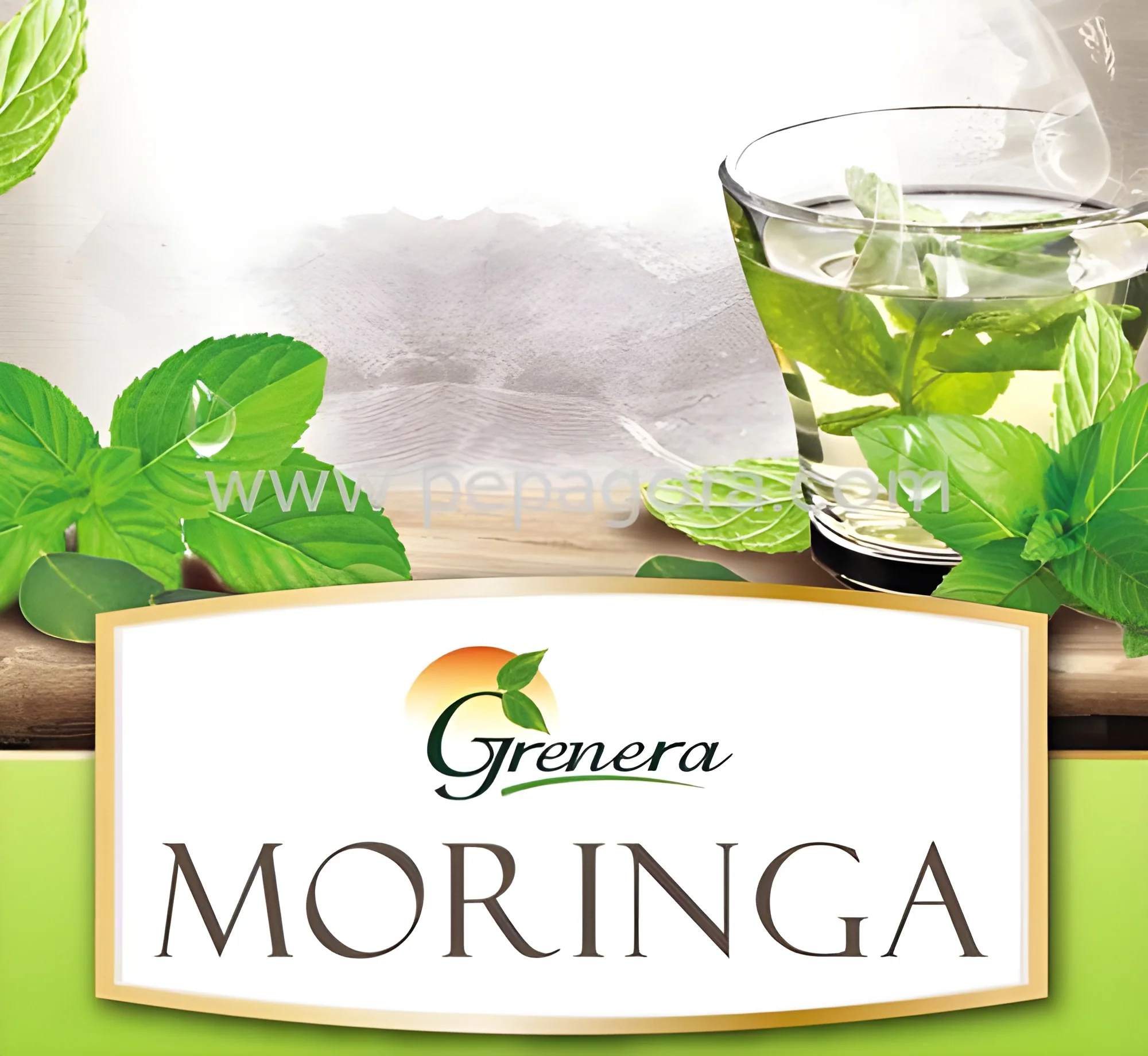
- Mint offers a cooling and refreshing taste.
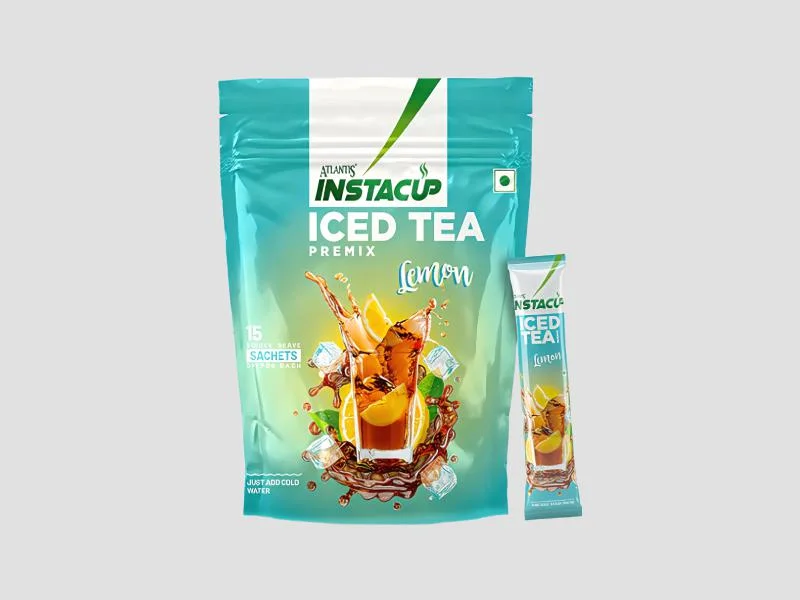
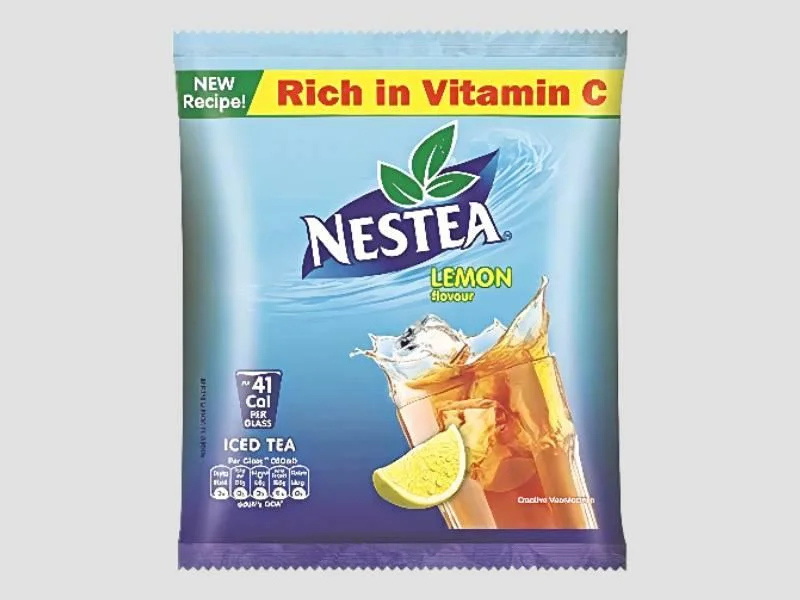
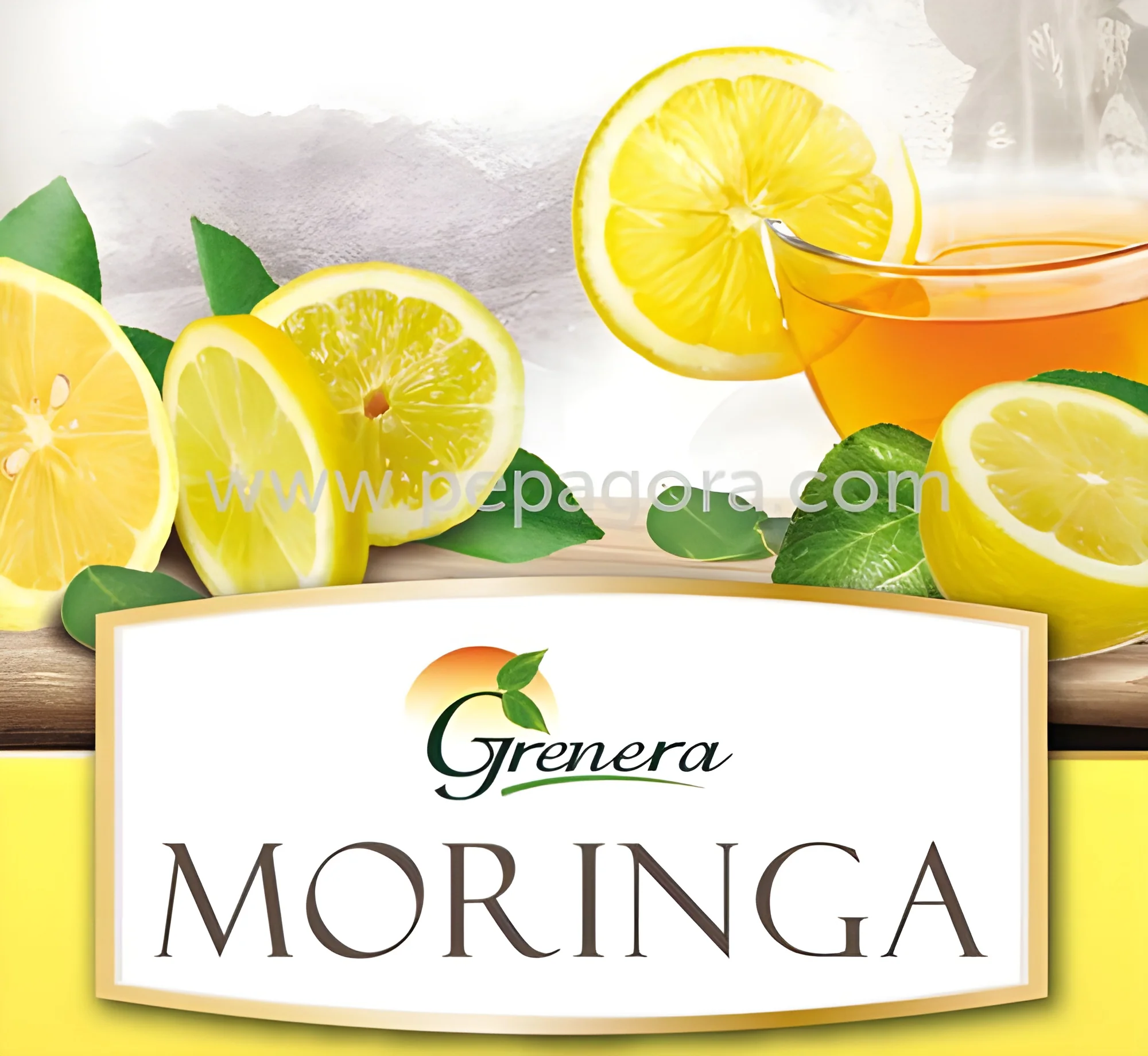
- Lemon provides a zesty and citrusy flavor.
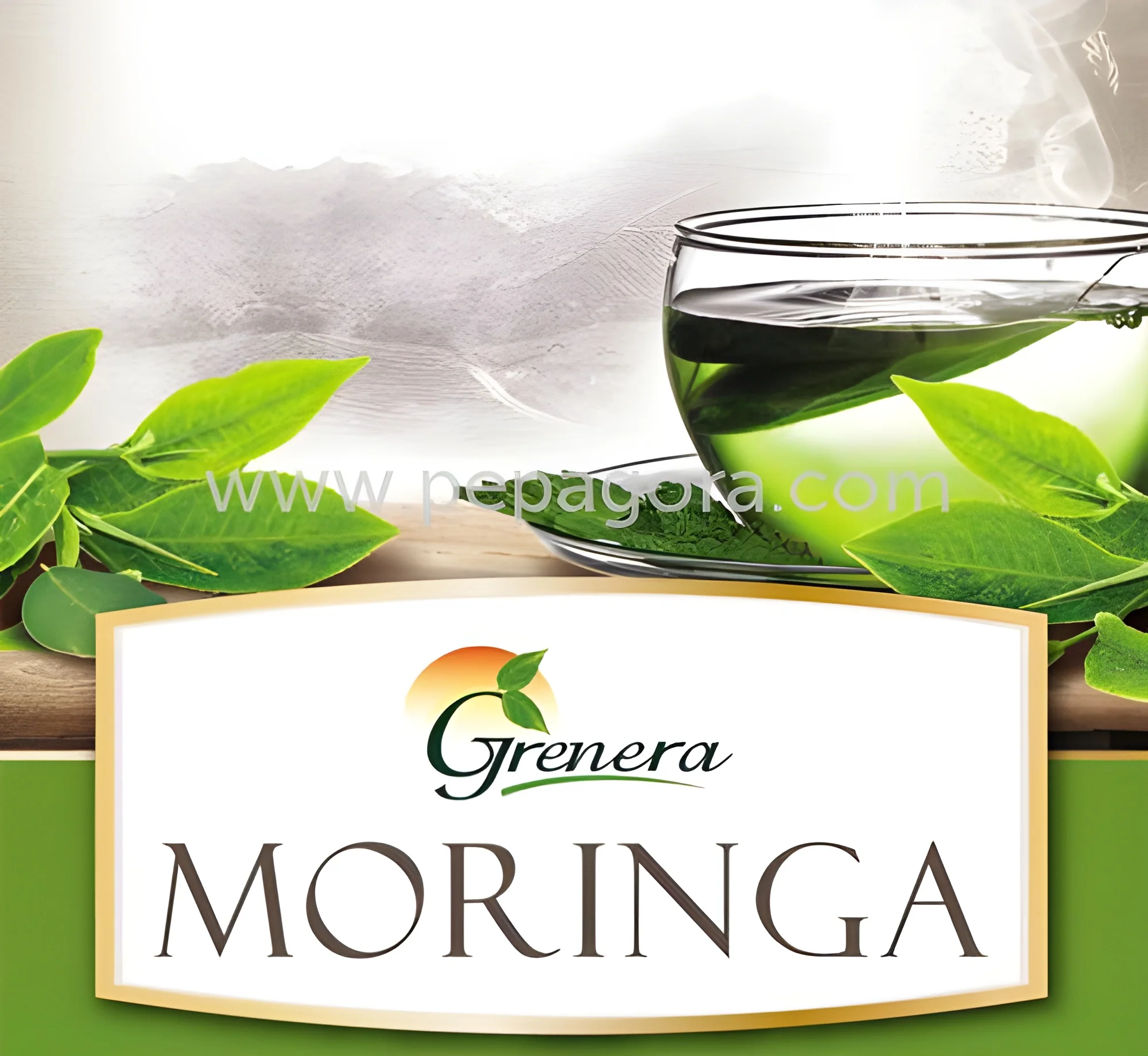
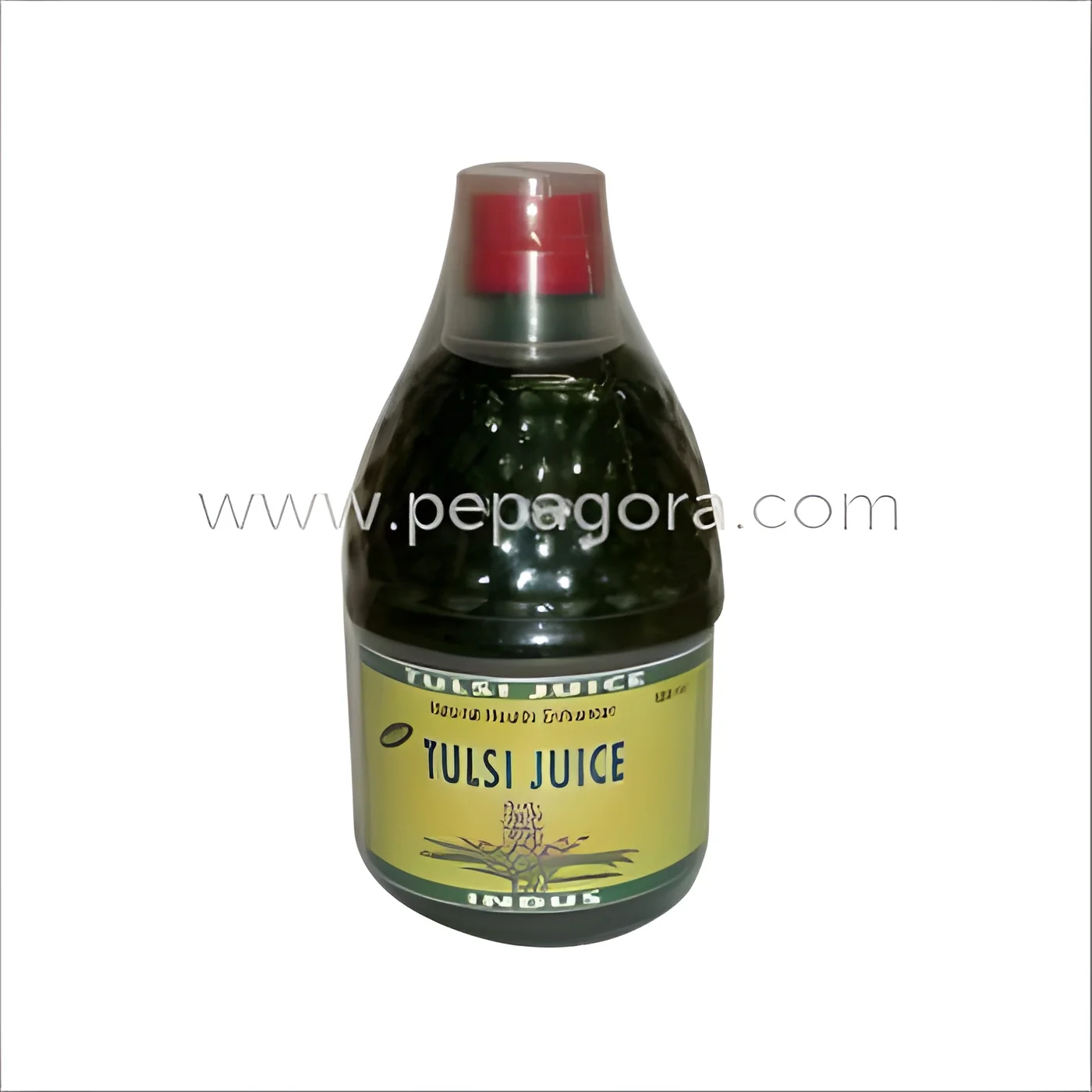
- Tulsi has a distinct, aromatic herbal taste.
2. Packaging Options
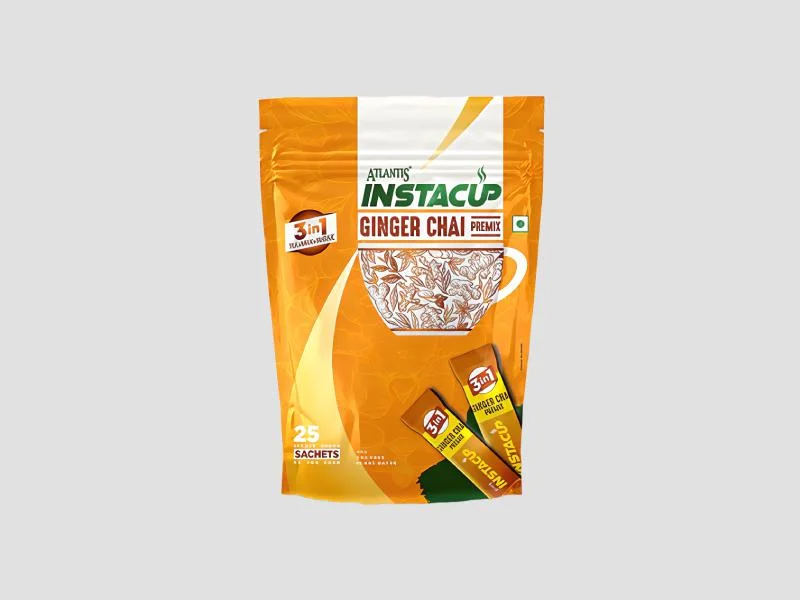
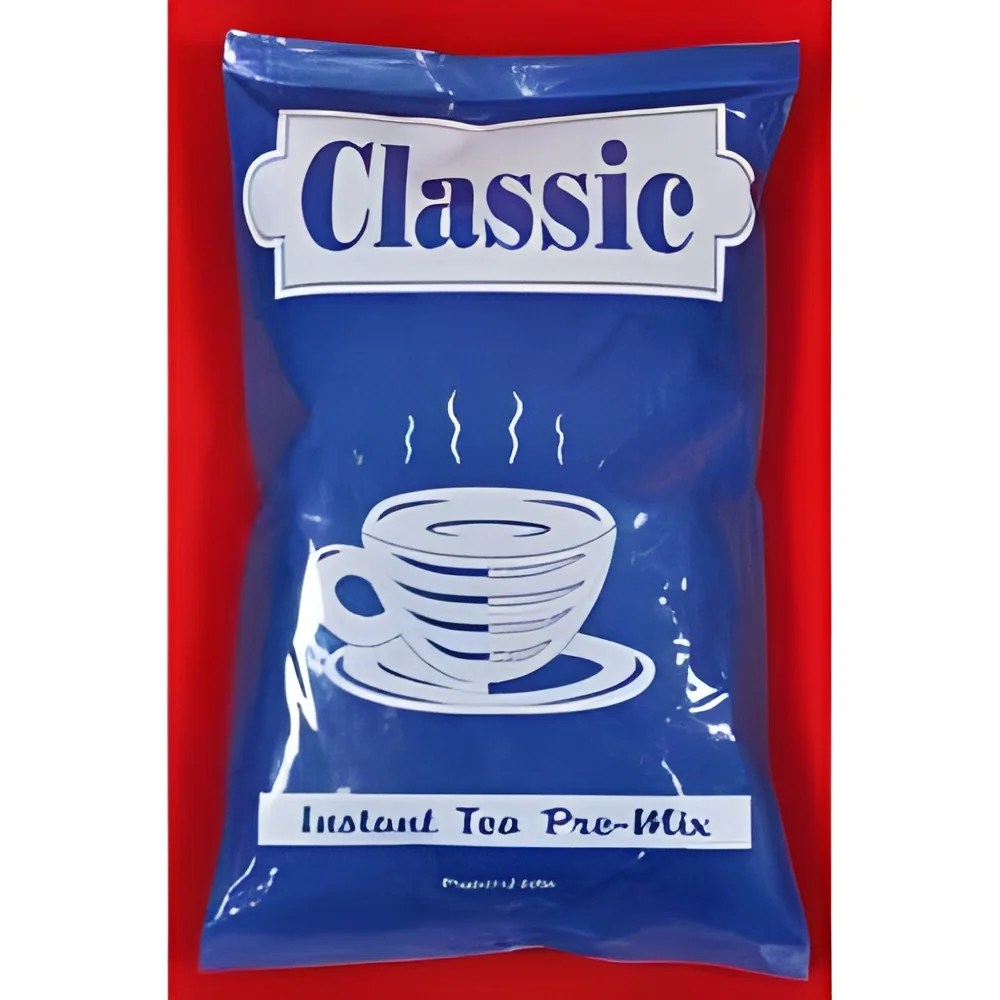
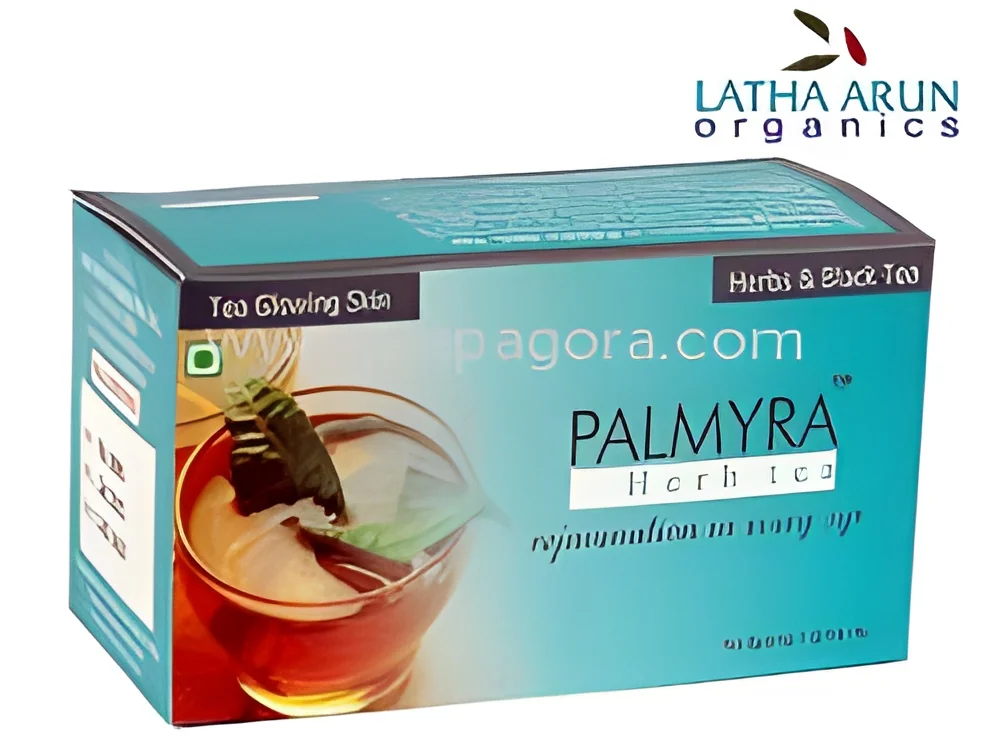
- Available in tea bags, loose leaf, or powdered forms.
- Custom packaging options can be provided for branding.
3. Origin of Ingredients
- Sourced from reputable farms known for quality.
- Organic and non-GMO options are available.
4. Shelf Life
- Typically lasts between 12 to 24 months depending on packaging.
- Proper storage recommendations provided to maintain freshness.
5. Nutritional Information
- Low-calorie count, caffeine-free options are available.
- Rich in antioxidants and other beneficial compounds.
6. Customization Options
- Ability to create unique blends for specific customer requirements.
- Flavors can be adjusted for intensity and sweetness.
7. Certifications
- Many products are certified organic and gluten-free.
- Compliance with industry standards like CE and UL.
8. Minimum Order Quantity (MOQ)
- MOQs vary by supplier, commonly starting at 500 units.
These specifications help businesses choose the right flavored teas tailored to their market demands and customer preferences.
Common Applications and Use Cases
Flavored teas find applications across various industries, providing versatility and health benefits.
1. Food and Beverage Industry: Flavored teas are served in cafes and restaurants as refreshing beverages. They can also be used as bases for cocktails or mocktails.
2. Retail Tea Shops: Specialty tea retailers often showcase flavored teas as premium products, catering to consumers seeking unique flavors and health benefits.
3. Health and Wellness Products: Flavored teas are marketed as health supplements, highlighting their antioxidants and stress-relieving properties.
4. Hospitality Sector: Hotels and resorts offer flavored teas in their beverage menus, enhancing guest experiences with unique drink options.
5. E-commerce Platforms: Online retailers sell flavored teas directly to consumers, focusing on organic and specialty blends.
6. Gift and Subscription Services: Flavored teas are popular choices for gift sets and subscription boxes, appealing to tea enthusiasts.
7. Culinary Uses: Chefs incorporate flavored teas into recipes, using them in marinades or desserts for added flavor complexity.
Product Variants and Subcategories
Flavored teas encompass a variety of variants, each catering to different taste preferences and health benefits.
Mint Tea: This variant is known for its refreshing taste and digestive benefits. It is often consumed hot or iced and can be blended with other flavors for unique combinations.
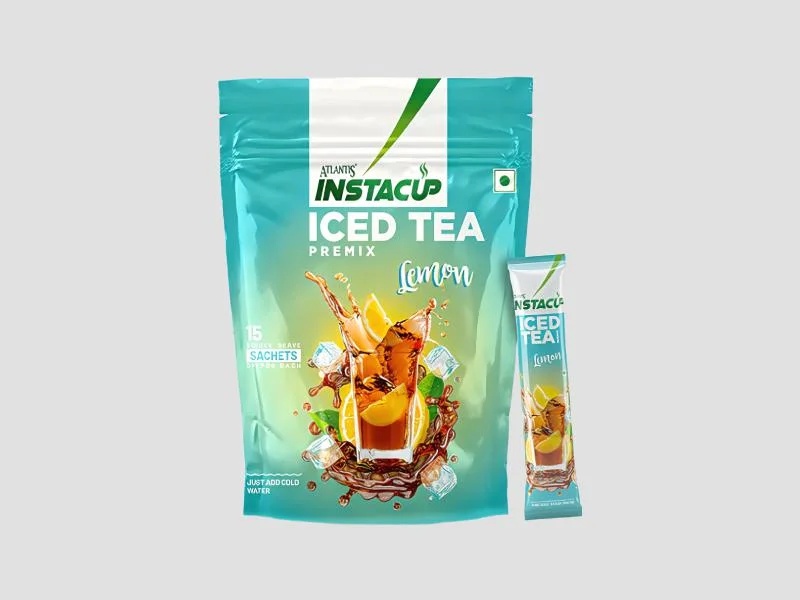
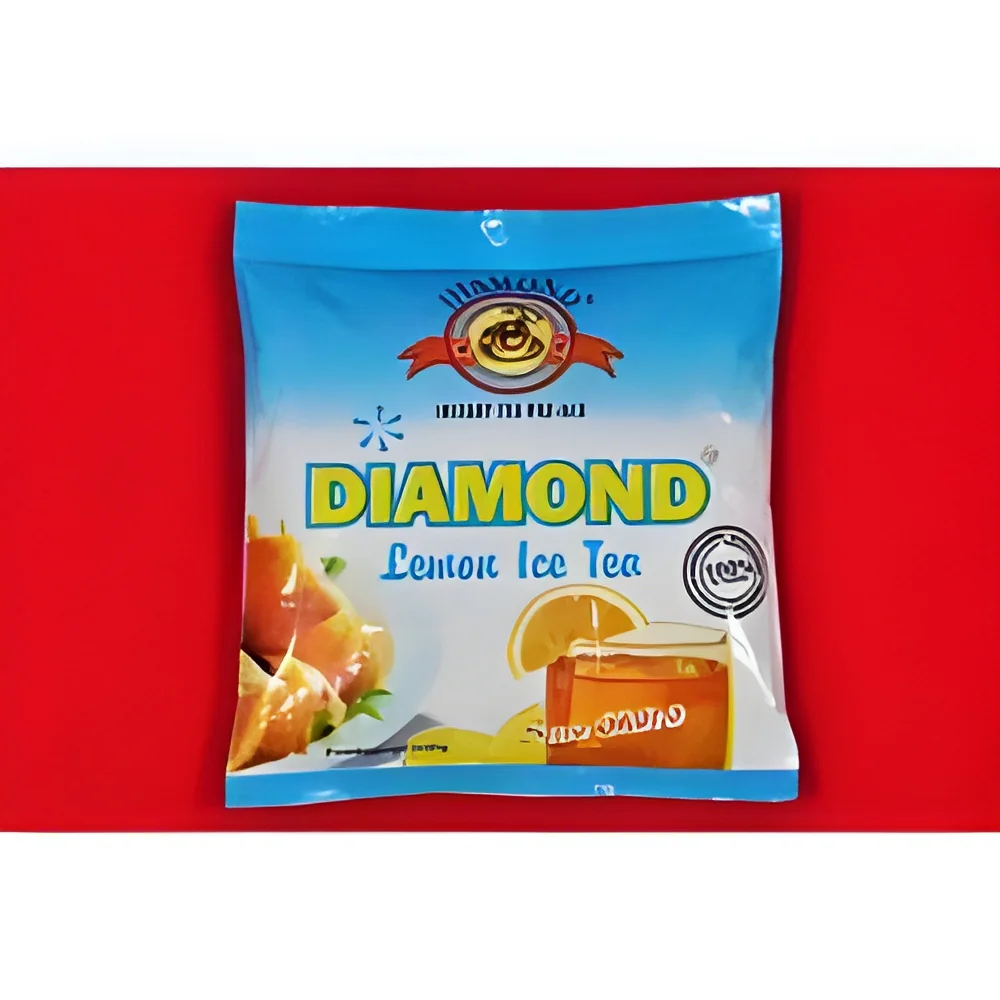
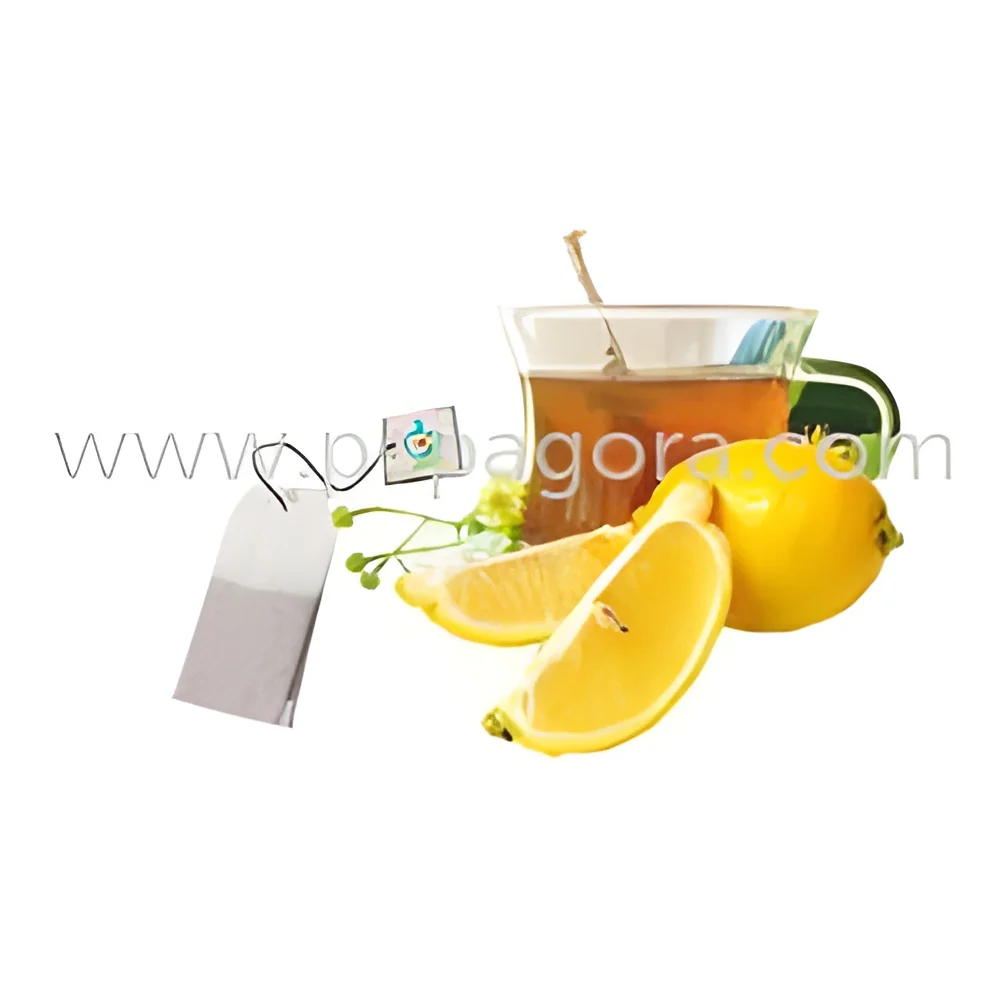
Lemon Tea: A zesty favorite, lemon tea is cherished for its uplifting flavor and vitamin C content. It is commonly enjoyed hot, especially in colder months, and can be sweetened or served with honey.
Tulsi Tea: Celebrated for its medicinal properties, Tulsi tea offers a calming effect and is often consumed for stress relief. It can be enjoyed alone or blended with other herbs for enhanced benefits.
Benefits and Advantages
Flavored teas provide numerous benefits that appeal to health-conscious consumers and businesses alike.
1. Health Benefits: Flavored teas are rich in antioxidants, promoting overall health and wellness.
2. Versatile Consumption: They can be enjoyed hot or cold, providing flexibility for different seasons and preferences.
3. Unique Flavor Profiles: Each variant offers a distinct taste, allowing businesses to cater to diverse consumer preferences.
4. Natural Ingredients: Most flavored teas are made from natural, organic ingredients, appealing to health-conscious buyers.
5. Boosts Immunity: Ingredients like lemon and Tulsi are known to enhance immune function, making these teas popular during flu season.
6. Relaxation and Stress Relief: Mint and Tulsi teas are recognized for their calming properties, attracting consumers seeking stress management solutions.
Buying Guide for B2B Buyers
When sourcing Flavored Teas (Mint, Lemon, Tulsi), businesses should consider several key factors to ensure they make informed purchasing decisions.
1. Quality Assessment: Evaluate the quality of teas based on aroma, flavor, and freshness. Request samples to ensure they meet your standards.
2. Supplier Verification: Vet suppliers by checking their reputation, certifications, and customer reviews. A reliable supplier has a proven track record.
3. Pricing and MOQ: Understand the pricing structure and minimum order quantities. Compare different suppliers to find competitive pricing and favorable terms.
4. Delivery and Lead Times: Inquire about delivery schedules and lead times to ensure timely fulfillment of orders. Consider suppliers with reliable logistics.
5. Compliance Requirements: Ensure that the flavored teas meet local and international regulations. Check for necessary certifications like CE and UL for quality assurance.
Compliance and Certifications
Compliance and certifications are vital in ensuring the quality and safety of flavored teas. Relevant quality standards include ISO 9001, which focuses on maintaining quality management systems. Additionally, HACCP (Hazard Analysis and Critical Control Points) is crucial for ensuring food safety throughout the production process.
Industry certifications such as CE and UL demonstrate compliance with safety and quality standards, providing assurance to buyers. Safety and testing requirements may include microbiological testing and chemical analysis to ensure the absence of harmful substances.
Regional compliance considerations vary by market. Understanding local regulations is essential for businesses sourcing flavored teas, as compliance affects market entry and consumer trust.
Why Source Flavored Teas (Mint, Lemon, Tulsi) from Pepagora?
Pepagora offers a trusted platform for sourcing Flavored Teas (Mint, Lemon, Tulsi), providing several key advantages for B2B buyers.
Verified Supplier Network: Pepagora connects buyers with a network of verified suppliers, ensuring that all partners meet high standards of quality and reliability. This reduces the risk of sourcing from unqualified vendors.
Streamlined RFQ Process: The platform simplifies the quotation process, allowing buyers to submit requests for quotes efficiently. This expedites the sourcing process and helps in comparing options easily.
Trade Assurance and Support: Pepagora provides trade assurance, safeguarding buyers' interests throughout the purchasing process. This includes support for resolving disputes and ensuring timely delivery.
Regional Coverage: With a focus on markets in India, the Gulf Cooperation Council (GCC), and Southeast Asia, Pepagora ensures a wide geographical reach. This allows buyers to access a diverse range of flavored teas tailored to various consumer preferences across different regions.

 IN
IN