What are Assam Tea?
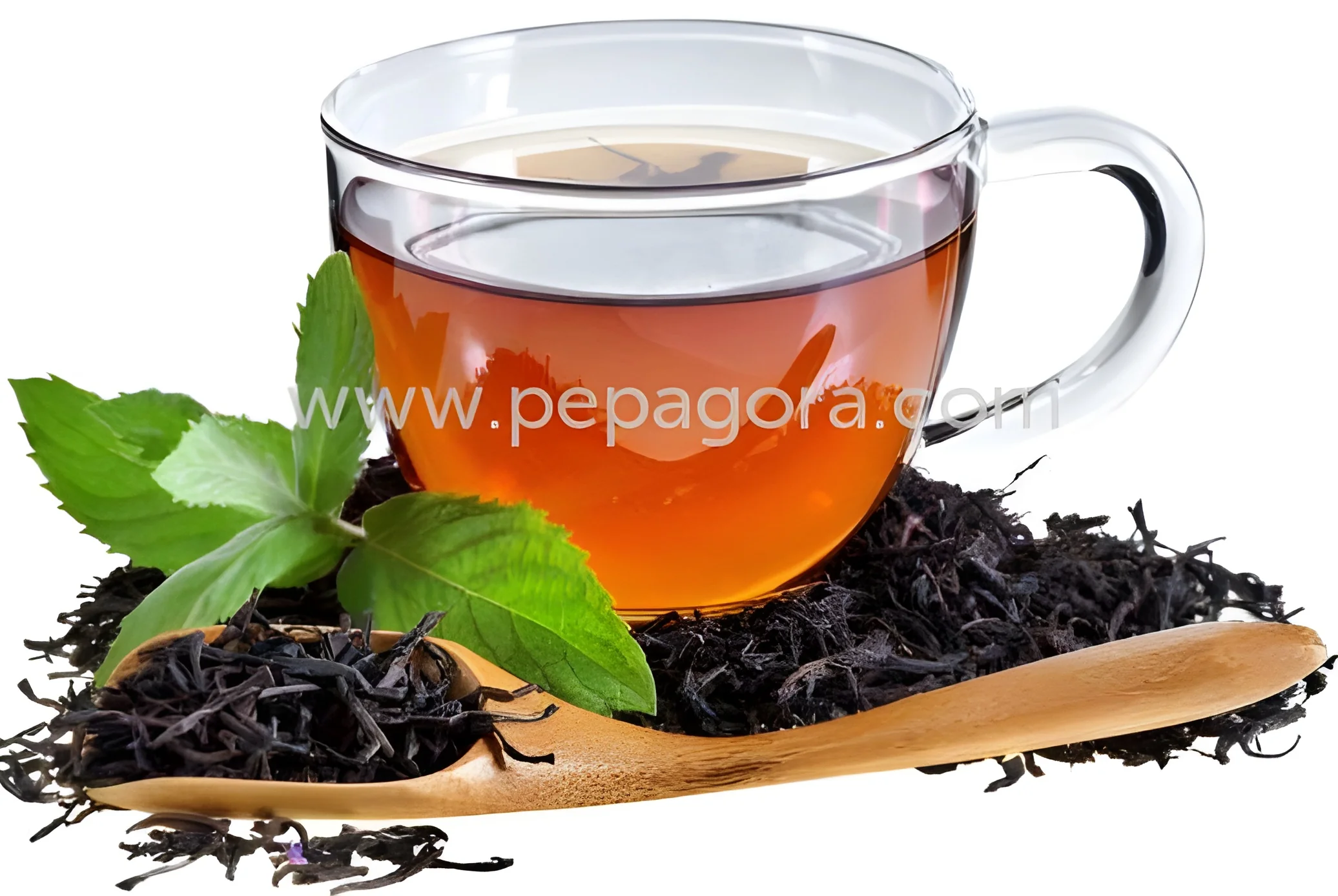
Assam Tea is a variety of tea that originates from the Assam region of India, known for its robust flavor and bright color. This tea is primarily produced from the Camellia sinensis plant, which thrives in the lush, tropical climate of Assam. The leaves are harvested during the monsoon season, contributing to the tea's unique taste profile, characterized by malty notes and a strong, brisk flavor. Assam Tea is widely recognized for its high caffeine content, making it a popular choice for those seeking a strong brew.
The primary uses of Assam Tea extend beyond mere consumption. It is commonly utilized in the food and beverage industry, particularly in restaurants and cafes, where it is served as a stand-alone beverage or as part of specialty tea blends. Additionally, Assam Tea is often incorporated into various culinary dishes, contributing depth and flavor. In the context of B2B applications, this tea is sought after by wholesalers, retailers, and tea distributors aiming to provide high-quality products to their customers.
In terms of industry relevance, Assam Tea holds a significant position in the global tea market. It is one of the most consumed teas worldwide, with a strong export presence and growing demand in both traditional and emerging markets. The rich history and cultural significance of Assam Tea further enhance its value, making it an essential product for businesses in the beverage sector.
Key Features and Specifications
Assam Tea is characterized by several key features that make it a preferred choice among tea enthusiasts and businesses alike. Its unique properties are defined by specific specifications that assure quality and consistency.
Key specifications include:
1. Flavor Profile
- Rich, malty flavor with a brisk and bold character
- Notes of sweetness and astringency
2. Caffeine Content
- High caffeine levels, typically ranging from 3-4%
- Delivers an invigorating effect
3. Appearance
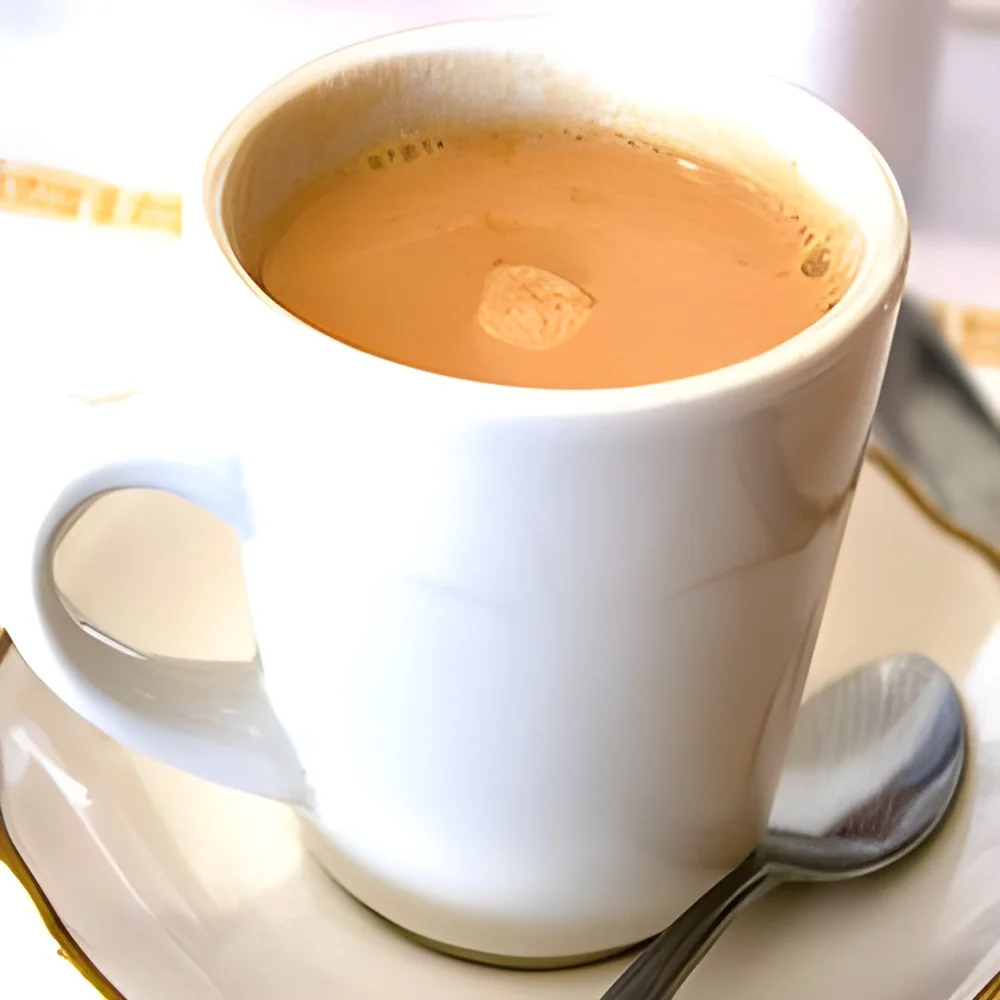
- Dark, reddish-brown color when brewed
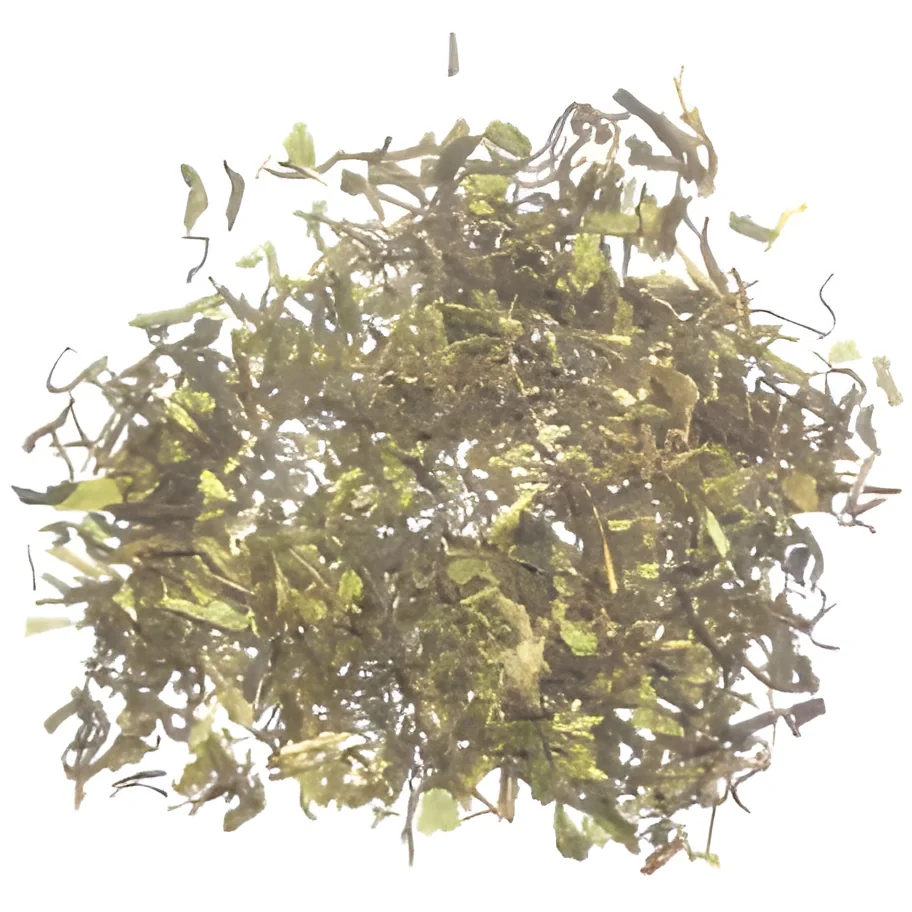
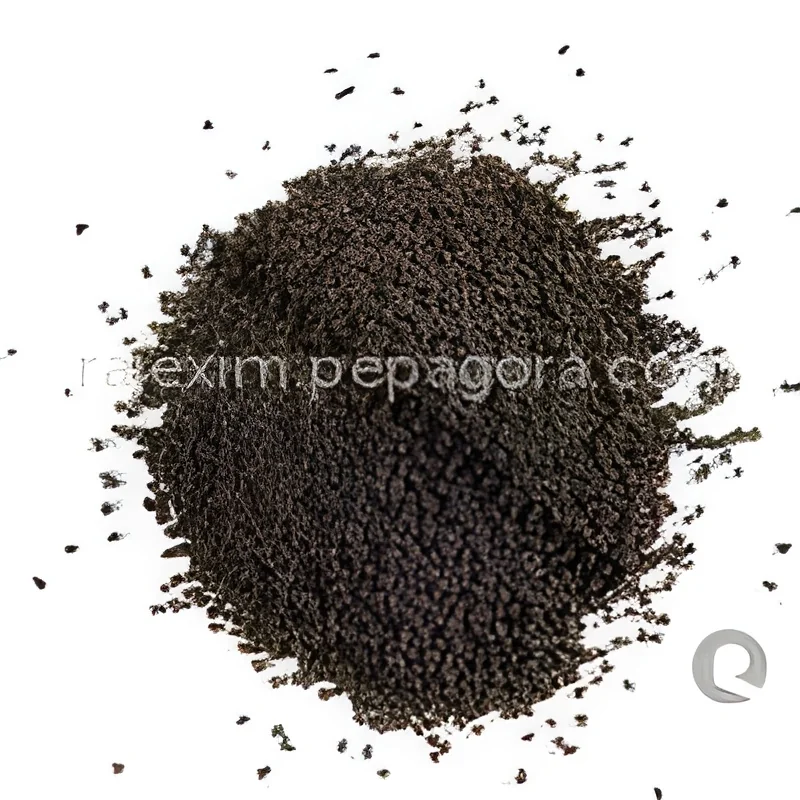
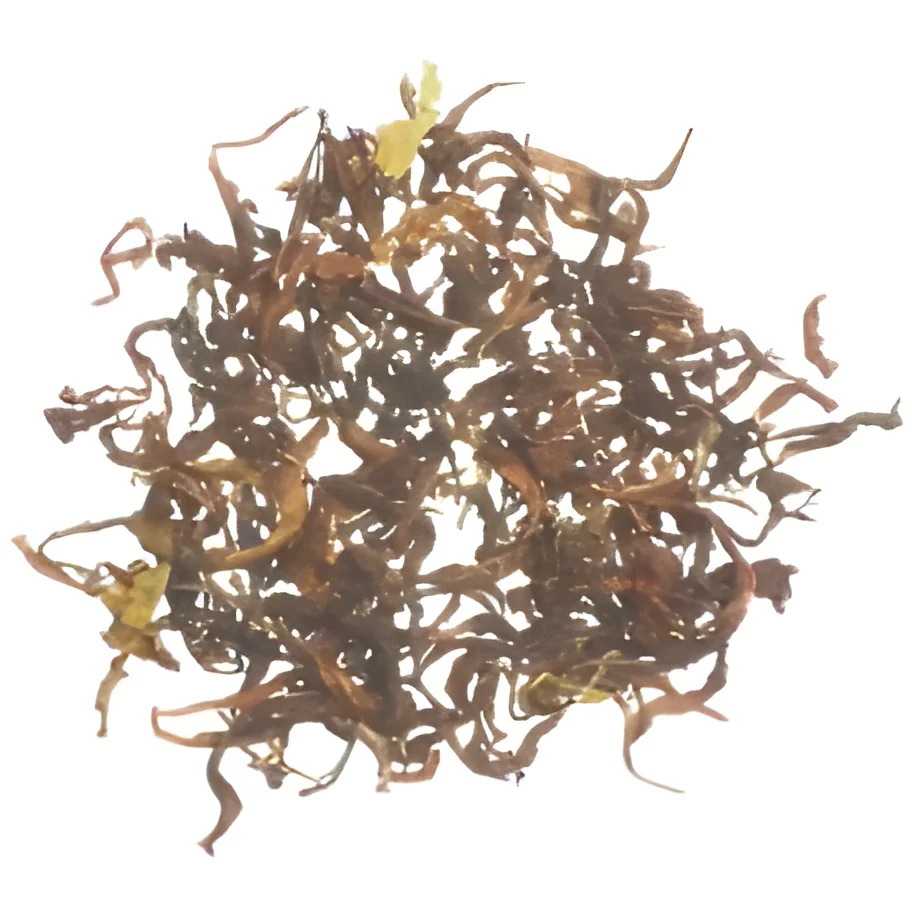
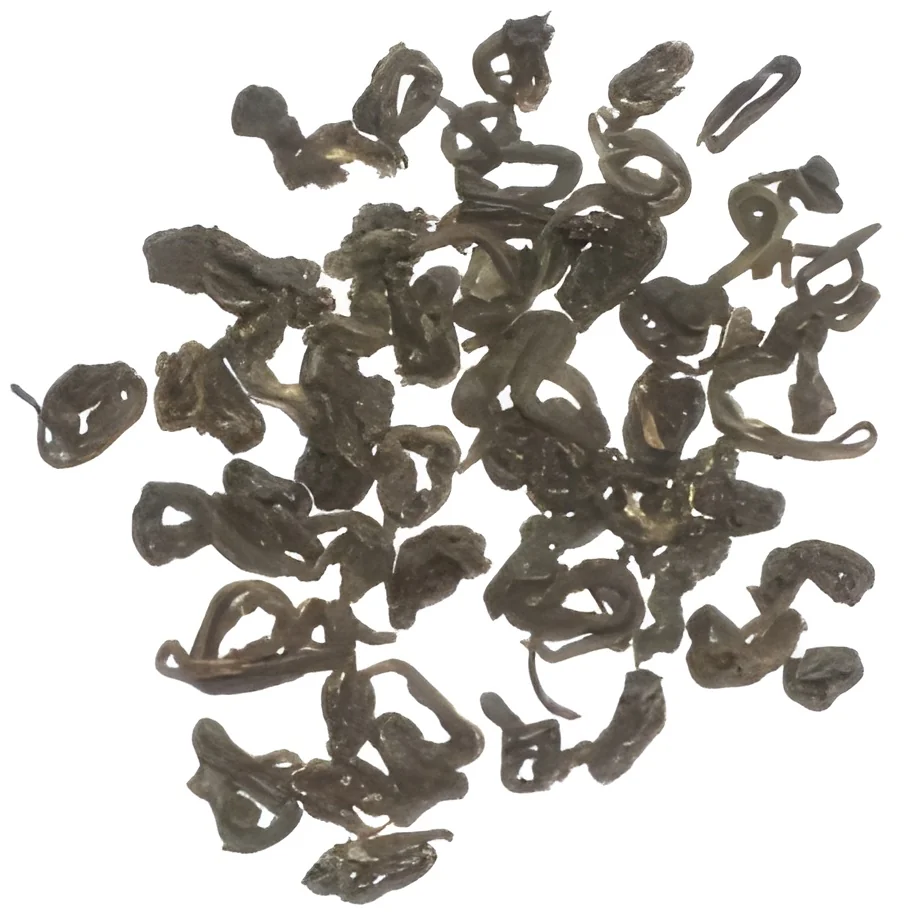
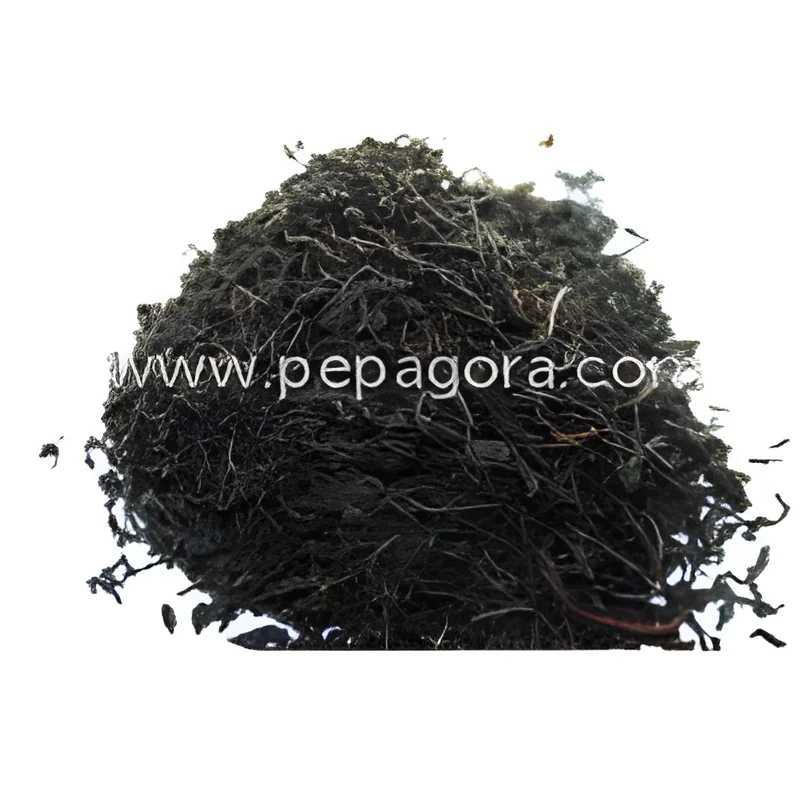
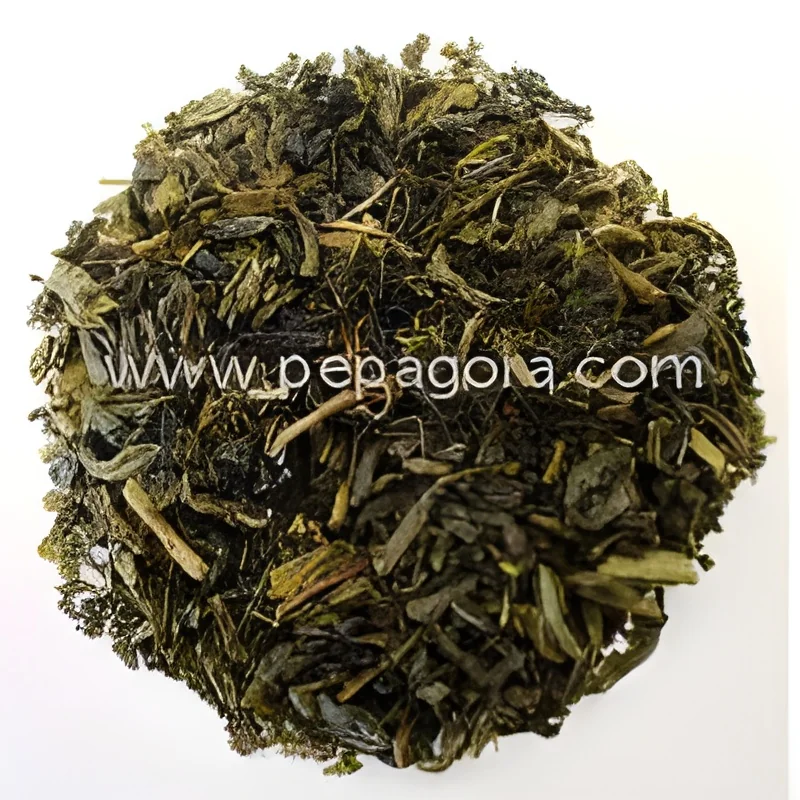
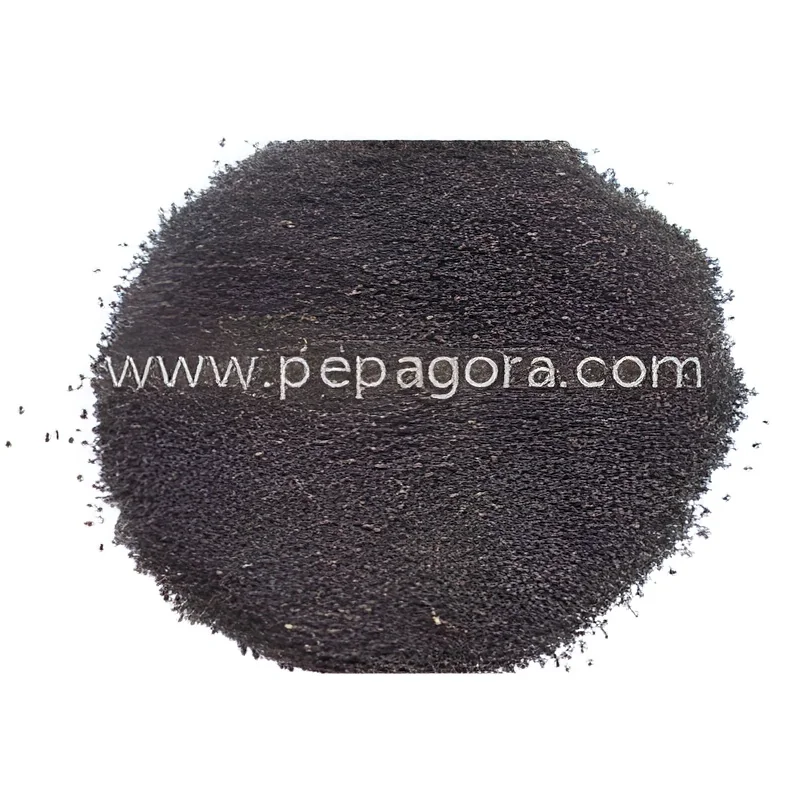
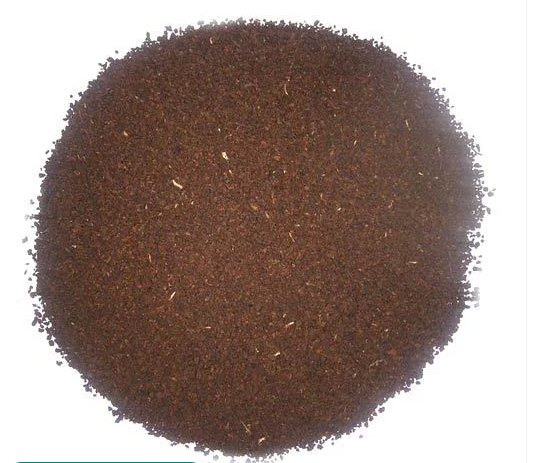
- Whole leaf, broken leaf, and dust grades available
4. Aroma
- Strong and fragrant, with earthy undertones
- Freshly brewed tea emits a distinctive aroma
5. Processing Method
- Generally processed using the orthodox or CTC (crush-tear-curl) methods
- Each method influences the flavor and appearance
6. Packaging Options
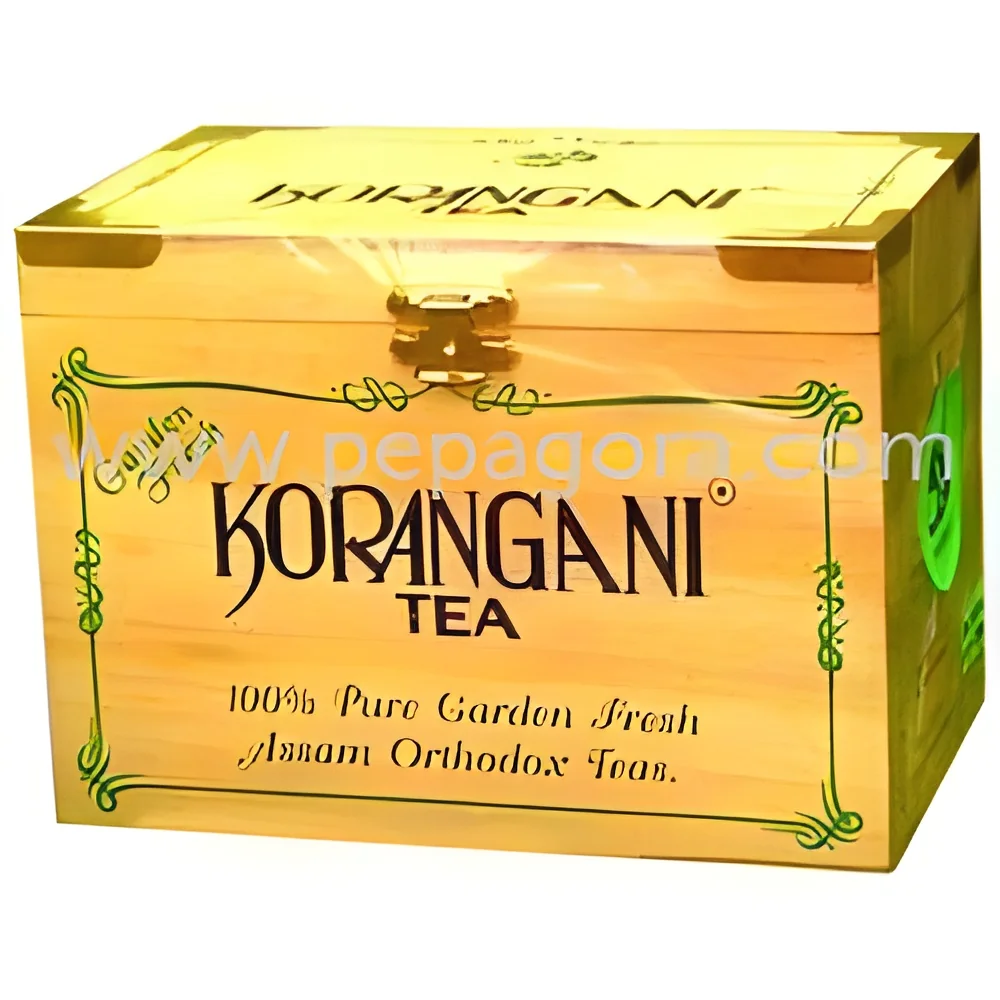
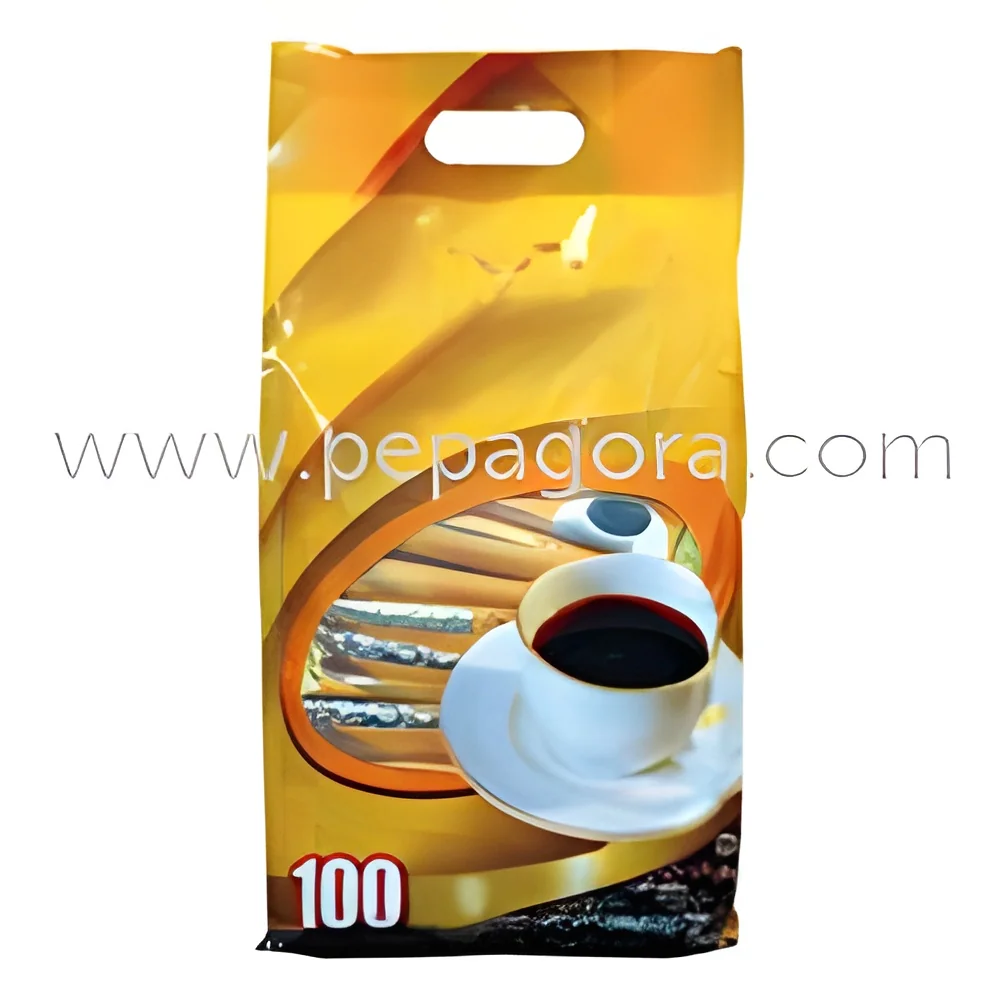
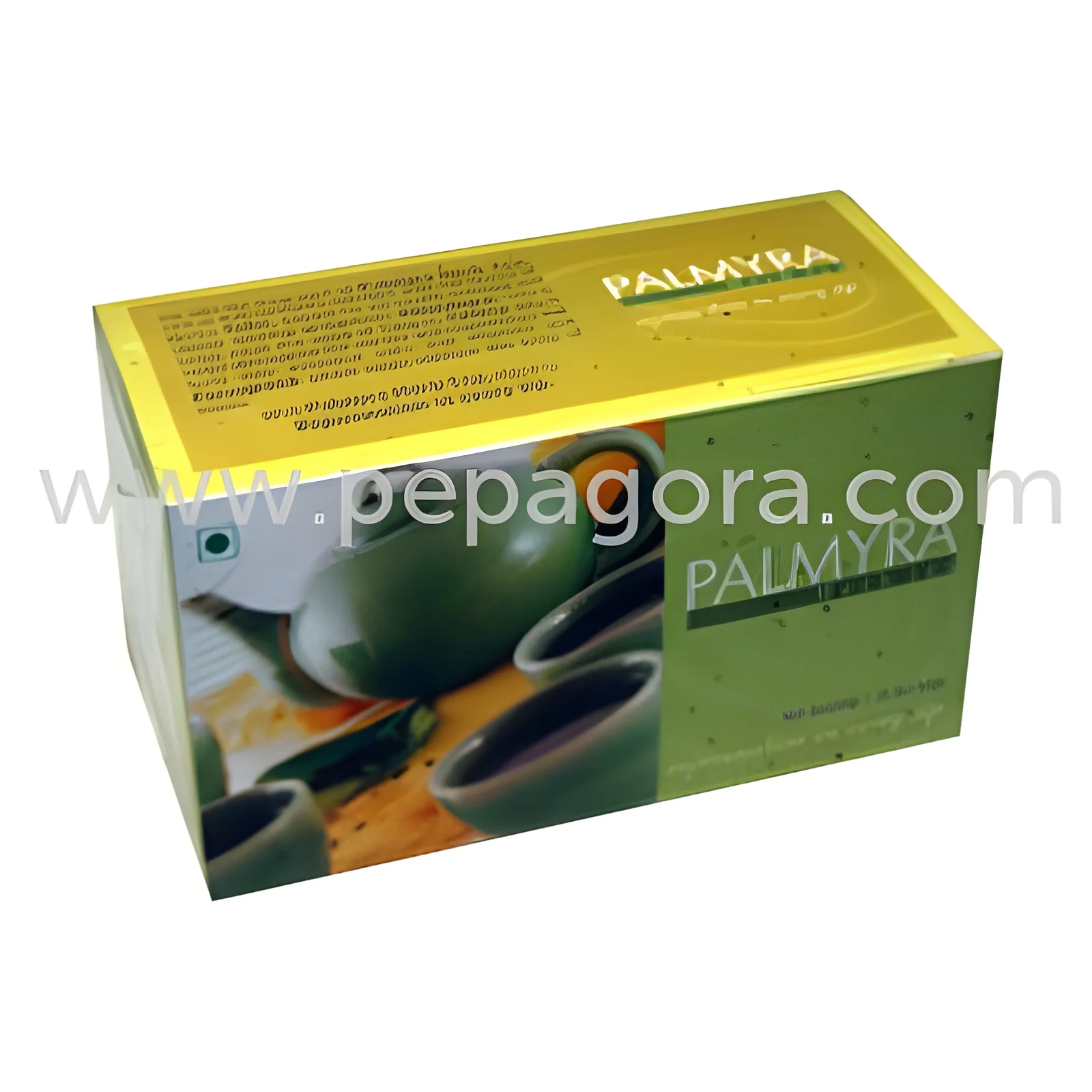
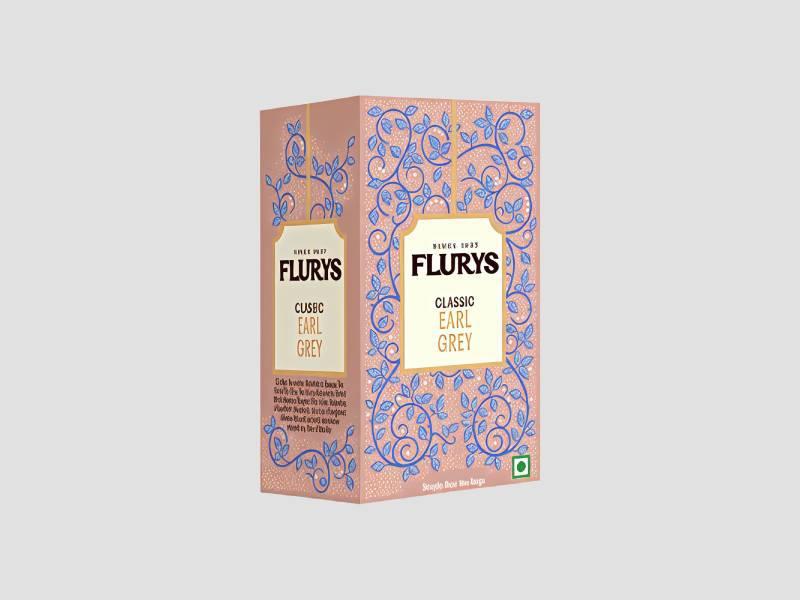
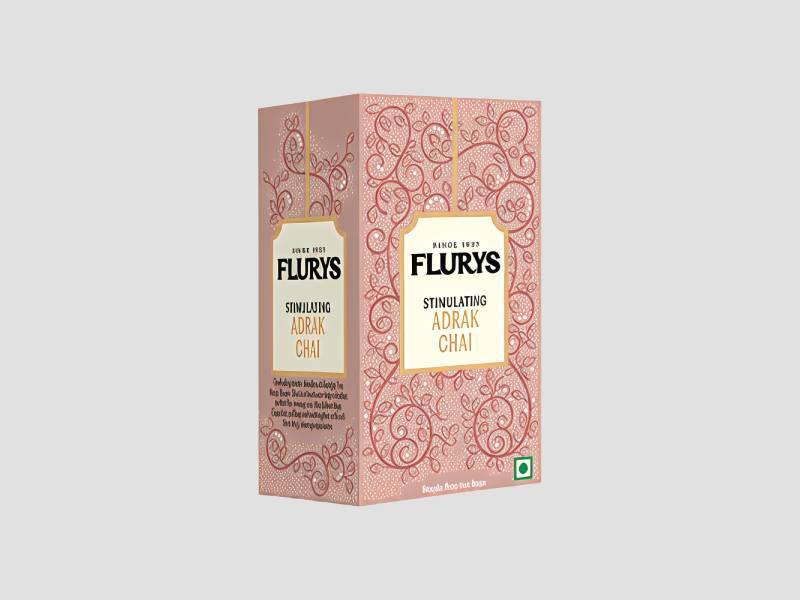
- Available in bulk, loose-leaf, and tea bag formats
- Custom packaging solutions can be offered
7. Quality Standards
- Adheres to international tea grading standards
- Subject to rigorous testing for taste and quality
8. Shelf Life
- Typically lasts for 1-2 years when stored properly
- Requires cool, dry conditions for optimal preservation
In summary, Assam Tea stands out for its robust flavor, high caffeine content, and diverse processing methods, making it a popular choice within the global tea market.
Common Applications and Use Cases
Assam Tea serves a variety of industries, reflecting its versatility and wide appeal.
1. Hospitality Industry: Restaurants and hotels often serve Assam Tea as a premium beverage option for guests, enhancing their dining experience.
2. Retail Sector: Grocery stores and specialty tea shops stock Assam Tea to cater to consumers looking for high-quality tea options.
3. Food and Beverage Manufacturing: Assam Tea is used as an ingredient in ready-to-drink beverages, flavoring agents, and culinary products, adding depth to various recipes.
4. Health and Wellness: Assam Tea is marketed as a health beverage due to its antioxidant properties, appealing to health-conscious consumers.
5. Export and Wholesale: Assam Tea is a significant export product, with businesses in various countries importing it to meet local demand.
6. E-commerce: Online retailers are increasingly offering Assam Tea, providing consumers with easy access to this popular variety.
7. Specialty Tea Blends: Assam Tea is often blended with other varieties to create unique flavors, catering to diverse consumer preferences.
Product Variants and Subcategories
Assam Tea offers a range of diversity in terms of variants, allowing businesses to choose products that fit specific needs.
Whole Leaf Assam Tea: This variant features whole tea leaves that provide a complex flavor profile. It is ideal for high-end tea aficionados and is often sold in specialty shops.
Broken Leaf Assam Tea: With a slightly faster brewing time, this variant is popular among consumers who appreciate a strong cup of tea. It is frequently used in bulk packaging for restaurants and cafes.
CTC Assam Tea: This crushed, torn, and curled variant is known for its briskness and strong flavor. It is commonly used in tea bags and ready-to-drink products.
Benefits and Advantages
Sourcing Assam Tea comes with multiple benefits that enhance its appeal for businesses.
1. Strong Flavor: Assam Tea is known for its robust taste, making it a favorite among tea drinkers who enjoy a bold brew.
2. High Caffeine Content: The elevated caffeine levels provide an energizing effect, appealing to consumers looking for a stimulating beverage.
3. Versatile Use: Assam Tea can be enjoyed on its own or blended, making it suitable for a wide range of applications in the food and beverage industry.
4. Health Benefits: Rich in antioxidants, Assam Tea is promoted for its potential health benefits, attracting health-conscious customers.
5. Quality Assurance: Sourcing from reputable suppliers ensures consistent quality, allowing businesses to maintain customer satisfaction.
6. Strong Market Demand: With growing global popularity, Assam Tea presents excellent market opportunities for businesses involved in its distribution.
Buying Guide for B2B Buyers
When sourcing Assam Tea, several factors should be considered to ensure a successful purchase.
1. Quality Assessment: Evaluate the quality of Assam Tea based on taste, appearance, and aroma. Conduct taste tests or request samples from suppliers to ensure the product meets your standards.
2. Supplier Verification: Vet suppliers thoroughly by checking references, reading reviews, and ensuring they comply with industry standards. This step is crucial for maintaining product quality.
3. Pricing and MOQ: Understand the pricing structure and minimum order quantities (MOQ) required by suppliers. This information helps in budgeting and ensures alignment with your business needs.
4. Delivery and Lead Times: Discuss logistics with suppliers to determine delivery timelines. Ensure that lead times align with your inventory requirements to avoid disruptions in supply.
5. Compliance Requirements: Familiarize yourself with any regulatory or quality certifications, such as CE and ISO standards, that may apply to Assam Tea. This knowledge is essential for compliance and market entry.
Compliance and Certifications
Assam Tea is subject to various compliance and certification standards that ensure product quality and safety. Relevant quality standards include ISO 9001, which emphasizes a quality management system, and HACCP (Hazard Analysis Critical Control Point), which addresses food safety.
Industry certifications, such as CE marking, indicate conformity with health and safety standards. These certifications are crucial for businesses looking to market Assam Tea in regulated markets.
Additionally, safety and testing requirements ensure that Assam Tea meets the quality expectations of consumers. Regular testing for pesticide residues, heavy metals, and microbiological contamination is essential to maintain safety standards.
Regional compliance considerations may also apply, depending on the target market for Assam Tea. Understanding these requirements helps businesses navigate the complexities of international trade.
Why Source Assam Tea from Pepagora?
Pepagora serves as a reliable platform for sourcing Assam Tea, offering several key advantages for B2B buyers.
Verified Supplier Network: Pepagora ensures that all suppliers in its network are thoroughly vetted. This guarantees that buyers can trust the quality and authenticity of the Assam Tea they purchase.
Streamlined RFQ Process: The request for quotation (RFQ) system simplifies the sourcing process. Buyers can easily compare prices and terms from multiple suppliers, facilitating informed decision-making.
Trade Assurance and Support: Pepagora provides trade assurance to protect buyers against potential risks. This support fosters confidence in transactions, enabling businesses to engage with suppliers more freely.
Regional Coverage: With a strong presence in India, the GCC, and Southeast Asia, Pepagora offers extensive geographic reach. This allows buyers to access a diverse range of Assam Tea products tailored to their specific market needs.

 IN
IN