What are Juice Concentrates & Pulp Extracts?
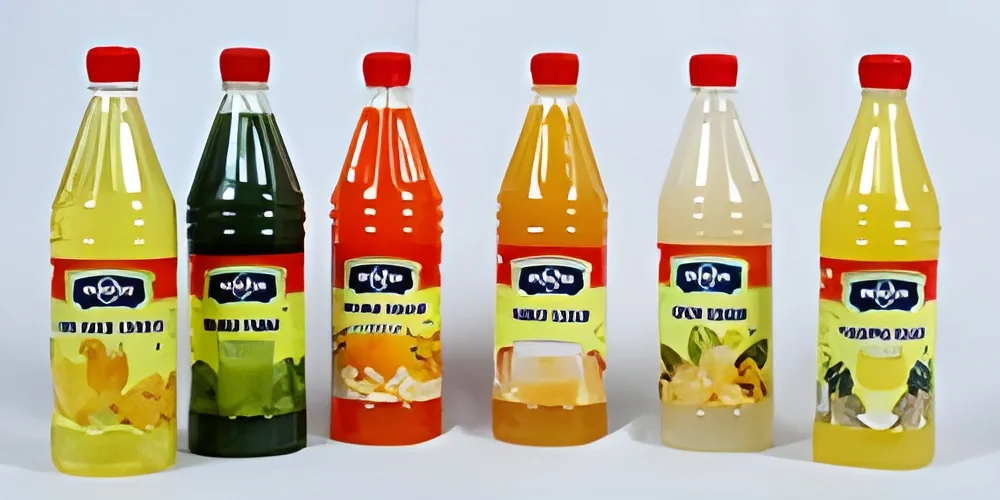
Juice concentrates and pulp extracts are liquid products derived from fruits and vegetables. Juice concentrates are made by removing most of the water content from fresh juice, resulting in a thicker, more concentrated form that retains the original flavor and nutritional benefits. Pulp extracts, on the other hand, involve the extraction of the fibrous material from fruits and vegetables, which can be used for various culinary and industrial applications.
These products have numerous applications across various sectors including food and beverage manufacturing, pharmaceuticals, and cosmetics. In the food industry, juice concentrates are often used in beverages, desserts, and sauces, while pulp extracts can serve as natural flavor enhancers or textural ingredients in various recipes. The market for juice concentrates and pulp extracts has been growing steadily, driven by increasing consumer demand for natural and convenient food solutions.
Key Features and Specifications
Juice concentrates and pulp extracts are characterized by their high flavor intensity and nutritional value. They are typically produced under controlled conditions to ensure quality and safety. The specifications of these products are crucial for businesses looking to incorporate them into their offerings.
Key specifications include:
1. Concentration Level
- Refers to the degree of water removal from the juice
- Typically ranges from 50% to 75% concentration
2. Sugar Content
- Indicates the natural sweetness of the concentrate
- Generally varies between 10% and 30%
3. Acidity Level
- Measures the pH level of the juice
- Usually maintained between 2.5 and 4.5 for optimal flavor balance
4. Color
- Describes the visual appearance of the concentrate
- Can range from pale yellow to deep red depending on the fruit
5. Shelf Life
- Indicates how long the product remains usable
- Generally lasts from 1 to 2 years when stored properly
6. Packaging Options
- Available in various packaging such as drums, bags, or cartons
- Custom options may be available based on client needs
7. Nutritional Profile
- Includes vitamins, minerals, and other beneficial compounds
- Varies based on the source fruit or vegetable
In summary, understanding the key features and specifications of juice concentrates and pulp extracts is essential for businesses to make informed purchasing decisions.
Common Applications and Use Cases
Juice concentrates and pulp extracts are versatile ingredients that find applications in various industries.
1. Food and Beverage Industry: Used in the production of juices, cocktails, and flavored waters. They enhance taste while providing natural sweetness and color.
2. Bakery and Confectionery: Added to baked goods, candies, and desserts to improve flavor and texture, while also contributing to the visual appeal.
3. Dairy Products: Incorporated into yogurts, ice creams, and smoothies to provide natural fruit flavors and colors.
4. Nutraceuticals: Used in dietary supplements and functional foods for their health benefits and nutrient density.
5. Cosmetics: Extracted pulp is often utilized in skincare products for its natural properties and effectiveness as a moisturizer.
6. Pharmaceuticals: Juice concentrates can be found in syrups and other medicinal formulations, offering flavor and nutritional support.
7. Catering and Food Service: Used by chefs and restaurants to create unique dishes with enhanced flavors and presentation.
Product Variants and Subcategories
Juice concentrates and pulp extracts come in a range of variants to meet diverse market needs.
Citrus Juice Concentrate
This variant is made from oranges, lemons, and limes, known for its refreshing flavor. It is commonly used in beverages, marinades, and dressings.
Berry Pulp Extract
Derived from strawberries, blueberries, and raspberries, this pulp is rich in antioxidants. It is often used in desserts, smoothies, and health foods.
Tropical Fruit Concentrate
Includes concentrates from mango, pineapple, and passion fruit. This variant is popular in tropical beverage formulations and desserts.
Vegetable Juice Concentrate
Extracted from vegetables like carrots and beets, this concentrate is used for its nutritional benefits in health-oriented products and soups.
Benefits and Advantages
Juice concentrates and pulp extracts offer numerous benefits for businesses and consumers alike.
Key benefits include:
1. Nutritional Value: They retain most of the vitamins and minerals found in fresh fruits and vegetables, providing essential nutrients in a concentrated form.
2. Extended Shelf Life: By removing water, these products have a longer shelf life compared to fresh produce, reducing waste and storage issues.
3. Cost-Effectiveness: Concentrates provide a concentrated source of flavor and nutrients, allowing businesses to use less product while achieving the desired taste.
4. Versatility: They can be used across various applications, making them suitable for multiple industries and product types.
5. Natural Ingredients: As consumers increasingly seek natural products, concentrates and extracts serve as clean-label options without artificial additives.
6. Ease of Use: These products are easy to incorporate into recipes, streamlining production processes for manufacturers.
Buying Guide for B2B Buyers
When sourcing juice concentrates and pulp extracts, several factors should be considered to ensure the best quality and suitability for your needs.
1. Quality Assessment: Look for products that meet quality standards and specifications. Prioritize suppliers that provide detailed nutritional and compositional information.
2. Supplier Verification: It is essential to vet suppliers for reliability and reputation. Check for certifications and customer reviews to ensure they meet industry standards.
3. Pricing and MOQ: Understand the pricing structure and minimum order quantities. This helps in budgeting and ensures you can meet your production needs without excess inventory.
4. Delivery and Lead Times: Assess the logistics of delivery and how quickly suppliers can fulfill orders. Timely delivery is critical to maintaining production schedules.
5. Compliance Requirements: Ensure that products comply with local regulations and industry standards. This includes certifications for safety and quality assurance.
Compliance and Certifications
Juice concentrates and pulp extracts must adhere to various quality standards and certifications to ensure safety and efficacy.
Relevant quality standards include ISO 9001, which ensures a consistent quality management system, and HACCP, which outlines a systematic approach to food safety.
Industry certifications such as CE and UL indicate that products meet specific regulatory requirements for safety and performance.
Additionally, safety and testing requirements are essential to guarantee that these products are free from contaminants and suitable for consumption.
Regional compliance considerations may vary, so it is critical to understand the local regulations that apply to your specific market.
Why Source Juice Concentrates & Pulp Extracts from Pepagora?
Pepagora offers a reliable platform for sourcing juice concentrates and pulp extracts with several advantages for B2B buyers.
Verified Supplier Network: Pepagora has a rigorous verification process for suppliers, ensuring that buyers have access to high-quality products from trusted manufacturers.
Streamlined RFQ Process: The platform simplifies the request for quotation (RFQ) process, enabling buyers to connect with multiple suppliers quickly and efficiently.
Trade Assurance and Support: Pepagora provides trade assurance, protecting buyers throughout the purchasing process. Support is available to resolve any issues that may arise.
Regional Coverage: With a strong presence in India, the GCC, and Southeast Asia, Pepagora facilitates connections with suppliers across these regions, catering to a broad market base.

 IN
IN