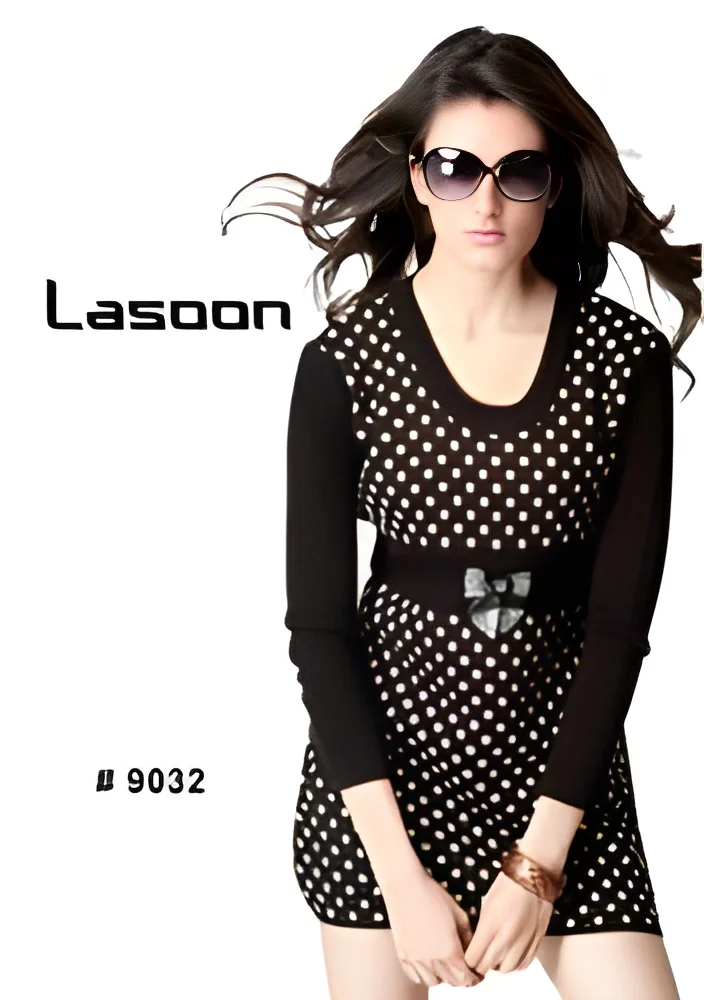
What are Wool Fabric Traders?
Wool Fabric Traders refer to companies and businesses that specialize in the trade of wool-based fabrics. These traders source, process, and distribute various types of wool fabrics to meet the demands of different industries. Wool fabrics are known for their durability, warmth, and natural properties, making them a popular choice in textile applications. Wool Fabric Traders play a crucial role in the supply chain by ensuring the availability of high-quality wool products for various uses.
The primary applications of these fabrics extend across multiple sectors, including fashion, home textiles, and industrial uses. In the fashion industry, wool is often used in high-end clothing and accessories due to its luxurious feel and aesthetic appeal. In home textiles, wool fabrics are commonly found in carpets, upholstery, and blankets. Additionally, industries such as automotive and healthcare utilize wool for specific applications, such as insulation and specialized garments. The relevance of Wool Fabric Traders in the market is underscored by the increasing demand for sustainable and high-performance textiles, as well as the continued popularity of wool as a raw material.
Key Features and Specifications
Wool Fabric Traders offer a variety of wool fabrics with specific features and specifications that cater to diverse applications. These specifications are vital for businesses looking to source the right products for their needs.
Key specifications include:
1. Fabric Type
- This specification covers the various types of wool used, such as merino, lambswool, and cashmere.
- Each type has unique characteristics, affecting softness, warmth, and durability.
2. Weave Structure
- The weave structure can vary, including plain, twill, and herringbone.
- Different weaves impact the fabric's texture and appearance.
3. Weight
- Measured in grams per square meter (GSM), weight affects the fabric's warmth and suitability for different applications.
- Common weights range from lightweight (150-200 GSM) to heavy (400+ GSM).
4. Color and Patterns
- Available in a wide range of colors and patterns, allowing for customization and aesthetic appeal.
- Patterns can include solids, checks, and stripes.
5. Finish
- Various finishes can be applied to wool fabrics, such as water-repellent or anti-pilling treatments.
- These finishes enhance performance characteristics.
6. Certifications
- Many wool fabrics come with certifications indicating compliance with industry standards, such as CE certification.
- Certifications ensure product quality and safety.
7. Natural Properties
- Wool fabrics are naturally breathable, moisture-wicking, and insulating.
- These properties make them suitable for various climates and uses.
In summary, the specifications provided by Wool Fabric Traders are essential for ensuring that the right fabric is selected for specific applications. Understanding these specifications enables buyers to make informed decisions.
Common Applications and Use Cases
Wool fabrics serve various industries due to their versatile nature and desirable properties.
1. Fashion Industry: Wool is widely used in the production of luxury apparel, including suits, coats, and sweaters. Its natural drape and warmth make it a favorite among designers and consumers alike.
2. Home Textiles: In the home textiles sector, wool is found in carpets, rugs, and upholstery. Its durability and resistance to stains make it an ideal choice for high-traffic areas.
3. Automotive Industry: Wool fabrics are utilized in vehicle interiors for their insulating properties and aesthetic appeal. They contribute to a more comfortable driving experience.
4. Healthcare Sector: Specialized wool fabrics are used in medical garments and bedding due to their hypoallergenic properties and moisture-wicking capabilities, providing comfort for patients.
5. Outdoor Gear: Wool is often used in outdoor clothing and gear, such as jackets and socks, due to its excellent thermal regulation and moisture management.
6. Interior Design: Designers use wool fabrics for curtains, cushions, and throws to add elegance and warmth to spaces. Wool's natural properties also contribute to sound insulation.
7. Textile Art: Wool is a preferred material for textile artists and craft makers, who use it for felting, weaving, and other creative projects.
Product Variants and Subcategories
Wool Fabric Traders offer a diverse range of product variants to cater to different applications and customer needs.
Merino Wool Fabrics
Merino wool fabrics are known for their fine fibers, softness, and breathability. They are commonly used in activewear and high-performance clothing due to their moisture-wicking properties and comfort.
Lambswool Fabrics
These fabrics are made from the first shearing of lambs and are exceptionally soft and lightweight. Lambswool is often used in luxury sweaters and fine garments, providing warmth without bulk.
Cashmere Fabrics
Cashmere wool fabrics are known for their luxurious feel and softness. They are often employed in high-end fashion items, such as scarves and sweaters, appealing to the premium market.
Tweed Fabrics
Tweed is a traditional wool fabric commonly used in outerwear and tailored garments. Its durability and unique textures make it a popular choice for both fashion and functional clothing.
Benefits and Advantages
Wool fabrics offer numerous benefits that make them an attractive choice for various applications.
1. Durability: Wool fabrics are known for their strength and resilience, making them long-lasting even in high-use environments.
2. Natural Insulation: Wool provides excellent thermal insulation, keeping users warm in cold conditions while remaining breathable in warmer weather.
3. Moisture Management: Wool naturally wicks moisture away from the body, helping to regulate temperature and keep users dry.
4. Eco-Friendly: As a natural fiber, wool is biodegradable and renewable, appealing to environmentally conscious consumers and businesses.
5. Stain Resistance: Wool has inherent stain resistance properties, which help maintain a clean and fresh appearance over time.
6. Allergen Resistance: Wool is naturally resistant to dust mites and other allergens, making it a suitable choice for sensitive individuals.
Buying Guide for B2B Buyers
When sourcing Wool Fabric Traders, businesses should consider several key factors to ensure successful procurement.
1. Quality Assessment: It is essential to evaluate the quality of wool fabrics. Look for samples and check for certifications that indicate compliance with industry standards.
2. Supplier Verification: Vet suppliers thoroughly by checking references and reviews. A verified supplier can provide assurance of reliability and product quality.
3. Pricing and MOQ: Understand the pricing structure and minimum order quantities. This information will help in budgeting and ensuring that you meet supplier requirements.
4. Delivery and Lead Times: Discuss delivery schedules and lead times to ensure timely procurement that aligns with production schedules.
5. Compliance Requirements: Be aware of any regulatory compliance requirements for wool fabrics in your region. This may include safety standards and environmental regulations.
Compliance and Certifications
Wool Fabric Traders adhere to various quality standards and certifications to ensure product reliability and safety. Relevant quality standards such as ISO 9001 ensure that manufacturing processes meet international quality management principles. Additionally, certifications like CE demonstrate compliance with European health, safety, and environmental protection standards.
Safety and testing requirements are critical in the wool fabric industry, as they ensure products are safe for consumer use. This includes testing for harmful substances and ensuring that the fabric performs as expected under various conditions.
Regional compliance considerations may vary, so it is important for traders to stay updated on local regulations. This ensures that the products not only meet high-quality standards but are also legally compliant in the markets they serve.
Why Source Wool Fabric Traders from Pepagora?
Pepagora provides a trusted platform for sourcing Wool Fabric Traders with several key advantages.
One of the primary benefits of using Pepagora is the verified supplier network. Each supplier on the platform undergoes a rigorous verification process, ensuring that businesses can source high-quality wool fabrics with confidence.
The streamlined RFQ process allows buyers to request quotes from multiple suppliers efficiently. This system simplifies the procurement process and helps businesses find the best pricing and terms.
Trade assurance and support are additional features offered by Pepagora. This ensures that buyers are protected throughout the purchasing process, providing peace of mind for businesses.
Finally, Pepagora offers extensive regional coverage, particularly in India, the GCC, and Southeast Asia. This wide geographic reach allows buyers to access a diverse range of suppliers, enhancing their sourcing options.

 IN
IN


 India
India