
 IN
Wooden Sleepers
3 products available
What are Wooden Sleepers?
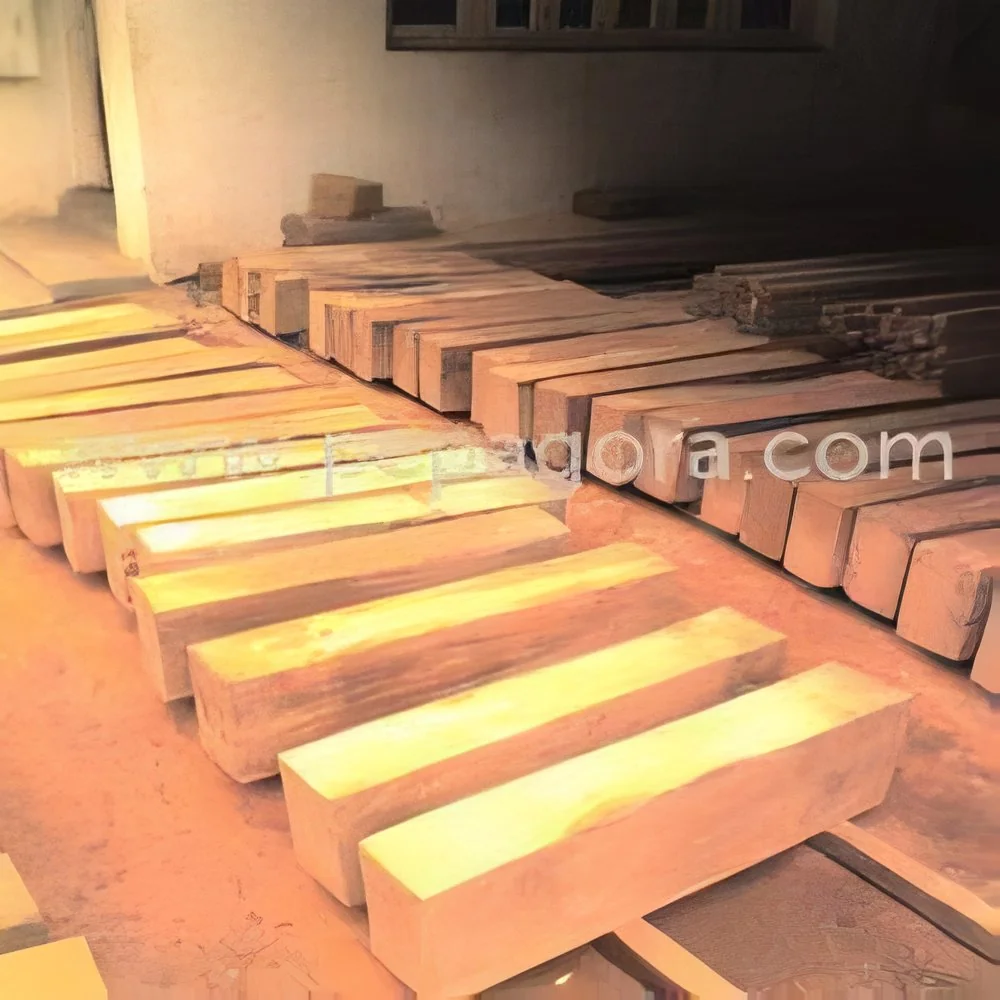
Wooden sleepers, also known as railway ties, are large pieces of timber used primarily in the railway industry to support the weight of railroad tracks. These heavy-duty wooden beams are positioned perpendicular to the rails and serve to maintain gauge, provide stability, and distribute the load of passing trains. Typically made from hardwood or treated softwood, wooden sleepers are designed to withstand the rigors of outdoor conditions and heavy loads.
In addition to their traditional use in railways, wooden sleepers have found applications in various industries such as construction, landscaping, and agriculture. They are often used in building retaining walls, garden borders, and outdoor structures. Their natural aesthetic and durability make them a popular choice for landscaping projects, while their strength and availability make them suitable for agricultural uses.
The market for wooden sleepers is influenced by the ongoing demand for railway infrastructure improvements and the growing trend of sustainable building practices. As companies look to reduce their environmental footprint, the use of responsibly sourced wooden sleepers aligns with eco-friendly initiatives. This relevance positions wooden sleepers as a critical product within the industrial supply chain.
Key Features and Specifications
Wooden sleepers offer a range of features that contribute to their effectiveness and versatility in various applications. Understanding these specifications can help businesses make informed purchasing decisions.
Key specifications include:
1. Material Type
- Typically made from hardwood or treated softwood.
- Ensures durability and resistance to decay.
2. Dimensions
- Common sizes include 8 feet, 9 feet, and 10 feet in length.
- Widths and depths can vary based on specific requirements.
3. Weight
- Standard weights range from 200 to 300 pounds per sleeper.
- Heavier sleepers provide greater stability and load distribution.
4. Treatment
- Many wooden sleepers are treated with preservatives to prevent rot and insect damage.
- Treatment methods may include pressure treatment or chemical applications.
5. Lifespan
- Properly treated and maintained wooden sleepers can last 20 years or more.
- Lifespan can vary based on environmental conditions.
6. Standards Compliance
- Compliance with industry standards such as CE certification ensures quality and safety.
- Adherence to regulations can affect marketability and usage.
7. Environmental Impact
- Sourcing from sustainably managed forests can reduce ecological footprint.
- Certifications may be available to validate sustainable practices.
8. Customization Options
- Custom sizes and treatments may be available based on specific project needs.
- Discussing requirements with suppliers can lead to tailored solutions.
In summary, wooden sleepers are versatile products with specific features that enhance their functionality across industries. Understanding these key aspects is crucial for businesses looking to utilize them effectively.
Common Applications and Use Cases
Wooden sleepers serve various industries, demonstrating their versatility and practicality.
1. Railways: Wooden sleepers are essential in railway construction, providing support for tracks and ensuring stability under heavy loads.
2. Construction: In the construction sector, wooden sleepers are used for creating foundations, retaining walls, and other structural supports.
3. Landscaping: Gardeners and landscapers utilize wooden sleepers for raised flower beds, garden borders, and decorative elements in outdoor spaces.
4. Agriculture: Farmers often employ wooden sleepers for fencing, as well as in the construction of raised planting beds.
5. Equestrian Facilities: Wooden sleepers are used in horse arenas and paddocks to create safe and durable structures.
6. Parks and Recreation: Public parks use wooden sleepers for pathways and seating areas, combining functionality with aesthetic appeal.
7. Environmental Projects: Wooden sleepers are utilized in erosion control and habitat restoration projects, contributing to environmental sustainability.
Product Variants and Subcategories
Wooden sleepers come in various forms, each suited for different applications. Understanding these variants can help businesses select the right product for their needs.
Standard Wooden Sleepers
These are the most common type, typically used in railway applications. They provide robust support and are available in various sizes and treatments.
Reclaimed Wooden Sleepers
Reclaimed sleepers are sourced from old railway installations or other structures. They are often favored for their rustic appearance and sustainability, making them ideal for landscaping and decorative projects.
Treated Wooden Sleepers
These sleepers are chemically treated to enhance their resistance to decay and insect damage. They are suitable for outdoor applications where longevity is crucial.
Untreated Wooden Sleepers
Used primarily in dry environments or for temporary applications, untreated sleepers offer a natural option for projects where chemical treatments are not desired.
Benefits and Advantages
Wooden sleepers offer numerous advantages that make them a preferred choice for various applications.
Key benefits include:
1. Durability: Wooden sleepers are robust and can withstand heavy loads, making them ideal for railway and construction applications.
2. Aesthetic Appeal: The natural look of wooden sleepers enhances landscaping projects, providing a rustic charm that blends with outdoor environments.
3. Sustainability: Sourced from renewable materials, wooden sleepers can contribute to environmentally friendly building practices.
4. Versatility: Their wide range of applications across industries makes wooden sleepers a flexible solution for various challenges.
5. Cost-Effectiveness: Compared to alternative materials, wooden sleepers often provide a more economical option, especially for large-scale projects.
6. Ease of Installation: Wooden sleepers are generally straightforward to install, reducing labor costs and project timelines.
Buying Guide for B2B Buyers
When sourcing wooden sleepers, businesses should consider several critical factors to ensure they make informed decisions.
1. Quality Assessment: Evaluating the quality of wooden sleepers is vital. Look for signs of proper treatment, straightness, and absence of defects, as these factors affect performance and longevity.
2. Supplier Verification: It is essential to vet suppliers for reliability. Check for certifications, customer reviews, and their track record in providing quality products.
3. Pricing and MOQ: Understanding pricing structures and minimum order quantities can help businesses budget effectively. Inquire about bulk discounts and payment terms.
4. Delivery and Lead Times: Discuss logistics and lead times with suppliers to ensure timely deliveries that align with project schedules.
5. Compliance Requirements: Be aware of any industry standards or regulations that apply to wooden sleepers. Compliance with quality and safety standards can impact usage and acceptance in various markets.
Compliance and Certifications
Wooden sleepers must adhere to several quality standards to ensure they meet industry requirements. Compliance with ISO 9001 is crucial, as it establishes a framework for quality management systems in organizations.
Additionally, CE certification indicates that the product meets European safety, health, and environmental protection standards. This certification is particularly relevant for products used in construction and infrastructure.
Safety and testing requirements are also critical, especially for products used in high-stress applications like railways. Regular testing for durability and load-bearing capacity helps ensure that wooden sleepers perform as expected.
Regional compliance considerations should also be taken into account. Different areas may have specific regulations regarding sourcing, treatment, and usage of wooden sleepers, making it essential for companies to be aware of local laws.
Why Source Wooden Sleepers from Pepagora?
Pepagora provides a trusted platform for sourcing wooden sleepers, offering several key advantages to B2B buyers.
Verified Supplier Network: Pepagora boasts a comprehensive network of verified suppliers, ensuring that buyers can connect with reputable sources for quality wooden sleepers. This verification process helps minimize risks associated with purchasing.
Streamlined RFQ Process: The platform features a streamlined Request for Quotation (RFQ) process, allowing buyers to receive multiple quotes from suppliers quickly. This efficiency can lead to better pricing and terms.
Trade Assurance and Support: Pepagora offers buyer protection through trade assurance, providing peace of mind when making purchasing decisions. Their support team is available to assist with any inquiries or issues that may arise.
Regional Coverage: With a strong presence in regions such as India, the GCC, and Southeast Asia, Pepagora enables businesses to access a diverse array of suppliers and products. This geographic reach enhances the ability to meet specific project needs effectively.

 India
 India
Frequently Asked Questions
What are Wooden Sleepers?
Wooden Sleepers, also known as railway ties or sleepers, are horizontal supports used in railways to hold the rails in place. They are typically made from timber and provide stability and alignment for the rail tracks.
What are the different types of Wooden Sleepers?
There are several types of Wooden Sleepers including hardwood, softwood, and treated wood sleepers. Hardwood sleepers are known for their durability, while softwood sleepers are more affordable. Treated wood sleepers are chemically treated for resistance against pests and decay.
How do I choose the right Wooden Sleepers?
Choosing the right Wooden Sleepers involves considering factors such as the type of wood, intended use, and environmental conditions. It is also important to assess the load-bearing capacity and the treatment process used to ensure longevity.
What are the standard specifications for Wooden Sleepers?
Standard specifications for Wooden Sleepers include dimensions such as length, width, and thickness, which can vary based on application. Additionally, the quality of wood, treatment standards, and load-bearing capacity are critical specifications to consider.
What is the price range for Wooden Sleepers?
The price range for Wooden Sleepers can vary widely based on type, quality, and treatment. Generally, prices can range from INR 500 to INR 2000 per sleeper, depending on the specifications and supplier.
What quality standards apply to Wooden Sleepers?
Wooden Sleepers must comply with various quality standards such as IS 2000 and IS 6213 in India. These standards ensure the durability, strength, and safety of the sleepers used in railway applications.
Where can I find Wooden Sleepers suppliers in India?
You can find Wooden Sleepers suppliers in India through B2B marketplaces like Pepagora, local timber merchants, and specialized railway supply companies. Online directories and trade shows can also provide valuable contacts.
Can Wooden Sleepers be customized?
Yes, Wooden Sleepers can be customized in terms of dimensions, treatment, and load specifications based on the buyer's requirements. It is advisable to discuss customization options with suppliers before placing an order.
What is the typical minimum order quantity for Wooden Sleepers?
The typical minimum order quantity (MOQ) for Wooden Sleepers varies by supplier but generally ranges from 50 to 100 units. It is best to confirm the MOQ with the supplier prior to ordering.
What is the typical lead time for Wooden Sleepers?
The typical lead time for Wooden Sleepers can range from 2 to 6 weeks, depending on the supplier, customization requirements, and stock availability. It is advisable to check the lead time during the ordering process.
Why Businesses Trust Pepagora
Thousands of companies trust Pepagora to source smarter and sell faster
Expand Your Sales Globally

Source Smarter,Grow Faster
