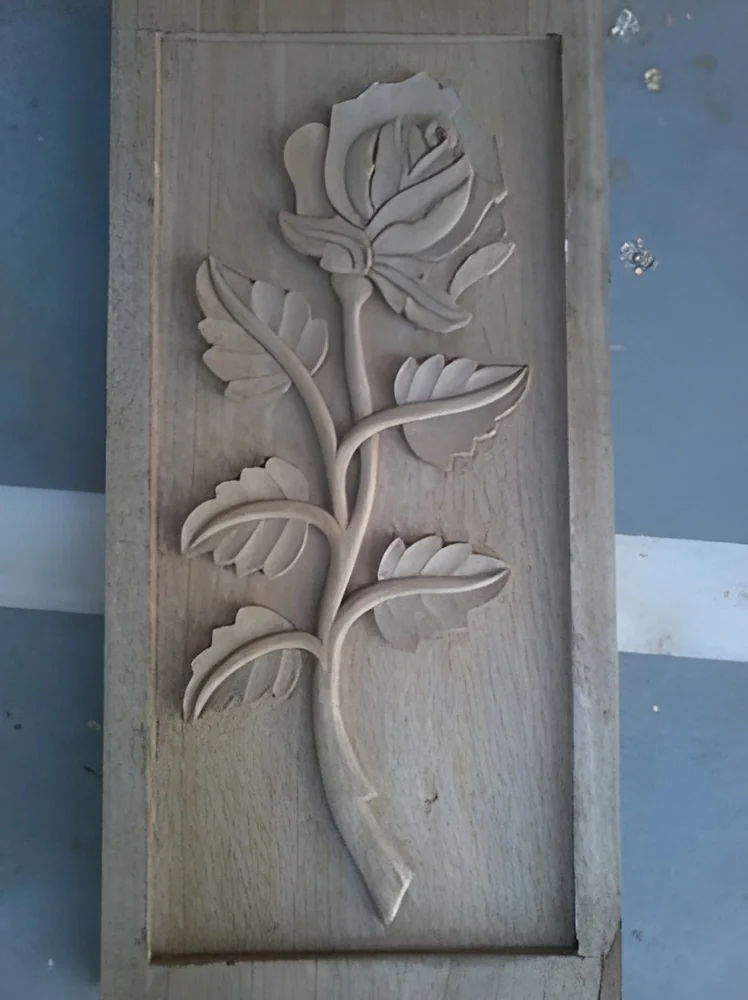
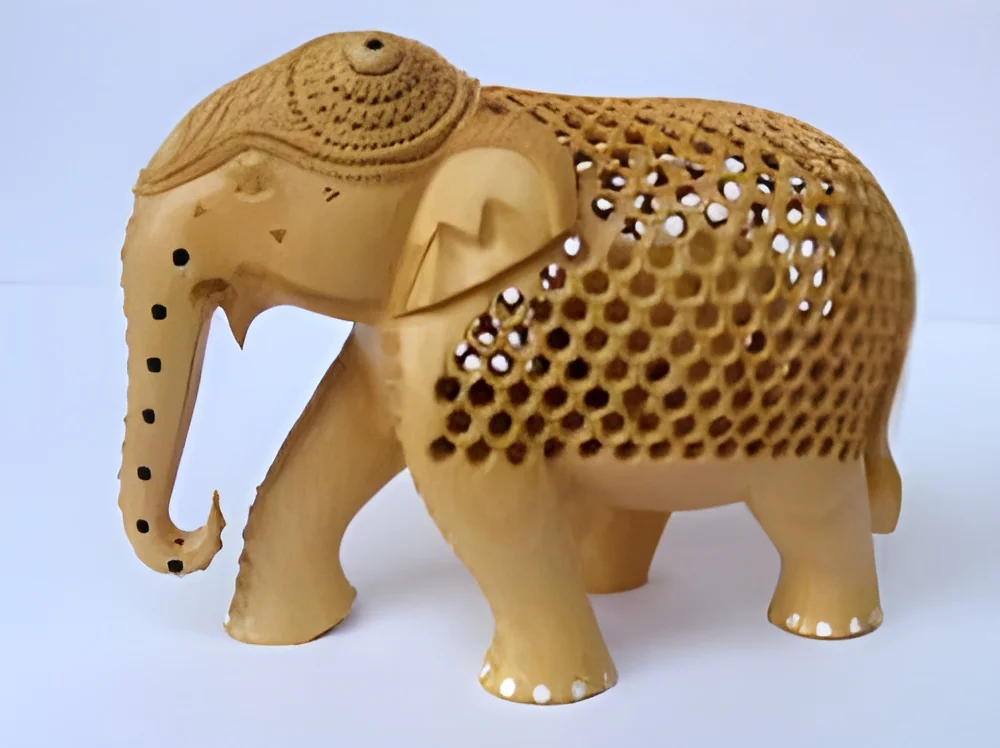
What are Carving & Decorative Wood?
Carving and decorative wood refers to specially selected timber used primarily for artistic and aesthetic purposes. This category of wood is often chosen for its visual appeal, workability, and the ability to hold intricate designs. Such wood types are essential for both fine woodworking and large-scale production, offering artisans and manufacturers the material needed to create detailed carvings, sculptures, and decorative elements.
These products find extensive use in various business applications, including furniture making, interior design, and custom architectural features. Carving and decorative wood is commonly employed by craftspeople, furniture manufacturers, and even in the construction of bespoke installations. Its significance in the market is underscored by the growing demand for unique, handcrafted items, as well as the need for high-quality materials that can enhance the overall design of a space.
The relevance of carving and decorative wood has increased with the rise in consumer preference for personalized and artisanal products. Industries are looking for sustainable and aesthetically pleasing materials, making these woods a vital component in contemporary design solutions.
Key Features and Specifications
Carving and decorative wood comes with a variety of features that make it suitable for intricate applications. Understanding the key specifications is crucial for buyers looking to select the right material for their projects.
Key specifications include:
1. Wood Type
- This specification covers the species of wood used.
- Common options include hardwoods like oak, walnut, and cherry.
2. Grain Pattern
- The grain pattern affects both aesthetics and machining.
- Options range from straight grain to highly figured patterns.
3. Moisture Content
- Wood's moisture content is critical for stability.
- Ideal ranges typically fall between 6% to 8%.
4. Finish Options
- Various finishing options can enhance appearance and durability.
- Choices include natural oils, stains, and varnishes.
5. Density
- Density can influence strength and workability.
- Typical density values might range from 500 kg/m3 to 900 kg/m3.
6. Length and Width
- Available dimensions can vary based on supplier.
- Common lengths range from 1 meter to 3 meters, with widths typically between 10 cm to 30 cm.
7. Customization Options
- Custom sizes and finishes can be requested.
- This is beneficial for specific project requirements.
8. Certification
- Compliance with industry standards is important.
- Many products are certified under CE regulations.
In summary, selecting the right carving and decorative wood requires careful consideration of these specifications to ensure that the material meets both functional and aesthetic needs.
Common Applications and Use Cases
Carving and decorative wood is versatile and serves various industries effectively.
1. Furniture Manufacturing: Artisans and manufacturers use this wood to create bespoke furniture pieces that emphasize craftsmanship and design.
2. Interior Design: Designers incorporate carving wood into architectural details, moldings, and wall art to enhance interior aesthetics.
3. Arts and Crafts: Artists utilize carving and decorative wood for sculptures, decorative items, and various handcrafted projects.
4. Musical Instruments: Certain types of wood are favored in the production of instruments for their acoustic properties and beauty.
5. Signage: Businesses often use decorative wood for creating custom signs that reflect their brand's identity.
6. Cabinetry: This wood is popular in custom kitchen and bathroom cabinetry, where both function and elegance are required.
7. Model Making: Hobbyists and professionals alike use carving wood for intricate models and dioramas, taking advantage of its workability.
Product Variants and Subcategories
Carving and decorative wood comes in various forms to meet diverse needs in the market.
Solid Wood
This variant is favored for its natural beauty and durability. Solid wood is ideal for high-end furniture and intricate carvings due to its strength and resistance to wear.
Plywood
Plywood is engineered from multiple layers of wood veneer. It is often used in applications where strength and stability are necessary, such as cabinetry and structural components.
Laminated Wood
Laminated wood combines several layers of wood for enhanced strength and design flexibility. This variant is commonly used in custom furniture and decorative panels.
Engineered Wood
Engineered wood products are manufactured for specific performance characteristics. They are often used where moisture resistance and dimensional stability are critical.
Benefits and Advantages
Carving and decorative wood offers numerous benefits to businesses and artisans alike.
1. Aesthetic Appeal: The natural beauty of these woods enhances any project, providing a visually appealing finish.
2. Workability: Many types of carving wood are easy to cut, shape, and finish, making them ideal for intricate designs.
3. Durability: High-quality wood varieties offer long-lasting performance, ensuring that finished products maintain their integrity over time.
4. Customization: The ability to customize sizes and finishes allows businesses to meet specific project requirements effectively.
5. Sustainability: Sourcing wood from certified suppliers can contribute to environmentally responsible practices.
6. Versatility: The wide range of applications makes carving and decorative wood suitable for many industries, from furniture making to arts and crafts.
Buying Guide for B2B Buyers
When sourcing carving and decorative wood, several factors should be taken into consideration to ensure the best selection for your needs.
1. Quality Assessment: Evaluate wood quality based on species, grain, and finishing. Look for suppliers who provide samples or detailed specifications.
2. Supplier Verification: Vet suppliers to ensure they have a good reputation and can provide reliable products. Check for reviews and ask for references.
3. Pricing and MOQ: Understand the pricing structure and minimum order quantities, as this can vary widely among suppliers.
4. Delivery and Lead Times: Confirm delivery timelines to ensure that materials arrive when needed. Consider logistics and supply chain reliability.
5. Compliance Requirements: Be aware of any regulatory compliance needs, such as CE certification, which can impact your sourcing decisions.
Compliance and Certifications
Compliance and certifications play an essential role in the quality and safety of carving and decorative wood products. Various quality standards ensure that the materials used meet industry expectations.
ISO 9001 is a standard that outlines the requirements for a quality management system. Adherence to this standard signifies that a supplier maintains consistent quality in their products.
HACCP (Hazard Analysis Critical Control Point) is crucial in industries where the safety of the wood may impact other products. Implementing this standard helps identify and manage potential hazards.
CE certification indicates that the wood meets European health, safety, and environmental protection standards. This certification is vital for suppliers targeting European markets.
Safety and testing requirements also need to be considered. Regular testing for moisture content, strength, and durability can help ensure that the wood performs as expected.
Regional compliance considerations may vary, so it is important to be aware of local regulations that could impact sourcing decisions.
Why Source Carving & Decorative Wood from Pepagora?
Pepagora provides a trusted platform for sourcing carving and decorative wood with several key advantages that benefit buyers.
Verified Supplier Network: Pepagora has established a network of verified suppliers, ensuring that buyers have access to high-quality materials from reputable sources. This verification process helps minimize risks associated with sourcing.
Streamlined RFQ Process: The platform simplifies the request for quotation (RFQ) process, allowing buyers to easily compare prices and specifications from multiple suppliers. This efficiency saves time and effort in sourcing.
Trade Assurance and Support: Pepagora offers trade assurance, providing buyers with protection and support throughout the purchasing process. This includes assistance with disputes and ensuring that transactions are secure.
Regional Coverage: With a strong presence in India, the GCC, and Southeast Asia, Pepagora connects buyers with local suppliers, facilitating easier logistics and communication. This regional coverage helps businesses find the right materials to meet their specific needs.

 IN
IN