What are Wood Blocks for Furniture?
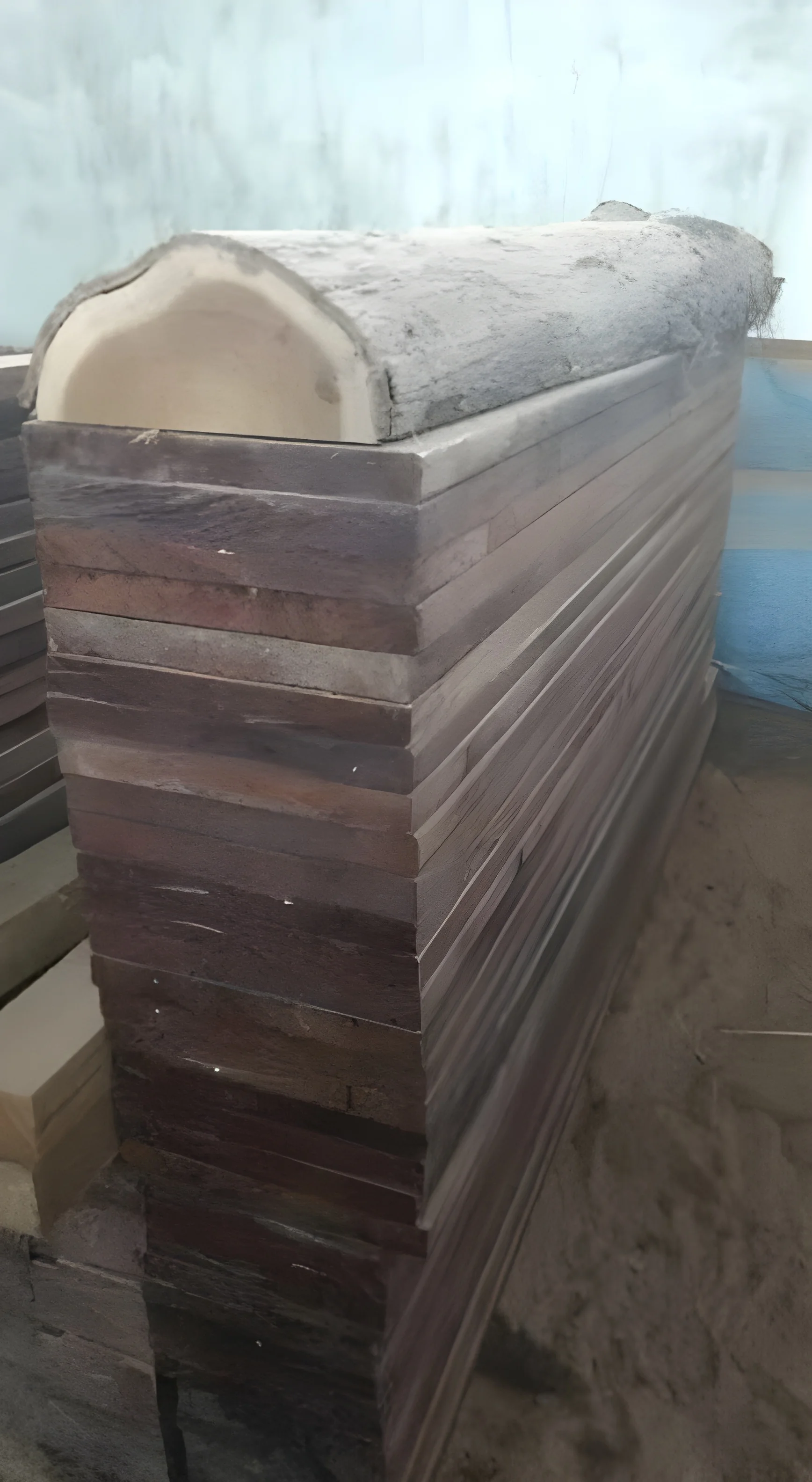
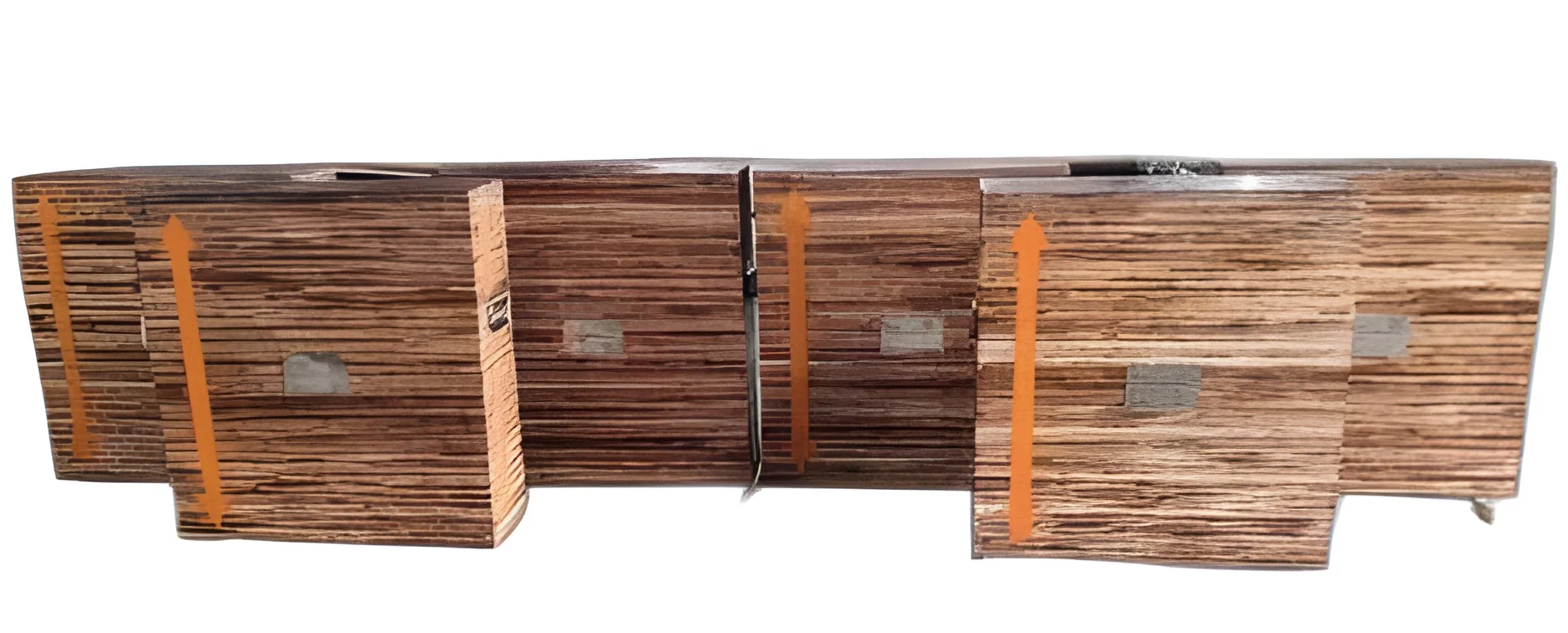
Wood blocks for furniture are solid pieces of wood used as structural components in the manufacturing and assembly of various furniture items. They serve as supports, legs, or bases for tables, chairs, and cabinetry. These blocks come in various shapes and sizes, depending on the specific application and design requirements. They are essential in providing stability, durability, and aesthetic appeal to furniture pieces.
In a business context, wood blocks for furniture are primarily used by manufacturers and designers who need reliable materials to create sturdy and attractive products. These blocks can be sourced in bulk, making them ideal for companies looking to streamline their production processes. The furniture industry relies heavily on wood blocks for both functional and decorative purposes, contributing to the overall quality and longevity of the final product.
As sustainability becomes increasingly important, the market for wood blocks has evolved. Manufacturers are now more focused on sourcing wood from responsibly managed forests and ensuring that their products meet environmental standards. This trend highlights the relevance of wood blocks in contemporary furniture production and the growing demand for eco-friendly materials.
Key Features and Specifications
Wood blocks for furniture come with various features and specifications that cater to different manufacturing needs. Understanding these specifications is crucial for businesses looking to source the right materials.
Key specifications include:
1. Material Type
- Typically made from hardwood or softwood
- Different species offer varying levels of durability and aesthetics
2. Dimensions
- Available in various sizes to accommodate different furniture designs
- Common dimensions range from small blocks (2x2 inches) to larger pieces (6x6 inches)
3. Density
- Hardwoods generally have a higher density than softwoods
- Density affects strength and weight-bearing capacity
4. Finish
- Can be supplied raw or pre-finished
- Finishing options may include varnish, lacquer, or staining
5. Moisture Content
- Typically maintained between 6% to 12% for optimal performance
- Important for preventing warping and cracking
6. Certifications
- May include certifications like CE to ensure quality and safety
- Compliance with industry standards is essential
In summary, understanding these specifications helps businesses select the appropriate wood blocks for their specific applications, ensuring quality and compatibility.
Common Applications and Use Cases
Wood blocks for furniture find applications across various industries, providing structural integrity and design versatility.
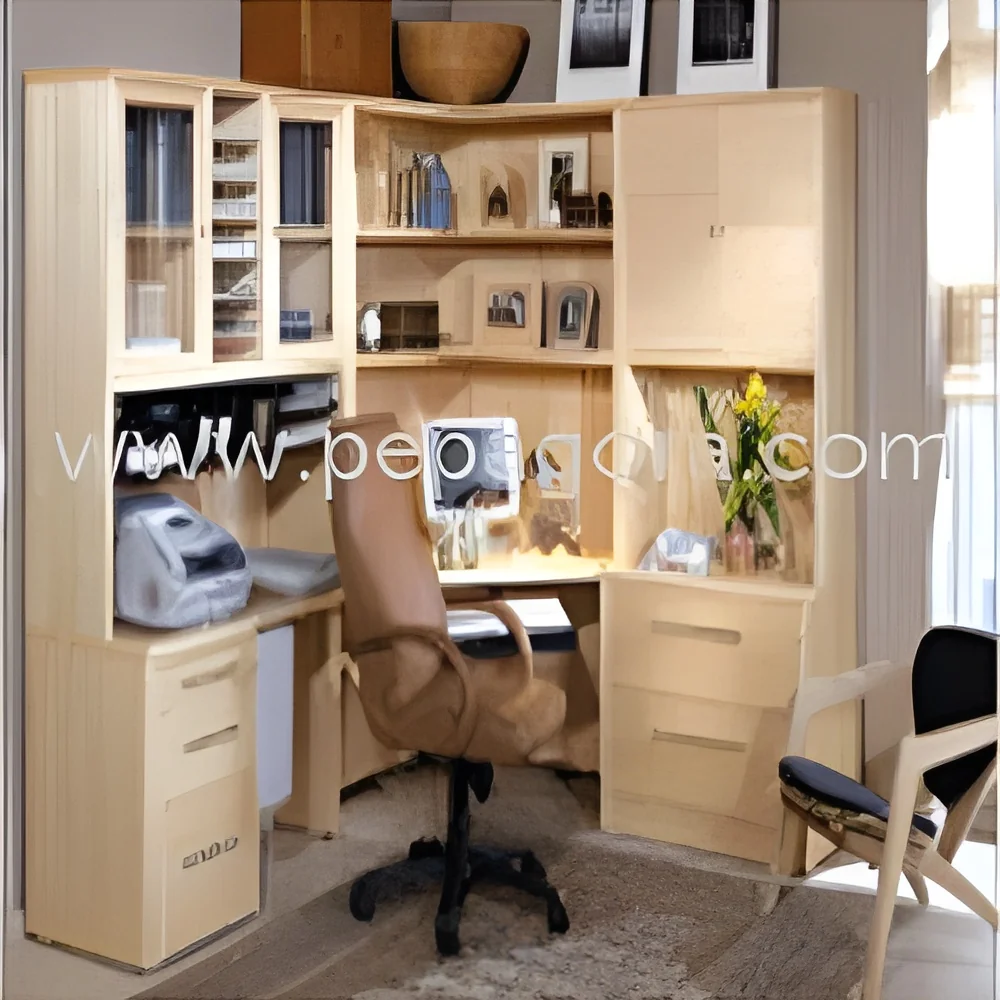
1. Furniture Manufacturing: Used as legs, supports, and framing components in the production of tables, chairs, and cabinets.
2. Custom Furniture Design: Designers utilize wood blocks to create unique, bespoke pieces tailored to client specifications.
3. Interior Design: Wood blocks are used in decorative applications and as part of mixed-material furniture designs.
4. Woodworking and Carpentry: Essential for artisans who create handcrafted furniture and cabinetry.
5. Educational Institutions: Used in woodworking courses to teach students about material properties and furniture construction techniques.
6. Hospitality Industry: Employed in the production of custom furniture for hotels and restaurants, ensuring durability and aesthetic appeal.
7. Retail Displays: Used in creating attractive and functional display units for merchandise.
Product Variants and Subcategories
Wood blocks for furniture offer a range of variants that cater to different design and structural needs.
Solid Hardwood Blocks
These blocks are made from dense hardwoods like oak, maple, or cherry. They provide superior strength and durability, making them ideal for high-quality furniture pieces.
Softwood Blocks
Typically made from pine or fir, softwood blocks are lighter and more affordable. They are commonly used in budget furniture and temporary installations.
Engineered Wood Blocks
Composed of compressed wood fibers, these blocks offer enhanced stability and resistance to warping. They are often used in modular furniture designs.
Reclaimed Wood Blocks
Sourced from recycled materials, these blocks provide an eco-friendly option for manufacturers looking to reduce their environmental impact while offering unique character to furniture pieces.
Benefits and Advantages
Choosing wood blocks for furniture comes with several benefits that enhance the overall value of the final product.
1. Durability: Wood blocks provide long-lasting support, ensuring that furniture remains stable over time.
2. Aesthetic Appeal: Available in various wood types and finishes, they contribute to the visual appeal of furniture.
3. Customization: Manufacturers can easily modify wood blocks to meet specific design requirements.
4. Sustainability: Sourcing from responsibly managed forests promotes environmental stewardship and meets consumer demand for eco-friendly products.
5. Versatility: Wood blocks can be used in a wide range of furniture applications, from traditional to modern designs.
6. Cost-Effectiveness: Bulk purchasing options can lead to significant cost savings for manufacturers.
Buying Guide for B2B Buyers
When sourcing wood blocks for furniture, it is essential for B2B buyers to consider several key factors to ensure they make informed purchasing decisions.
1. Quality Assessment: Evaluate the physical properties of wood blocks, including density, moisture content, and finish. High-quality materials will enhance the durability and aesthetic of the final product.
2. Supplier Verification: Conduct thorough checks on potential suppliers. Look for reviews, certifications, and their history in the industry to ensure reliability.
3. Pricing and MOQ: Understand the pricing structure and minimum order quantities. Request quotes from multiple suppliers to compare costs and terms.
4. Delivery and Lead Times: Discuss logistics with suppliers. Understand their lead times and shipping capabilities to ensure timely delivery.
5. Compliance Requirements: Verify that the wood blocks meet industry standards and regulations. This may include certifications such as CE to ensure safety and quality.
Compliance and Certifications
Wood blocks for furniture must adhere to various compliance standards and certifications to ensure quality and safety.
ISO 9001 is a relevant quality standard that focuses on improving organizational processes, ensuring that manufacturers maintain consistent quality in their products.
CE certification is essential for products sold within the European market. It indicates that the product meets EU safety, health, and environmental protection standards.
Safety and testing requirements are crucial, particularly for furniture used in residential and commercial settings. This includes testing for durability, load capacity, and potential health impacts from materials used.
Regional compliance considerations may vary, especially when sourcing wood blocks from different parts of the world. Buyers should be aware of local regulations regarding sourcing and material usage to ensure compliance.
Why Source Wood Blocks for Furniture from Pepagora?
Pepagora provides a trusted platform for sourcing wood blocks for furniture, offering several key advantages that simplify the purchasing process.
Verified Supplier Network: Pepagora connects buyers with a network of vetted suppliers, ensuring that they work with reputable manufacturers who meet quality standards.
Streamlined RFQ Process: The platform facilitates an efficient request for quotation (RFQ) process, allowing buyers to compare multiple offers and select the best options based on their needs.
Trade Assurance and Support: Pepagora offers buyer protection through trade assurance, providing peace of mind for businesses making significant investments.
Regional Coverage: With a strong presence in India, the GCC, and Southeast Asia, Pepagora provides access to a wide range of suppliers, catering to diverse regional needs and preferences.
This comprehensive approach ensures that businesses can find the right wood blocks for furniture efficiently and reliably.

 IN
IN