𝗪𝗵𝗮𝘁 𝗮𝗿𝗲 𝗪𝗼𝗼𝗱, 𝗧𝗶𝗺𝗯𝗲𝗿 & 𝗟𝗼𝗴𝘀?
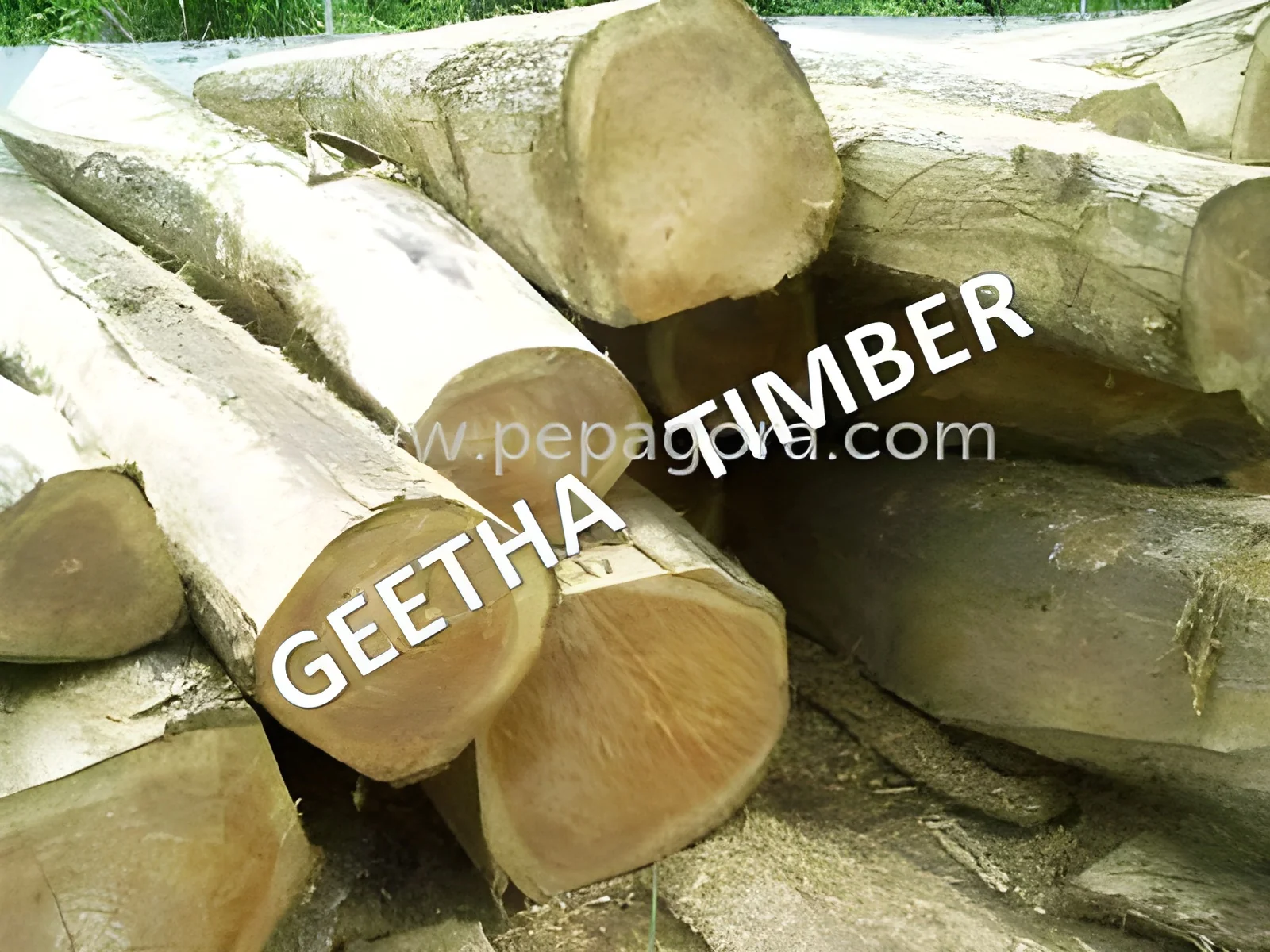
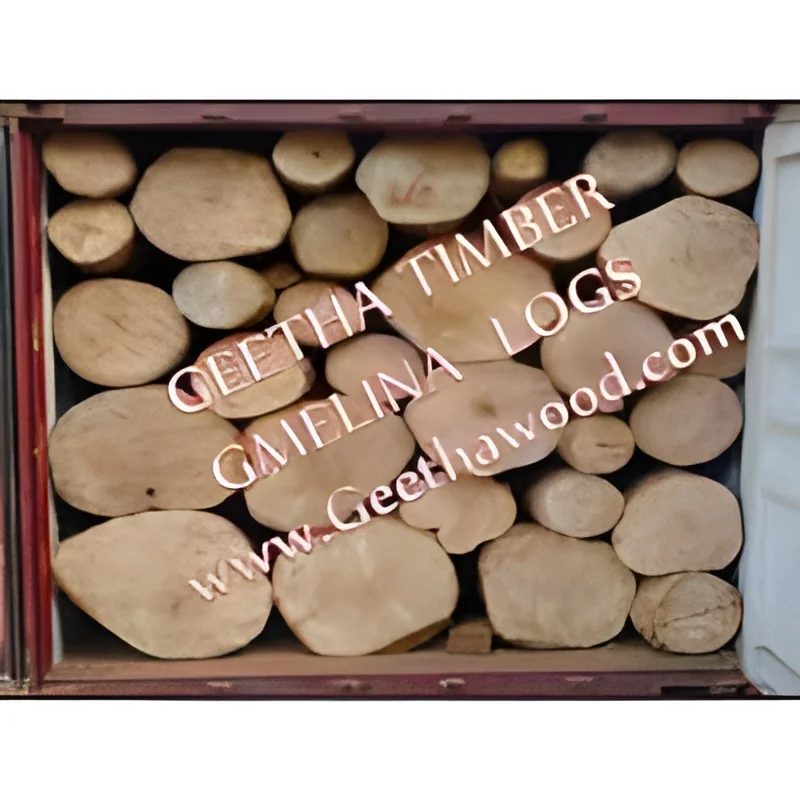
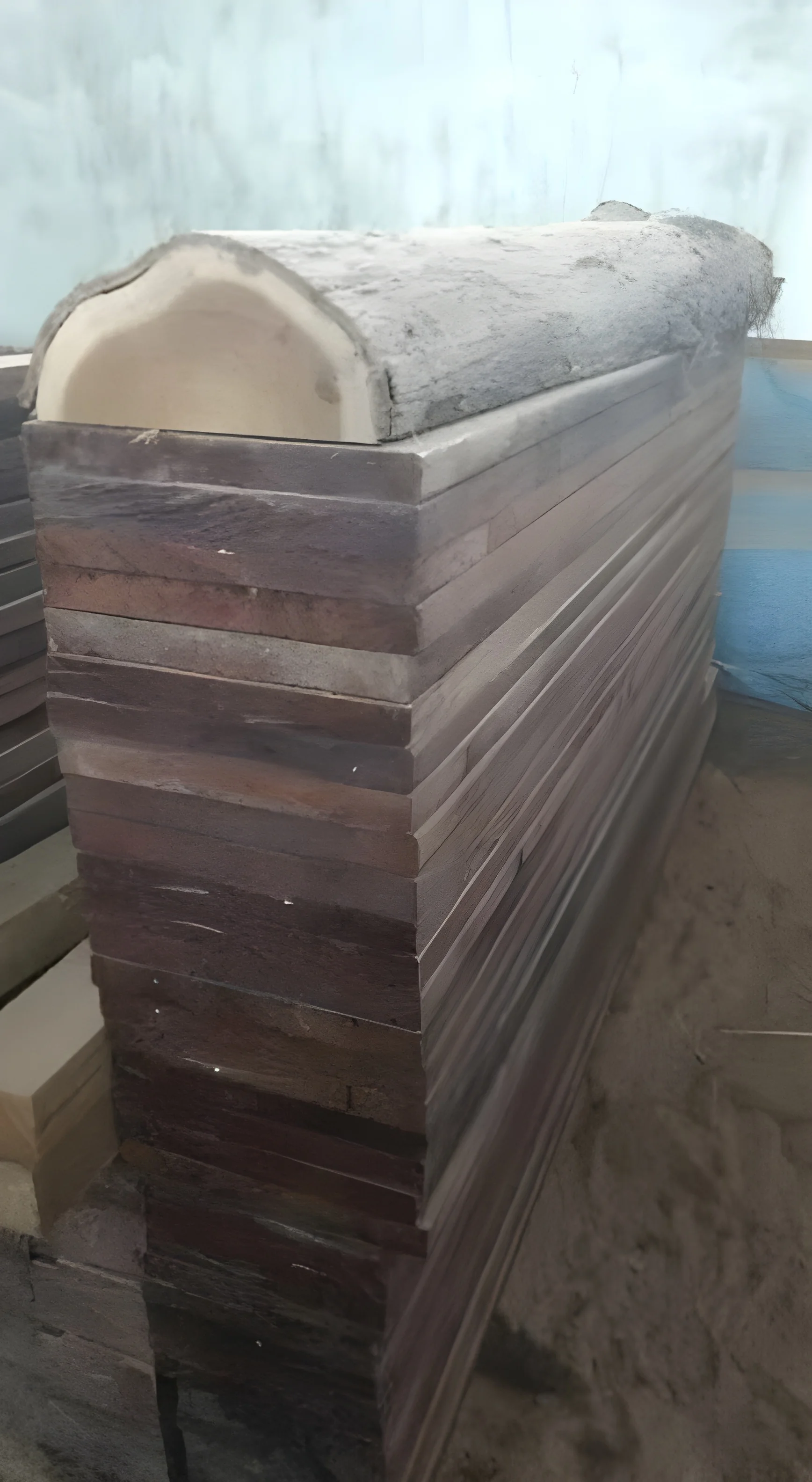
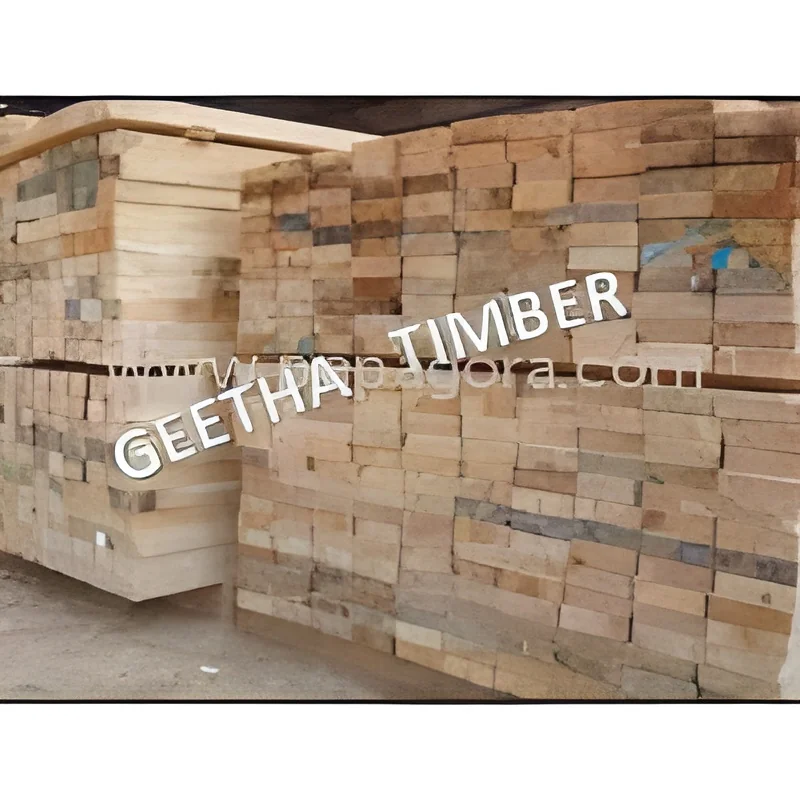
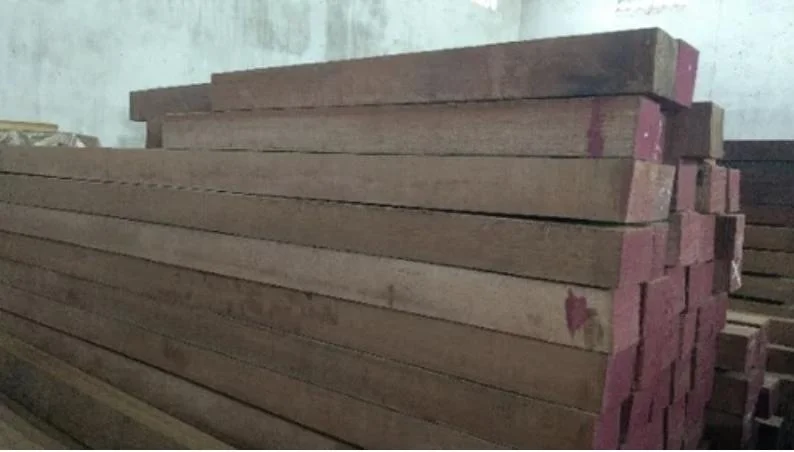
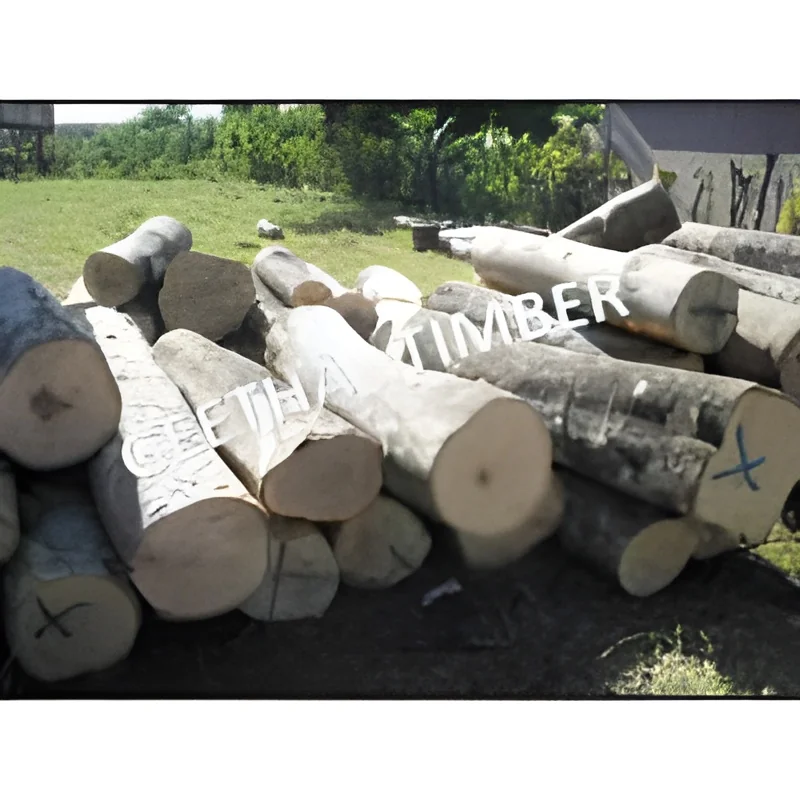
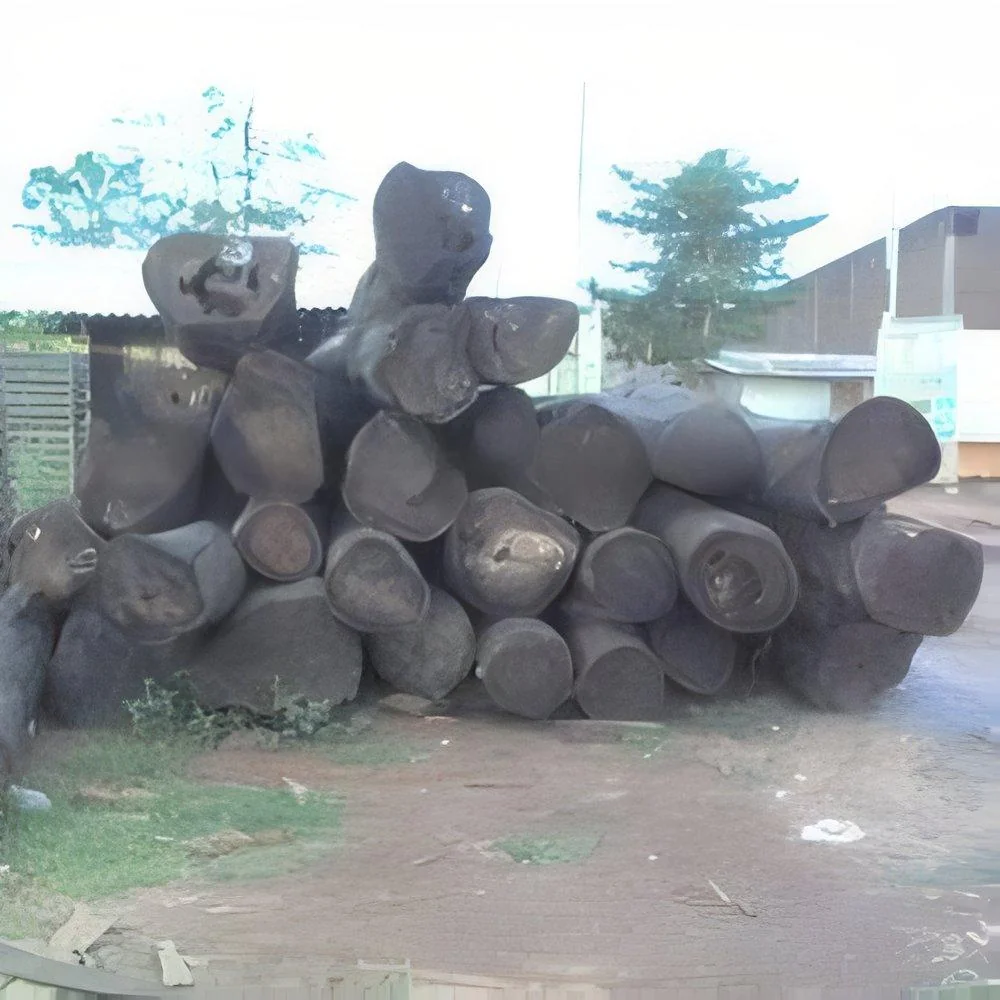
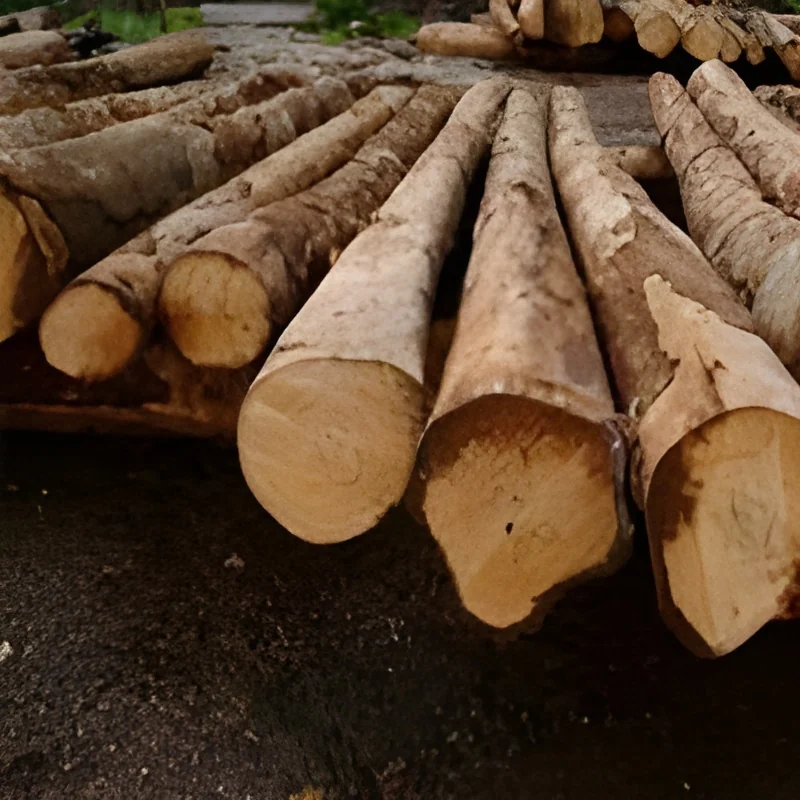
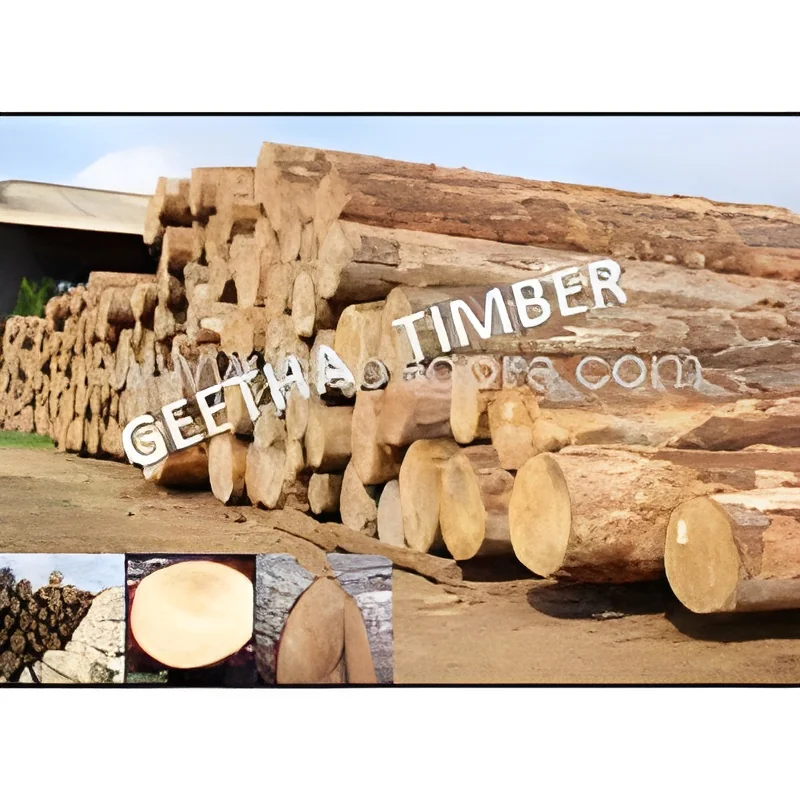
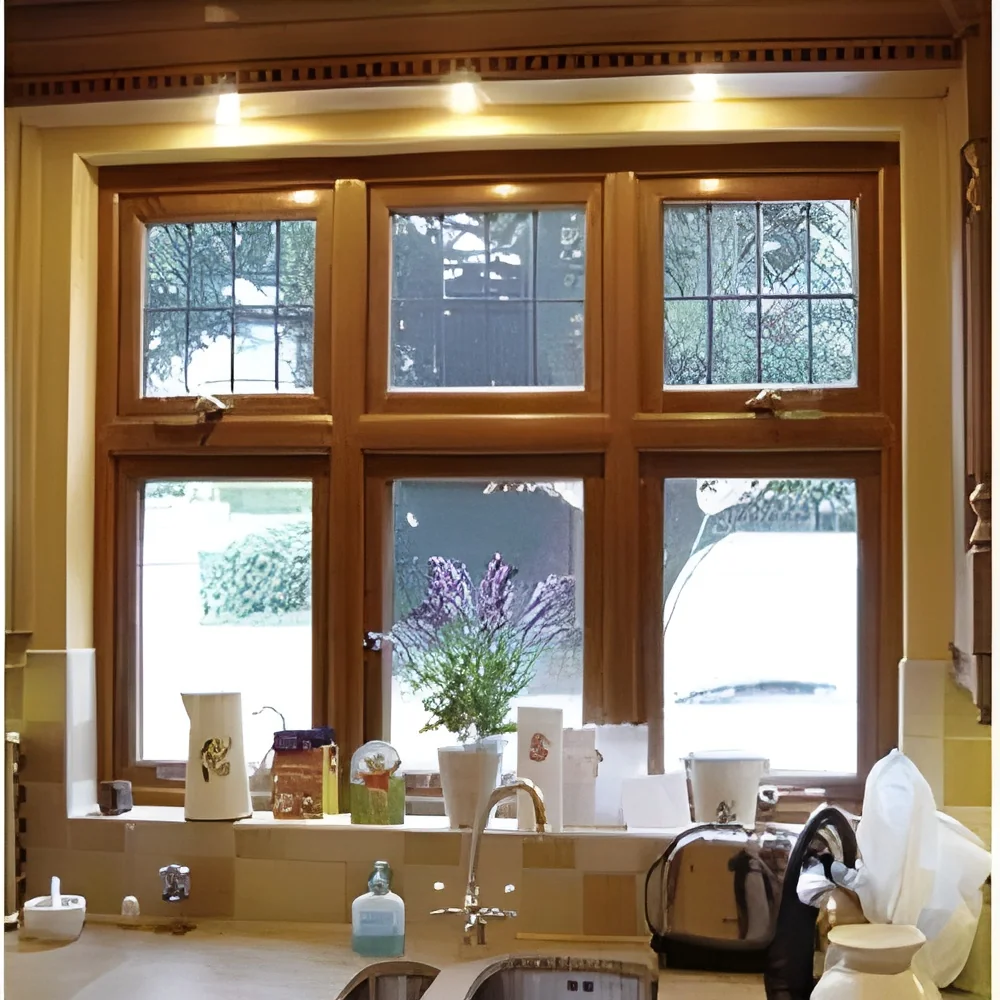
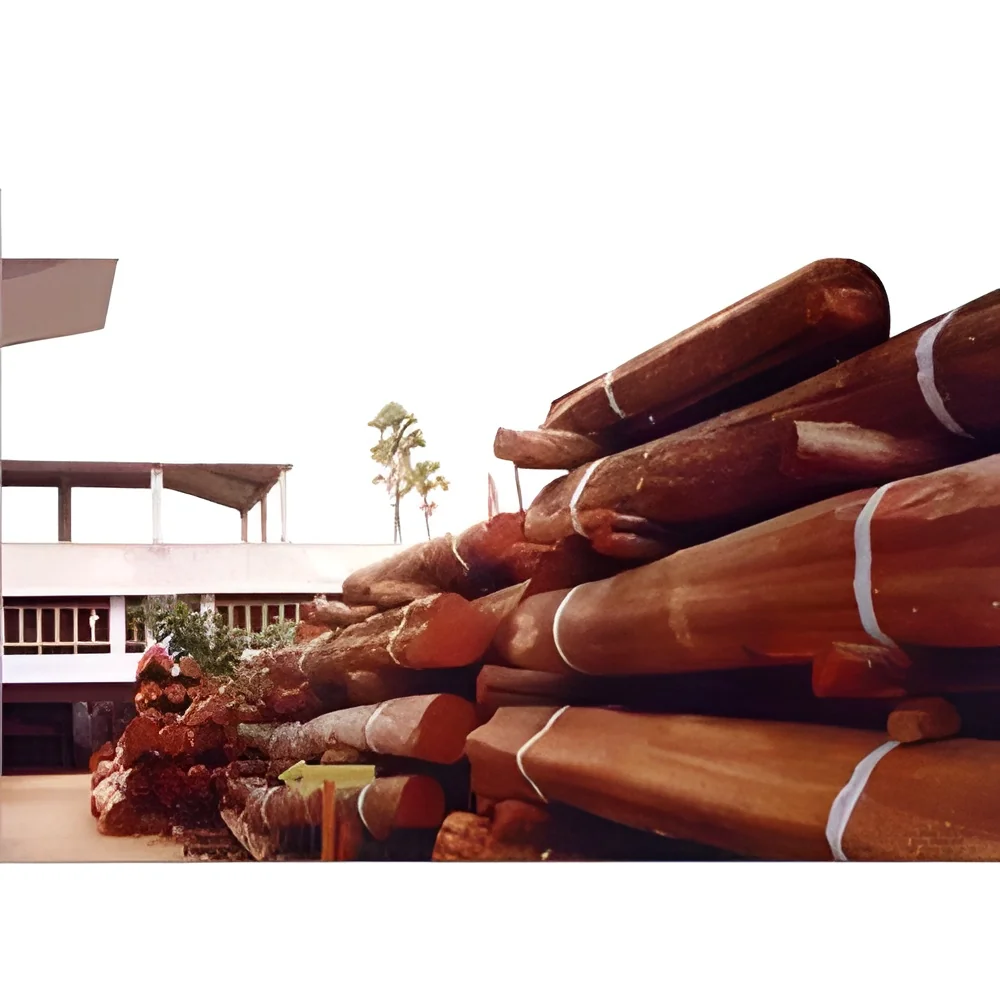
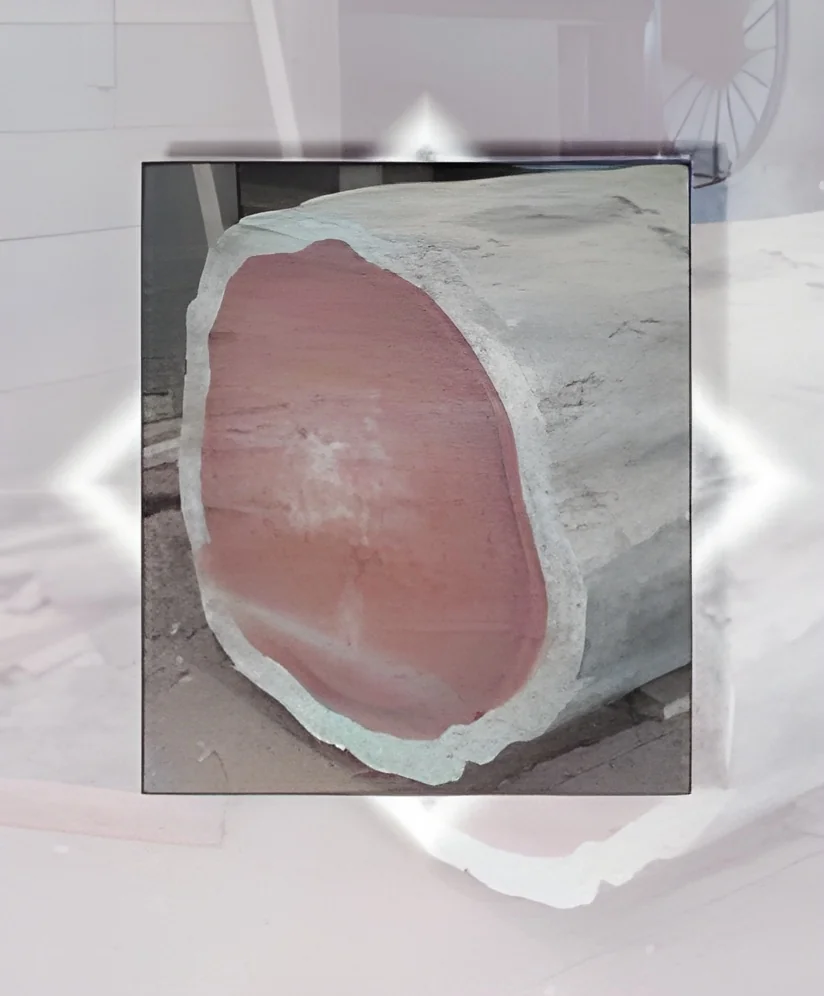
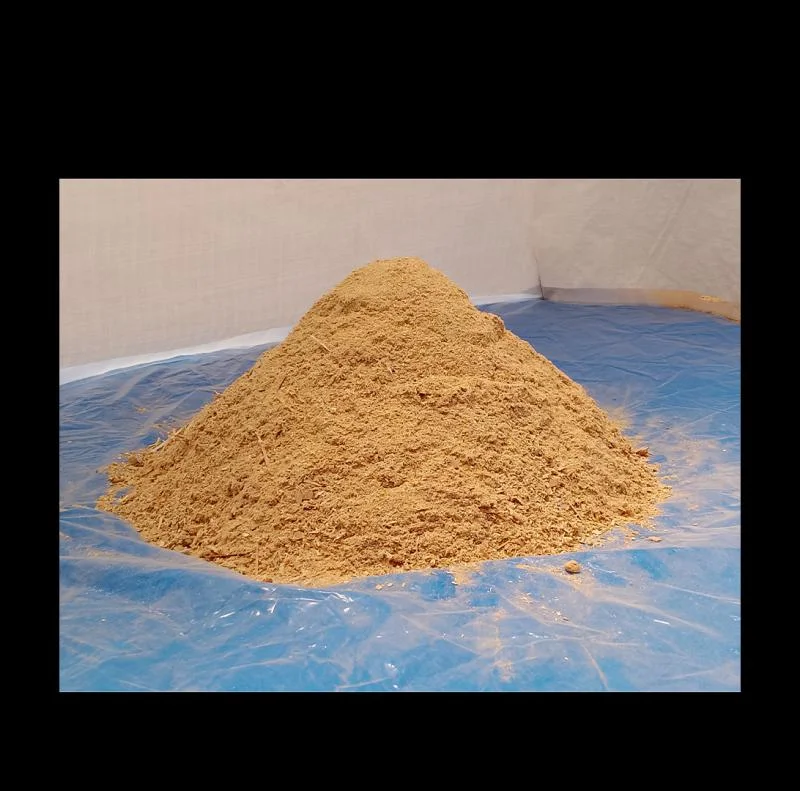
Wood, timber, and logs are essential natural resources derived from trees and are widely utilized across numerous industries. Wood refers to the fibrous material that forms the trunk and branches of trees, while timber generally describes wood that has been processed for construction purposes. Logs are the raw, unprocessed sections of trees that can be cut into lumber or other products. Together, these materials form the backbone of many construction, manufacturing, and crafting applications.
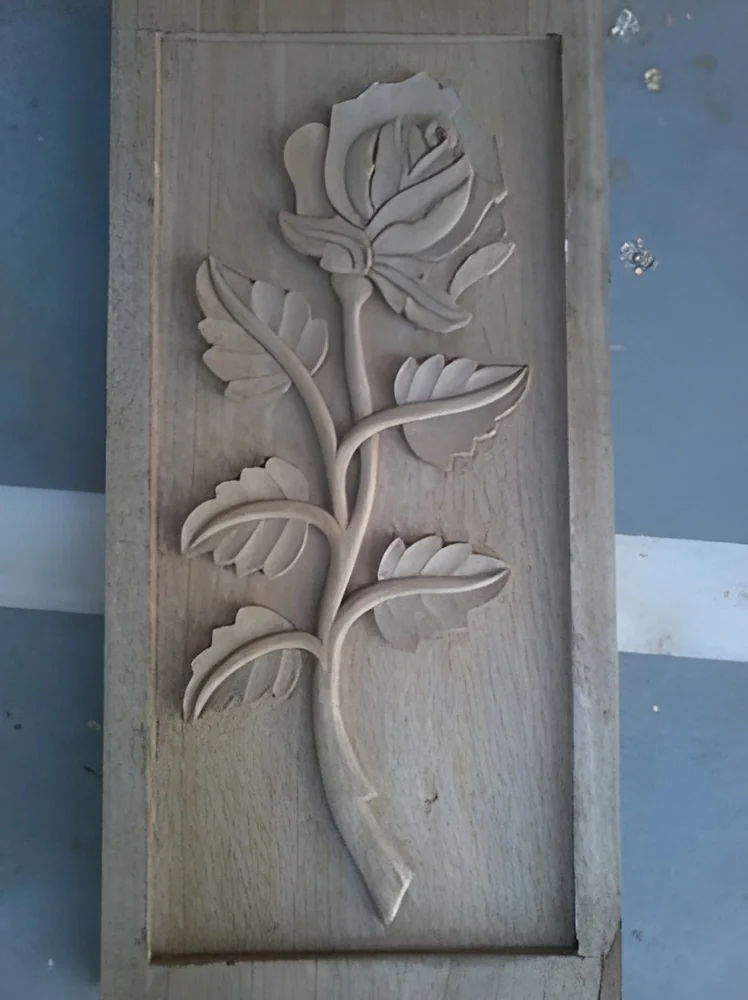
The primary uses of wood, timber, and logs include construction, furniture making, paper production, and various industrial applications. In construction, timber is used for structural components like beams and flooring, while logs serve as raw materials for milling into lumber. Additionally, wood is vital in creating decorative items, cabinetry, and even musical instruments. The versatility of wood products makes them indispensable in multiple sectors, contributing significantly to the global economy.
In terms of market context, the wood industry is influenced by sustainability practices and regulations aimed at preserving forest ecosystems. As environmental concerns grow, the demand for responsibly sourced wood products is on the rise, leading to a dynamic market that adapts to new standards and consumer preferences.
𝗞𝗲𝘆 𝗙𝗲𝗮𝘁𝘂𝗿𝗲𝘀 𝗮𝗻𝗱 𝗦𝗽𝗲𝗰𝗶𝗳𝗶𝗰𝗮𝘁𝗶𝗼𝗻𝘀
Wood, timber, and logs come with several key features and specifications that define their quality and suitability for various applications. Understanding these specifications helps buyers make informed decisions in sourcing these materials.
Key specifications include:
1. Grade Quality
- Refers to the quality classification of wood based on its appearance and structural integrity.
- Common grades include select, #1, #2, and #3, affecting price and application suitability.
2. Moisture Content
- Indicates the percentage of water present in the wood.
- Ideal moisture content varies by application, typically ranging from 6% to 12% for construction purposes.
3. Dimensional Tolerance
- Defines the acceptable limits for wood dimensions.
- Common tolerances include 1/16 inch for thickness and 1/8 inch for width and length.
4. Species Type
- Different tree species yield wood with varying characteristics.
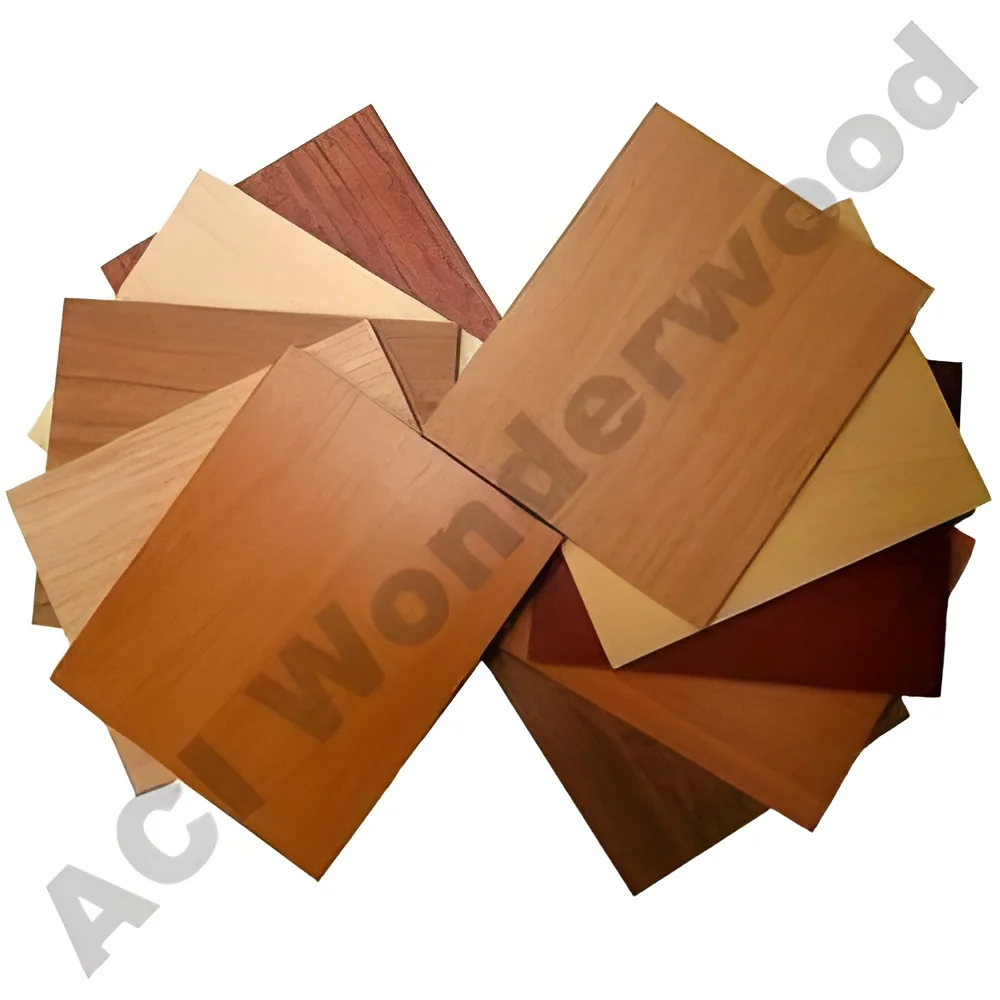
- Common species include pine, oak, maple, and cedar, each with distinct properties.
5. Treatment Process
- Refers to any chemical or physical process applied to enhance durability.
- Examples include pressure treatment for rot resistance or kiln drying for moisture control.
6. Surface Finish
- Describes the texture and appearance of the wood surface.
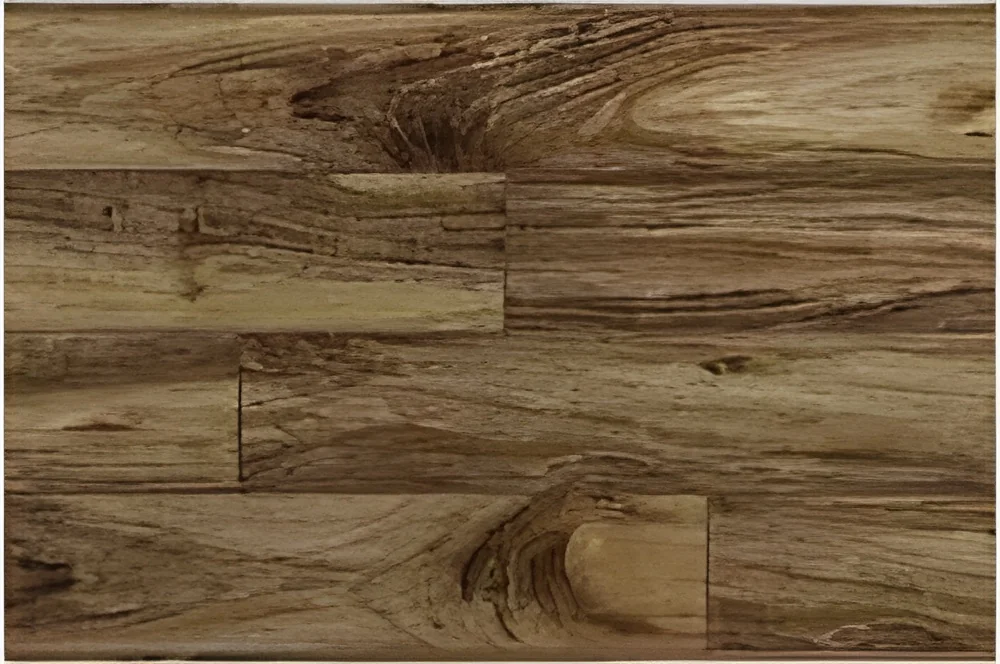
- Common finishes include rough, sanded, or planed, affecting aesthetics and usability.
7. Certification Standards
- Indicates compliance with sustainability and quality standards.
- Certifications may include FSC (Forest Stewardship Council) or PEFC (Programme for the Endorsement of Forest Certification).
8. Length and Width Options
- Available dimensions for timber and logs vary widely.
- Common lengths range from 8 to 16 feet, with widths typically from 2 to 12 inches.
Understanding these specifications can significantly influence the selection process and ensure that the right materials are sourced for specific projects.
𝗖𝗼𝗺𝗺𝗼𝗻 𝗔𝗽𝗽𝗹𝗶𝗰𝗮𝘁𝗶𝗼𝗻𝘀 𝗮𝗻𝗱 𝗨𝘀𝗲 𝗖𝗮𝘀𝗲𝘀
Wood, timber, and logs find applications across a wide range of industries, showcasing their versatility and importance.
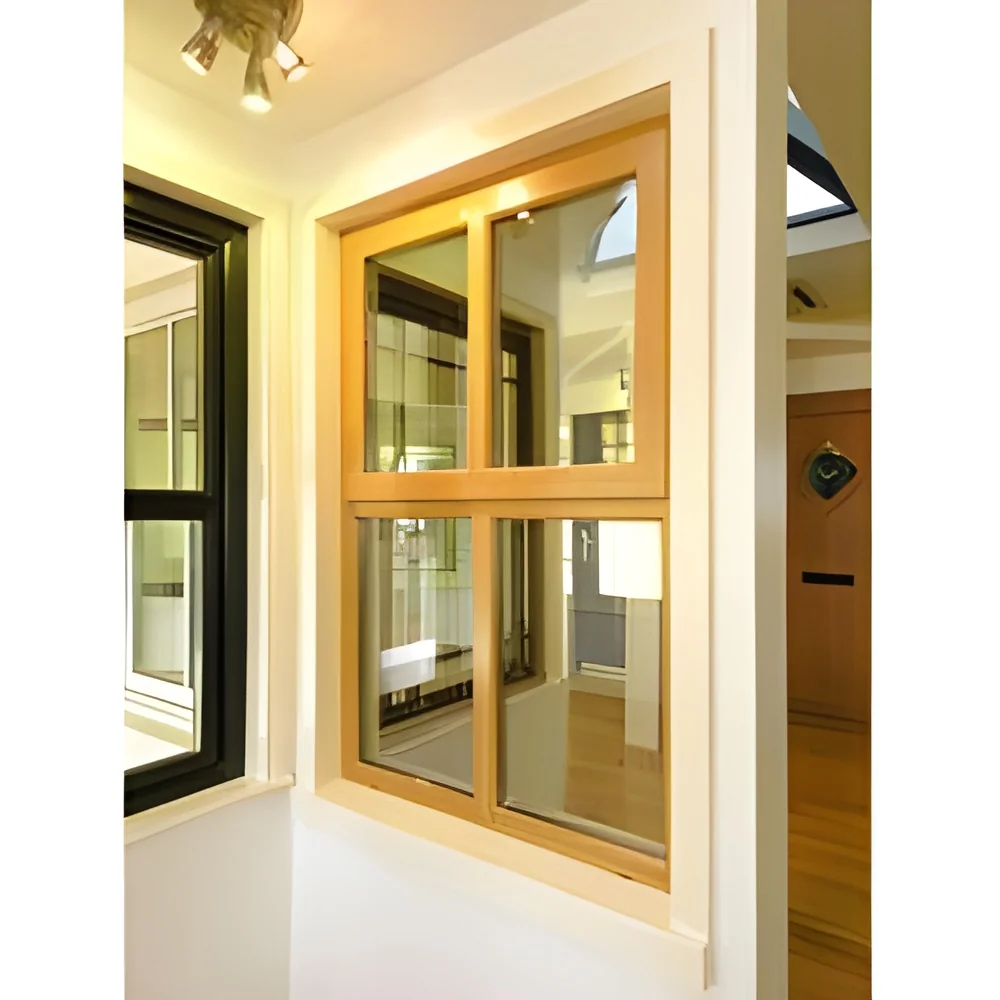
1. Construction: Wood is a primary material in residential and commercial construction, used for framing, flooring, and roofing. Its strength and flexibility make it ideal for structural applications.
2. Furniture Manufacturing: Timber is essential in producing various furniture items, including tables, chairs, and cabinets. The aesthetic appeal of wood enhances the design and durability of furniture.
3. Packaging Industry: Wood is used to create pallets, crates, and boxes for shipping and storage. Its strength and recyclability make it a preferred choice for packaging solutions.
4. Paper Production: Logs are processed into pulp for paper manufacturing. The sustainability of wood sources is increasingly important in this industry.
5. Automotive Industry: Wood components are used in certain vehicles for interior detailing and luxury finishes, showcasing wood's aesthetic qualities.
6. Musical Instruments: High-quality wood is essential in crafting musical instruments such as pianos, guitars, and violins, where sound quality is paramount.
7. Crafts and DIY Projects: Wood is favored among hobbyists and artisans for crafting various decorative items and functional pieces, allowing for creativity and personalization.
𝗣𝗿𝗼𝗱𝘂𝗰𝘁 𝗩𝗮𝗿𝗶𝗮𝗻𝘁𝘀 𝗮𝗻𝗱 𝗦𝘂𝗯𝗰𝗮𝘁𝗲𝗴𝗼𝗿𝗶𝗲𝘀
Wood, timber, and logs are available in various forms and variants, catering to diverse needs across industries.
Lumber
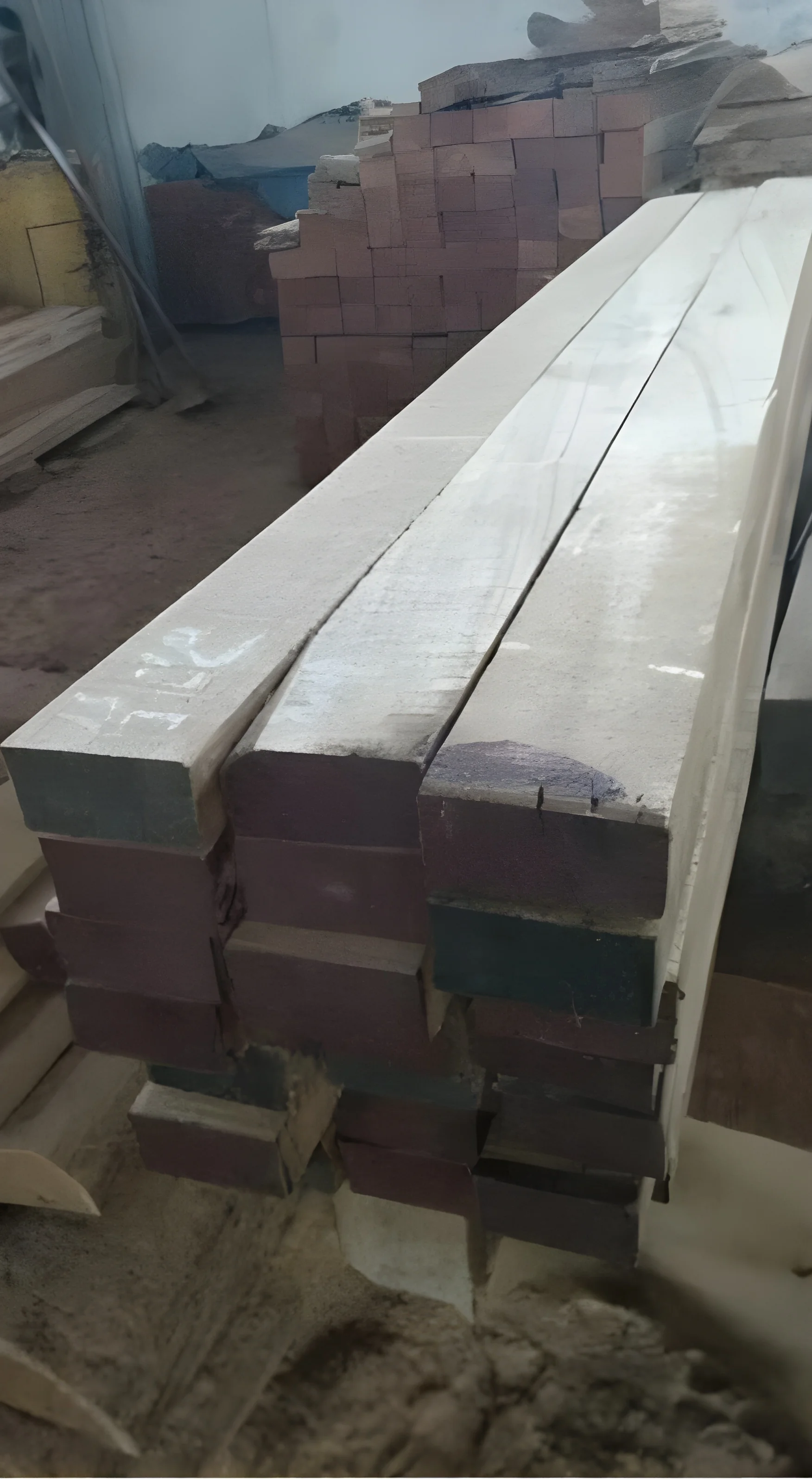
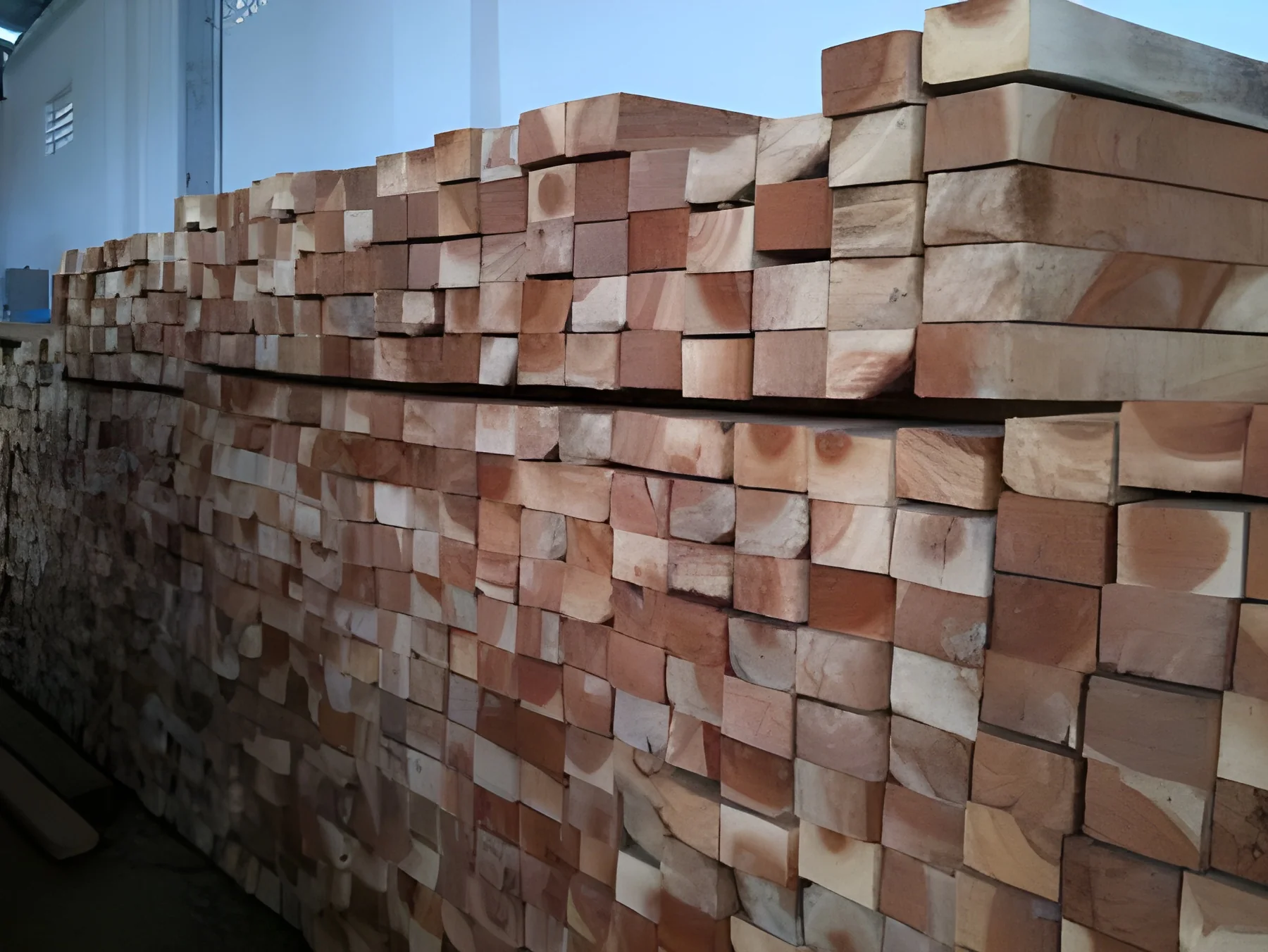
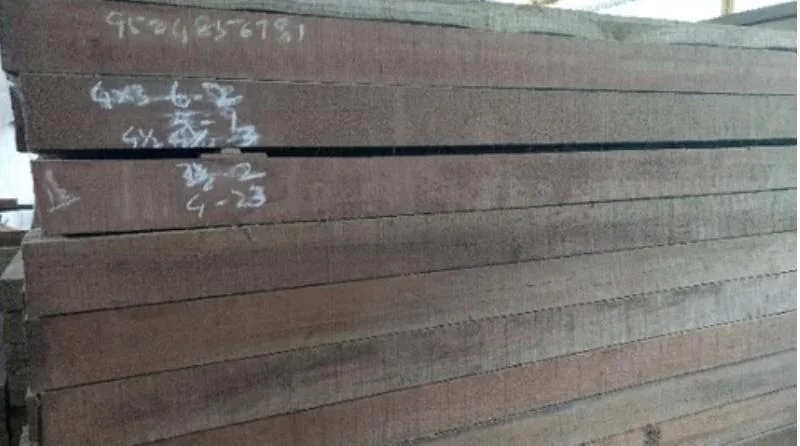
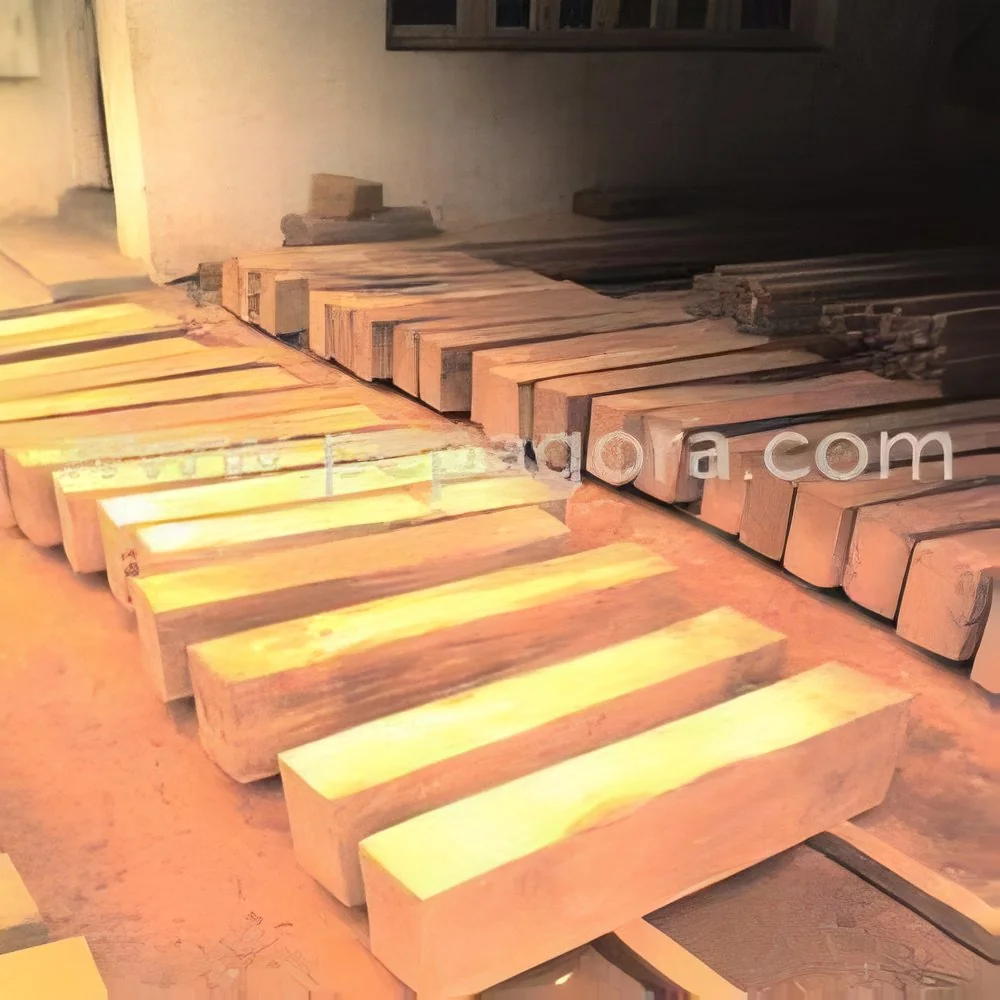
Lumber is processed wood cut into specific dimensions for construction and manufacturing applications. It is available in various grades and species, making it suitable for structural and aesthetic purposes.
Plywood
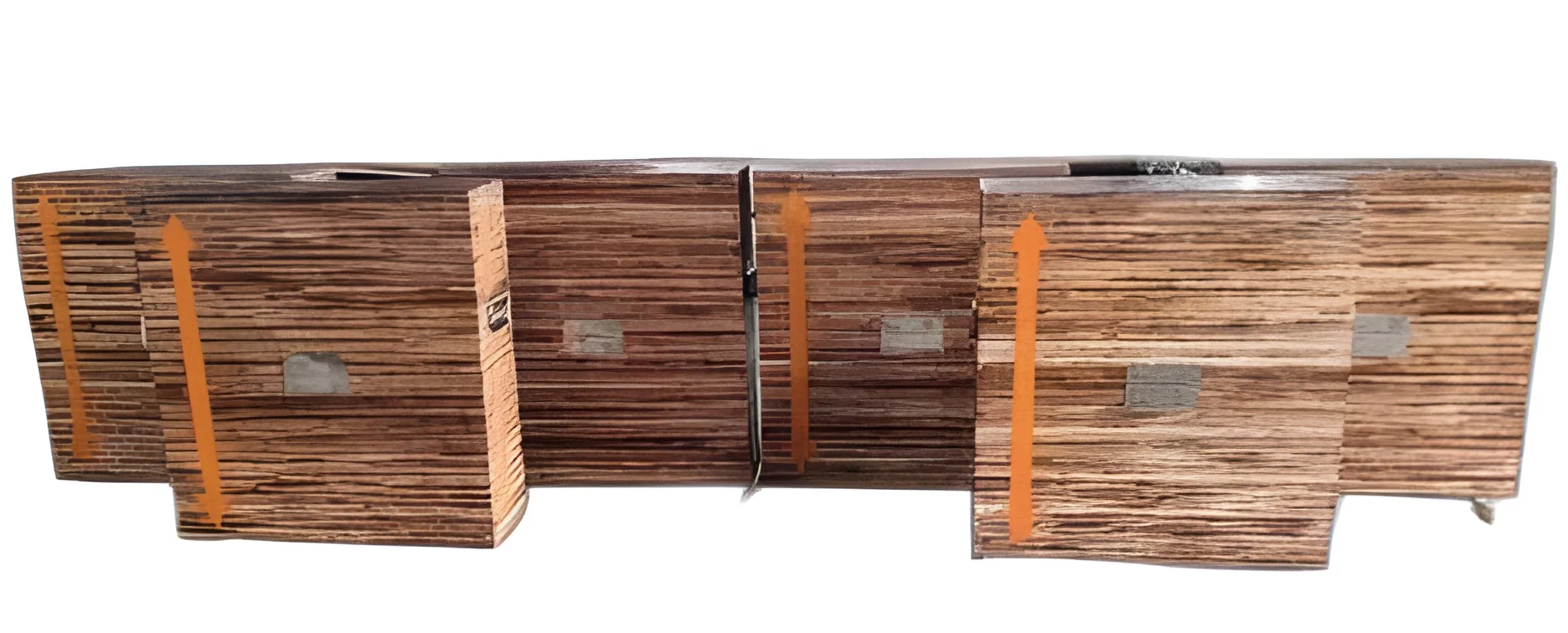
Plywood is engineered wood made by bonding thin layers of wood veneers. It is known for its strength and versatility, widely used in furniture, cabinetry, and construction.
Oriented Strand Board (OSB)
OSB is an engineered wood product made from strands of wood that are oriented and bonded together. It is commonly used for sheathing and flooring due to its durability and cost-effectiveness.
Engineered Wood Products
These products include laminated veneer lumber, glued laminated timber, and cross-laminated timber. They offer enhanced strength and stability, making them ideal for structural applications.
𝗕𝗲𝗻𝗲𝗳𝗶𝘁𝘀 𝗮𝗻𝗱 𝗔𝗱𝘃𝗮𝗻𝘁𝗮𝗴𝗲𝘀
Sourcing wood, timber, and logs provides numerous advantages for businesses seeking reliable materials.
Key benefits include:
1. Sustainability: Wood is a renewable resource when sourced responsibly, contributing to environmental conservation efforts.
2. Strength and Durability: Quality timber is known for its strength-to-weight ratio, making it suitable for various structural applications.
3. Versatility: Wood can be processed into numerous products, catering to diverse industries and applications.
4. Aesthetic Appeal: The natural beauty of wood enhances the visual appeal of products, making it a preferred choice for design-focused applications.
5. Insulation Properties: Wood has excellent thermal insulation properties, contributing to energy efficiency in buildings.
6. Cost-Effectiveness: When sourced appropriately, wood can be a cost-effective material compared to alternatives like metal or plastic.
𝗕𝘂𝘆𝗶𝗻𝗴 𝗚𝘂𝗶𝗱𝗲 𝗳𝗼𝗿 𝗕𝟮𝗕 𝗕𝘂𝘆𝗲𝗿𝘀
When sourcing wood, timber, and logs, businesses should consider several key factors to ensure a successful purchase.
1. Quality Assessment: Evaluate the quality of wood based on grading systems and moisture content. Inspect samples for defects and consistency to guarantee high standards.
2. Supplier Verification: Vet potential suppliers for reliability and reputation. Look for certifications and customer reviews to ensure a trustworthy partnership.
3. Pricing and MOQ: Understand the pricing structure and minimum order quantities (MOQ) set by suppliers. This helps in budgeting and planning for large projects.
4. Delivery and Lead Times: Discuss logistics with suppliers to confirm delivery schedules and lead times. Timely delivery is critical for project timelines.
5. Compliance Requirements: Ensure that the wood products meet local and international regulations regarding sustainability and safety, including certifications like CE.
𝗖𝗼𝗺𝗽𝗹𝗶𝗮𝗻𝗰𝗲 𝗮𝗻𝗱 𝗖𝗲𝗿𝘁𝗶𝗳𝗶𝗰𝗮𝘁𝗶𝗼𝗻𝘀
Compliance with quality standards is vital in the wood industry to ensure safety and sustainability. Key standards include ISO 9001 for quality management and HACCP for food safety in applications involving wooden packaging.
Industry certifications, such as CE, indicate that wood products meet European safety standards, ensuring they are safe for use in construction and other applications.
Safety and testing requirements must also be observed, ensuring that wood products are free from harmful chemicals and pests. Regional compliance considerations may vary, so understanding local regulations is essential for businesses sourcing wood.
𝗪𝗵𝘆 𝗦𝗼𝘂𝗿𝗰𝗲 𝗪𝗼𝗼𝗱, 𝗧𝗶𝗺𝗯𝗲𝗿 & 𝗟𝗼𝗴𝘀 𝗳𝗿𝗼𝗺 𝗣𝗲𝗽𝗮𝗴𝗼𝗿𝗮?
Pepagora provides a trusted platform for sourcing wood, timber, and logs, offering significant advantages to B2B buyers.
Verified Supplier Network: Pepagora features a robust network of verified suppliers, ensuring that buyers can trust the quality and authenticity of the products offered.
Streamlined RFQ Process: The platform simplifies the request for quotation (RFQ) process, allowing buyers to easily compare prices and specifications from multiple suppliers, facilitating informed purchasing decisions.
Trade Assurance and Support: Pepagora offers trade assurance to protect buyers against potential issues, providing support throughout the sourcing process to ensure a smooth transaction.
Regional Coverage: With a strong presence in India, the GCC, and Southeast Asia, Pepagora connects buyers with local suppliers, enhancing accessibility and reducing logistical challenges in sourcing wood products.

 IN
IN