What are Wood Traders & Suppliers?
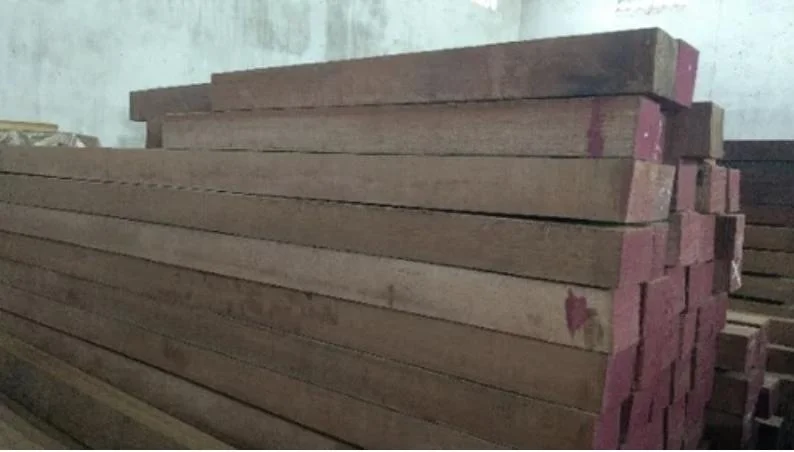
Wood traders and suppliers are businesses that specialize in the sourcing, processing, and distribution of various types of wood products. They play a crucial role in the supply chain, connecting manufacturers, builders, and retailers with high-quality wood materials for construction, furniture, and other applications. These companies often have extensive networks to procure wood from sustainable sources, ensuring that they can meet diverse customer demands.
The primary uses of wood traded by these suppliers include construction materials, furniture manufacturing, and decorative applications. Wood is a versatile material used in everything from structural beams to fine cabinetry. Wood traders provide various forms, such as lumber, plywood, and engineered wood products, catering to varied industrial needs. Their ability to offer customized solutions and maintain inventory for immediate delivery enhances their value in the marketplace.
In the current market context, wood traders and suppliers operate within a dynamic environment influenced by factors such as sustainability trends, regulatory frameworks, and fluctuating demand in construction and manufacturing sectors. The increasing awareness around sourcing sustainable wood has led many suppliers to adopt eco-friendly practices, making them integral to the green building movement.
Key Features and Specifications
Wood traders and suppliers offer a wide range of products with various specifications to meet industry requirements. Understanding these specifications can help customers make informed decisions.
Key specifications include:
1. Wood Type
- Different species such as pine, oak, and mahogany
- Each type comes with unique properties like hardness and grain pattern
2. Grade Quality
- Standards such as select grade, common grade, and structural grade
- Impacts appearance and suitability for different applications
3. Dimensions
- Length, width, and thickness available in standard and custom sizes
- Common dimensions include 2x4, 1x6, and plywood sheets
4. Treatment Process
- Options like pressure-treated, kiln-dried, or untreated
- Impacts durability and resistance to pests and moisture
5. Moisture Content
- Typically ranges from 6% to 20% for various applications
- Affects stability and suitability for indoor or outdoor use
6. Certification
- Compliance with standards such as CE marking for safety
- Indicates responsible sourcing and environmental considerations
7. Packaging and Delivery Options
- Various methods for bulk or packaged delivery
- Ensures safe transport and minimizes damage during shipping
In summary, the specifications of wood products provided by traders and suppliers are critical in determining their suitability for specific applications and ensuring compliance with industry standards.
Common Applications and Use Cases
Wood traders and suppliers serve a multitude of industries, providing essential materials for various applications.
1. Construction: Wood is a primary material in residential and commercial building projects, used for framing, flooring, and roofing.
2. Furniture Manufacturing: High-quality wood is essential for crafting durable and aesthetically pleasing furniture pieces.
3. Interior Design: Wood adds warmth and character to interiors, with applications in cabinetry, moldings, and decorative elements.
4. Packaging: Wood is often used in pallets and crates for shipping goods, providing strength and reliability.
5. Crafts and DIY Projects: Small-scale wood supplies are popular among hobbyists for creating custom projects and art pieces.
6. Landscaping: Wood is utilized in outdoor structures like decks, fences, and garden beds, enhancing both functionality and aesthetics.
7. Musical Instruments: Certain woods are favored for their acoustic properties in the manufacture of instruments like pianos and guitars.
Product Variants and Subcategories
Wood traders and suppliers offer a diverse array of products to cater to different industry needs. This diversity allows businesses to find specific solutions that meet their requirements.
Lumber
Lumber is one of the most common forms of wood supplied by traders. It is available in various sizes and grades, making it suitable for construction and furniture applications. Different species provide unique characteristics, ensuring options for both strength and appearance.
Plywood
Plywood is a versatile engineered wood product made from thin layers of wood veneer. It offers strength, stability, and resistance to warping, making it ideal for use in furniture, cabinetry, and construction. Various thicknesses and grades are available to meet specific project needs.
MDF (Medium Density Fiberboard)
MDF is an engineered wood product made from wood fibers and resin. It is smooth and easy to work with, making it popular for furniture and cabinetry. Its uniformity allows for intricate designs and finishes.
Benefits and Advantages
Sourcing wood from reliable traders and suppliers offers numerous advantages for businesses.
1. Quality Assurance: Reliable suppliers ensure high-quality materials that meet industry standards, reducing the risk of defects in final products.
2. Diverse Selection: A wide variety of wood types and grades allows businesses to find materials that perfectly suit their specific applications.
3. Sustainable Sourcing: Many wood suppliers focus on sustainable practices, providing eco-friendly options that align with environmental goals.
4. Competitive Pricing: Established suppliers often have better pricing due to larger volumes and efficient supply chain management.
5. Expert Guidance: Experienced suppliers can provide valuable insights and recommendations, helping customers make informed purchasing decisions.
6. Timely Delivery: Reliable suppliers ensure that products are delivered on time, minimizing project delays and improving overall efficiency.
Buying Guide for B2B Buyers
When sourcing wood traders and suppliers, it is essential to consider several factors to ensure that you choose the right partner.
1. Quality Assessment: Evaluate the quality of wood products by checking certifications and requesting samples. Ensure that the wood meets your project specifications.
2. Supplier Verification: Conduct thorough research on suppliers to verify their reputation, experience, and reliability. Look for reviews and testimonials from previous customers.
3. Pricing and MOQ: Understand the pricing structure and minimum order quantities (MOQ) required by suppliers. This helps in budgeting and ensures that you can meet your project needs.
4. Delivery and Lead Times: Inquire about delivery options and lead times to ensure timely receipt of materials. Timeliness is crucial in preventing project delays.
5. Compliance Requirements: Familiarize yourself with any regulatory compliance and certification requirements applicable to the wood products you plan to source. Ensuring compliance avoids legal issues down the line.
Compliance and Certifications
Compliance and certifications play a vital role in the wood trading industry, ensuring that products meet quality and safety standards. Key quality standards include ISO 9001, which focuses on quality management systems, and CE marking, indicating compliance with European safety standards.
Wood products may also be subject to safety and testing requirements, ensuring they are safe for use in various applications. Traders should maintain documentation to demonstrate compliance with regional regulations, especially in markets with stringent environmental laws.
Regional considerations also play an essential role, as different regions may have specific regulations governing the sourcing and use of wood products. Suppliers must stay informed about these regulations to ensure their products meet all necessary standards.
Why Source Wood Traders & Suppliers from Pepagora?
Pepagora provides a trusted platform for sourcing wood traders and suppliers, offering several key advantages to businesses.
Verified Supplier Network: Pepagora maintains a network of verified suppliers, ensuring that businesses can connect with reputable partners. This verification process adds a layer of security when selecting suppliers.
Streamlined RFQ Process: The platform features a streamlined request for quotation (RFQ) system that simplifies the buying process. Buyers can easily compare quotes from multiple suppliers, allowing for informed decision-making.
Trade Assurance and Support: Pepagora offers trade assurance and support services, providing buyer protection throughout the sourcing process. This builds confidence in transactions and helps mitigate risks.
Regional Coverage: With a focus on regions like India, GCC, and Southeast Asia, Pepagora helps businesses find local suppliers, reducing delivery times and logistics costs. This regional coverage enhances accessibility and support for diverse industry needs.

 IN
IN