What are Round Logs?
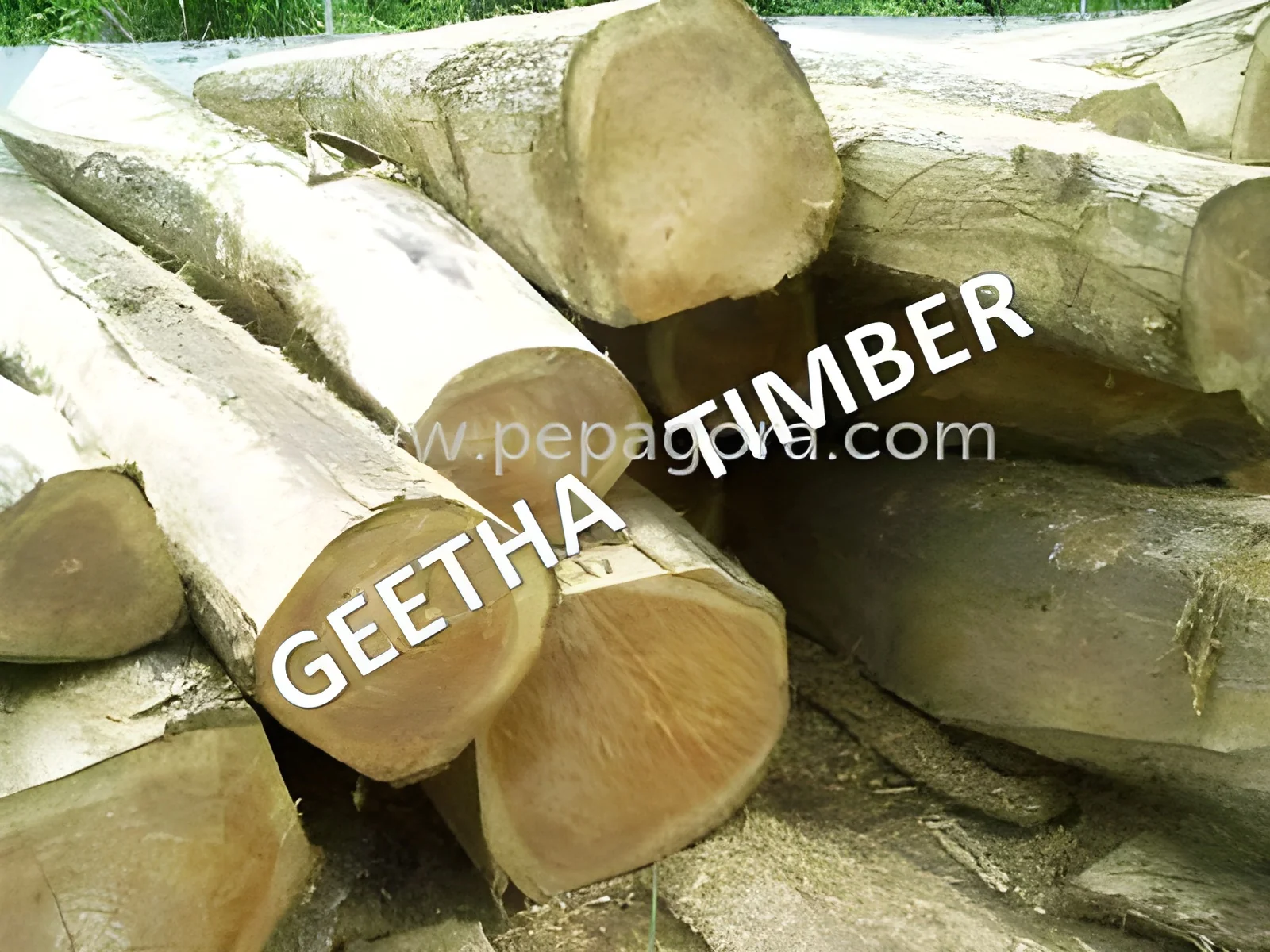
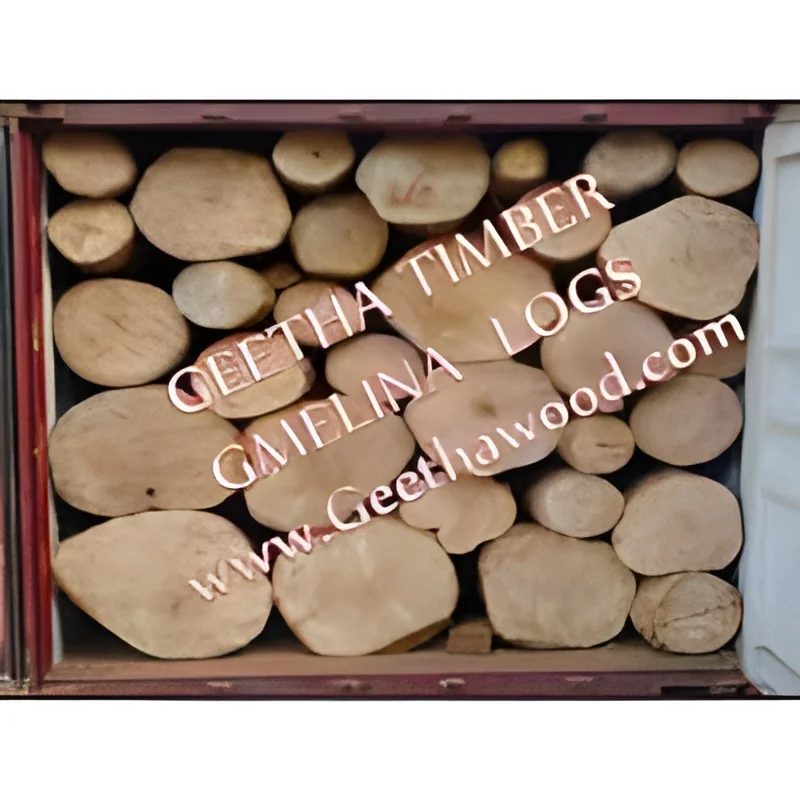
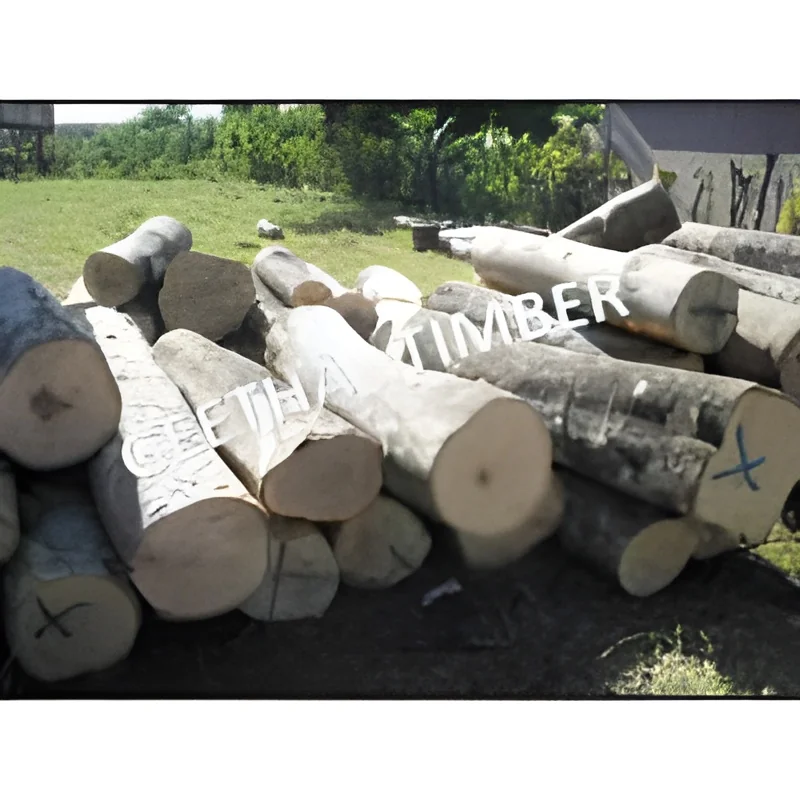
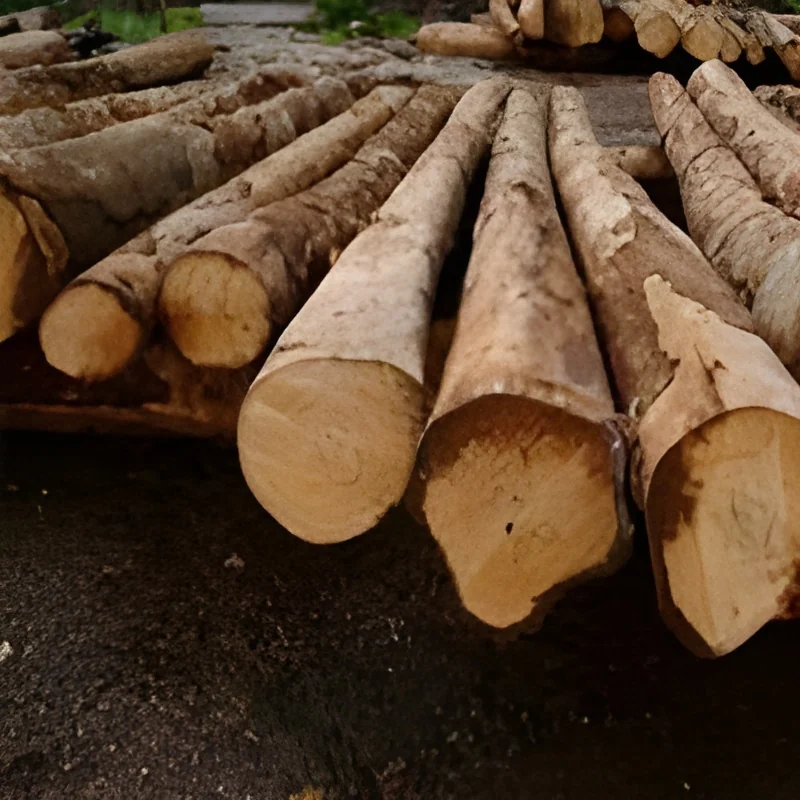
Round logs are cylindrical pieces of wood, typically harvested from trees, that have been cut to various lengths and diameters. They are used in a wide range of applications due to their structural integrity and natural properties. Round logs can be sourced from different tree species, each possessing unique characteristics that make them suitable for specific uses. The production and processing of round logs involve careful selection and grading to ensure quality and performance in various applications.
These logs are primarily utilized in construction, furniture manufacturing, and landscaping. In construction, round logs serve as beams or support structures, while in furniture manufacturing, they are transformed into tables, chairs, and decorative pieces. Additionally, round logs are often employed in landscaping for features such as garden borders, retaining walls, and play structures. The versatility of round logs makes them a staple in several industries, contributing to their relevance in the market.
Key Features and Specifications
Round logs come with a variety of features and specifications that cater to different industrial needs. Understanding these specifications helps buyers select the right product for their applications.
Key specifications include:
1. Diameter
- Ranges from 4 inches to 24 inches depending on the species and application.
- Larger diameters are typically used in construction, while smaller ones may be suited for furniture.
2. Length
- Available in standard lengths of 6, 8, 10, and 12 feet.
- Custom lengths can be requested based on project requirements.
3. Wood Species
- Common species include Pine, Oak, Cedar, and Spruce.
- Each species has distinct properties affecting durability, appearance, and application.
4. Moisture Content
- Typically ranges from 10% to 20%.
- Lower moisture content is preferred for construction applications to prevent warping.
5. Grading
- Logs are graded based on quality, knots, and structural integrity.
- Higher grades are used for visible applications like furniture.
6. Treatment
- Logs may be treated for pest resistance and longevity.
- Common treatments include pressure treatment and chemical preservatives.
7. Finish
- Available in rough or smooth finishes.
- Smooth finishes are often used for furniture to enhance aesthetic appeal.
In summary, understanding the features and specifications of round logs is critical for ensuring they meet the specific needs of various industries.
Common Applications and Use Cases
Round logs serve various industries with a wide range of applications.
1. Construction: Round logs are commonly used as structural beams in residential and commercial buildings. They provide excellent support and aesthetic appeal in log cabin designs.
2. Furniture Manufacturing: Manufacturers utilize round logs to create rustic furniture pieces such as tables, chairs, and benches. The natural grain and texture of wood add character to the finished products.
3. Landscaping: In landscaping, round logs are used as decorative elements, garden borders, and retaining walls. They help define spaces and provide natural beauty to outdoor areas.
4. Agriculture: Round logs are utilized in agriculture for fencing and as supports for trellises. They provide durability and weather resistance in outdoor settings.
5. Craft and DIY Projects: Hobbyists and craftsmen use round logs for various DIY projects, including sculptures, birdhouses, and other decorative items.
6. Energy Production: Some round logs are processed into biomass for energy production. They can be converted into pellets or used directly as firewood.
7. Marine Applications: Round logs are also used in building docks, piers, and other marine structures due to their strength and resistance to water damage.
Product Variants and Subcategories
Round logs are diverse in nature, catering to a variety of needs and applications.
Standard Round Logs: These are the most common type, typically used in construction and landscaping. They are available in various sizes and species, making them adaptable for many uses.
Kiln-Dried Round Logs: These logs are dried in a kiln to reduce moisture content, making them less prone to warping and cracking. They are ideal for furniture manufacturing and indoor applications.
Treated Round Logs: These logs undergo chemical treatment to enhance durability and resistance to pests and decay. They are often used in outdoor applications such as fencing and landscaping.
Custom Round Logs: Some suppliers offer logs that can be customized to meet specific project requirements. This may include unique lengths, diameters, or species based on buyer needs.
Benefits and Advantages
Sourcing round logs offers numerous advantages for businesses across various sectors.
Key benefits include:
1. Versatility: Round logs can be used in multiple applications, from construction to crafting, making them a flexible choice for buyers.
2. Natural Aesthetic: The natural beauty of wood adds character to any project, enhancing the overall design and appeal of the final product.
3. Structural Integrity: With proper selection and grading, round logs provide strong support and durability for construction and furniture applications.
4. Sustainable Resource: When sourced responsibly, round logs can be a sustainable material, contributing to environmentally friendly practices.
5. Availability: Round logs are widely available from various suppliers, ensuring that businesses can find the right products to meet their needs.
6. Cost-Effectiveness: Round logs can often be sourced at competitive prices, providing value for businesses looking for quality materials without excessive costs.
Buying Guide for B2B Buyers
When sourcing round logs, there are several important factors to consider.
1. Quality Assessment: Ensure that the logs meet specific quality criteria such as grading and species. This helps in selecting logs that will perform well in their intended applications.
2. Supplier Verification: Vet suppliers thoroughly to ensure they provide high-quality products and maintain ethical sourcing practices. Checking references and certifications can add confidence.
3. Pricing and MOQ: Understand the pricing structure and minimum order quantities required by suppliers. This helps in budgeting and planning for inventory needs.
4. Delivery and Lead Times: Discuss logistics with suppliers to determine delivery options and lead times. Timely delivery is crucial for project scheduling.
5. Compliance Requirements: Be aware of any regulatory or compliance standards that may apply to the use of round logs in your region or industry. This ensures adherence to safety and quality guidelines.
Compliance and Certifications
Round logs are subject to various quality standards and certifications that ensure safety and performance. Compliance with standards such as ISO 9001 helps guarantee that the manufacturing processes meet international quality management criteria.
In addition, obtaining certifications like CE indicates that the products meet European safety standards, providing assurance to buyers regarding the safety and quality of the logs.
Safety and testing requirements often include evaluations for moisture content, structural integrity, and resistance to pests. These tests are essential for ensuring that the logs are suitable for their intended applications.
Regional compliance considerations may vary, so it is important for buyers to be informed about local regulations regarding wood products and sourcing practices.
Why Source Round Logs from Pepagora?
Pepagora provides a trusted platform for sourcing round logs, offering several key advantages for businesses.
Verified Supplier Network: Pepagora connects buyers with verified suppliers, ensuring that they can source high-quality round logs from reputable manufacturers. This network is carefully vetted to maintain standards.
Streamlined RFQ Process: The request for quotation (RFQ) process is simplified on Pepagora, allowing buyers to easily obtain competitive pricing and compare offers from multiple suppliers in one place.
Trade Assurance and Support: Pepagora offers trade assurance, providing buyers with protection in their transactions. This support helps to ensure that businesses can focus on their projects without concern.
Regional Coverage: With a wide geographic reach covering India, GCC, and Southeast Asia, Pepagora can facilitate sourcing for businesses in various locations, ensuring that round logs are accessible to a broad market.

 IN
IN