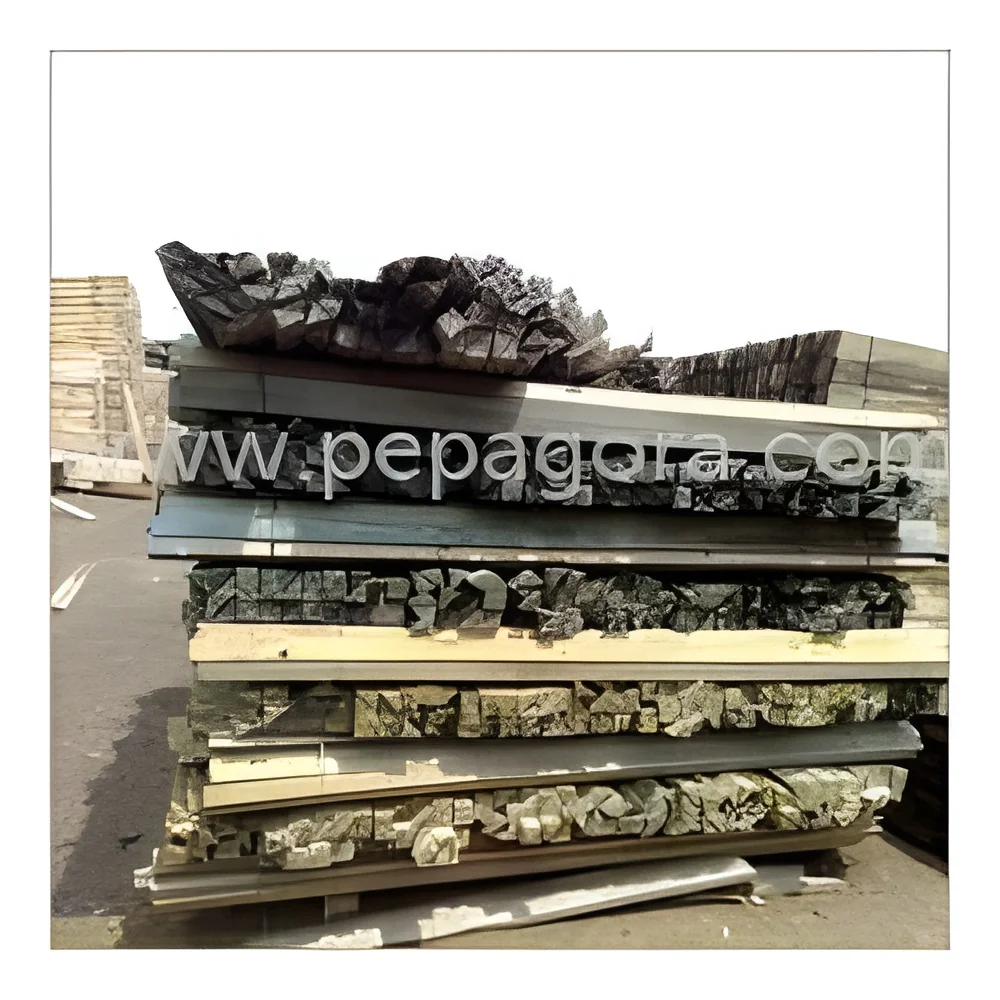
What are Softwood Timber (Pine, Spruce, Cedar)?
Softwood timber, particularly varieties like pine, spruce, and cedar, is sourced from coniferous trees. These species are characterized by their needle-like leaves and cone-bearing seeds. Softwood timber is known for its lightweight, workability, and versatility in various applications. It is often preferred in construction and manufacturing due to its ease of use and availability.
Pine is commonly used in furniture and cabinetry, while spruce is favored for its strength-to-weight ratio, making it ideal for structural applications. Cedar is well-known for its natural resistance to decay and insects, making it suitable for outdoor structures. The industrial relevance of softwood timber is significant, as it supports various sectors, including construction, furniture manufacturing, and packaging, contributing to a robust market environment.
๐๐ฒ๐ ๐๐ฒ๐ฎ๐๐๐ฟ๐ฒ๐ ๐ฎ๐ป๐ฑ ๐ฆ๐ฝ๐ฒ๐ฐ๐ถ๐ณ๐ถ๐ฐ๐ฎ๐๐ถ๐ผ๐ป๐
Softwood timber offers a range of features and specifications that enhance its usability across different applications. These characteristics contribute to its desirability in the marketplace.
Key specifications include:
1. Density
- Varies by species; typically ranges from 300 to 600 kg/m3
- Affects strength and weight characteristics
2. Moisture Content
- Generally between 12% to 20% for optimal use
- Critical for preventing warping and splitting
3. Strength Grade
- Specified according to standards like visual grading or machine grading
- Ensures suitability for structural applications
4. Surface Finish
- Can be left rough, sanded, or treated
- Influences aesthetics and durability
5. Dimensions
- Available in various sizes; commonly in lengths of 2 to 6 meters
- Custom sizes may be available based on project requirements
6. Treatment Options
- Can be pressure-treated for increased durability
- Options for chemical or thermal treatments to enhance performance
7. Sustainability
- Sourced from managed forests; certifications may apply
- Supports eco-friendly construction practices
8. Color and Grain Patterns
- Varies by species; pine is light yellow, spruce is pale, and cedar has reddish-brown tones
- Affects aesthetic appeal in design applications
Softwood timber's diverse features make it a suitable choice for many industries, ensuring its continued relevance in the market.
๐๐ผ๐บ๐บ๐ผ๐ป ๐๐ฝ๐ฝ๐น๐ถ๐ฐ๐ฎ๐๐ถ๐ผ๐ป๐ ๐ฎ๐ป๐ฑ ๐จ๐๐ฒ ๐๐ฎ๐๐ฒ๐
Softwood timber finds extensive applications across various industries due to its properties and versatility.
1. Construction: Softwood timber is widely used in framing, flooring, and roofing due to its strength and lightweight nature.
2. Furniture Manufacturing: Pine and cedar are popular choices for making furniture, offering both durability and aesthetic appeal.
3. Packaging: Softwood is often used in pallets and crates, providing a reliable and cost-effective solution for shipping goods.
4. Interior Design: Softwood beams and paneling are favored for their natural beauty, enhancing the visual appeal of interior spaces.
5. Outdoor Structures: Cedar's natural resistance to decay makes it ideal for decking, fencing, and garden furniture.
6. Musical Instruments: Spruce is often used in the production of instrument soundboards due to its acoustic properties.
7. Paper Production: Softwood fibers are essential for producing various paper products, contributing to the paper industry.
๐ฃ๐ฟ๐ผ๐ฑ๐๐ฐ๐ ๐ฉ๐ฎ๐ฟ๐ถ๐ฎ๐ป๐๐ ๐ฎ๐ป๐ฑ ๐ฆ๐๐ฏ๐ฐ๐ฎ๐๐ฒ๐ด๐ผ๐ฟ๐ถ๐ฒ๐
Softwood timber includes a variety of species, each with unique characteristics suitable for specific applications.
Pine
Pine wood is known for its affordability and ease of use. It is commonly used in furniture and cabinetry, providing a warm aesthetic. Its versatility allows it to be utilized in various construction applications as well.
Spruce
Spruce timber is renowned for its strength and lightweight nature. It is often used in structural applications, such as beams and trusses, due to its excellent load-bearing capacity. Its fine grain also makes it ideal for high-quality finishes.
Cedar
Cedar wood is valued for its natural resistance to moisture and pests. It is frequently used in outdoor applications such as decking and siding. Its pleasant aroma and unique color also make it a popular choice for decorative items.
๐๐ฒ๐ป๐ฒ๐ณ๐ถ๐๐ ๐ฎ๐ป๐ฑ ๐๐ฑ๐๐ฎ๐ป๐๐ฎ๐ด๐ฒ๐
Softwood timber offers numerous benefits that make it a preferred choice for many businesses.
1. Cost-Effectiveness: Softwood is generally more affordable than hardwood, making it accessible for various projects.
2. Workability: Softwood is easier to cut and shape, allowing for efficient construction and manufacturing processes.
3. Lightweight: The low density of softwood timber makes it easier to handle and transport, reducing shipping costs.
4. Natural Resistance: Certain species, like cedar, possess natural resistance to decay and insects, enhancing product longevity.
5. Versatile Applications: Softwood timber can be used in a wide range of industries, from construction to furniture making.
6. Environmentally Friendly: Many softwood products are sourced from sustainably managed forests, aligning with eco-friendly practices.
๐๐๐๐ถ๐ป๐ด ๐๐๐ถ๐ฑ๐ฒ ๐ณ๐ผ๐ฟ ๐๐ฎ๐ ๐๐๐๐ฒ๐ฟ๐
When sourcing softwood timber, it is essential to consider several factors to ensure the best procurement experience.
1. Quality Assessment: Look for timber that meets industry standards and specifications. Check for signs of defects, moisture content, and overall appearance.
2. Supplier Verification: Vet suppliers to ensure they provide quality products and adhere to ethical sourcing practices. Look for certifications and customer reviews.
3. Pricing and MOQ: Understand the pricing structure and minimum order quantities required by suppliers to plan your budget accordingly.
4. Delivery and Lead Times: Discuss logistics with suppliers, including shipping options and estimated delivery times to avoid project delays.
5. Compliance Requirements: Ensure that the timber meets local regulations and industry standards. This may include certifications related to sustainability and quality.
๐๐ผ๐บ๐ฝ๐น๐ถ๐ฎ๐ป๐ฐ๐ฒ ๐ฎ๐ป๐ฑ ๐๐ฒ๐ฟ๐๐ถ๐ณ๐ถ๐ฐ๐ฎ๐๐ถ๐ผ๐ป๐
Softwood timber must adhere to various compliance standards and certifications to ensure quality and safety in its applications.
Relevant quality standards may include ISO 9001, which ensures consistent quality management systems. Other industry certifications, such as CE marking, indicate compliance with EU safety and environmental regulations.
Safety and testing requirements are critical for construction applications, ensuring that the timber can withstand the stresses of use without compromising structural integrity.
Regional compliance considerations should also be taken into account, as regulations may vary based on geographic location. Understanding these requirements is vital for businesses operating in multiple regions.
Why Source Softwood Timber (Pine, Spruce, Cedar) from Pepagora?
Pepagora offers a reliable platform for sourcing softwood timber, providing numerous advantages for B2B buyers.
Verified Supplier Network: Pepagora connects buyers with a network of verified suppliers, ensuring that all listed products meet quality standards and ethical sourcing practices.
Streamlined RFQ Process: The platform simplifies the request for quotation process, allowing buyers to easily compare prices and specifications from multiple suppliers.
Trade Assurance and Support: Pepagora provides trade assurance, protecting buyers through a secure transaction process and offering support throughout the purchasing journey.
Regional Coverage: With a strong presence in India, the Gulf Cooperation Council, and Southeast Asia, Pepagora facilitates sourcing across diverse markets, making it easier for businesses to obtain the timber they need.