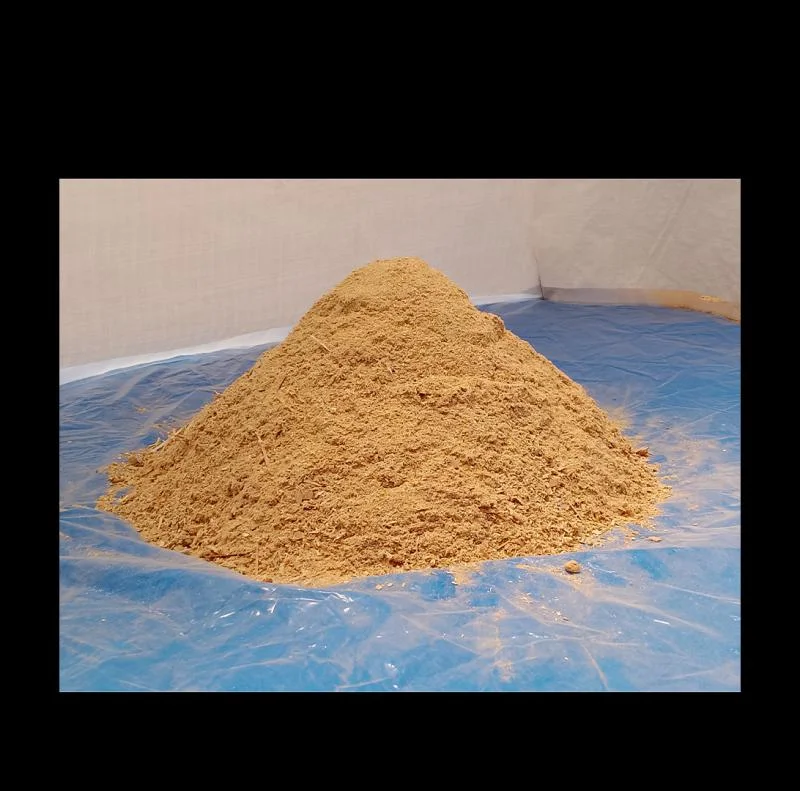
What are Wood Chips & Sawdust?
Wood chips and sawdust are by-products of wood processing. Wood chips are small pieces of wood created during the cutting and milling of timber. They can vary in size and shape, depending on the method used in their production. Sawdust, on the other hand, consists of fine particles generated when wood is cut, sanded, or otherwise processed. Both wood chips and sawdust are valued for their versatility in various applications across multiple industries.
These materials have a wide range of uses in sectors such as construction, agriculture, and energy production. In construction, wood chips can be used for mulch or as a component in composite materials. Sawdust is commonly used as a filler in products, for insulation, and as a base for animal bedding. Additionally, both wood chips and sawdust are increasingly utilized in biomass energy production, where they are converted into pellets or used directly as fuel. The growing demand for sustainable materials has enhanced the relevance of wood chips and sawdust in the market.
Key Features and Specifications
Wood chips and sawdust are characterized by several key features that make them suitable for various applications. Understanding these specifications is essential for businesses looking to source these materials effectively.
Key specifications include:
1. Particle Size
- Wood chips typically range from 1/8 inch to 1 inch in size.
- Sawdust can vary from fine dust to larger particles, depending on processing techniques.
2. Moisture Content
- Moisture levels can range from 10% to 20%, impacting usability and storage.
- Lower moisture content is often preferred for applications such as biomass fuel.
3. Density
- The density of wood chips generally falls between 250 to 700 kg/m3.
- Sawdust density can vary widely based on wood type and processing, generally around 200 to 500 kg/m3.
4. Composition
- The composition varies based on the wood source, affecting quality and applications.
- Hardwoods typically yield denser and higher-quality products compared to softwoods.
5. Contaminants
- Products should be free from foreign materials, such as dirt or plastic.
- Quality control measures are essential to ensure purity.
6. Phytosanitary Standards
- Compliance with regulations to prevent the spread of pests and diseases is crucial.
- Treatment options may include heat treatment or chemical processes.
7. Packaging Options
- Wood chips and sawdust can be packaged in bulk or in bags for easy transportation.
- Packaging choice can influence shelf life and usability.
In summary, understanding these features and specifications is vital for businesses seeking to utilize wood chips and sawdust effectively in their operations.
Common Applications and Use Cases
Wood chips and sawdust serve a variety of industries, showcasing their versatility and utility.
1. Agriculture: Wood chips are often used as mulch to retain soil moisture and suppress weeds, while sawdust is utilized as bedding for livestock, offering comfort and absorbing moisture.
2. Construction: Both materials are used in construction applications, such as composite wood products and insulation. Wood chips can also provide aesthetic value in landscaping.
3. Energy Production: Wood chips and sawdust are increasingly used in biomass energy systems, where they are converted into pellets or used as fuel directly in energy plants.
4. Paper and Pulp Industry: Sawdust is a crucial raw material in the production of particleboard and other wood-based products, contributing to the paper and pulp sector.
5. Environmental Remediation: Wood chips are employed in erosion control and water filtration systems, helping to improve soil health and water quality.
6. Biochar Production: Both wood chips and sawdust can be converted into biochar, which is used to enhance soil fertility and sequester carbon, contributing to sustainable agriculture.
7. Pet Products: Sawdust is commonly found in cat litter and bedding for small animals, providing a clean and absorbent material for pet care.
Product Variants and Subcategories
Wood chips and sawdust come in various forms, catering to diverse applications and industry needs.
Natural Wood Chips
These are unprocessed wood chips made directly from timber. They retain their natural properties and are often used for landscaping, gardening, and erosion control. Their aesthetic appeal and functionality make them a popular choice for outdoor applications.
Processed Sawdust
This variant consists of finely milled wood particles. Processed sawdust is often treated to remove impurities and is widely used in manufacturing particleboard, as a filler in various products, and for animal bedding. Its fine texture makes it suitable for applications requiring a smooth finish.
Benefits and Advantages
Sourcing wood chips and sawdust offers numerous advantages for businesses across various sectors.
Key benefits include:
1. Sustainability: Both wood chips and sawdust are renewable resources, contributing to environmentally friendly practices in industries such as energy and construction.
2. Cost-Effectiveness: These by-products are generally less expensive than primary wood materials, providing businesses with more affordable options for production and construction.
3. Versatility: The diverse applications of wood chips and sawdust make them suitable for a wide range of industries, from agriculture to manufacturing.
4. Enhanced Performance: When used as additives or fillers, wood chips and sawdust can improve the performance and durability of final products.
5. Waste Reduction: Utilizing wood chips and sawdust helps reduce waste in the timber industry, promoting a circular economy.
6. Improved Soil Health: When used in agriculture, wood chips enhance soil quality and moisture retention, supporting sustainable farming practices.
Buying Guide for B2B Buyers
When sourcing wood chips and sawdust, businesses should consider several critical factors to ensure they select the right products for their needs.
1. Quality Assessment: Evaluate the quality of wood chips and sawdust based on particle size, moisture content, and overall purity. Ensure the materials meet industry standards for specific applications.
2. Supplier Verification: Conduct thorough research to verify suppliers' credibility. Look for established companies with a history of providing high-quality products and reliable service.
3. Pricing and MOQ: Compare prices from various suppliers to determine competitive rates. Understand the minimum order quantities (MOQ) required to meet your business needs without overcommitting resources.
4. Delivery and Lead Times: Discuss logistics with suppliers to ensure timely delivery. Be aware of lead times and plan accordingly to avoid disruptions in your operations.
5. Compliance Requirements: Ensure that the wood chips and sawdust comply with relevant industry regulations and standards. This may include phytosanitary certifications and safety testing requirements.
Compliance and Certifications
Wood chips and sawdust must adhere to various quality standards and regulatory requirements to ensure their safe and effective use across industries.
Relevant quality standards such as ISO 9001 emphasize the need for a quality management system that ensures consistent production and service quality. Compliance with such standards indicates a supplier's commitment to quality and customer satisfaction.
Industry certifications like CE signify that products meet European safety, health, and environmental protection standards. This certification is particularly important for businesses exporting wood chips and sawdust to international markets.
Safety and testing requirements are crucial to ensure that wood chips and sawdust are free from harmful substances or contaminants. Regular testing helps maintain product integrity and compliance with industry regulations.
Regional compliance considerations may vary based on local legislation. It is essential for businesses to remain informed about specific requirements in their area to avoid potential legal issues.
Why Source Wood Chips & Sawdust from Pepagora?
Pepagora is a leading platform for sourcing wood chips and sawdust, offering several key advantages that enhance the buyer experience.
Verified Supplier Network: Pepagora ensures that all suppliers in its network are thoroughly vetted for quality and reliability. This verification gives buyers confidence in the materials they source.
Streamlined RFQ Process: The platform features a user-friendly request for quotation (RFQ) process, allowing buyers to easily compare offers from multiple suppliers. This simplifies decision-making and helps secure the best deals.
Trade Assurance and Support: Pepagora provides trade assurance, protecting buyers from potential issues related to product quality and delivery. Dedicated support ensures that any concerns are addressed promptly.
Regional Coverage: With a strong presence in India, the GCC, and Southeast Asia, Pepagora offers extensive regional coverage. This facilitates access to a diverse range of suppliers and products, catering to the needs of businesses across different markets.

 IN
IN