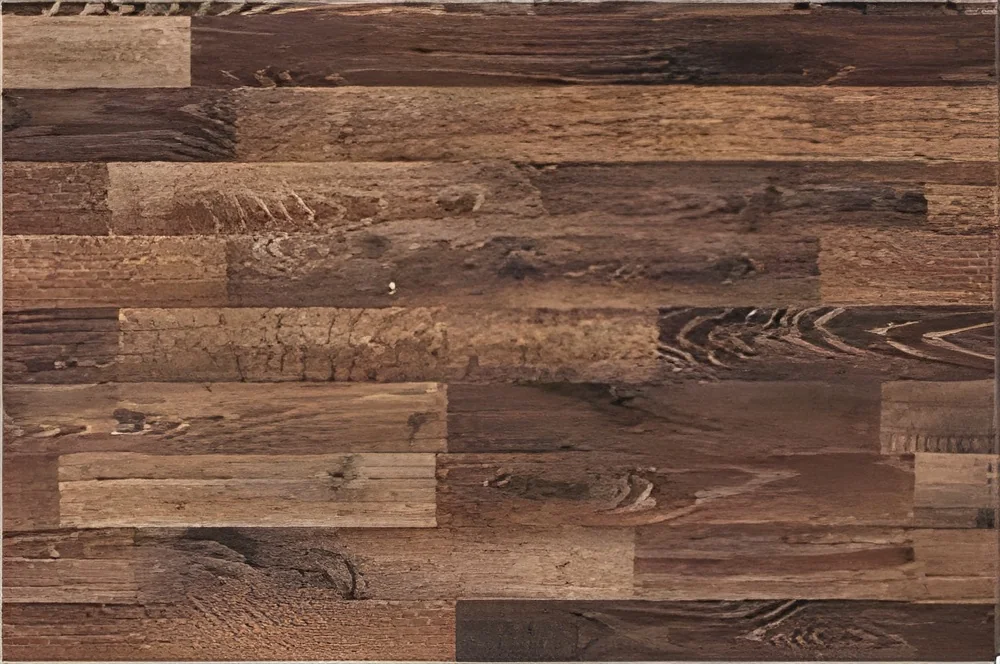
What are Hardwood Timber (Teak, Mahogany, Oak)?
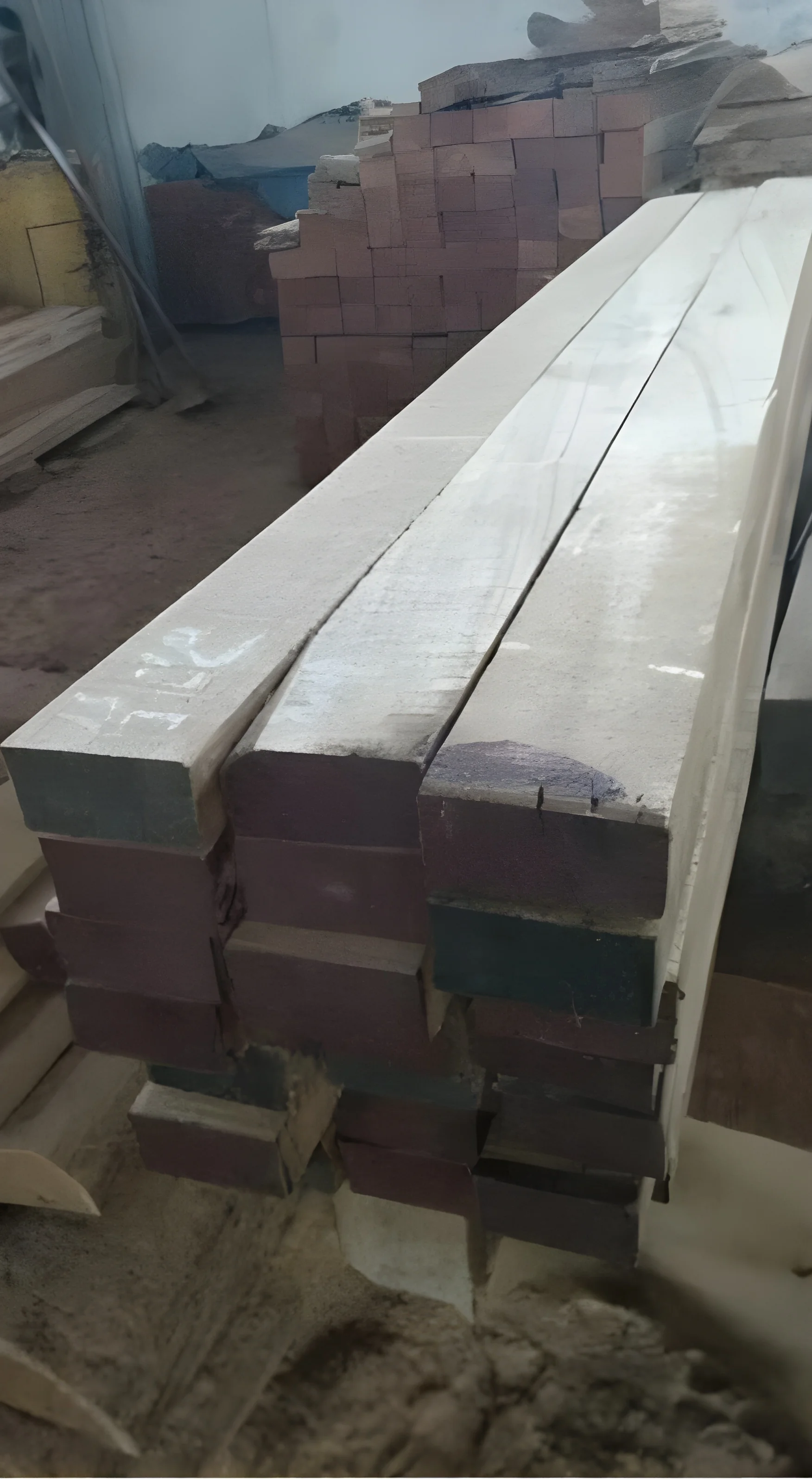
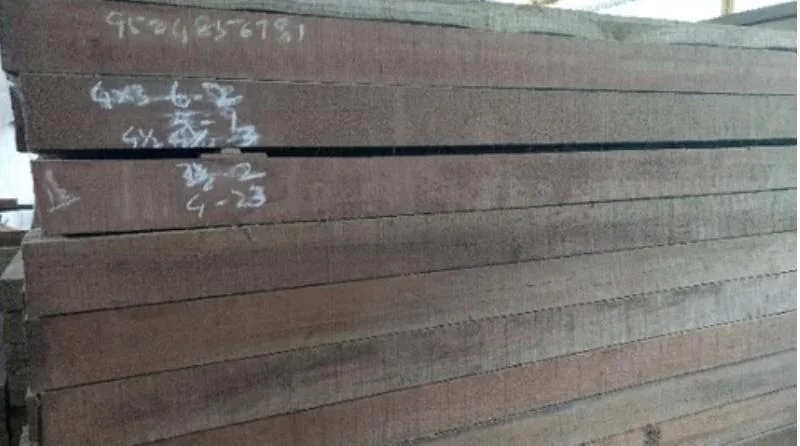
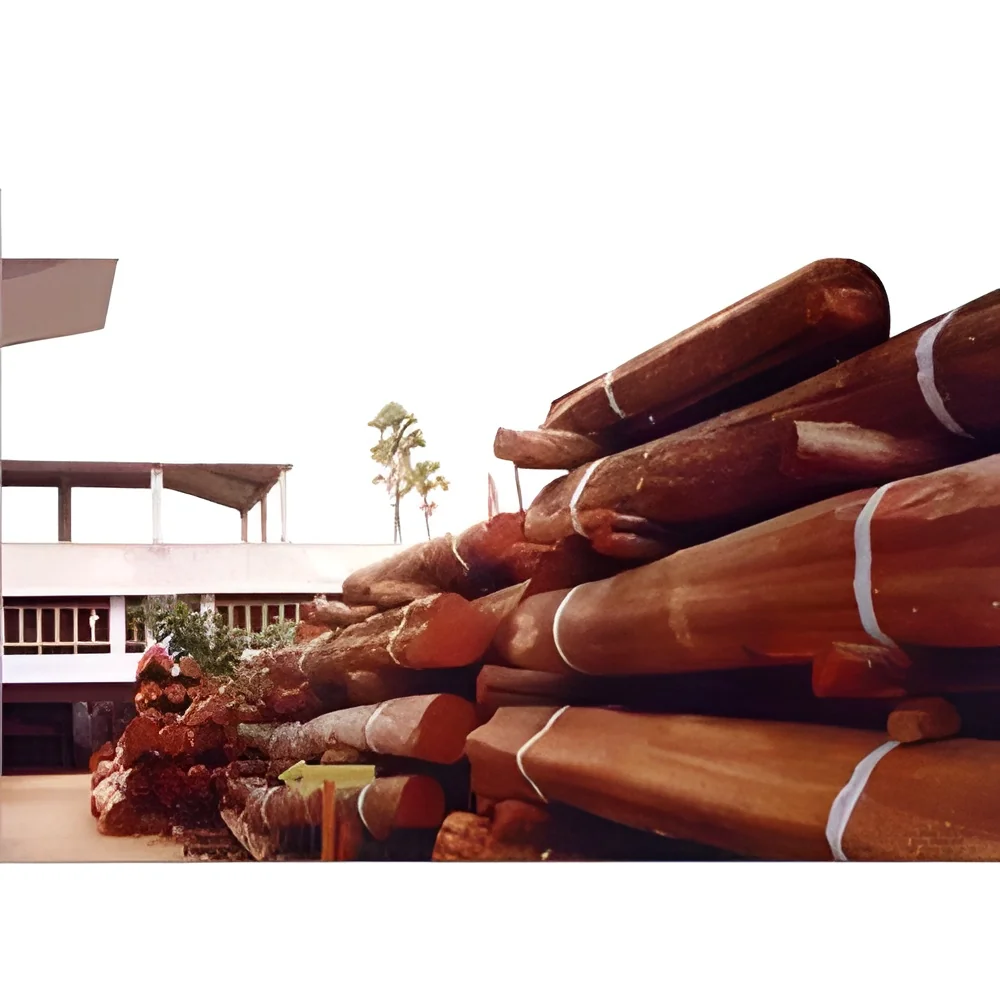
Hardwood timbers such as Teak, Mahogany, and Oak are highly durable and versatile materials often utilized in various industries. These types of wood are characterized by their dense grain and resistance to wear, making them ideal for applications requiring strength and longevity. Teak is known for its natural oils that provide water resistance, while Mahogany is valued for its rich color and ease of workability. Oak, with its prominent grain pattern, is favored for both structural and aesthetic purposes.
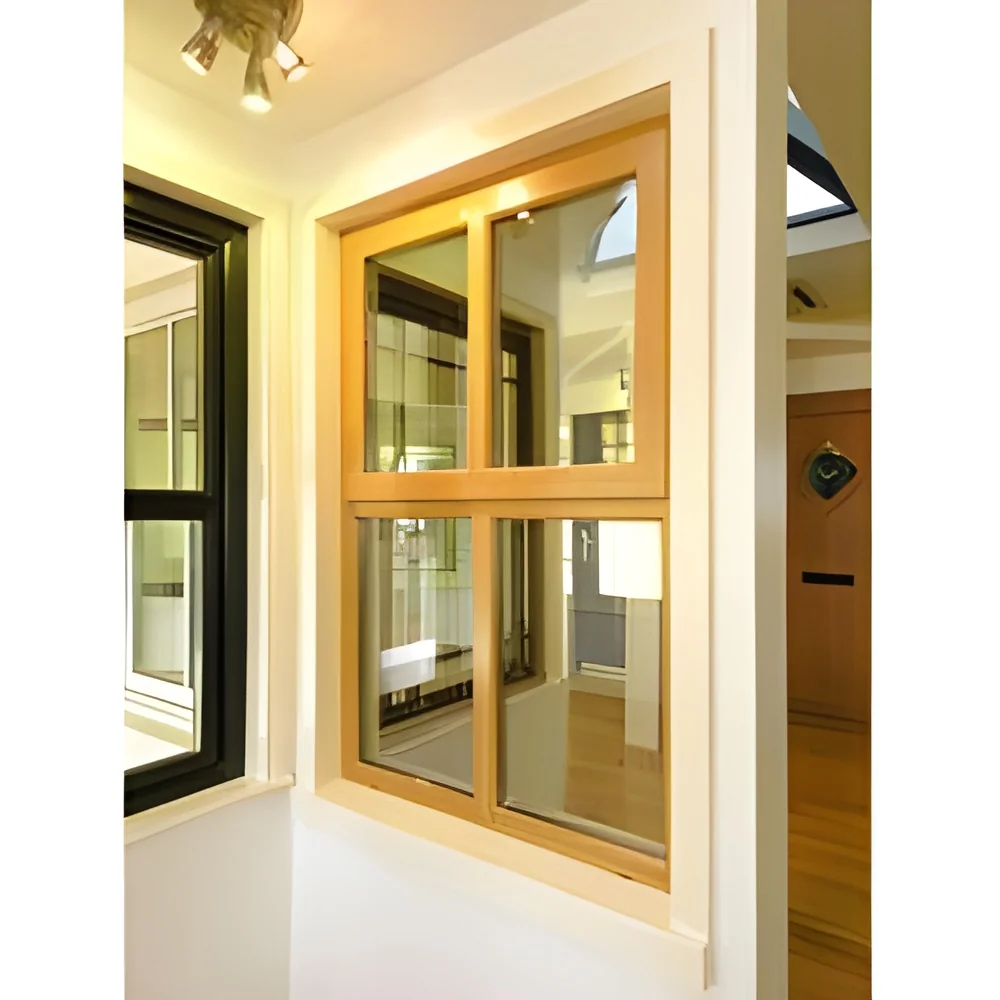
These hardwoods are commonly used in furniture manufacturing, flooring, cabinetry, and boat building. They are also popular in interior design for high-end finishes and decorative accents. The versatility of these timbers allows them to meet the specific demands of different industries, contributing to their significant market presence. As sustainability becomes increasingly important, responsibly sourced hardwoods are in high demand, driving innovation in supply chain practices and product offerings.
𝗞𝗲𝘆 𝗙𝗲𝗮𝘁𝘂𝗿𝗲𝘀 𝗮𝗻𝗱 𝗦𝗽𝗲𝗰𝗶𝗳𝗶𝗰𝗮𝘁𝗶𝗼𝗻𝘀
Hardwood timber is known for its exceptional features that cater to various industrial needs. Each type of hardwood has unique specifications that make it suitable for specific applications.
Key specifications include:
1. Density
- Teak: Approximately 620-750 kg/m³
- Mahogany: Approximately 550-800 kg/m³
- Oak: Approximately 600-900 kg/m³
2. Hardness (Janka Rating)
- Teak: 1,155 lbf
- Mahogany: 800 lbf
- Oak: 1,360 lbf
3. Moisture Content
- Ideal range: 8-12% for most applications
4. Color Range
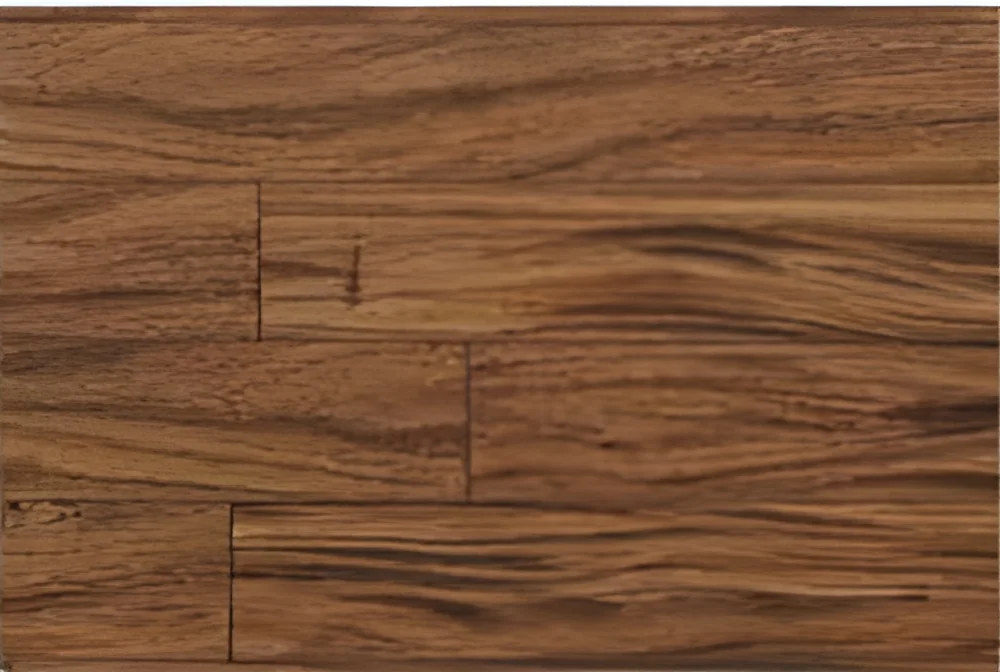
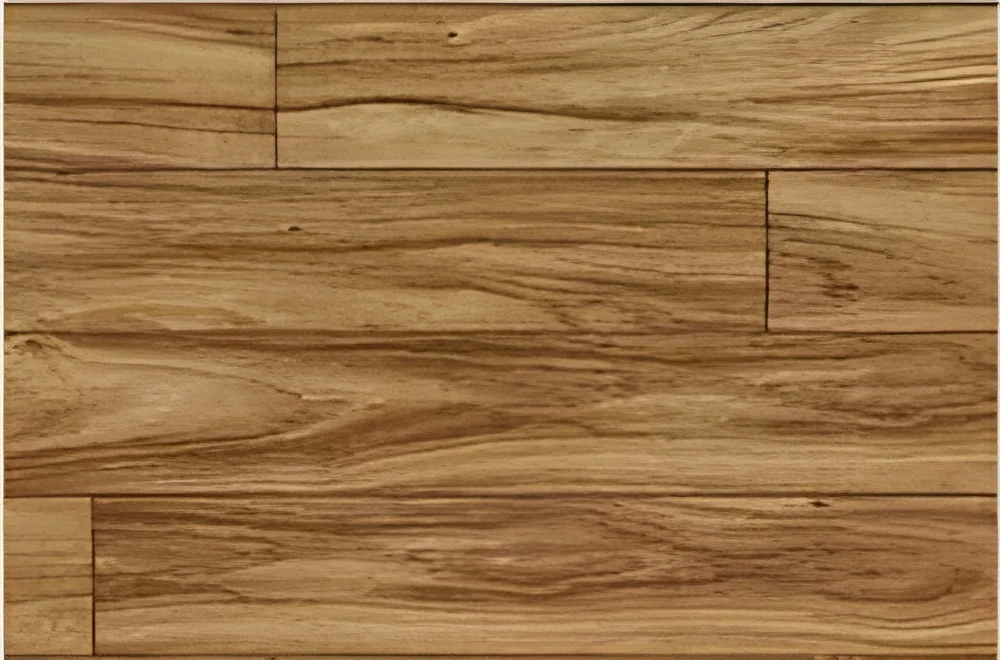
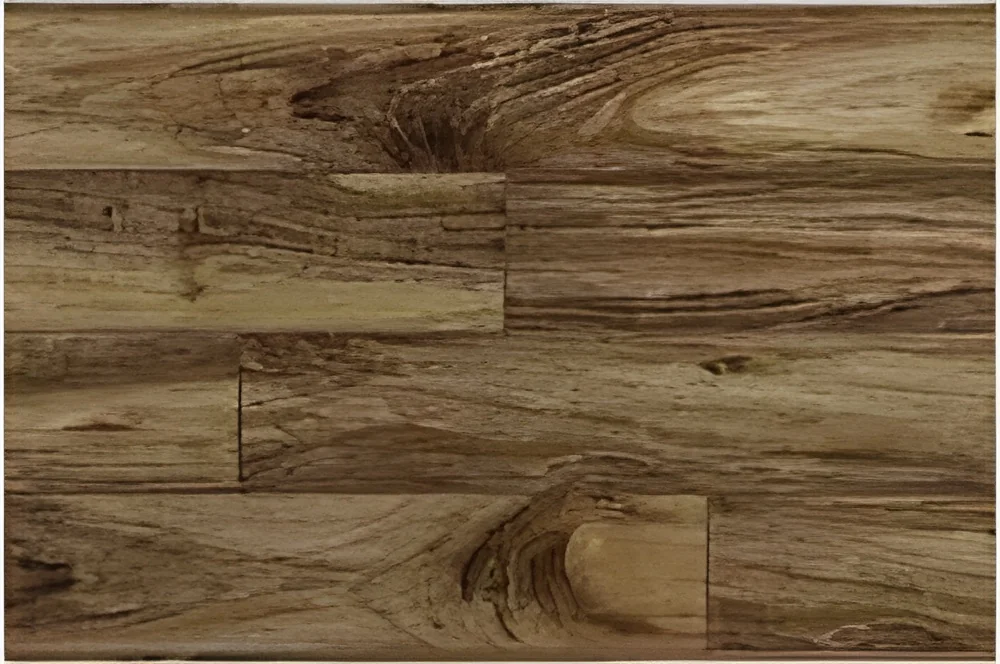
- Teak: Golden to dark brown
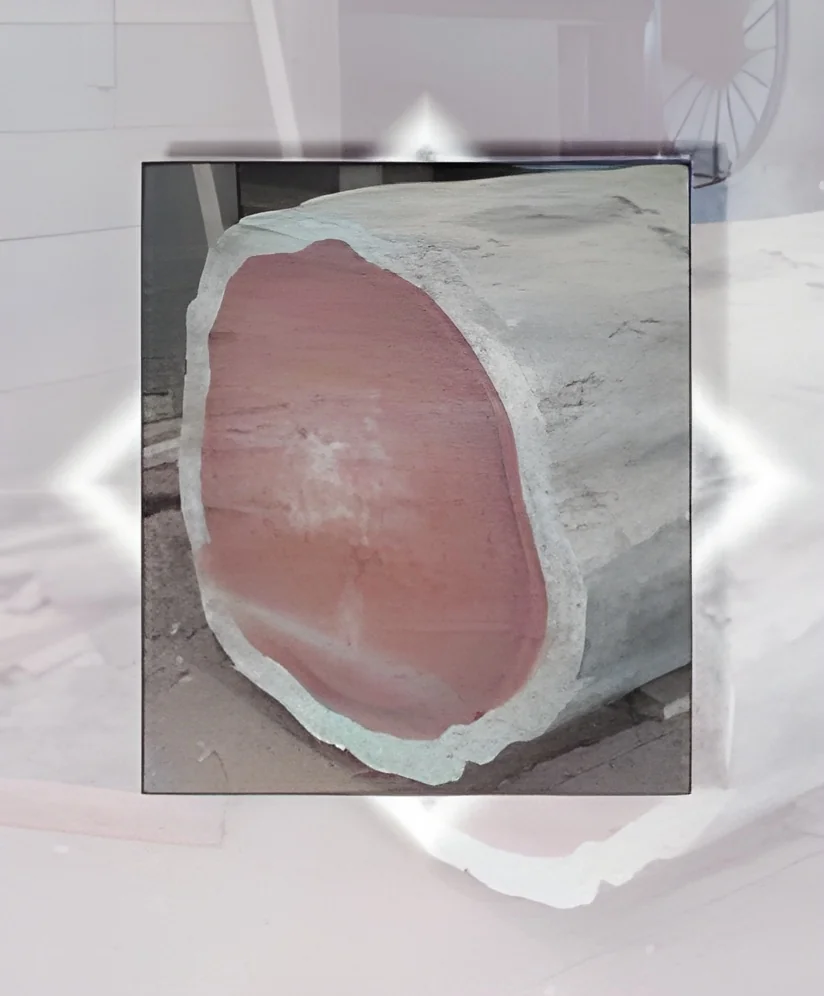
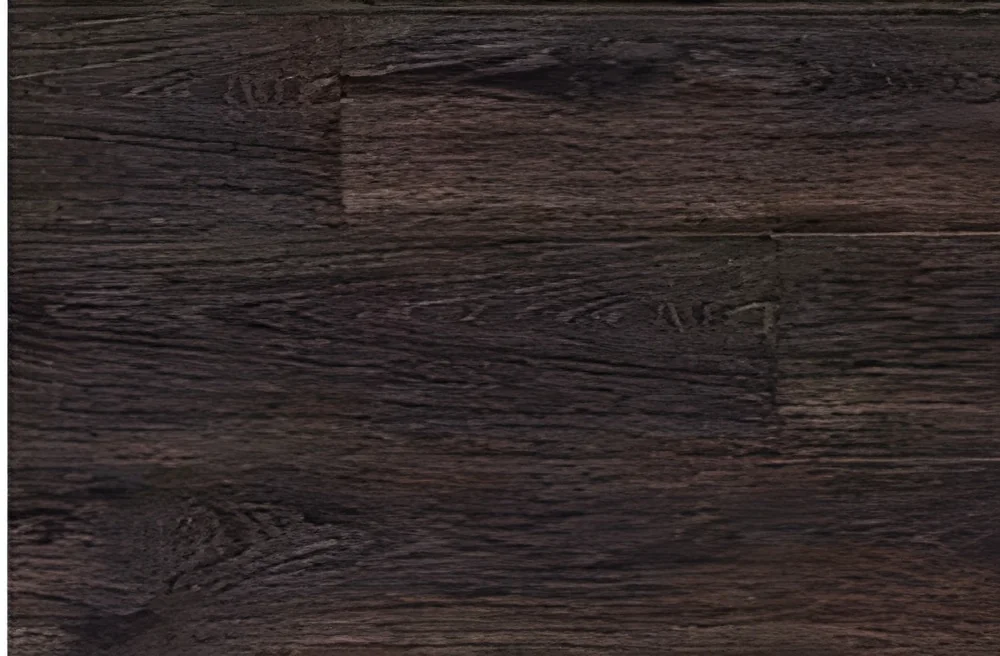
- Mahogany: Reddish-brown
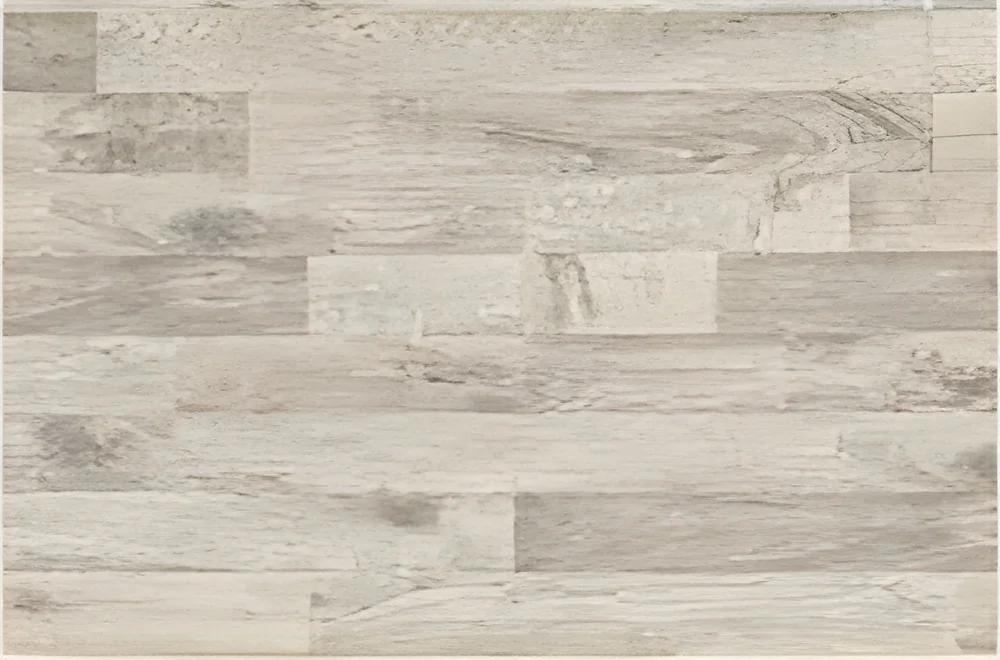
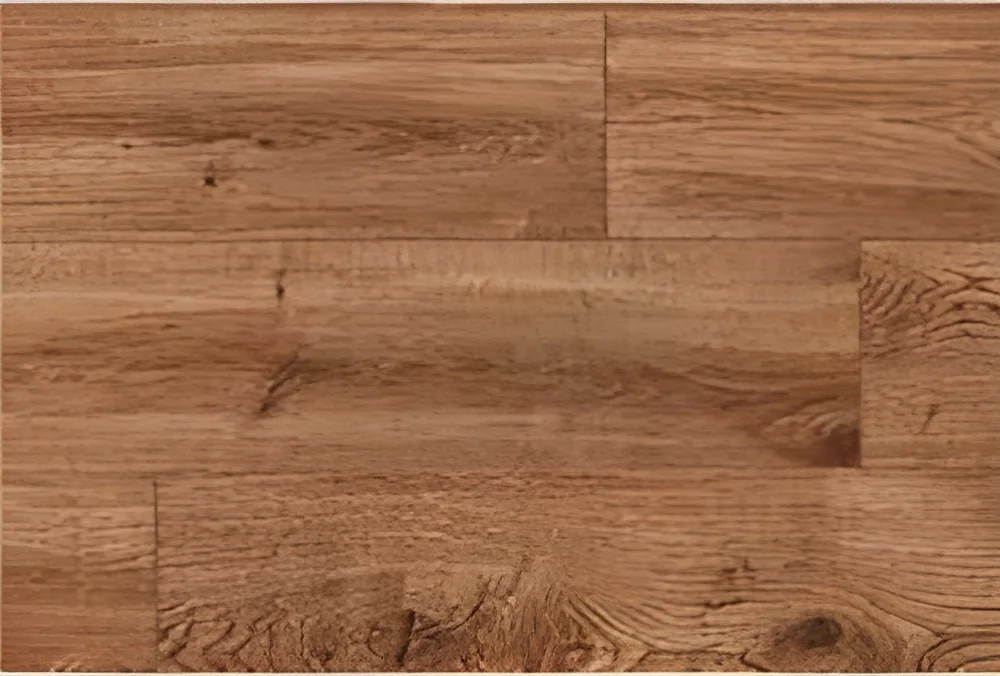
- Oak: Light to medium brown
5. Grain Pattern
- Teak: Straight with occasional interlocking
- Mahogany: Straight and fine
- Oak: Prominent and open grain
6. Workability
- Teak: Excellent, easy to work with hand and machine tools
- Mahogany: Good, can be sanded and polished easily
- Oak: Fair, may require sharp tools due to density
7. Resistance to Pests
- Teak: Natural oils provide resistance
- Mahogany: Generally resistant to common pests
- Oak: Moderate resistance, may require treatment
8. Sustainability
- Certification: Products can be sourced from sustainably managed forests
In summary, the unique features and specifications of Hardwood Timber make them a valuable choice for a range of industrial applications.
𝗖𝗼𝗺𝗺𝗼𝗻 𝗔𝗽𝗽𝗹𝗶𝗰𝗮𝘁𝗶𝗼𝗻𝘀 𝗮𝗻𝗱 𝗨𝘀𝗲 𝗖𝗮𝘀𝗲𝘀
Hardwood timber is utilized across various industries due to its durability and aesthetic appeal.
1. Furniture Manufacturing: Teak is often used in outdoor furniture due to its weather resistance, while Mahogany is favored for high-end indoor furniture.
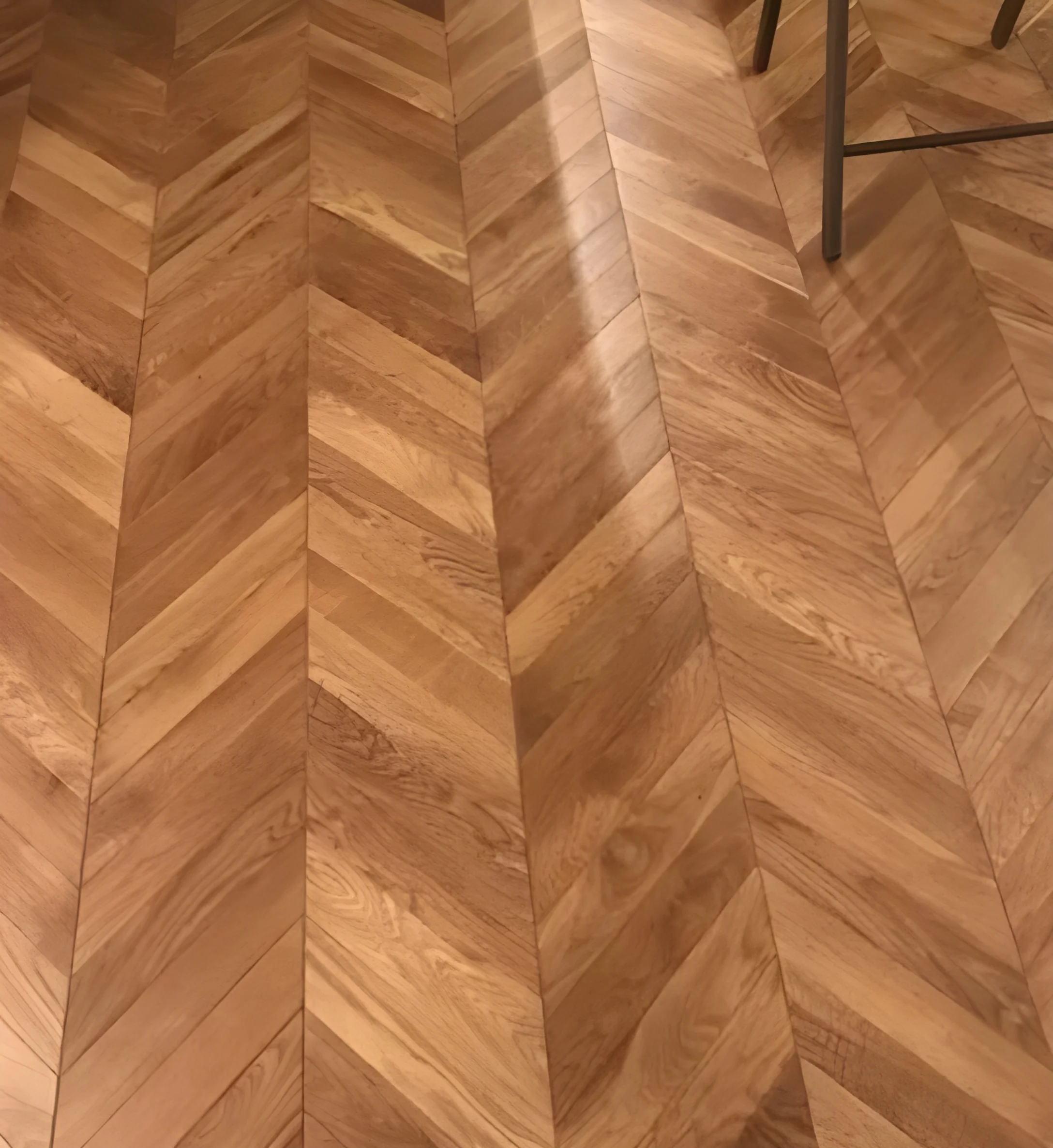
2. Flooring: Oak is a popular choice for flooring due to its hardness and attractive grain, making it suitable for both residential and commercial spaces.
3. Cabinetry: Mahogany’s rich color and easy workability make it ideal for custom cabinetry, providing elegance and functionality.
4. Boat Building: Teak’s natural oils make it suitable for boat decks, as it withstands water exposure effectively.
5. Musical Instruments: Mahogany is frequently used in the construction of guitars and pianos, contributing to optimal sound quality.
6. Architectural Millwork: Oak is often used in moldings and trim, adding a classic touch to construction projects.
7. Decorative Accents: Teak and Mahogany are used for decorative items and carvings, enhancing the aesthetic value of spaces.
𝗣𝗿𝗼𝗱𝘂𝗰𝘁 𝗩𝗮𝗿𝗶𝗮𝗻𝘁𝘀 𝗮𝗻𝗱 𝗦𝘂𝗯𝗰𝗮𝘁𝗲𝗴𝗼𝗿𝗶𝗲𝘀
Hardwood timber offers a range of variants, each catering to specific needs and preferences.
Teak Wood
Teak wood is renowned for its durability and water resistance, making it an ideal choice for outdoor applications. Its natural oils provide inherent protection against moisture and pests, making it suitable for boat building and outdoor furniture.
Mahogany Wood
Mahogany wood is highly sought after for its rich color and fine grain. It is commonly used in high-end furniture and cabinetry due to its workability and ability to take on a beautiful finish.
Oak Wood
Oak wood is valued for its strength and prominent grain pattern. It is widely used for flooring and cabinetry, known for its ability to withstand heavy wear while providing an attractive appearance.
𝗕𝗲𝗻𝗲𝗳𝗶𝘁𝘀 𝗮𝗻𝗱 𝗔𝗱𝘃𝗮𝗻𝘁𝗮𝗴𝗲𝘀
Sourcing hardwood timber provides numerous benefits that enhance product quality and business operations.
1. Durability: Hardwood timber is known for its long lifespan, making it a cost-effective choice in the long run.
2. Aesthetic Appeal: The natural beauty of hardwood adds value to products, making them more attractive to consumers.
3. Sustainability: Responsibly sourced hardwood timber supports sustainable forestry practices, appealing to environmentally conscious buyers.
4. Versatility: Hardwood can be used in various applications, from furniture to flooring, allowing for diverse product offerings.
5. Resistance to Wear: Hardwood timber is resistant to scratches and dents, maintaining its appearance over time.
6. Customization: Hardwood can be easily shaped and finished, allowing for tailored applications and designs.
𝗕𝘂𝘆𝗶𝗻𝗴 𝗚𝘂𝗶𝗱𝗲 𝗳𝗼𝗿 𝗕𝟮𝗕 𝗕𝘂𝘆𝗲𝗿𝘀
When sourcing Hardwood Timber (Teak, Mahogany, Oak), buyers should consider several key factors to ensure optimal procurement.
1. Quality Assessment: Evaluate the quality of the timber based on its density, grain, and finish. Look for certifications that verify responsible sourcing.
2. Supplier Verification: Vet suppliers to ensure they have a reliable track record and positive reviews from other businesses. This helps in ensuring product quality and service reliability.
3. Pricing and MOQ: Understand the pricing structure and minimum order quantities. Compare prices among different suppliers to secure the best deal.
4. Delivery and Lead Times: Discuss logistics and delivery timelines with suppliers to align with project schedules and avoid delays.
5. Compliance Requirements: Be aware of any regional regulations or standards that apply to the timber, ensuring compliance to avoid legal issues.
𝗖𝗼𝗺𝗽𝗹𝗶𝗮𝗻𝗰𝗲 𝗮𝗻𝗱 𝗖𝗲𝗿𝘁𝗶𝗳𝗶𝗰𝗮𝘁𝗶𝗼𝗻𝘀
Hardwood timber must adhere to various quality standards and certifications to ensure safety and sustainability in use.
Relevant quality standards such as ISO 9001 ensure that timber products meet international quality management requirements. Certifications like CE indicate that hardwood timber complies with European safety standards.
Industry certifications can enhance market trust. For instance, compliance with the Forest Stewardship Council (FSC) or similar organizations demonstrates that the timber is sourced from sustainably managed forests.
Safety and testing requirements are crucial, especially when used in construction or furniture. Regular testing for durability and environmental impact helps maintain product integrity.
Additionally, regional compliance considerations may vary, requiring buyers to be aware of local regulations concerning timber sourcing and use.
Why Source Hardwood Timber (Teak, Mahogany, Oak) from Pepagora?
Pepagora provides a trusted platform for sourcing Hardwood Timber (Teak, Mahogany, Oak) with several key advantages.
Verified Supplier Network: Pepagora has established a rigorous vetting process for suppliers, ensuring that businesses connect with reputable and reliable sources of hardwood timber.
Streamlined RFQ Process: The platform allows buyers to easily submit requests for quotations, simplifying the procurement process and enabling businesses to receive competitive pricing quickly.
Trade Assurance and Support: Pepagora offers buyer protection through trade assurance programs, ensuring that transactions are secure and that buyers receive quality products as promised.
Regional Coverage: With a strong presence in India, the GCC, and Southeast Asia, Pepagora can support businesses looking to source hardwood timber across diverse markets, facilitating smooth transactions and logistics.