
 IN
Wine Bottles
4 products available
What are Wine Bottles?
Wine bottles are specially designed containers used for storing and transporting wine. They are typically made from glass, which helps protect the wine from external factors such as light and oxygen that can spoil its quality. The shape and size of wine bottles can vary, but the most common type is the standard 750 ml bottle, which is widely recognized across the industry.
In the business context, wine bottles serve multiple purposes. They are essential for wineries, retailers, and distributors looking to package and sell wine. Additionally, wine bottles are used in restaurants and bars to serve wine to customers. Their design and quality can also play a significant role in branding and marketing efforts for wine producers.
The wine bottle industry is closely linked to the overall beverage market, which continues to grow globally. As consumers become more discerning about their wine choices, the demand for high-quality bottles has increased. This trend drives innovation and competition among manufacturers, making it important for businesses to stay informed about the latest developments and requirements in wine bottle production.
Key Features and Specifications
Wine bottles come with a variety of features and specifications that cater to different market needs. Understanding these specifications is crucial for businesses looking to purchase the right bottles for their products.
Key specifications include:
1. Material
- Glass is the most common material due to its inert properties.
- Alternative materials such as PET plastic may be used for specific applications.
2. Volume
- Standard wine bottle size is typically 750 ml.
- Other sizes include 375 ml (half bottle), 1.5 L (magnum), and larger formats.
3. Shape
- Common shapes include Bordeaux, Burgundy, and Champagne bottles.
- Each shape can influence the wine’s aging process.
4. Closure Type
- Most wine bottles use cork, but screw caps and synthetic closures are also available.
- Closure type can affect the wine's preservation and flavor development.
5. Color
- Dark green and brown are standard colors that protect wine from light exposure.
- Clear bottles are less common and primarily used for certain white wines.
6. Labeling Area
- Bottles have designated areas for labels, which can be customized.
- Label size and adherence are important for branding purposes.
7. Customization Options
- Many manufacturers offer custom designs and printing on bottles.
- Customization can enhance brand identity and consumer appeal.
8. Compliance Standards
- Bottles should meet industry standards for safety and quality.
- Compliance with regulations may vary by region or country.
In summary, the specifications of wine bottles play a crucial role in determining their suitability for various applications. Businesses must carefully consider these features when selecting bottles, ensuring they align with their branding and product requirements.
Common Applications and Use Cases
Wine bottles are utilized in multiple industries, reflecting their versatility and importance.
1. Wineries: Wineries use wine bottles to package their products for retail and distribution. The bottle design often reflects the brand's identity and the quality of the wine inside.
2. Retail: Retailers require wine bottles for displaying and selling various wines. The appeal of the bottle can influence consumer purchasing decisions.
3. Restaurants and Bars: These establishments use wine bottles to serve customers. The presentation and quality of the bottle can enhance the dining experience.
4. Events and Catering: Wine bottles are commonly featured at events, weddings, and corporate gatherings. They add an element of sophistication to any occasion.
5. Export and Distribution: Exporters need durable wine bottles to ensure safe transport over long distances. Proper packaging helps maintain wine quality during transit.
6. Private Label Wine: Many businesses create private label wines, which require customized bottles to differentiate their product in a competitive market.
7. Wine Clubs: Wine clubs often send curated selections of wines in attractive bottles to subscribers, enhancing the overall experience of membership.
Product Variants and Subcategories
Wine bottles come in various forms to meet different consumer preferences and market needs. The diversity in bottle types allows businesses to select the most suitable options for their products.
Standard Glass Bottles: The most common variant, these bottles are typically used for a wide range of wines. They provide excellent protection and preservation.
Eco-Friendly Bottles: Made from recycled materials or designed for sustainability, these bottles appeal to environmentally conscious consumers. They maintain wine quality while reducing environmental impact.
Luxury Bottles: High-end wines often come in uniquely shaped or embellished bottles. These variants help convey exclusivity and premium quality to consumers.
Screw Cap Bottles: This variant uses a screw cap closure, making it convenient for consumers who prefer easy access to their wine. They are often used for white wines and younger red wines.
Customized Bottles: Many producers opt for custom-designed bottles to stand out in the market. These bottles can feature unique shapes, colors, and branding elements.
Benefits and Advantages
Sourcing wine bottles offers several benefits that can enhance business operations and consumer satisfaction.
1. Quality Preservation: Wine bottles protect the contents from external elements, ensuring the wine retains its flavor and quality over time.
2. Brand Differentiation: Customization options allow businesses to create unique packaging that reflects their brand identity, helping them stand out in a competitive market.
3. Versatility: Wine bottles are available in various sizes and shapes, making them suitable for different types of wines and consumer preferences.
4. Sustainability Options: Eco-friendly bottles provide businesses with a way to appeal to environmentally conscious consumers, enhancing brand reputation.
5. Cost-Effectiveness: Bulk purchasing of wine bottles can lead to significant cost savings, making it an economical choice for businesses.
6. Compliance Assurance: Sourcing from reputable suppliers ensures that bottles meet industry standards and regulatory requirements, reducing legal risks.
Buying Guide for B2B Buyers
When sourcing wine bottles, B2B buyers should consider several critical factors to ensure they make informed decisions.
1. Quality Assessment: Inspect the quality of the bottles, including material type and durability. Consider conducting tests on sample bottles to evaluate performance.
2. Supplier Verification: Vet potential suppliers by checking their credentials, previous client references, and compliance with industry standards to ensure reliability.
3. Pricing and MOQ: Understand the pricing structure and minimum order quantities (MOQ) to align purchases with budget constraints and demand forecasts.
4. Delivery and Lead Times: Discuss logistics and confirm lead times for delivery to avoid supply chain disruptions that could impact business operations.
5. Compliance Requirements: Ensure that the bottles meet local and international compliance standards, including safety certifications and labeling requirements.
Compliance and Certifications
Wine bottles must adhere to various quality standards and regulations to ensure safety and marketability. Key compliance aspects include:
ISO 9001: This international standard ensures that businesses maintain effective quality management systems. Manufacturers of wine bottles should comply to guarantee product consistency.
HACCP: Hazard Analysis Critical Control Point is crucial for food safety. Wine bottle producers must adhere to HACCP principles to ensure that their products do not pose health risks.
CE Certification: This certification indicates that products meet EU safety standards. Wine bottles sold in the European market should be CE certified to comply with legal requirements.
Safety and Testing Requirements: Regular testing for durability, chemical leaching, and other safety parameters is essential for ensuring that wine bottles are safe for consumer use.
Regional Compliance Considerations: Regulations may vary by region. Manufacturers and suppliers must stay informed about specific compliance requirements in different markets to avoid legal issues.
Why Source Wine Bottles from Pepagora?
Pepagora provides an excellent platform for sourcing wine bottles, offering several key advantages for businesses.
Verified Supplier Network: Pepagora connects buyers with a network of verified suppliers, ensuring quality and reliability in sourcing wine bottles. This network helps eliminate the risks associated with unverified suppliers.
Streamlined RFQ Process: The request for quotation (RFQ) process on Pepagora is efficient, allowing buyers to request multiple quotes easily. This feature helps buyers compare prices and features quickly, aiding in decision-making.
Trade Assurance and Support: Pepagora offers trade assurance to protect buyers during transactions. This assurance builds trust and provides peace of mind when sourcing wine bottles.
Regional Coverage: Pepagora boasts a wide geographical reach, serving markets in India, the GCC, and Southeast Asia. This regional presence allows businesses to access a diverse range of suppliers and products tailored to local market needs.
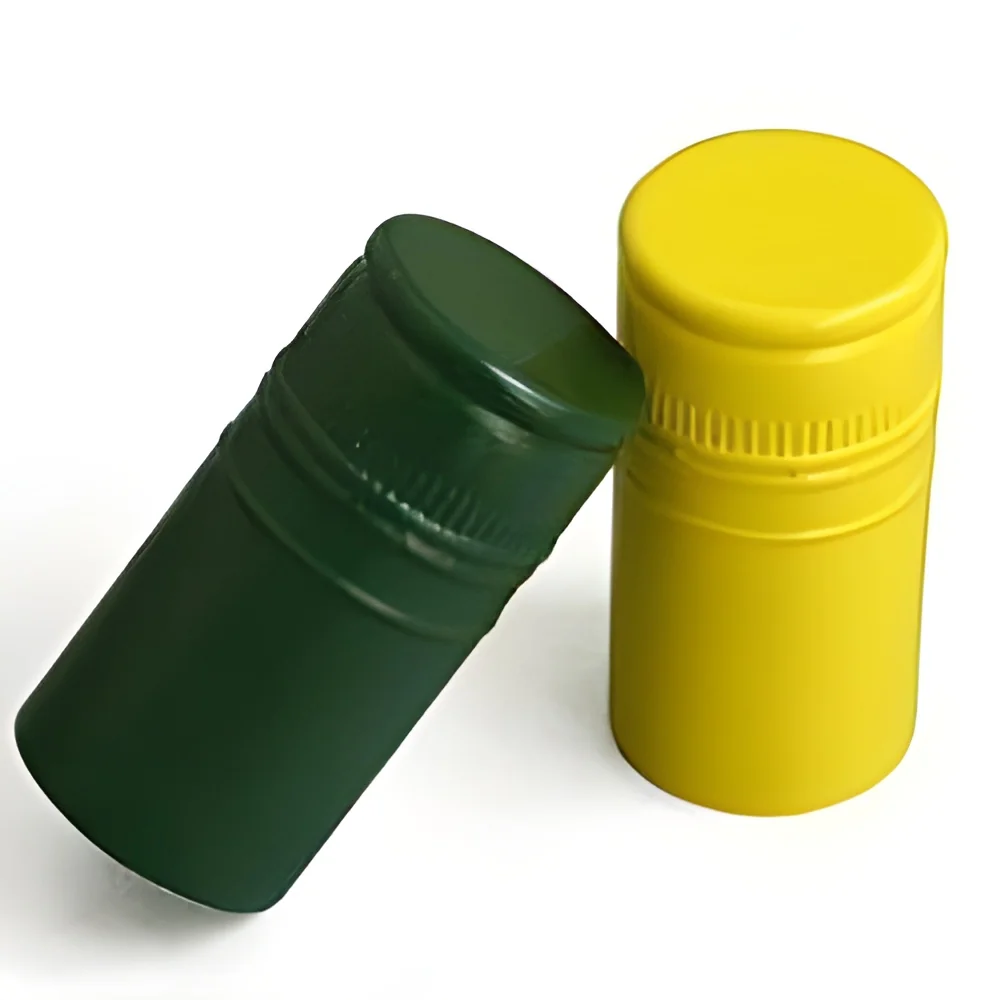
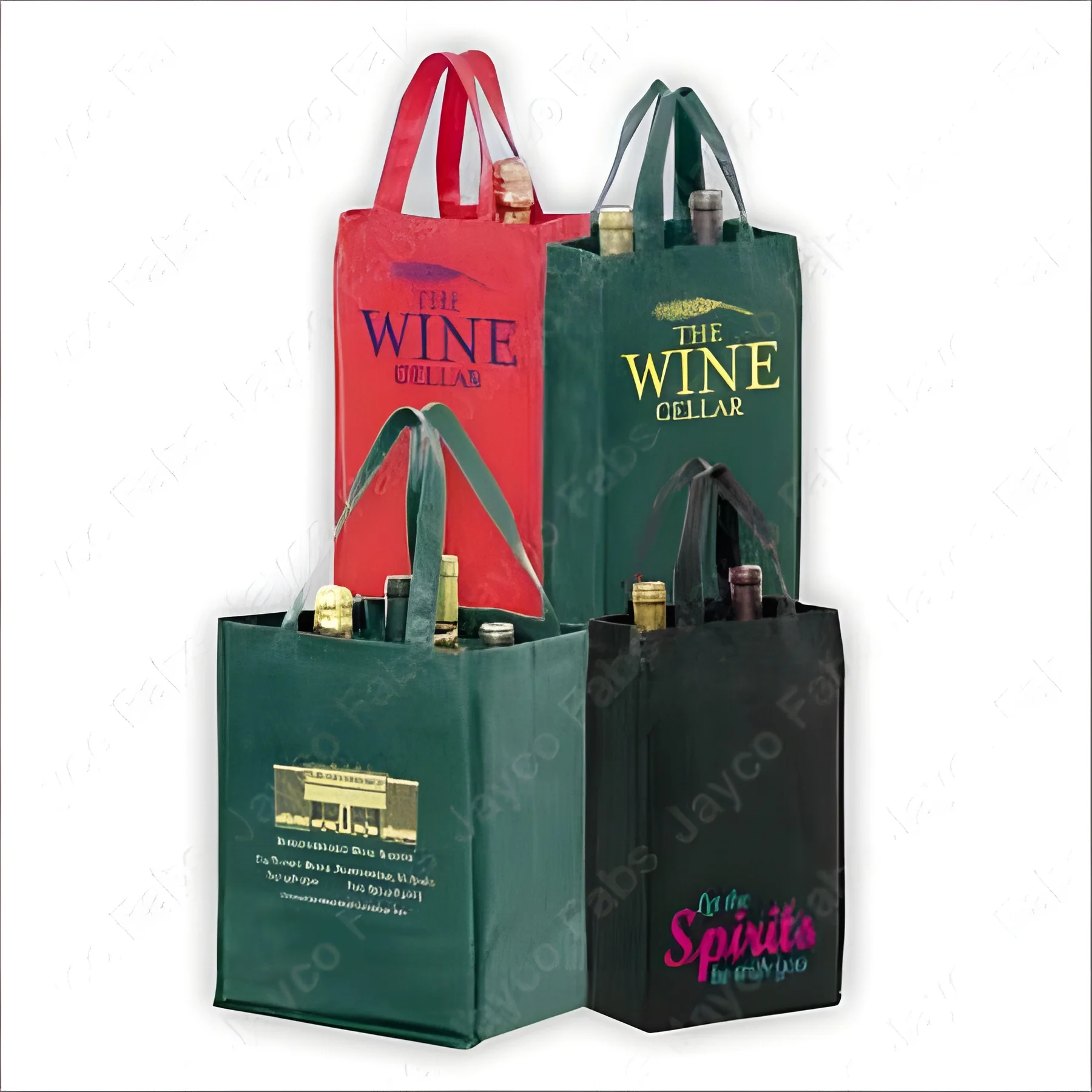

 India
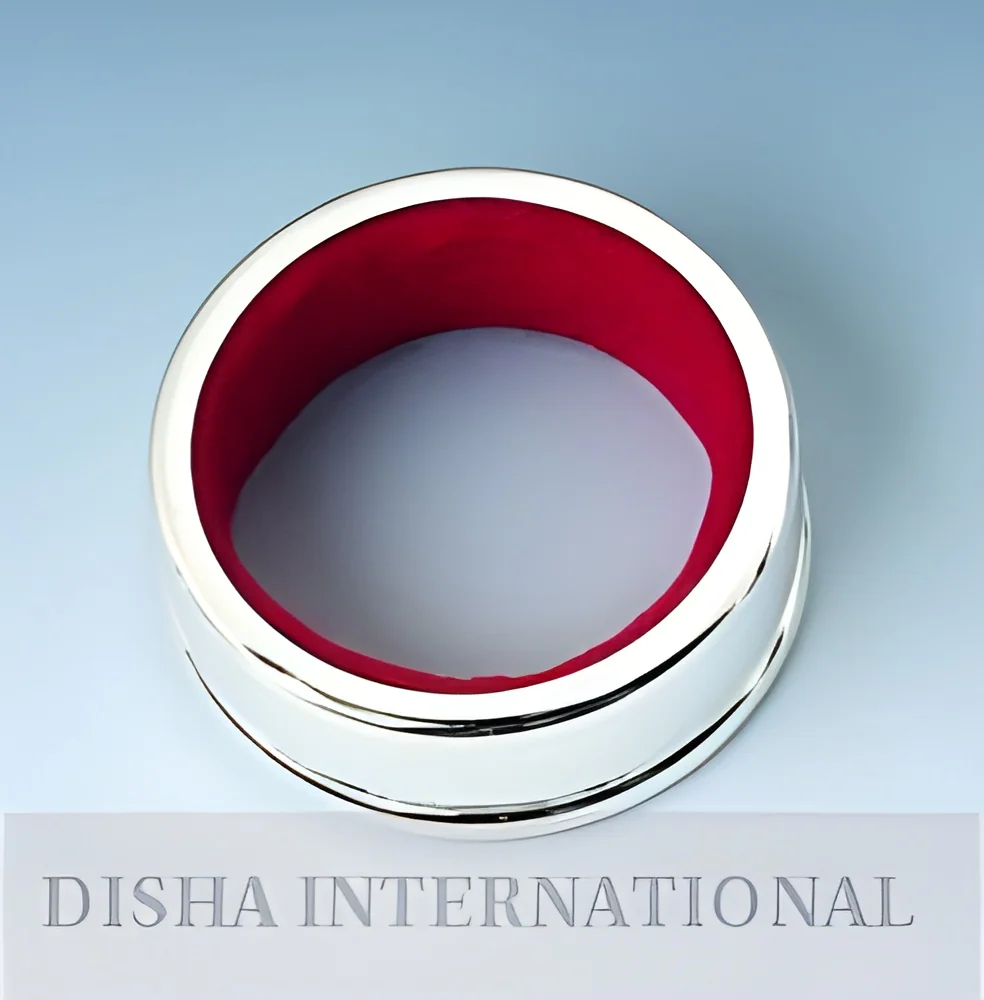 India
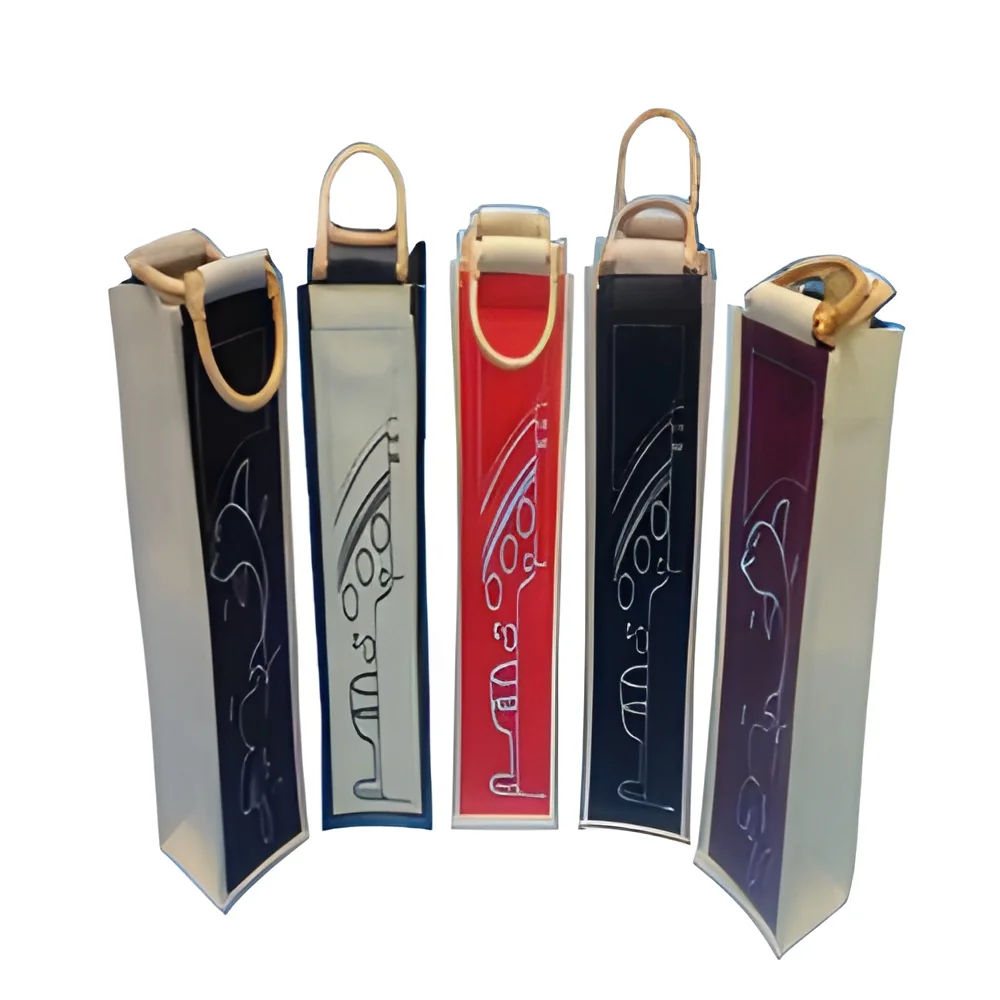
Frequently Asked Questions
What are Wine Bottles?
Wine bottles are containers specifically designed for storing and preserving wine. They come in various shapes and sizes, typically made from glass, to protect the wine from light and air, which can affect its quality.
What are the different types of Wine Bottles?
There are several types of wine bottles, including Bordeaux, Burgundy, Champagne, and dessert wine bottles. Each type varies in shape, size, and capacity, catering to different wine styles and aging processes.
How do I choose the right Wine Bottles?
Choosing the right wine bottles depends on the type of wine you are storing and your aesthetic preferences. Consider factors such as bottle shape, closure type, and capacity, as well as whether the bottle will be used for long-term aging or immediate consumption.
What are the standard specifications for Wine Bottles?
Standard specifications for wine bottles include dimensions, capacity (usually measured in milliliters or liters), and weight. Common capacities are 750 ml for standard bottles, with variations for larger formats like magnums or jeroboams.
What is the price range for Wine Bottles?
The price range for wine bottles can vary significantly based on material, design, and quantity. Typically, prices may range from a few rupees for basic bottles to several hundred rupees for specialized or designer options.
What quality standards apply to Wine Bottles?
Wine bottles must meet specific quality standards to ensure they are safe and effective for storing wine. These standards often include requirements for glass thickness, chemical composition, and resistance to UV light to protect the wine's integrity.
Where can I find Wine Bottles suppliers in India?
You can find wine bottle suppliers in India through various online B2B marketplaces, industry trade shows, and local distributors. Websites like Pepagora can help connect you with trusted manufacturers and suppliers in the region.
Can Wine Bottles be customized?
Yes, wine bottles can often be customized in terms of shape, color, and labeling. Customization options may vary by supplier, so it's advisable to discuss your specific requirements with them.
What is the typical minimum order quantity for Wine Bottles?
The typical minimum order quantity (MOQ) for wine bottles can range from a few hundred to several thousand units, depending on the manufacturer. It's best to check with individual suppliers for their specific MOQs.
What is the typical lead time for Wine Bottles?
The typical lead time for wine bottles can vary based on production schedules and order sizes, but it generally ranges from 2 to 6 weeks. Factors such as customization and shipping can also affect the overall delivery time.
Why Businesses Trust Pepagora
Thousands of companies trust Pepagora to source smarter and sell faster
Expand Your Sales Globally

Source Smarter,Grow Faster
