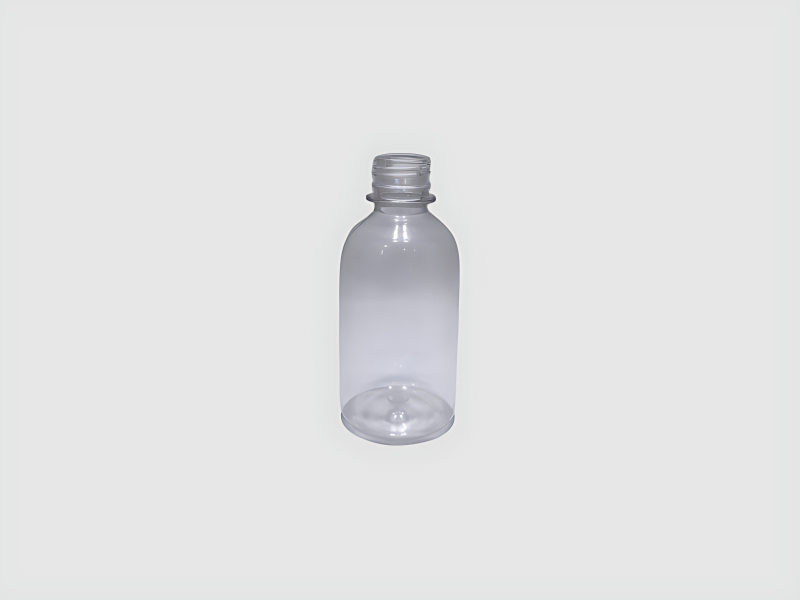
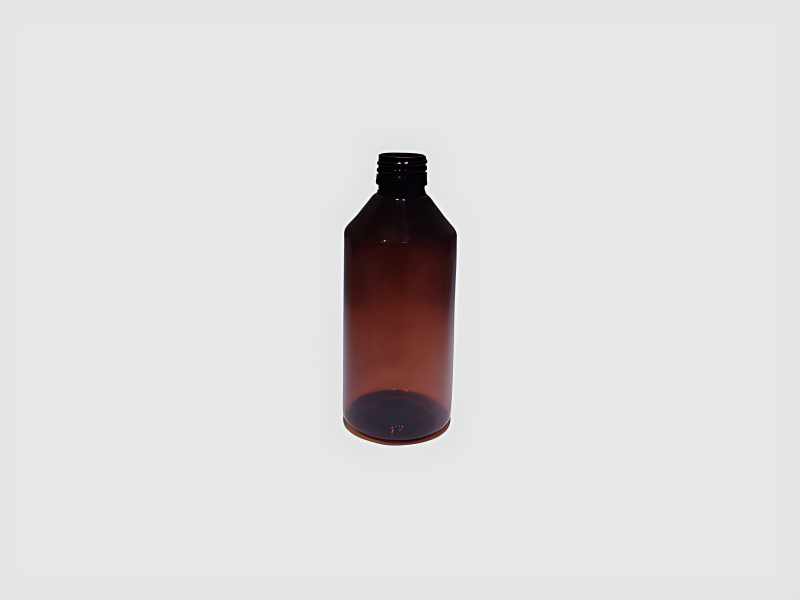
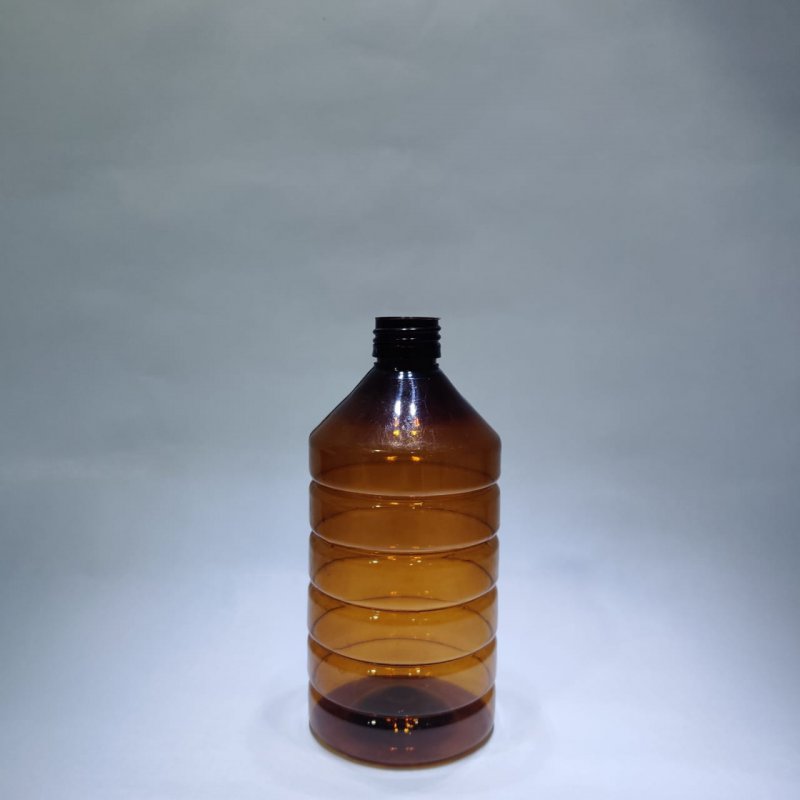
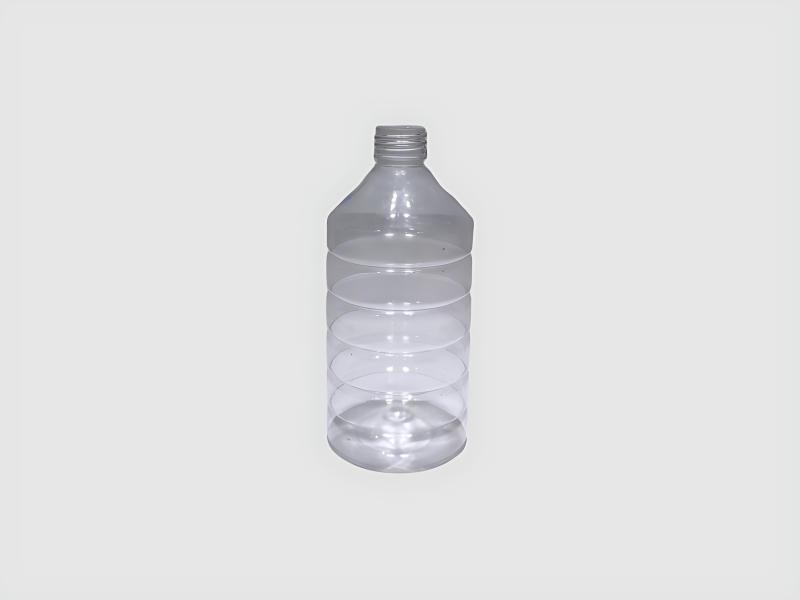
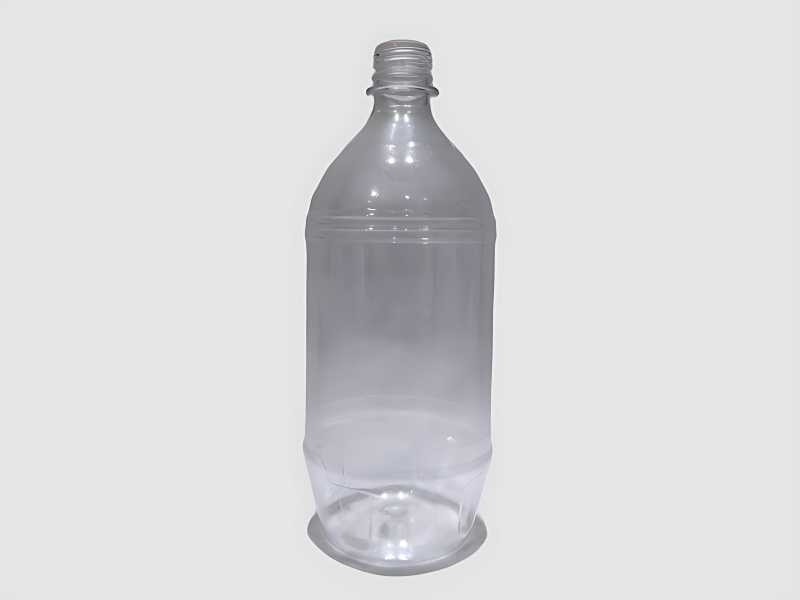
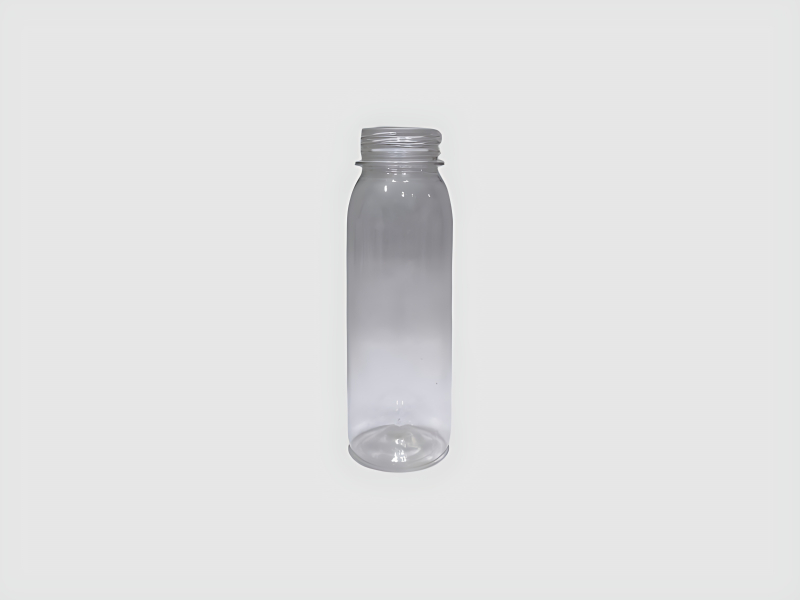
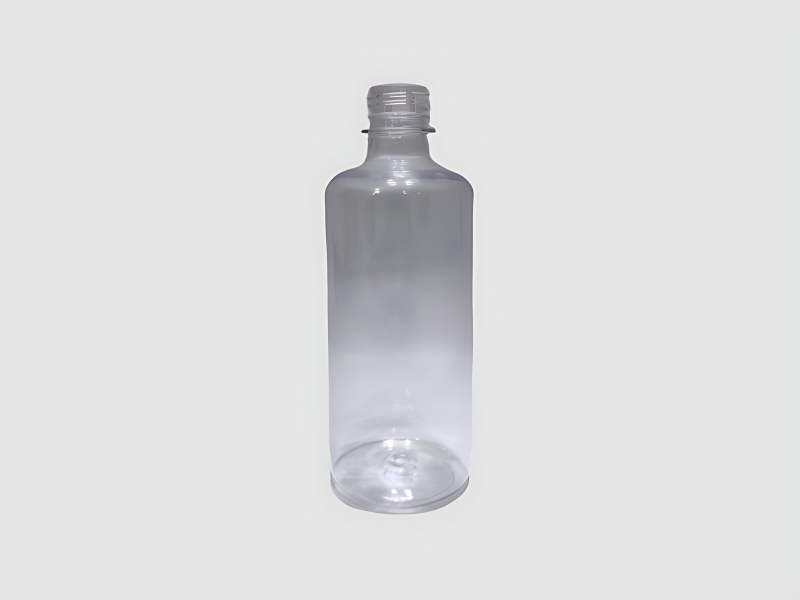
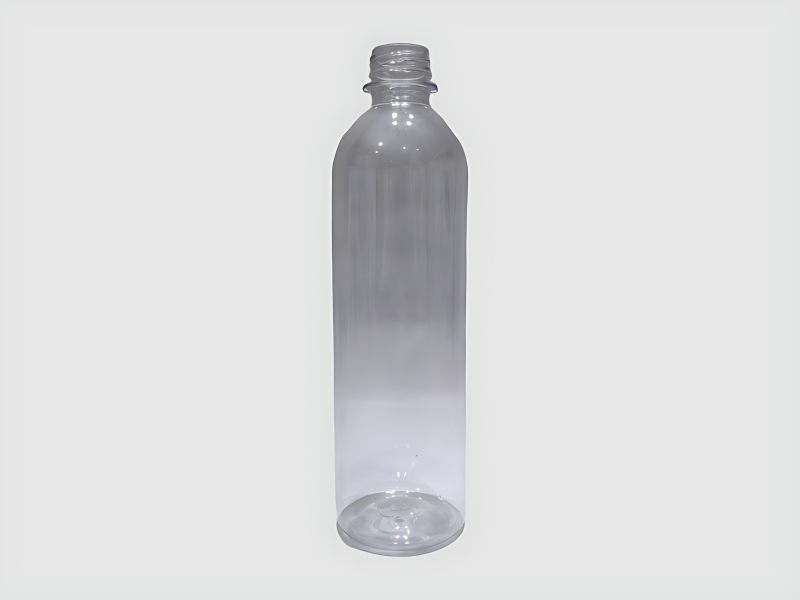
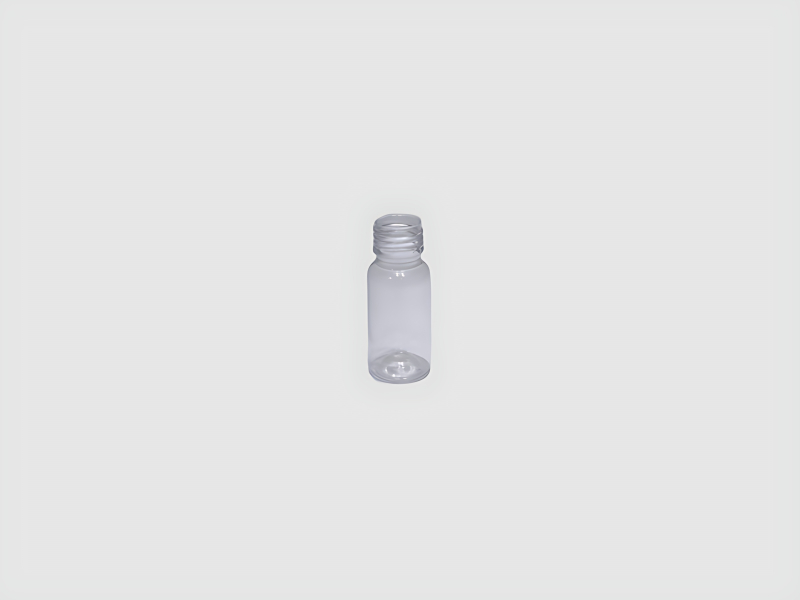
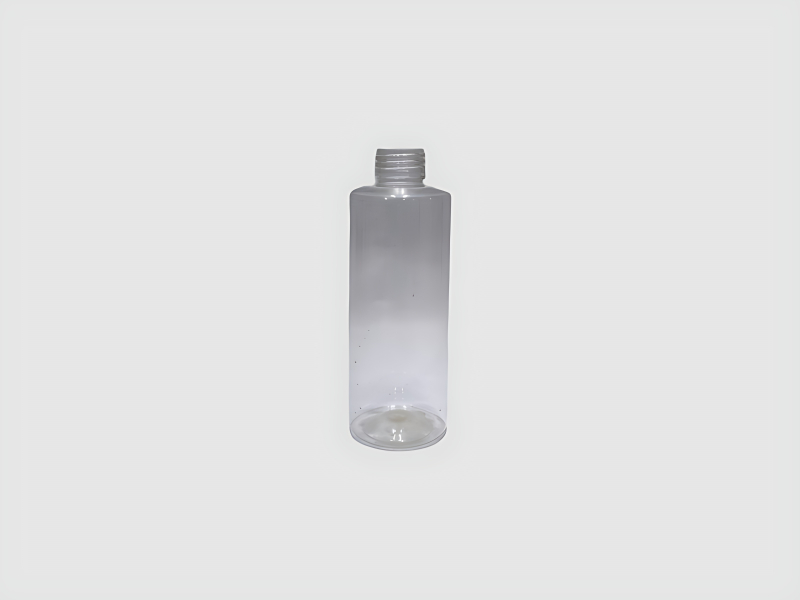
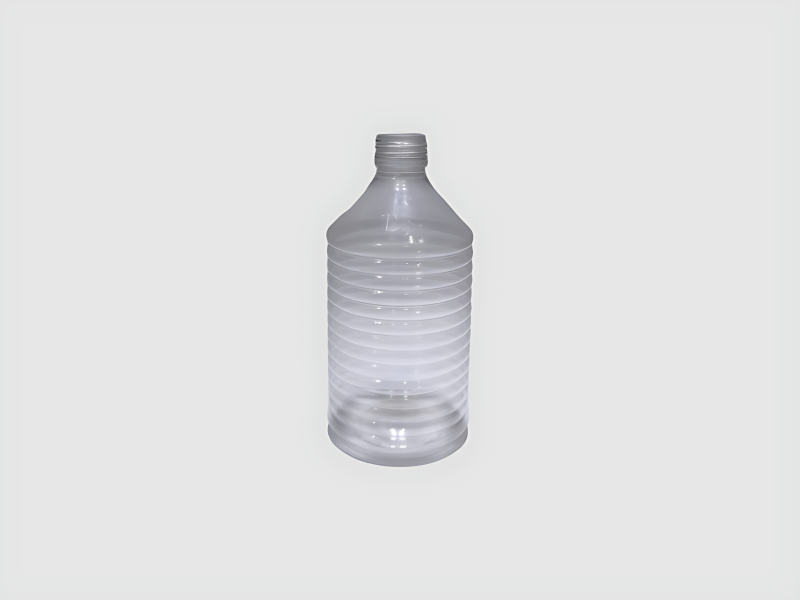
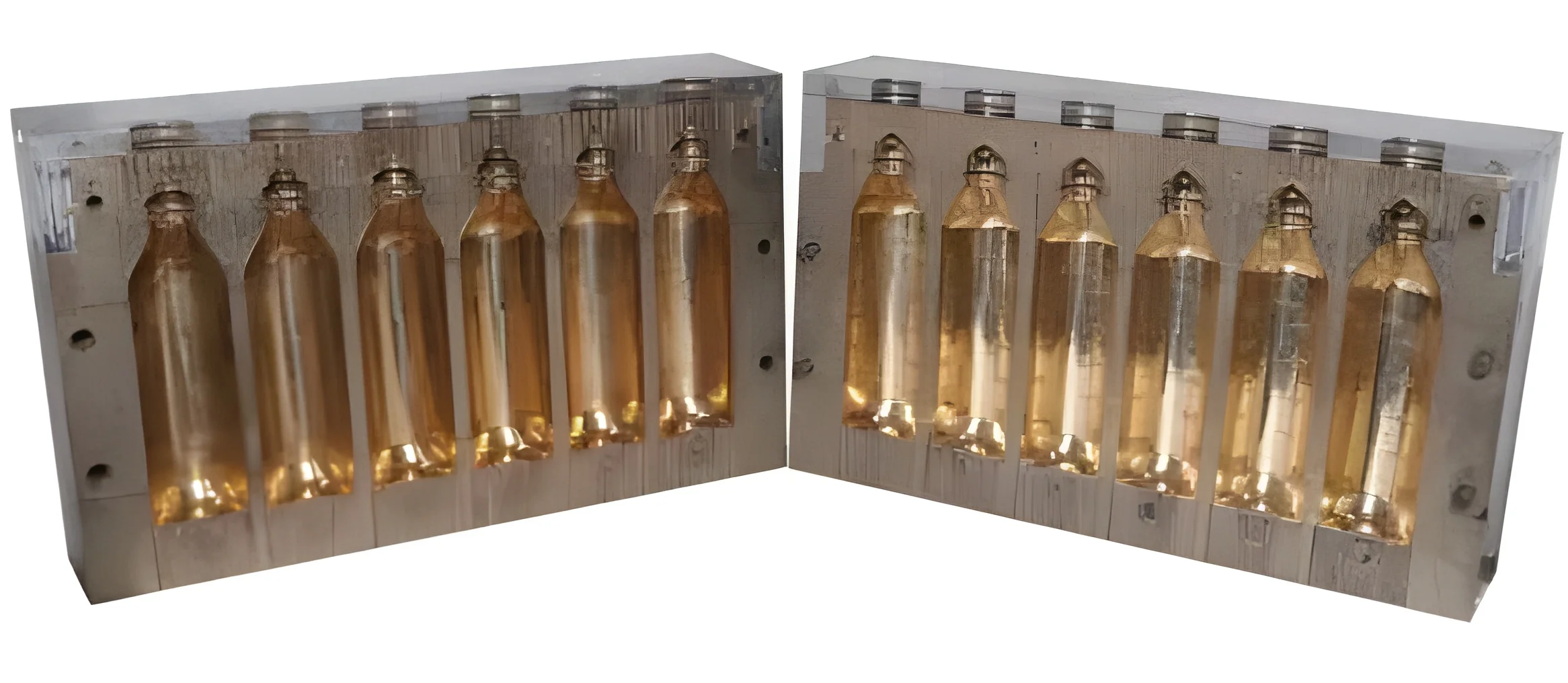
𝗪𝗵𝗮𝘁 𝗮𝗿𝗲 𝗚𝗹𝗮𝘀𝘀 𝗕𝗼𝘁𝘁𝗹𝗲𝘀 & 𝗝𝗮𝗿𝘀?
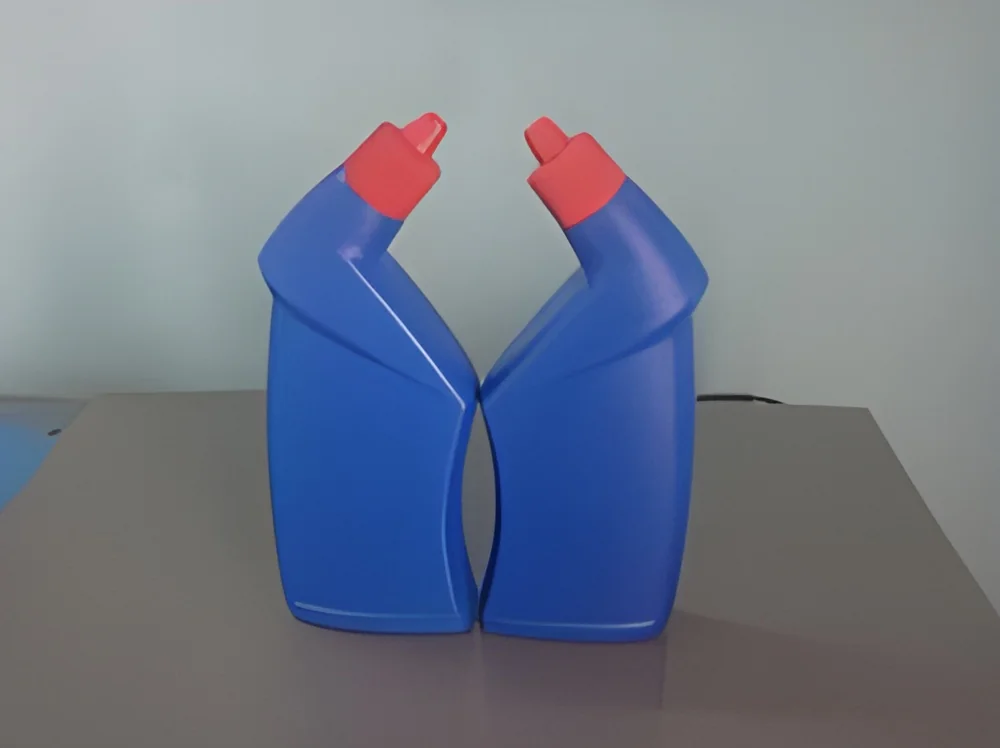
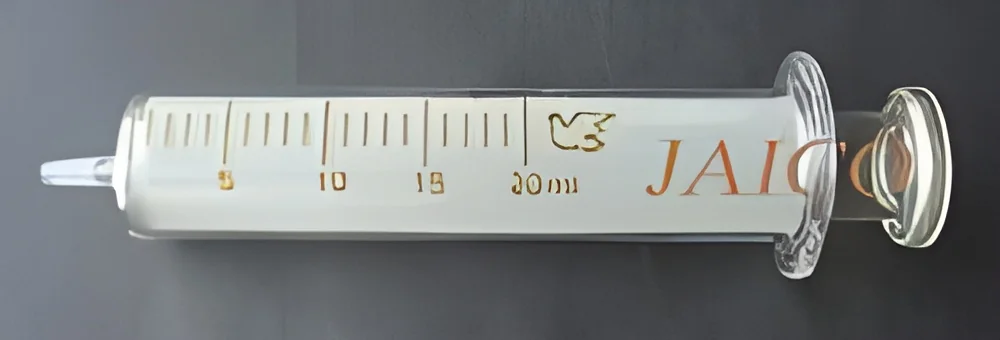
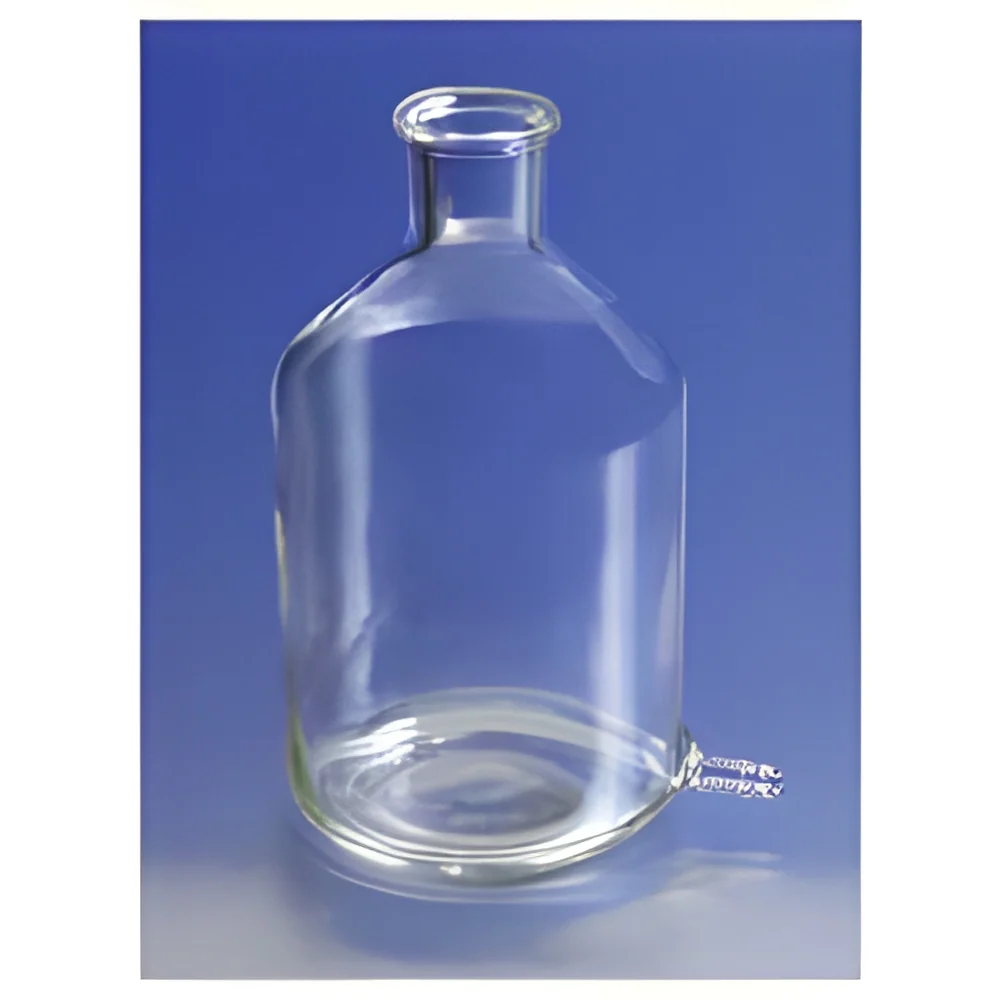
Glass bottles and jars are containers made primarily from glass, designed for the storage and transportation of various products. They come in diverse shapes, sizes, and styles, allowing for a wide range of applications across multiple industries. Glass is favored for its non-reactive properties, ensuring that the contents remain pure and untainted. Furthermore, glass is an environmentally friendly option, as it is recyclable and can be reused.
These containers are commonly used in the food and beverage industry, pharmaceuticals, cosmetics, and household products. For example, glass bottles are popular for beverages like juices, soft drinks, and alcoholic drinks. Glass jars are often used for preserves, sauces, and other food items. The versatility and durability of glass make it a reliable choice for businesses looking to package their products effectively.
The glass packaging market has been growing steadily due to increasing consumer demand for sustainable and quality packaging solutions. Companies are increasingly recognizing the importance of aesthetic appeal and product safety, which glass bottles and jars offer. This relevance in the market underscores the significant role these products play in branding and consumer satisfaction.
𝗞𝗲𝘆 𝗙𝗲𝗮𝘁𝘂𝗿𝗲𝘀 𝗮𝗻𝗱 𝗦𝗽𝗲𝗰𝗶𝗳𝗶𝗰𝗮𝘁𝗶𝗼𝗻𝘀
Glass bottles and jars come with various features that enhance their usability and appeal. Understanding these specifications helps businesses select the right product for their needs.
Key specifications include:
1. Material Quality
- Made from high-quality soda-lime glass or borosilicate glass
- Offers durability and resistance to thermal shock
2. Capacity
- Available in various sizes, typically ranging from 50 ml to 2 liters
- Allows flexibility for different product types
3. Closure Options
- Compatible with various closures, including corks, screw caps, and metal lids
- Ensures product safety and freshness
4. Finish Type
- Options include smooth, frosted, or embossed finishes
- Enhances visual appeal and branding opportunities
5. Customization
- Capable of custom printing or labeling for brand identity
- Enables businesses to create unique packaging solutions
6. Recyclability
- Fully recyclable, contributing to eco-friendly initiatives
- Supports corporate sustainability goals
7. Resistance to Chemicals
- Non-reactive material that preserves contents without contamination
- Ideal for pharmaceuticals and food products
8. Temperature Tolerance
- Suitable for a range of temperatures, though specific ranges not available
- Can be used for hot-fill processes in some applications
In summary, understanding the key features and specifications of glass bottles and jars is essential for businesses aiming to optimize their packaging solutions.
𝗖𝗼𝗺𝗺𝗼𝗻 𝗔𝗽𝗽𝗹𝗶𝗰𝗮𝘁𝗶𝗼𝗻𝘀 𝗮𝗻𝗱 𝗨𝘀𝗲 𝗖𝗮𝘀𝗲𝘀
Glass bottles and jars serve a wide variety of industries, each with specific applications.
1. Food and Beverage: Glass bottles are commonly used for drinks such as juices, sauces, and alcoholic beverages. Glass jars are popular for preserves and jams, ensuring product integrity.
2. Pharmaceuticals: Glass containers are essential for storing medications due to their non-reactive nature, ensuring that the efficacy of the drugs is maintained.
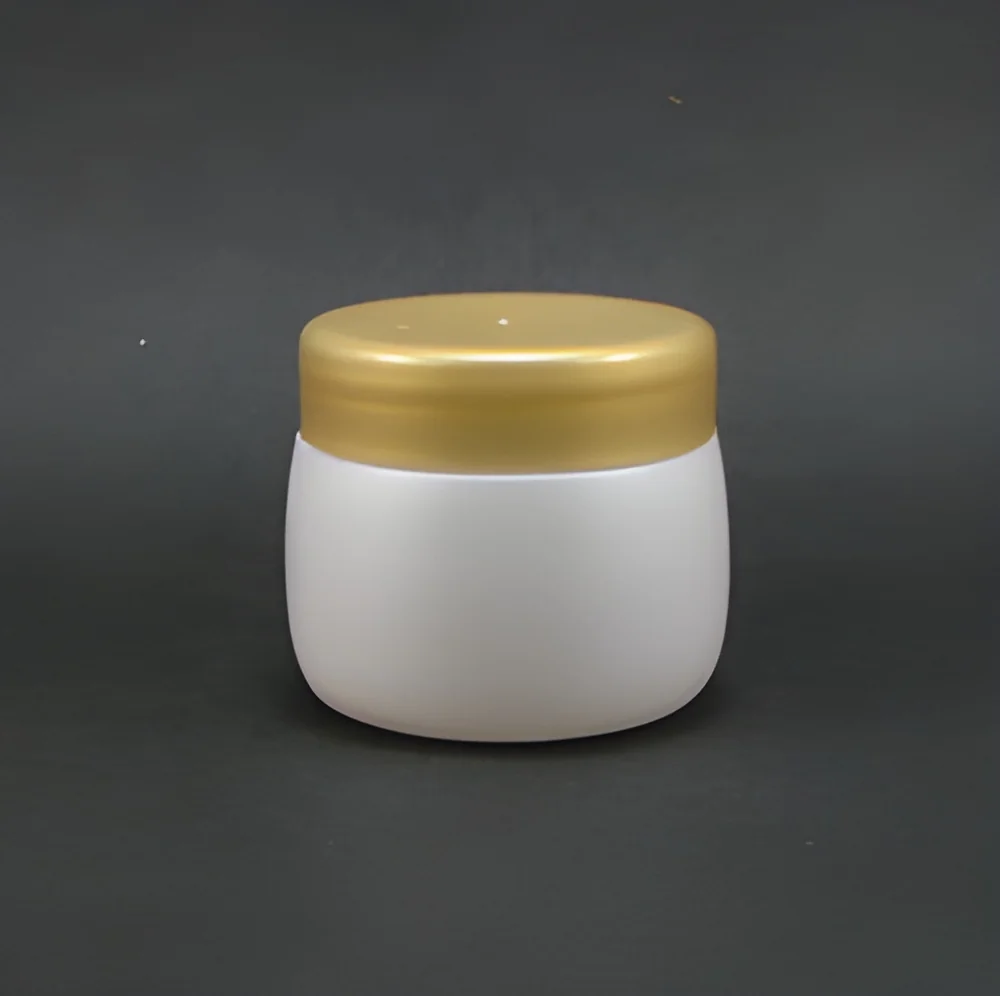
3. Cosmetics: Many cosmetic products, such as creams and serums, are packaged in glass jars to enhance shelf life and maintain product quality.
4. Household Products: Glass bottles are frequently utilized for cleaning products and air fresheners, providing a premium feel and safety.
5. Personal Care: Products like oils and lotions are often found in glass containers, appealing to consumers looking for sustainable and high-quality packaging.
6. Industrial Applications: Certain industrial products, including chemicals, may be stored in glass containers, providing protection against contamination.
7. Craft and DIY: Glass jars are often repurposed for creative projects, including home décor and storage solutions.
𝗣𝗿𝗼𝗱𝘂𝗰𝘁 𝗩𝗮𝗿𝗶𝗮𝗻𝘁𝘀 𝗮𝗻𝗱 𝗦𝘂𝗯𝗰𝗮𝘁𝗲𝗴𝗼𝗿𝗶𝗲𝘀
Glass bottles and jars come in various forms to meet the diverse needs of different industries. Their versatility allows for customization and specialized applications.
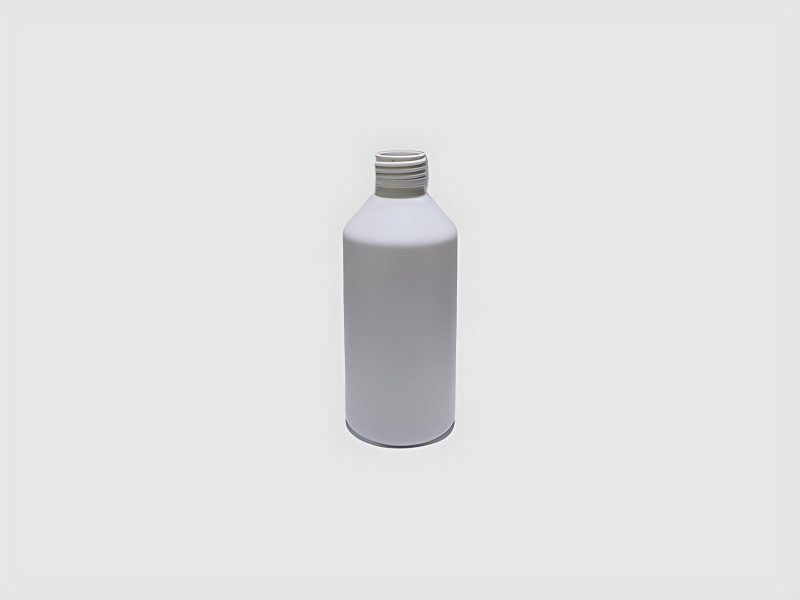
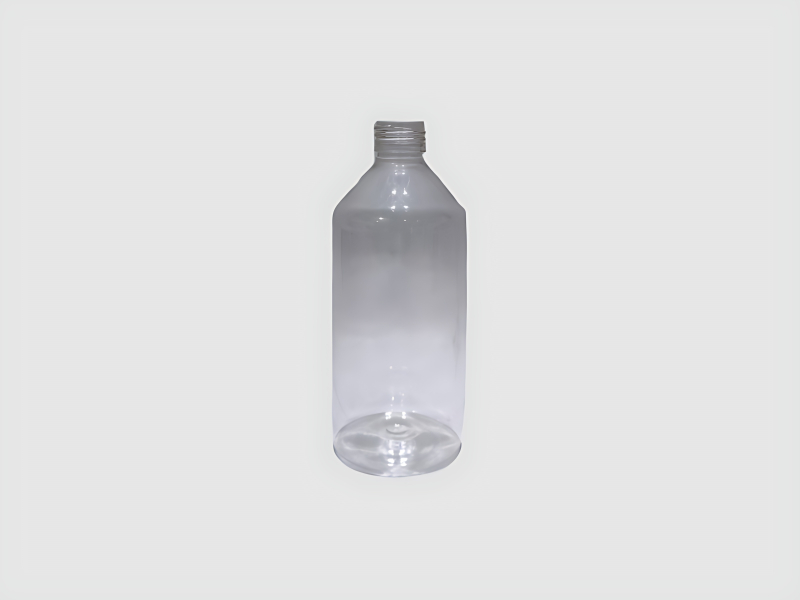
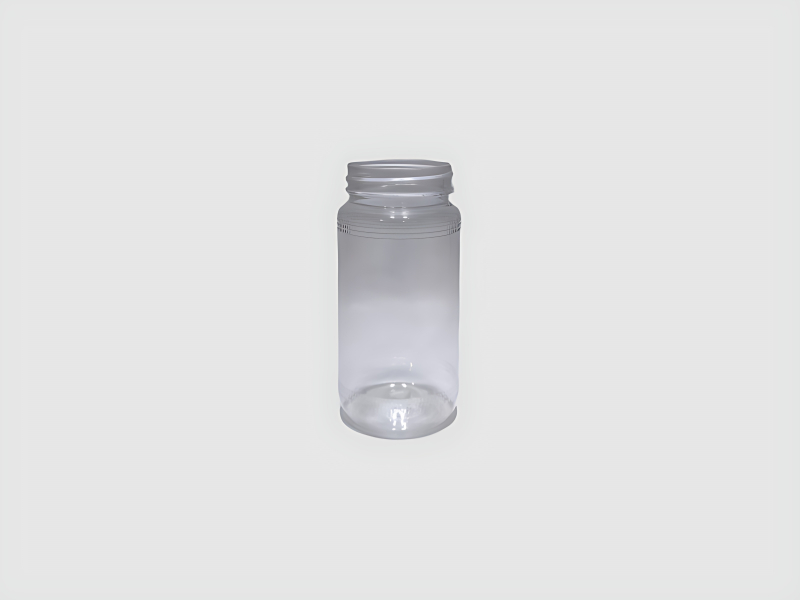
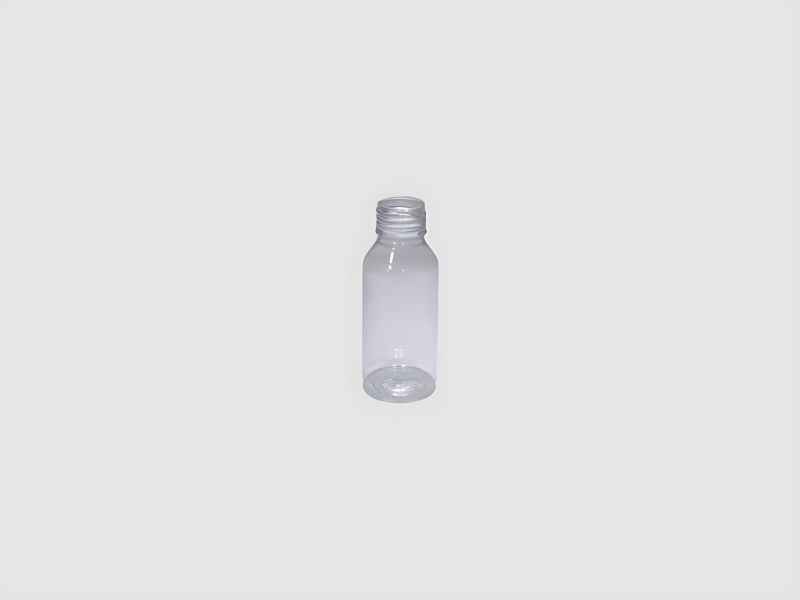
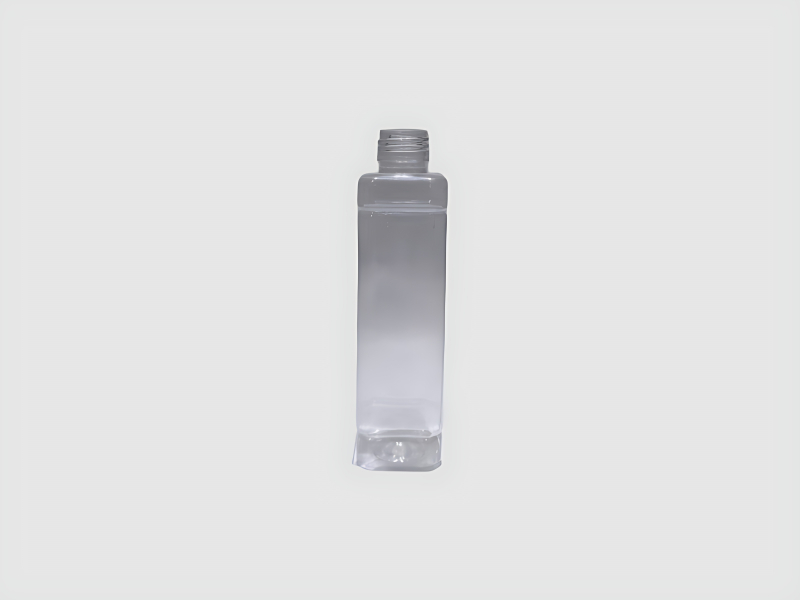
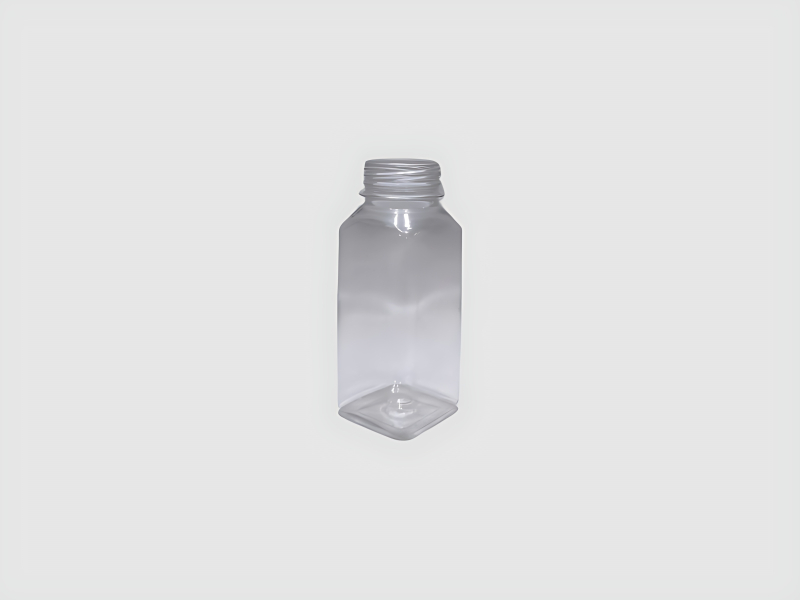
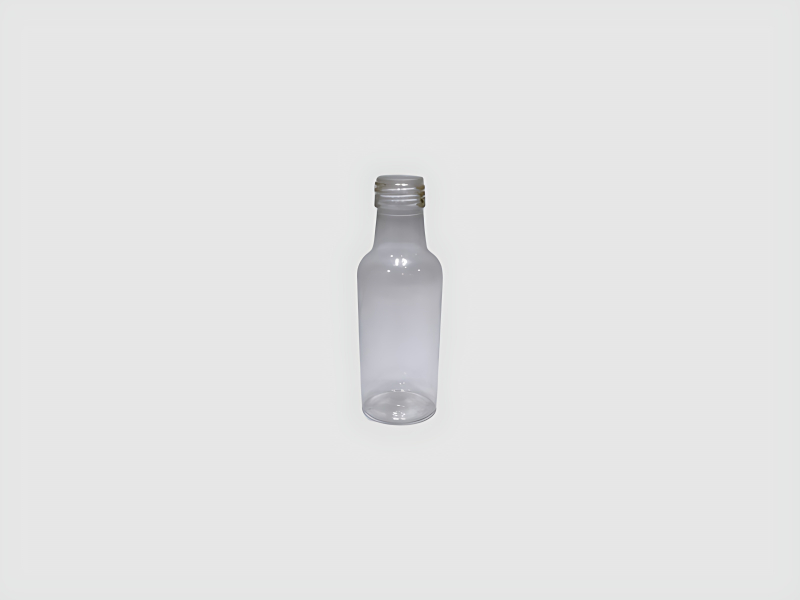
Standard Glass Bottles: These bottles are used for beverages, oils, and sauces. They offer a classic design and are available in multiple sizes.
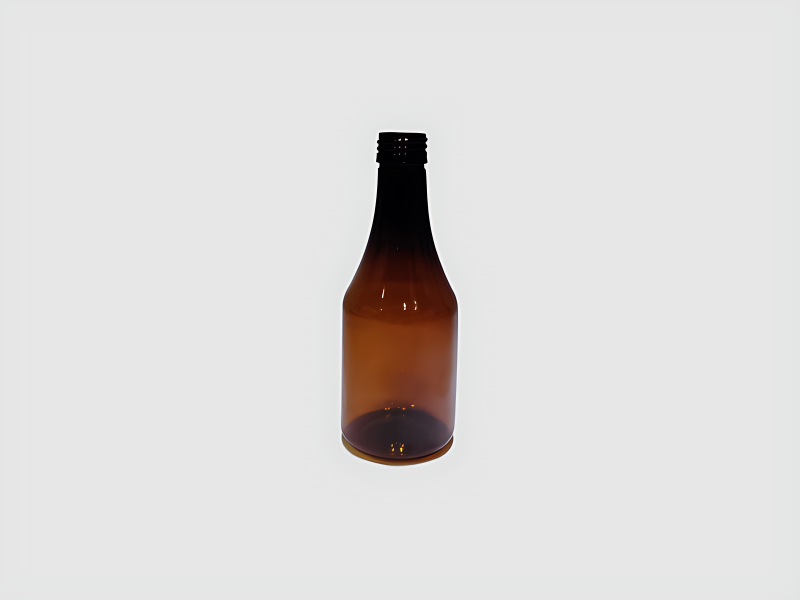
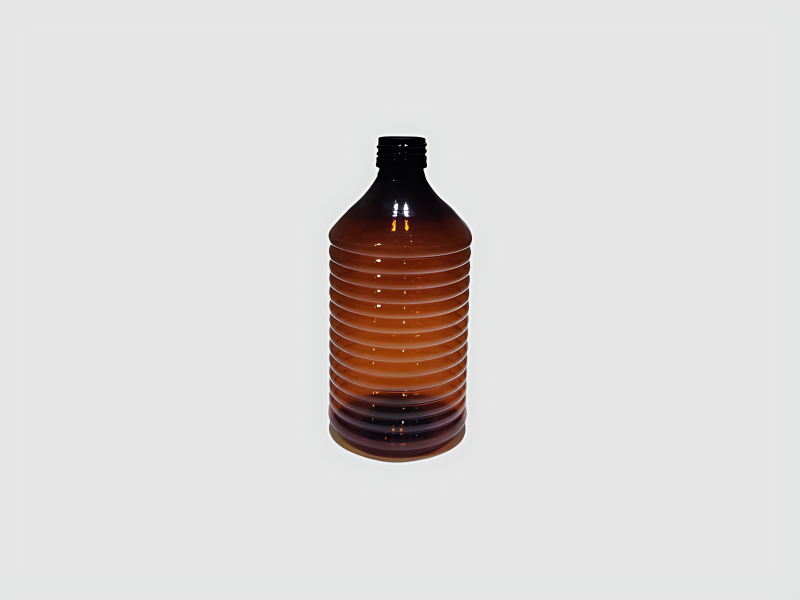
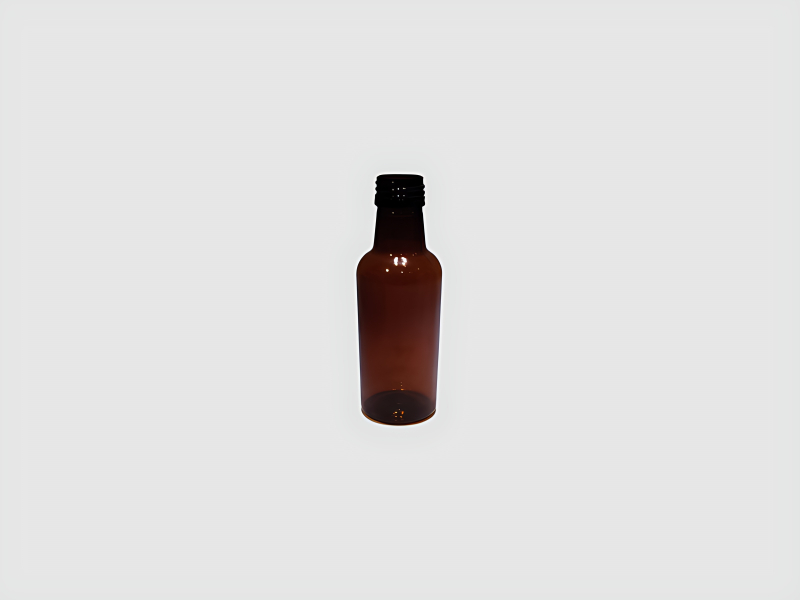
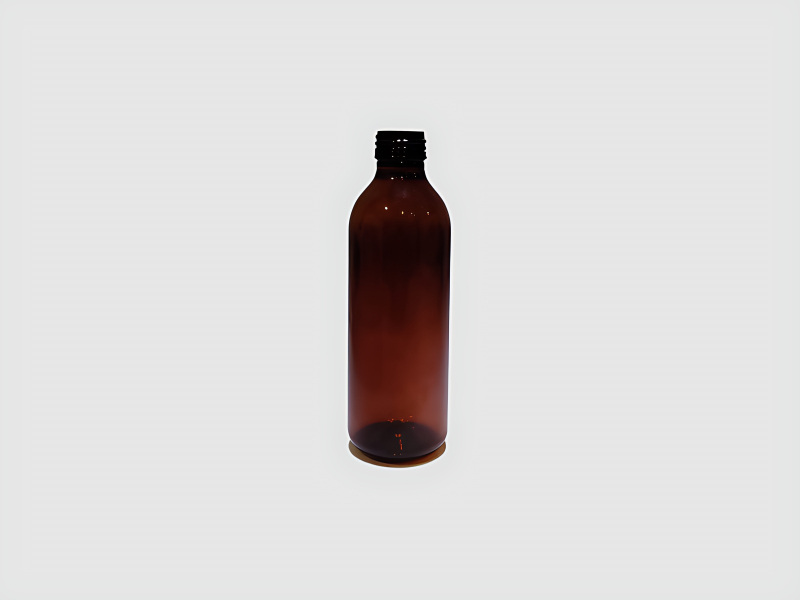
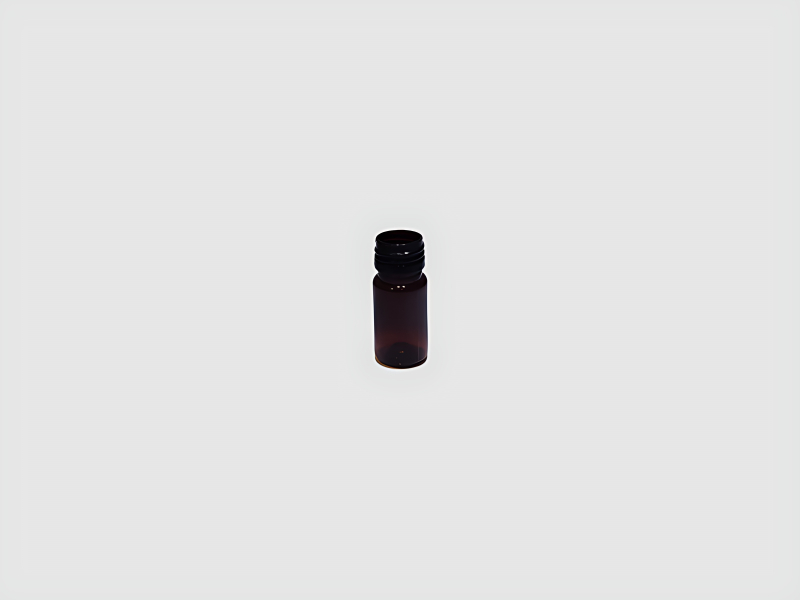
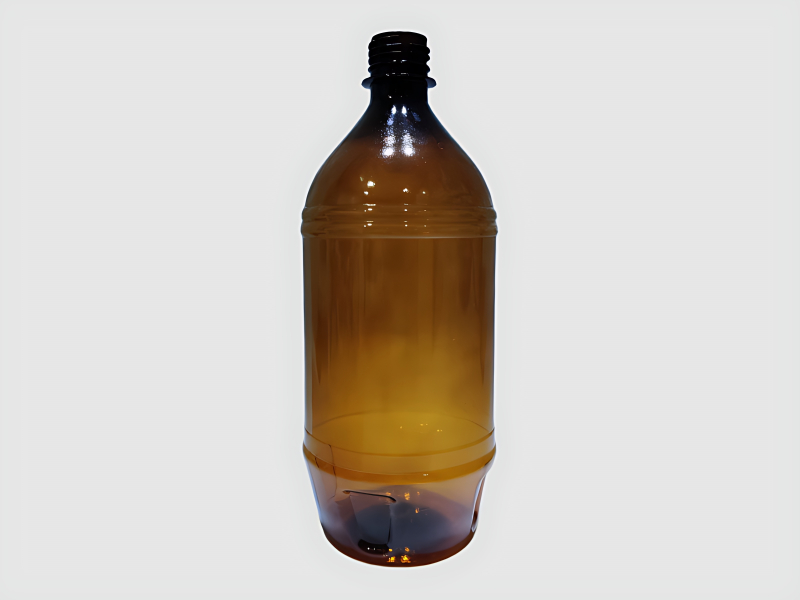
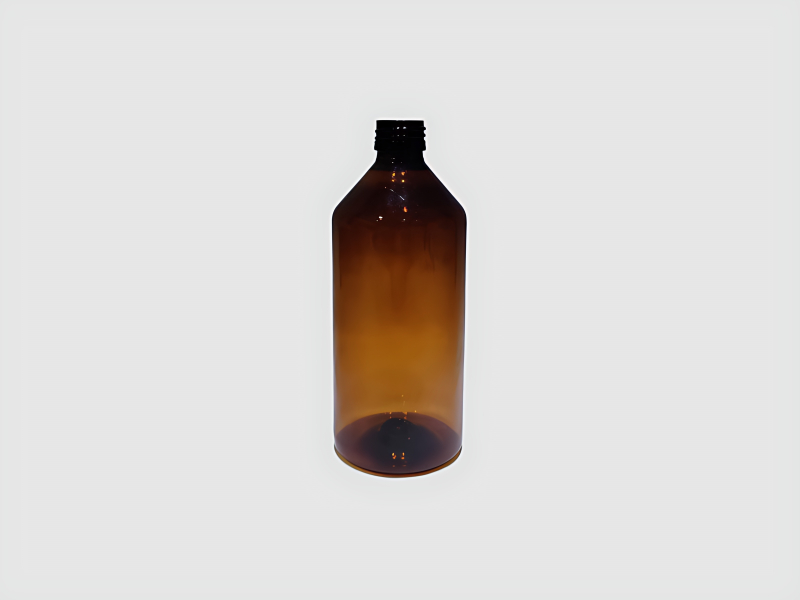
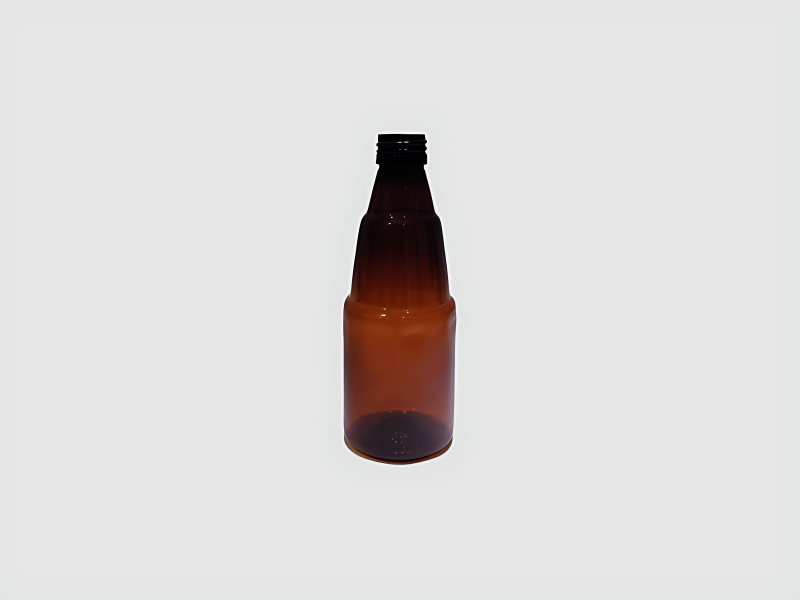
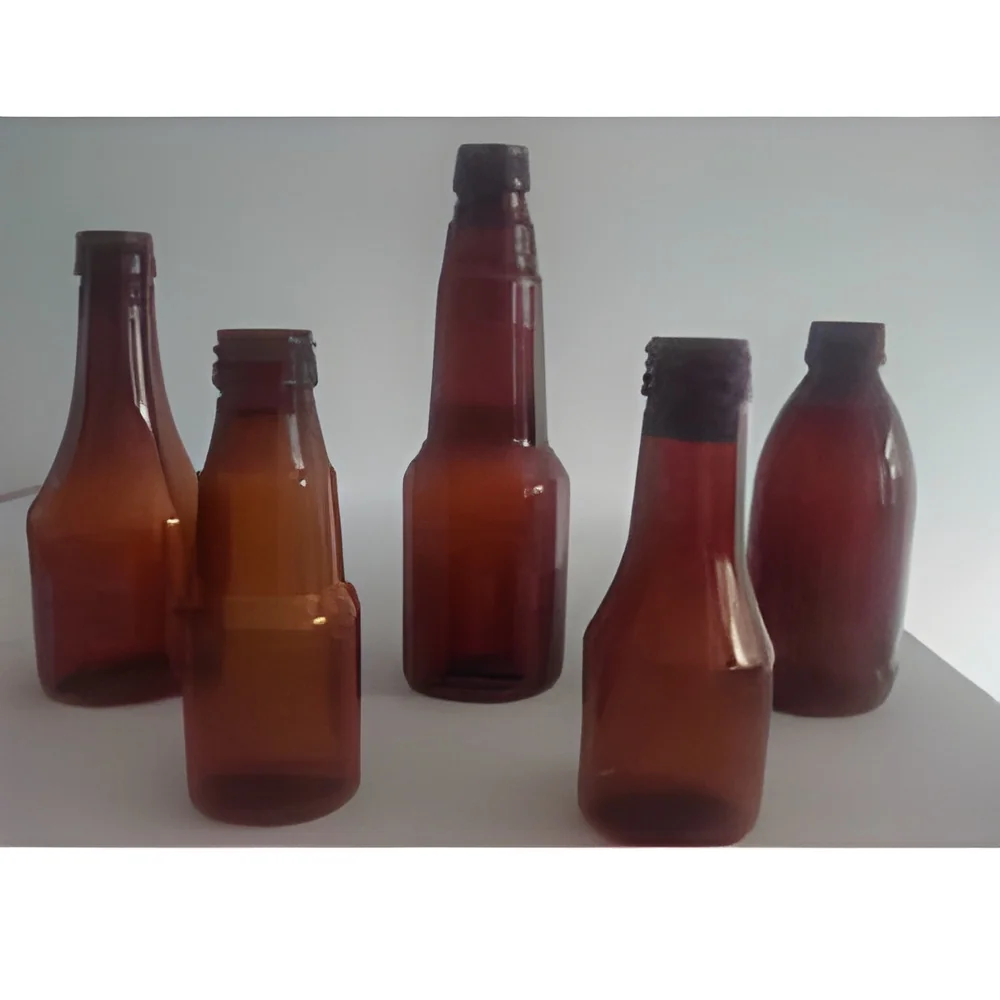
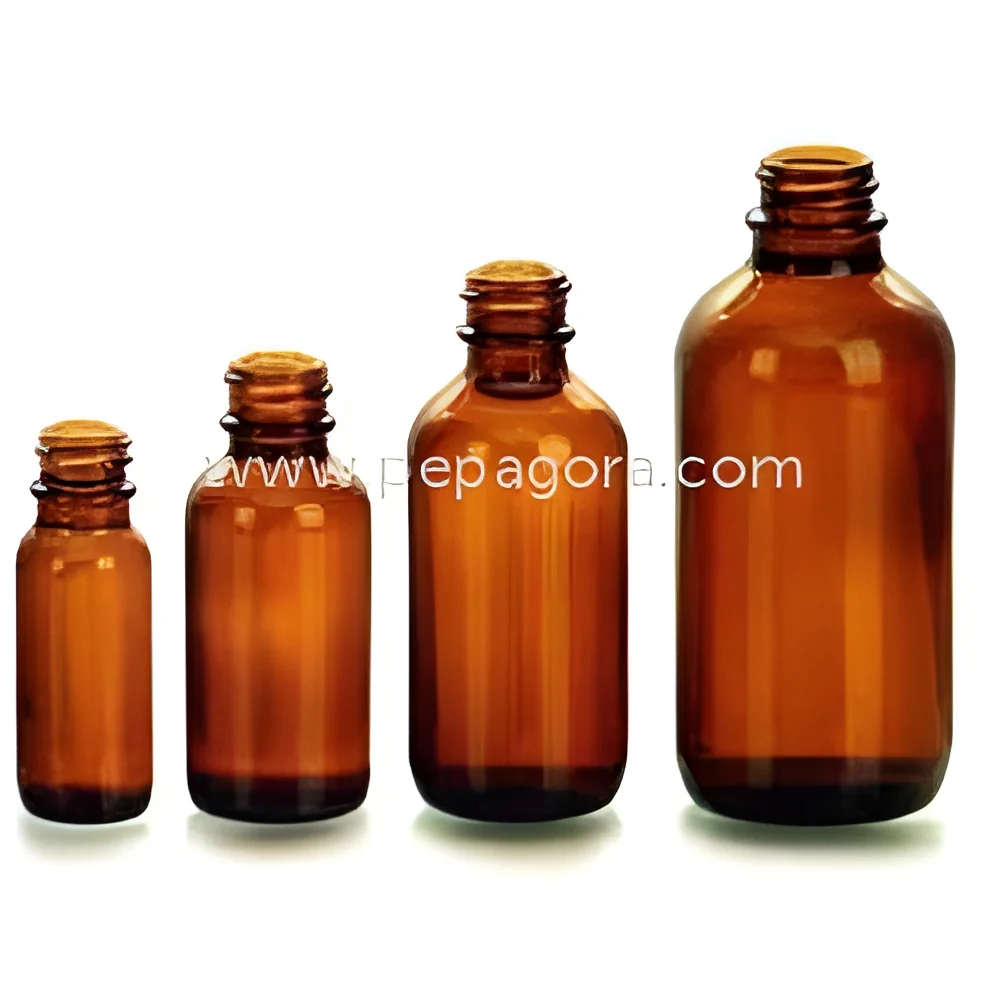
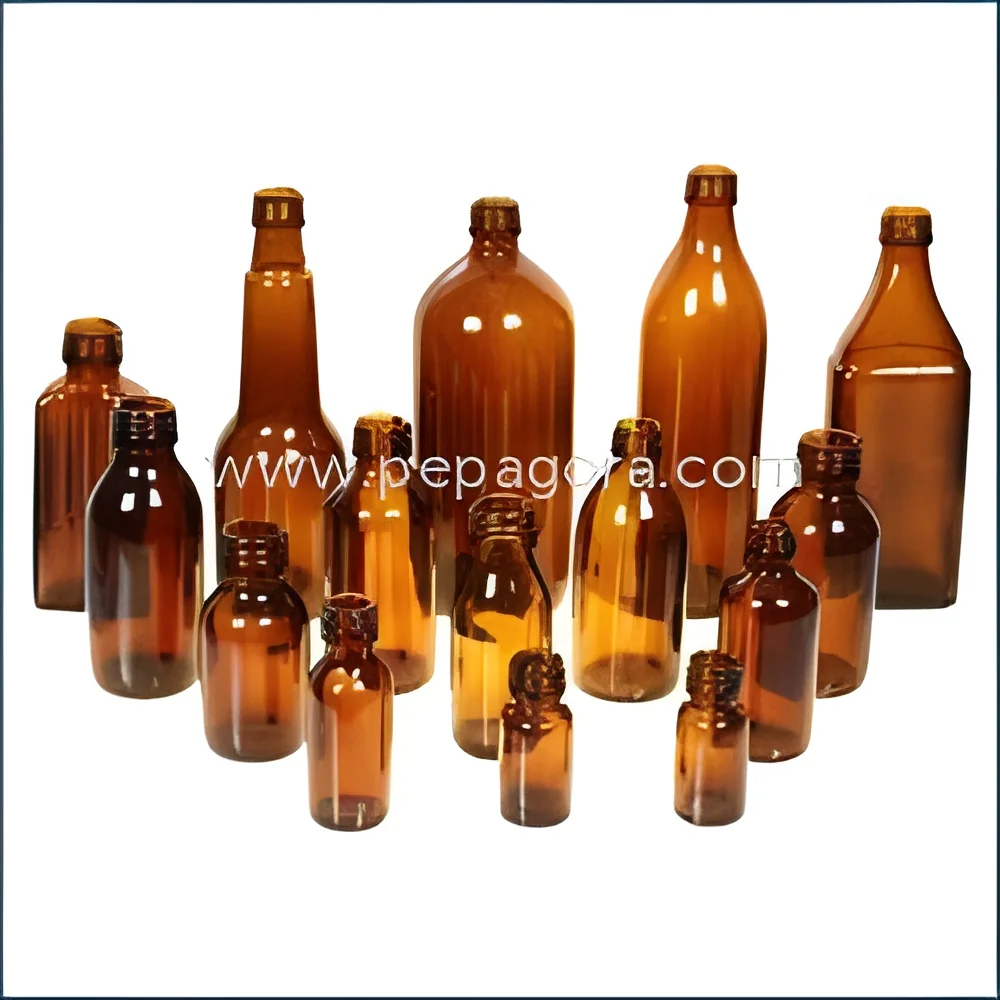
Amber Glass Bottles: Used primarily for pharmaceuticals and essential oils, amber glass protects contents from UV light, enhancing product shelf life.
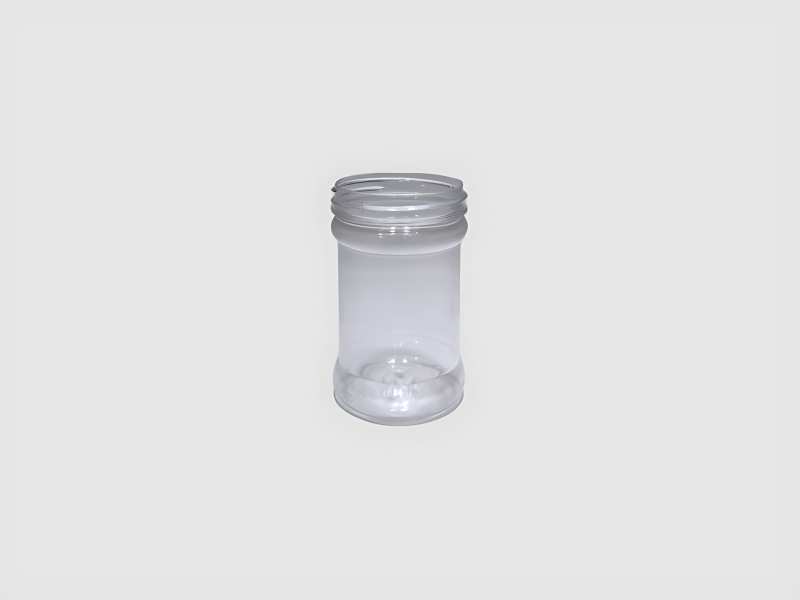
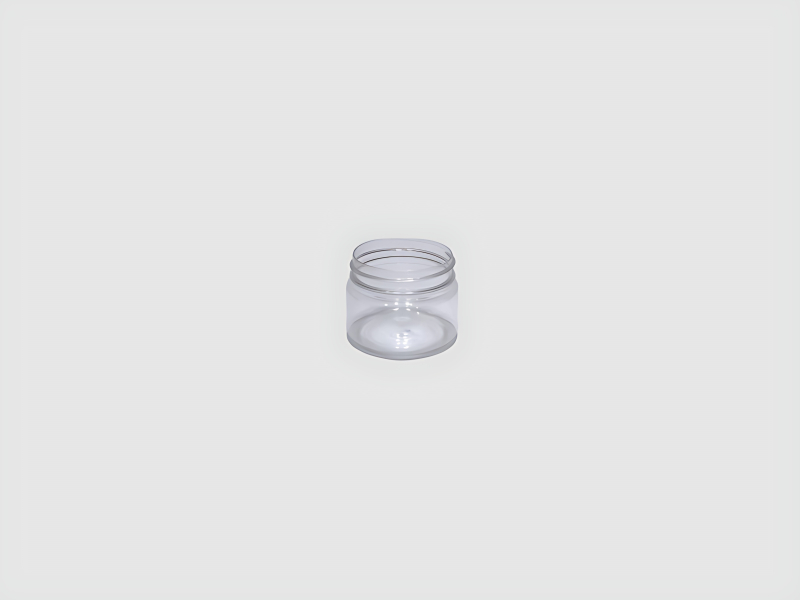
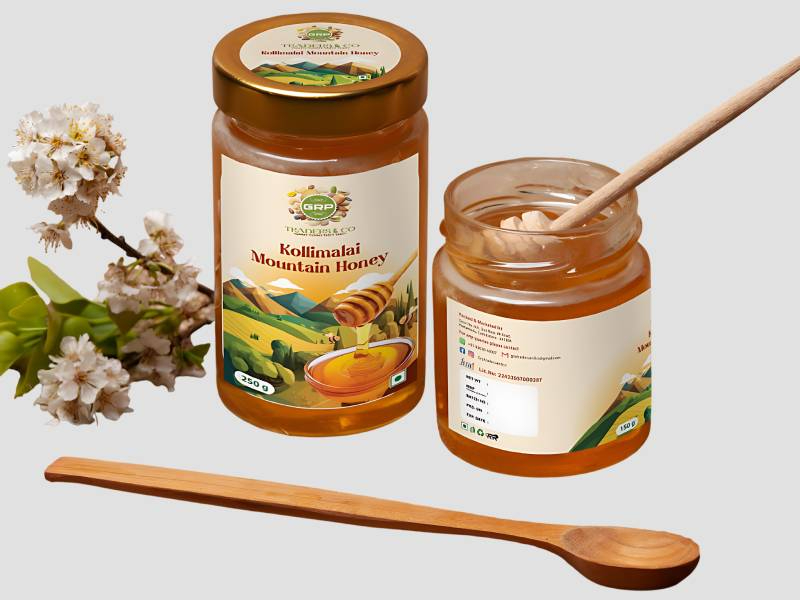
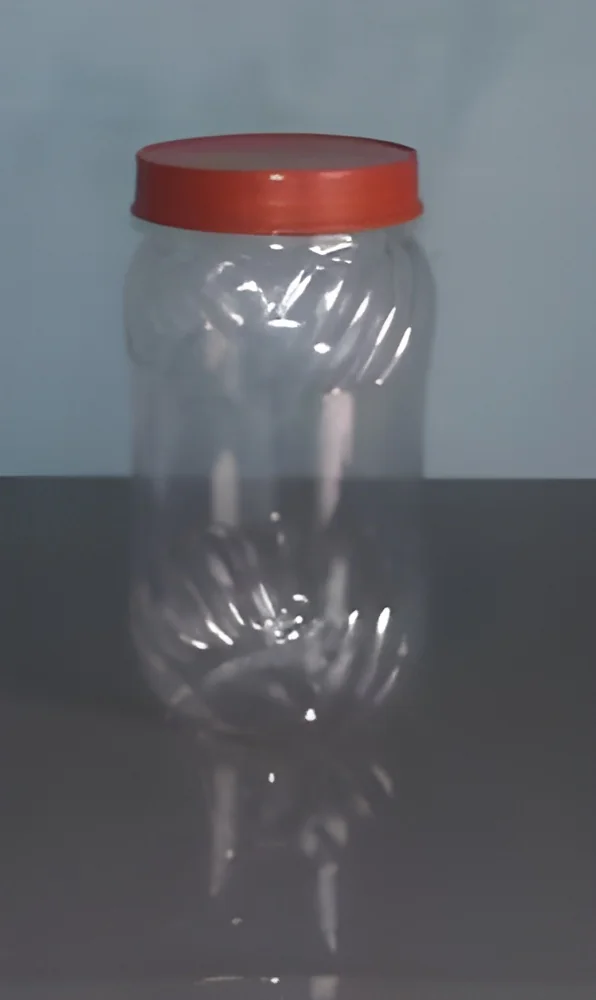
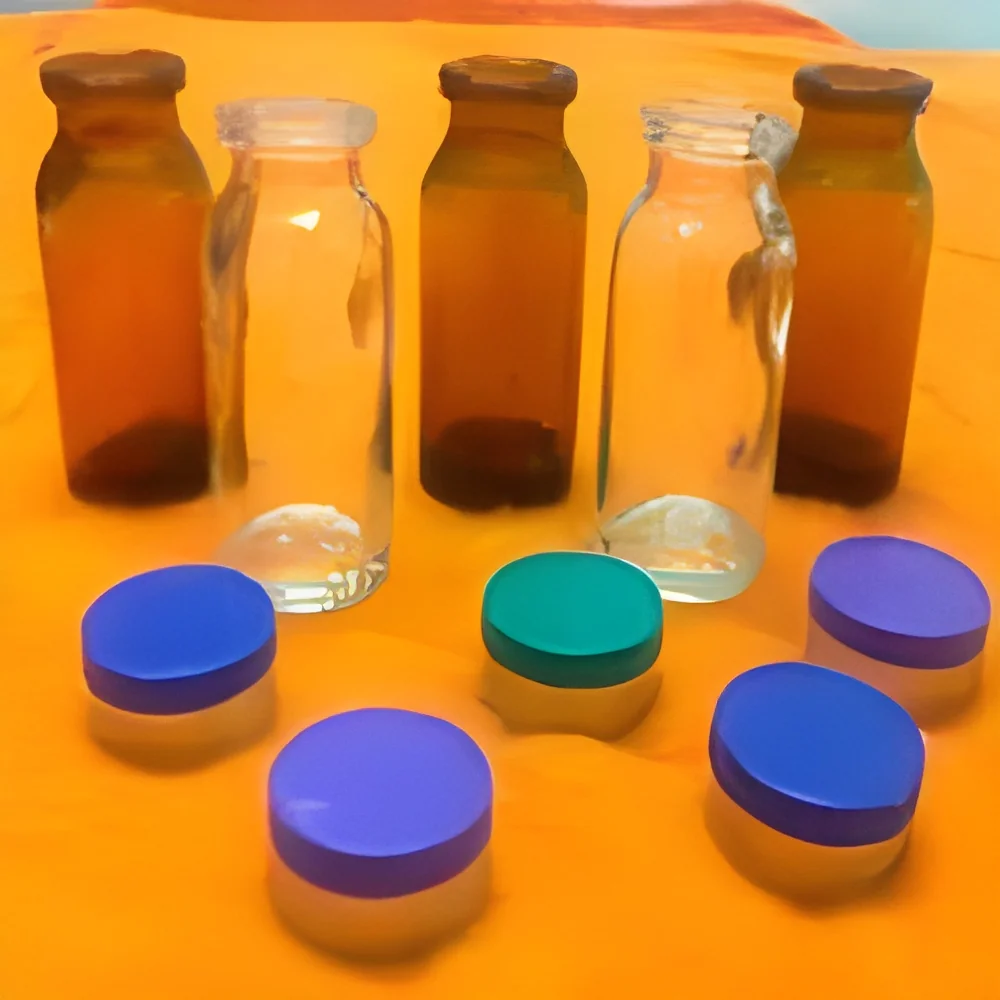
Glass Jars with Lids: Available in various designs, these jars are ideal for food storage, crafts, or home organization, providing secure closure options.
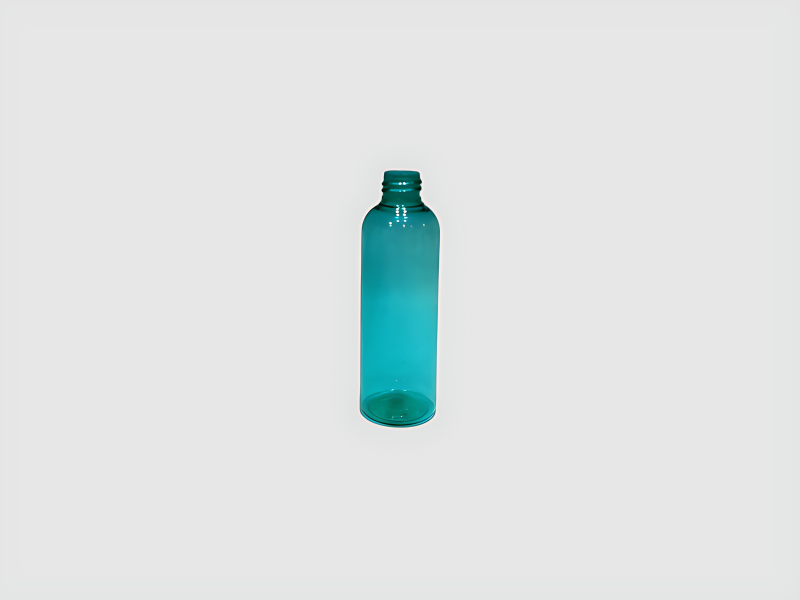
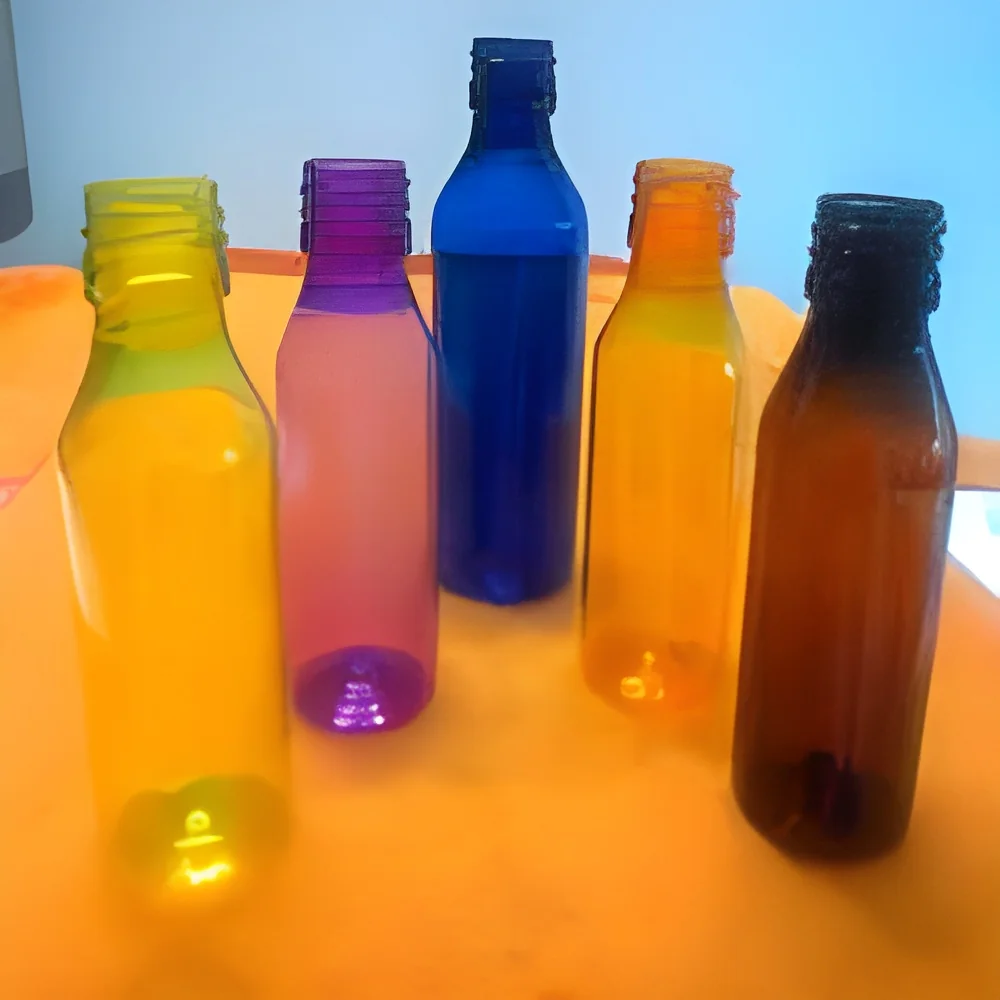
Colored Glass Bottles: These are designed for aesthetic appeal and are often used in the beauty and fragrance industry. The color can also offer some protection from light.
𝗕𝗲𝗻𝗲𝗳𝗶𝘁𝘀 𝗮𝗻𝗱 𝗔𝗱𝘃𝗮𝗻𝘁𝗮𝗴𝗲𝘀
Glass bottles and jars provide numerous benefits that make them a preferred choice in various industries.
Key benefits include:
1. Safety: Glass is non-toxic and does not leach chemicals, ensuring that contents remain safe for consumers.
2. Sustainability: Glass is fully recyclable and reusable, making it an environmentally friendly packaging option.
3. Aesthetic Appeal: The clarity and quality of glass enhance product presentation, attracting consumer attention on the shelf.
4. Preservation: Glass provides an excellent barrier against air and moisture, preserving the quality and freshness of products.
5. Customization: Businesses can easily customize glass containers with labels and designs, enhancing brand visibility.
6. Versatility: Glass bottles and jars can be used for a wide range of products across various industries, making them adaptable for different business needs.
𝗕𝘂𝘆𝗶𝗻𝗴 𝗚𝘂𝗶𝗱𝗲 𝗳𝗼𝗿 𝗕𝟮𝗕 𝗕𝘂𝘆𝗲𝗿𝘀
When sourcing glass bottles and jars, several factors should be taken into account to ensure the right selection.
1. Quality Assessment: Buyers should evaluate the glass quality, checking for any defects or inconsistencies. Look for suppliers who meet industry standards.
2. Supplier Verification: It is essential to vet suppliers for their reputation and reliability. Consider how long they have been in business and their customer feedback.
3. Pricing and MOQ: Understand the pricing structure and minimum order quantities (MOQ) required by suppliers. This helps in budgeting and managing inventory.
4. Delivery and Lead Times: Confirm the expected delivery times and logistics arrangements. Timely delivery is crucial for maintaining supply chain efficiency.
5. Compliance Requirements: Ensure suppliers adhere to relevant regulations and certifications, such as CE certification. This is particularly important for industries like food and pharmaceuticals.
𝗖𝗼𝗺𝗽𝗹𝗶𝗮𝗻𝗰𝗲 𝗮𝗻𝗱 𝗖𝗲𝗿𝘁𝗶𝗳𝗶𝗰𝗮𝘁𝗶𝗼𝗻𝘀
Glass bottles and jars must adhere to various quality standards to ensure safety and effectiveness. Relevant quality standards include ISO 9001, which focuses on quality management systems, ensuring consistent product quality.
In addition, HACCP (Hazard Analysis Critical Control Point) is crucial in food-related applications, helping businesses manage food safety risks. GDP (Good Distribution Practice) ensures that products are stored and transported under proper conditions.
Industry certifications, such as CE marking, indicate compliance with European health, safety, and environmental protection standards. This is vital for products intended for the European market.
Safety and testing requirements vary by industry. Glass containers should undergo rigorous testing to ensure they can withstand temperature changes and pressure variations.
Regional compliance considerations may also apply, depending on the market. Buyers should be aware of local regulations impacting glass packaging.
𝗪𝗵𝘆 𝗦𝗼𝘂𝗿𝗰𝗲 𝗚𝗹𝗮𝘀𝘀 𝗕𝗼𝘁𝘁𝗹𝗲𝘀 & 𝗝𝗮𝗿𝘀 𝗳𝗿𝗼𝗺 𝗣𝗲𝗽𝗮𝗴𝗼𝗿𝗮?
Pepagora offers a reliable platform for sourcing glass bottles and jars, providing several key advantages for B2B buyers.
Verified Supplier Network: At Pepagora, suppliers are thoroughly vetted to ensure that buyers have access to trusted, quality manufacturers. This reduces the risk of sourcing inferior products.
Streamlined RFQ Process: The request for quotation (RFQ) process is designed to be straightforward, allowing buyers to receive multiple quotes quickly. This efficiency helps businesses make informed purchasing decisions.
Trade Assurance and Support: Pepagora provides trade assurance, ensuring buyer protection during transactions. Customers have access to support for any issues that may arise, fostering trust in the sourcing process.
Regional Coverage: With a strong presence in India, the GCC, and Southeast Asia, Pepagora facilitates sourcing across diverse markets. This geographic reach helps businesses tap into various suppliers and product offerings.

 IN
IN