What are Pickle Jars?
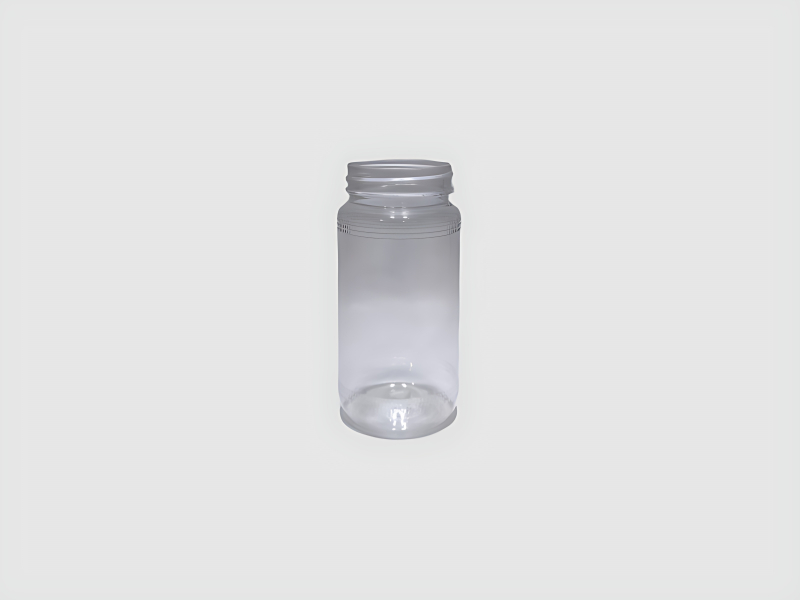
Pickle jars are specialized containers designed for the storage and preservation of pickled foods. Typically made from glass or high-grade plastic, these jars feature airtight sealing mechanisms that help maintain the quality and longevity of the contents. The design often includes a wide mouth for easy filling and cleaning, ensuring that the pickled items remain fresh and safe for consumption.
In business applications, pickle jars are essential for food processing companies, restaurants, and retailers involved in the production or sale of pickled products. They are used not only for storing pickles but also for other preserved items such as olives, fruits, and vegetables. These jars play a significant role in the food supply chain, enabling businesses to provide quality products that meet consumer demands.
The market for pickle jars is robust, driven by the increasing popularity of fermented and pickled foods across various cuisines. With a growing emphasis on healthy eating and traditional preservation techniques, the demand for high-quality pickle jars continues to rise. This trend highlights the importance of reliable packaging solutions in maintaining product integrity and enhancing shelf appeal.
Key Features and Specifications
Pickle jars come with a variety of features and specifications that cater to different business needs. These features ensure that the jars meet industry standards for safety and functionality, while also providing ease of use for consumers.
Key specifications include:
1. Material
- Commonly made from glass or food-grade plastic
- Ensures durability and resistance to breakage
2. Capacity
- Varies from small jars (250ml) to large jars (5 liters)
- Allows for flexibility in packaging sizes
3. Seal Type
- Airtight lids to prevent contamination
- Options include screw-on and snap-on lids
4. Design
- Wide mouth for easy access and cleaning
- Clear glass options for visibility of contents
5. Temperature Resistance
- Suitable for refrigeration and room temperature storage
- Ensures preservation of pickled items
6. Compliance
- Meets quality standards such as CE certification
- Ensures safety and reliability for food storage
7. Customization Options
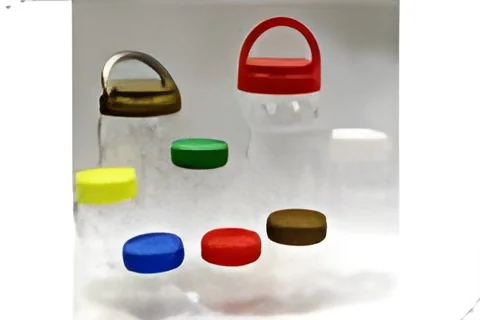
- Ability to print logos or labels on jars
- Tailored sizes and colors to suit branding needs
In summary, pickle jars offer essential features that enhance usability and safety. Their diverse specifications cater to various industries, making them a critical component in food preservation and packaging.
Common Applications and Use Cases
Pickle jars serve a wide range of industries, each benefiting from their unique capabilities.
1. Food Processing: These jars are extensively used for packaging pickled vegetables, fruits, and condiments, ensuring freshness and extending shelf life.
2. Restaurants and Cafes: Many establishments use pickle jars to serve house-made pickles as part of their menu offerings, enhancing customer experience.
3. Retail: Grocery stores and specialty shops rely on pickle jars for displaying pickled products, appealing to consumers with their visual presentation.
4. Catering Services: Caterers use pickle jars to prepare and store large quantities of pickled items for events, ensuring easy transport and serving.
5. Home Canning: Many home canners utilize pickle jars for preserving seasonal produce, allowing individuals to engage in sustainable food practices.
6. Gourmet Food Producers: Artisanal brands often use high-quality pickle jars to package unique and specialty pickled products, enhancing their market appeal.
7. Health Food Stores: Retailers focused on organic and health-conscious products use pickle jars to showcase their selection of pickled items, emphasizing natural preservation methods.
Product Variants and Subcategories
The diversity of pickle jars allows them to cater to different consumer preferences and business needs.
Standard Pickle Jars: These are the most common type, generally made from glass and available in various sizes. They are ideal for pickling vegetables and fruits, offering durability and aesthetic appeal.
Miniature Pickle Jars: Smaller in size, these jars are perfect for individual servings or sampling. They are often used for gourmet products or as promotional items.
Bulk Pickle Jars: Designed for large-scale food production, these jars are available in larger capacities and are used by food processors and manufacturers for efficient storage.
Decorative Pickle Jars: These jars feature unique designs and embellishments, making them suitable for gifting or special occasions. They can enhance the presentation of homemade pickles or preserves.
Benefits and Advantages
Choosing the right pickle jars provides numerous benefits for businesses.
1. Enhance Shelf Life: Properly sealed jars help extend the freshness of pickled products, reducing spoilage and waste.
2. Promote Food Safety: High-quality materials ensure that food safety standards are met, protecting consumers from contamination.
3. Versatile Storage: Pickle jars can accommodate a variety of pickled foods, offering flexibility in product offerings.
4. Visual Appeal: Clear jars allow consumers to see the contents, which can increase sales through attractive presentation.
5. Customization Opportunities: Businesses can brand their jars, creating a unique identity and promoting their products effectively.
6. Cost-Effective Packaging: Durable materials and reusable designs make pickle jars a cost-efficient choice for food storage.
Buying Guide for B2B Buyers
When sourcing pickle jars, buyers should consider several key factors to ensure they make informed decisions.
1. Quality Assessment: Evaluate the quality of materials used in the jars. Look for food-grade certification and durability to ensure safety and longevity.
2. Supplier Verification: It is crucial to vet suppliers for their reliability and reputation in the market. This may include checking references and past client reviews.
3. Pricing and MOQ: Understand the pricing structure and minimum order quantities. This will help in budgeting and ensuring that quantities meet business needs.
4. Delivery and Lead Times: Inquire about the logistics of delivery, including lead times, to align sourcing with production schedules.
5. Compliance Requirements: Ensure that the jars meet local and international regulatory standards for food safety and packaging.
Compliance and Certifications
Pickle jars must adhere to specific compliance and certification standards to ensure safety and quality in food storage.
Relevant quality standards include ISO 9001, which focuses on quality management systems, and HACCP, which is essential for identifying and controlling food safety hazards.
Industry certifications like CE indicate that the jars meet European safety and health requirements, providing assurance to buyers about product quality.
Safety and testing requirements are critical for maintaining consumer trust. Regular testing for durability, leak resistance, and material safety should be conducted.
Regional compliance considerations may vary, so it is essential to stay informed about specific regulations in different markets to ensure proper adherence.
Why Source Pickle Jars from Pepagora?
Pepagora provides a trusted platform for sourcing pickle jars with several key advantages that benefit B2B buyers.
Verified Supplier Network: Pepagora maintains a rigorous verification process for suppliers, ensuring that all partners meet high standards of quality and reliability. This reduces the risk associated with sourcing.
Streamlined RFQ Process: The platform offers an efficient Request for Quotation (RFQ) system, allowing buyers to easily compare prices and specifications from multiple suppliers, making the sourcing process simple and effective.
Trade Assurance and Support: Buyers are protected by trade assurance programs that ensure safe transactions and support throughout the purchasing process. This builds confidence in sourcing decisions.
Regional Coverage: Pepagora has a broad geographic reach, covering markets in India, the GCC, and Southeast Asia. This ensures that buyers can find suitable suppliers in their region, facilitating faster and more cost-effective sourcing.

 IN
IN