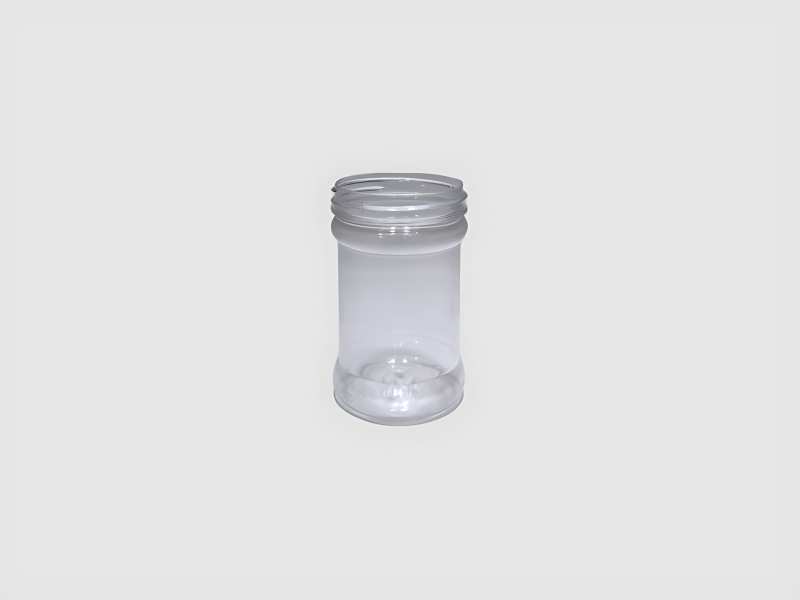
What are Spice Jars?
Spice jars are specialized containers designed to store and preserve a variety of spices and seasonings. These jars are typically made from materials such as glass, plastic, or metal, each providing different levels of protection against moisture and light. The design of spice jars often includes features like airtight lids to maintain freshness and prevent spills or contamination. Their size, shape, and closure mechanisms can vary based on the intended use, making them versatile for both home and industrial applications.
In the business context, spice jars are widely used in food processing, culinary services, and retail environments. They facilitate organization and easy access to spices, which is essential for efficient food preparation and production. For restaurants, catering services, and food manufacturers, maintaining the quality and integrity of spices is crucial for flavor retention and overall food quality. Additionally, the spice jar market has been evolving with trends toward sustainable materials and innovative designs, reflecting the growing awareness of environmental issues among consumers and businesses alike.
Key Features and Specifications
Spice jars come equipped with several features that cater to both functional and aesthetic needs. When choosing spice jars, it is important to consider specifications that will best meet your business requirements.
Key specifications include:
1. Material Type
- Common materials include glass, plastic, and metal.
- Each material offers different levels of durability and preservation.
2. Capacity
- Available sizes typically range from 50 ml to 500 ml.
- Capacity affects the quantity of spices that can be stored.
3. Closure Type
- Options include screw-on lids, flip-top caps, and cork stoppers.
- The choice of closure influences accessibility and freshness.
4. Airtight Seal
- Many jars feature airtight seals to prevent moisture infiltration.
- Essential for preserving spice potency and flavor.
5. Design and Shape
- Shapes can vary from cylindrical to square for space efficiency.
- Aesthetic designs may enhance display in retail settings.
6. Labeling Options
- Some jars come with writable surfaces or built-in label holders.
- Facilitates easy identification of contents.
7. Stackability
- Certain designs allow for stacking to maximize storage space.
- Ideal for kitchen organization in both commercial and home settings.
In summary, the features and specifications of spice jars play a critical role in their effectiveness and usability, making it essential for businesses to carefully evaluate their options.
Common Applications and Use Cases
Spice jars find applications across multiple industries, highlighting their versatility and importance.
1. Food Service Industry: In restaurants and catering businesses, spice jars are used to store a wide range of spices for easy access during food preparation. The preservation of spice quality is critical for maintaining flavor integrity in dishes.
2. Retail and Grocery: Supermarkets and specialty food stores utilize spice jars for packaging spices sold in bulk. Attractive jars can enhance product visibility and encourage consumer purchases.
3. Food Manufacturing: In food processing plants, spice jars are used to store raw materials and seasonings. Proper storage is essential to ensure product consistency and safety during production.
4. Home Cooking: Individual consumers use spice jars to organize their spice collections at home, making it easier to find and use spices while cooking.
5. Herbal Medicine: In the herbal and natural supplement industry, spice jars can be utilized for storing dried herbs and other botanical ingredients, ensuring quality and potency.
6. Catering Services: Caterers often rely on spice jars to manage diverse seasoning options for various events, maintaining efficiency and quality.
7. Hospitality: Hotels and resorts use spice jars in room service and dining facilities to provide guests with a range of seasoning options.
Product Variants and Subcategories
Spice jars come in a variety of forms, catering to different needs and preferences.
Glass Spice Jars
These jars are favored for their aesthetic appeal and ability to preserve flavor. They are often used in retail settings to display spices, allowing customers to see the contents. Glass jars can also come with various closures, enhancing their functionality.
Plastic Spice Jars
Lightweight and durable, plastic spice jars are suitable for environments where breakage is a concern. They are often used in commercial kitchens and by food manufacturers. Many plastic options are also designed to be dishwasher safe for easy cleaning.
Metal Spice Jars
Metal jars offer a robust solution for spice storage, providing excellent protection against light and moisture. They are often used in professional kitchens and by chefs who prioritize durability.
Benefits and Advantages
Spice jars provide several key benefits that enhance their appeal to businesses and consumers alike.
1. Preservation of Freshness: Airtight seals help maintain the freshness and potency of spices, ensuring optimal flavor.
2. Organization: Spice jars provide a systematic way to store spices, making it easier to find and use them efficiently.
3. Aesthetic Appeal: Many spice jars are designed to be visually appealing, enhancing the overall presentation in kitchens and retail displays.
4. Durability: Depending on the material, spice jars can withstand various conditions, making them suitable for both home and commercial use.
5. Customization: Some manufacturers offer customization options for branding, allowing businesses to create a unique identity.
6. Cost-Effective: Using spice jars helps reduce waste from bulk packaging and allows for better inventory management.
Buying Guide for B2B Buyers
When sourcing spice jars for your business, it is important to consider several key factors to ensure you make an informed decision.
1. Quality Assessment: Evaluate the materials and construction of spice jars to ensure they meet industry standards. Look for certifications that indicate quality and safety.
2. Supplier Verification: Research potential suppliers to confirm their reliability and reputation. Seek recommendations and check references to ensure they meet your business's needs.
3. Pricing and MOQ: Consider the cost of spice jars and any minimum order quantities (MOQ) required by suppliers. Ensure the pricing aligns with your budget and that you can meet the MOQ.
4. Delivery and Lead Times: Confirm delivery timelines with suppliers to ensure they can meet your scheduling needs. This is crucial for maintaining inventory levels.
5. Compliance Requirements: Be aware of any regulatory standards that apply to spice jars in your region, including safety and labeling requirements. Ensure that your suppliers comply with these regulations.
Compliance and Certifications
Spice jars are subject to several compliance and certification standards that ensure their safety and quality in various applications. Key quality standards include ISO 9001, which establishes criteria for a quality management system, ensuring that products meet customer and regulatory requirements consistently.
In addition to ISO certifications, compliance with Hazard Analysis Critical Control Point (HACCP) guidelines is essential in food-related applications. This ensures that spice jars do not compromise food safety and quality during storage and use.
Many spice jars are also certified with the CE mark, indicating conformity with health, safety, and environmental protection standards for products sold within the European Economic Area.
Safety and testing requirements include assessing the materials used in spice jars to ensure they do not leach harmful substances into the spices. Regional compliance considerations may vary, necessitating a thorough understanding of local regulations before sourcing spice jars.
Why Source Spice Jars from Pepagora?
Pepagora provides a trusted platform for sourcing spice jars with several key advantages that benefit B2B buyers.
Verified Supplier Network: Pepagora connects businesses with verified suppliers, ensuring that buyers work with reputable manufacturers. This reduces the risk of substandard products and enhances buyer confidence.
Streamlined RFQ Process: The request for quotation (RFQ) process on Pepagora is designed to be efficient, allowing buyers to easily compare quotes from multiple suppliers. This simplifies the sourcing process and saves time.
Trade Assurance and Support: Pepagora offers trade assurance features that protect buyers from potential risks, ensuring that orders are fulfilled as agreed. The platform also provides support throughout the purchasing process.
Regional Coverage: With a strong presence in India, the GCC, and Southeast Asia, Pepagora offers extensive geographic reach, making it a valuable resource for businesses looking to source spice jars across these regions.

 IN
IN