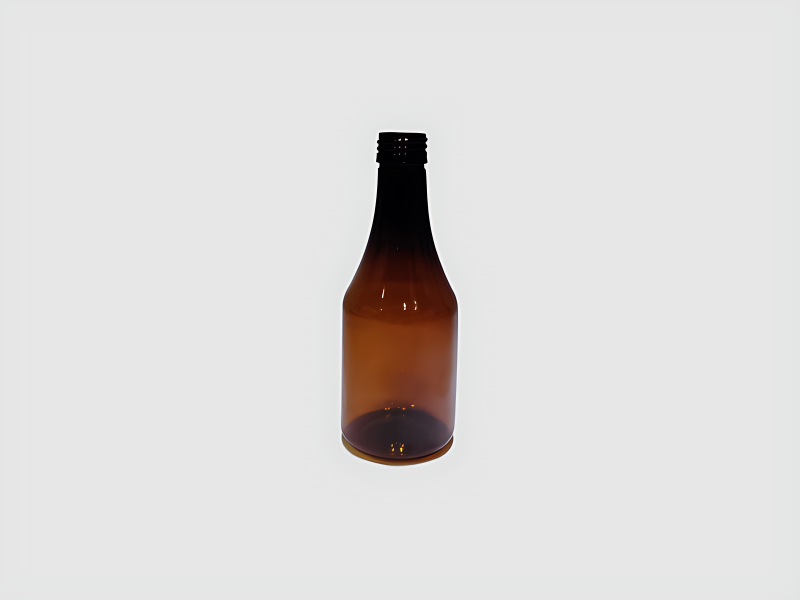
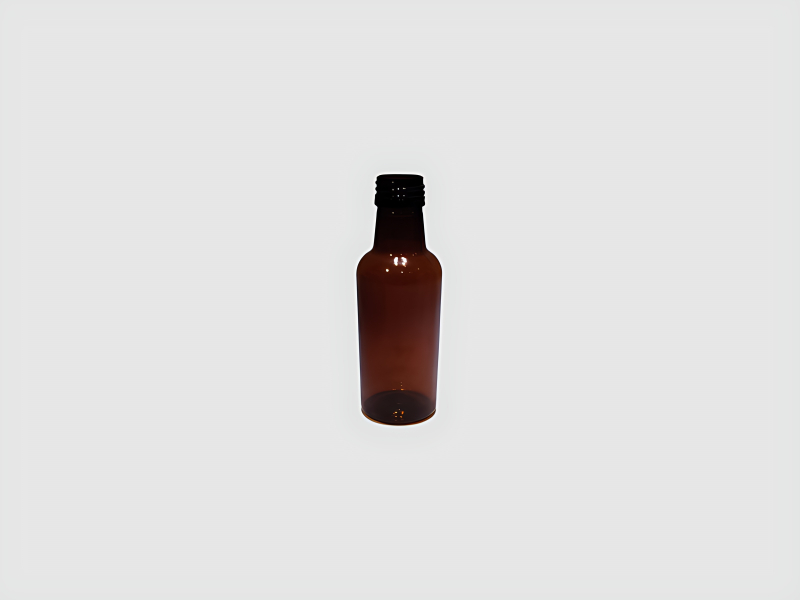
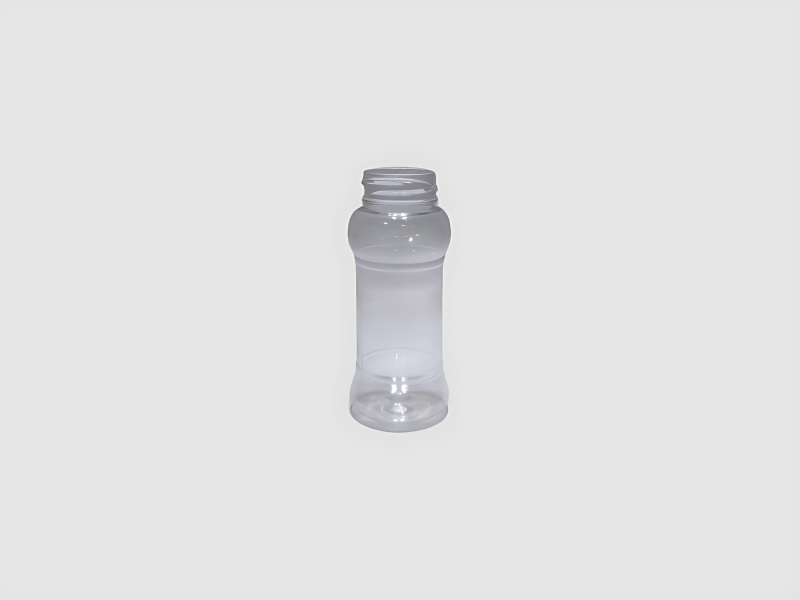
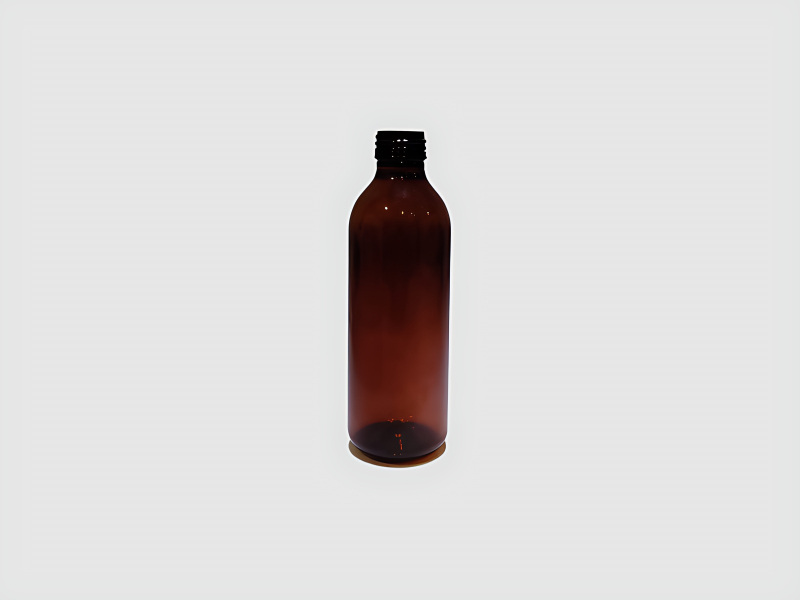
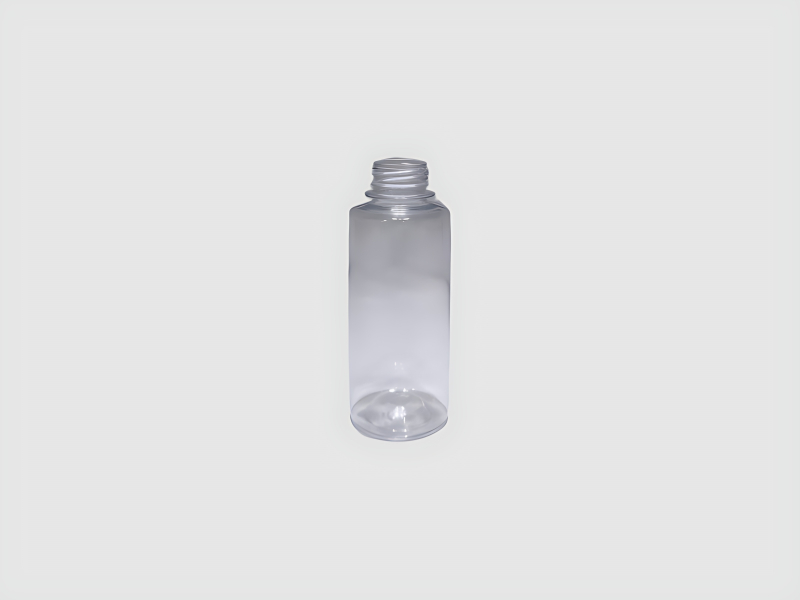
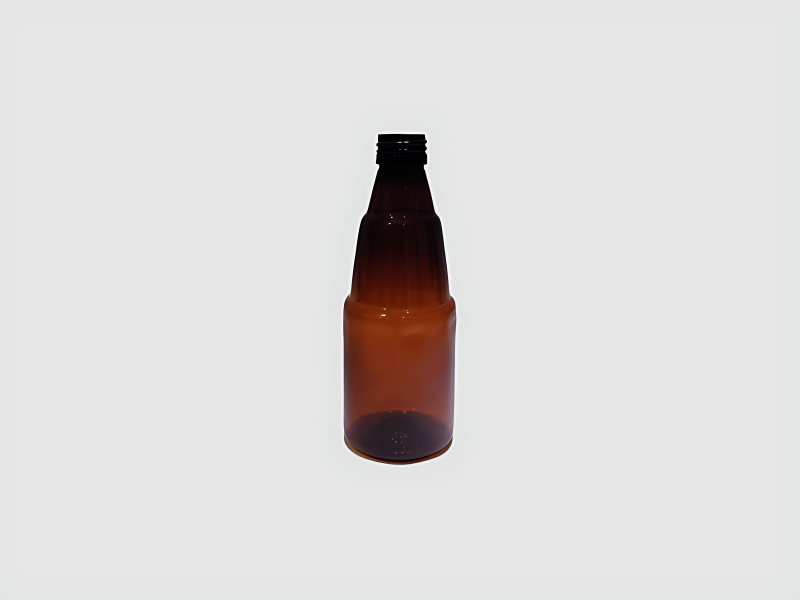
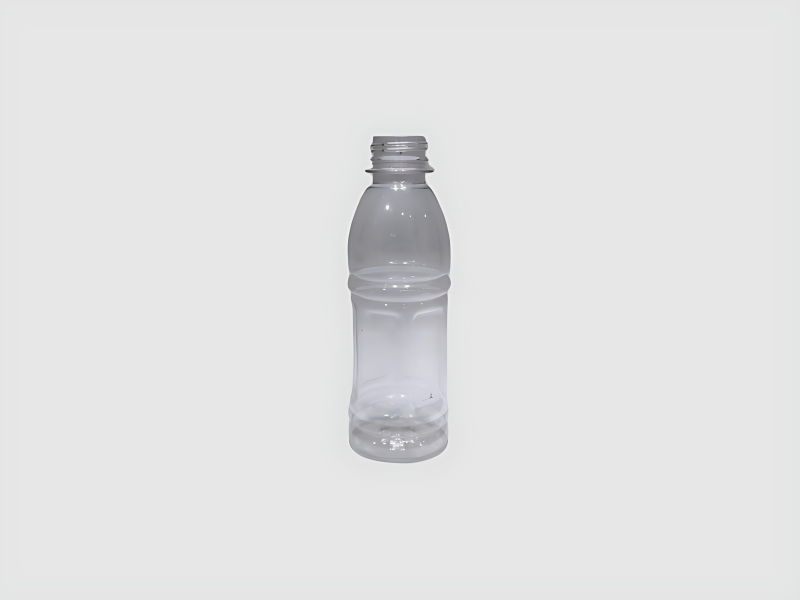
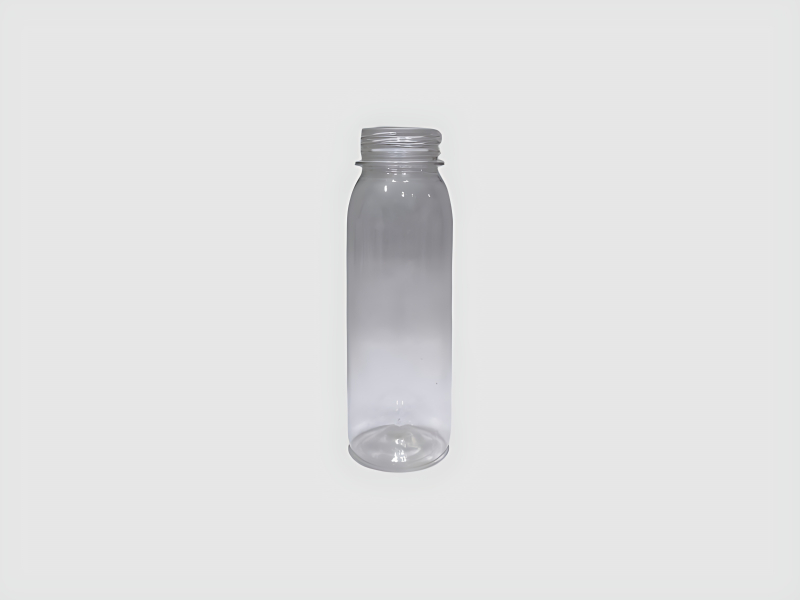
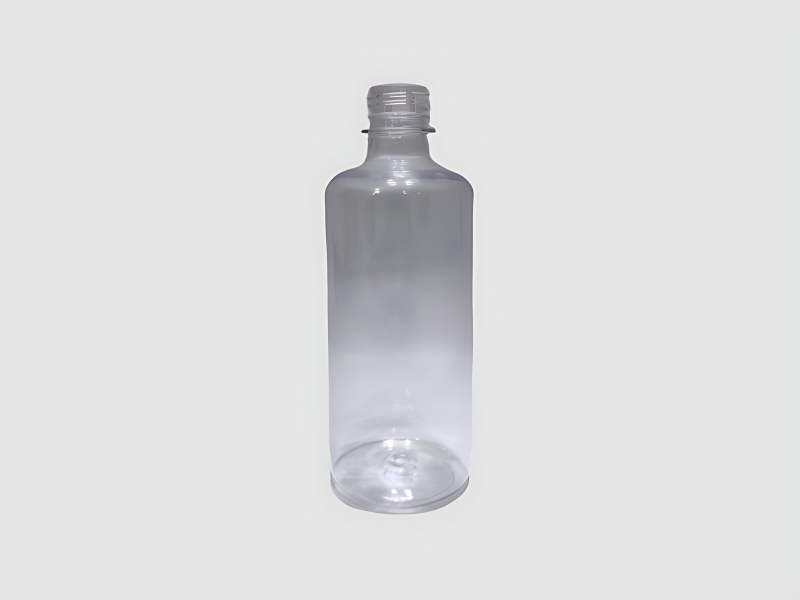
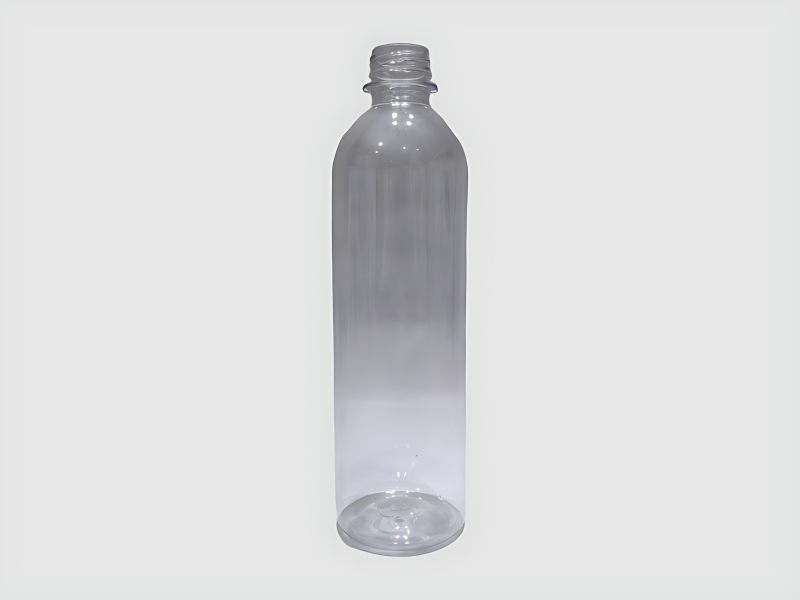
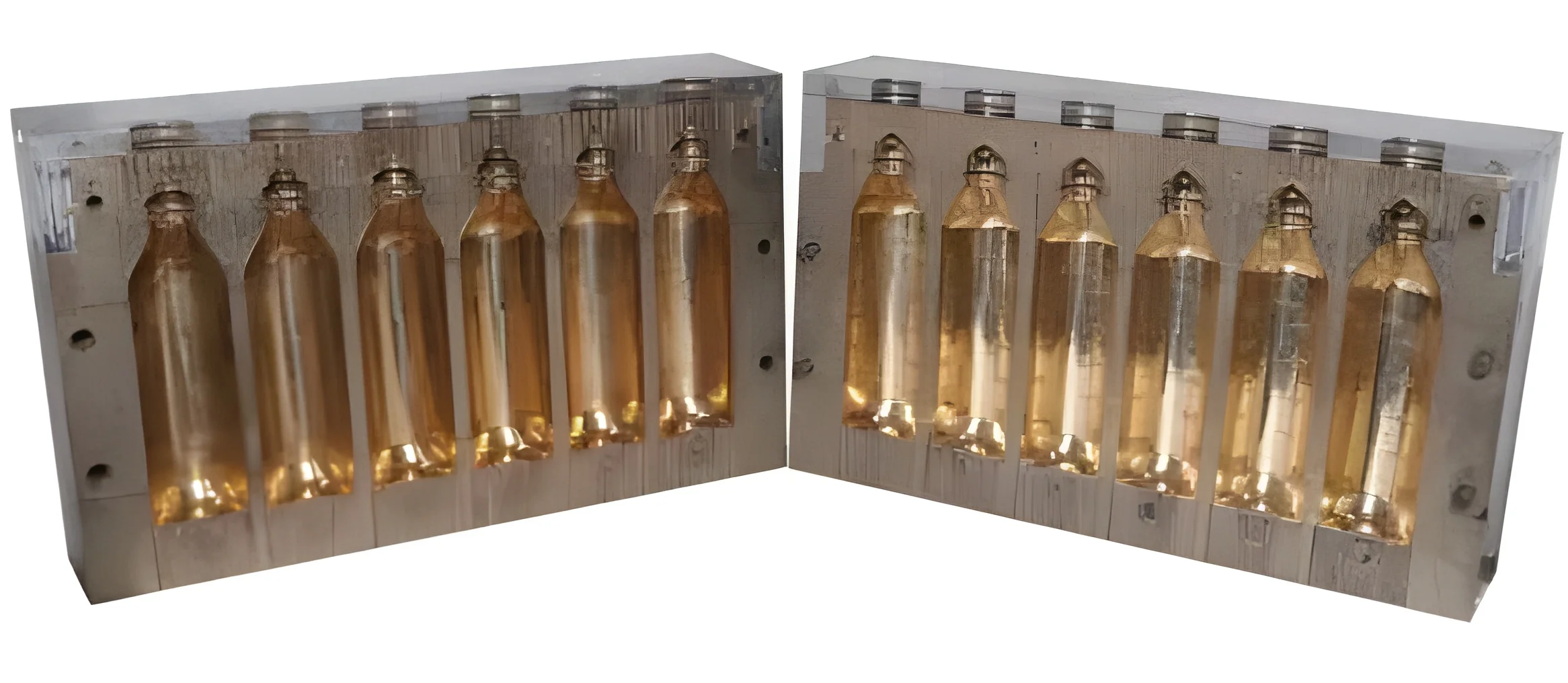
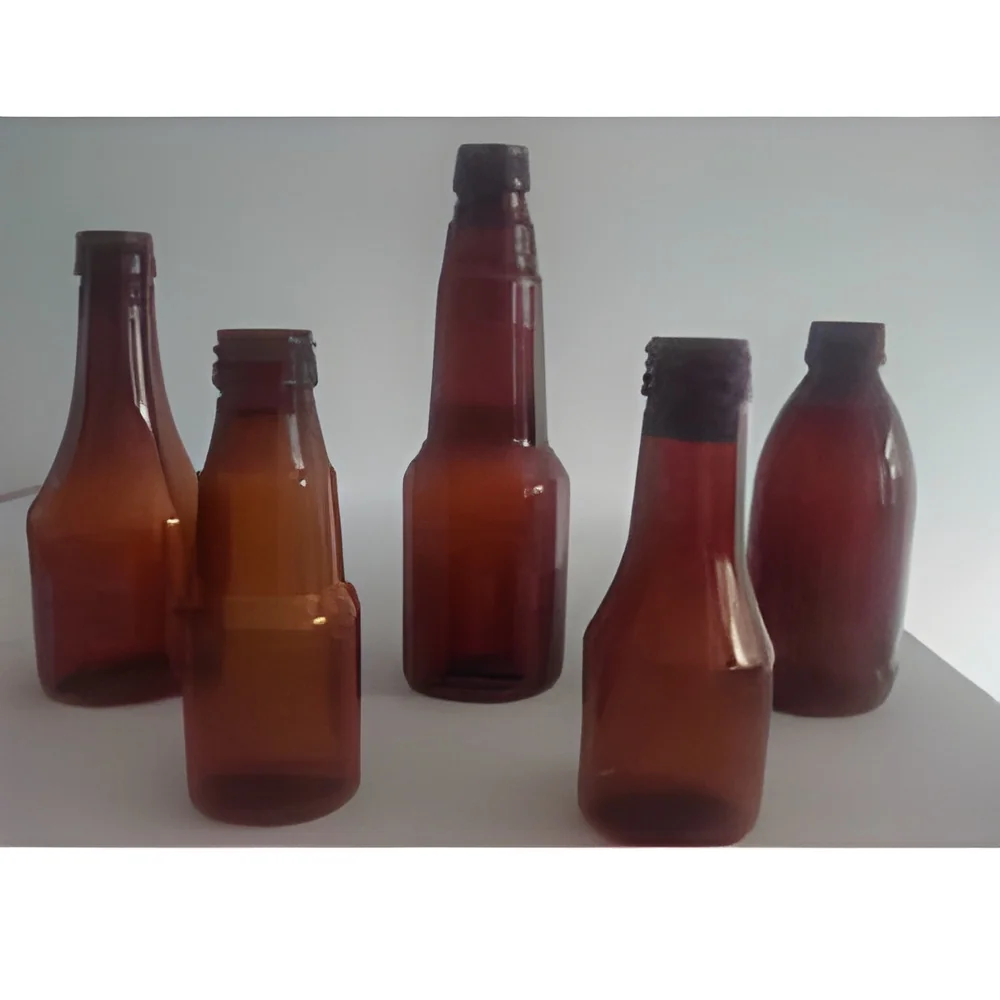
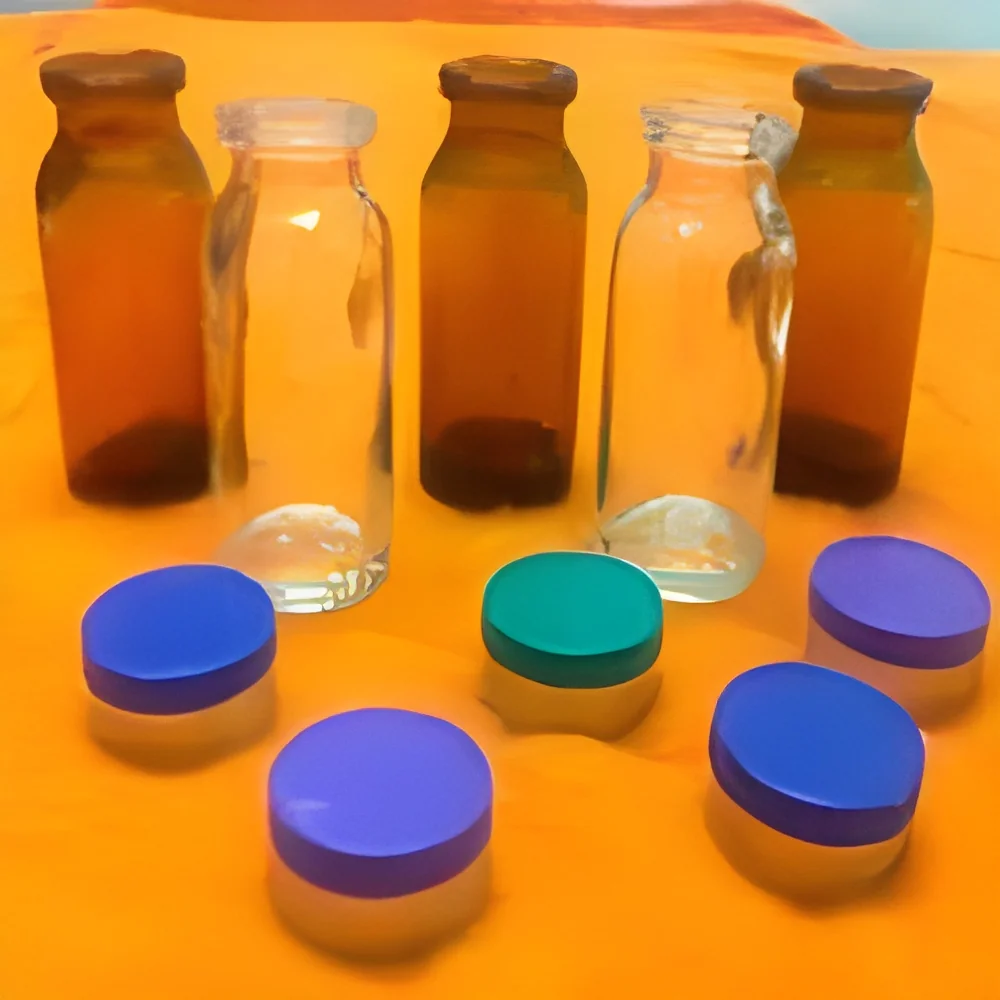
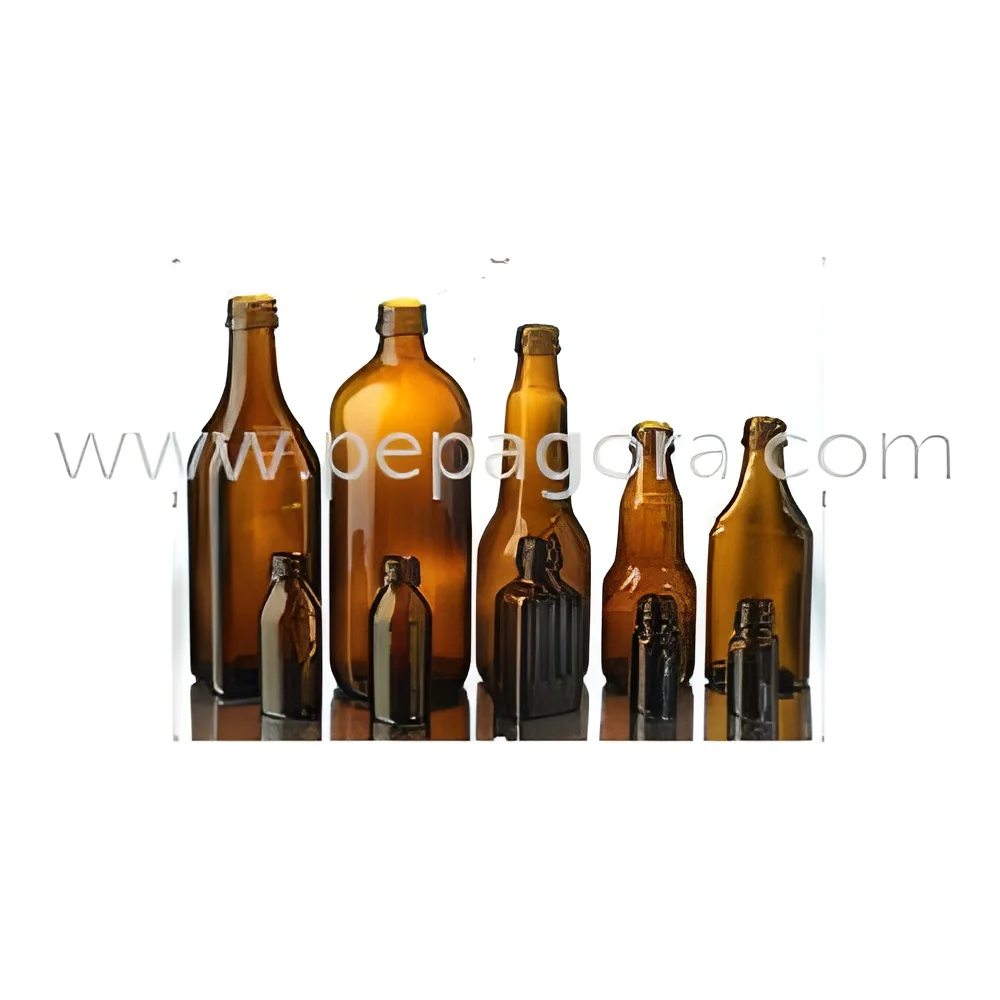
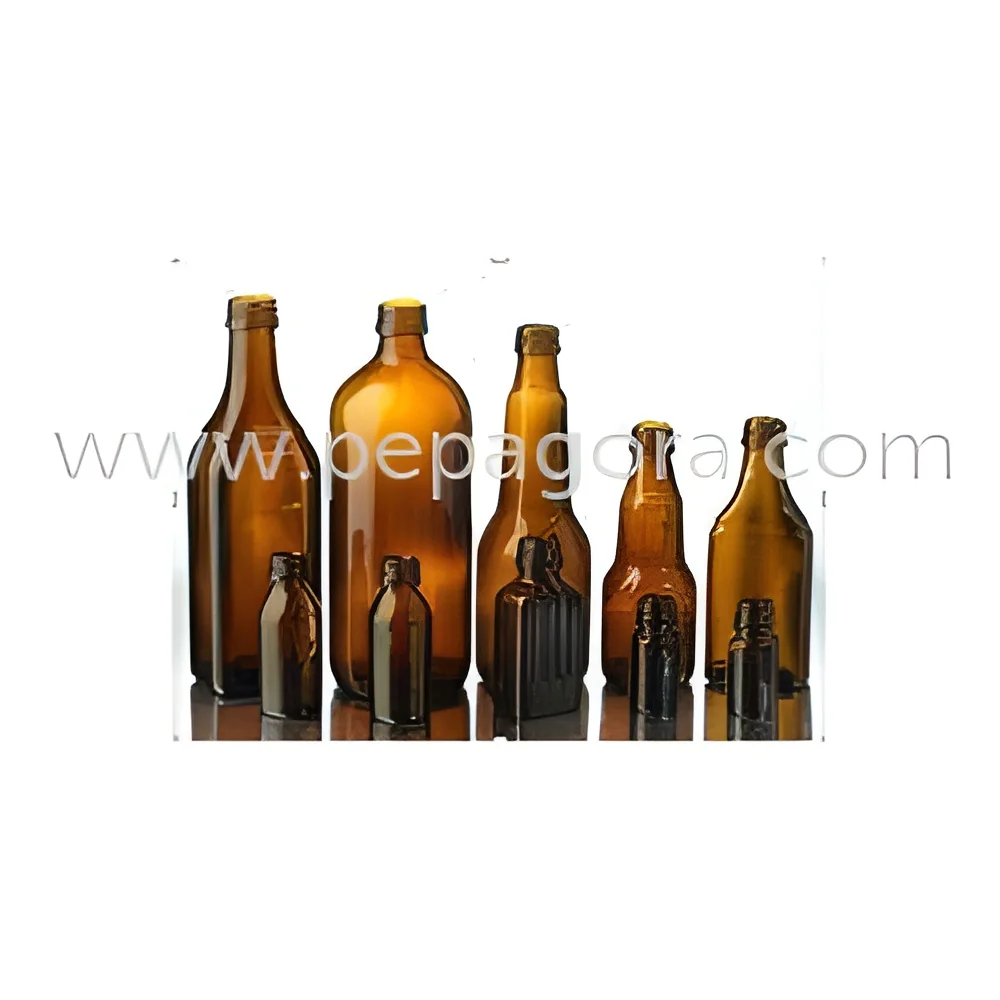
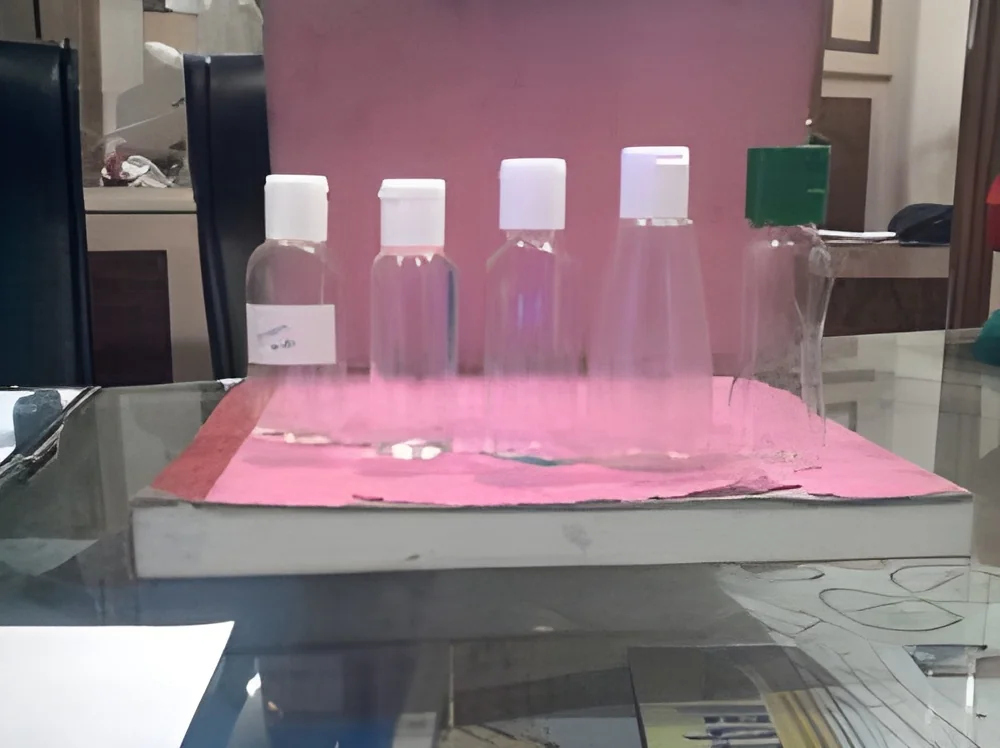
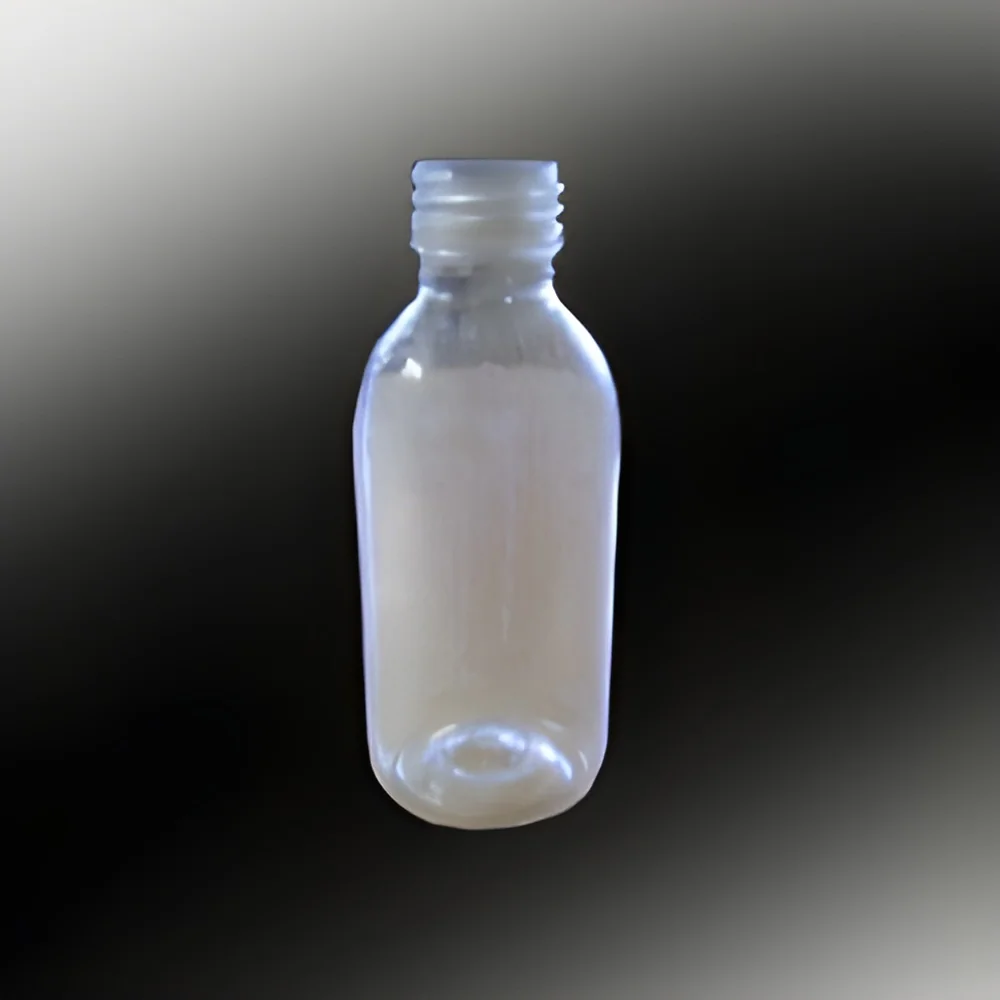
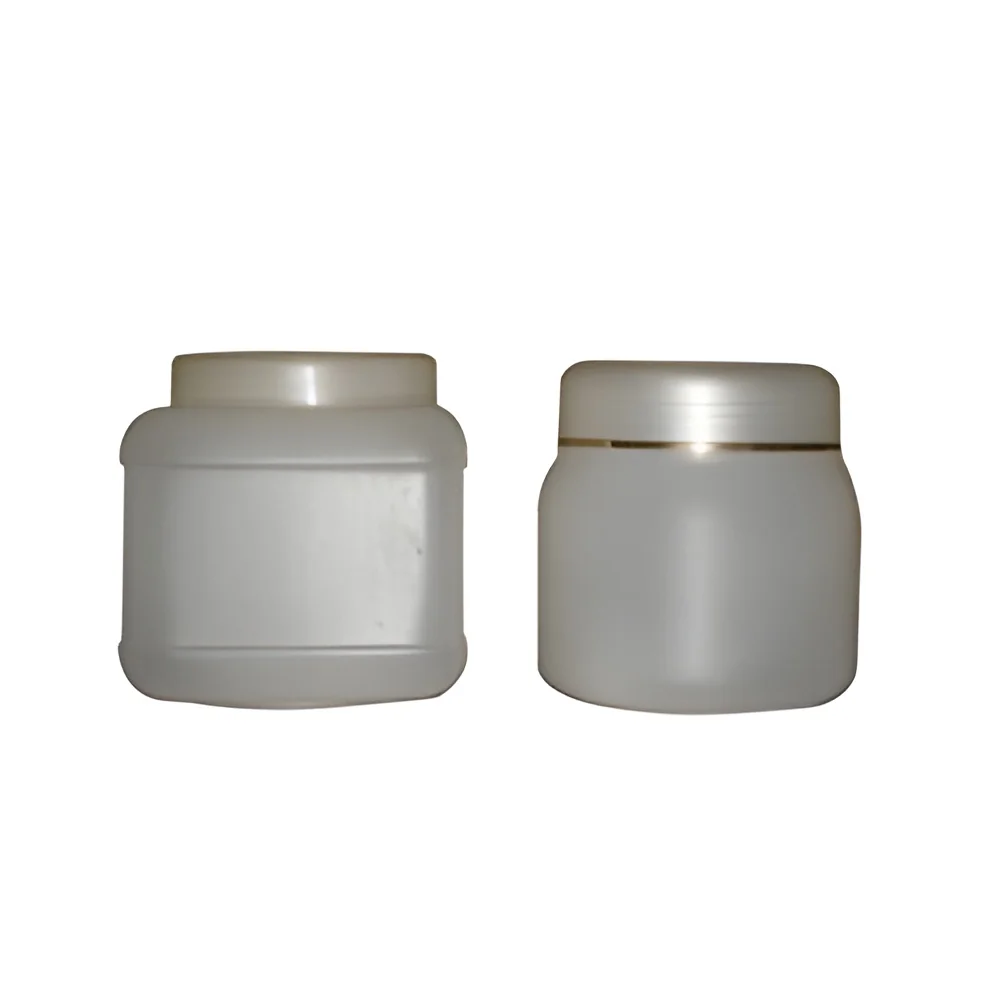
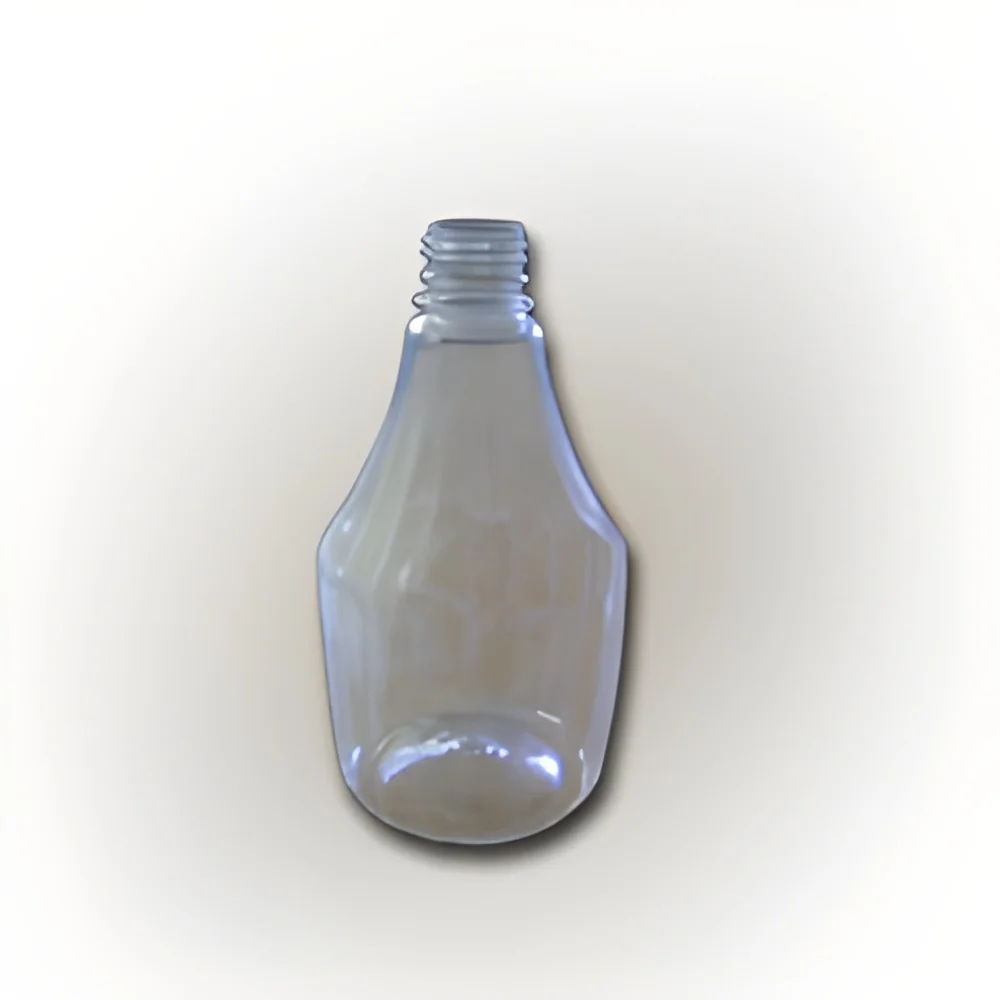
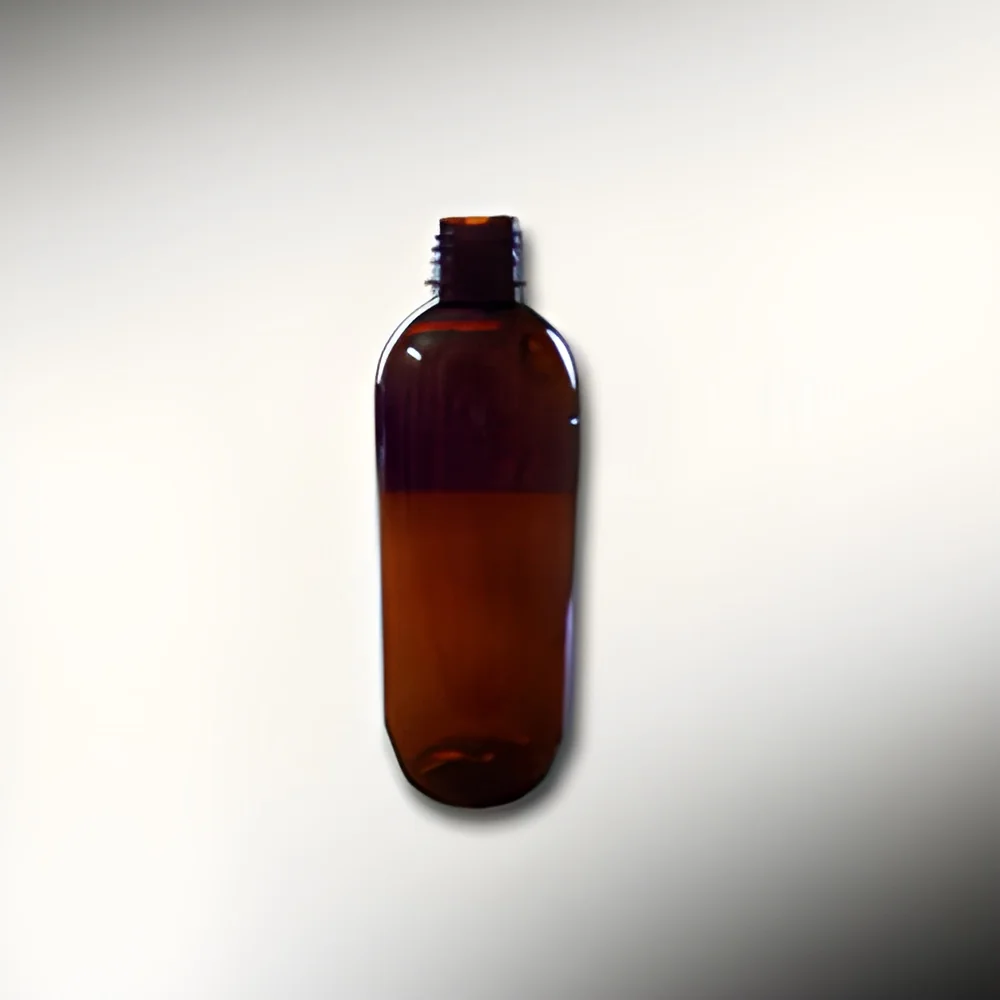
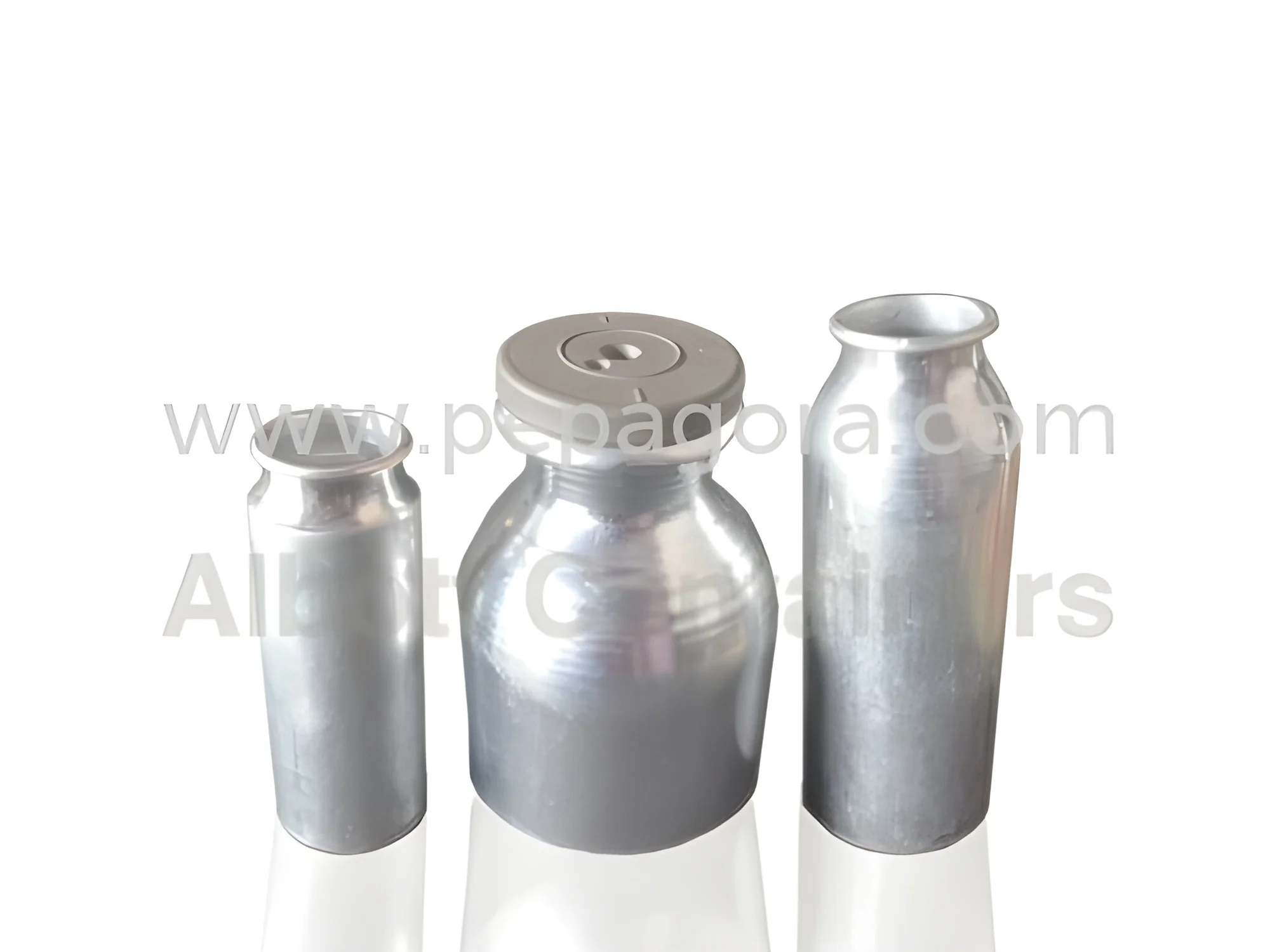
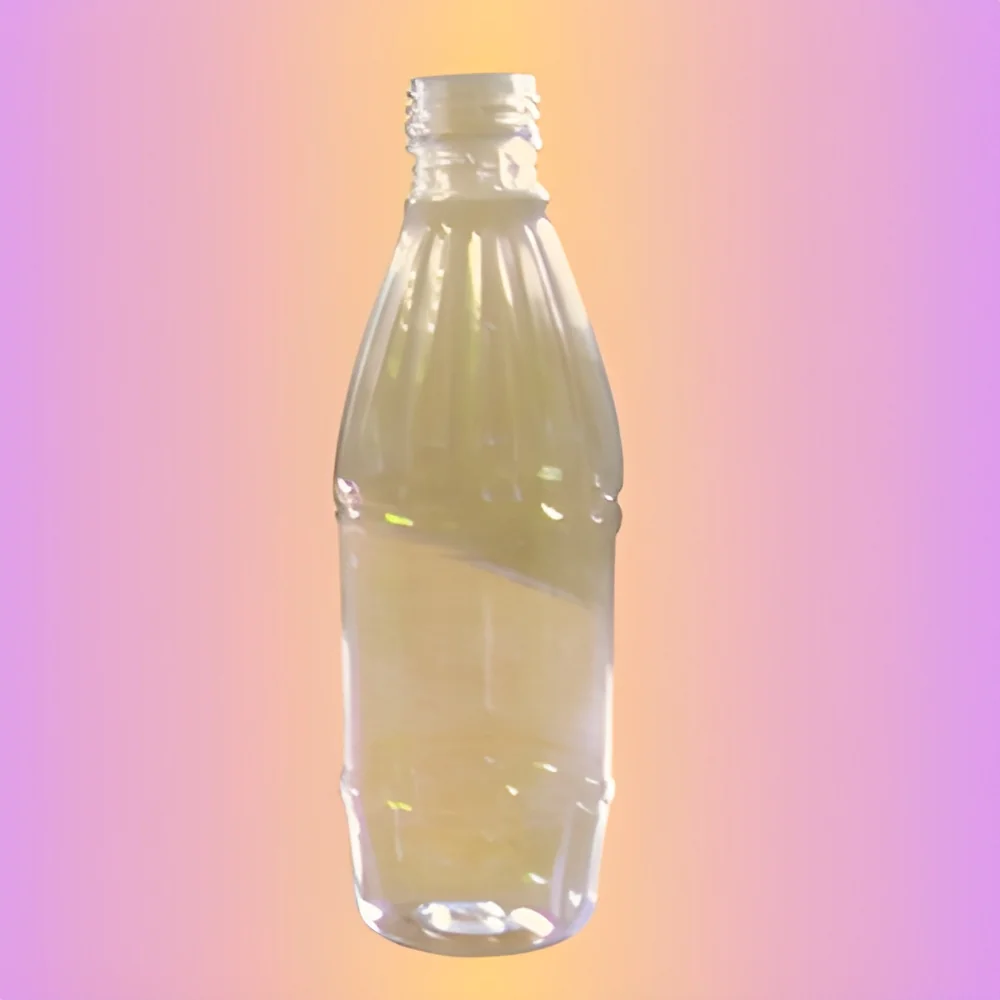
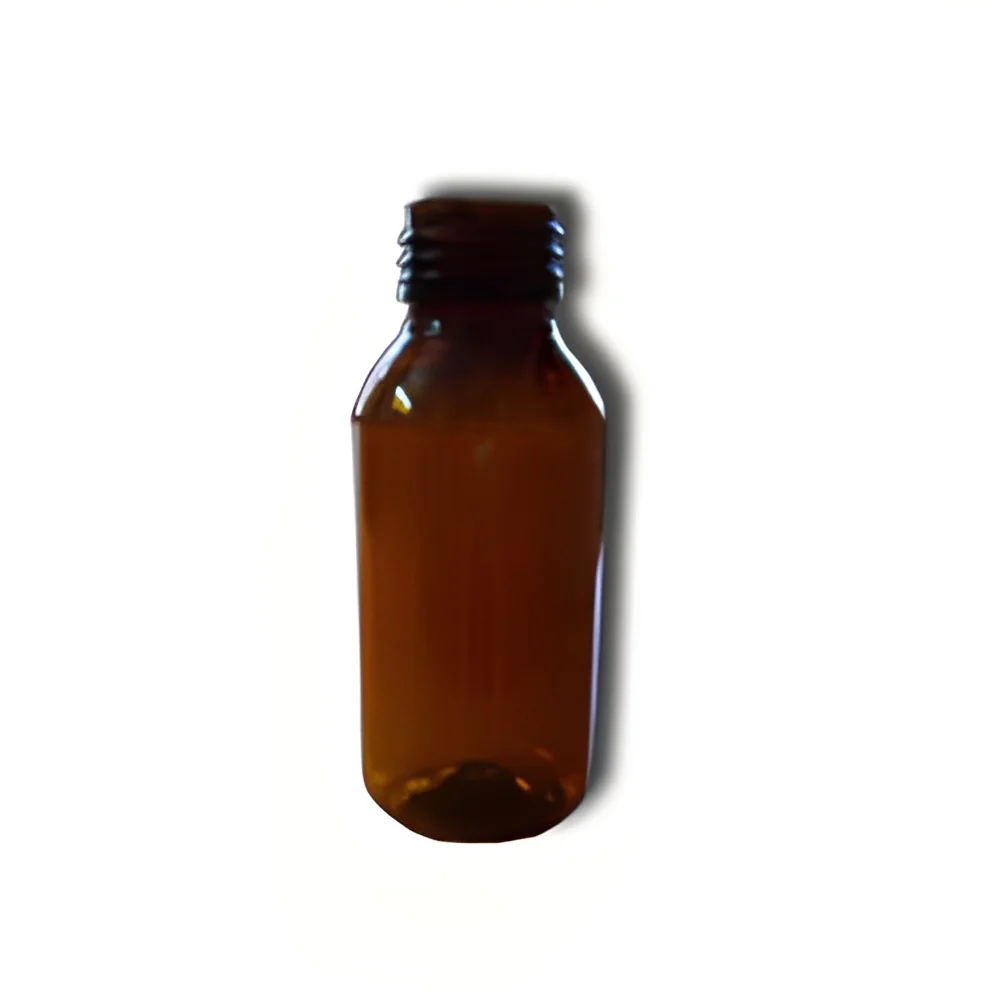
What are Pharmaceutical Glass Bottles?
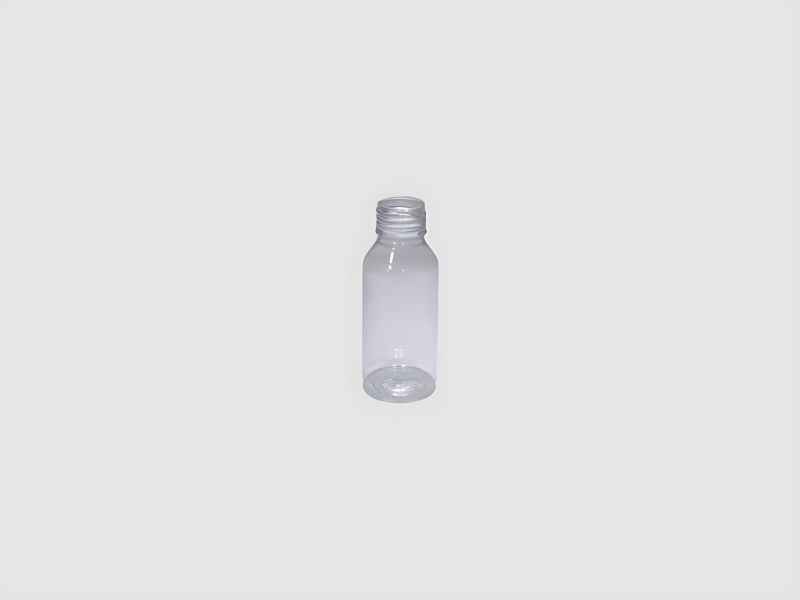
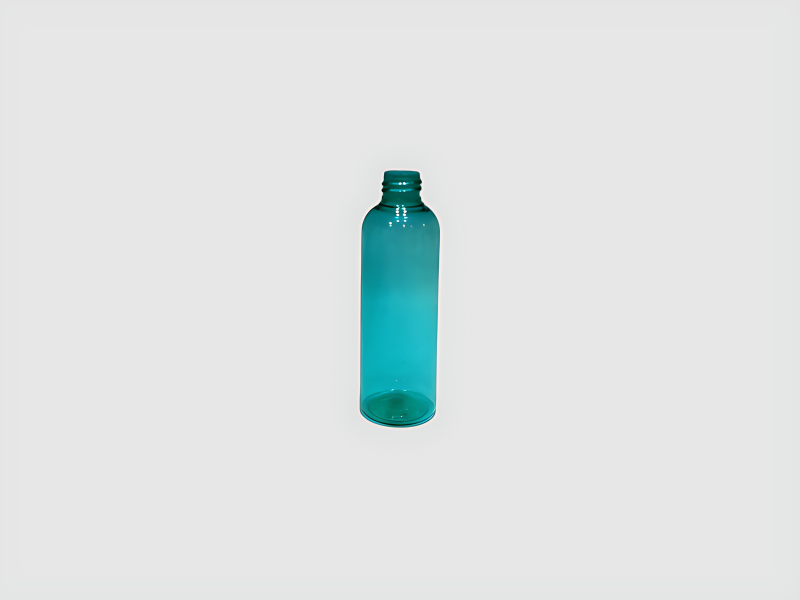
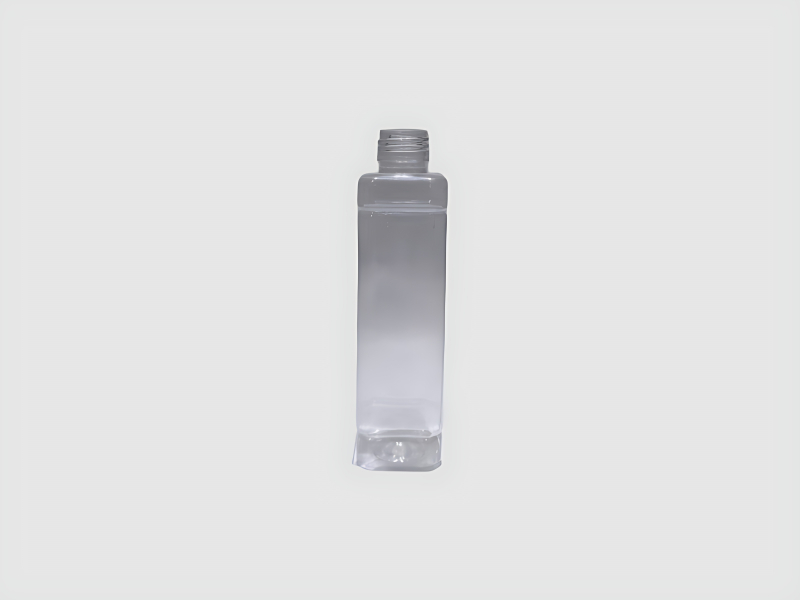
Pharmaceutical glass bottles are specialized containers designed to hold and protect a wide range of pharmaceutical products. These bottles are typically made from high-quality borosilicate or soda-lime glass, which offers excellent chemical resistance and durability. Their primary purpose is to safeguard the integrity of the contents, ensuring they remain uncontaminated and stable during storage and transportation.
These bottles are widely used in the pharmaceutical industry for packaging liquids, powders, and other dosage forms. Common applications include storing injectable medications, oral solutions, and vaccines. The design of pharmaceutical glass bottles often includes features such as airtight seals and protective coatings to enhance their effectiveness. In an evolving market driven by stringent regulations and increasing demand for high-quality pharmaceutical products, glass bottles remain a preferred choice due to their inert properties and recyclability.
Key Features and Specifications
Pharmaceutical glass bottles come with various features and specifications that cater to industry standards and customer needs. The following specifications are essential for ensuring product quality and safety.
Key specifications include:
1. Material Type
- Typically made from borosilicate glass or soda-lime glass
- Offers high resistance to thermal shock and chemical exposure
2. Capacity
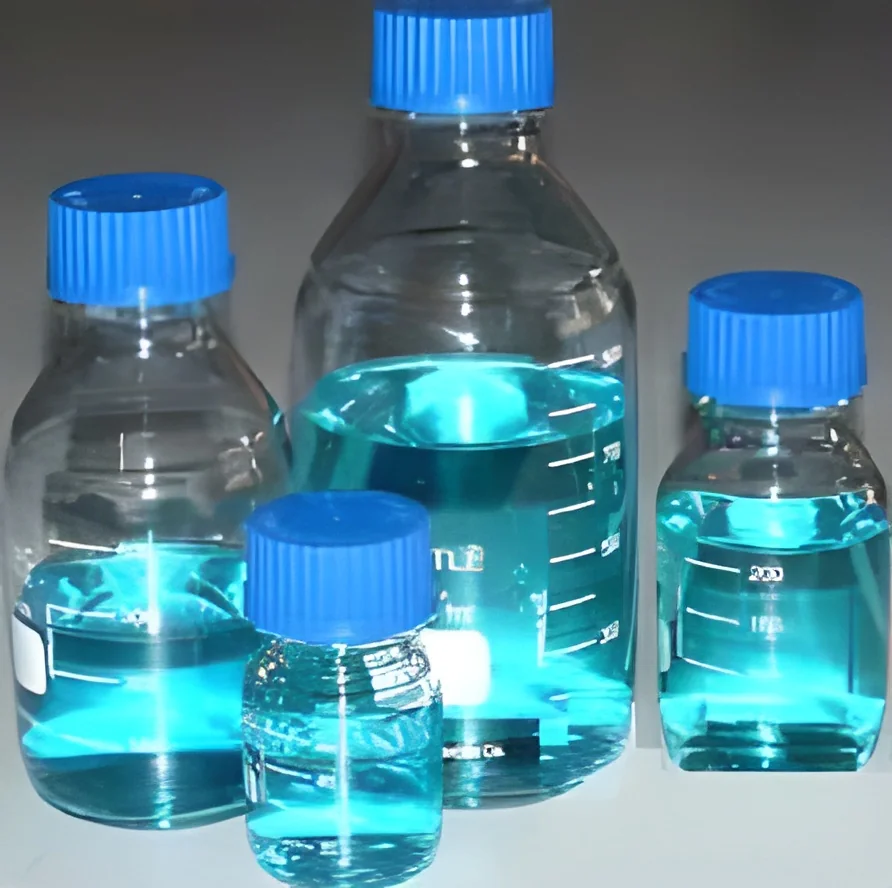
- Available in various sizes ranging from 1 ml to 1000 ml
- Custom sizes can be produced based on specific requirements
3. Closure Type
- Options include screw caps, dropper tops, and rubber stoppers
- Ensures airtight sealing to prevent contamination
4. Color
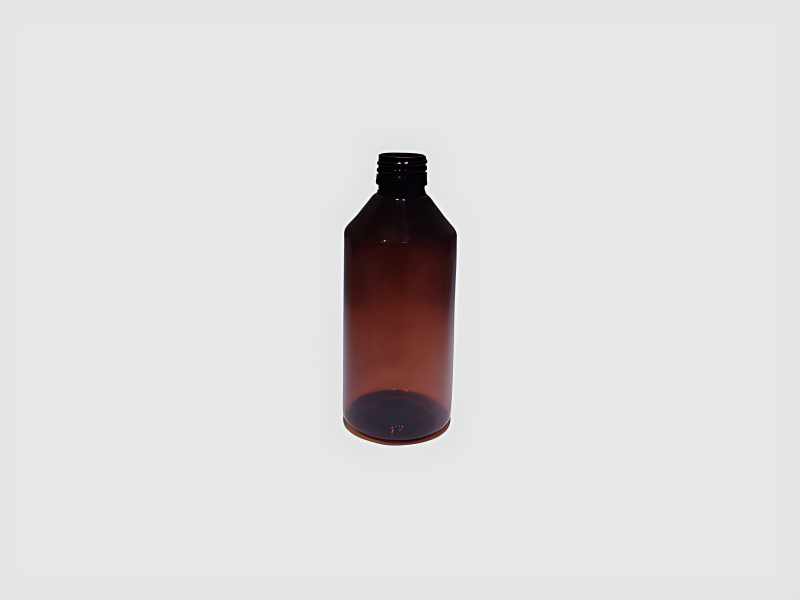
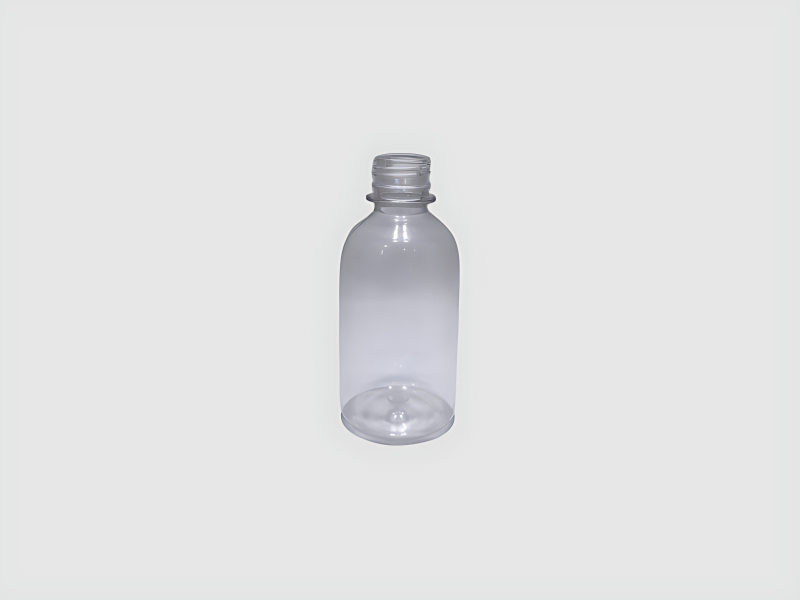
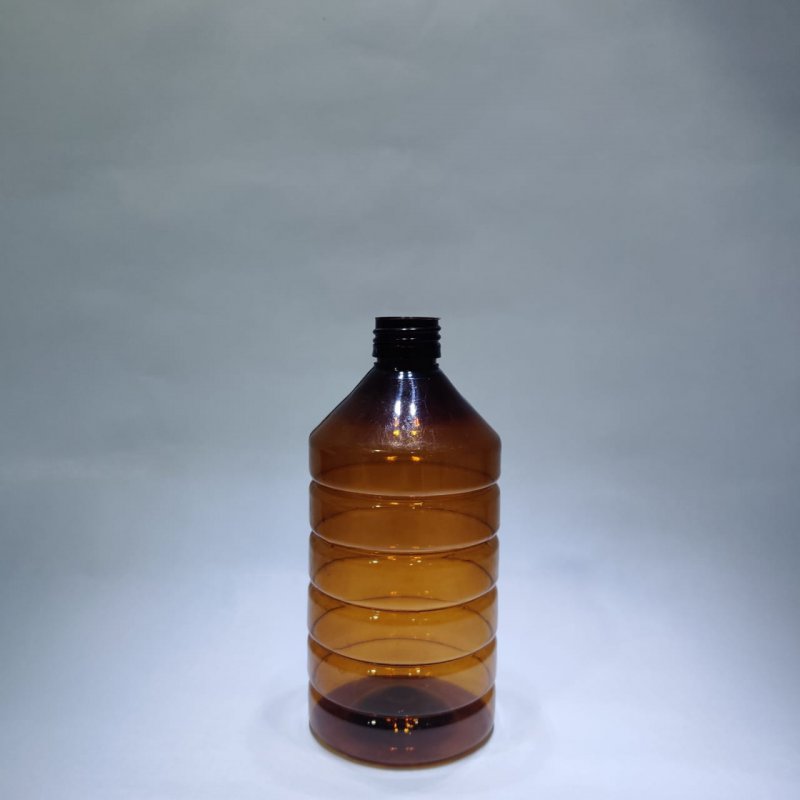
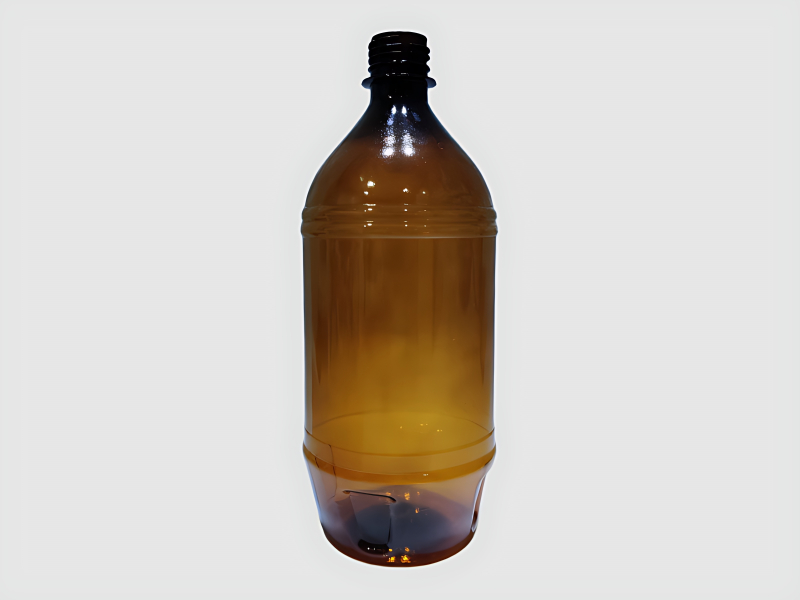
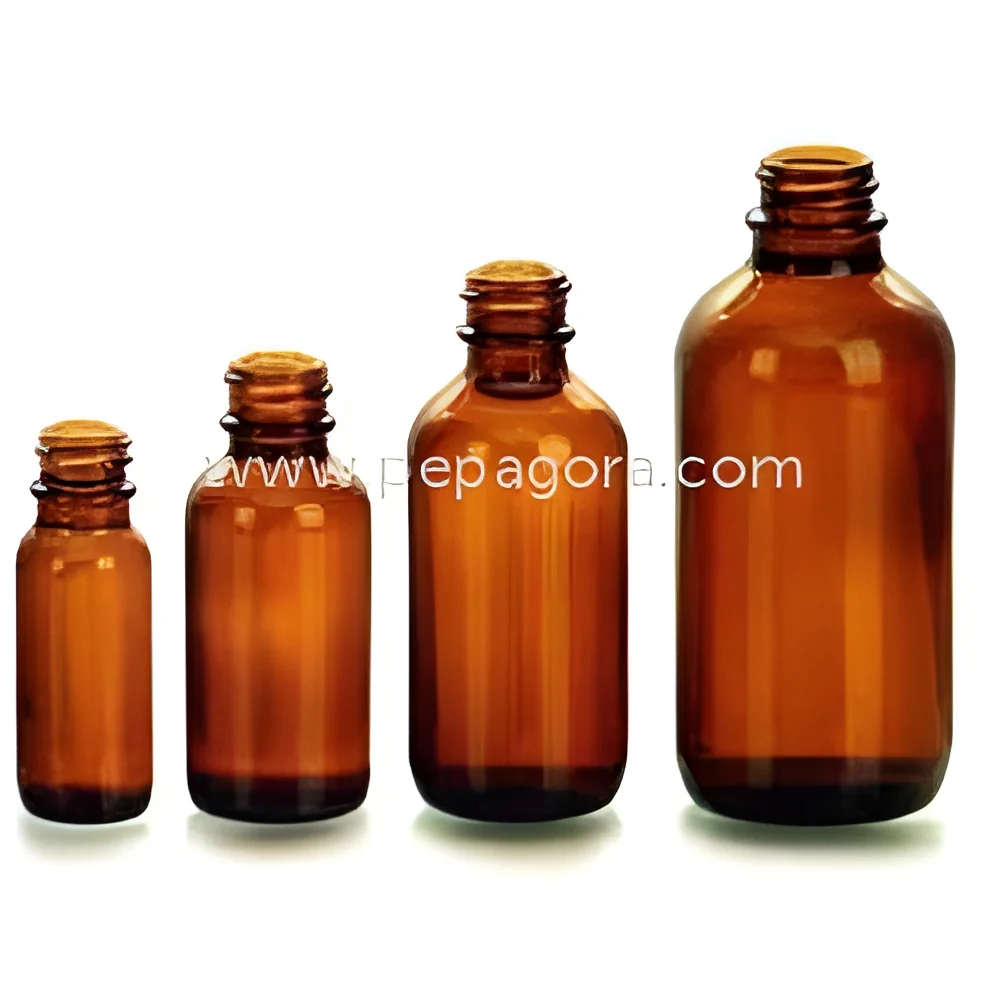
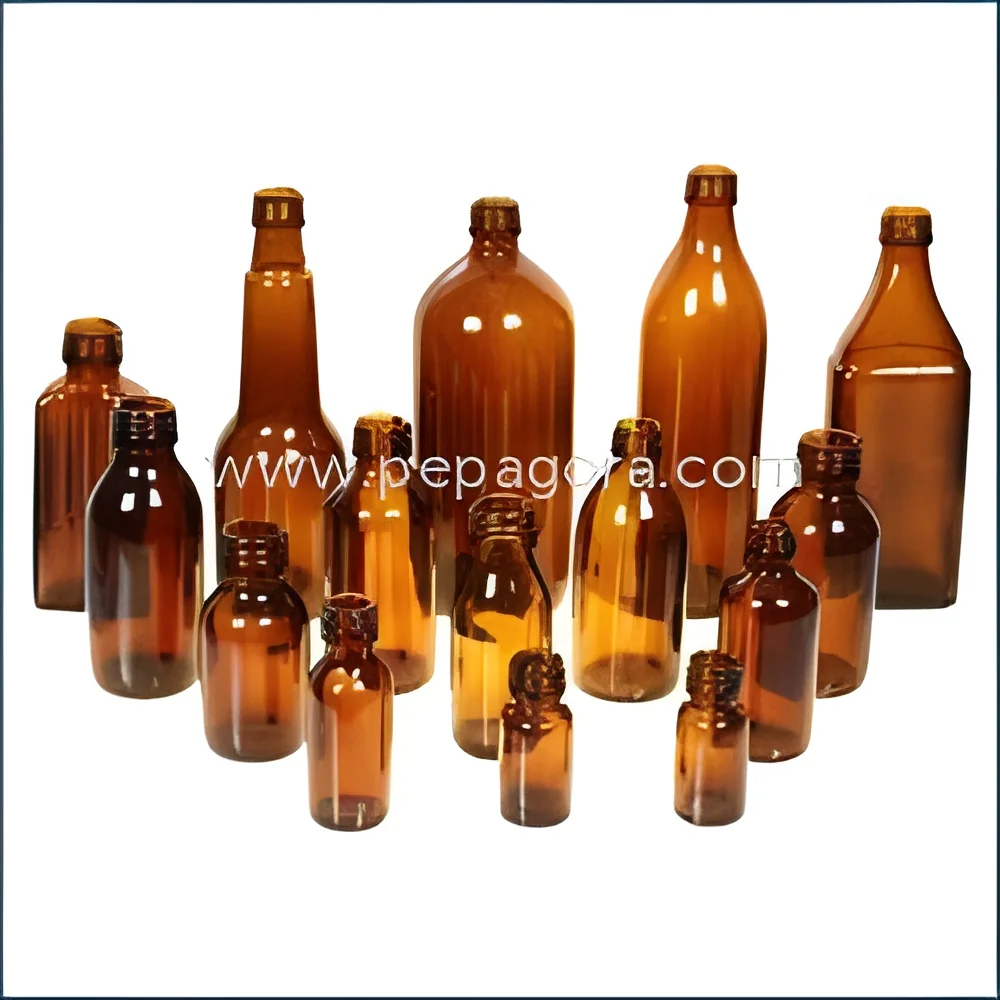
- Clear and amber glass options to protect light-sensitive products
- Amber glass is preferred for certain medications
5. Compliance Standards
- Must meet ISO 9001 and other relevant quality standards
- Compliance with Good Distribution Practice (GDP)
6. Sterilization Capability
- Bottles can be sterilized using autoclave or gamma radiation
- Ensures safety and prolongs shelf life of contents
7. Weight and Thickness
- Varies by design and capacity to ensure durability
- Thicker walls provide additional protection during transport
8. Customization
- Options for printing labels or branding on the bottle surface
- Custom designs can be developed for specific applications
The features of pharmaceutical glass bottles ensure they meet the rigorous demands of the pharmaceutical industry while providing safety and reliability for end-users.
Common Applications and Use Cases
Pharmaceutical glass bottles serve a variety of industries and applications, primarily within the healthcare and pharmaceutical sectors.
1. Pharmaceutical Industry: These bottles are widely used for storing injectable drugs, oral solutions, and bulk pharmaceuticals. Their chemical resistance ensures that the active ingredients remain stable.
2. Biotechnology: In biotechnology, glass bottles are used for the packaging of biological samples and biopharmaceuticals, ensuring they are protected from contamination and degradation.
3. Veterinary Medicine: Pharmaceutical glass bottles are also used for veterinary products, including vaccines and medications for animals, ensuring they meet safety standards.
4. Cosmetics: Some cosmetic products, such as serums and oils, are packaged in glass bottles to provide a premium look and protect the ingredients from light and air exposure.
5. Research Laboratories: In laboratory settings, these bottles are used for sample storage and chemical analyses, providing a safe and inert environment for sensitive substances.
6. Nutraceuticals: Glass bottles are suitable for packaging dietary supplements and herbal extracts, maintaining the quality and efficacy of the nutrients.
7. Chemical Industry: Glass bottles are sometimes utilized to store reagents and other chemicals, benefiting from the inert nature of glass.
Product Variants and Subcategories
Pharmaceutical glass bottles come in various designs and functionalities to cater to diverse needs.
Vial Bottles
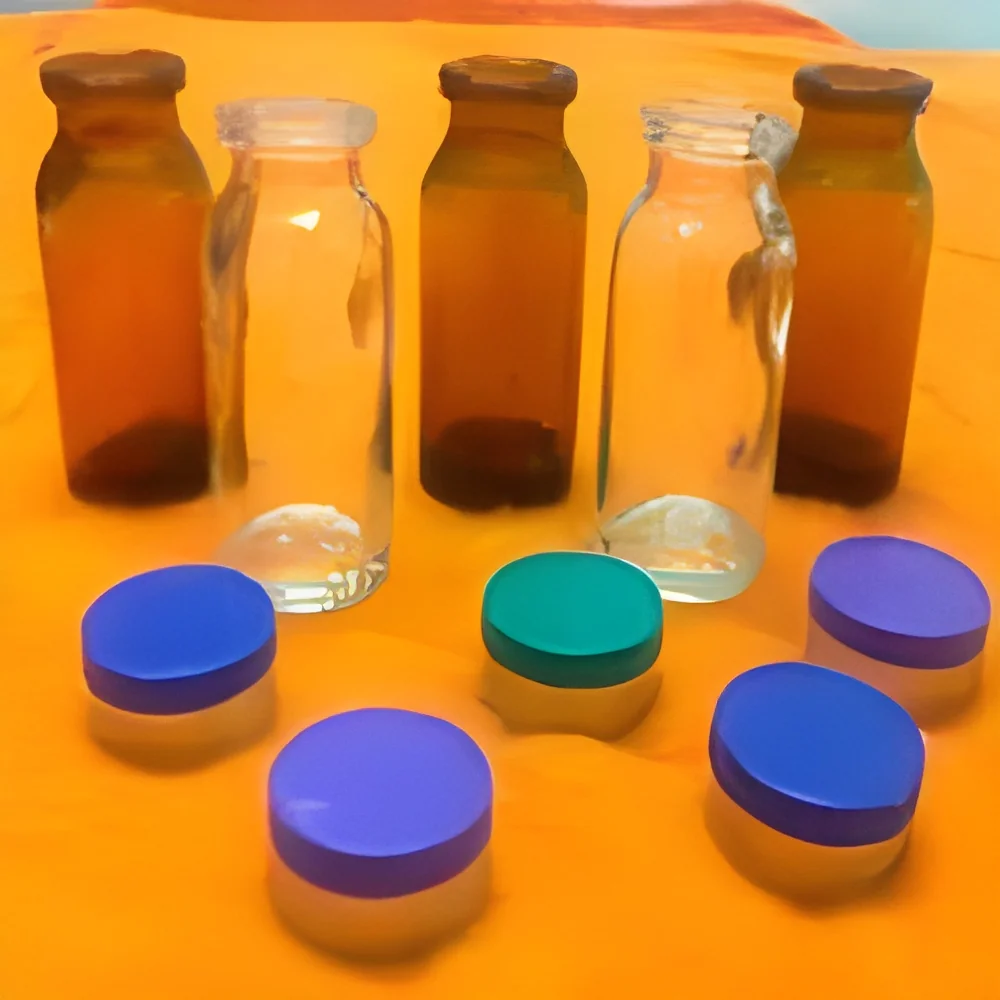
Vial bottles are small glass containers typically used for storing injectable medications. They often come with rubber stoppers and are designed for easy access using a syringe.
Screw Neck Bottles
These bottles feature a screw neck design, which allows for secure closure with screw caps. They are commonly used for liquid formulations that require frequent access.
Dropper Bottles
Dropper bottles are specifically designed for dispensing liquid products in controlled amounts. They are often used for essential oils and liquid medications.
Infusion Bottles
Infusion bottles are larger glass containers that are used for intravenous (IV) solutions. They are designed to be sterile and safe for medical use.
Benefits and Advantages
Pharmaceutical glass bottles offer several advantages that make them a preferred choice in the industry.
Key benefits include:
1. Chemical Inertness: Glass does not react with the contents, ensuring that the integrity of medications is maintained.
2. Excellent Protection: The durability of glass provides superior protection against environmental factors such as moisture and air.
3. Recyclability: Glass is environmentally friendly as it can be recycled multiple times without losing quality.
4. Customizability: The ability to customize sizes, shapes, and labels allows businesses to create branding opportunities.
5. Sterility: Glass bottles can be sterilized effectively, making them suitable for critical pharmaceutical applications.
6. Clarity: Clear glass provides visibility of the contents, allowing for easy monitoring of fill levels and product condition.
Buying Guide for B2B Buyers
When sourcing pharmaceutical glass bottles, it is essential to consider several factors to make informed purchasing decisions.
1. Quality Assessment: Evaluate the quality of the glass and ensure it meets industry standards. Look for certifications that demonstrate compliance with regulations.
2. Supplier Verification: Vet potential suppliers to ensure they have a reliable track record and can provide transparent sourcing information.
3. Pricing and MOQ: Consider the pricing structure and minimum order quantities. Understanding these factors helps in budgeting and inventory management.
4. Delivery and Lead Times: Assess logistics capabilities of the supplier. Confirm expected delivery times to ensure they align with your operational needs.
5. Compliance Requirements: Ensure that the bottles meet all necessary regulatory requirements for the intended application, including safety and environmental considerations.
Compliance and Certifications
Pharmaceutical glass bottles must adhere to strict quality and safety standards. Key certifications such as ISO 9001 ensure that manufacturers maintain high levels of quality management. The CE mark indicates compliance with European safety regulations, providing assurance of product safety and efficacy.
Additionally, adherence to Good Distribution Practice (GDP) is crucial for maintaining the quality of pharmaceutical products throughout the supply chain. Manufacturers must also comply with safety and testing requirements, ensuring that bottles do not leach harmful substances.
Regionally, compliance can vary, with specific regulations governing the use of glass in pharmaceutical applications. It is essential for manufacturers and buyers to stay informed about local regulations to ensure compliance.
Why Source Pharmaceutical Glass Bottles from Pepagora?
Pepagora provides a trusted platform for sourcing pharmaceutical glass bottles with several key advantages.
Verified Supplier Network: Pepagora has a comprehensive network of verified suppliers, ensuring that buyers have access to quality products from reputable manufacturers. This network fosters trust and reliability in sourcing.
Streamlined RFQ Process: The request for quotation (RFQ) process on Pepagora allows buyers to easily compare prices and terms from multiple suppliers. This efficiency helps in making informed purchasing decisions quickly.
Trade Assurance and Support: Buyers benefit from trade assurance features that protect their transactions. Pepagora offers support throughout the purchasing process, ensuring buyer confidence.
Regional Coverage: With a focus on markets in India, the GCC, and Southeast Asia, Pepagora provides extensive regional coverage. This geographic reach enables buyers to access local suppliers while facilitating international trade.

 IN
IN