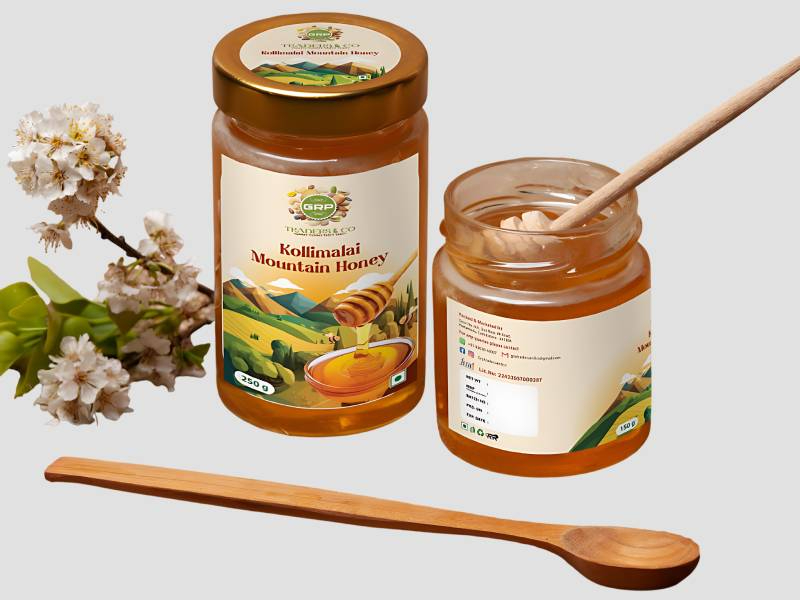
What are Honey Jars?
Honey jars are specialized containers designed for storing and packaging honey. They come in various shapes, sizes, and materials, catering to different market needs. The design of honey jars plays a crucial role in preserving the quality and flavor of honey while ensuring convenience for the end user. Typically made from glass or plastic, these jars are often designed with airtight seals to prevent moisture ingress and maintain the honey's natural properties.
Honey jars are primarily used in the food and beverage industry, particularly by honey producers and distributors. They serve as both a storage solution and an attractive packaging option that appeals to consumers. Businesses utilize honey jars for retail sales, bulk packaging, and export purposes. The global market for honey continues to grow, driven by increasing health awareness and the popularity of natural sweeteners. This makes honey jars a relevant product in the expanding food packaging industry.
Key Features and Specifications
Honey jars offer several key features that enhance their functionality and suitability for different applications. Understanding these specifications is essential for businesses looking to choose the right packaging for their honey products.
Key specifications include:
1. Material Type
- Common materials include glass and food-grade plastic.
- Glass jars offer better preservation qualities, while plastic jars are lighter and less prone to breakage.
2. Jar Capacity
- Available in various sizes, typically ranging from 250 grams to 1 kilogram.
- Larger sizes may be available for bulk packaging.
3. Closure Type
- Options include screw caps, flip tops, or tamper-evident seals.
- Tamper-evident features enhance safety and consumer trust.
4. Shape and Design
- Various shapes such as hexagonal, round, or custom designs.
- Unique designs can attract consumers and differentiate brands.
5. Labeling Area
- Sufficient space for branding and nutritional information.
- Can be customized to fit marketing strategies.
6. Temperature Resistance
- Honey jars can withstand a range of temperatures, especially glass jars.
- Important for storage in varying climate conditions.
7. Reusability
- Many honey jars are designed for multiple uses.
- Encourages sustainability and eco-friendly practices.
8. Compliance with Food Safety Standards
- Must meet regulations for food-grade materials.
- Important for maintaining product quality and safety.
In summary, honey jars are versatile packaging solutions that cater to the needs of honey producers and consumers alike. Their features and specifications play a pivotal role in preserving product quality and enhancing market appeal.
Common Applications and Use Cases
Honey jars are widely utilized across various industries, showcasing their versatility in packaging solutions.
1. Food and Beverage Industry: Honey producers use jars for retail packaging, ensuring that the product remains fresh and appealing to consumers. These jars also facilitate brand visibility on store shelves.
2. Cosmetic Industry: Honey is often incorporated into skincare products. Jars are used to package honey-based creams and scrubs, emphasizing natural ingredients and attracting consumers seeking organic beauty solutions.
3. Health and Wellness: Many health food brands package honey as a natural sweetener in jars. This application highlights the health benefits of honey, catering to consumers looking for healthier alternatives to sugar.
4. Gift and Specialty Markets: Honey jars are popular for gifting, especially when packaged in decorative styles. They often come in gift sets, making them appealing for special occasions.
5. Export and Bulk Distribution: Producers often use larger jars for exporting honey to international markets. These jars ensure product integrity during transportation and storage.
6. Catering and Food Service: Restaurants and cafes may use honey jars for serving honey with tea or desserts, providing an elegant touch to their offerings.
7. Organic and Natural Products: Companies focusing on organic foods often use glass honey jars to emphasize their commitment to natural ingredients, appealing to health-conscious consumers.
Product Variants and Subcategories
Honey jars come in various forms, catering to distinct user needs and preferences. The diversity of product variants allows businesses to select the most suitable packaging for their products.
Classic Glass Honey Jar
This variant features a traditional design, providing an elegant look for retail displays. Its airtight seal ensures maximum freshness, making it ideal for premium honey brands.
Plastic Honey Jar
Lightweight and durable, this type of jar is perfect for bulk packaging. Its shatter-resistant nature makes it suitable for various environments, including outdoor events and markets.
Decorative Honey Jar
These jars often feature unique designs and embellishments, making them ideal for gift packaging. They attract consumers looking for beautifully presented products for special occasions.
Eco-Friendly Honey Jar
Made from sustainable materials, these jars appeal to environmentally conscious consumers. They are designed to be recyclable or biodegradable, aligning with sustainable practices.
Bulk Honey Container
Designed for large-scale distribution, these containers come in various sizes and are ideal for wholesalers or food service applications. They ensure easy access and efficient storage.
Benefits and Advantages
Choosing the right honey jars offers significant advantages for businesses and consumers alike. Understanding these benefits can help in making informed sourcing decisions.
Key benefits include:
1. Preservation of Quality: Honey jars are designed to maintain the freshness and flavor of honey, ensuring that the product remains appealing to consumers over time.
2. Versatile Packaging Options: A variety of sizes and materials allows businesses to select jars that best fit their specific needs, whether for retail or bulk distribution.
3. Enhanced Brand Visibility: Customizable labeling and unique designs can help brands stand out in a competitive market, improving customer recognition.
4. Safety and Compliance: Honey jars that meet food safety standards ensure that the product is safe for consumption, which is essential for maintaining customer trust.
5. Convenience in Use: Various closure types and jar designs make it easy for consumers to access and use honey, enhancing the overall user experience.
6. Sustainability Options: Eco-friendly jars help companies meet consumer demand for sustainable products, reinforcing a positive brand image.
Buying Guide for B2B Buyers
When sourcing honey jars, it is essential for businesses to consider several key factors to ensure they select the right products for their needs.
1. Quality Assessment: Evaluate the materials used in honey jars to ensure they meet safety and quality standards. Consider certifications and compliance with food-grade regulations.
2. Supplier Verification: Research suppliers to ensure they have a reliable track record. Check for certifications and reviews to confirm their reputation in the industry.
3. Pricing and MOQ: Understand the price ranges for different jar types and sizes. Be aware of minimum order quantities (MOQ) to ensure they align with your business needs.
4. Delivery and Lead Times: Discuss logistics with suppliers to ascertain delivery timelines. Timely delivery is crucial for maintaining inventory levels and meeting customer demands.
5. Compliance Requirements: Stay informed about regional regulations regarding food packaging. Ensure that the jars comply with local and international standards to avoid compliance issues.
Compliance and Certifications
In the honey jar industry, adherence to quality standards and certifications is crucial for ensuring product safety and market acceptance. Key certifications include ISO 9001, which focuses on quality management systems, and HACCP, which addresses food safety management.
Compliance with CE marking ensures that honey jars meet European safety, health, and environmental protection standards. This is particularly important for businesses exporting products to European markets.
Additionally, adherence to safety and testing requirements is vital for maintaining product integrity. This includes testing for durability and chemical safety to ensure that jars do not react with honey.
Regional compliance considerations may vary, so businesses should be aware of local regulations governing food packaging. Staying compliant helps build consumer trust and enhances brand reputation.
Why Source Honey Jars from Pepagora?
Pepagora provides a trusted platform for sourcing honey jars, offering several key advantages tailored for B2B buyers.
Verified Supplier Network: Pepagora connects businesses with a network of verified suppliers. This ensures that buyers can find reliable partners who meet industry standards and regulations.
Streamlined RFQ Process: The platform features an efficient Request for Quotation (RFQ) system, allowing buyers to submit their requirements and receive competitive quotes from multiple suppliers. This simplifies the sourcing process and saves time.
Trade Assurance and Support: Pepagora offers trade assurance, providing buyers with protection against potential risks during transactions. This support enhances buyer confidence when sourcing products.
Regional Coverage: With a focus on regions like India, the GCC, and Southeast Asia, Pepagora ensures that businesses have access to a wide range of honey jar options. This geographic reach facilitates sourcing from reliable suppliers in key markets.

 IN
IN