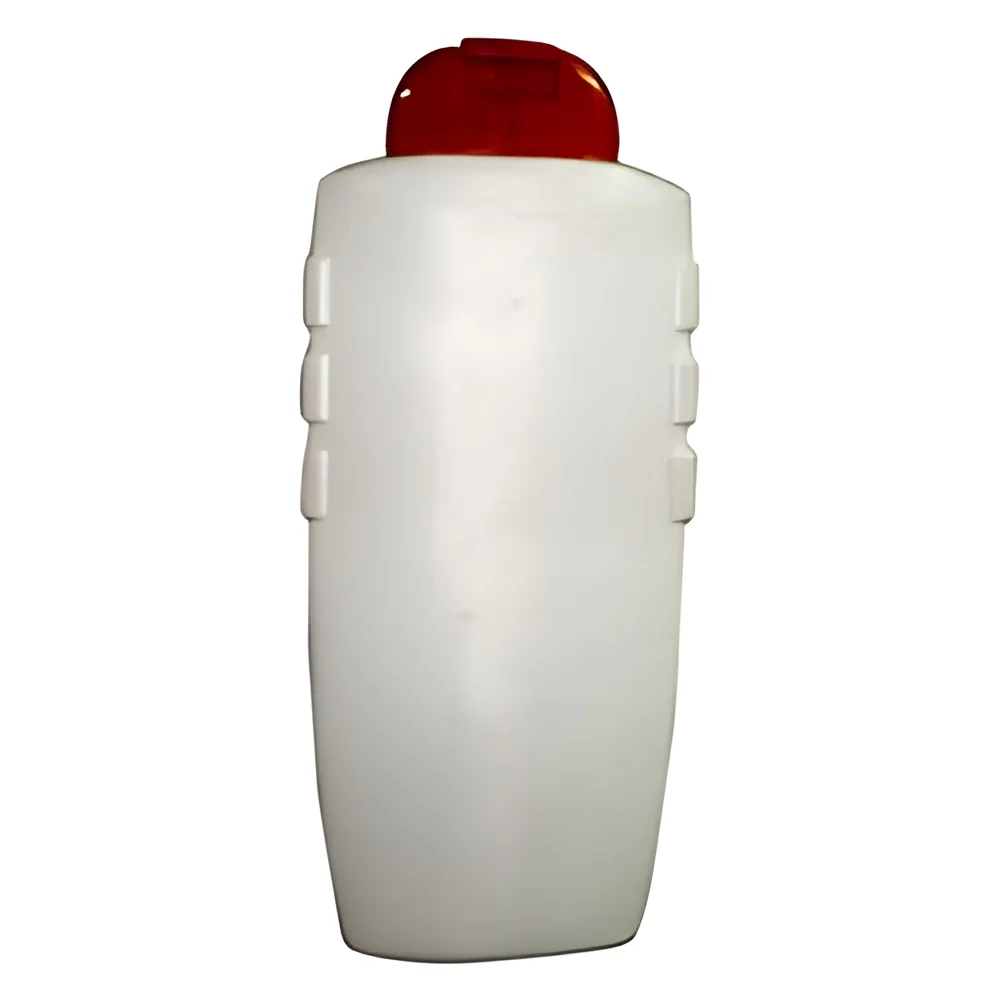
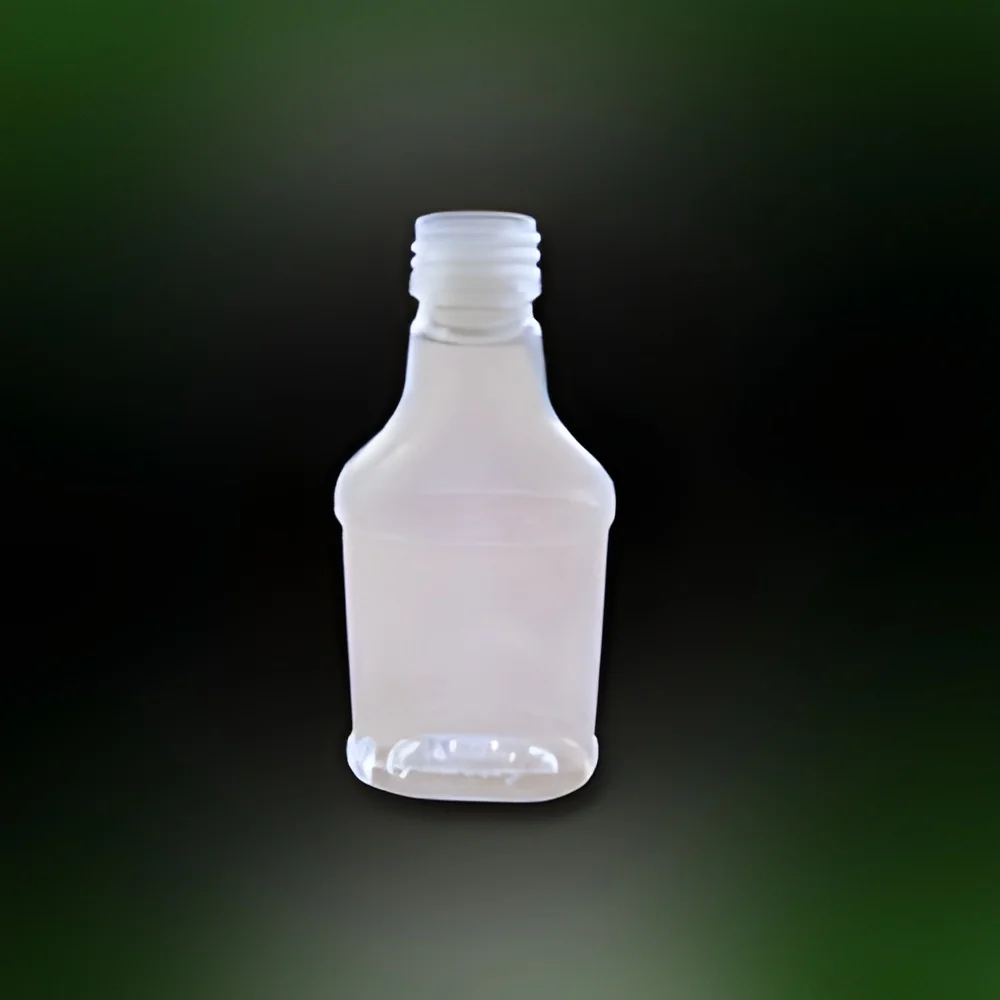
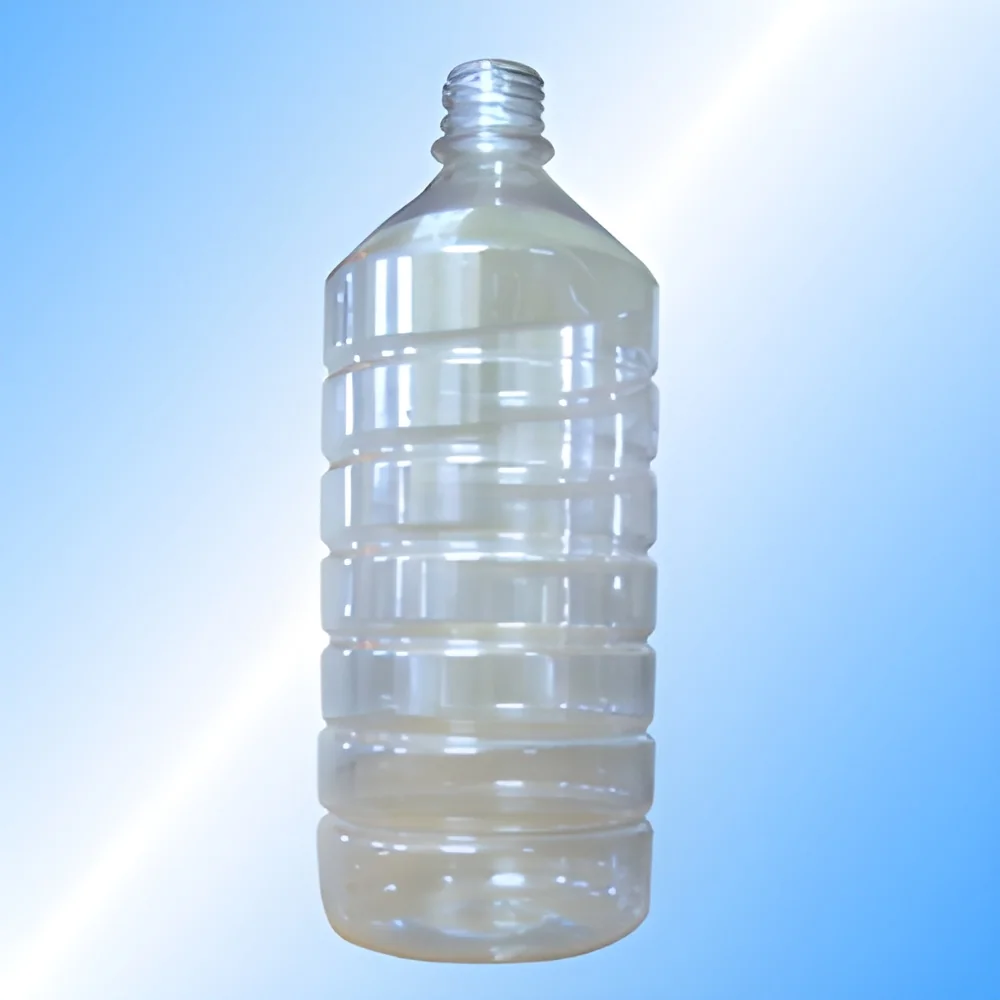
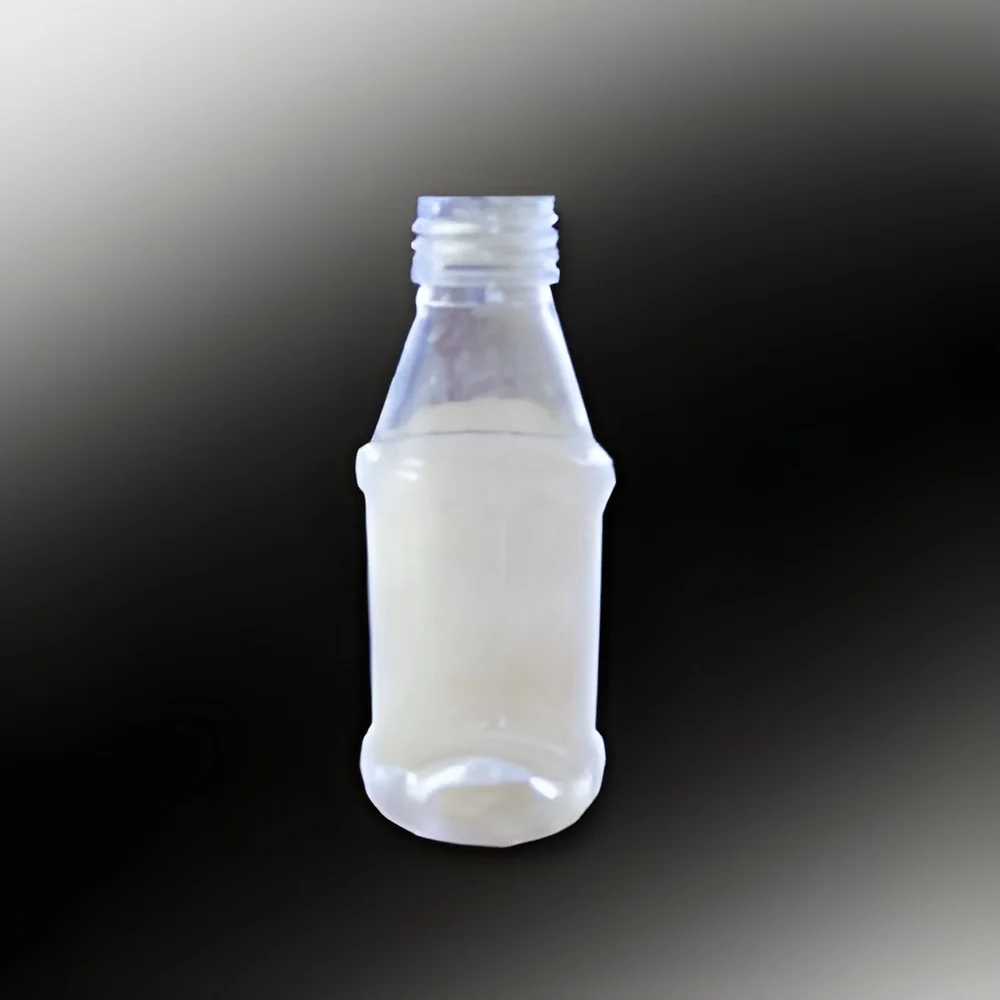
What are Glass Bottle Manufacturers?
Glass bottle manufacturers are companies that specialize in producing glass containers for various uses. These manufacturers utilize advanced techniques and technology to create bottles that can vary in shape, size, and design. The process typically involves melting silica sand along with other raw materials to form glass, which is then shaped into bottles using molds. This production method allows for a wide variety of applications, from simple water bottles to more complex designs for beverages and cosmetics.
The primary uses of glass bottles span multiple industries, including food and beverage, pharmaceuticals, and cosmetics. In the food and beverage sector, glass bottles are favored for their ability to preserve flavors and protect products from contamination. In pharmaceuticals, glass bottles ensure the safe storage of medications and provide an inert environment that prevents chemical reactions. The cosmetics industry also benefits from glass bottles due to their aesthetic appeal and sustainability, as glass is fully recyclable.
In the current market context, glass bottle manufacturers hold significant relevance as consumer preferences shift towards sustainable packaging solutions. With increasing awareness of environmental concerns, many businesses are opting for glass over plastic. This trend is prompting manufacturers to innovate and enhance their offerings, thereby ensuring their products meet the evolving demands for quality and sustainability in packaging.
Key Features and Specifications
When considering glass bottle manufacturers, several key features and specifications are critical to evaluate. These specifications ensure that the products meet the necessary quality standards and are suitable for specific applications.
Key specifications include:
1. Material Composition
- High-quality soda-lime glass or borosilicate glass
- Varies based on intended use and required durability
2. Shape and Size
- Customizable designs available
- Standard capacities range from small (100 ml) to large (2 liters)
3. Closure Types
- Various options such as screw caps, corks, and flip-top lids
- Designed to provide airtight sealing for product preservation
4. Surface Finish
- Options for frosted, polished, or embossed surfaces
- Enhances aesthetic appeal and branding opportunities
5. Weight
- Lightweight options available for ease of handling
- Heavier variants for added durability in transport
6. Color
- Clear, green, brown, and other custom colors available
- Color choices can protect contents from UV light exposure
7. Compliance Standards
- Adherence to food safety regulations and quality standards
- Certifications like CE for safety assurance
8. Customization Options
- Ability to print logos or labels directly on bottles
- Tailored designs to meet specific branding needs
Overall, understanding these features allows buyers to make informed decisions based on their product requirements and market demands.
Common Applications and Use Cases
Glass bottles serve a wide range of industries, showcasing their versatility and reliability.
1. Beverage Industry: Glass bottles are extensively used for soft drinks, juices, and alcoholic beverages. They help maintain the quality and integrity of the contents, ensuring freshness.
2. Pharmaceutical Industry: Glass bottles are vital for storing liquid medications, syrups, and essential oils. Their inert properties prevent reactions with sensitive compounds, ensuring product safety.
3. Cosmetic and Personal Care: Many skincare products and fragrances are packaged in glass bottles. The premium look and feel of glass enhance brand perception and appeal to consumers.
4. Food Packaging: Glass jars and bottles are used for sauces, jams, and preserves. They provide a hygienic and eco-friendly option for food storage.
5. Laboratory Use: Glass bottles are essential in laboratories for storing chemicals and reagents. Their non-reactive nature makes them ideal for various scientific applications.
6. Home and Lifestyle Products: Glass bottles are increasingly popular for water, oil, and vinegar. Consumers appreciate the sustainable and reusable aspects of glass packaging.
7. Craft and DIY Projects: Many artisans use glass bottles for creative projects, including home decor and candle making. The aesthetic value of glass adds a unique touch to handmade items.
Product Variants and Subcategories
The diversity of glass bottle products allows manufacturers to cater to specific market needs.
Standard Glass Bottles
These are the most common type of glass bottles, available in various sizes and shapes. They are widely used in the beverage and food industries due to their versatility and durability.
Decorative Glass Bottles
These bottles are designed for aesthetic appeal and often feature unique shapes, colors, and finishes. They are used in gifting, home decor, and personal care products.
Amber Glass Bottles
Amber bottles are specifically designed to protect sensitive contents from harmful UV light. Commonly used for essential oils and pharmaceuticals, they help preserve the integrity of the products.
Clear Glass Bottles
Ideal for showcasing products, clear glass bottles are popular in the beverage and cosmetic industries. Their transparency allows consumers to see the contents, enhancing product visibility.
Frosted Glass Bottles
These bottles have a textured finish that adds a premium feel. Often used for high-end cosmetics and spirits, they provide a unique look while maintaining functionality.
Benefits and Advantages
Sourcing from glass bottle manufacturers offers several key benefits that enhance product value and operational efficiency.
1. Sustainability: Glass is 100% recyclable, making it an environmentally friendly choice. This aligns with growing consumer preferences for sustainable packaging options.
2. Quality and Safety: Glass bottles are non-reactive and do not leach chemicals, ensuring product safety and preserving flavor and freshness.
3. Aesthetic Appeal: The premium look of glass enhances brand image and attracts consumers. Customization options allow for unique branding opportunities.
4. Durability: Glass bottles are robust and can withstand various conditions while maintaining their integrity during transport and storage.
5. Versatility: A wide range of sizes, shapes, and closure options makes glass bottles suitable for multiple industries and applications.
6. Compliance: Many glass bottle manufacturers adhere to strict safety and quality standards, ensuring that products meet regulatory requirements.
Buying Guide for B2B Buyers
When sourcing glass bottle manufacturers, several key factors should be considered to ensure the right choice is made.
1. Quality Assessment: Evaluate the quality of glass materials and manufacturing processes. Look for certifications and standards that demonstrate reliability and safety.
2. Supplier Verification: Conduct thorough research on potential suppliers. Check references, client testimonials, and industry reputation to ensure trustworthiness.
3. Pricing and MOQ: Understand the pricing structure and minimum order quantities. Compare quotes from various suppliers to find the best value for your needs.
4. Delivery and Lead Times: Inquire about logistics and delivery schedules. Ensure that suppliers can meet your timelines to avoid disruptions in your supply chain.
5. Compliance Requirements: Verify that the manufacturer complies with relevant industry regulations. This includes food safety standards and environmental guidelines.
Compliance and Certifications
Compliance and certifications are crucial aspects of glass bottle manufacturing, ensuring that products meet industry standards and regulations.
Relevant quality standards include ISO 9001, which focuses on quality management systems, ensuring consistent quality in production processes. HACCP (Hazard Analysis Critical Control Point) is also relevant, particularly for food and beverage applications, as it identifies and mitigates risks in food safety.
Industry certifications such as CE indicate that products meet safety and performance requirements, providing assurance to buyers. Manufacturers may also need to adhere to specific regional compliance standards, which can vary by country or market.
Safety and testing requirements are essential in the glass bottle industry. Manufacturers must conduct rigorous testing to ensure their products can withstand various conditions, including temperature changes and pressure variations.
Lastly, regional compliance considerations are vital for manufacturers exporting products to different markets. Understanding local regulations helps ensure that glass bottles meet all necessary legal requirements.
Why Source Glass Bottle Manufacturers from Pepagora?
Pepagora provides a trusted platform for sourcing glass bottle manufacturers, offering several key advantages to B2B buyers.
Verified Supplier Network: Pepagora connects buyers with a network of verified suppliers, ensuring that each manufacturer meets high standards of quality and reliability. This network minimizes the risk of sourcing from unproven suppliers.
Streamlined RFQ Process: The platform simplifies the request for quotation process, allowing buyers to easily compare multiple suppliers and receive tailored quotes. This efficiency helps businesses make informed purchasing decisions quickly.
Trade Assurance and Support: Pepagora offers trade assurance, protecting buyers from potential issues during transactions. Dedicated support teams are available to assist throughout the sourcing process, providing peace of mind.
Regional Coverage: With a focus on regions like India, the GCC, and Southeast Asia, Pepagora facilitates connections between buyers and manufacturers in these markets. This geographic reach ensures access to a diverse range of products and competitive pricing.

 IN
IN