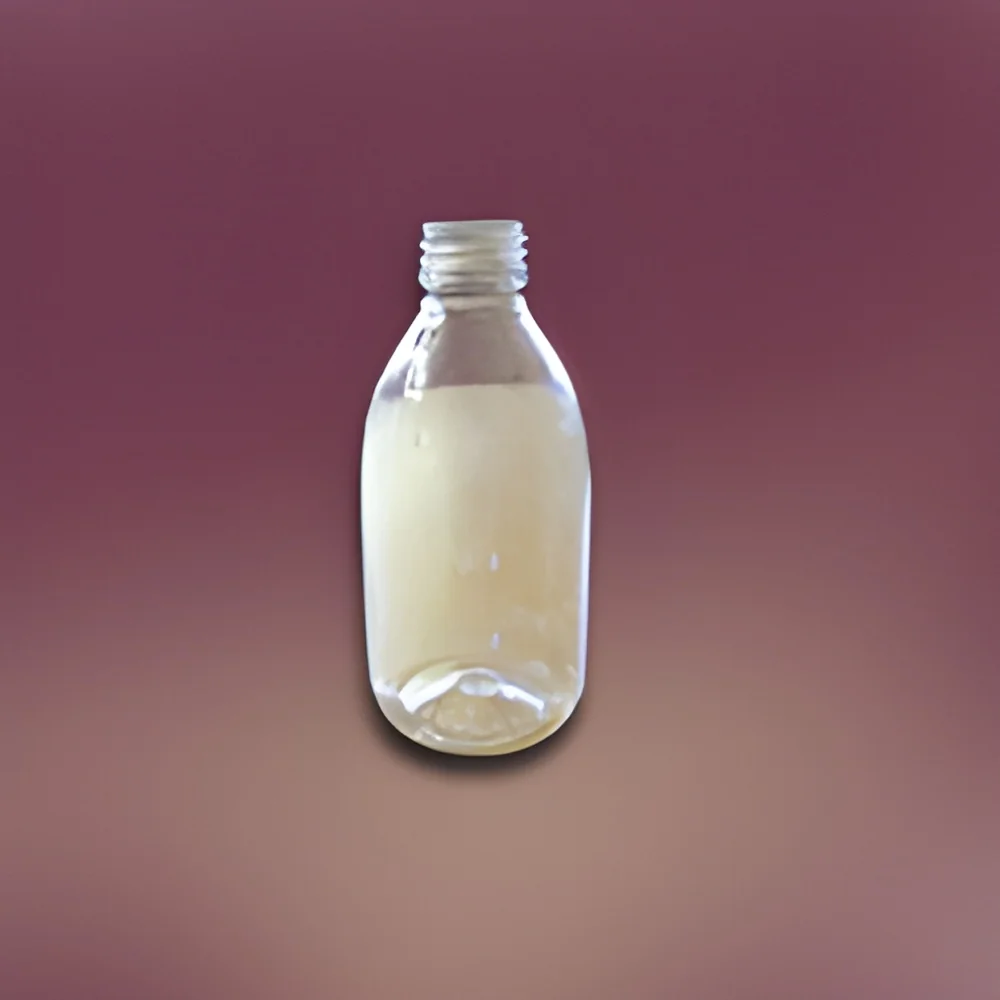
What are Glass Water Bottles?
Glass water bottles are containers made from glass, designed to hold liquids, primarily water. They are known for their durability, aesthetic appeal, and safety in terms of chemical leaching. Unlike plastic bottles, glass does not interact with the contents, ensuring that the taste and purity of the liquid remain intact. These bottles are available in various sizes and designs, catering to both individual consumers and businesses.
The primary uses of glass water bottles span across multiple sectors, including food and beverage, hospitality, fitness, and retail. Businesses often utilize these bottles for branding, as they can be customized with logos and designs. Their reusable nature also aligns with growing sustainability trends, making them a popular choice for environmentally conscious companies. The increasing demand for eco-friendly products has further solidified glass water bottles' relevance in the market, as industries seek alternatives to single-use plastic.
Key Features and Specifications
Glass water bottles offer a range of features tailored to meet diverse business needs. These specifications are crucial in selecting the right product for various applications.
Key specifications include:
1. Material Composition
- High-quality borosilicate glass
- Resistant to thermal shock and breakage
2. Capacity
- Common sizes range from 250 ml to 1 liter
- Custom sizes available upon request
3. Closure Type
- Options include screw tops, flip tops, and silicone sleeves
- Ensures leak-proof performance
4. Weight
- Lightweight designs for easy portability
- Varies based on bottle size and thickness
5. Customization Options
- Available in various colors and finishes
- Imprinting services for branding
6. Dishwasher Safe
- Suitable for easy cleaning and maintenance
- Ensures convenience for end-users
7. BPA-Free
- Safe for food and beverage use
- No chemical leaching concerns
8. Eco-Friendly
- Reusable and recyclable
- Supports sustainable practices
In summary, the features and specifications of glass water bottles make them an ideal choice for businesses looking for safe, durable, and environmentally friendly solutions.
Common Applications and Use Cases
Glass water bottles have diverse applications across various industries.
1. Food and Beverage Industry: Glass bottles are commonly used for packaging water, juices, and other beverages. Their non-reactive nature preserves the taste and quality of the drinks.
2. Hospitality Sector: Restaurants and hotels utilize glass water bottles for serving water to guests. Their elegant appearance enhances the dining experience.
3. Fitness Industry: Gyms and fitness centers offer glass water bottles as merchandise. They appeal to health-conscious consumers looking for sustainable options.
4. Retail: Many retailers sell glass water bottles as part of eco-friendly product lines. These bottles attract customers interested in reducing plastic waste.
5. Corporate Gifting: Businesses often opt for glass water bottles as promotional gifts. Custom branding makes them a practical and stylish choice.
6. Schools and Universities: Educational institutions provide glass water bottles to encourage hydration and promote eco-friendly practices among students.
7. Home and Personal Use: Individual consumers use glass water bottles for daily hydration, often selecting designs that match their personal style.
Product Variants and Subcategories
Glass water bottles come in various styles to cater to different preferences and uses.
Classic Glass Water Bottles
These standard bottles are typically sleek and minimalist, making them suitable for everyday use. They often come with a simple screw cap and are ideal for home or office settings.
Infuser Glass Water Bottles
Designed for those who enjoy flavored water, these bottles include a built-in infuser. Users can add fruits or herbs to enhance the taste of their water, making them popular among fitness enthusiasts.
Sports Glass Water Bottles
These bottles are designed for active lifestyles. They often feature a silicone sleeve for grip and protection, ensuring they can withstand outdoor activities and sports.
Travel Glass Water Bottles
Compact and lightweight, these bottles are perfect for on-the-go hydration. They may include features like a flip-top cap and a carrying loop for convenience.
Benefits and Advantages
Glass water bottles offer several key benefits that make them attractive to businesses and consumers alike.
1. Health and Safety: Glass is a safe material that does not leach chemicals into beverages, ensuring the purity of the contents.
2. Eco-Friendly: Being reusable and recyclable, glass water bottles contribute to reducing plastic waste, aligning with sustainability goals.
3. Aesthetic Appeal: The elegant design of glass bottles adds a touch of sophistication, making them suitable for various settings.
4. Durability: High-quality glass is resistant to wear and tear, providing a long-lasting solution compared to plastic bottles.
5. Customization Potential: Businesses can easily customize glass bottles with logos and designs, enhancing brand visibility and recognition.
6. Easy Maintenance: Most glass water bottles are dishwasher safe, allowing for hassle-free cleaning.
Buying Guide for B2B Buyers
When sourcing glass water bottles, several factors should be considered to ensure the best choice for your business needs.
1. Quality Assessment: Look for bottles made from high-quality glass to ensure durability and safety. Verify suppliers' quality control processes to ensure consistency.
2. Supplier Verification: Vet potential suppliers to confirm their reliability and reputation. Check for reviews, references, and their compliance with industry standards.
3. Pricing and MOQ: Understand the pricing structure and minimum order quantities (MOQ) required by suppliers. This helps in budgeting and planning inventory.
4. Delivery and Lead Times: Discuss logistics with suppliers to understand delivery timelines. Ensure that lead times align with your business needs.
5. Compliance Requirements: Familiarize yourself with any regulatory requirements related to food safety and packaging standards. Ensure suppliers can provide necessary certifications.
Compliance and Certifications
Glass water bottles are subject to various quality standards and certifications that ensure safety and reliability.
ISO 9001 is a widely recognized standard that focuses on quality management systems. Suppliers of glass water bottles should adhere to this standard to demonstrate their commitment to consistent quality.
HACCP (Hazard Analysis and Critical Control Points) is another important standard, especially for food and beverage applications. It ensures that products are safe for consumption by identifying potential hazards in the production process.
CE certification signifies that the product meets European health, safety, and environmental protection standards. This is crucial for businesses looking to distribute products in European markets.
Additionally, regional compliance may vary. It is essential to verify that suppliers meet local regulations and safety requirements to avoid potential issues.
Why Source Glass Water Bottles from Pepagora?
Pepagora provides a trusted platform for sourcing glass water bottles, offering several key advantages to B2B buyers.
Verified Supplier Network: Pepagora features a network of verified suppliers, ensuring that businesses can connect with reputable manufacturers. This reduces the risk of subpar products and fosters trust.
Streamlined RFQ Process: The Request for Quotation (RFQ) system simplifies the procurement process. Buyers can easily request quotes from multiple suppliers, ensuring competitive pricing and terms.
Trade Assurance and Support: Pepagora offers trade assurance, providing buyer protection throughout the purchasing process. This support gives businesses peace of mind when sourcing products.
Regional Coverage: With a presence in India, the GCC, and Southeast Asia, Pepagora facilitates access to a wide range of suppliers. This geographic reach allows businesses to tap into diverse markets and options for their sourcing needs.

 IN
IN