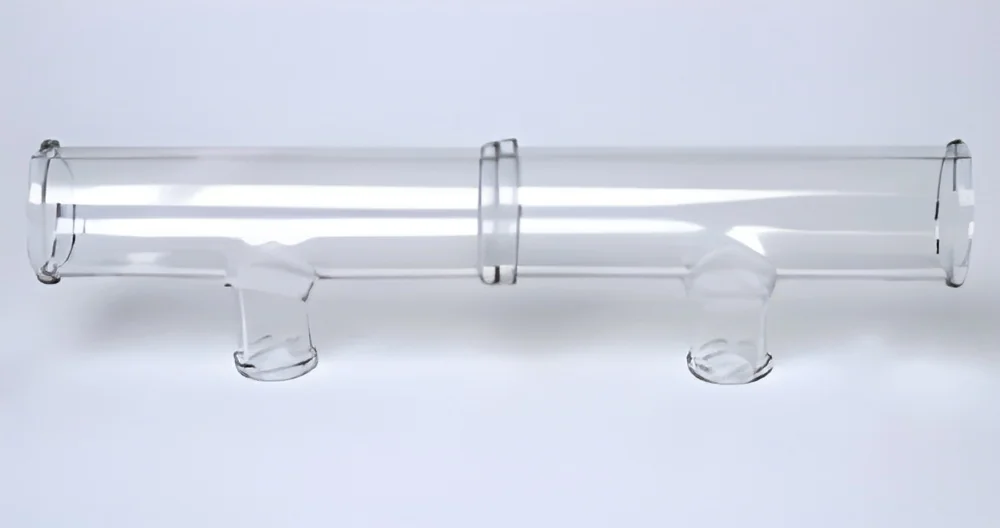
What are Heat-Resistant Glass Containers?
Heat-resistant glass containers are specialized storage solutions designed to withstand high temperatures without compromising their structural integrity. Made from durable materials, these containers can endure extreme heat, making them ideal for various industrial applications. Their ability to resist thermal shock makes them suitable for both hot and cold contents, providing versatility in storage and transport.
These containers are primarily used in the food and beverage industry, laboratories, and manufacturing processes that require high-temperature handling. They are essential for storing cooked foods, laboratory samples, and chemical substances that need to be heated or cooled. The relevance of heat-resistant glass containers spans across different sectors where safety and durability are paramount, ensuring that products remain uncontaminated and maintain their quality during storage or transit.
The market for heat-resistant glass containers is growing due to increasing demand for safe and reliable storage solutions. As industries focus on sustainability and reducing plastic use, these containers offer an eco-friendly alternative. This trend is particularly evident in the food industry, where consumers prefer glass over plastic for its safety and recyclability.
Key Features and Specifications
Heat-resistant glass containers come with several key features that enhance their performance in demanding environments. These features ensure that they meet the needs of various industries effectively.
Key specifications include:
1. Temperature Resistance
- Capable of withstanding high temperatures, often exceeding 200 degrees Celsius.
- Suitable for use in ovens, microwaves, and dishwashers.
2. Material Composition
- Made from borosilicate glass, known for its strength and thermal stability.
- Non-porous surface prevents absorption of odors and stains.
3. Resistance to Thermal Shock
- Designed to withstand sudden temperature changes without cracking.
- Ideal for transferring contents directly from heat to cold conditions.
4. Chemical Compatibility
- Resistant to a wide range of chemicals, making them suitable for laboratory use.
- Safe for storing both acidic and alkaline substances.
5. Versatile Usage
- Can be used for cooking, baking, and storing food.
- Suitable for industrial applications such as chemical storage.
6. Eco-Friendliness
- Reusable and recyclable, contributing to sustainability efforts.
- Reduces reliance on single-use plastics.
7. Dishwasher Safe
- Easy to clean and maintain, providing convenience for users.
- Durable enough to withstand repeated wash cycles.
8. Variety of Sizes
- Available in multiple sizes to accommodate different storage needs.
- Options for individual or bulk purchasing based on business requirements.
These features make heat-resistant glass containers a reliable choice for businesses looking to enhance their storage solutions.
Common Applications and Use Cases
Heat-resistant glass containers are utilized across various industries, catering to specific applications that require high-temperature handling.
1. Food and Beverage Industry: These containers are widely used for storing and reheating cooked meals, ensuring food safety and quality. They are also ideal for packaging and transporting beverages.
2. Laboratory Settings: In laboratories, these containers are essential for storing chemical samples and conducting experiments that require heating. Their resistance to chemical reactions ensures accurate results.
3. Pharmaceutical Industry: Heat-resistant glass is used for storing sensitive pharmaceutical products that require precise temperature control during transportation and storage.
4. Chemical Manufacturing: These containers handle various chemicals safely, preventing reactions that can occur with less durable materials.
5. Catering Services: Catering companies rely on heat-resistant glass containers to keep food warm during events. They provide an elegant presentation while ensuring food safety.
6. Home Kitchen Use: Consumers increasingly prefer heat-resistant glass for its safety and versatility in cooking, baking, and storing leftovers.
7. Industrial Applications: Used in manufacturing processes, these containers hold materials that must be heated or cooled, ensuring efficiency in production.
Product Variants and Subcategories
Heat-resistant glass containers come in various forms to suit different needs and preferences.
Food Storage Containers: These containers are designed for storing leftovers and meal prep. They often come with airtight lids to maintain freshness and prevent spills.
Baking Dishes: Ideal for oven use, these dishes are available in multiple shapes and sizes, catering to both casual and professional bakers.
Laboratory Glassware: Specifically designed for scientific applications, these include beakers and flasks that can withstand high temperatures while ensuring safety during experiments.
Casserole Dishes: These versatile dishes can be used for both cooking and serving, providing a seamless transition from oven to table.
Benefits and Advantages
Heat-resistant glass containers offer numerous advantages that make them a valuable addition to any business.
1. Safety: These containers are non-toxic and do not leach chemicals, ensuring the safety of contents, especially in food applications.
2. Durability: Made from robust materials, they are resistant to breakage and thermal shock, providing longevity in use.
3. Versatility: Suitable for various applications, they can be used in cooking, baking, laboratory work, and storage, making them a multifunctional solution.
4. Eco-Friendly: Reusable and recyclable, they help reduce environmental impact by minimizing plastic waste.
5. Easy to Clean: Most heat-resistant glass containers are dishwasher safe, simplifying maintenance and ensuring hygiene.
6. Aesthetic Appeal: With a sleek and modern design, these containers enhance the presentation of food, making them suitable for both home and professional settings.
Buying Guide for B2B Buyers
When sourcing heat-resistant glass containers, businesses should consider several essential factors to ensure they make informed purchasing decisions.
1. Quality Assessment: Evaluate the materials and manufacturing processes to ensure high-quality standards are met. Look for certifications that confirm the product's durability and safety.
2. Supplier Verification: Research potential suppliers to confirm their reliability and reputation in the industry. Consider their experience and customer feedback.
3. Pricing and MOQ: Compare prices from different suppliers and be aware of minimum order quantities. This helps in budgeting and planning purchases effectively.
4. Delivery and Lead Times: Assess suppliers' logistics capabilities to ensure timely delivery of products. Understand lead times to avoid disruptions in operations.
5. Compliance Requirements: Familiarize yourself with any relevant regulations and industry standards that the containers must meet to ensure compliance and safety.
Compliance and Certifications
Heat-resistant glass containers must adhere to various quality standards to ensure safety and reliability in their applications. Key standards include ISO 9001, which sets out the criteria for a quality management system, ensuring consistent product quality.
In addition, compliance with HACCP (Hazard Analysis Critical Control Point) is critical in food-related applications, as it focuses on food safety management. Companies in the food and beverage industry must ensure their containers meet these safety standards.
Regional compliance considerations may also apply, depending on the market in which the products are sold. Compliance with CE certification indicates that the products meet European safety standards and are suitable for use in various applications.
Why Source Heat-Resistant Glass Containers from Pepagora?
Pepagora offers a reliable platform for sourcing heat-resistant glass containers, providing several key advantages for businesses.
Verified Supplier Network: Pepagora connects buyers with a network of verified suppliers, ensuring that all listed products meet high standards of quality and safety. This verification process gives buyers confidence in their sourcing decisions.
Streamlined RFQ Process: The platform simplifies the request for quotation (RFQ) process, allowing buyers to easily compare prices and specifications from multiple suppliers. This efficiency saves time and enhances procurement strategies.
Trade Assurance and Support: Pepagora provides trade assurance, ensuring that buyers are protected throughout the purchasing process. Comprehensive support is also available to address any questions or concerns.
Regional Coverage: With a focus on India, the GCC, and Southeast Asia, Pepagora offers extensive regional coverage, catering to businesses looking for reliable sources of heat-resistant glass containers in these markets.

 IN
IN