What are Window Blinds & Curtain Systems?
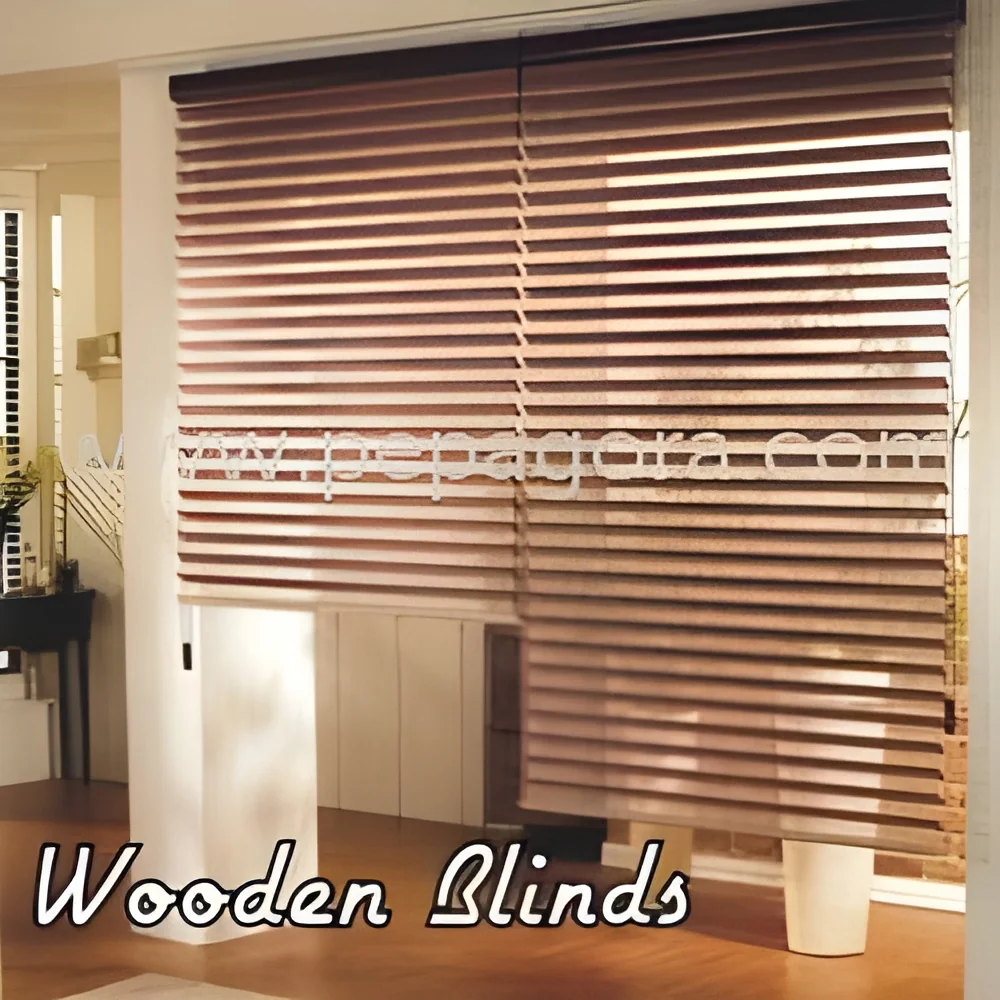
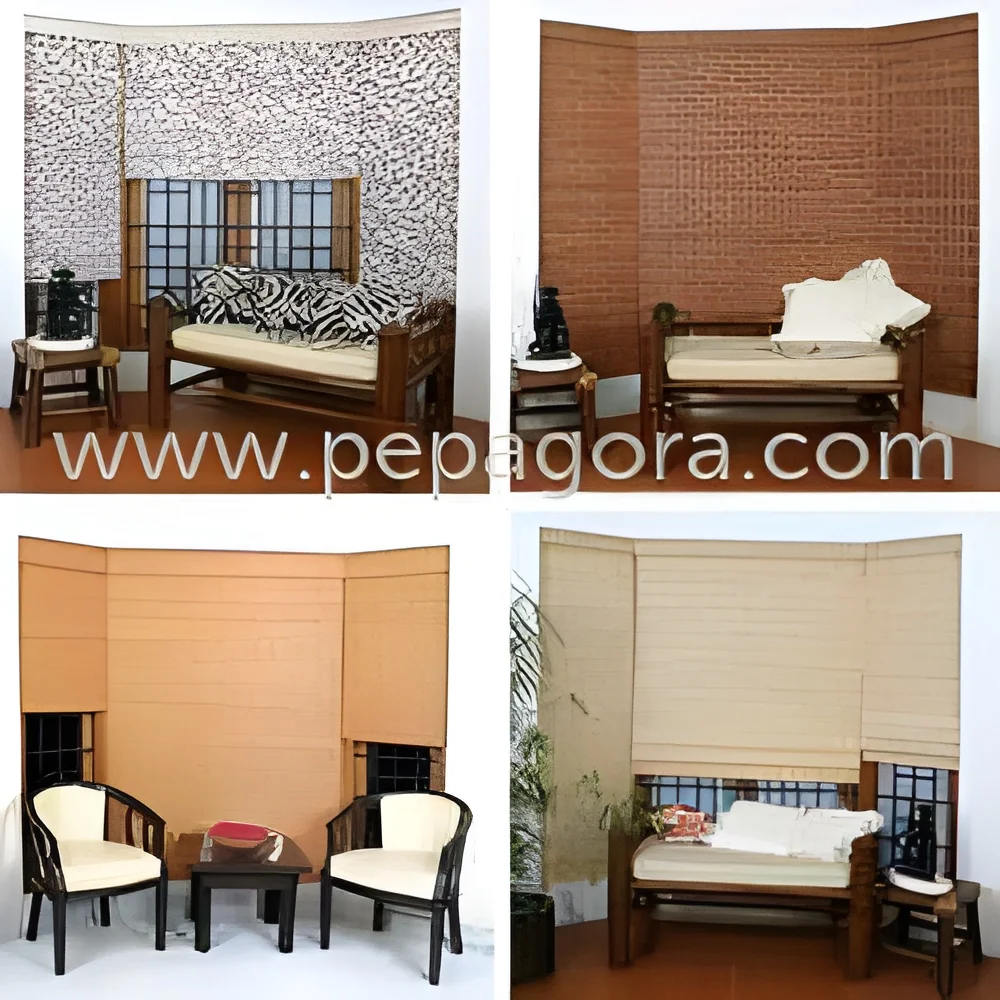
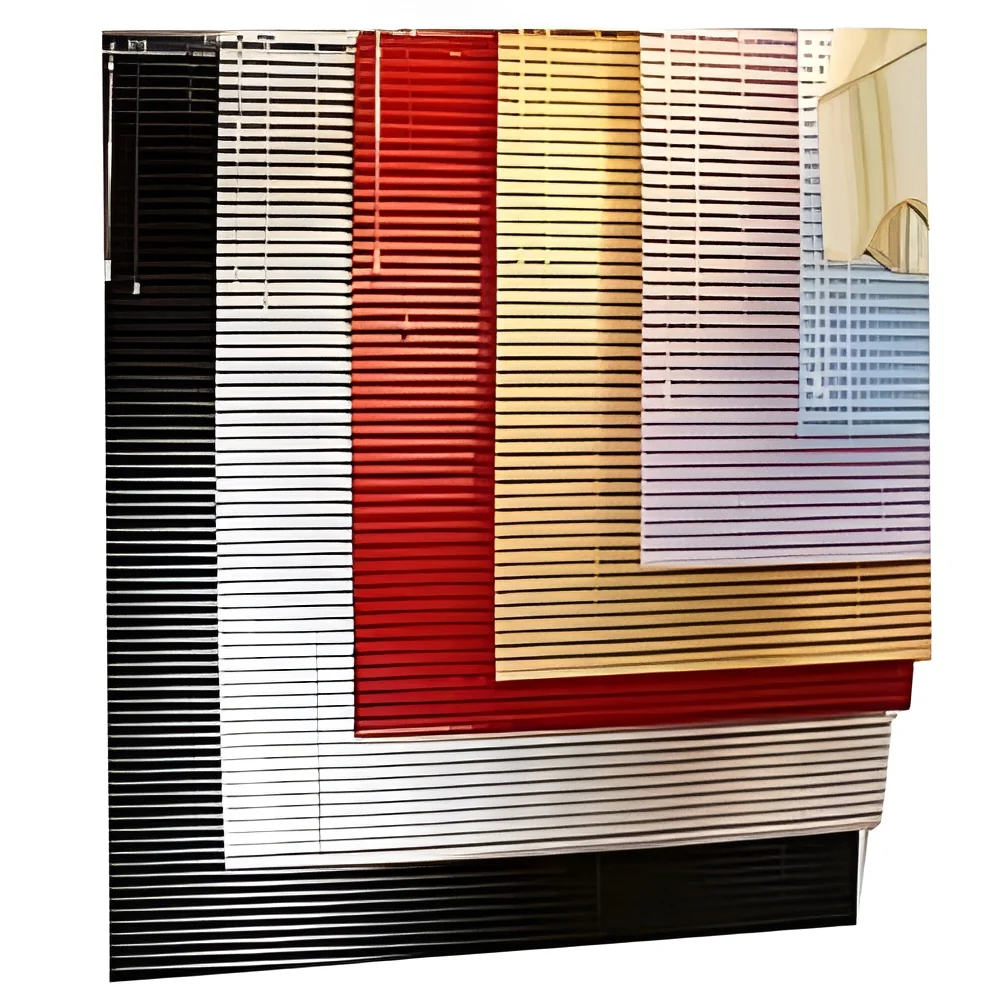
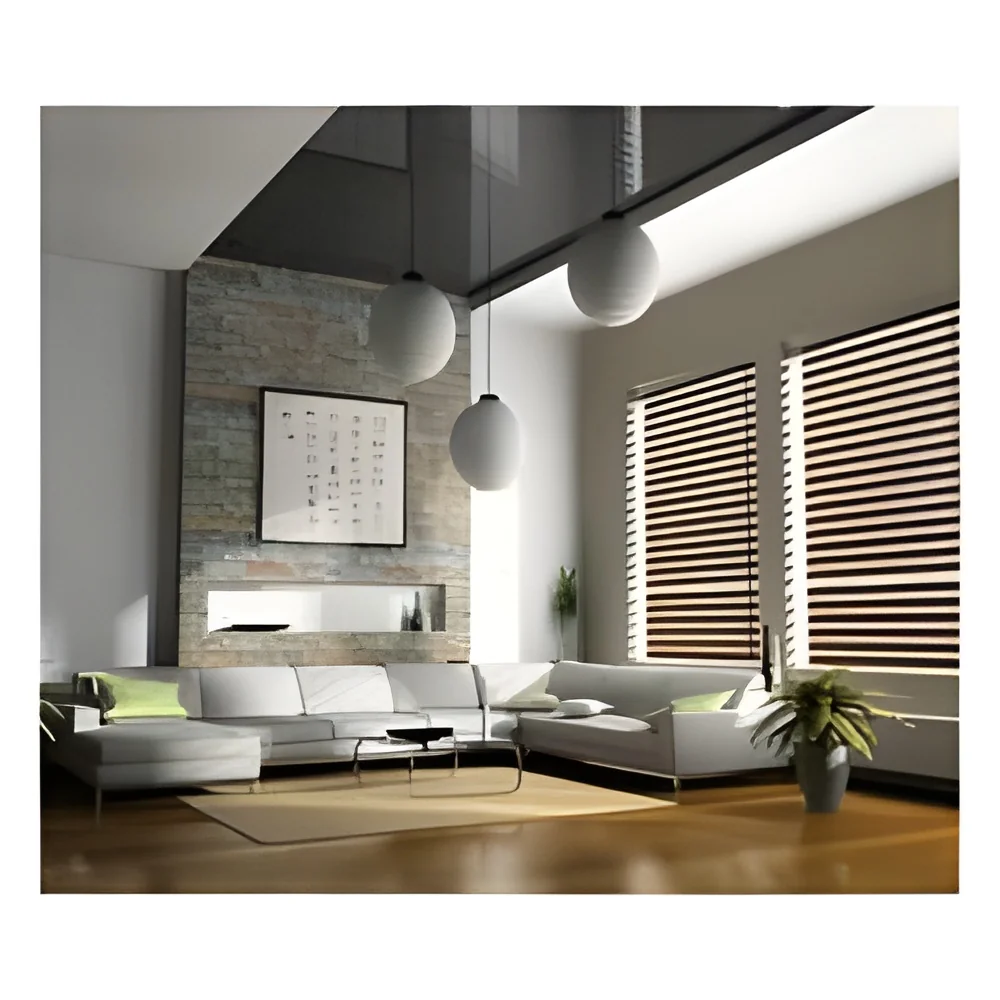
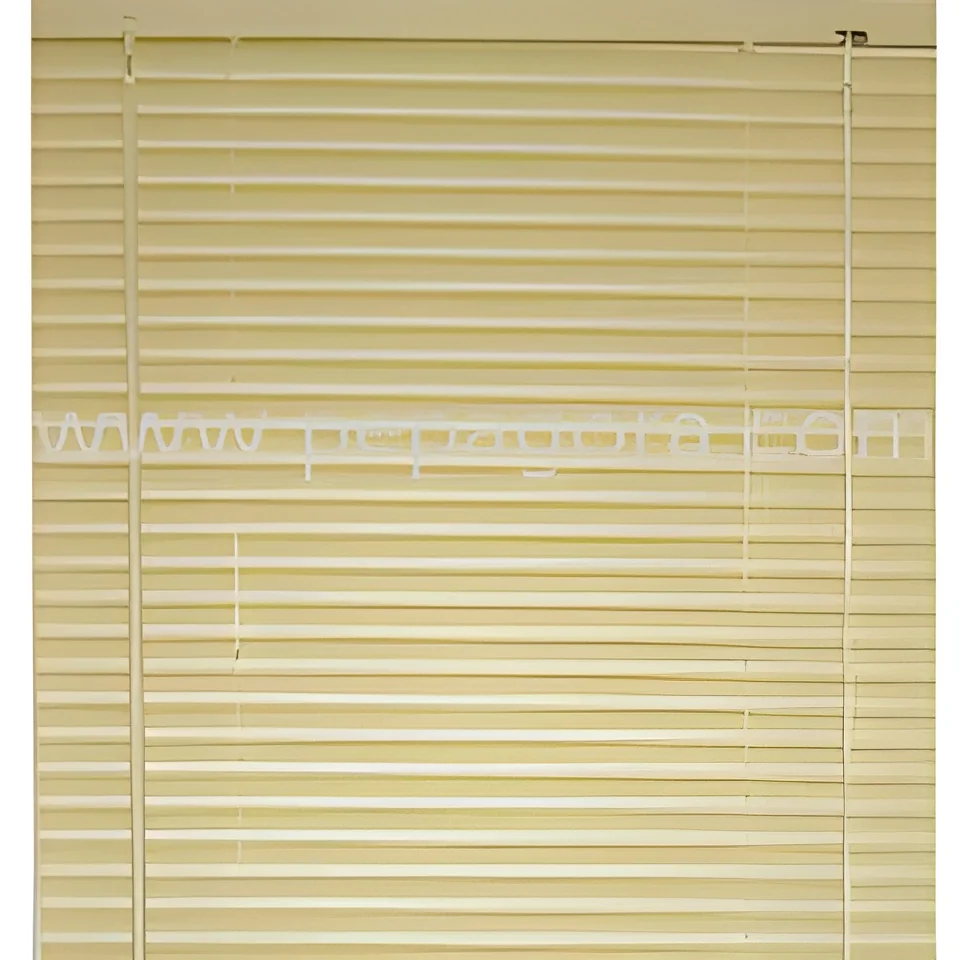
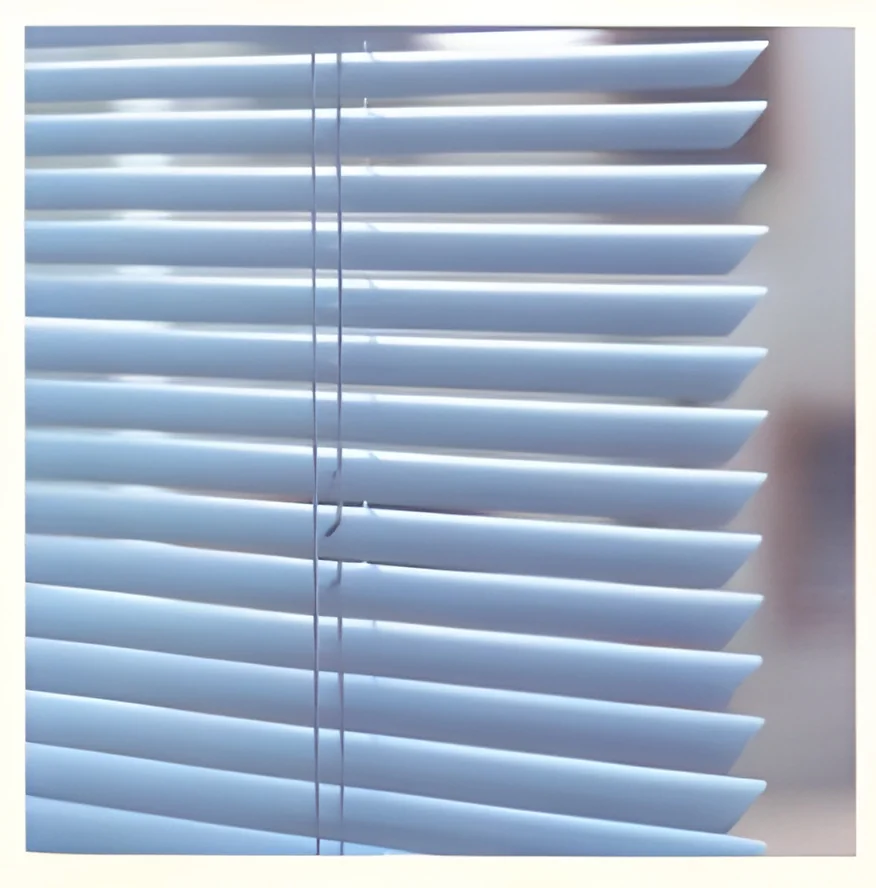
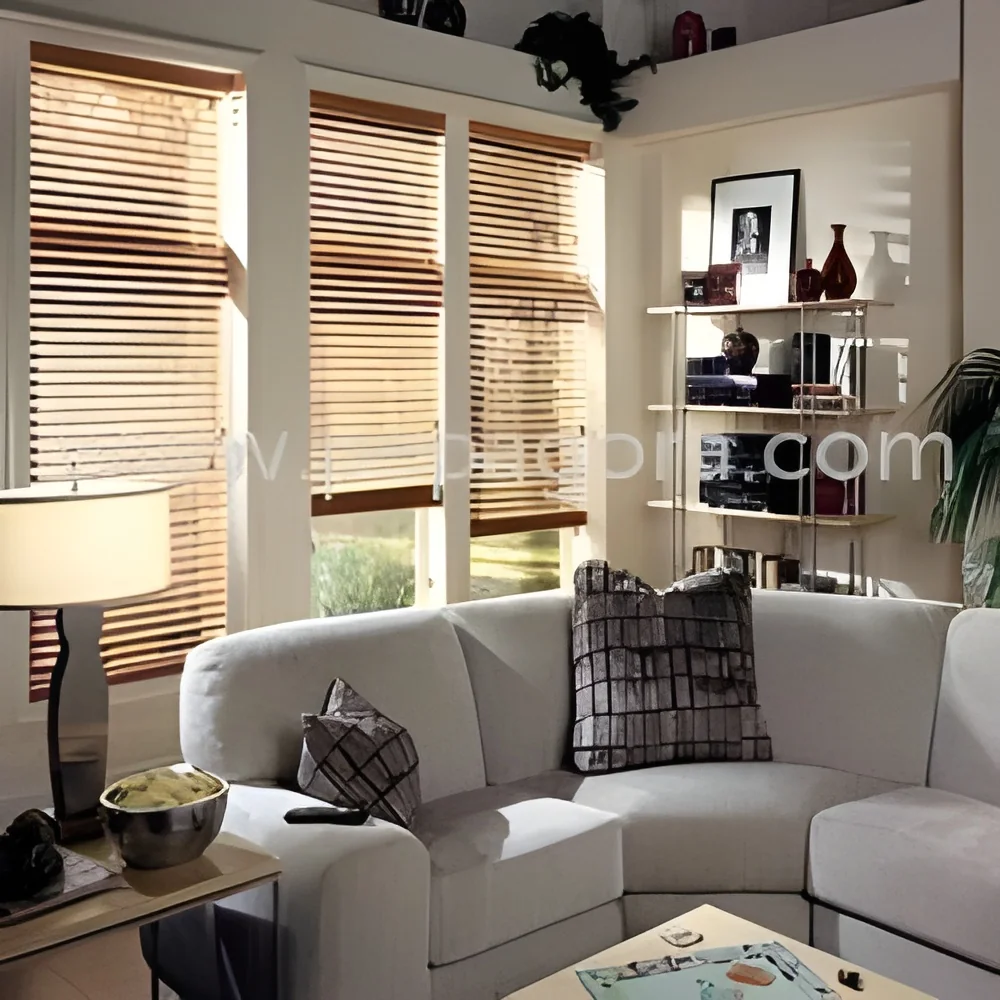
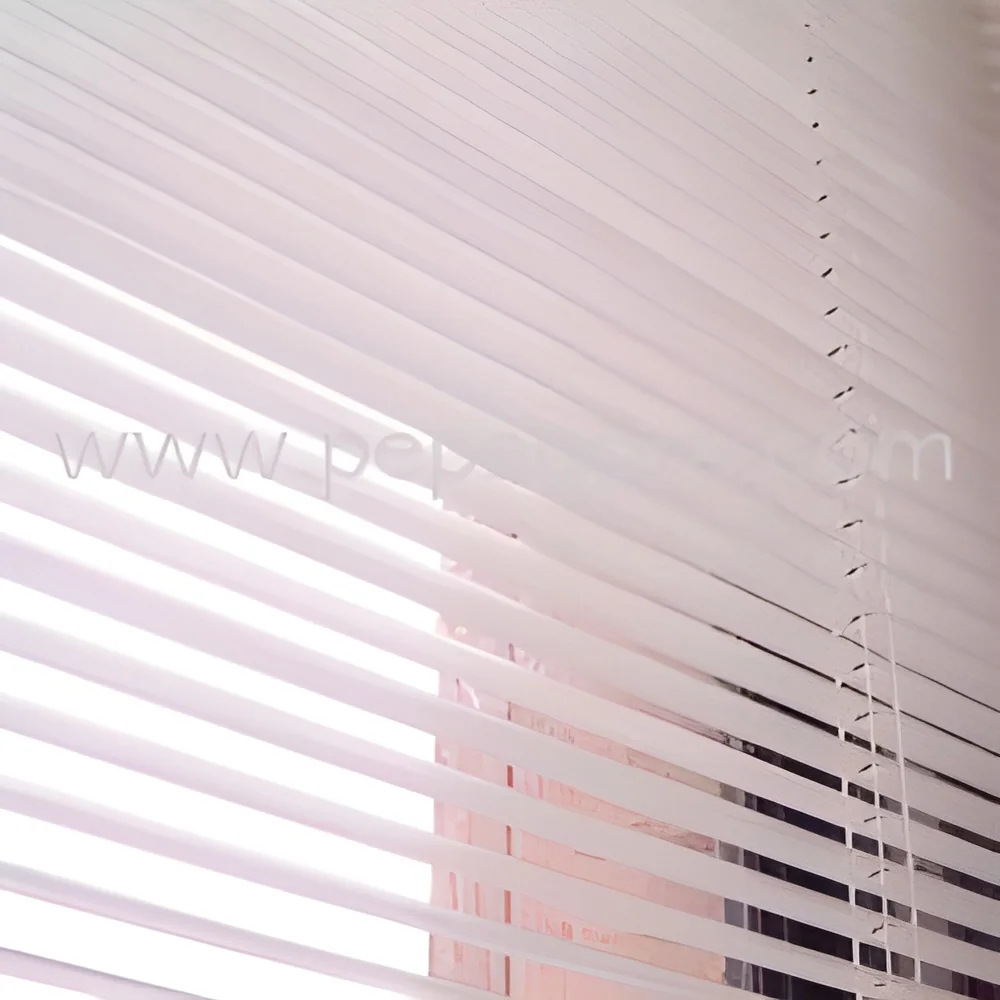
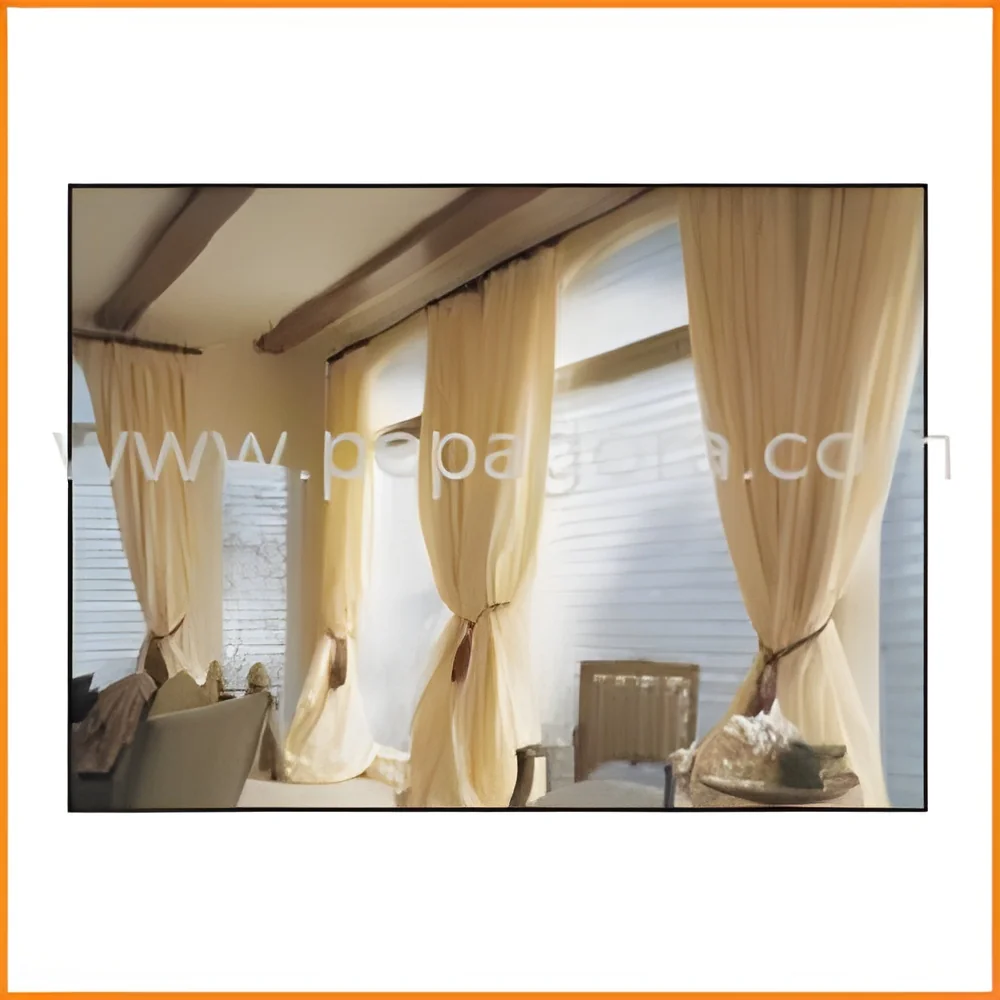
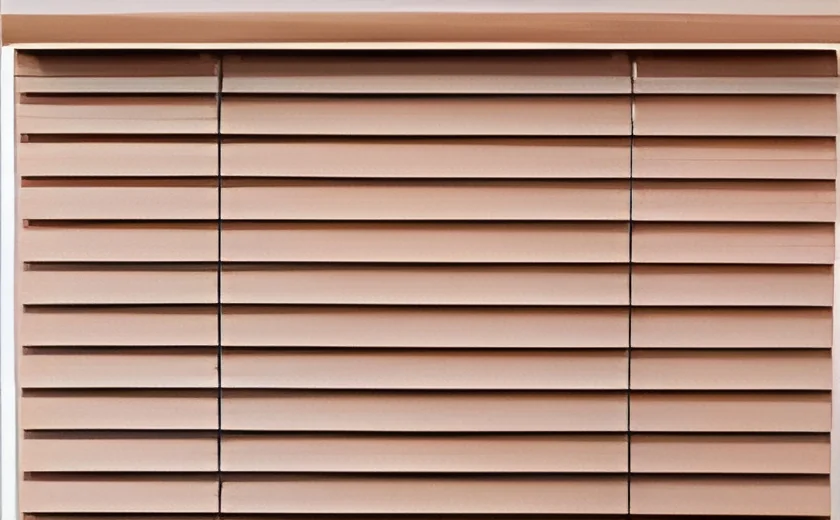
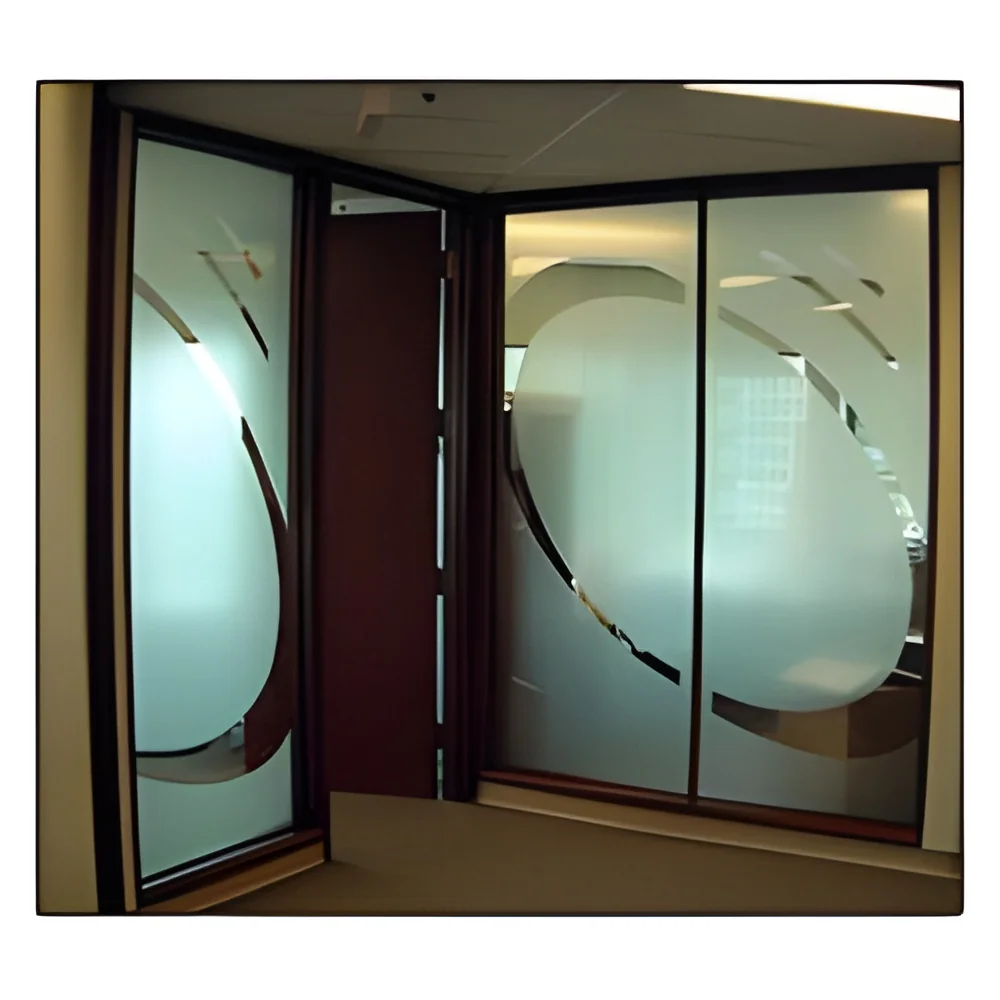
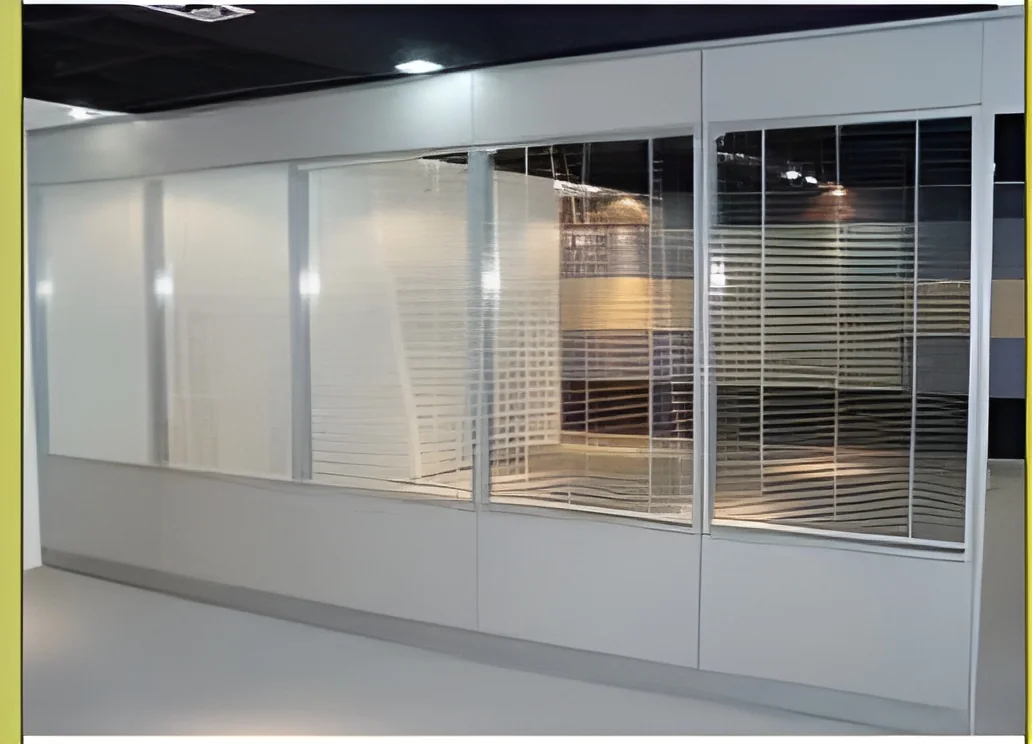
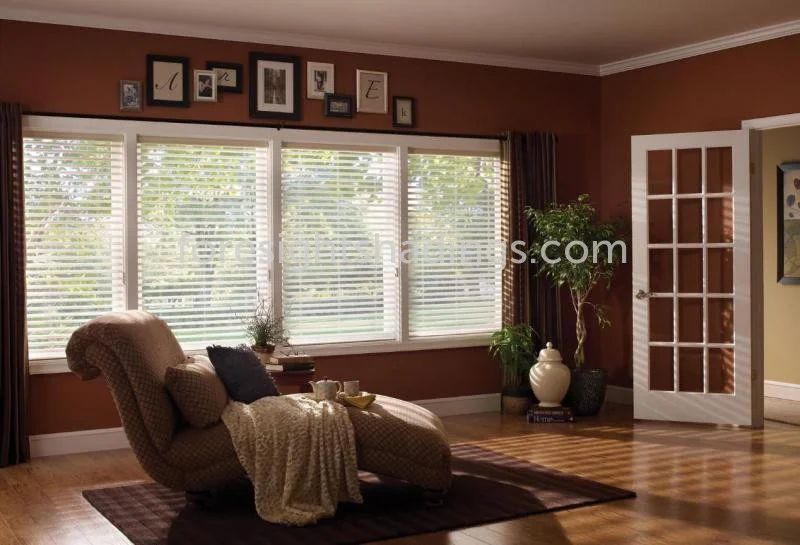
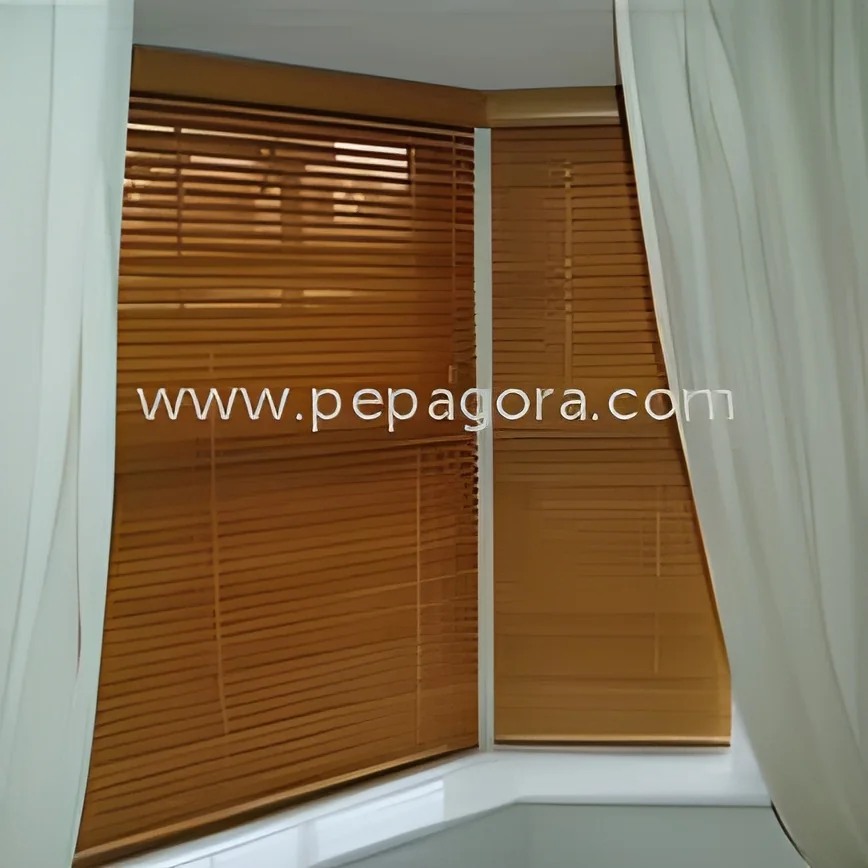
Window blinds and curtain systems are functional and aesthetic solutions for controlling light, privacy, and temperature in both residential and commercial spaces. These systems consist of various materials and designs that can be customized to fit different window sizes and styles. Window blinds typically use slats or panels that can be adjusted to allow varying degrees of light, while curtain systems may involve drapery that can be drawn open or closed.
The primary uses of window blinds and curtain systems include enhancing interior decor, improving energy efficiency, and providing privacy and security. In commercial environments, these systems are essential for meeting the specific requirements of office spaces, retail environments, and hospitality settings. The market for window blinds and curtain systems is steadily growing, driven by trends in interior design and sustainability, as businesses seek solutions that combine style with functionality.
Key Features and Specifications
Window blinds and curtain systems offer a range of features that cater to various needs and preferences. The specifications can vary based on style, materials, and functionality, making it crucial for buyers to understand what to look for when selecting a system.
Key specifications include:
1. Material Type
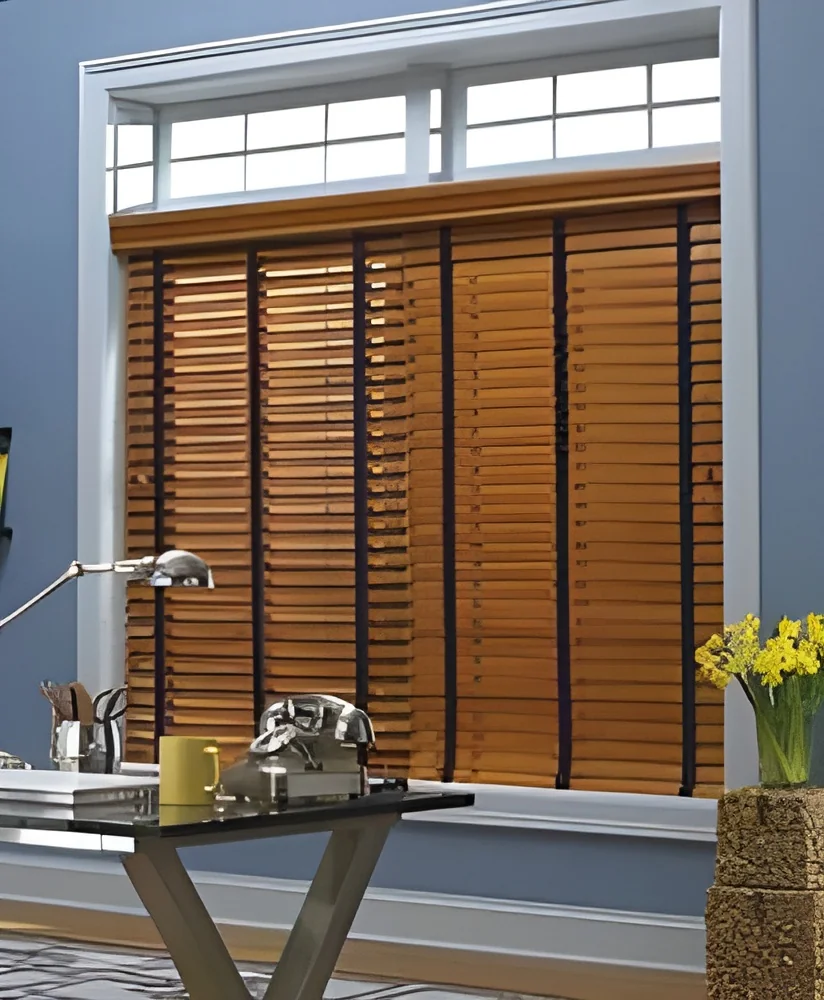
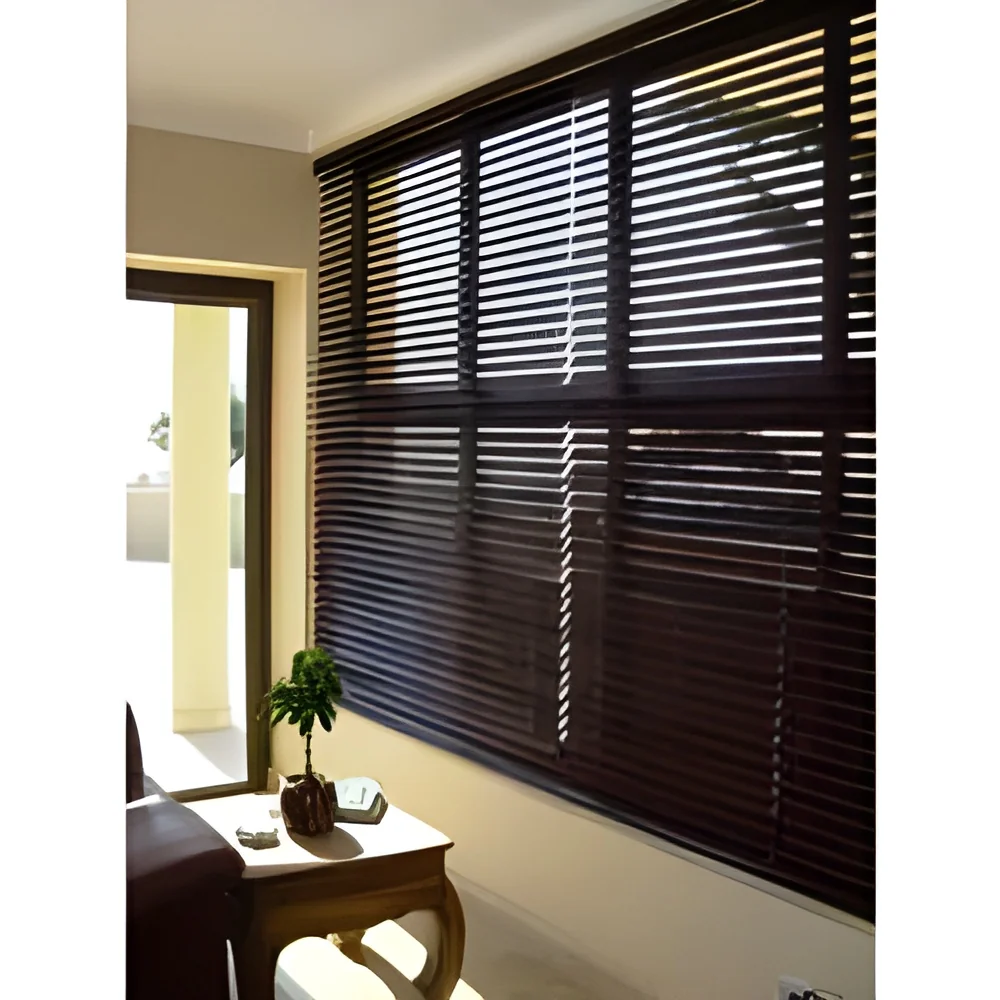
- Common materials include wood, aluminum, vinyl, and fabric.
- Each material offers unique aesthetic and functional properties.
2. Light Control Options
- Systems may provide varying degrees of light blockage, from sheer to blackout.
- This feature allows businesses to create the desired ambiance and energy efficiency.
3. Customization Options
- Many systems can be tailored to specific dimensions and design preferences.
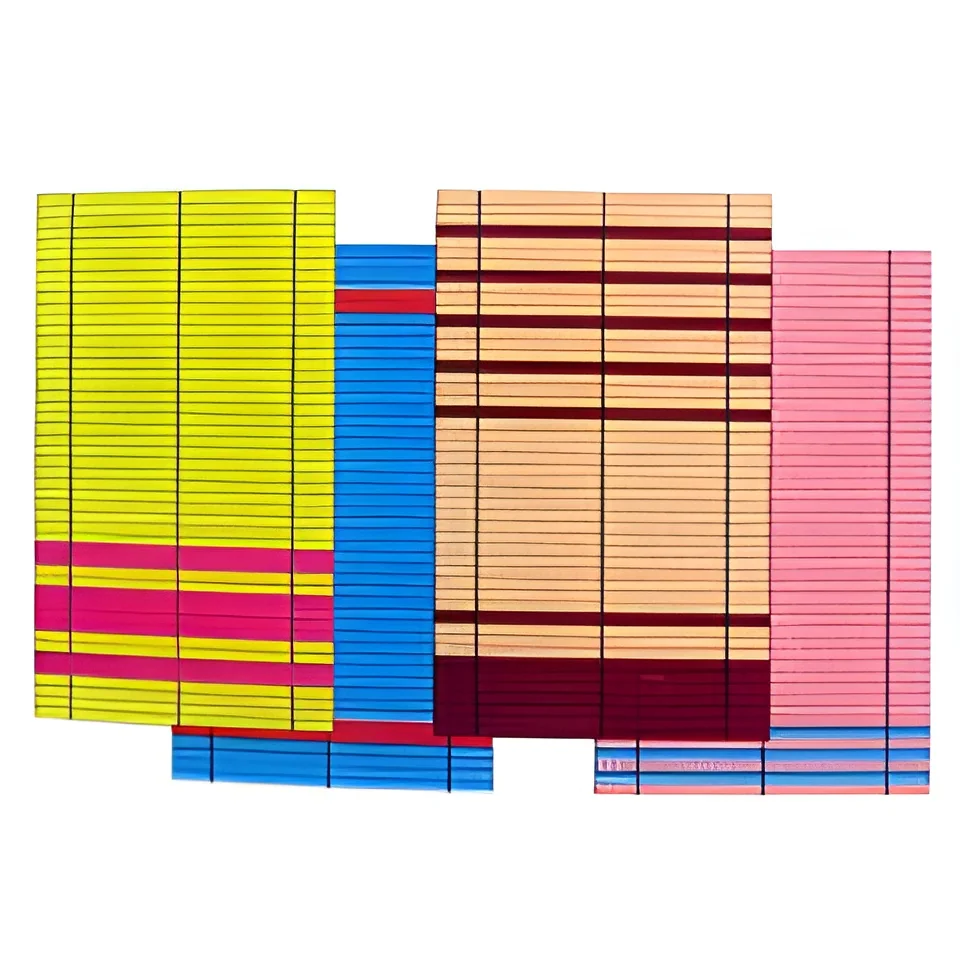
- Customization may include color, texture, and operational mechanisms.
4. Operational Mechanisms
- Options include manual, corded, and motorized systems.
- Motorized systems offer convenience and automated control.
5. Energy Efficiency Ratings
- Some blinds and curtains are designed to reduce heat transfer.
- Energy-efficient models can lead to cost savings on heating and cooling.
6. Installation Requirements
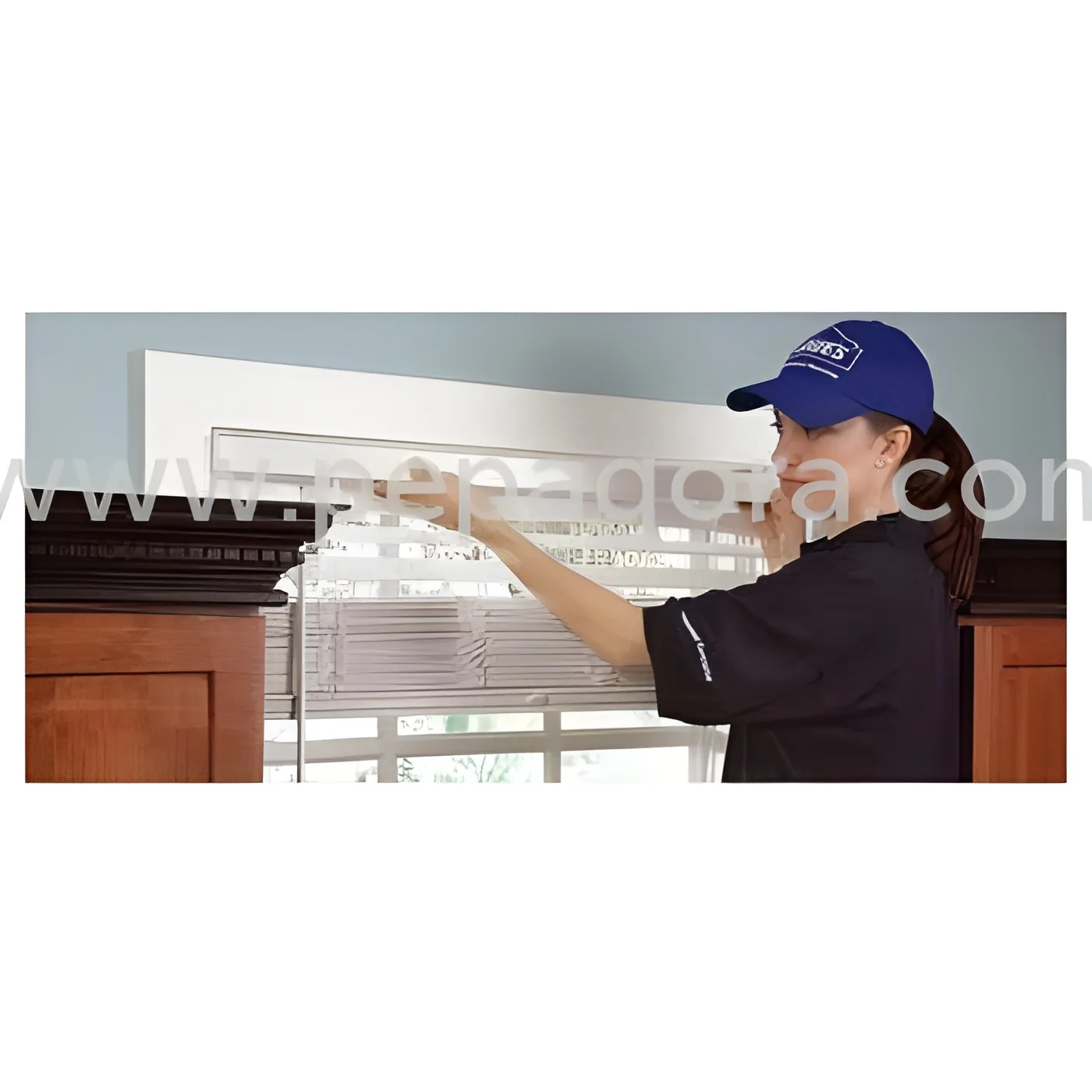
- Systems may require professional installation or can be DIY-friendly.
- Proper installation is essential for optimal performance.
7. Maintenance and Cleaning
- Different materials have varying cleaning requirements.
- Consider ease of maintenance when selecting a system.
8. Safety Features
- Child safety mechanisms may be included in some designs.
- Ensuring safety is a priority for families and businesses alike.
In summary, understanding the key features and specifications of window blinds and curtain systems is essential for making informed purchasing decisions.
Common Applications and Use Cases
Window blinds and curtain systems find application across a wide range of industries, each with specific needs.
1. Office Spaces: In office environments, these systems help to create a productive atmosphere by controlling glare from sunlight, contributing to employee comfort and concentration.
2. Hospitality: Hotels and restaurants utilize window coverings to enhance guest experience, offering privacy and improving the ambiance of rooms and dining areas.
3. Retail: Stores often use blinds and curtains to display merchandise attractively while managing natural light, helping to create an inviting shopping atmosphere.
4. Healthcare: In medical facilities, window coverings play a role in patient comfort and privacy, while also aiding in light control.
5. Residential: Homeowners benefit from these systems for aesthetic appeal, energy efficiency, and privacy, allowing for customization according to personal style.
6. Educational Institutions: Schools and universities use these systems to create conducive learning environments by managing light levels in classrooms.
7. Industrial Facilities: In warehouses and manufacturing plants, blinds may help in controlling temperature and managing light exposure for sensitive equipment.
Product Variants and Subcategories
Window blinds and curtain systems come in diverse variants to meet different aesthetic and functional requirements.
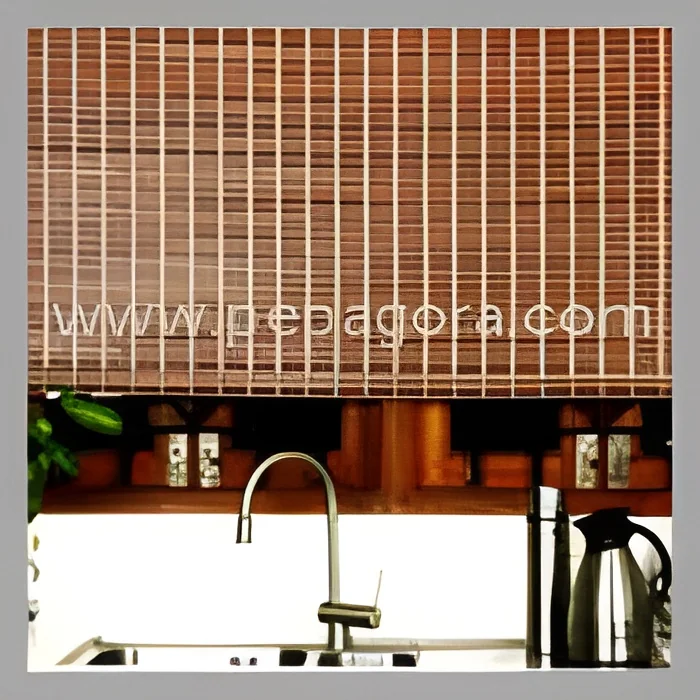
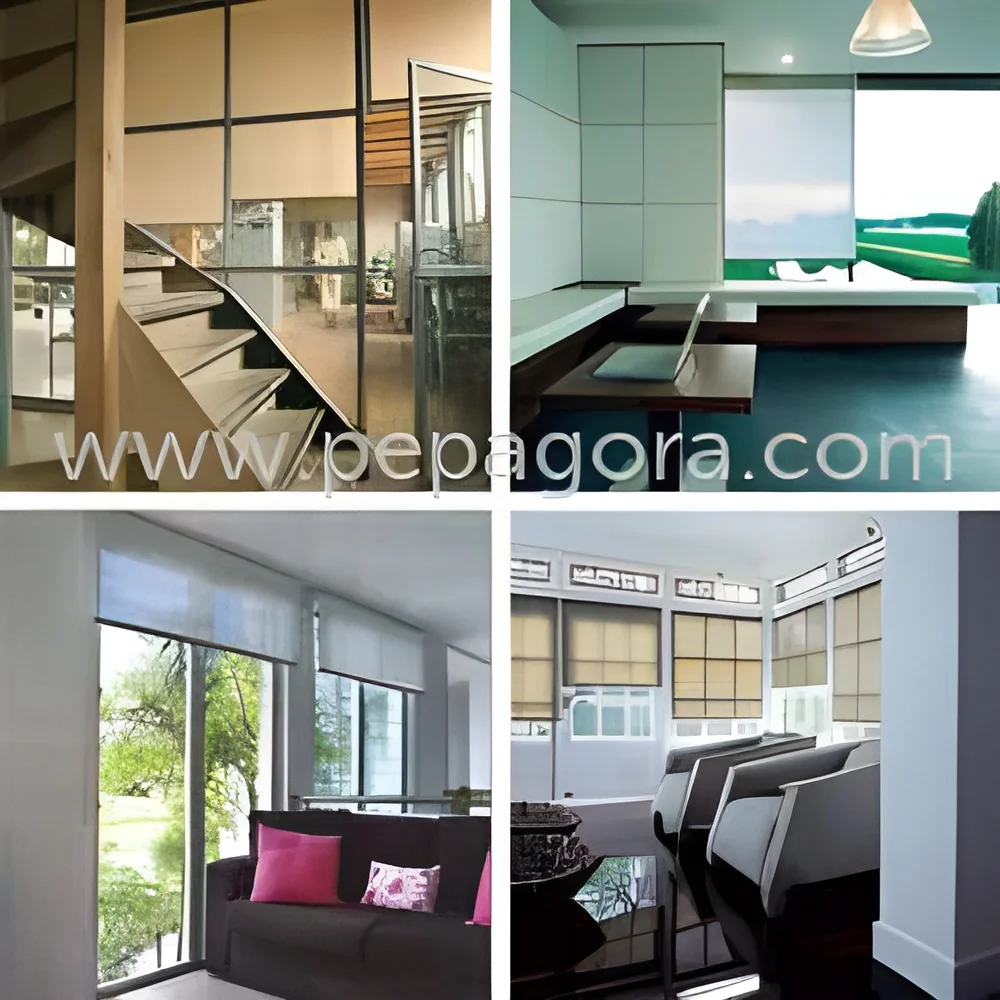
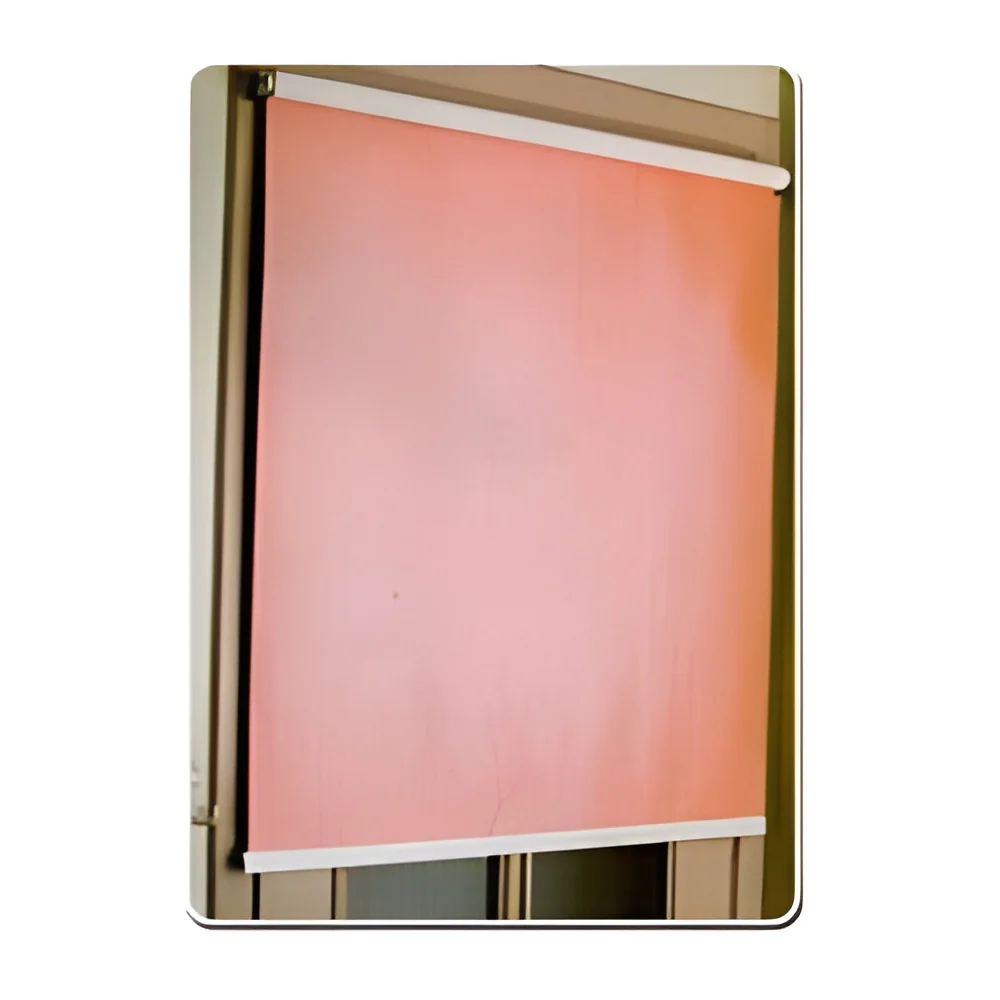
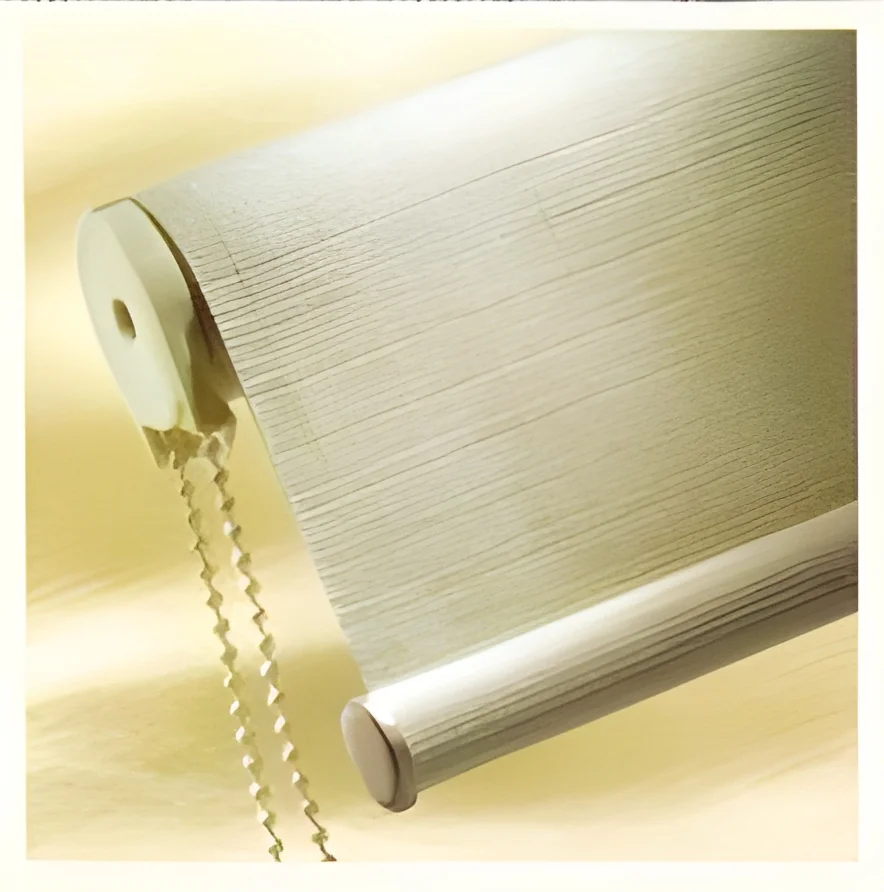
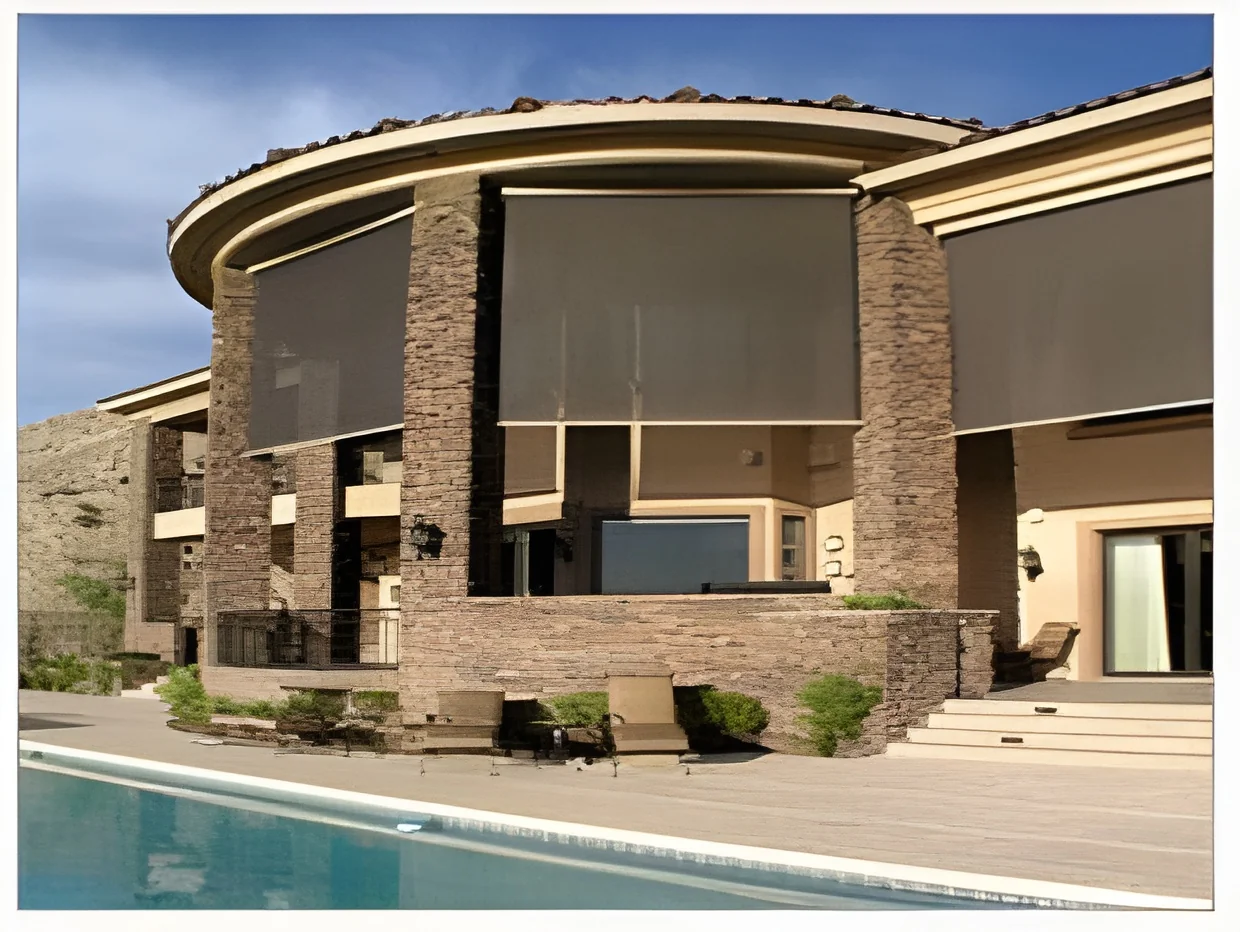
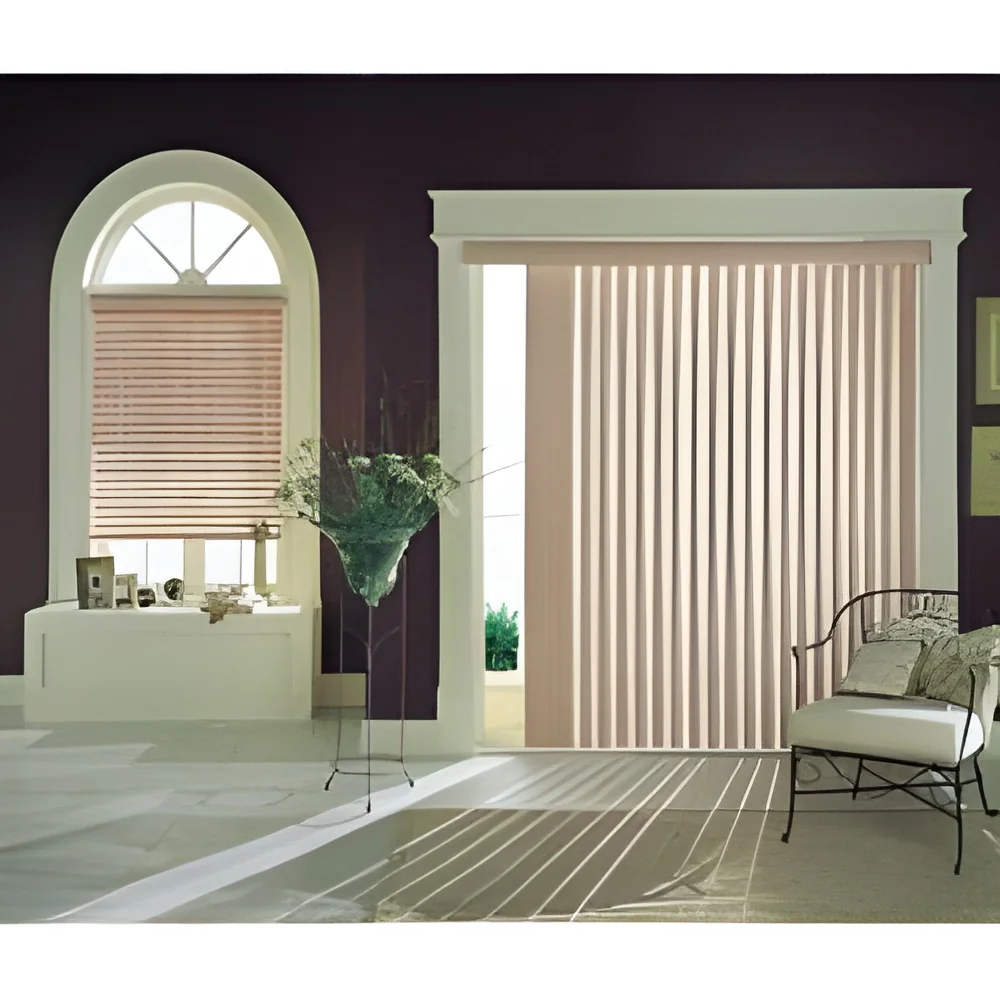
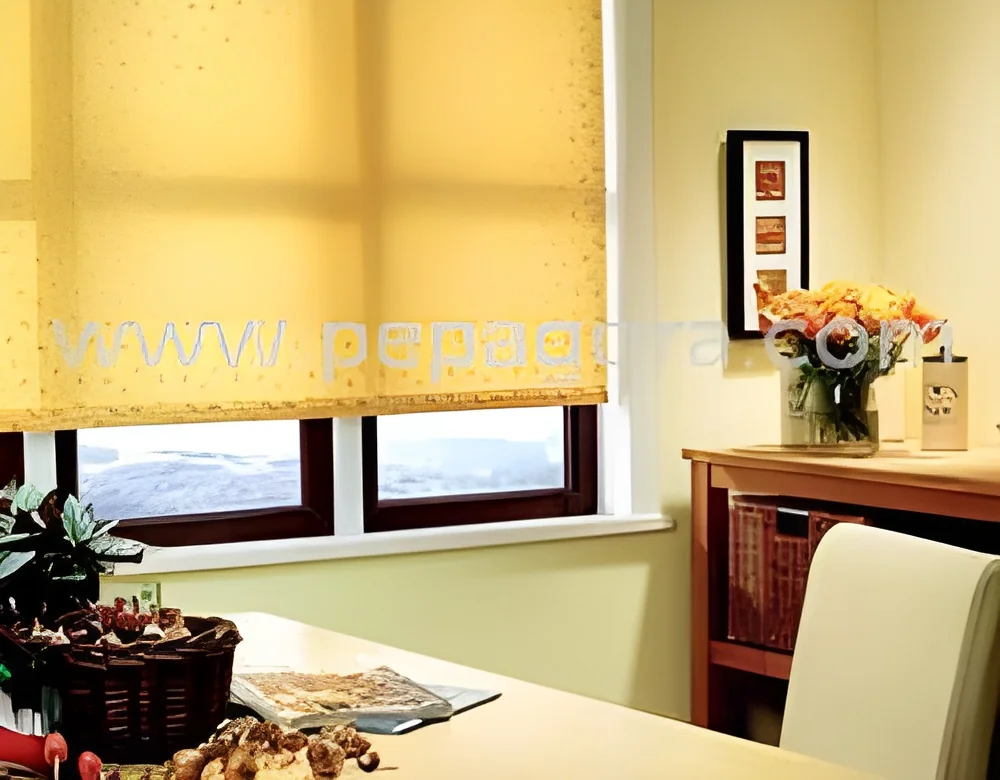
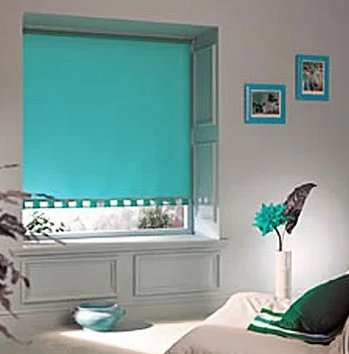
Roller Blinds: Roller blinds are a popular choice for both commercial and residential applications. They are easy to operate and available in various materials, including blackout fabrics for complete light blockage.
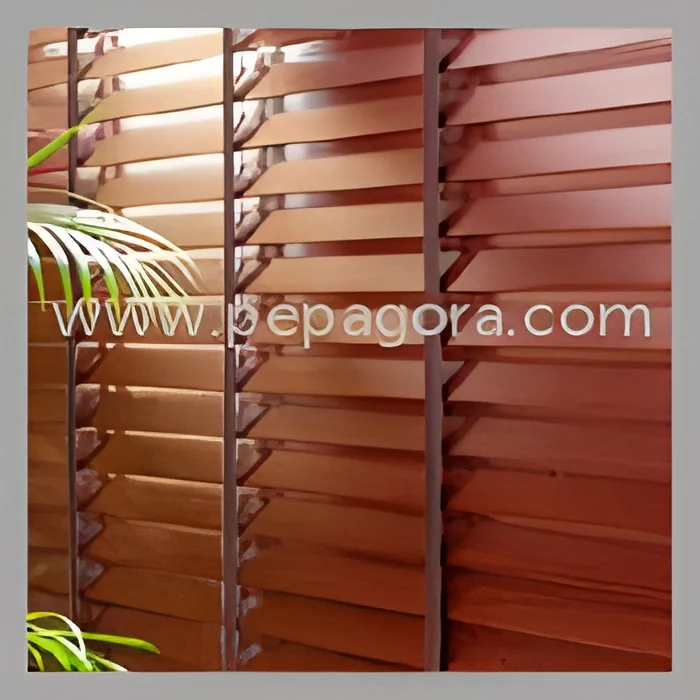
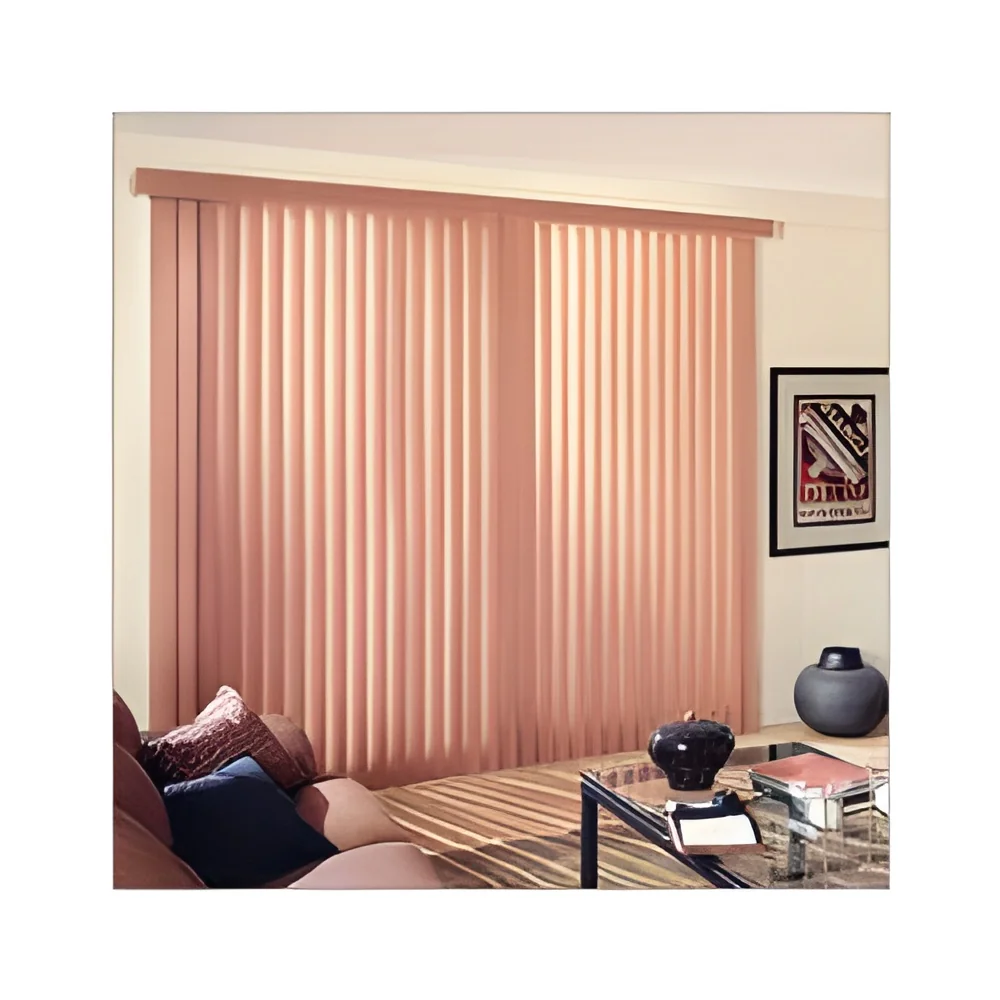
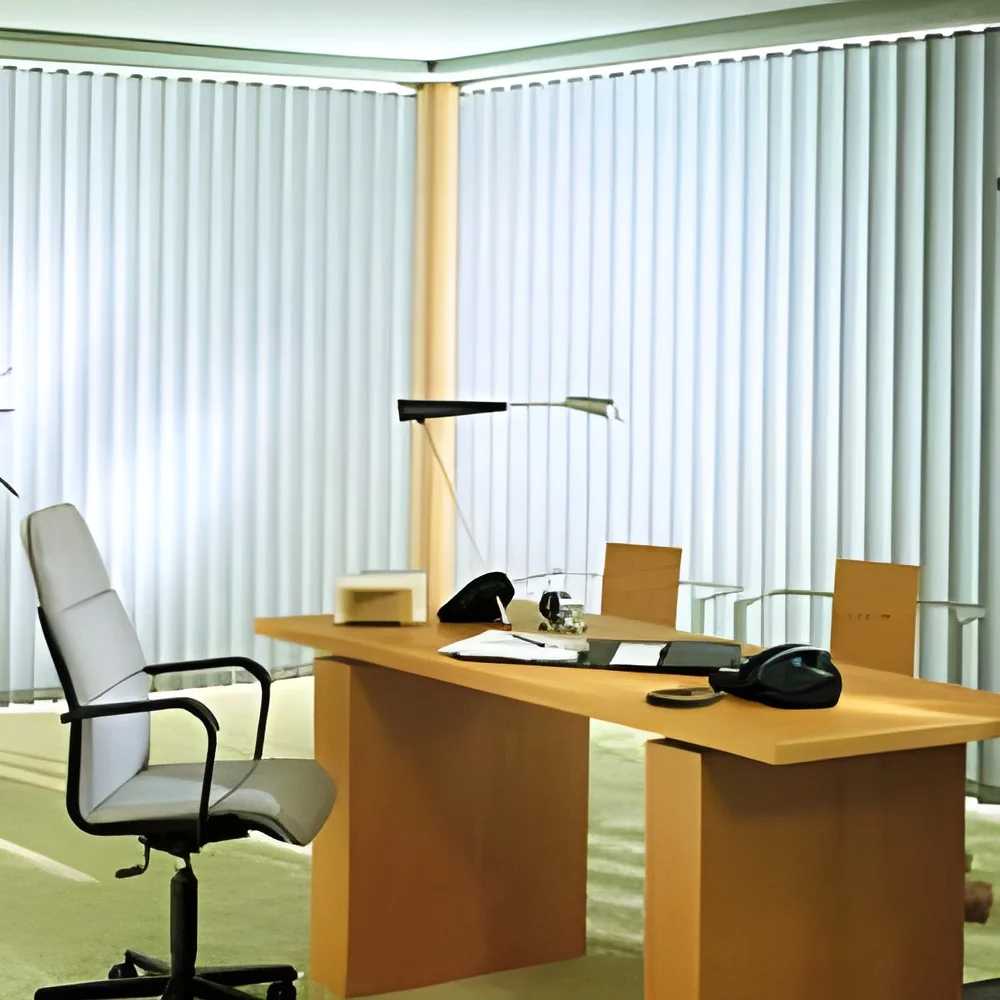
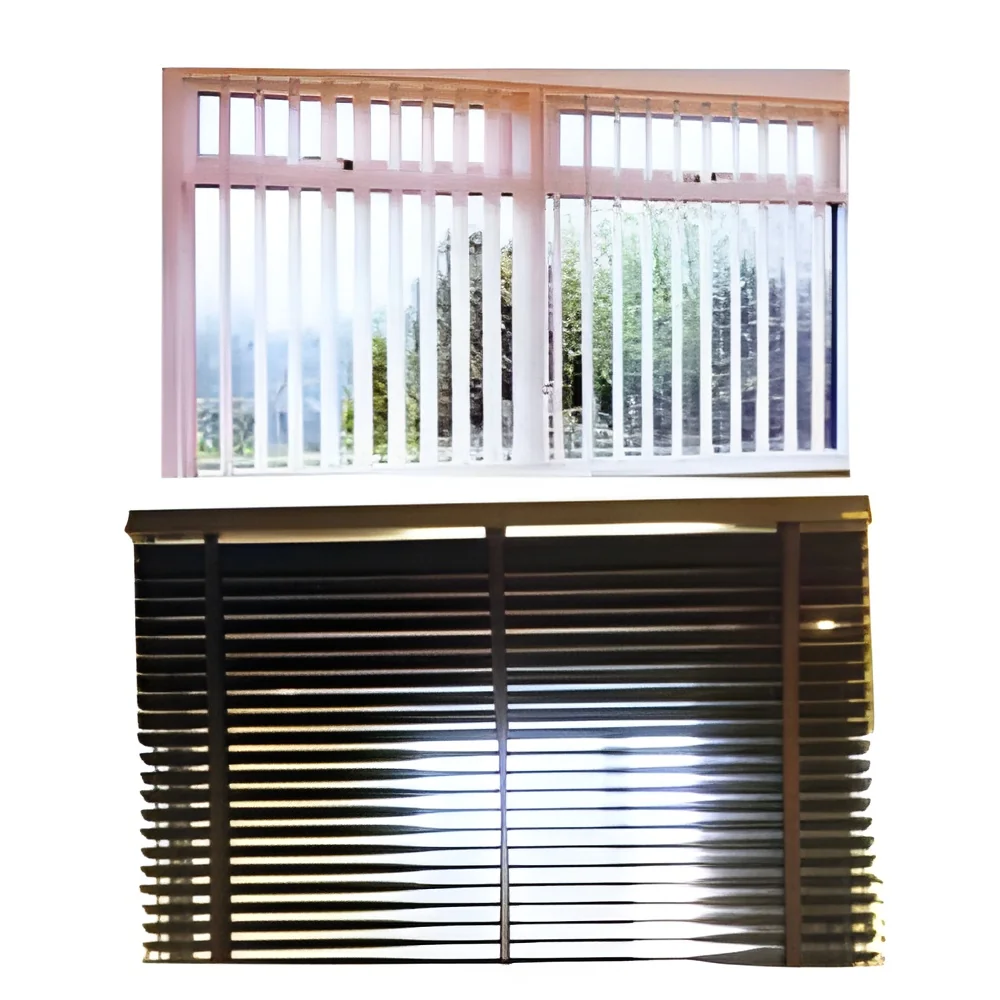
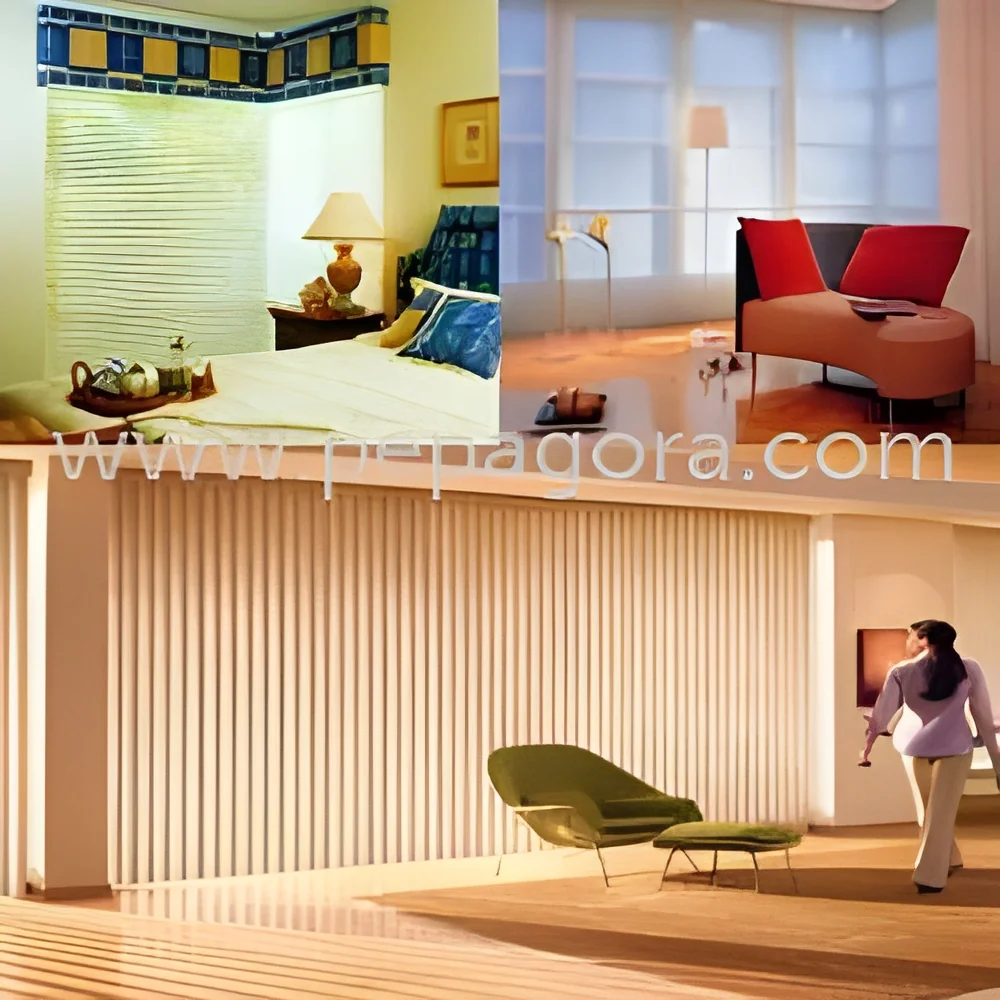
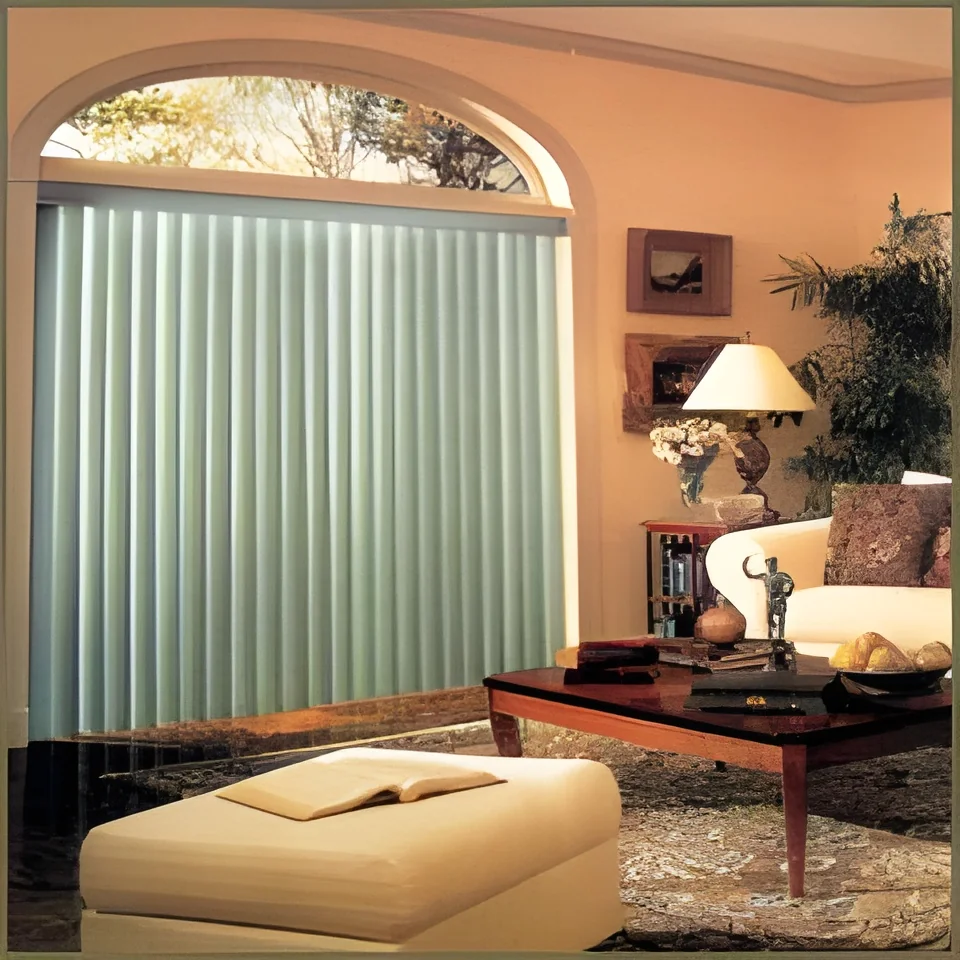
Vertical Blinds: Primarily used in large windows and sliding doors, vertical blinds provide excellent light control and are suitable for office environments, allowing for easy adjustment and maintenance.
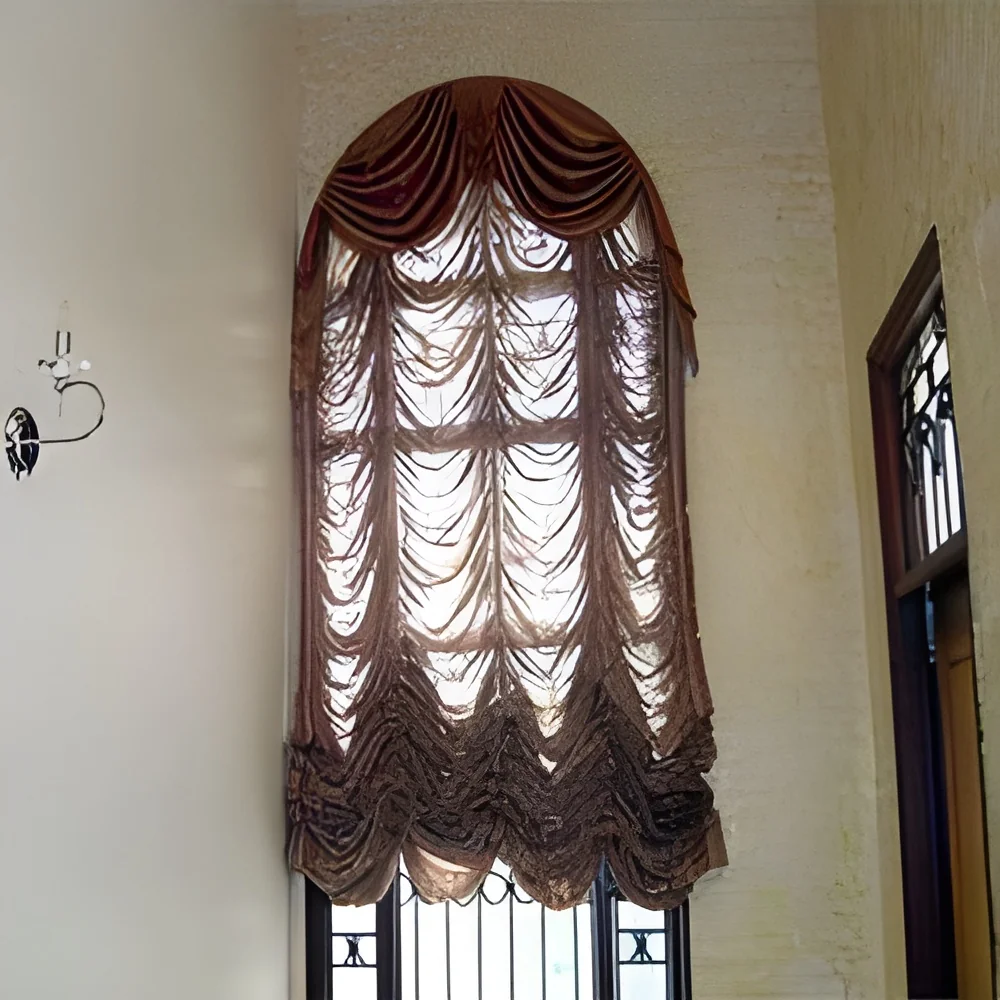
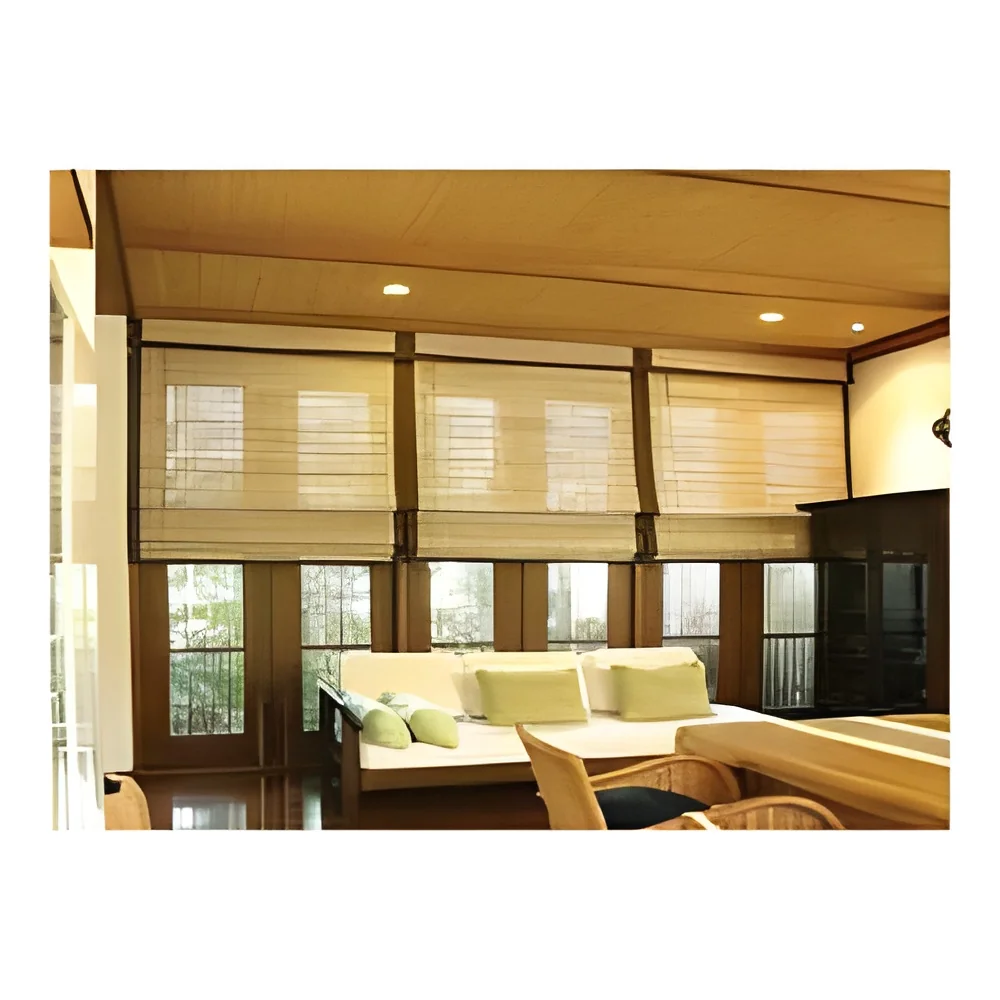
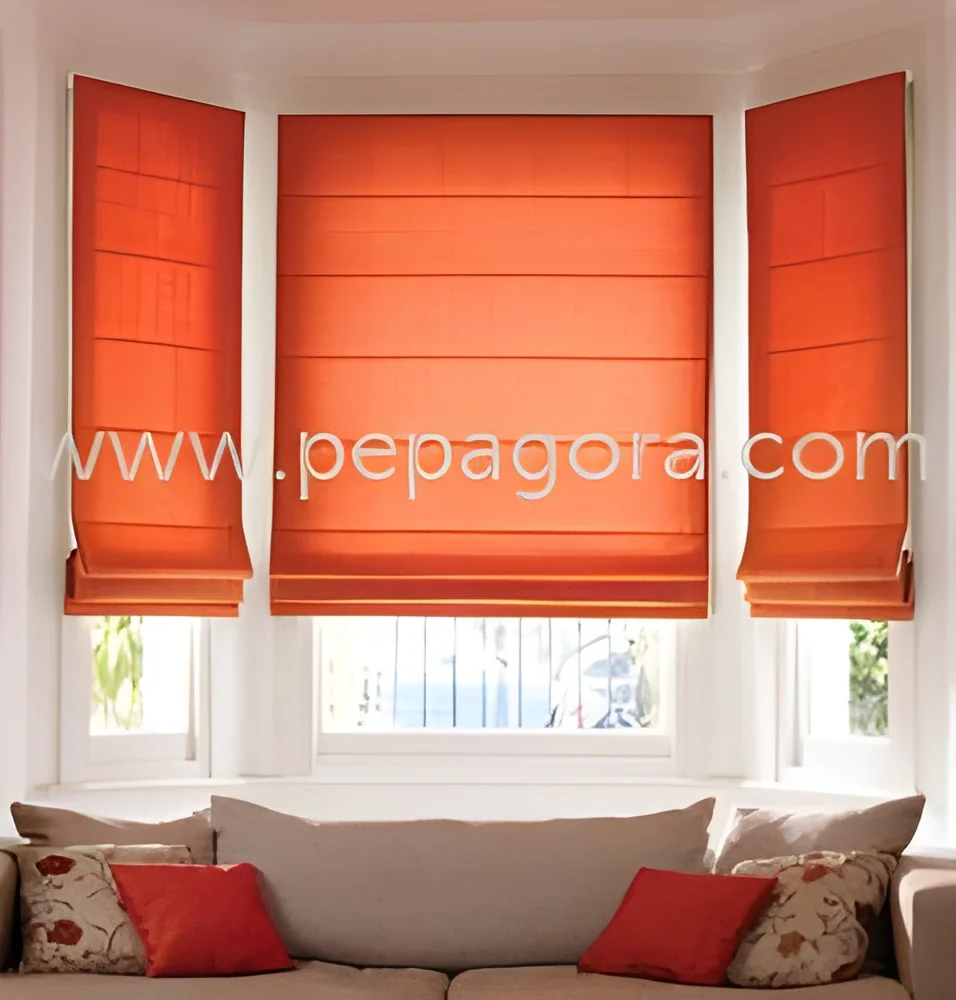
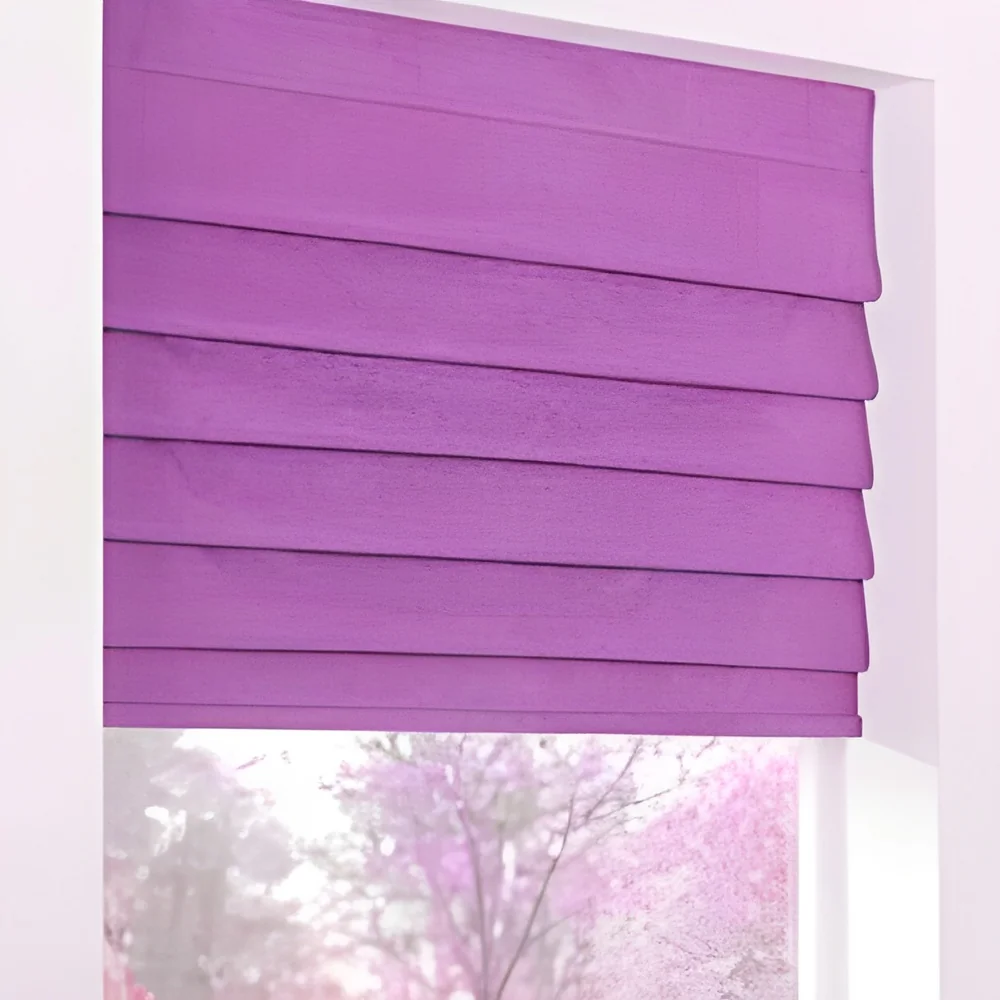
Roman Shades: These shades offer a soft, elegant appearance and are ideal for residential settings. They can be made from various fabrics and provide excellent light filtering properties.
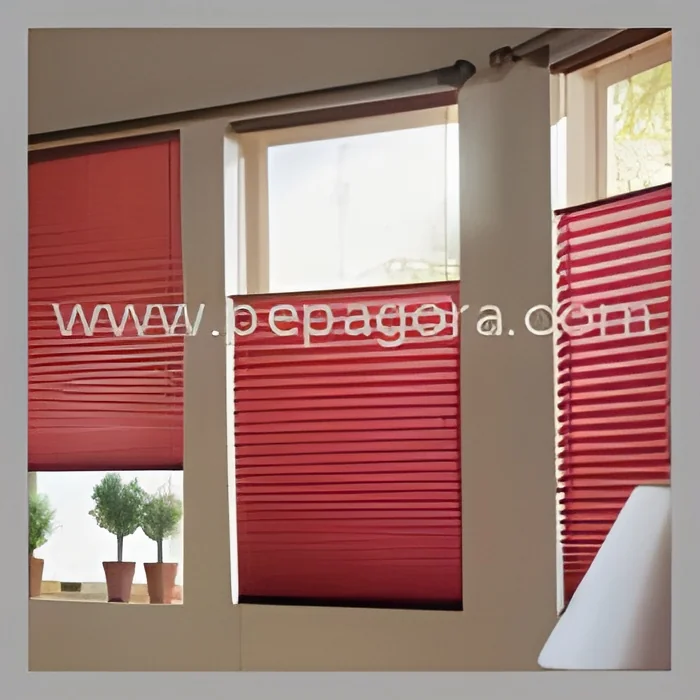
Cellular Shades: Known for their energy efficiency, cellular shades trap air within their pleats, providing insulation. They are a great choice for residential and commercial spaces wanting to reduce energy costs.
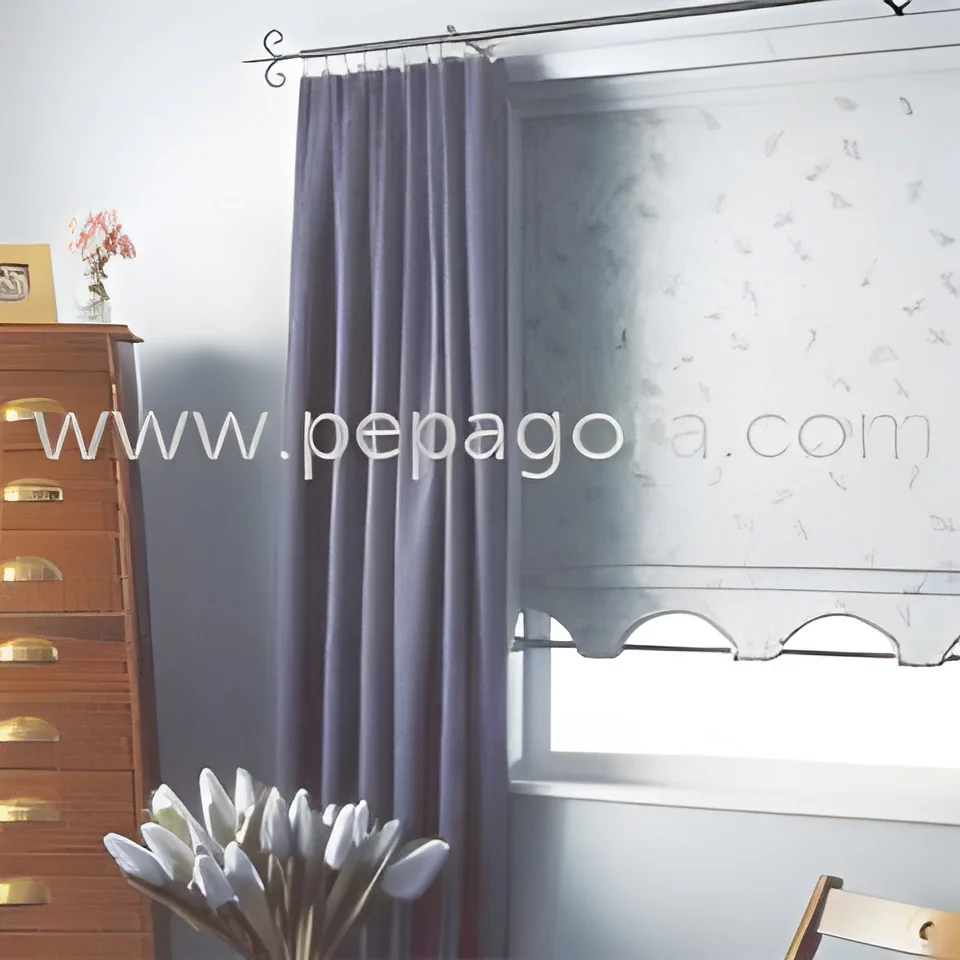
Sheer Curtains: Sheer curtains allow light to filter through while maintaining a level of privacy. They are often used in conjunction with blinds for a layered window treatment.
Benefits and Advantages
Choosing window blinds and curtain systems provides numerous benefits for businesses and consumers alike.
1. Enhanced Privacy: These systems offer varying levels of privacy, allowing users to control visibility from outside while maintaining a comfortable indoor environment.
2. Energy Efficiency: Many modern blinds and curtains are designed to improve thermal insulation, contributing to lower energy bills by reducing reliance on heating and cooling systems.
3. Aesthetic Appeal: A wide variety of styles, colors, and materials are available, enabling businesses and homeowners to enhance their interior design and create a pleasing atmosphere.
4. Light Control: The ability to adjust light levels helps in creating the desired ambiance in any space, whether it is an office, retail store, or home.
5. Versatility: Window blinds and curtain systems can be customized to fit any window size and shape, making them suitable for diverse applications and environments.
6. Low Maintenance: Many contemporary materials are designed for easy cleaning and maintenance, saving time and effort for users.
Buying Guide for B2B Buyers
When sourcing window blinds and curtain systems, businesses should consider several key factors to ensure they make informed choices.
1. Quality Assessment: Evaluate the materials and construction quality of the systems. Durability and performance are crucial for long-term investments.
2. Supplier Verification: Vet potential suppliers by reviewing their credentials, customer feedback, and market reputation to ensure reliability and quality.
3. Pricing and MOQ: Understand the pricing structure and minimum order quantities to align purchases with budget constraints and operational needs.
4. Delivery and Lead Times: Assess the supplier's ability to meet delivery schedules and lead times to avoid disruption in operations.
5. Compliance Requirements: Ensure that the products meet any relevant regulatory standards and industry certifications to avoid legal issues and maintain quality.
Compliance and Certifications
Window blinds and curtain systems must adhere to several quality standards and certifications to ensure safety and reliability. Key standards may include ISO 9001, which addresses quality management systems, ensuring that products meet customer and regulatory requirements consistently.
Additionally, CE certification is significant within the European market, indicating that the products comply with health, safety, and environmental protection standards. Compliance with safety testing requirements is also essential, particularly in environments such as healthcare and education, where safety is a top priority.
Regional compliance considerations may vary, so it is important for buyers to be aware of local regulations that could impact the selection and installation of window coverings.
Why Source Window Blinds & Curtain Systems from Pepagora?
Pepagora offers a trusted platform for sourcing window blinds and curtain systems, providing numerous advantages for B2B buyers.
The verified supplier network ensures that businesses can connect with reliable manufacturers, minimizing risks associated with sourcing. This network allows buyers to access a variety of products and services tailored to their specific needs.
Pepagora’s streamlined RFQ process simplifies the quotation system, enabling buyers to receive competitive pricing and detailed information quickly. This efficiency saves time and facilitates better purchasing decisions.
Trade assurance and support are also key features of Pepagora, providing an additional layer of protection for buyers. This assurance helps to build confidence in transactions, knowing that support is available if any issues arise.
With extensive regional coverage across India, the GCC, and Southeast Asia, Pepagora connects buyers with suppliers in various markets, ensuring businesses can find the right products to meet their requirements effectively.

 IN
IN

 India
India