
 IN
Wheeled Walkers (2-Wheel & 4-Wheel)
2 products available
Key Features and Specifications
Wheeled walkers are equipped with several key features that enhance their usability and effectiveness. Choosing the right walker involves understanding its specifications to meet the specific needs of users.
Key specifications include:
1. Weight Capacity
- Typically ranges from 250 to 350 pounds
- Important for ensuring user safety and stability
2. Walker Weight
- Usually between 5 to 10 pounds for easy transport
- Consideration for user handling and mobility
3. Handle Height Adjustment
- Adjustable from 28 to 36 inches
- Allows customization for user comfort
4. Wheel Size
- Commonly 5 to 8 inches in diameter
- Affects maneuverability on various surfaces
5. Braking System
- Hand brakes for security and control
- Important for safe stopping and stability
6. Foldability
- Many models can be easily folded for storage
- Facilitates transport in vehicles
7. Frame Material
- Typically aluminum or steel for durability
- Impacts overall weight and strength
8. Additional Accessories
- Some walkers include features like baskets or trays
- Enhances functionality for carrying personal items
In summary, understanding these specifications helps B2B buyers make informed decisions when sourcing wheeled walkers for their clients.
Common Applications and Use Cases
Wheeled walkers find applications across various industries, providing essential support for users with mobility challenges.
1. Healthcare: Hospitals and rehabilitation centers use wheeled walkers to assist patients in recovery processes, helping them regain strength and independence.
2. Home Care: Caregivers often recommend wheeled walkers for elderly patients at home, allowing for increased mobility and safety while moving around the house.
3. Senior Living Facilities: Assisted living communities utilize these walkers to support residents with mobility limitations, enhancing their quality of life.
4. Physical Therapy: Therapists incorporate wheeled walkers in rehabilitation programs, facilitating exercises that promote balance and coordination.
5. Retail Environments: Stores may provide wheeled walkers for customers with mobility issues, ensuring a more accessible shopping experience.
6. Community Centers: Various community programs use wheeled walkers in activities designed for older adults, promoting social engagement and physical activity.
7. Outdoor Activities: Some models are designed for outdoor use, enabling individuals to navigate parks and recreational areas safely.
Product Variants and Subcategories
Wheeled walkers come in various configurations to meet specific user needs.
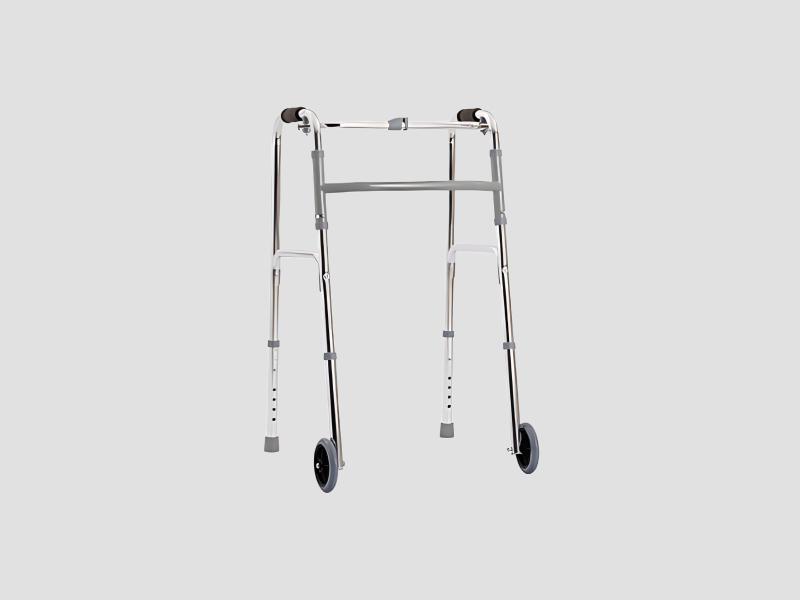
2-Wheel Walker
This variant features two wheels at the front, allowing users to lift the back for easier movement. It is ideal for users who require minimal assistance and want to maintain some level of independence.
4-Wheel Walker
This model has wheels on all four corners, providing maximum mobility and stability. Often equipped with hand brakes, it is suitable for users who need more support while walking, especially in crowded or uneven environments.
Benefits and Advantages
Wheeled walkers offer numerous benefits that improve user mobility and safety.
1. Enhanced Stability: The design of wheeled walkers provides a stable support base, reducing the risk of falls for users.
2. Increased Mobility: With wheels, these walkers allow users to move more freely and easily than traditional walkers.
3. Adjustable Features: Many models come with adjustable height settings, accommodating a wide range of users.
4. Convenience: Foldable designs make them easy to transport and store, meeting the needs of both users and caregivers.
5. Versatility: Available in various configurations, wheeled walkers cater to different mobility needs, from basic support to advanced mobility solutions.
6. Safety Features: Hand brakes and sturdy frames enhance user safety, making them reliable for daily use.
Buying Guide for B2B Buyers
When sourcing wheeled walkers, it is essential to consider several factors that influence the purchasing decision.
1. Quality Assessment: Evaluate the materials and construction quality to ensure durability. Look for walkers that meet industry standards for safety and performance.
2. Supplier Verification: Vet suppliers thoroughly to confirm their credibility. Check for customer reviews and their history in supplying medical equipment.
3. Pricing and MOQ: Understand the pricing structure and minimum order quantities to align with your budget and inventory needs.
4. Delivery and Lead Times: Discuss logistics with suppliers to ensure timely delivery. Consider lead times in your purchasing schedule to avoid disruptions.
5. Compliance Requirements: Ensure that products comply with relevant health and safety regulations. Familiarize yourself with any certifications required in your region.
Compliance and Certifications
Wheeled walkers are subject to various compliance and certification standards that ensure their safety and effectiveness.
Relevant quality standards include ISO 9001, which focuses on quality management systems, and CE certification that indicates compliance with European health, safety, and environmental protection standards.
Additionally, industry-specific certifications may apply depending on the intended market. Safety and testing requirements necessitate that these devices undergo rigorous assessments to verify their stability, weight capacity, and durability.
Regional compliance considerations are also crucial. Different countries may have specific regulations governing the manufacturing and sale of assistive devices. Ensuring adherence to these requirements is vital for successful market entry and consumer safety.
Why Source Wheeled Walkers (2-Wheel & 4-Wheel) from Pepagora?
Pepagora offers a trusted platform for sourcing wheeled walkers, providing several key advantages to B2B buyers.
Verified Supplier Network: Our extensive network of verified suppliers ensures that you receive high-quality products. Each supplier goes through a thorough verification process, giving you confidence in your sourcing decisions.
Streamlined RFQ Process: Our Request for Quotation system simplifies the procurement process. It allows you to request quotes from multiple suppliers quickly, helping you to compare options and make informed purchases.
Trade Assurance and Support: We prioritize buyer protection through our trade assurance program. This feature guarantees your transactions are secure, providing peace of mind during the purchasing process.
Regional Coverage: With a broad geographic reach covering India, the GCC, and Southeast Asia, Pepagora connects buyers with local suppliers, enhancing accessibility and reducing shipping times. This regional focus supports efficient sourcing tailored to your specific market needs.

Frequently Asked Questions
What are Wheeled Walkers (2-Wheel & 4-Wheel)?
Wheeled Walkers are mobility aids designed to provide support and stability for individuals with mobility challenges. They are available in two configurations: 2-wheel walkers, which offer limited mobility assistance, and 4-wheel walkers, which provide enhanced stability and often come with features like brakes and storage options.
What are the different types of Wheeled Walkers (2-Wheel & 4-Wheel)?
The primary types of Wheeled Walkers include 2-wheel walkers, which typically have two wheels at the front for easy maneuverability, and 4-wheel walkers, which provide four wheels for better balance and often include hand brakes. Additionally, some models may feature adjustable heights, foldable designs, and built-in seats for added convenience.
How do I choose the right Wheeled Walkers (2-Wheel & 4-Wheel)?
Choosing the right Wheeled Walker depends on the user's specific needs, including their mobility level and environment. Consider factors such as the walker’s weight capacity, height adjustability, and additional features like storage compartments or seating options to ensure it meets the user's requirements.
What are the standard specifications for Wheeled Walkers (2-Wheel & 4-Wheel)?
Standard specifications for Wheeled Walkers include the weight capacity, typically ranging from 100 to 300 pounds, and adjustable height settings to accommodate different user heights. Additionally, the walkers should comply with safety standards to ensure stability and durability during use.
What is the price range for Wheeled Walkers (2-Wheel & 4-Wheel)?
The price range for Wheeled Walkers varies based on type and features, typically falling between INR 2,000 to INR 15,000. Basic models may be more affordable, while advanced walkers with additional functionalities can be priced higher.
What quality standards apply to Wheeled Walkers (2-Wheel & 4-Wheel)?
Wheeled Walkers must adhere to quality standards such as ISO 11199-2, which specifies safety and functional requirements. Manufacturers should ensure that their products are tested for stability, durability, and user safety to meet these standards.
Where can I find Wheeled Walkers (2-Wheel & 4-Wheel) suppliers in India?
You can find Wheeled Walkers suppliers in India through B2B marketplaces like Pepagora.com, where various manufacturers and distributors list their products. Additionally, local medical supply stores and online retail platforms may also offer a range of options.
Can Wheeled Walkers (2-Wheel & 4-Wheel) be customized?
Yes, many manufacturers offer customization options for Wheeled Walkers to meet specific user needs. Customizations may include adjustments in height, weight capacity, and the addition of features such as storage bags or specialized grips.
What is the typical minimum order quantity for Wheeled Walkers (2-Wheel & 4-Wheel)?
The typical minimum order quantity (MOQ) for Wheeled Walkers can vary by supplier, but it generally ranges from 10 to 50 units. It is advisable to check with individual suppliers for their specific MOQs and bulk order options.
What is the typical lead time for Wheeled Walkers (2-Wheel & 4-Wheel)?
The typical lead time for Wheeled Walkers varies based on the supplier and order size, but it usually ranges from 1 to 4 weeks. Factors such as customization requests and shipping location may also affect the delivery timeline.
Why Businesses Trust Pepagora
Thousands of companies trust Pepagora to source smarter and sell faster
Expand Your Sales Globally

Source Smarter,Grow Faster
