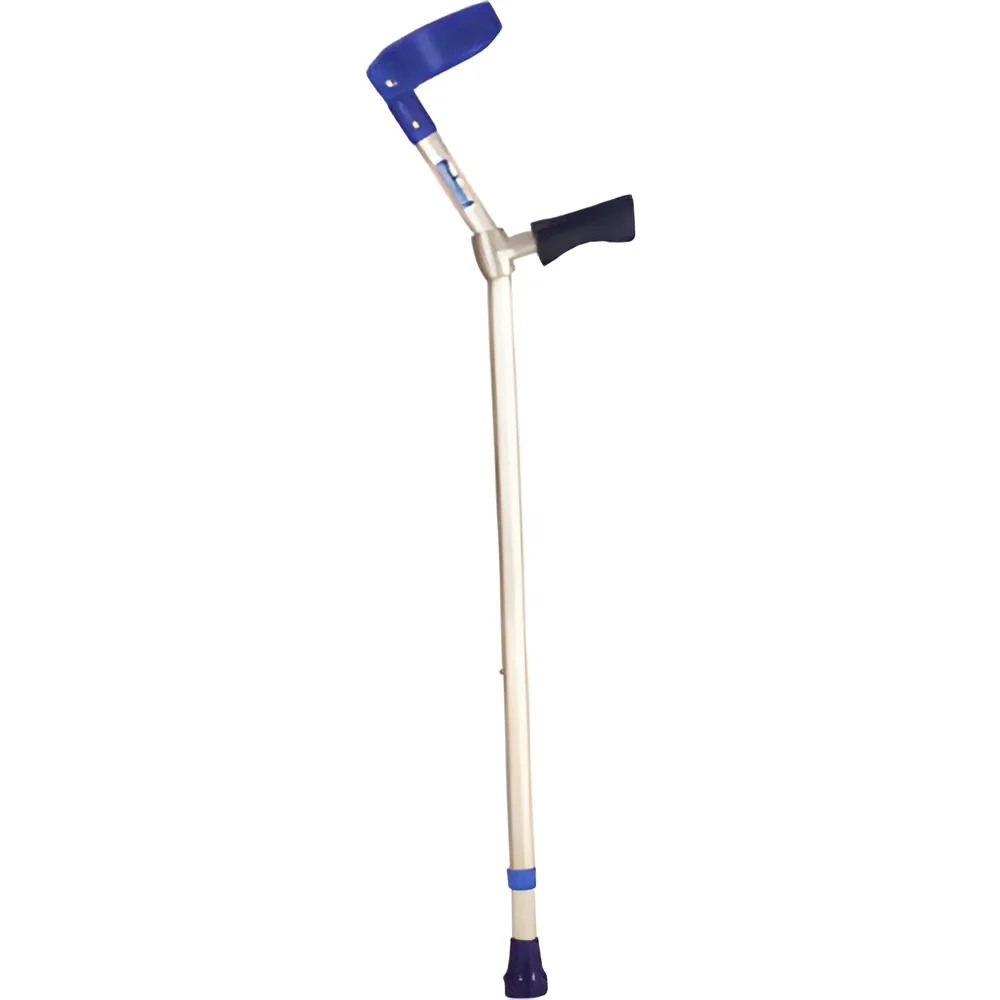
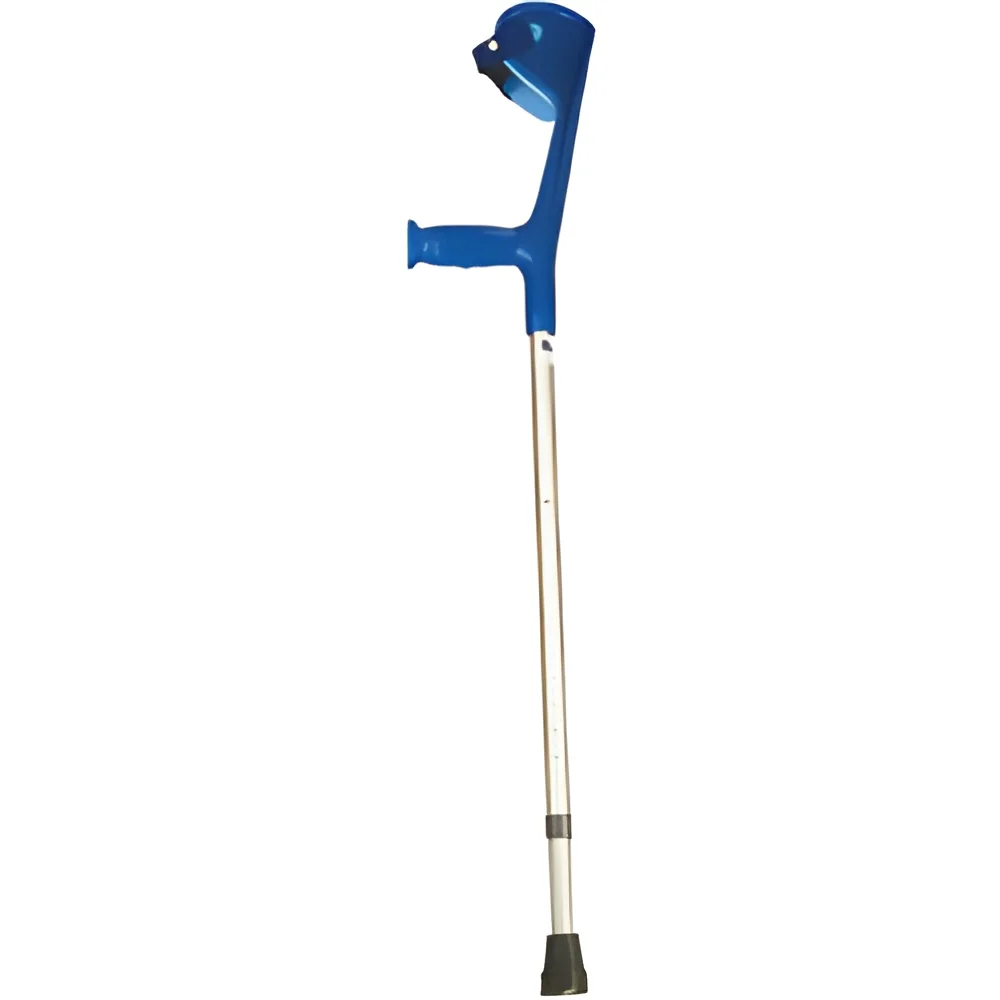
What are Forearm Crutches?
Forearm crutches are mobility aids designed to assist individuals with walking difficulties. They feature a cuff that wraps around the forearm, providing support and stability as the user moves. The design allows for better weight distribution and reduces strain on the hands compared to standard underarm crutches. Forearm crutches are typically lightweight, adjustable, and made from durable materials, making them suitable for long-term use.
Primarily, forearm crutches are used by individuals recovering from injuries, surgeries, or those with chronic conditions affecting mobility. They are commonly employed in rehabilitation centers, hospitals, and home care settings. Businesses that provide healthcare equipment, rehabilitation services, or physical therapy often incorporate these crutches into their product offerings to enhance patient mobility and independence.
In the current market, forearm crutches are gaining traction due to the increasing prevalence of mobility-related health issues. As the demand for assistive devices rises, businesses are seeking high-quality, reliable products to meet the needs of their clients. This makes understanding the specifications and applications of forearm crutches essential for manufacturers and suppliers in the healthcare sector.
Key Features and Specifications
Forearm crutches come with a variety of features designed to enhance usability and comfort. When evaluating these products, it is important to consider various specifications that define their quality and suitability for different users.
Key specifications include:
1. Material Construction
- Typically made from aluminum or carbon fiber for lightweight strength.
- Provides durability while ensuring ease of use.
2. Adjustable Height
- Offers multiple height settings to accommodate users of various heights.
- Typically adjustable in increments of 1 inch for precise fitting.
3. Weight Capacity
- Designed to support a range of user weights, generally from 250 to 300 pounds.
- Ensures safety and stability for a wide demographic.
4. Grip Design
- Ergonomically designed handles for comfort during prolonged use.
- Non-slip materials to enhance grip and prevent accidents.
5. Cuff Style
- Available in open or closed cuff designs to suit personal preference.
- Provides varying levels of support and security.
6. Lightweight Design
- Most crutches weigh between 1.5 to 3 pounds each for easy transportation.
- Facilitates mobility without excessive fatigue.
7. Foldability
- Some models feature a foldable design for convenient storage and transport.
- Ideal for users who travel frequently or have limited storage space.
8. Finish Options
- Available in various colors and finishes for aesthetic preferences.
- Allows customization to match personal style or branding for businesses.
In summary, understanding the key features and specifications of forearm crutches is essential for businesses looking to provide effective mobility solutions. These elements contribute to the overall user experience and satisfaction.
Common Applications and Use Cases
Forearm crutches are utilized across multiple industries, offering various applications that enhance mobility for different user needs.
1. Healthcare: In hospitals and rehabilitation centers, forearm crutches assist patients recovering from surgeries or injuries, enabling them to regain mobility and independence throughout their rehabilitation journey.
2. Physical Therapy: Physical therapists often recommend forearm crutches as part of a rehabilitation program, helping patients practice walking safely while minimizing strain on their limbs.
3. Sports Medicine: Athletes recovering from lower limb injuries may use forearm crutches to maintain mobility while undergoing rehabilitation, allowing them to stay active during recovery.
4. Elderly Care: In senior care facilities, forearm crutches offer a supportive alternative for elderly individuals with mobility challenges, promoting safety and independence.
5. Home Care: Caregivers utilize forearm crutches to assist clients at home, facilitating mobility and improving quality of life for those with chronic conditions or temporary injuries.
6. Occupational Therapy: Occupational therapists use forearm crutches to help clients adapt to mobility challenges, providing training on how to use them effectively for daily activities.
7. Disability Services: Organizations that support individuals with disabilities often include forearm crutches in their offerings, ensuring access to necessary mobility aids for individuals with varying needs.
Product Variants and Subcategories
While there may not be distinct subcategories for forearm crutches, there are various product variants that cater to specific user preferences and requirements.
Standard Forearm Crutches: These are the most commonly used models, featuring basic design and functionality. They are suitable for general use and provide reliable support for individuals with temporary or chronic mobility issues.
Ergonomic Forearm Crutches: Designed with enhanced comfort features, these crutches often have contoured handles and padded cuffs. They are ideal for users who require prolonged use and seek additional comfort.
Lightweight Forearm Crutches: Made from advanced materials, these variants are designed for users who prioritize portability. They are easy to carry and suitable for individuals who travel frequently.
Adjustable Forearm Crutches: These models allow users to customize the height according to their needs. They are particularly useful in clinical settings where multiple users may require different adjustments.
Each variant offers unique features that can enhance the user experience and meet specific application needs.
Benefits and Advantages
Choosing forearm crutches offers several benefits that enhance mobility and overall quality of life for users.
1. Enhanced Stability: Forearm crutches provide significant stability, allowing users to move more confidently and safely. This is especially important for those with balance issues.
2. Reduced Hand Strain: The forearm design distributes weight more evenly, minimizing strain on the hands and wrists compared to traditional crutches. This feature is beneficial for long-term users.
3. Improved Mobility: These crutches enable users to navigate various terrains and environments effectively, promoting independence and mobility in daily activities.
4. Customization: Many models offer adjustable features, allowing users to find the perfect fit for their height and comfort, which enhances usability and satisfaction.
5. Lightweight and Portable: The lightweight design of forearm crutches makes them easy to transport, making them suitable for users who need to travel or move frequently.
6. Aesthetic Options: Forearm crutches come in various designs and colors, allowing users to select options that match their personal style, which can enhance their confidence and comfort.
Buying Guide for B2B Buyers
When sourcing forearm crutches for your business, several factors should be considered to ensure you select the right products.
1. Quality Assessment: Evaluate the materials and construction quality of the crutches. Look for reliability and durability to ensure they can withstand regular use without compromising safety.
2. Supplier Verification: Investigate potential suppliers to ensure they meet industry standards and have a reputation for quality. This can include checking customer reviews and certifications.
3. Pricing and MOQ: Understand the pricing structure and minimum order quantities. This will help in budgeting and ensuring you have sufficient stock to meet demand.
4. Delivery and Lead Times: Discuss logistics with suppliers to determine delivery schedules and lead times. Timely delivery is crucial for maintaining inventory and meeting customer needs.
5. Compliance Requirements: Ensure that the crutches comply with relevant regulations and standards, such as CE certification, to guarantee safety and quality for end users.
Compliance and Certifications
Compliance and certifications play a crucial role in the production and distribution of forearm crutches. Many manufacturers strive to meet quality standards such as ISO 9001, which ensures a consistent quality management system. This standard helps ensure that products are consistently produced to meet customer and regulatory requirements.
The CE certification is particularly relevant in Europe, indicating that the product conforms to health, safety, and environmental protection standards. This certification is essential for ensuring that the crutches are safe for use and meet established performance criteria.
Additionally, manufacturers must adhere to safety and testing requirements that verify the structural integrity and usability of the crutches. Testing for weight capacity, durability, and comfort is critical to ensuring the product meets user needs. Regional compliance considerations may also vary, so businesses must stay informed about specific regulations in the markets they serve.
Why Source Forearm Crutches from Pepagora?
Pepagora provides a trusted platform for sourcing forearm crutches, offering several key advantages to businesses.
Verified Supplier Network: Pepagora connects buyers with a network of verified suppliers, ensuring that only high-quality products are available. This reduces the risk of sourcing unreliable or substandard items.
Streamlined RFQ Process: The request for quotation process is simplified, allowing businesses to quickly obtain pricing and availability information from multiple suppliers. This efficiency saves time and facilitates better purchasing decisions.
Trade Assurance and Support: Pepagora offers buyer protection through trade assurance, ensuring that transactions are secure and that buyers receive the products as described. This support builds trust and confidence in the procurement process.
Regional Coverage: With a wide geographic reach that includes India, the GCC, and Southeast Asia, Pepagora provides access to a diverse range of suppliers and products. This regional coverage enhances sourcing options for businesses looking to meet their specific needs.
By choosing Pepagora, businesses can ensure they are sourcing quality forearm crutches while benefiting from a supportive and efficient procurement process.

 IN
IN