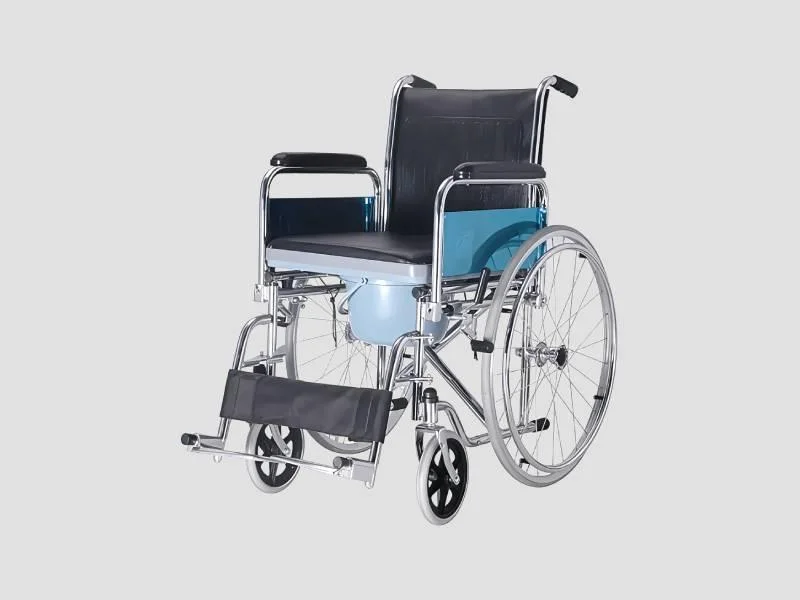
What are Heavy-Duty/Bariatric Wheelchairs?
Heavy-duty or bariatric wheelchairs are specialized mobility devices designed for individuals with higher weight capacities and specific mobility needs. These wheelchairs are constructed with reinforced frames and enhanced durability to accommodate users who are heavier or require additional support. The design focuses on providing stability, safety, and comfort, making them suitable for a variety of users, including those recovering from surgery or those with chronic conditions.
These wheelchairs are primarily used in healthcare settings, rehabilitation centers, and home care environments. They serve not only individuals with obesity but also those with temporary or permanent disabilities. Their robust construction allows for regular use across different terrains, ensuring that users can maintain their mobility and independence. In the market, heavy-duty wheelchairs are becoming increasingly relevant due to the rising awareness of obesity-related health issues and the demand for inclusive mobility solutions.
As the healthcare industry evolves, the emphasis on accommodating diverse patient needs grows. This has led to an increase in demand for heavy-duty and bariatric wheelchairs, not only in hospitals and clinics but also in long-term care facilities. Manufacturers are responding to this trend by developing advanced models with enhanced features that ensure comfort, safety, and ease of use.
Key Features and Specifications
Heavy-duty/bariatric wheelchairs come equipped with a range of features designed to enhance user experience and safety. The specifications are crucial for determining the right model based on individual needs.
Key specifications include:
1. Weight Capacity
- Typically ranges from 300 to 1,200 pounds depending on the model
- Ensures safety and stability for heavier users
2. Seat Width
- Available in widths from 20 inches to 30 inches or more
- Provides comfort and appropriate space for the user
3. Frame Material
- Constructed from steel or aluminum for enhanced strength
- Durable enough to withstand daily use
4. Wheel Size
- Generally features larger rear wheels (24 to 30 inches)
- Facilitates smooth navigation over various surfaces
5. Armrest Options
- May include adjustable, padded, or removable armrests
- Enhances comfort and accessibility for users
6. Footrest Design
- Swing-away or elevating footrests are available
- Allows for easier transfers and positioning
7. Braking System
- Equipped with secure hand brakes and anti-tip features
- Ensures user safety during operation
8. Portability Features
- Many models are foldable for easy transport
- Lightweight designs help with mobility for caregivers
In summary, understanding the specifications of heavy-duty/bariatric wheelchairs is essential for selecting the right model that meets the user's needs while ensuring safety and comfort.
Common Applications and Use Cases
Heavy-duty/bariatric wheelchairs serve a wide range of industries and applications.
1. Healthcare Facilities: In hospitals and rehabilitation centers, these wheelchairs are crucial for patients recovering from surgeries or those with limited mobility due to medical conditions.
2. Long-Term Care Facilities: Nursing homes and assisted living communities utilize bariatric wheelchairs to support residents who require additional assistance and comfort.
3. Home Care Services: Families and caregivers often choose these wheelchairs for home use, providing patients with the mobility they need within their living environment.
4. Physical Therapy Centers: Used in therapy sessions to help patients regain strength and mobility, allowing for a smooth transition back to independence.
5. Community Mobility: Various public spaces and transport services are increasingly accommodating bariatric wheelchairs to promote inclusivity.
6. Sports and Recreation: Some models are designed specifically for recreational activities, supporting users in active lifestyles.
7. Travel and Tourism: Certain providers offer specialized bariatric wheelchairs for excursions, ensuring that individuals can enjoy travel experiences.
Product Variants and Subcategories
Heavy-duty/bariatric wheelchairs come in various models to cater to different user needs and preferences.
Standard Bariatric Wheelchair: This variant features a robust frame and a higher weight capacity, making it ideal for everyday use in healthcare settings and at home. It often includes adjustable components for enhanced comfort.
Transport Wheelchair: Designed for easy maneuverability, this type typically comes with lightweight frames and smaller wheels. It is perfect for short-distance transport, such as moving patients between rooms or appointments.
Reclining Bariatric Wheelchair: This variant allows users to recline for added comfort and pressure relief. It is particularly beneficial for those who spend extended periods in the chair.
Heavy-Duty Sports Wheelchair: Specifically designed for recreational activities, this model combines durability with features that enhance performance for active users.
Benefits and Advantages
Heavy-duty/bariatric wheelchairs offer numerous benefits tailored to the needs of users and caregivers.
1. Enhanced Safety: The sturdy construction and braking systems provide added security for users, minimizing the risk of accidents.
2. Improved Comfort: With wider seats and adjustable features, users can enjoy greater comfort during extended use.
3. Increased Independence: These wheelchairs empower users to move more freely, promoting independence and confidence in mobility.
4. Versatile Usage: Suitable for various settings including hospitals, homes, and public spaces, these wheelchairs adapt to different environments.
5. Customization Options: Many models offer adjustable features, allowing for personalized configurations to meet individual needs.
6. Long-Term Durability: Designed for rigorous use, these wheelchairs provide a long-lasting solution that supports users over time.
Buying Guide for B2B Buyers
When sourcing heavy-duty/bariatric wheelchairs, businesses should consider several critical factors to ensure they select the best products for their needs.
1. Quality Assessment: Evaluate the durability and materials used in the construction of the wheelchairs. Look for reputable manufacturers that adhere to industry standards.
2. Supplier Verification: Research potential suppliers to ensure they have a track record of reliability and quality. Request references and check for certifications.
3. Pricing and MOQ: Consider the price range and minimum order quantities. Ensure that pricing aligns with your budget while meeting quality expectations.
4. Delivery and Lead Times: Discuss logistics with suppliers to understand delivery schedules and lead times. Timely delivery is crucial for maintaining operational efficiency.
5. Compliance Requirements: Verify that the wheelchairs meet relevant safety and regulatory standards. Compliance with local and international regulations is essential for safety and market access.
Compliance and Certifications
Heavy-duty/bariatric wheelchairs must adhere to several quality standards and regulatory requirements. These standards ensure that products are safe and reliable for use in various settings.
ISO 9001 is a widely recognized quality management standard that applies to manufacturers of medical and mobility equipment. Compliance with this standard ensures consistent quality and safety in production processes.
CE certification indicates that a product meets European safety and health regulations. This certification is essential for selling heavy-duty wheelchairs in European markets, assuring buyers of their compliance with safety standards.
Safety testing requirements often involve assessments related to weight capacity, stability, and durability. Manufacturers must conduct rigorous testing to ensure their products can withstand typical usage conditions.
Regional compliance considerations may vary. It is important for manufacturers and suppliers to understand local regulations governing mobility devices to ensure that their products are compliant in different markets.
Why Source Heavy-Duty/Bariatric Wheelchairs from Pepagora?
Pepagora is a trusted platform for sourcing heavy-duty/bariatric wheelchairs, offering several key advantages for B2B buyers.
Verified Supplier Network: Pepagora connects buyers with a network of verified suppliers, ensuring that businesses can source high-quality products with confidence. Each supplier is vetted for reliability and quality.
Streamlined RFQ Process: The request for quotation (RFQ) process on Pepagora is designed to be efficient and user-friendly. Buyers can easily compare prices and specifications from multiple suppliers, facilitating informed purchasing decisions.
Trade Assurance and Support: Pepagora provides trade assurance to protect buyer investments. This includes support throughout the purchasing process, ensuring that buyers receive the products they ordered in the expected condition.
Regional Coverage: Pepagora offers a wide geographic reach, servicing markets in India, the Gulf Cooperation Council (GCC) countries, and Southeast Asia. This broad coverage allows businesses to access a diverse range of suppliers and products tailored to their regional needs.

 IN
IN