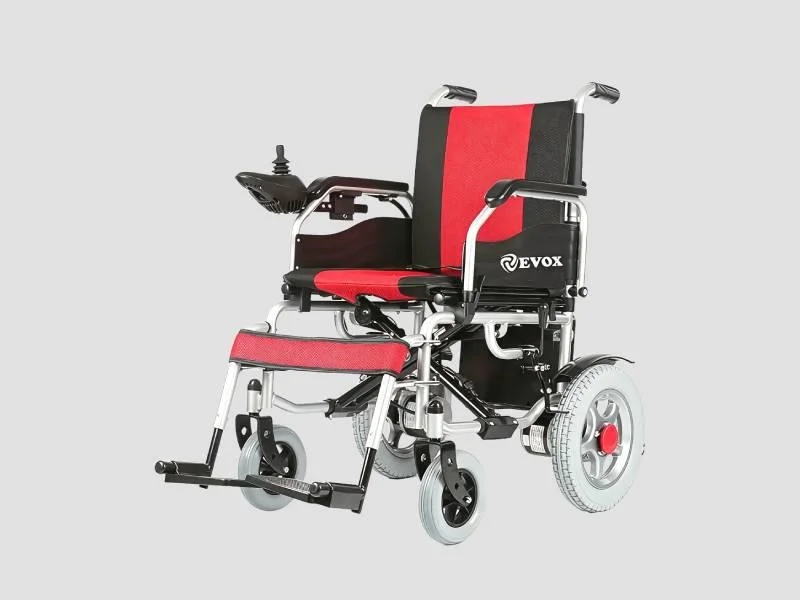
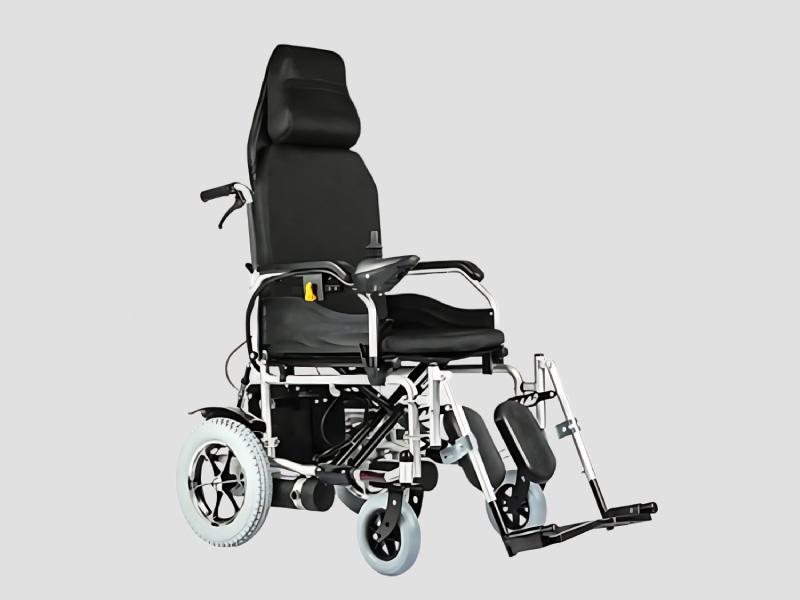
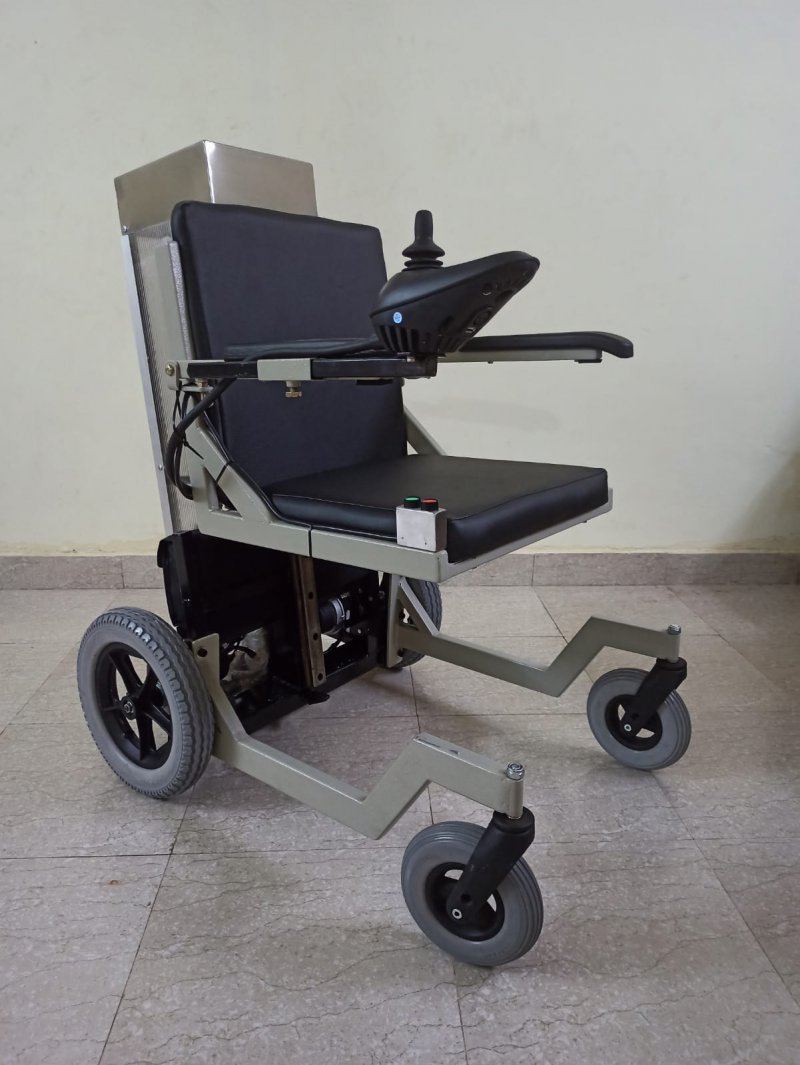
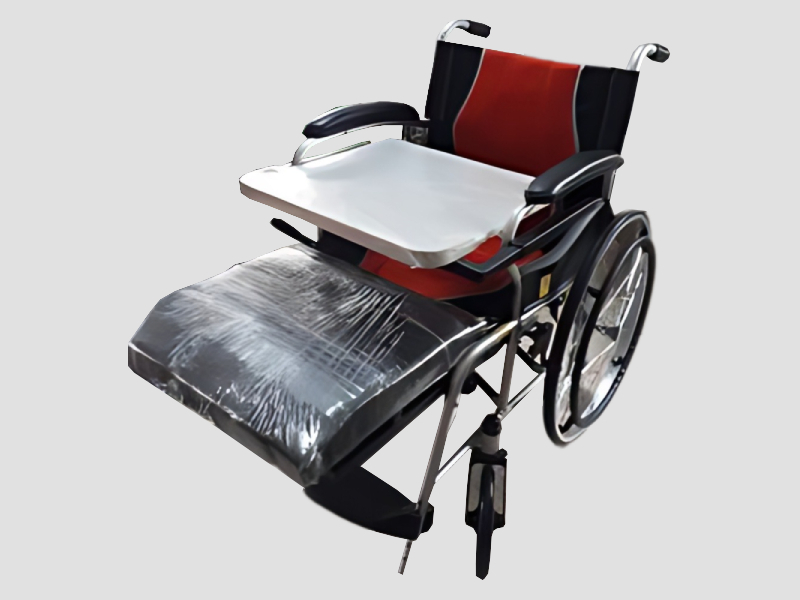
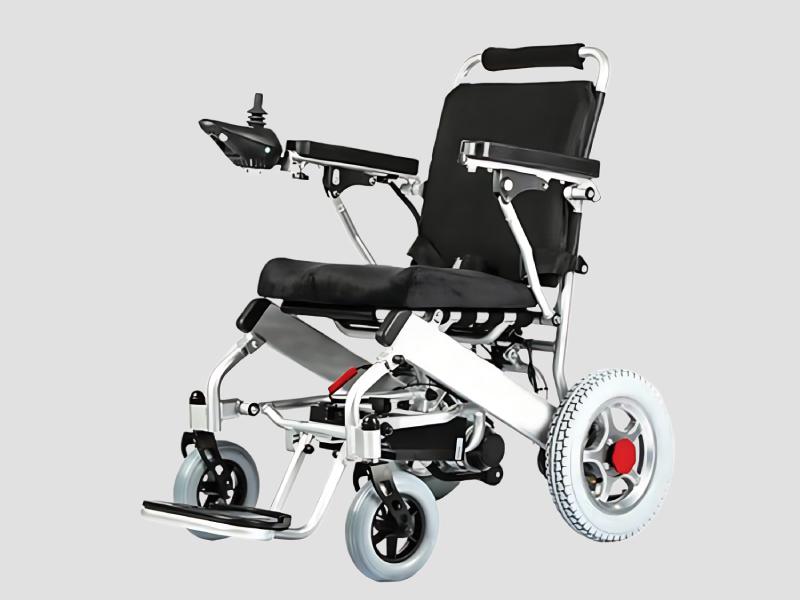
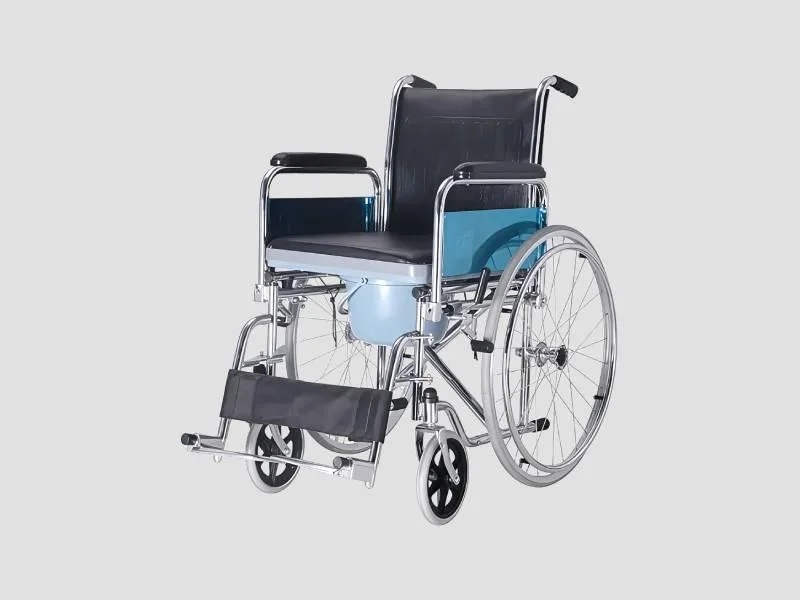
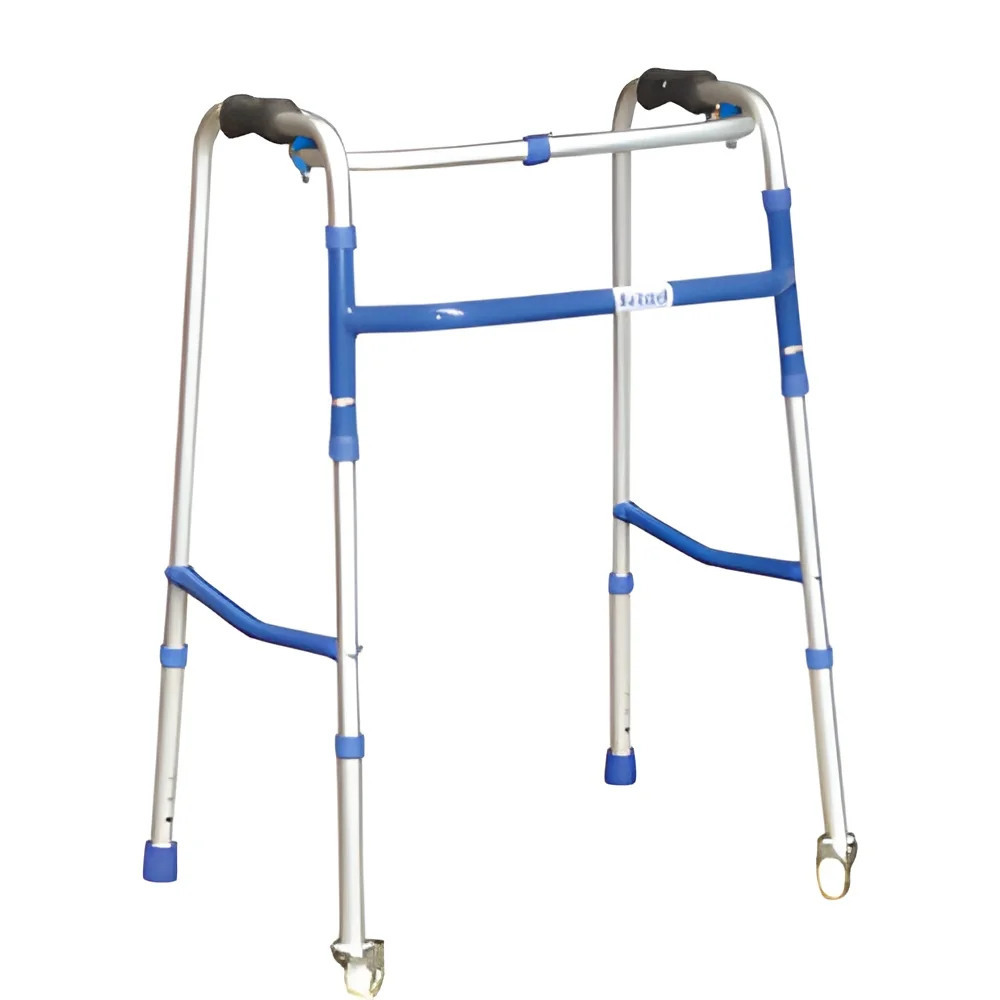
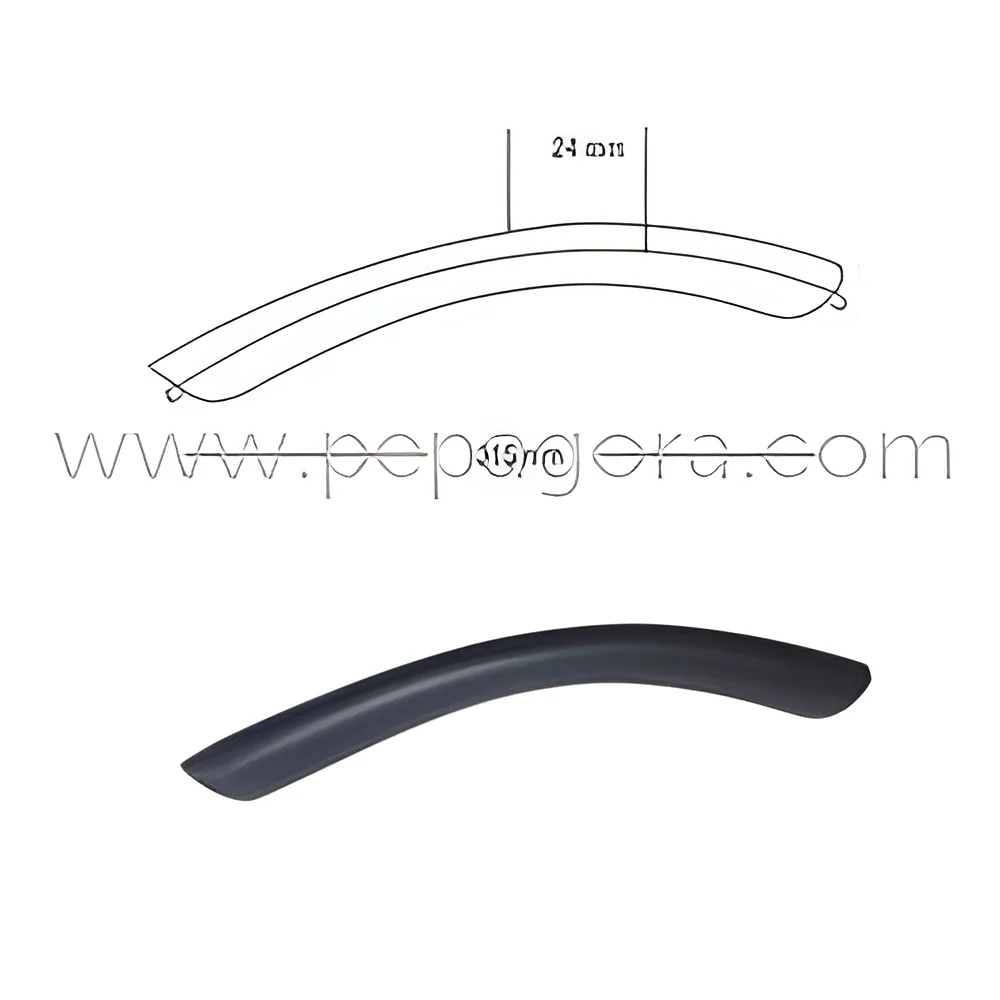
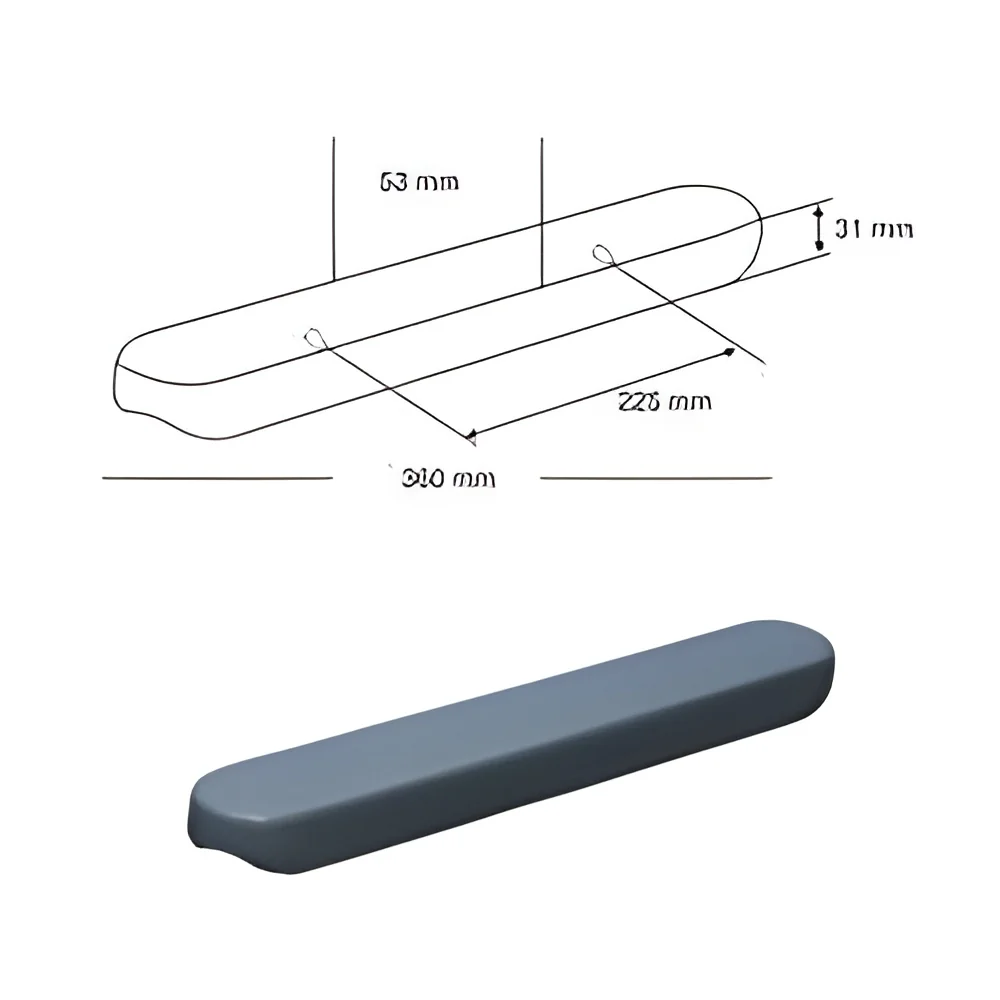
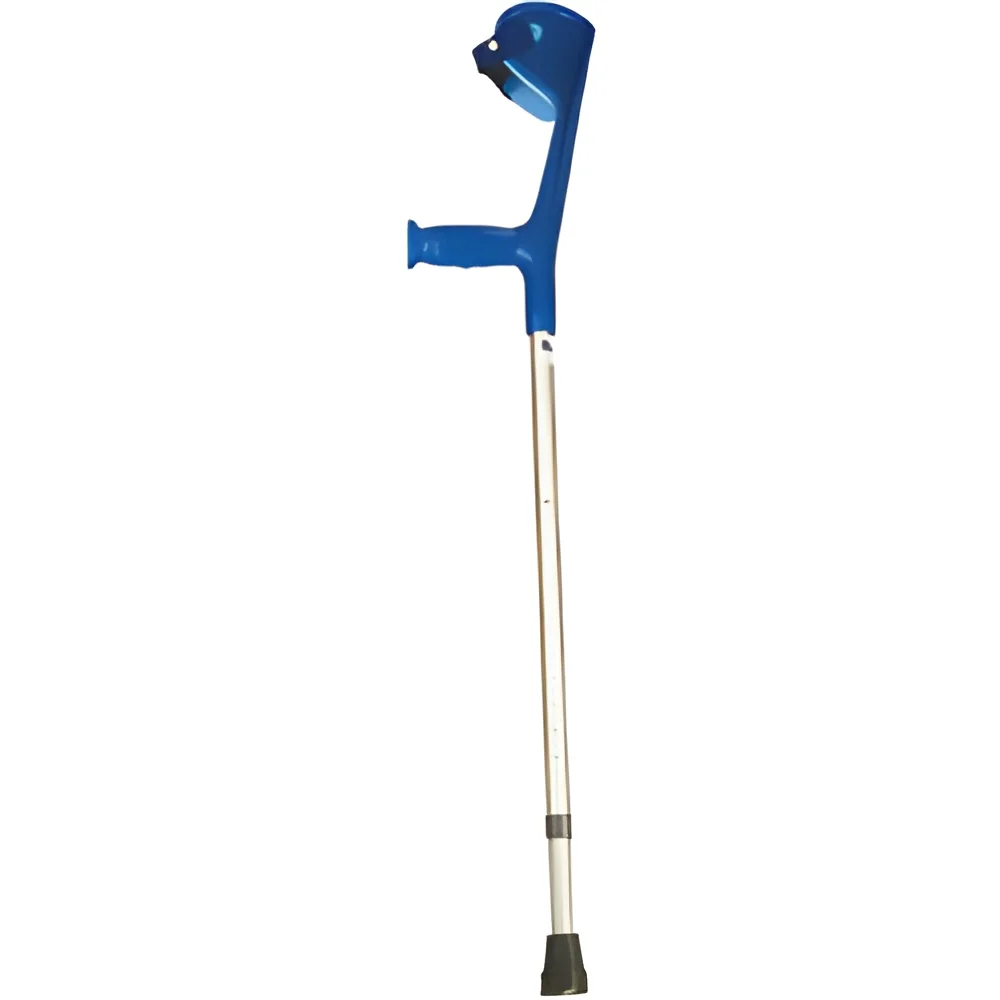
𝗞𝗲𝘆 𝗙𝗲𝗮𝘁𝘂𝗿𝗲𝘀 𝗮𝗻𝗱 𝗦𝗽𝗲𝗰𝗶𝗳𝗶𝗰𝗮𝘁𝗶𝗼𝗻𝘀
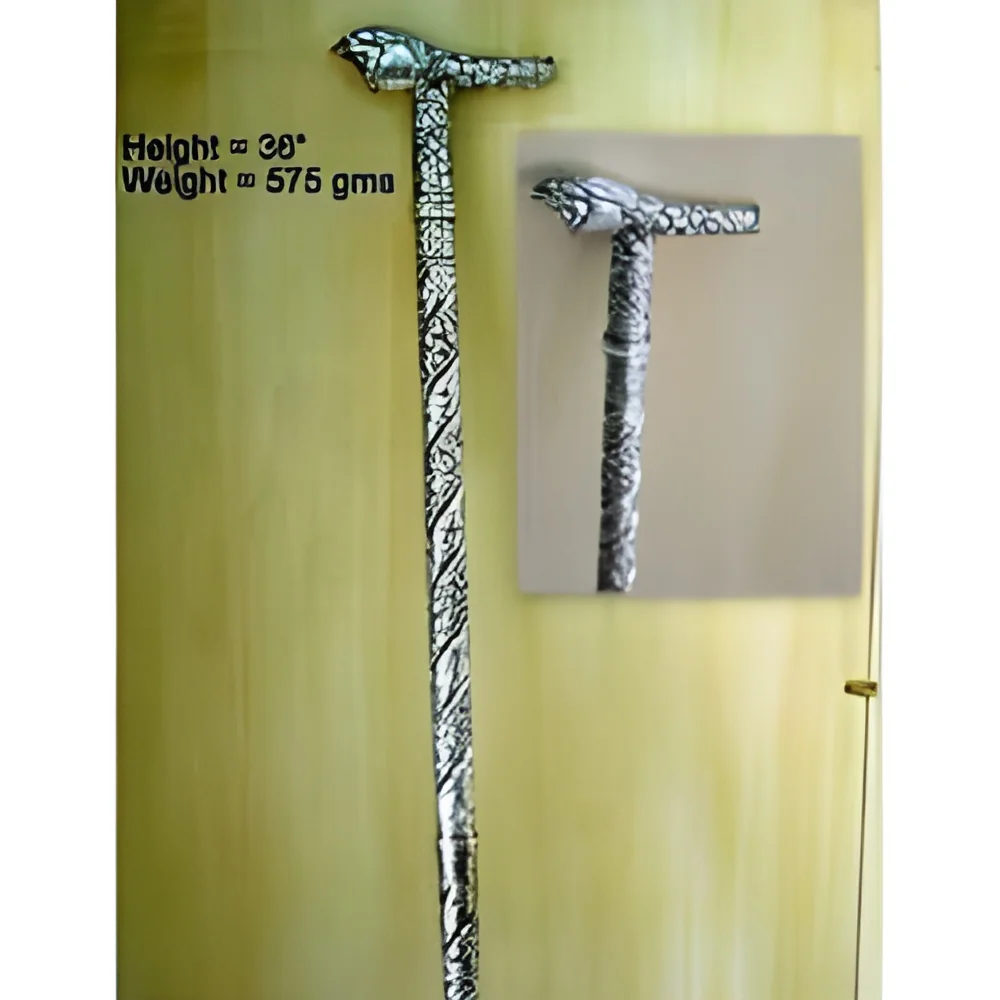
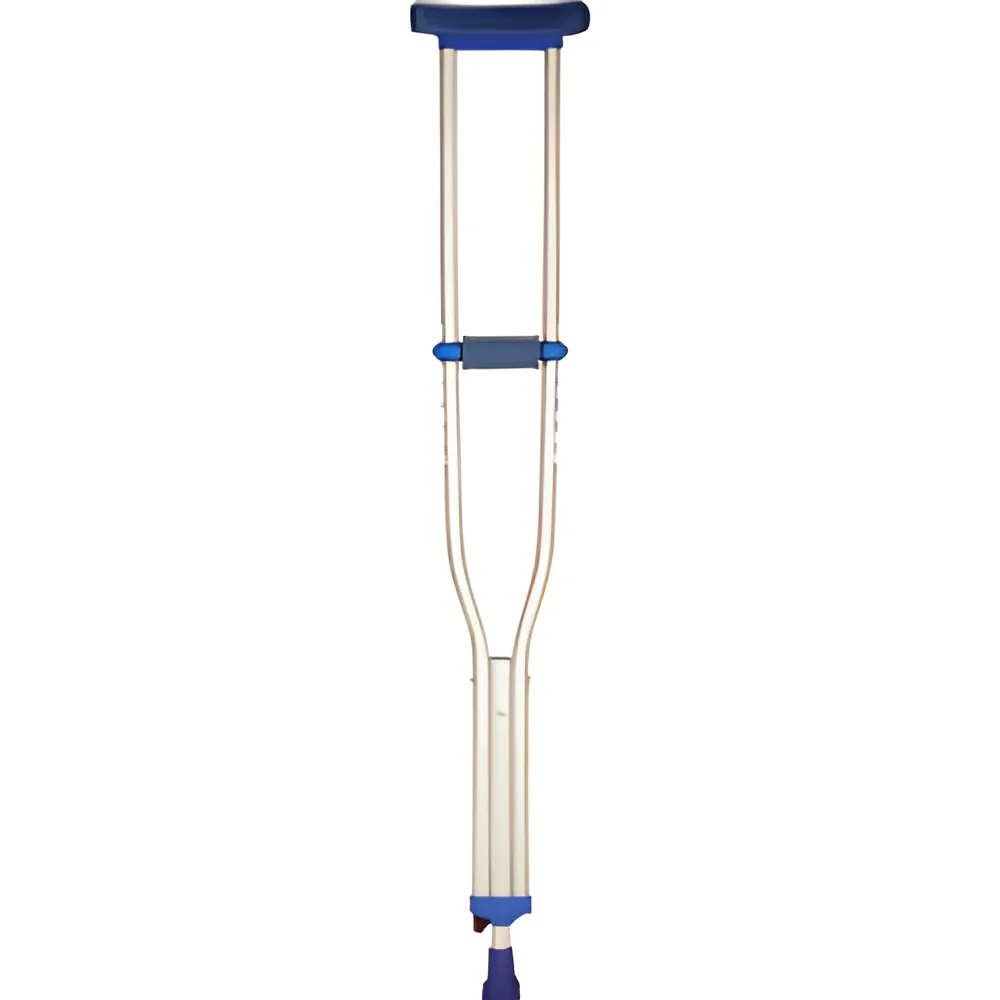
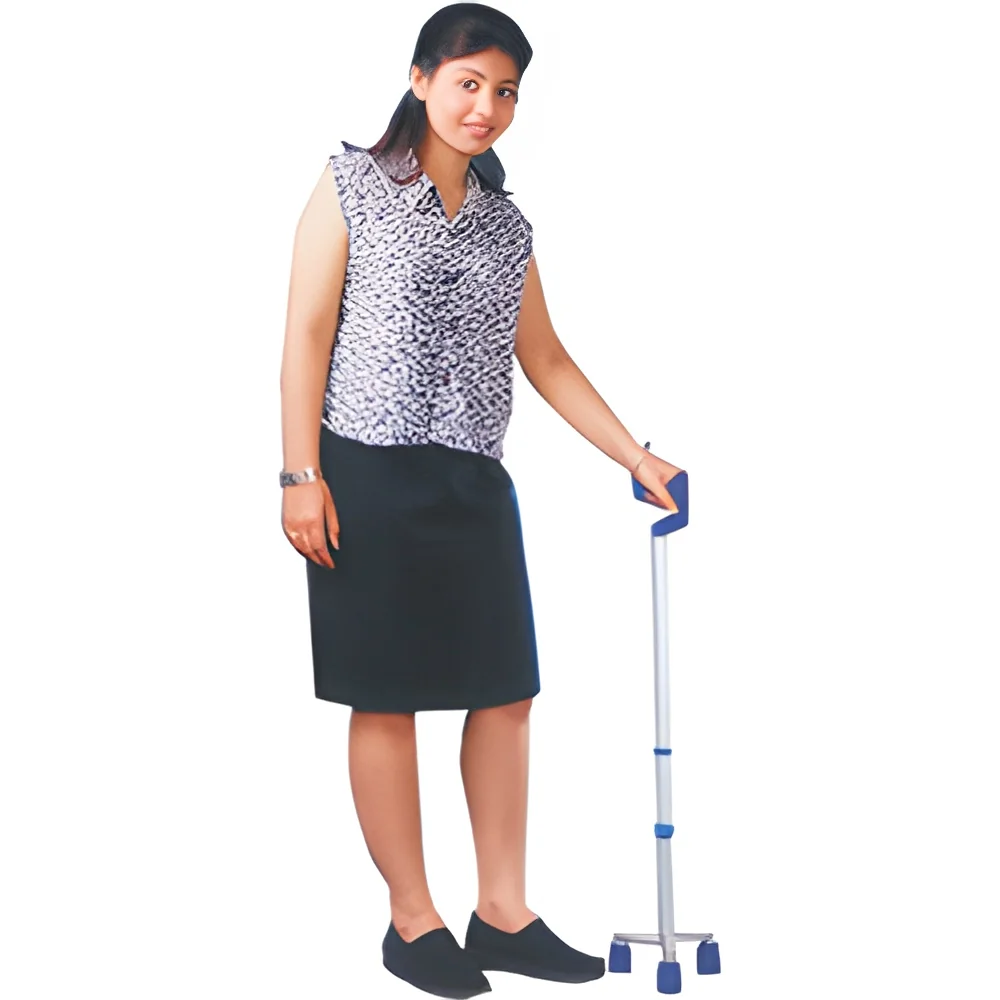
Mobility aids come with a variety of features and specifications that cater to diverse user needs. Understanding these specifications is crucial for B2B buyers looking to make informed purchasing decisions.
Key specifications include:
1. Weight Capacity
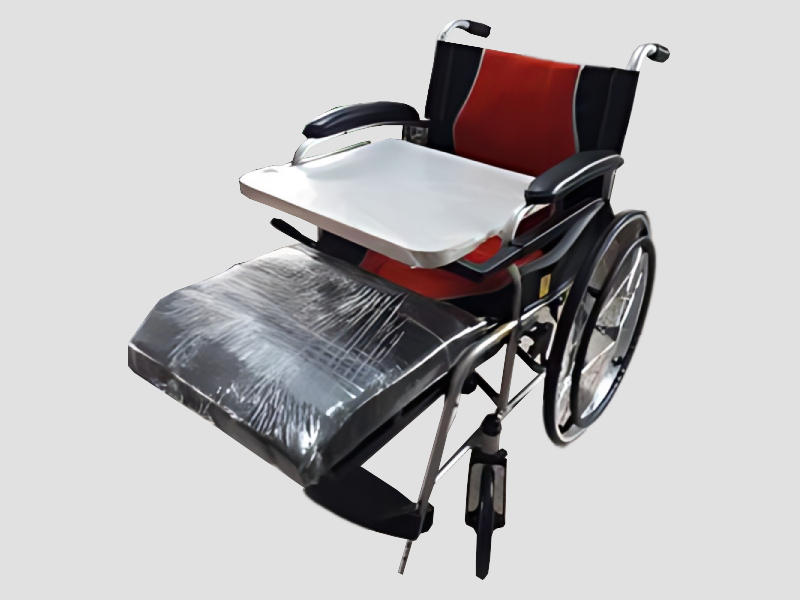
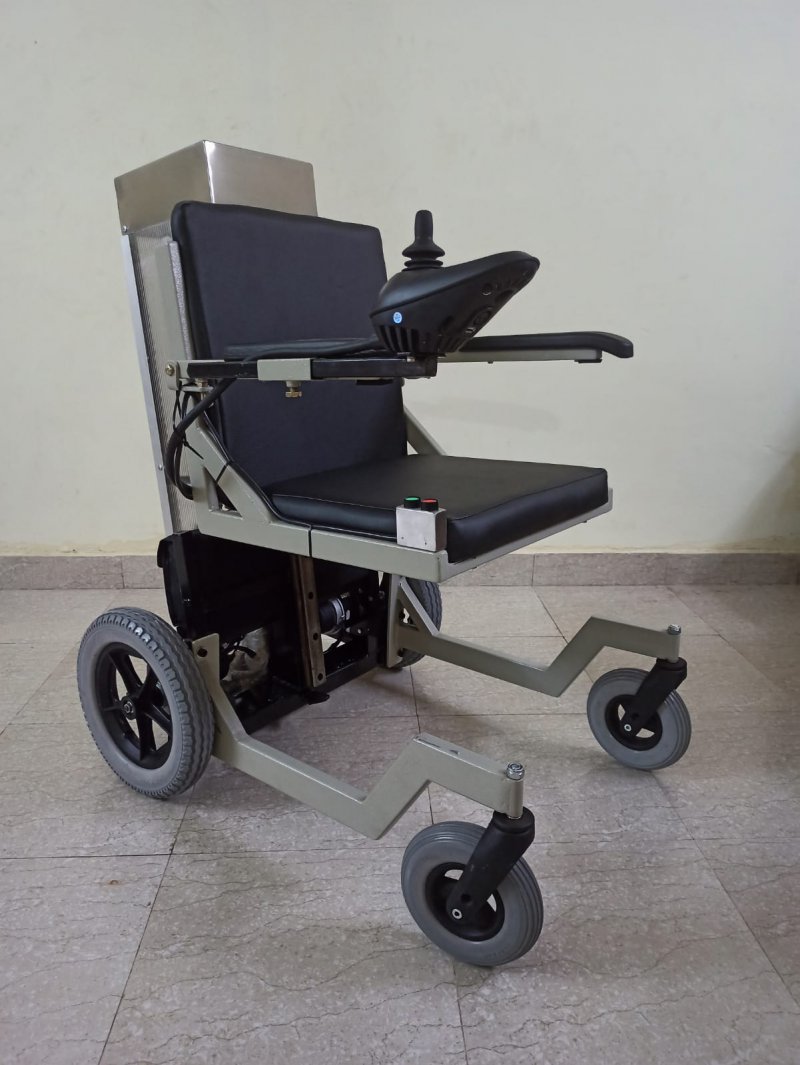
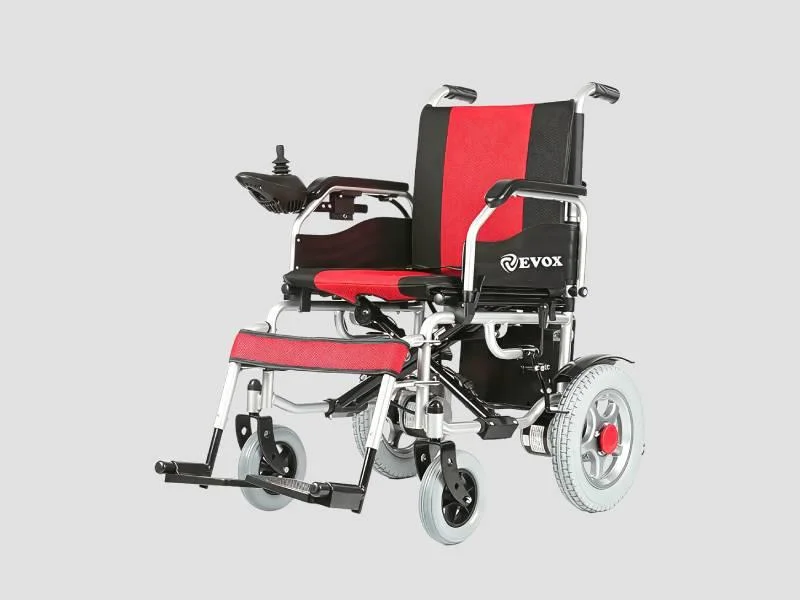
- Wheelchairs typically support weights ranging from 250 to 500 pounds.
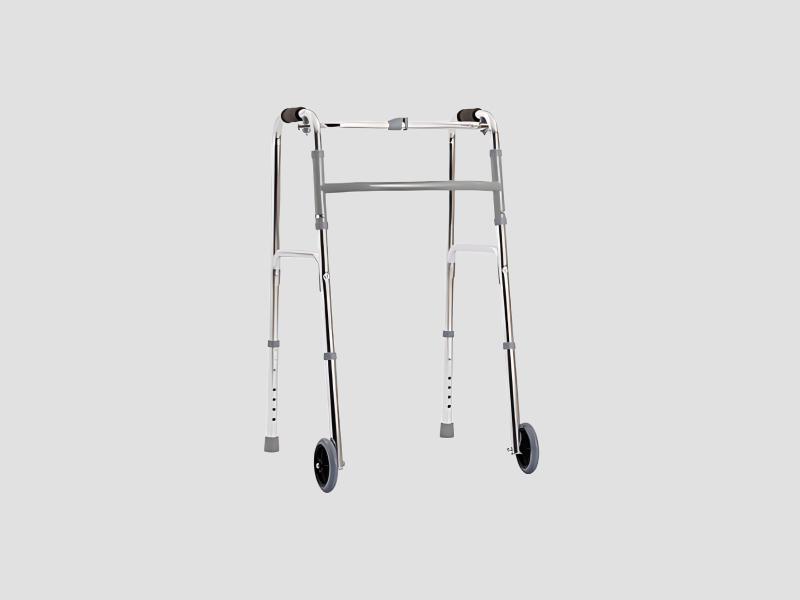
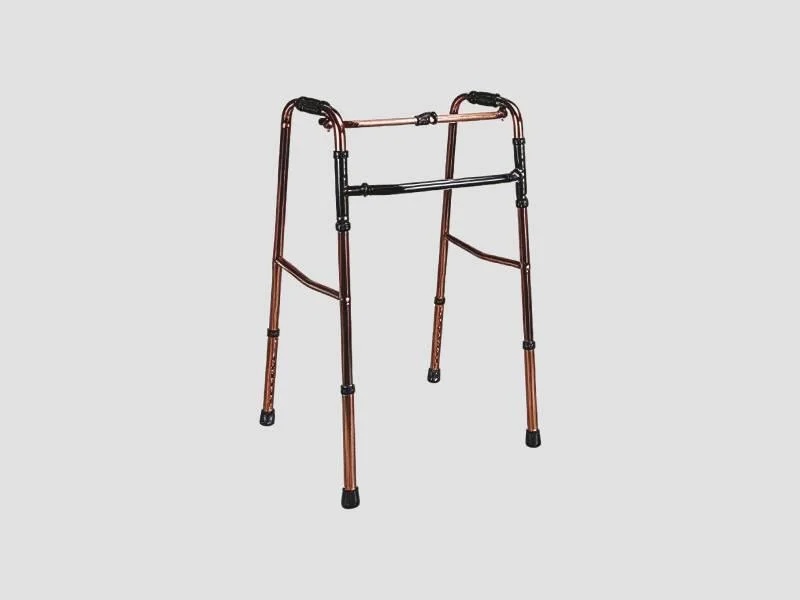
- Walkers generally accommodate weights up to 300 pounds.
2. Frame Material
- Common materials include aluminum for lightweight options and steel for added durability.
- Some models may feature composite materials for enhanced strength.
3. Wheel Size
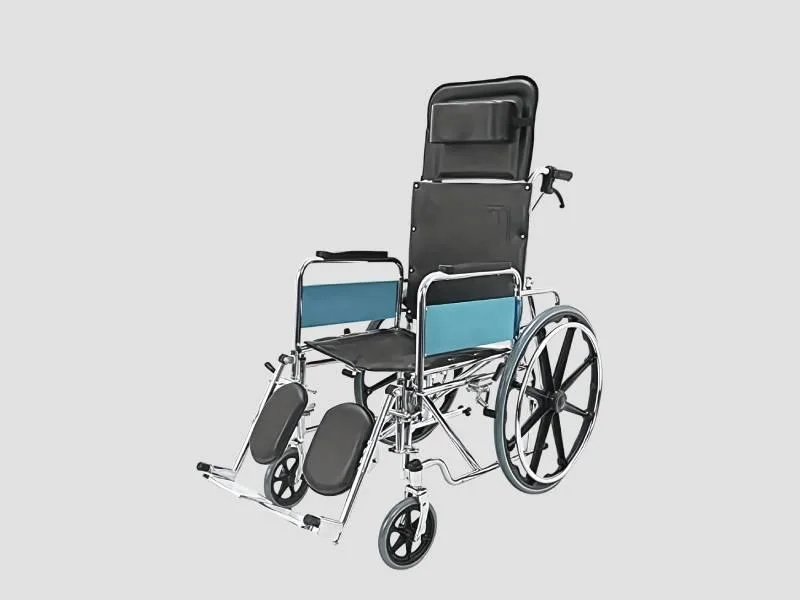
- Wheelchairs can have wheels ranging from 24 to 30 inches in diameter for different terrains.
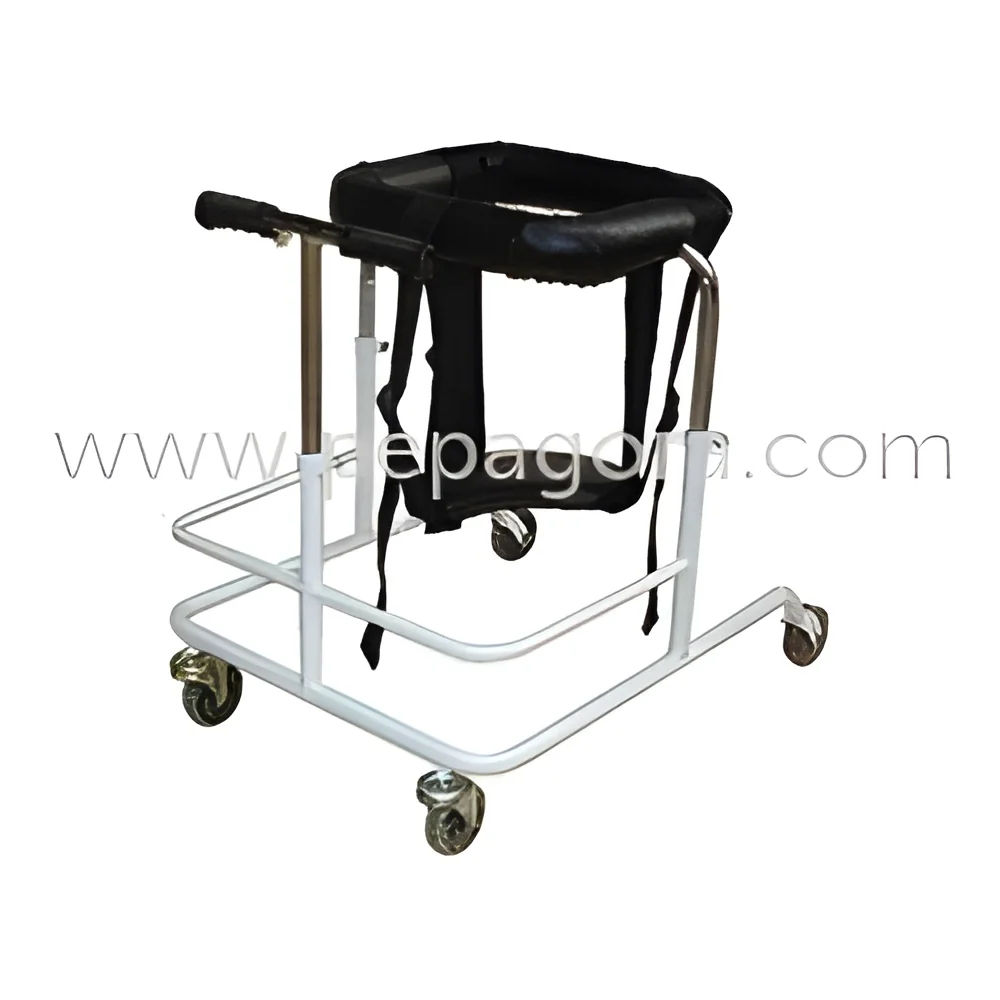
- Walkers usually have smaller wheels, around 5 to 8 inches, for indoor use.
4. Seat Width
- Wheelchair seat widths commonly range from 16 to 24 inches to accommodate various body sizes.
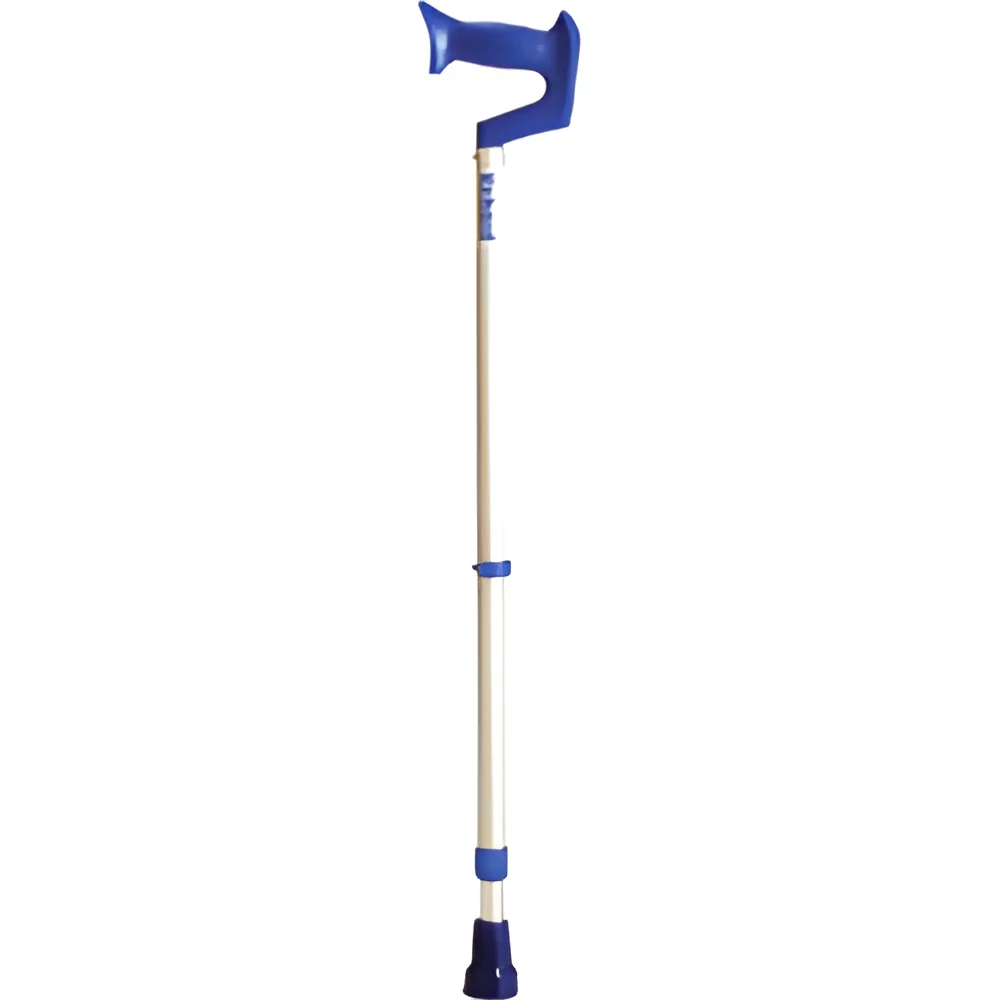
- Walkers may have adjustable grips to fit different user heights.
5. Foldability
- Many wheelchairs are designed to be foldable for easy transport and storage.
- Walkers often feature a collapsible frame for similar convenience.
6. Braking System
- Wheelchairs may have push-to-lock brakes for safety when stationary.
- Walkers often include hand brakes for secure stopping.
7. Adjustable Features
- Many wheelchairs allow for adjustable seat height and backrest angles.
- Walkers may offer adjustable handle heights for user comfort.
In summary, understanding the specifications of mobility aids is essential for selecting the right product for specific needs. Buyers should consider each feature to ensure optimal user experience.
𝗖𝗼𝗺𝗺𝗼𝗻 𝗔𝗽𝗽𝗹𝗶𝗰𝗮𝘁𝗶𝗼𝗻𝘀 𝗮𝗻𝗱 𝗨𝘀𝗲 𝗖𝗮𝘀𝗲𝘀
Mobility aids serve various industries, addressing a range of needs for different users.
1. Healthcare: Hospitals and rehabilitation centers utilize wheelchairs and walkers for patient mobility, ensuring safe transport during recovery.
2. Elder Care: Assisted living facilities provide mobility aids to residents, promoting independence and ease of movement within the facility.
3. Hospitality: Hotels and resorts often equip their premises with mobility aids to accommodate guests with mobility challenges, enhancing accessibility.
4. Transportation: Public transit systems may offer wheelchairs or walkers for passengers needing assistance, ensuring compliance with accessibility standards.
5. Sports and Recreation: Some facilities provide specialized mobility aids for individuals participating in adaptive sports, making activities more inclusive.
6. Homecare: Families often invest in mobility aids to support elderly or disabled relatives in their homes, fostering a comfortable living environment.
7. Retail: Stores may have mobility aids available for customers to use while shopping, ensuring a positive shopping experience.
𝗣𝗿𝗼𝗱𝘂𝗰𝘁 𝗩𝗮𝗿𝗶𝗮𝗻𝘁𝘀 𝗮𝗻𝗱 𝗦𝘂𝗯𝗰𝗮𝘁𝗲𝗴𝗼𝗿𝗶𝗲𝘀
Mobility aids encompass a range of variants tailored to meet specific user needs and preferences.
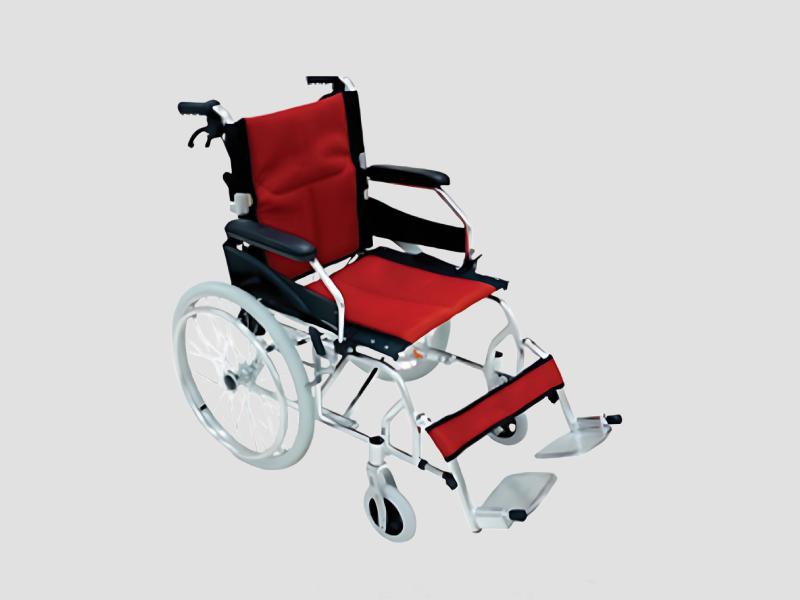
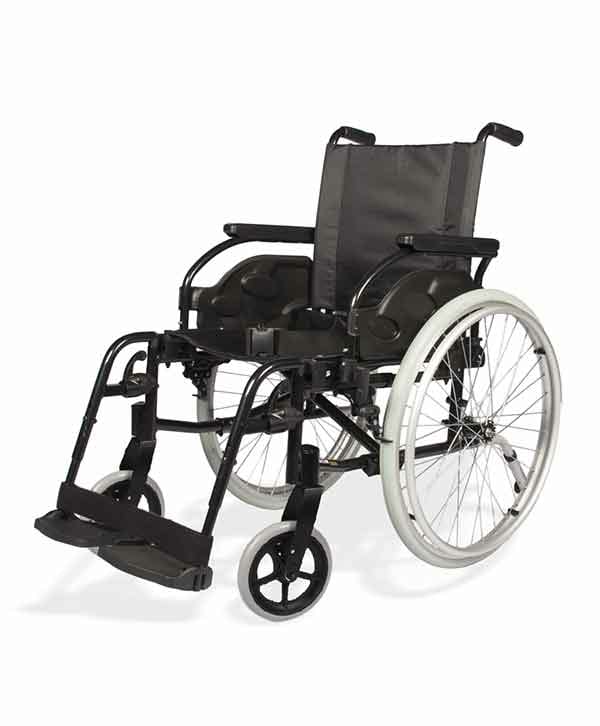
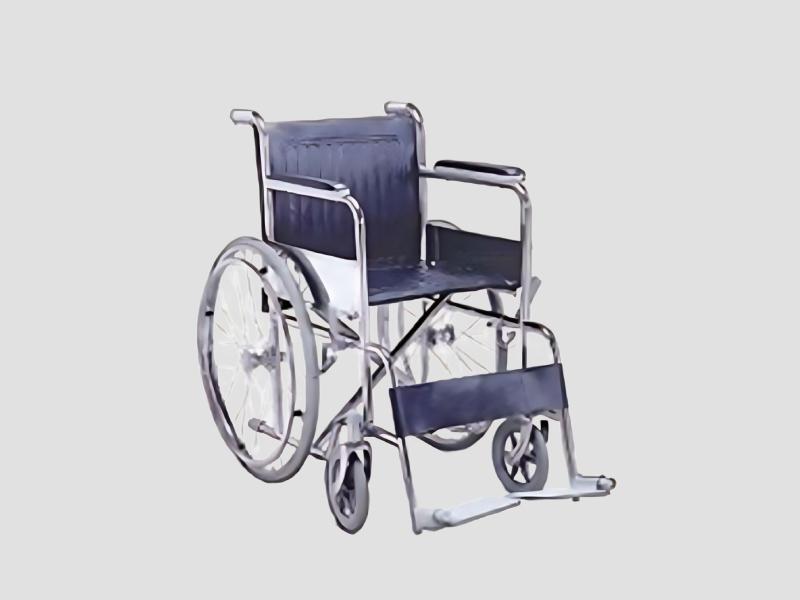
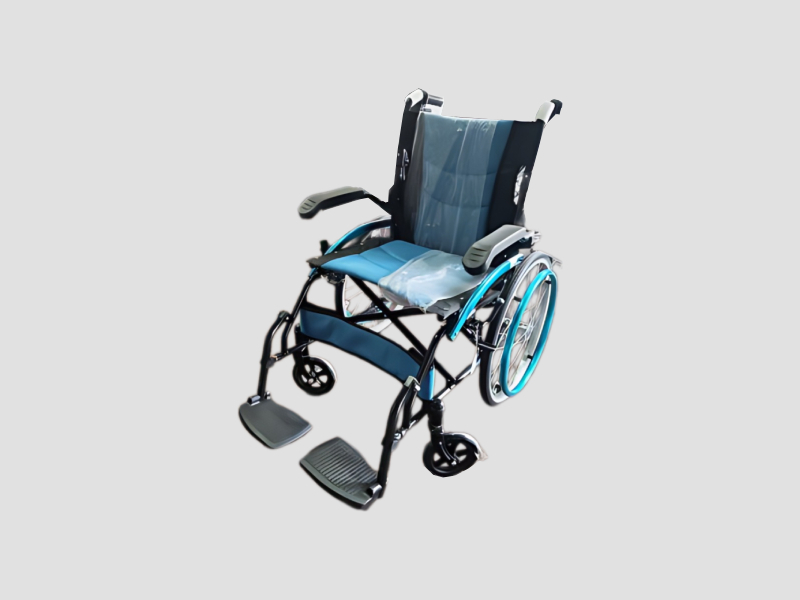
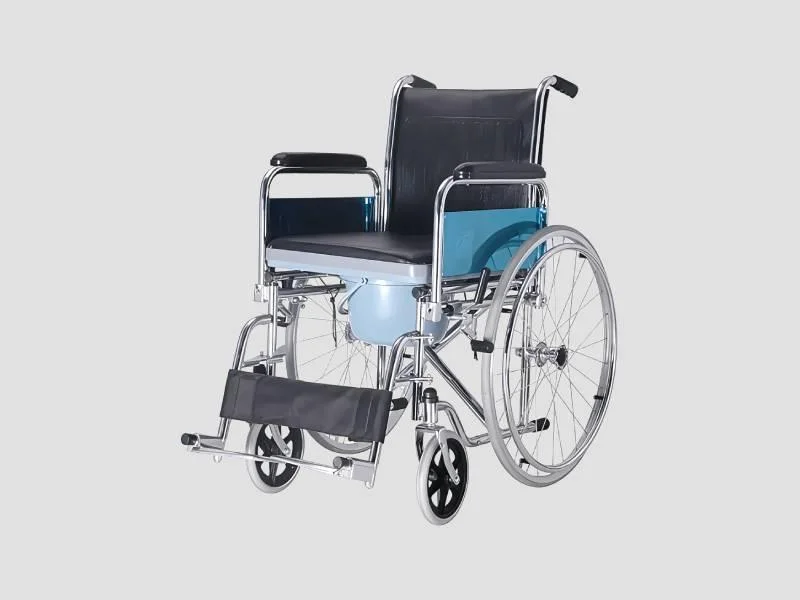
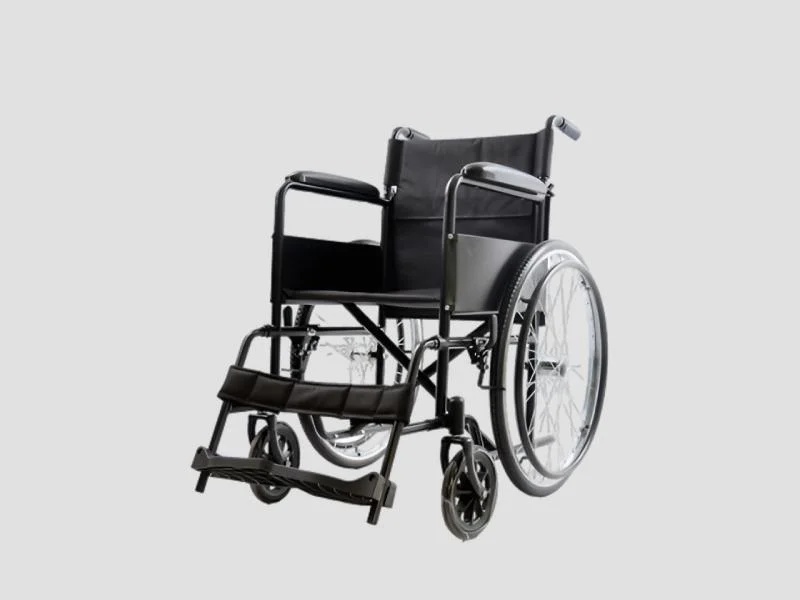
Standard Wheelchair
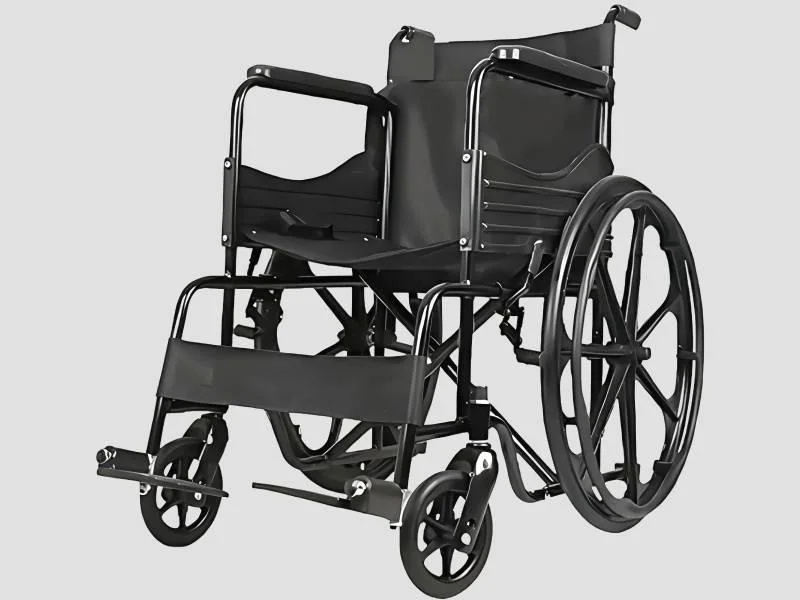
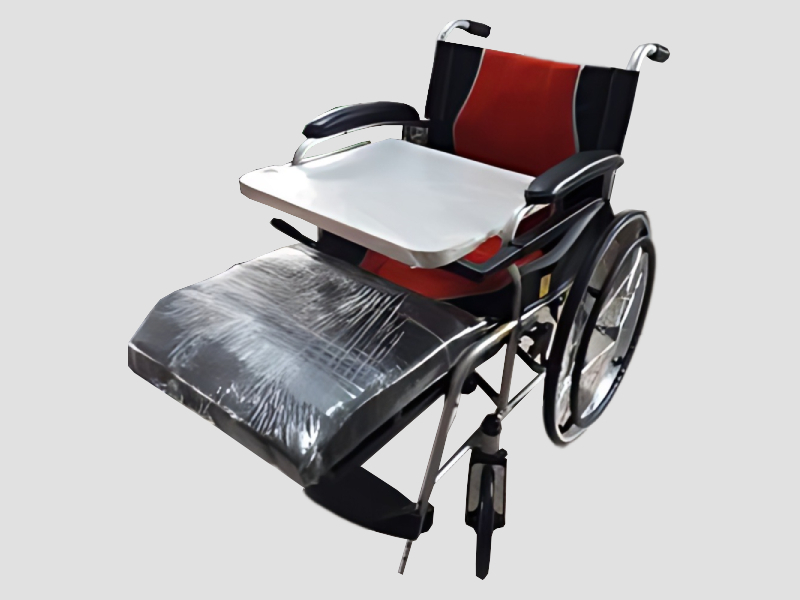
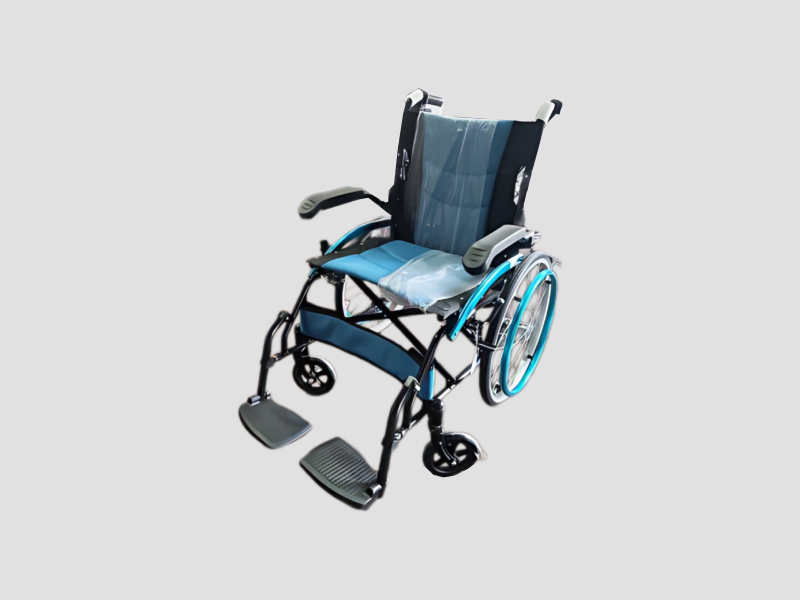
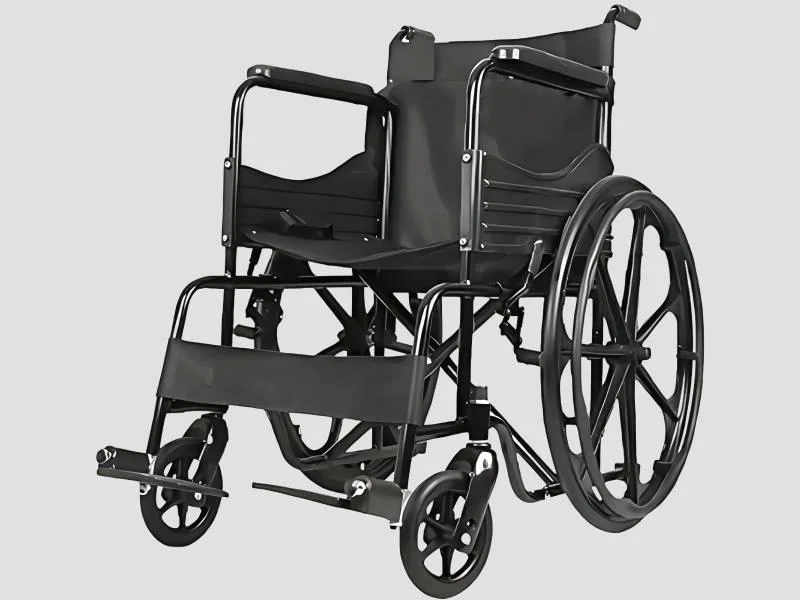
This variant is designed for general use, providing comfort and stability with adjustable features. It is suitable for both indoor and outdoor environments.
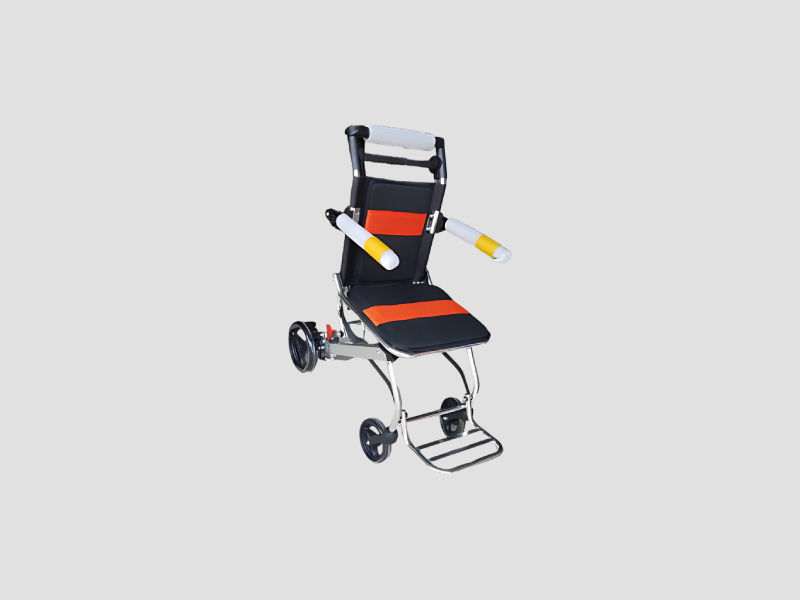
Transport Wheelchair
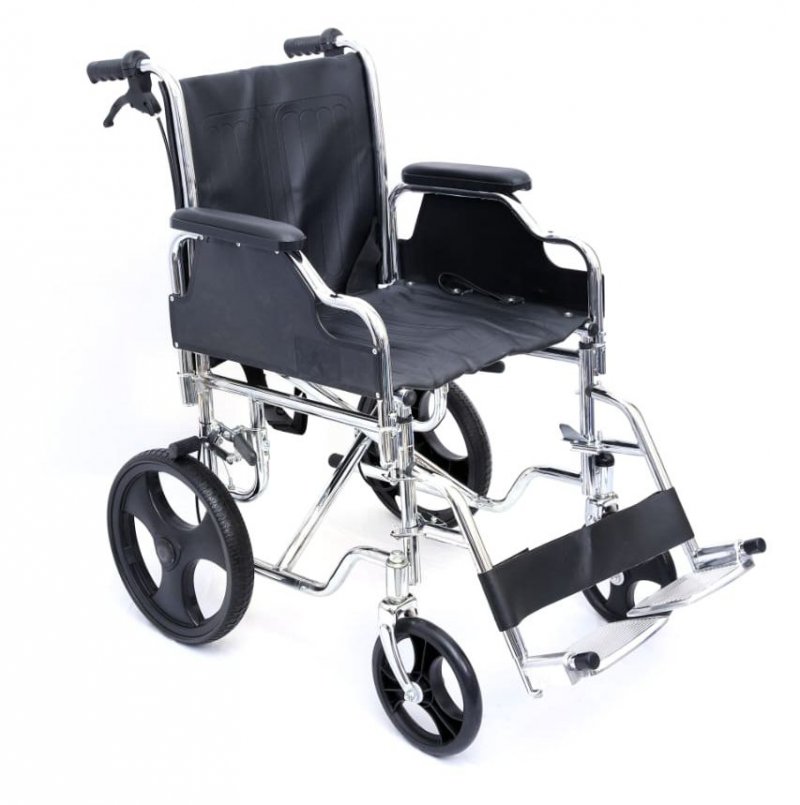
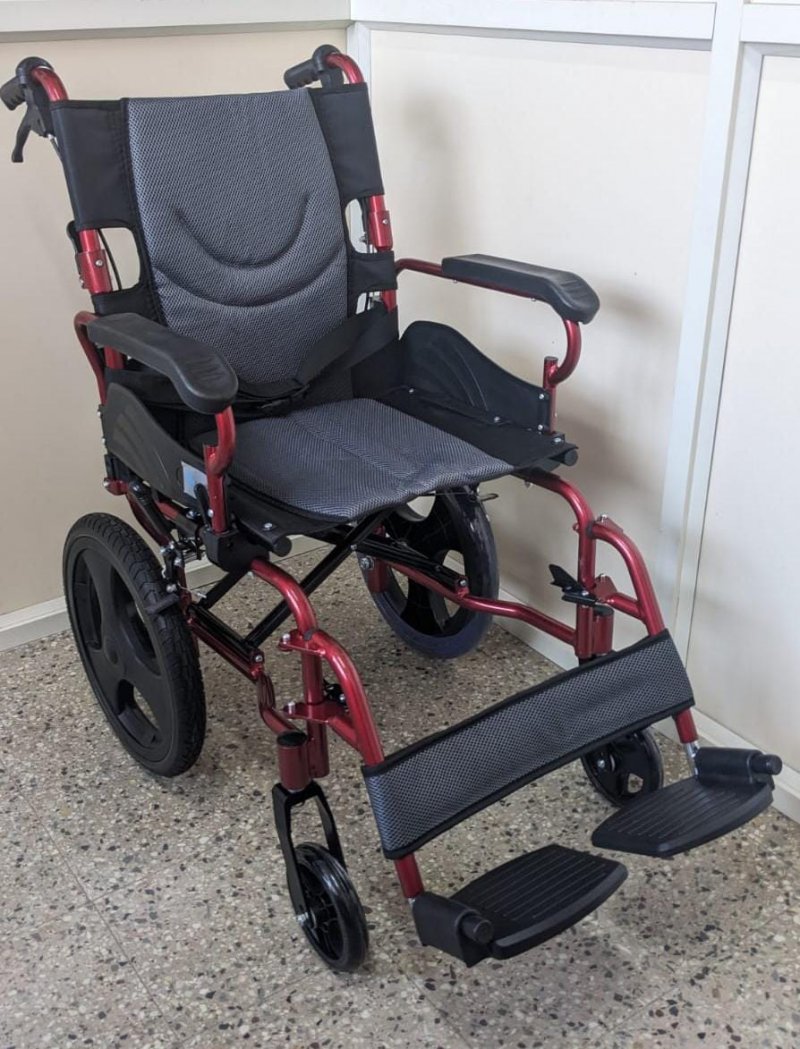
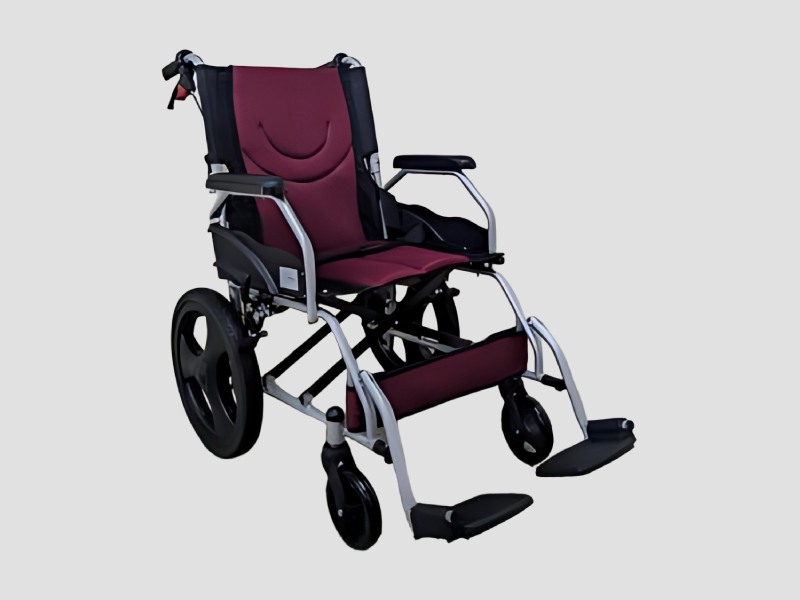
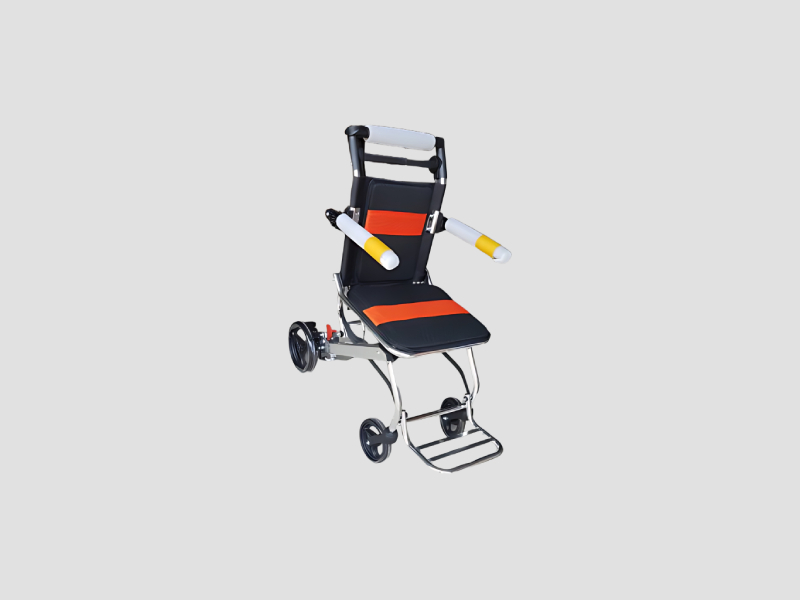
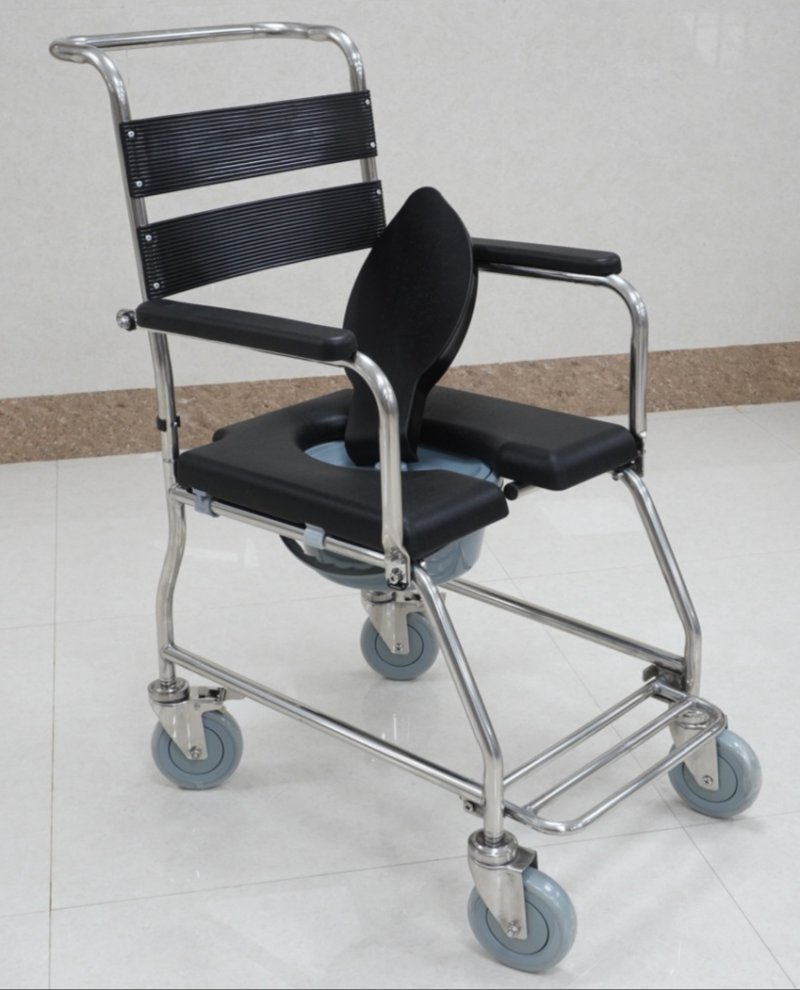
Lighter and designed for easy portability, this variant is ideal for caregivers who assist users in moving from one location to another, often featuring smaller wheels.
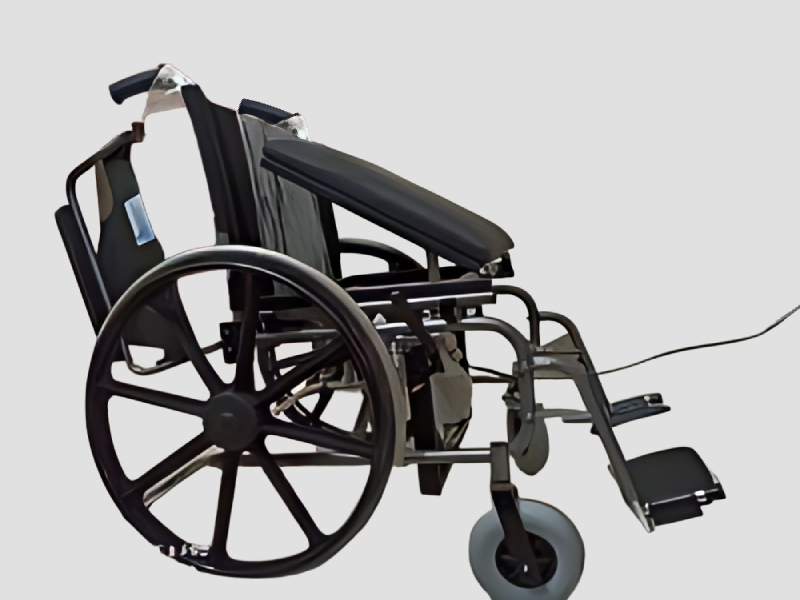
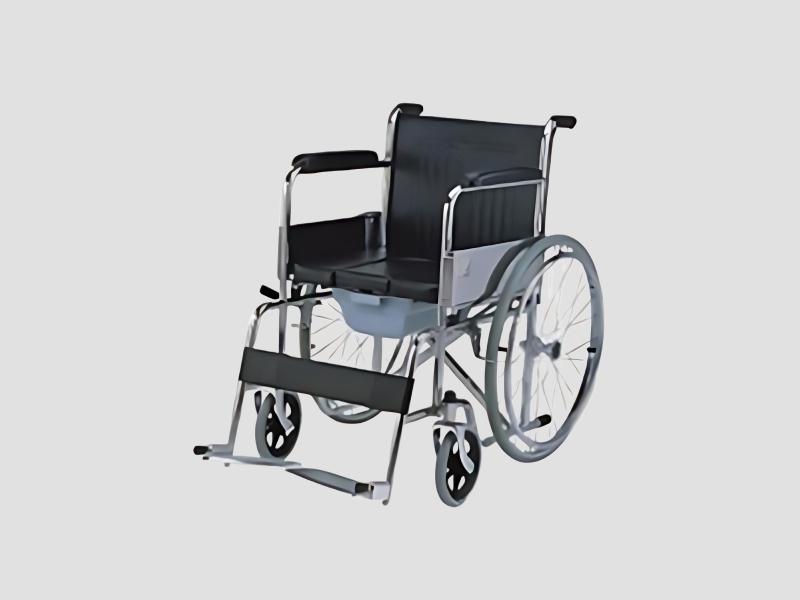
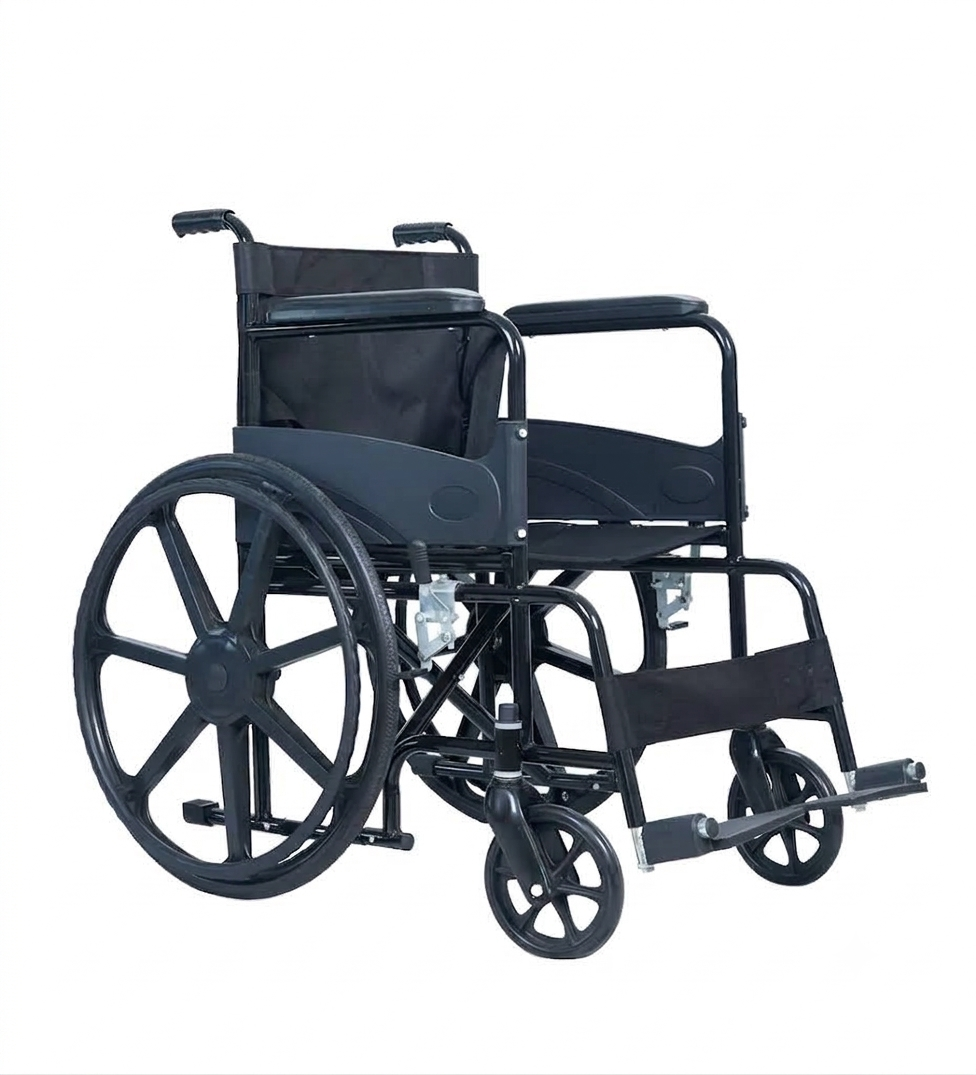
Heavy-Duty Wheelchair
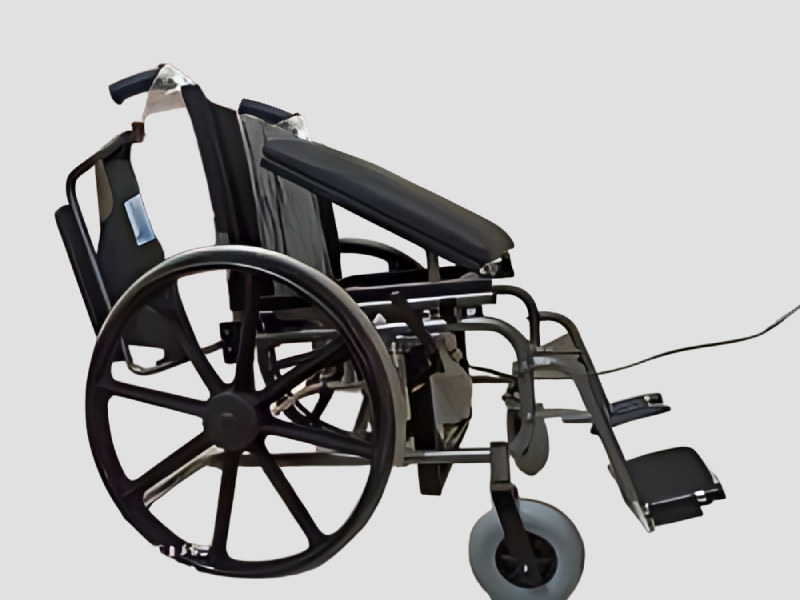
Engineered to support higher weight capacities, this variant is built with reinforced materials for durability, making it suitable for larger individuals.
Rollator Walker
This variant combines a walker with wheels, allowing users to move with assistance while providing a seat for resting. It is popular among seniors for both indoor and outdoor use.
𝗕𝗲𝗻𝗲𝗳𝗶𝘁𝘀 𝗮𝗻𝗱 𝗔𝗱𝘃𝗮𝗻𝘁𝗮𝗴𝗲𝘀
Investing in mobility aids offers several key benefits for users and caregivers alike.
1. Increased Independence: Mobility aids empower users to move freely, reducing reliance on caregivers for daily activities.
2. Enhanced Safety: Many mobility aids come equipped with safety features like brakes and sturdy frames, minimizing the risk of falls.
3. Improved Quality of Life: Access to mobility aids can lead to greater participation in social activities and improved mental health for users.
4. Customization Options: Many mobility aids offer adjustable features, allowing for personalization to meet individual needs.
5. Versatility: Mobility aids can be used in various environments, from homes to public spaces, making them highly functional.
6. Support for Rehabilitation: Mobility aids assist in recovery processes, enabling gradual reintroduction to mobility after injuries or surgeries.
𝗕𝘂𝘆𝗶𝗻𝗴 𝗚𝘂𝗶𝗱𝗲 𝗳𝗼𝗿 𝗕𝟮𝗕 𝗕𝘂𝘆𝗲𝗿𝘀
When sourcing mobility aids such as wheelchairs and walkers, buyers should consider several critical factors.
1. Quality Assessment: Evaluate the materials and construction of mobility aids to ensure durability and safety. Look for products that meet recognized quality standards.
2. Supplier Verification: Vet suppliers thoroughly to confirm their credibility and reliability. Check for references and customer feedback to gauge their service quality.
3. Pricing and MOQ: Understand the pricing structure and minimum order quantities. Compare costs among suppliers to find competitive pricing while ensuring quality.
4. Delivery and Lead Times: Inquire about logistics, including delivery schedules and lead times. Timely delivery is crucial for maintaining inventory and meeting customer needs.
5. Compliance Requirements: Ensure that the mobility aids meet relevant regulatory standards in your region. This may include safety certifications and compliance with health regulations.
𝗖𝗼𝗺𝗽𝗹𝗶𝗮𝗻𝗰𝗲 𝗮𝗻𝗱 𝗖𝗲𝗿𝘁𝗶𝗳𝗶𝗰𝗮𝘁𝗶𝗼𝗻𝘀
Mobility aids must adhere to specific quality standards and certifications to ensure safety and reliability in use.
ISO 9001 is a widely recognized standard that outlines criteria for quality management systems. Compliance with this standard indicates that the manufacturer maintains consistent quality in their production processes.
The CE marking is another essential certification for mobility aids sold in the European market. It signifies that the product meets European health, safety, and environmental protection standards.
Additionally, safety and testing requirements are critical in the development of mobility aids. Manufacturers must conduct rigorous testing to comply with safety regulations, ensuring that products are safe for everyday use.
Regional compliance considerations are also important. Buyers should be aware of local regulations that may impact the design, manufacturing, and distribution of mobility aids in their specific markets.
Why Source Mobility Aids (Wheelchairs, Walkers) from Pepagora?
Pepagora offers a trusted platform for sourcing mobility aids such as wheelchairs and walkers, providing several key advantages for B2B buyers.
Verified Supplier Network: Pepagora connects buyers with a network of verified suppliers, ensuring that all products meet quality standards. This helps buyers feel confident in their sourcing decisions.
Streamlined RFQ Process: The platform facilitates an easy request for quotation process. Buyers can quickly gather quotes from multiple suppliers, allowing for efficient comparison and selection.
Trade Assurance and Support: Pepagora provides buyer protection through trade assurance, offering support in case of disputes. This safety net helps buyers navigate potential challenges with confidence.
Regional Coverage: With a strong presence in markets such as India, the GCC, and Southeast Asia, Pepagora ensures broad geographic reach. This makes it easier for buyers to access mobility aids tailored to their regional needs.

 IN
IN