
 IN
Folding Wheelchairs
4 products available
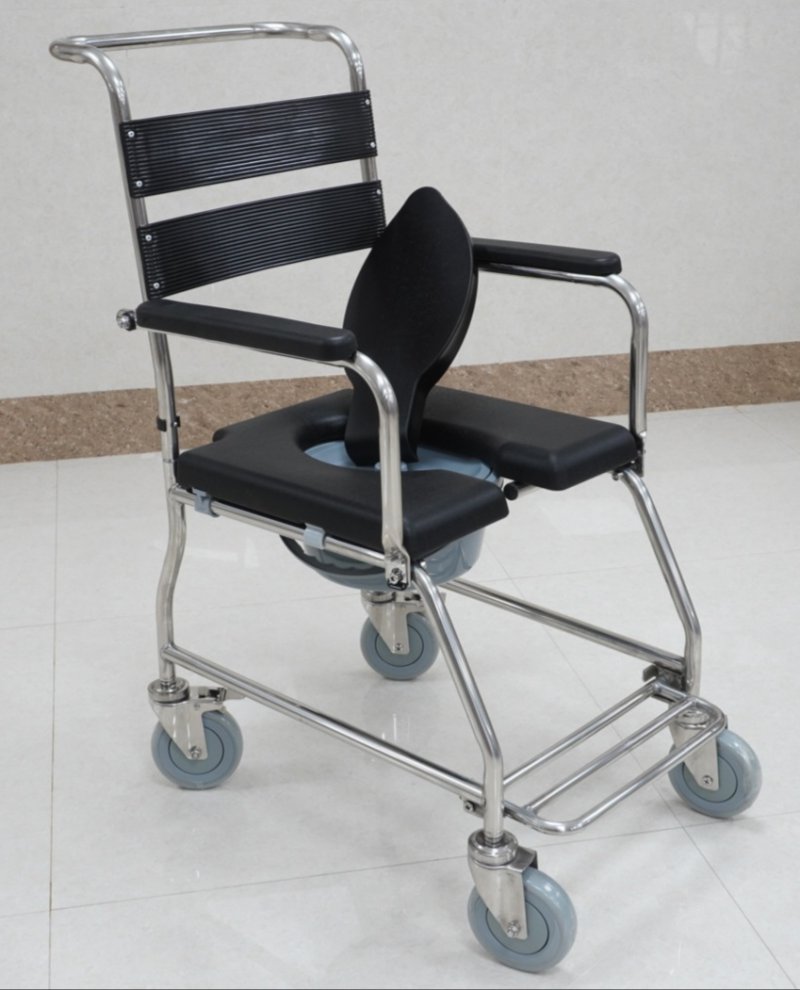
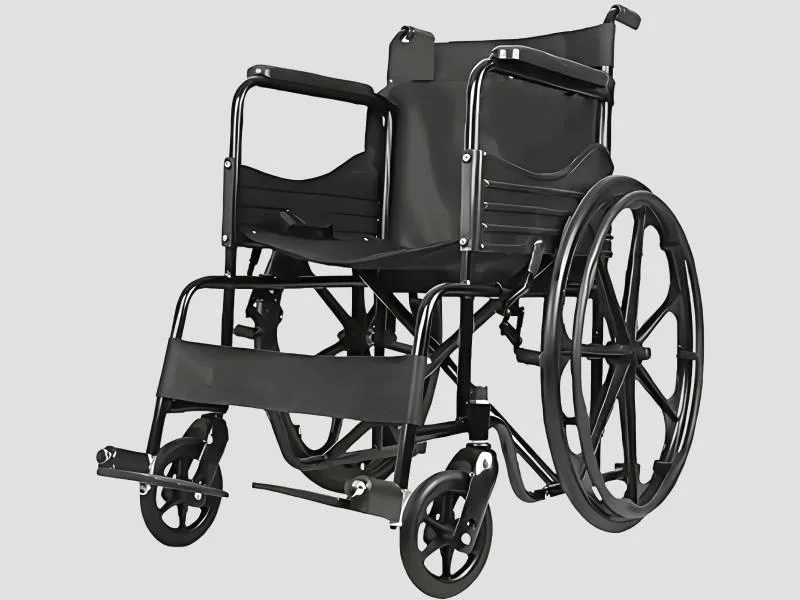
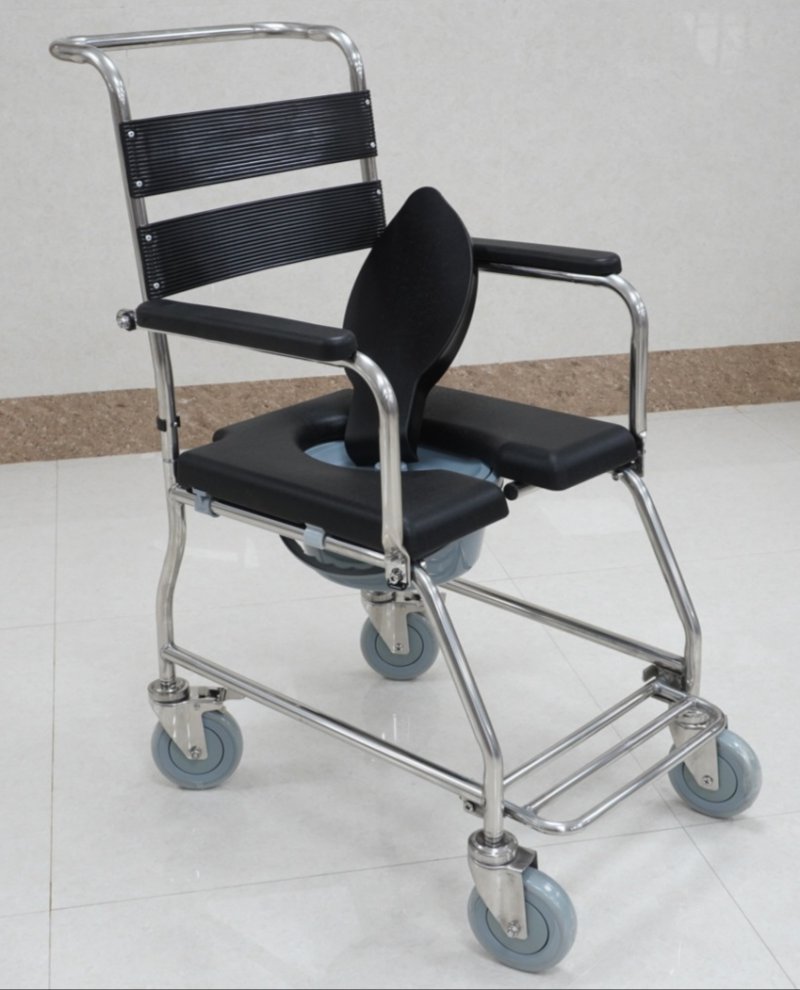
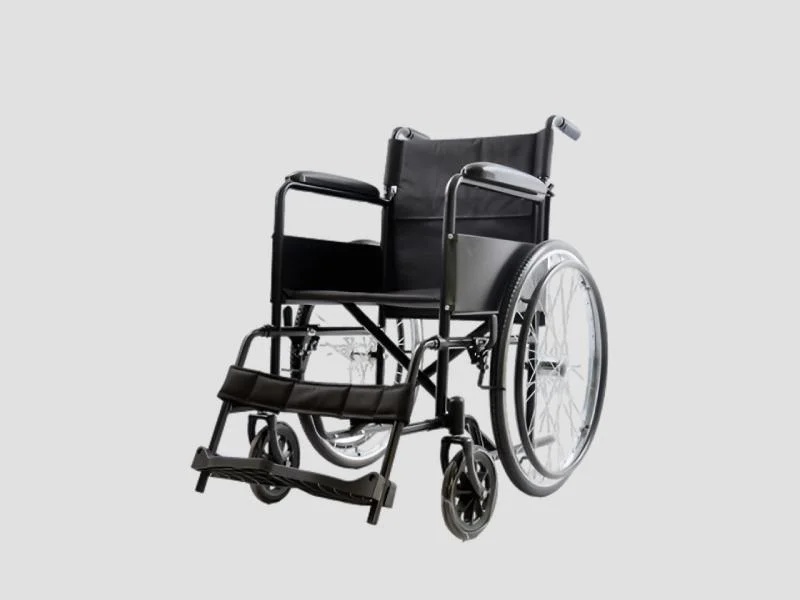
What are Folding Wheelchairs?
Folding wheelchairs are mobility devices designed to assist individuals with limited mobility in navigating various environments. These wheelchairs are constructed with a folding mechanism that allows them to be compacted for easy transport and storage. Typically made from lightweight materials, they are user-friendly and provide the necessary support and comfort for users who require mobility assistance.
These wheelchairs are primarily used in healthcare settings, rehabilitation centers, and for personal use by individuals. They cater to a wide range of users, from those recovering from surgeries to individuals with chronic conditions affecting their mobility. Businesses in the healthcare sector, including hospitals, nursing homes, and home care services, find folding wheelchairs essential for enhancing patient mobility and independence.
The market for folding wheelchairs is growing, driven by an increasing elderly population and a rise in awareness about mobility solutions. With advancements in design and technology, these wheelchairs now offer improved functionality and comfort, making them a relevant choice in the mobility aids industry.
Key Features and Specifications
Folding wheelchairs come with several key features that enhance their usability and performance. Understanding these specifications is crucial for buyers looking to invest in quality mobility solutions.
Key specifications include:
1. Weight Capacity
- Typically accommodates users weighing up to 250-300 pounds.
- Variations exist based on model and design.
2. Seat Width
- Standard seat widths range from 16 inches to 20 inches.
- Custom sizes may be available for specific needs.
3. Folded Dimensions
- Most models compact to dimensions of approximately 30 x 12 x 34 inches.
- Ideal for transport in vehicles or storage at home.
4. Material
- Commonly made from aluminum or steel frames for durability.
- Upholstery is often made from breathable fabric for comfort.
5. Wheel Size
- Front wheels usually range from 6 to 8 inches in diameter.
- Rear wheels range from 12 to 24 inches, providing stability.
6. Armrest Type
- Options include fixed or removable armrests.
- Some models offer adjustable armrests for user comfort.
7. Footrest Type
- Swing-away or elevating footrests are common features.
- Designed for easy entry and exit from the wheelchair.
8. Brake System
- Most models feature locking brakes for safety.
- Some may include automatic braking systems for added security.
In summary, the features and specifications of folding wheelchairs vary widely to cater to different user needs, making it essential for buyers to evaluate these details before making a purchase.
Common Applications and Use Cases
Folding wheelchairs are versatile and serve various industries effectively.
1. Healthcare: In hospitals and rehabilitation centers, folding wheelchairs are used to transport patients easily, ensuring comfort and mobility during recovery.
2. Hospitality: Hotels and resorts utilize folding wheelchairs to accommodate guests with mobility challenges, enhancing accessibility throughout their facilities.
3. Transportation: Airports and train stations employ folding wheelchairs to assist travelers with limited mobility, ensuring they can navigate terminals comfortably.
4. Retail: Stores often provide folding wheelchairs for shoppers who may need assistance, promoting inclusivity and customer satisfaction.
5. Home Care: Family members and caregivers use folding wheelchairs to assist individuals at home, providing mobility and independence to those with physical limitations.
6. Sports: Some organizations provide folding wheelchairs for sports events, allowing athletes with disabilities to participate in various activities.
7. Schools: Educational institutions may offer folding wheelchairs to assist students with mobility challenges, ensuring they can access all areas of the campus.
Product Variants and Subcategories
Folding wheelchairs come in various designs to meet specific user needs and preferences.
Standard Folding Wheelchair
This is the most common type, featuring a simple folding mechanism and lightweight construction. It is suitable for everyday use and can be easily transported.
Transport Wheelchair
This variant is designed for caregivers to assist users in getting from one place to another. It is lighter than standard wheelchairs and has smaller wheels, making it easier to maneuver in tight spaces.
Heavy-Duty Wheelchair
For users with higher weight capacities, heavy-duty folding wheelchairs are built with reinforced frames and wider seats. They provide extra stability and support.
Lightweight Wheelchair
Constructed from ultra-light materials, this variant is designed for easy transport and is ideal for active users who frequently travel.
Benefits and Advantages
Folding wheelchairs offer numerous benefits for both users and providers.
1. Portability: Their compact design allows for easy transport, making them ideal for travel and storage.
2. Versatility: Suitable for various environments, folding wheelchairs can be used in homes, hospitals, and public spaces.
3. Comfort: Many models come with padded seats and adjustable features to enhance user comfort.
4. Cost-Effective: Folding wheelchairs are often more affordable than powered options, providing a budget-friendly mobility solution.
5. User-Friendly: The simple folding mechanism allows for quick setup and storage, making them accessible for users and caregivers.
6. Safety Features: Many models include locking brakes and sturdy construction to ensure user safety during use.
Buying Guide for B2B Buyers
When sourcing folding wheelchairs, businesses should consider several crucial factors to ensure they select the right product for their needs.
1. Quality Assessment: Evaluate the materials and construction quality of the wheelchair. Look for durable frames and high-quality upholstery to ensure longevity.
2. Supplier Verification: Vet potential suppliers to ensure they are reputable and provide reliable products. Check for customer reviews and industry certifications.
3. Pricing and MOQ: Consider the pricing structure and minimum order quantities. Compare prices across different suppliers to find a competitive deal.
4. Delivery and Lead Times: Understand the logistics involved in delivery. Inquire about lead times to ensure timely receipt of products.
5. Compliance Requirements: Familiarize yourself with any regulatory standards that apply to folding wheelchairs in your region, such as safety certifications.
Compliance and Certifications
Folding wheelchairs must adhere to various quality standards and certifications to ensure safety and reliability.
Relevant quality standards, such as ISO 9001, indicate that manufacturers have established a quality management system that meets international requirements. Compliance with these standards is crucial for ensuring that the products are produced consistently and to a high standard.
Industry certifications, such as CE marking, indicate that the product meets European safety, health, and environmental protection standards. This certification is essential for suppliers looking to market their products in Europe.
Safety and testing requirements may include assessments for weight capacity, stability, and durability. These tests ensure that the wheelchairs can safely support users in various conditions.
Regional compliance considerations may vary, so businesses should ensure they are familiar with the specific regulations and standards applicable in their target markets.
Why Source Folding Wheelchairs from Pepagora?
Pepagora offers a trusted platform for sourcing folding wheelchairs, presenting several key advantages for B2B buyers.
Verified Supplier Network: Pepagora connects buyers with a network of verified suppliers, ensuring that users can access high-quality products from reputable manufacturers. This verification process safeguards against substandard offerings.
Streamlined RFQ Process: The platform simplifies the request for quotation process, allowing buyers to easily compare pricing and product options from multiple suppliers. This efficiency saves time and enhances purchasing decisions.
Trade Assurance and Support: Buyers can benefit from trade assurance, which provides protection throughout the purchasing process. Pepagora’s dedicated support team assists in resolving any issues that may arise.
Regional Coverage: With a broad geographic reach in regions like India, GCC, and Southeast Asia, Pepagora ensures that buyers can source products tailored to their specific market needs. This regional expertise enhances the procurement experience and facilitates smoother transactions.


Frequently Asked Questions
What are Folding Wheelchairs?
Folding wheelchairs are mobility devices designed to assist individuals with limited mobility. They feature a collapsible frame that allows for easy transport and storage, making them ideal for both indoor and outdoor use.
What are the different types of Folding Wheelchairs?
Folding wheelchairs come in various types, including manual and powered options. Manual folding wheelchairs require user propulsion, while powered versions offer electric assistance for easier maneuverability.
How do I choose the right Folding Wheelchairs?
When selecting a folding wheelchair, consider factors such as weight capacity, seat width, and the user's specific needs. Assessing the intended use, whether for travel or daily activities, can also influence the choice.
What are the standard specifications for Folding Wheelchairs?
Standard specifications for folding wheelchairs typically include weight capacity, seat dimensions, wheel size, and overall weight. These specifications can vary by manufacturer, so it's important to consult product details.
What is the price range for Folding Wheelchairs?
The price range for folding wheelchairs can vary widely, typically falling between INR 10,000 to INR 50,000 depending on features and quality. Higher-end models with advanced features may cost more.
What quality standards apply to Folding Wheelchairs?
Folding wheelchairs should meet specific quality standards set by regulatory bodies. These standards often include safety, durability, and performance metrics to ensure reliable use.
Where can I find Folding Wheelchairs suppliers in India?
You can find folding wheelchair suppliers in India through online B2B marketplaces like Pepagora.com. Additionally, local medical supply stores and manufacturers can also be reliable sources.
Can Folding Wheelchairs be customized?
Yes, many manufacturers offer customization options for folding wheelchairs to better meet individual requirements. Custom features may include personalized seat sizes, colors, and additional accessories.
What is the typical minimum order quantity for Folding Wheelchairs?
The typical minimum order quantity (MOQ) for folding wheelchairs can vary by supplier, but it often ranges from 1 to 10 units. It's advisable to check with specific manufacturers for their policies.
What is the typical lead time for Folding Wheelchairs?
The typical lead time for folding wheelchairs can range from a few days to several weeks, depending on factors such as the supplier's inventory and customization requirements. It's best to confirm lead times with the supplier before placing an order.
Why Businesses Trust Pepagora
Thousands of companies trust Pepagora to source smarter and sell faster
Expand Your Sales Globally

Source Smarter,Grow Faster
