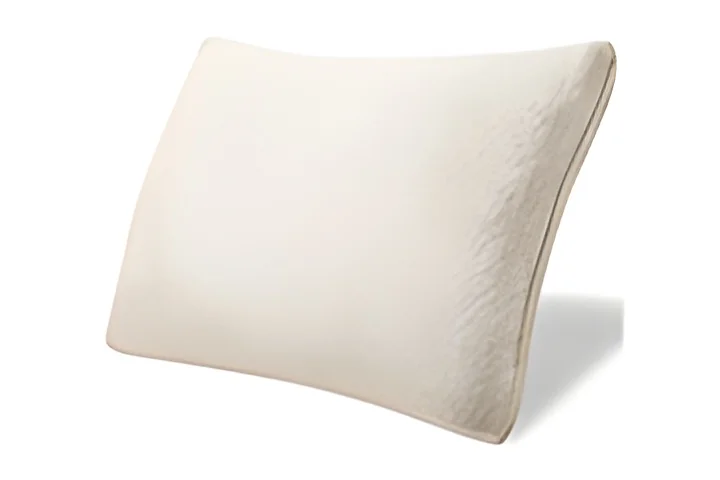
What are Wheelchair Cushions & Backrests?
Wheelchair cushions and backrests are essential accessories designed to enhance comfort and support for individuals who use wheelchairs. These products are specifically engineered to provide optimal pressure relief, postural support, and overall well-being for users. They come in various materials, shapes, and designs to cater to the unique needs of different users, ensuring a tailored fit for maximum comfort.
The primary uses of wheelchair cushions and backrests extend across healthcare settings, rehabilitation centers, and home care environments. They play a crucial role in preventing pressure sores, improving seating posture, and enhancing the overall quality of life for users with mobility challenges. Businesses in the healthcare sector often utilize these products to ensure patient safety and comfort, making them a critical component of patient care.
In terms of industry relevance, the market for wheelchair cushions and backrests is continually evolving to incorporate advancements in materials and manufacturing processes. The growing awareness of the importance of pressure management in wheelchair users has contributed to the demand for high-quality cushions and backrests. This demand is further fueled by an aging population and a rising incidence of chronic conditions that affect mobility.
Key Features and Specifications
Wheelchair cushions and backrests boast a variety of features that cater to the specific needs of users. These features are crucial for ensuring comfort, safety, and functionality.
Key specifications include:
1. Material Composition
- Cushions and backrests are made from various materials including foam, gel, and air-filled structures.
- Each material offers different levels of support, comfort, and pressure relief.
2. Weight Capacity
- Products are designed to support different weight ranges, ensuring safety and stability for users.
- Typical weight capacities can vary from 200 to 500 pounds.
3. Size Options
- Cushions and backrests are available in multiple sizes to fit various wheelchair models.
- Custom sizes may also be available for specific user needs.
4. Thickness Levels
- Thickness ranges from 1 to 6 inches depending on the intended use and user requirements.
- Thicker options generally provide more cushioning and support.
5. Cover Material
- Covers are often made from moisture-wicking and breathable fabrics to enhance user comfort.
- Some covers are removable and washable for easy maintenance.
6. Non-Slip Features
- Many cushions and backrests include non-slip bases to prevent movement during use.
- This feature is essential for user safety and stability.
7. Customization Options
- Customization can be available for specific medical conditions or user preferences.
- Tailored solutions may include special shapes or materials.
8. Certification and Compliance
- Many products comply with industry standards such as CE certification.
- Compliance ensures safety and quality for end-users.
In summary, wheelchair cushions and backrests are vital products in the mobility sector, designed with various features to meet the diverse needs of users. Understanding these specifications is crucial for businesses when selecting the right products.
Common Applications and Use Cases
Wheelchair cushions and backrests serve a wide range of industries and applications.
1. Healthcare Facilities: Hospitals and rehabilitation centers utilize these products to enhance patient comfort and prevent pressure ulcers among long-term wheelchair users.
2. Home Care: Caregivers use cushions and backrests at home to improve the quality of life for individuals with limited mobility, ensuring they have comfortable seating options.
3. Elderly Care: Assisted living facilities often provide these products to ensure the elderly residents are comfortable and supported while using wheelchairs.
4. Sports and Recreation: Adaptive sports programs use specialized cushions and backrests to provide comfort and support for athletes with disabilities during competitions.
5. Transportation: Wheelchair accessible vehicles often require cushions and backrests that accommodate specific seating arrangements for safe and comfortable travel.
6. Education: Schools with special needs programs incorporate these products to support students who use wheelchairs, ensuring they are comfortable during lessons.
7. Occupational Therapy: Therapists often recommend specific cushions and backrests tailored to individual needs during rehabilitation sessions.
Product Variants and Subcategories
Wheelchair cushions and backrests come in various forms, offering diverse solutions for users.
Gel Cushions: These cushions use gel technology to provide excellent pressure relief and comfort. They are ideal for users who spend extended periods in a wheelchair.
Foam Cushions: Typically lightweight, foam cushions are designed to offer good support and are available in various densities. They are suitable for everyday use and are often cost-effective.
Air Cushions: Utilizing air cells, these cushions provide adjustable pressure relief and can be customized to fit individual needs. They are particularly useful for users at high risk of pressure sores.
Backrests with Lumbar Support: These backrests are designed to provide additional lumbar support, promoting better posture for users during extended use.
Benefits and Advantages
Wheelchair cushions and backrests offer numerous benefits that enhance user experience and health.
1. Pressure Relief: These products help distribute body weight evenly, reducing the risk of pressure sores for users who spend long hours in a wheelchair.
2. Improved Comfort: Cushions and backrests enhance overall seating comfort, allowing users to remain seated for longer periods without discomfort.
3. Postural Support: Properly designed backrests promote better posture, reducing strain on the back and spine for wheelchair users.
4. Customization: Many options allow for tailored solutions that meet specific user needs, ensuring optimal fit and comfort.
5. Easy Maintenance: Removable and washable covers make it easy to keep cushions and backrests clean, enhancing hygiene for users.
6. Enhanced Mobility: Products designed for stability and security enable users to move freely in their wheelchairs without fear of slipping or discomfort.
Buying Guide for B2B Buyers
When sourcing wheelchair cushions and backrests, it is crucial to consider several factors to ensure the best choice for your needs.
1. Quality Assessment: Look for products that meet industry standards and are made from durable materials. Quality assurance is critical for long-term use and user safety.
2. Supplier Verification: Vet suppliers to ensure they are reputable and provide high-quality products. Check for reviews and testimonials from other businesses.
3. Pricing and MOQ: Understand the pricing structure and minimum order quantities. Be sure to compare costs among different suppliers to find the best value.
4. Delivery and Lead Times: Inquire about delivery times and logistics to ensure timely availability for your business needs. Reliable shipping is essential for maintaining inventory levels.
5. Compliance Requirements: Ensure that the products meet necessary regulatory standards, such as CE certification, to guarantee safety and quality for end-users.
Compliance and Certifications
Compliance and certifications are vital considerations for wheelchair cushions and backrests in the industry. Many products adhere to quality standards such as ISO 9001, ensuring that manufacturing processes meet stringent quality controls. These standards help businesses maintain high levels of product integrity.
Industry certifications like CE mark indicate that products comply with European health, safety, and environmental protection standards. This certification is essential for suppliers looking to operate in European markets.
Safety and testing requirements also play a crucial role in product compliance. Regular testing ensures that cushions and backrests perform effectively and safely under expected use conditions. Additionally, businesses should consider regional compliance factors, as regulations can vary significantly across different countries and regions.
Why Source Wheelchair Cushions & Backrests from Pepagora?
Pepagora provides a trusted platform for sourcing wheelchair cushions and backrests, offering several key advantages to B2B buyers.
Verified Supplier Network: Pepagora connects businesses with a network of verified suppliers known for their quality products. This verification process ensures that buyers can trust the suppliers they engage with.
Streamlined RFQ Process: The request for quotation system simplifies the procurement process, allowing buyers to easily obtain competitive quotes from multiple suppliers, saving time and effort.
Trade Assurance and Support: Buyers benefit from trade assurance and ongoing support throughout the purchasing process. This protection helps mitigate risks and ensures a smooth transaction experience.
Regional Coverage: With a presence in India, the GCC, and Southeast Asia, Pepagora offers extensive regional coverage, making it easier for businesses to find the right products and suppliers within their geographical area.
By choosing Pepagora, businesses can efficiently source high-quality wheelchair cushions and backrests while benefiting from a reliable supplier network and excellent support services.

 IN
IN