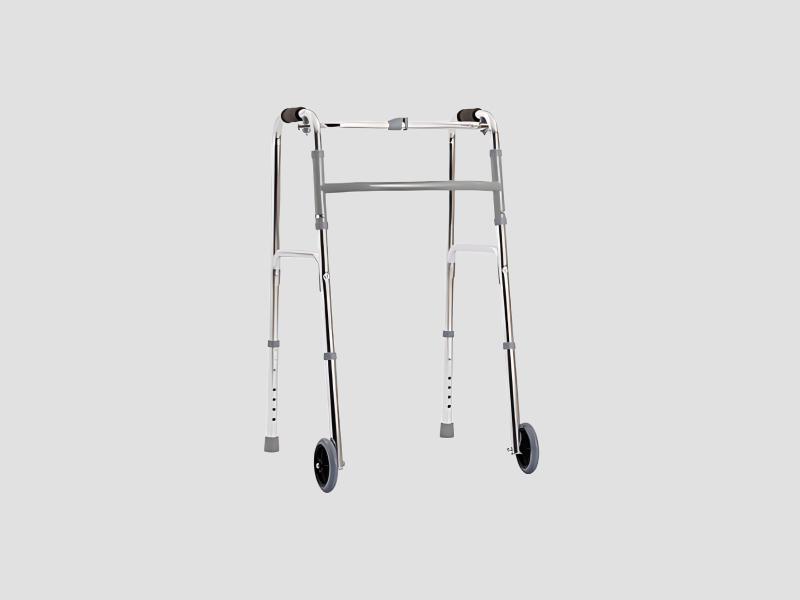
What are Wheeled Walkers (2-Wheel & 4-Wheel)?
Wheeled walkers are assistive mobility devices designed to provide support and stability for individuals with mobility challenges. They come in two primary configurations: 2-wheel and 4-wheel walkers. The 2-wheel walkers typically feature two wheels at the front and rubber tips at the back, allowing users to easily lift the rear and move forward. The 4-wheel models, on the other hand, have wheels at all four corners, offering enhanced mobility and ease of movement while providing a sturdy frame for support.
These walkers are commonly used in healthcare settings, rehabilitation facilities, and home care environments. They serve individuals recovering from surgery, elderly patients with reduced mobility, or those with chronic health conditions. In addition, wheeled walkers are essential tools in physical therapy, providing users with a means to regain strength and balance. The growing elderly population and the increasing incidence of mobility-related health issues contribute to the significant demand for these products in the market.
๐๐ฒ๐ ๐๐ฒ๐ฎ๐๐๐ฟ๐ฒ๐ ๐ฎ๐ป๐ฑ ๐ฆ๐ฝ๐ฒ๐ฐ๐ถ๐ณ๐ถ๐ฐ๐ฎ๐๐ถ๐ผ๐ป๐
Wheeled walkers are equipped with several key features that enhance their usability and effectiveness. Choosing the right walker involves understanding its specifications to meet the specific needs of users.
Key specifications include:
1. Weight Capacity
- Typically ranges from 250 to 350 pounds
- Important for ensuring user safety and stability
2. Walker Weight
- Usually between 5 to 10 pounds for easy transport
- Consideration for user handling and mobility
3. Handle Height Adjustment
- Adjustable from 28 to 36 inches
- Allows customization for user comfort
4. Wheel Size
- Commonly 5 to 8 inches in diameter
- Affects maneuverability on various surfaces
5. Braking System
- Hand brakes for security and control
- Important for safe stopping and stability
6. Foldability
- Many models can be easily folded for storage
- Facilitates transport in vehicles
7. Frame Material
- Typically aluminum or steel for durability
- Impacts overall weight and strength
8. Additional Accessories
- Some walkers include features like baskets or trays
- Enhances functionality for carrying personal items
In summary, understanding these specifications helps B2B buyers make informed decisions when sourcing wheeled walkers for their clients.
๐๐ผ๐บ๐บ๐ผ๐ป ๐๐ฝ๐ฝ๐น๐ถ๐ฐ๐ฎ๐๐ถ๐ผ๐ป๐ ๐ฎ๐ป๐ฑ ๐จ๐๐ฒ ๐๐ฎ๐๐ฒ๐
Wheeled walkers find applications across various industries, providing essential support for users with mobility challenges.
1. Healthcare: Hospitals and rehabilitation centers use wheeled walkers to assist patients in recovery processes, helping them regain strength and independence.
2. Home Care: Caregivers often recommend wheeled walkers for elderly patients at home, allowing for increased mobility and safety while moving around the house.
3. Senior Living Facilities: Assisted living communities utilize these walkers to support residents with mobility limitations, enhancing their quality of life.
4. Physical Therapy: Therapists incorporate wheeled walkers in rehabilitation programs, facilitating exercises that promote balance and coordination.
5. Retail Environments: Stores may provide wheeled walkers for customers with mobility issues, ensuring a more accessible shopping experience.
6. Community Centers: Various community programs use wheeled walkers in activities designed for older adults, promoting social engagement and physical activity.
7. Outdoor Activities: Some models are designed for outdoor use, enabling individuals to navigate parks and recreational areas safely.
๐ฃ๐ฟ๐ผ๐ฑ๐๐ฐ๐ ๐ฉ๐ฎ๐ฟ๐ถ๐ฎ๐ป๐๐ ๐ฎ๐ป๐ฑ ๐ฆ๐๐ฏ๐ฐ๐ฎ๐๐ฒ๐ด๐ผ๐ฟ๐ถ๐ฒ๐
Wheeled walkers come in various configurations to meet specific user needs.
2-Wheel Walker
This variant features two wheels at the front, allowing users to lift the back for easier movement. It is ideal for users who require minimal assistance and want to maintain some level of independence.
4-Wheel Walker
This model has wheels on all four corners, providing maximum mobility and stability. Often equipped with hand brakes, it is suitable for users who need more support while walking, especially in crowded or uneven environments.
๐๐ฒ๐ป๐ฒ๐ณ๐ถ๐๐ ๐ฎ๐ป๐ฑ ๐๐ฑ๐๐ฎ๐ป๐๐ฎ๐ด๐ฒ๐
Wheeled walkers offer numerous benefits that improve user mobility and safety.
1. Enhanced Stability: The design of wheeled walkers provides a stable support base, reducing the risk of falls for users.
2. Increased Mobility: With wheels, these walkers allow users to move more freely and easily than traditional walkers.
3. Adjustable Features: Many models come with adjustable height settings, accommodating a wide range of users.
4. Convenience: Foldable designs make them easy to transport and store, meeting the needs of both users and caregivers.
5. Versatility: Available in various configurations, wheeled walkers cater to different mobility needs, from basic support to advanced mobility solutions.
6. Safety Features: Hand brakes and sturdy frames enhance user safety, making them reliable for daily use.
๐๐๐๐ถ๐ป๐ด ๐๐๐ถ๐ฑ๐ฒ ๐ณ๐ผ๐ฟ ๐๐ฎ๐ ๐๐๐๐ฒ๐ฟ๐
When sourcing wheeled walkers, it is essential to consider several factors that influence the purchasing decision.
1. Quality Assessment: Evaluate the materials and construction quality to ensure durability. Look for walkers that meet industry standards for safety and performance.
2. Supplier Verification: Vet suppliers thoroughly to confirm their credibility. Check for customer reviews and their history in supplying medical equipment.
3. Pricing and MOQ: Understand the pricing structure and minimum order quantities to align with your budget and inventory needs.
4. Delivery and Lead Times: Discuss logistics with suppliers to ensure timely delivery. Consider lead times in your purchasing schedule to avoid disruptions.
5. Compliance Requirements: Ensure that products comply with relevant health and safety regulations. Familiarize yourself with any certifications required in your region.
๐๐ผ๐บ๐ฝ๐น๐ถ๐ฎ๐ป๐ฐ๐ฒ ๐ฎ๐ป๐ฑ ๐๐ฒ๐ฟ๐๐ถ๐ณ๐ถ๐ฐ๐ฎ๐๐ถ๐ผ๐ป๐
Wheeled walkers are subject to various compliance and certification standards that ensure their safety and effectiveness.
Relevant quality standards include ISO 9001, which focuses on quality management systems, and CE certification that indicates compliance with European health, safety, and environmental protection standards.
Additionally, industry-specific certifications may apply depending on the intended market. Safety and testing requirements necessitate that these devices undergo rigorous assessments to verify their stability, weight capacity, and durability.
Regional compliance considerations are also crucial. Different countries may have specific regulations governing the manufacturing and sale of assistive devices. Ensuring adherence to these requirements is vital for successful market entry and consumer safety.
Why Source Wheeled Walkers (2-Wheel & 4-Wheel) from Pepagora?
Pepagora offers a trusted platform for sourcing wheeled walkers, providing several key advantages to B2B buyers.
Verified Supplier Network: Our extensive network of verified suppliers ensures that you receive high-quality products. Each supplier goes through a thorough verification process, giving you confidence in your sourcing decisions.
Streamlined RFQ Process: Our Request for Quotation system simplifies the procurement process. It allows you to request quotes from multiple suppliers quickly, helping you to compare options and make informed purchases.
Trade Assurance and Support: We prioritize buyer protection through our trade assurance program. This feature guarantees your transactions are secure, providing peace of mind during the purchasing process.
Regional Coverage: With a broad geographic reach covering India, the GCC, and Southeast Asia, Pepagora connects buyers with local suppliers, enhancing accessibility and reducing shipping times. This regional focus supports efficient sourcing tailored to your specific market needs.