
 IN
Anti-Decubitus Pads
2 products available
What are Anti-Decubitus Pads?
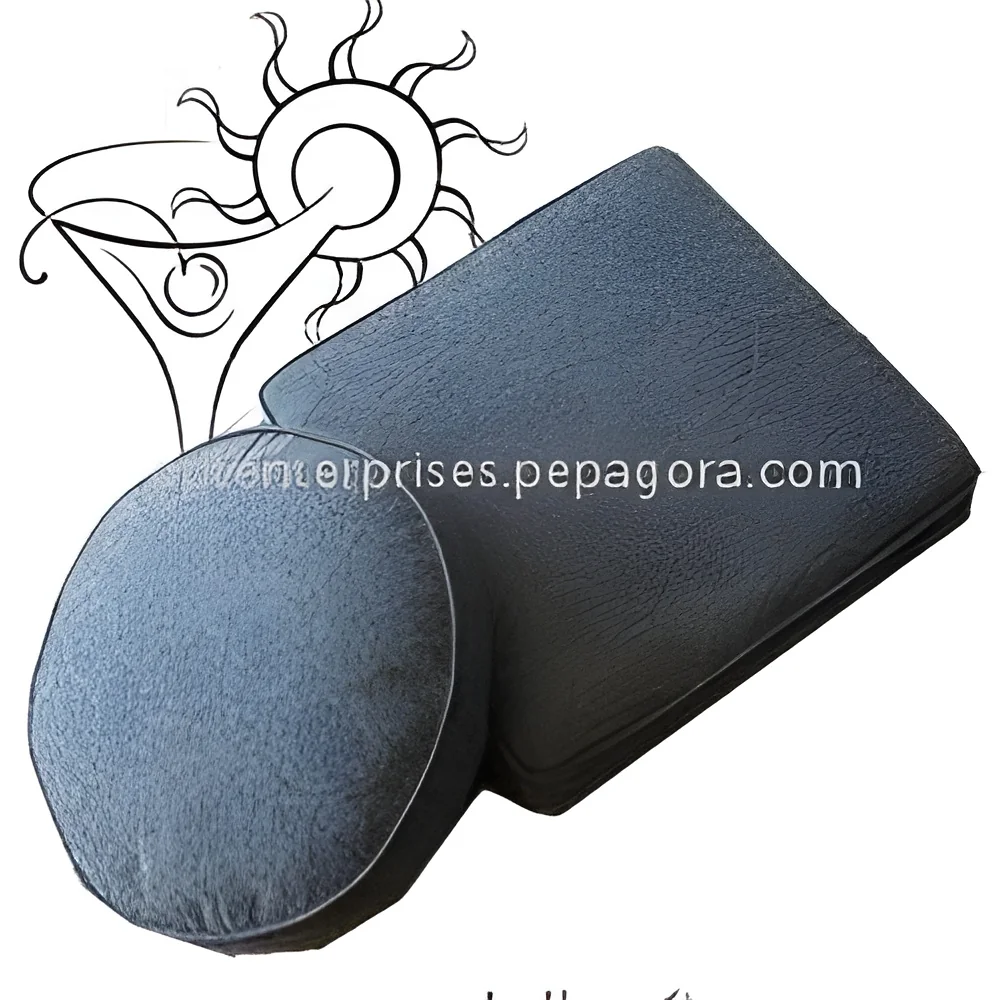
Anti-decubitus pads are specialized medical devices designed to prevent pressure ulcers, commonly known as bedsores, that can develop in individuals who are bedridden or have limited mobility. These pads are typically made from a combination of high-density foam, gel, or air-filled materials that help distribute body weight evenly, thereby reducing pressure on bony areas. This cushioning effect is crucial in preventing skin breakdown and promoting comfort for patients.
The primary use of anti-decubitus pads is in healthcare settings such as hospitals, nursing homes, and rehabilitation centers. They are often utilized for patients recovering from surgery, those with chronic illnesses, or anyone who spends extended periods in a single position. The relevance of these products in the healthcare market is significant due to rising patient populations requiring long-term care and the increasing awareness of the importance of pressure ulcer prevention. This has led to a growing demand for high-quality anti-decubitus pads that adhere to stringent safety and quality standards.
Key Features and Specifications
Anti-decubitus pads come with various features and specifications that enhance their effectiveness and usability. These specifications are designed to meet the needs of both patients and healthcare providers.
Key specifications include:
1. Material Composition
- Made from high-density foam, gel, or air-filled materials
- Provides optimal pressure distribution
2. Size Options
- Available in various dimensions to fit different bed sizes
- Common sizes include standard twin, full, and specialty shapes
3. Weight Capacity
- Designed to support a specific weight range
- Typically accommodates up to 250 kg (550 lbs)
4. Antimicrobial Properties
- Some pads are treated with antimicrobial agents
- Helps prevent bacterial growth and infections
5. Washability
- Covers may be removable and machine washable
- Ensures hygiene and ease of maintenance
6. Non-Slip Base
- Equipped with a non-slip bottom surface
- Prevents movement during use
7. Durability
- Constructed for long-term use
- Resistant to wear and tear
8. Certification
- CE marking for compliance with health and safety standards
- Indicates quality assurance in manufacturing
In summary, anti-decubitus pads are engineered with specific features that cater to the healthcare sector's requirements for patient care and comfort.
Common Applications and Use Cases
Anti-decubitus pads serve a wide range of industries, particularly those focused on patient care and health management.
1. Healthcare Facilities: Hospitals and clinics utilize these pads for patients at risk of developing pressure ulcers during prolonged bed rest or limited mobility.
2. Nursing Homes: Long-term care facilities rely on anti-decubitus pads to ensure the comfort and safety of elderly residents, who are often more susceptible to skin breakdown.
3. Rehabilitation Centers: Patients recovering from surgeries or injuries benefit from the use of these pads to facilitate healing while minimizing pressure on vulnerable areas.
4. Home Care: Caregivers in home settings use anti-decubitus pads to provide additional comfort and support for individuals with mobility challenges.
5. Palliative Care: In hospice settings, these pads help maintain patient comfort during end-of-life care, enhancing the quality of life for patients.
6. Sports Medicine: Athletes recovering from injuries may use specialized anti-decubitus pads during rehabilitation to ensure optimal recovery conditions.
7. Veterinary Care: Animal hospitals may also employ similar pads to manage pressure sores in pets that are immobilized due to injury or surgery.
Product Variants and Subcategories
Anti-decubitus pads come in various designs to meet specific user needs and preferences.
Gel-Filled Pads: These pads utilize gel technology to provide superior pressure relief and comfort. They are often used in hospital settings for patients who require additional cushioning.
Foam Pads: High-density foam pads are a popular choice for general use. They are lightweight, affordable, and provide adequate support for a wide range of applications.
Air-Inflated Pads: These pads use air cells to distribute weight evenly. They are adjustable and can be customized based on the user's needs, making them suitable for patients with varying levels of mobility.
Customizable Pads: Some manufacturers offer pads that can be tailored to specific sizes and features, ensuring a perfect fit for unique requirements.
Benefits and Advantages
Sourcing anti-decubitus pads provides several key benefits for healthcare providers and patients alike.
1. Pressure Relief: These pads significantly reduce pressure on vulnerable areas, lowering the risk of skin ulcers.
2. Enhanced Comfort: The cushioning effect promotes comfort for patients, allowing for longer periods of rest without discomfort.
3. Infection Control: Many pads possess antimicrobial properties, helping to minimize the risk of infections and improve overall hygiene.
4. Easy Maintenance: Removable and washable covers make it simple to maintain cleanliness and extend the lifespan of the product.
5. Custom Fit: With various sizes and shapes available, users can find a pad that meets their specific needs.
6. Cost-Effectiveness: By preventing pressure ulcers, these pads help reduce the costs associated with treatments and complications.
Buying Guide for B2B Buyers
When sourcing anti-decubitus pads, several factors should be considered to ensure the best purchase decision.
1. Quality Assessment: Evaluate the materials and construction of the pads. Look for certifications that ensure adherence to quality standards and safety regulations.
2. Supplier Verification: Vet suppliers to confirm their reliability and reputation in the market. Check for customer reviews and industry credentials.
3. Pricing and MOQ: Understand the pricing structure and minimum order quantities offered by suppliers. This will help in budgeting and inventory management.
4. Delivery and Lead Times: Inquire about logistics, including expected delivery times and shipping options to ensure timely availability of products.
5. Compliance Requirements: Ensure that the products meet local regulatory standards and certifications, such as CE marking, to guarantee safety and quality.
Compliance and Certifications
Anti-decubitus pads are subject to various quality standards and compliance requirements to ensure their safety and effectiveness in healthcare environments.
Relevant quality standards such as ISO 9001 are often applied to manufacturing processes, ensuring that products are consistently produced to meet customer and regulatory requirements. Additionally, compliance with HACCP guidelines may be important for products used in healthcare settings.
Industry certifications, such as CE marking, indicate that the pads conform to European health, safety, and environmental protection standards. This certification assures users that the product has undergone rigorous testing.
Safety and testing requirements are crucial for anti-decubitus pads, as they must be evaluated for durability, material safety, and performance under various conditions. Regional compliance considerations may also vary, requiring manufacturers to adapt products to meet local regulations.
Why Source Anti-Decubitus Pads from Pepagora?
Pepagora provides a trusted platform for sourcing anti-decubitus pads, offering several key advantages that make it a preferred choice for B2B buyers.
Verified Supplier Network: Pepagora connects buyers with a network of verified suppliers, ensuring that products meet high-quality standards. This network is built on trust and transparency, allowing buyers to select reputable manufacturers.
Streamlined RFQ Process: The request for quotation (RFQ) process on Pepagora is designed to be efficient and user-friendly. Buyers can easily compare options and receive responses from multiple suppliers, saving time and resources.
Trade Assurance and Support: Pepagora offers trade assurance and support services, providing buyers with protection throughout the purchasing process. This assurance helps mitigate risks and ensures a smooth transaction experience.
Regional Coverage: With a strong presence in regions like India, the GCC, and Southeast Asia, Pepagora is well-positioned to serve diverse markets. This regional expertise allows for customized solutions that cater to local demands and compliance standards.

Frequently Asked Questions
What are Anti-Decubitus Pads?
Anti-Decubitus Pads are specialized cushioning products designed to prevent pressure ulcers, commonly known as bedsores, in individuals who are bedridden or have limited mobility. They are typically made from materials that distribute weight evenly and reduce pressure on sensitive areas of the body.
What are the different types of Anti-Decubitus Pads?
There are several types of Anti-Decubitus Pads including foam pads, gel pads, air cushions, and hybrid pads that combine different materials. Each type offers varying levels of support and comfort, catering to the specific needs of patients.
How do I choose the right Anti-Decubitus Pads?
Choosing the right Anti-Decubitus Pads involves considering factors such as the patient's level of mobility, the severity of skin condition, and the type of surface the pad will be used on. It's also important to assess the thickness, material, and design of the pad to ensure optimal pressure relief.
What are the standard specifications for Anti-Decubitus Pads?
Standard specifications for Anti-Decubitus Pads include dimensions, weight capacity, material composition, and thickness. Additionally, some pads may feature removable covers for easy cleaning and maintenance.
What is the price range for Anti-Decubitus Pads?
The price range for Anti-Decubitus Pads can vary widely based on type and quality, generally ranging from INR 1,000 to INR 10,000. Higher-end options with advanced features may cost more, while basic models are typically more affordable.
What quality standards apply to Anti-Decubitus Pads?
Anti-Decubitus Pads must meet specific quality standards to ensure safety and effectiveness, such as ISO and CE certifications. These standards help to guarantee the reliability and durability of the pads in clinical settings.
Where can I find Anti-Decubitus Pads suppliers in India?
You can find Anti-Decubitus Pads suppliers in India through various online B2B marketplaces, medical supply stores, and healthcare product distributors. Platforms like Pepagora.com offer a comprehensive list of manufacturers and suppliers.
Can Anti-Decubitus Pads be customized?
Yes, many manufacturers offer customization options for Anti-Decubitus Pads to meet specific client requirements. Custom features may include size adjustments, material selection, and branding options.
What is the typical minimum order quantity for Anti-Decubitus Pads?
The typical minimum order quantity (MOQ) for Anti-Decubitus Pads varies by supplier but generally ranges from 10 to 50 units. It's advisable to check with the specific supplier for their MOQ requirements.
What is the typical lead time for Anti-Decubitus Pads?
The typical lead time for Anti-Decubitus Pads can range from 1 to 4 weeks depending on the supplier and the availability of materials. Custom orders may take longer, so it's important to confirm timelines with the supplier.
Why Businesses Trust Pepagora
Thousands of companies trust Pepagora to source smarter and sell faster
Expand Your Sales Globally

Source Smarter,Grow Faster
