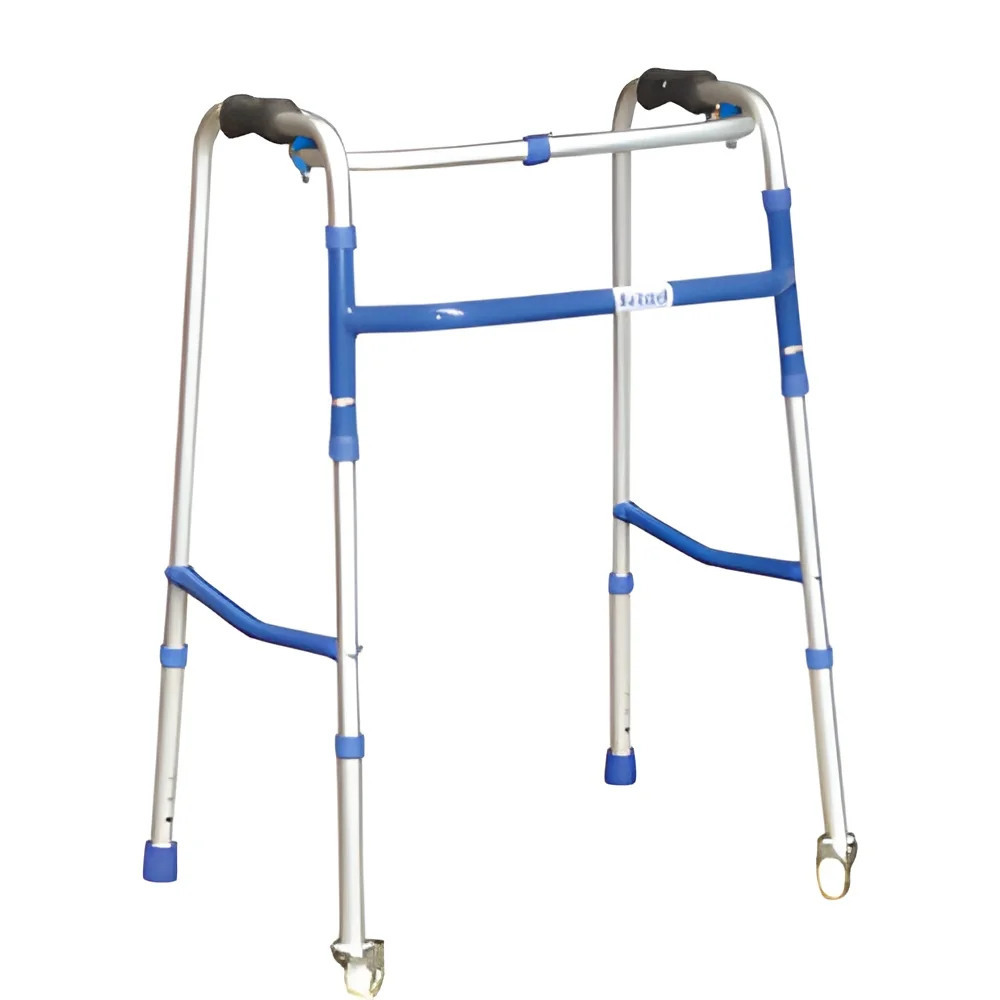
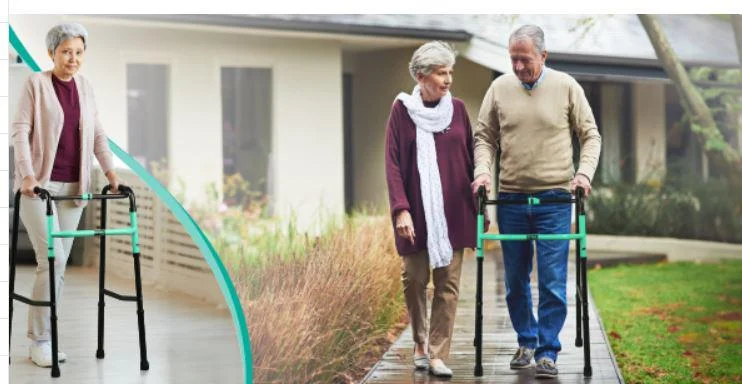
What are Walking Frames for Elderly?
Walking frames for the elderly are mobility aids designed to provide support and stability for individuals who may have difficulty walking independently. These frames are typically made from lightweight materials and feature a sturdy structure that allows users to lean on them while taking steps. Walking frames come in various designs, including standard, wheeled, and adjustable models, catering to different levels of mobility and user needs.
The primary applications of walking frames are in healthcare settings, rehabilitation facilities, and home care environments. They are commonly used by elderly individuals recovering from surgeries, injuries, or those suffering from chronic conditions that affect balance and coordination. These aids help enhance mobility, promote independence, and reduce the risk of falls, making them essential tools for caregivers and healthcare providers. The growing aging population and increasing awareness of mobility solutions have contributed to a steady demand for walking frames in the market.
The relevance of walking frames in the healthcare industry cannot be overstated. As global demographics shift towards an older population, the need for effective mobility aids continues to rise. Walking frames cater to this demand by improving the quality of life for seniors, allowing them to maintain an active lifestyle while ensuring safety and support during their daily activities.
Key Features and Specifications
Walking frames for the elderly come with a range of features designed to enhance functionality and user comfort. Understanding these specifications is crucial for selecting the right model for various applications.
Key specifications include:
1. Frame Material
- Typically made from lightweight aluminum or steel for durability
- Provides a balance of strength and portability
2. Weight Capacity
- Commonly supports users weighing up to 300 pounds
- Ensures safety for a wide range of users
3. Adjustable Height
- Features adjustable legs to accommodate different user heights
- Allows for customization to improve comfort and usability
4. Wheel Configuration
- Available with fixed or swivel wheels for ease of movement
- Some models offer a combination of both for versatility
5. Grip Handles
- Ergonomically designed handles for a comfortable grip
- Enhances user control and stability
6. Foldability
- Many models fold for easy transportation and storage
- Convenient for users who travel or have limited space
7. Braking System
- Some frames include hand brakes for added security
- Provides stability when standing or sitting
8. Color Options
- Various color finishes to suit personal preferences
- Allows for personalization in care settings
These specifications ensure that walking frames meet the diverse needs of users while providing reliable support and safety.
Common Applications and Use Cases
Walking frames serve various industries, providing critical support to users in multiple contexts.
1. Healthcare Facilities: In hospitals and rehabilitation centers, walking frames assist patients in regaining mobility after surgery or injury, facilitating physical therapy and rehabilitation.
2. Home Care: Caregivers utilize walking frames in home settings to help elderly individuals navigate their living spaces safely, promoting independence and reducing fall risks.
3. Senior Living Communities: Walking frames are commonly used in assisted living facilities, allowing residents to maintain an active lifestyle and participate in community activities.
4. Physical Therapy: Therapists incorporate walking frames into treatment plans for patients recovering from strokes or other conditions that impair mobility, aiding in strength and balance training.
5. Sports and Recreation: Some walking frames are adapted for use in recreational activities, helping seniors engage in outdoor walking or exercise sessions safely.
6. Geriatric Services: Organizations focused on elder care often recommend walking frames as part of their mobility solutions, improving the overall well-being of their clients.
7. Occupational Therapy: Occupational therapists employ walking frames to assist clients in relearning movement patterns and improving functional mobility in daily tasks.
Product Variants and Subcategories
Walking frames for the elderly come in various designs to cater to different user needs and preferences. This diversity allows for tailored solutions that enhance mobility and safety.
Standard Walking Frames: These traditional models provide basic support with a simple frame design. They are ideal for users who require stability but do not need additional features such as wheels.
Wheeled Walking Frames: These frames incorporate wheels, making it easier for users to move in various directions without lifting the frame. They are suitable for individuals who have some strength and coordination.
Adjustable Walking Frames: Featuring adjustable height settings, these frames accommodate users of different heights, ensuring proper ergonomic alignment for comfort and safety.
Folding Walking Frames: These models are designed for easy storage and transportation, allowing users to take them along when traveling or visiting family.
Lightweight Walking Frames: Constructed from materials such as aluminum, these frames are easy to handle, making them ideal for those who may have limited strength.
Benefits and Advantages
Walking frames for the elderly offer numerous benefits that significantly enhance the quality of life for users.
1. Improved Mobility: Walking frames allow users to move around more freely, promoting independence and active living.
2. Fall Prevention: By providing stability and support, walking frames reduce the risk of falls, which is critical for maintaining safety, especially in the elderly.
3. Enhanced Confidence: With reliable support, users often feel more secure while walking, leading to increased confidence in their mobility.
4. Customizable Features: Many walking frames come with adjustable height and add-on features, allowing for personalized use based on individual needs.
5. Easy Storage and Transport: Foldable designs make walking frames convenient for travel, enabling users to maintain their mobility on the go.
6. Support for Rehabilitation: Walking frames are essential tools in physical therapy and rehabilitation, assisting users in regaining strength and coordination.
Buying Guide for B2B Buyers
When sourcing walking frames for the elderly, several factors should be considered to ensure a suitable purchase.
1. Quality Assessment: Evaluate the materials and construction of the walking frames. Look for models that meet industry standards for durability and safety.
2. Supplier Verification: Ensure that suppliers are reputable and have a history of providing reliable products. Check for customer reviews and testimonials.
3. Pricing and MOQ: Understand the pricing structures and minimum order quantities. Consider bulk purchasing options to optimize costs.
4. Delivery and Lead Times: Discuss logistics with suppliers to ensure that delivery timelines meet your needs without compromising on quality.
5. Compliance Requirements: Be aware of any regulatory certifications required in your region, such as CE marking or other safety standards, to ensure products are compliant.
Compliance and Certifications
Compliance and certifications play a crucial role in ensuring the safety and effectiveness of walking frames for the elderly. Various quality standards such as ISO 9001 and CE certification ensure that products meet rigorous safety and quality requirements.
ISO 9001 is a widely recognized standard that focuses on quality management systems, ensuring that manufacturers maintain high production standards.
CE certification indicates that a product meets European safety, health, and environmental protection requirements. It is essential for products sold within the European market.
In addition to these standards, walking frames may also be subject to safety testing to confirm their stability and durability under various conditions. Manufacturers must adhere to regional compliance considerations to ensure that their products are suitable for different markets.
Why Source Walking Frames for Elderly from Pepagora?
Pepagora provides a trusted platform for sourcing walking frames for the elderly, offering several key advantages that set it apart from other suppliers.
Verified Supplier Network: Pepagora features a comprehensive network of verified suppliers, ensuring that buyers can find high-quality products that meet their specific needs. Each supplier undergoes a rigorous vetting process to establish reliability and trust.
Streamlined RFQ Process: The platform simplifies the request for quotation (RFQ) process, allowing buyers to easily compare options and receive competitive pricing from multiple suppliers. This efficiency saves time and effort in the sourcing process.
Trade Assurance and Support: Pepagora offers trade assurance and support, providing buyers with protection and assistance throughout their purchasing journey. This feature helps mitigate risks associated with sourcing products.
Regional Coverage: Pepagora's geographic reach encompasses India, the GCC, and Southeast Asia, making it a valuable resource for businesses looking to source walking frames in these regions. This broad coverage ensures that buyers have access to a wide range of products and suppliers.

 IN
IN