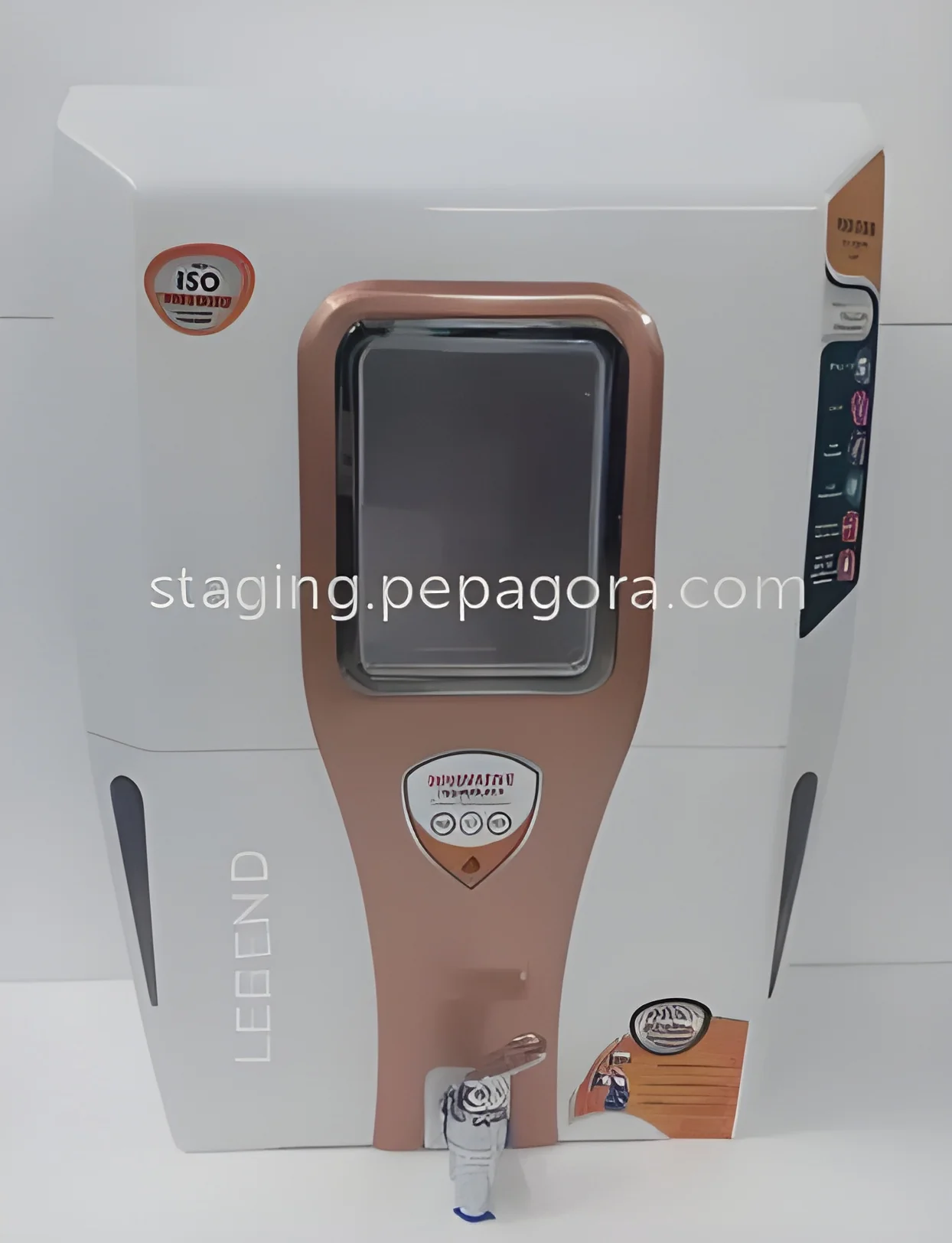
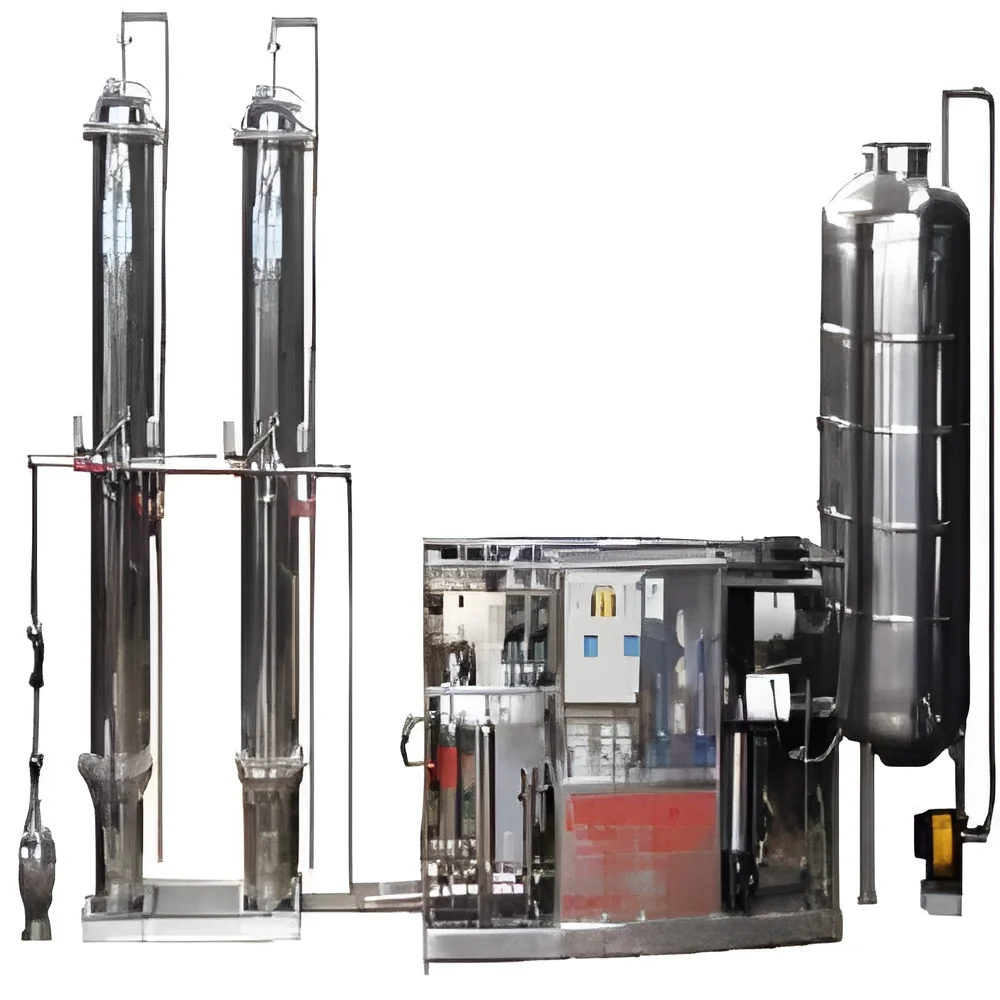
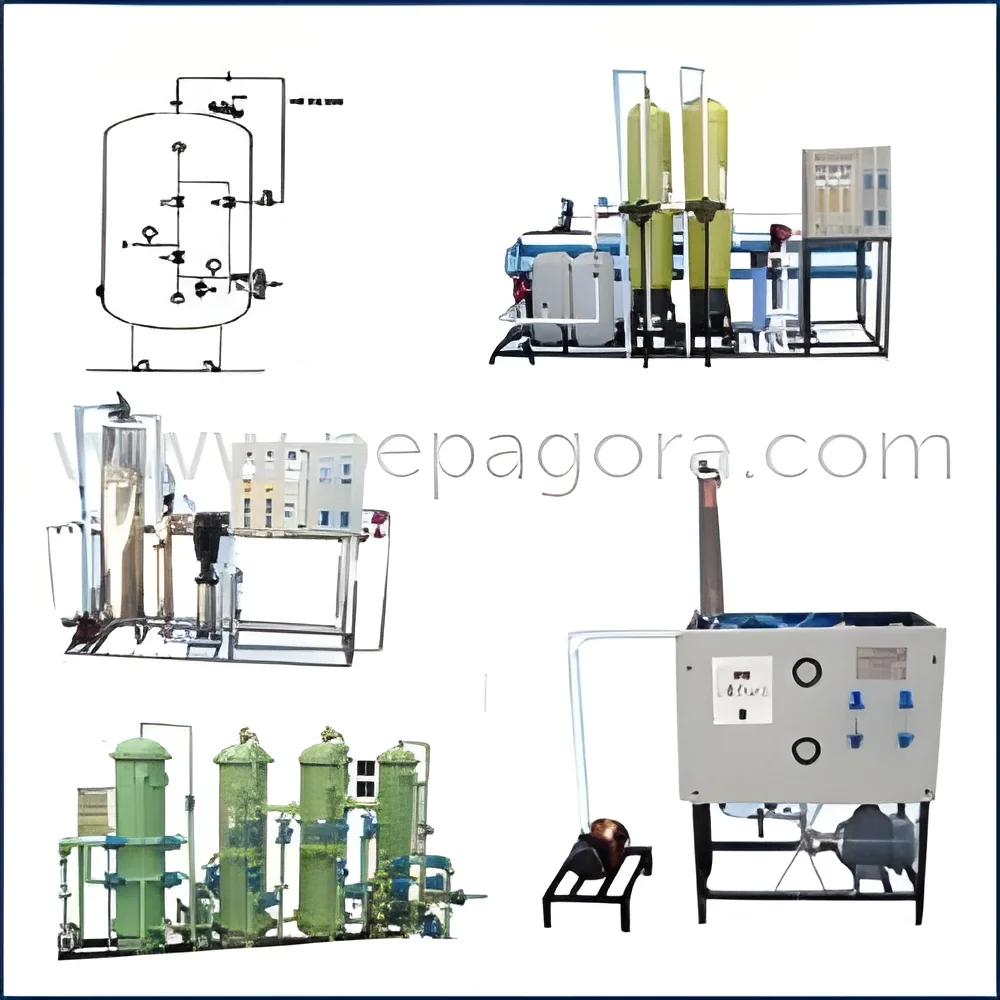
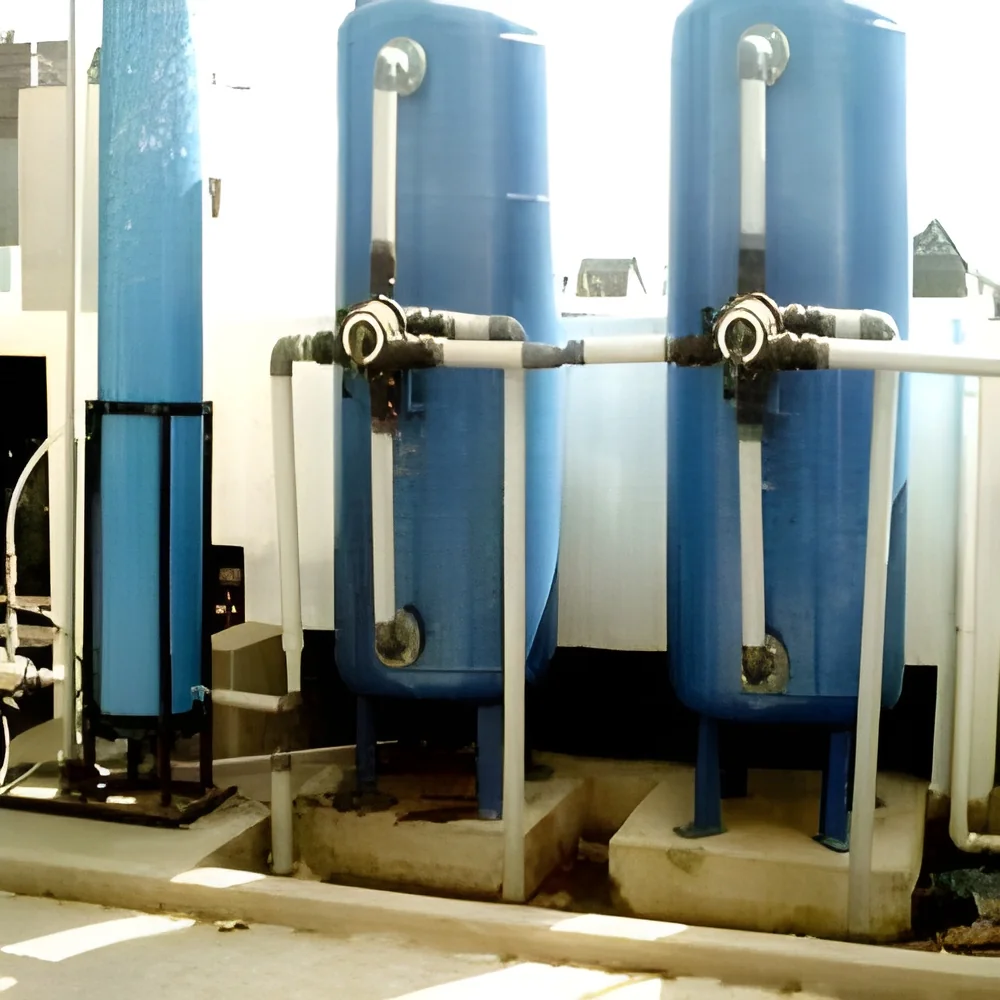
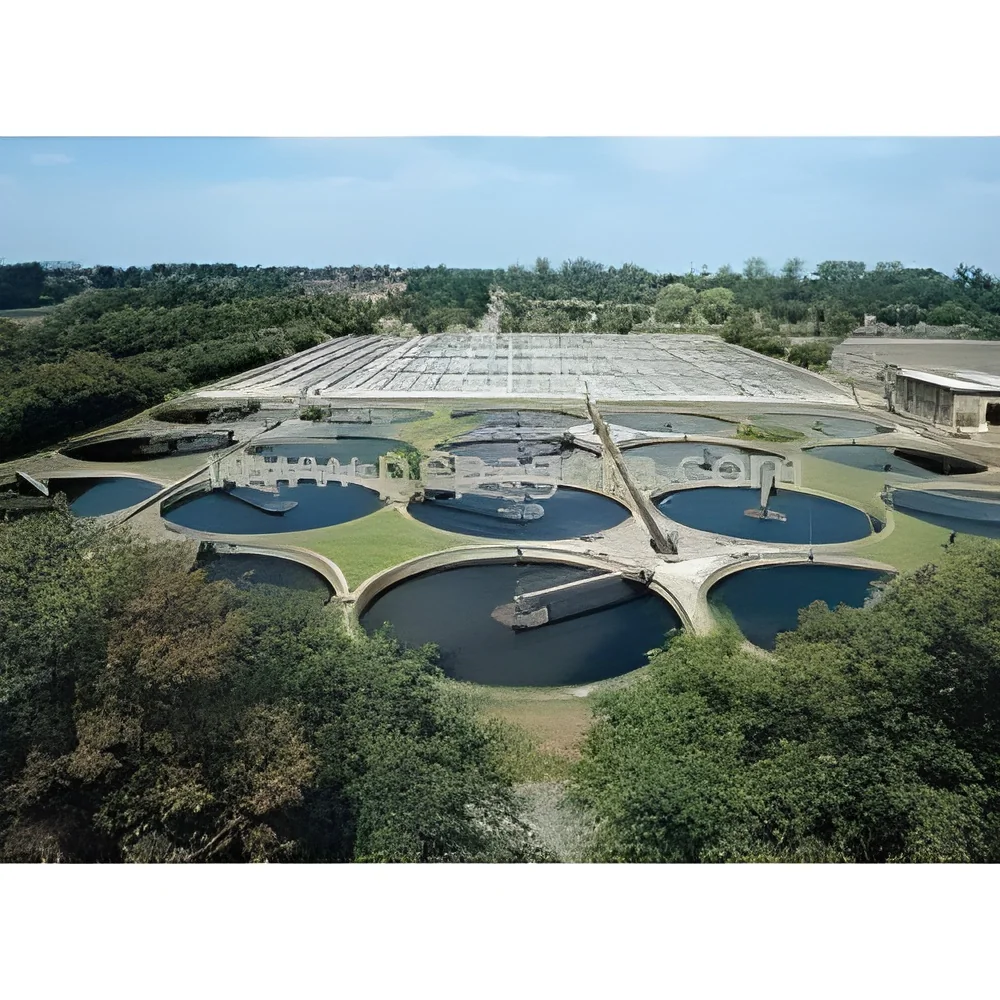
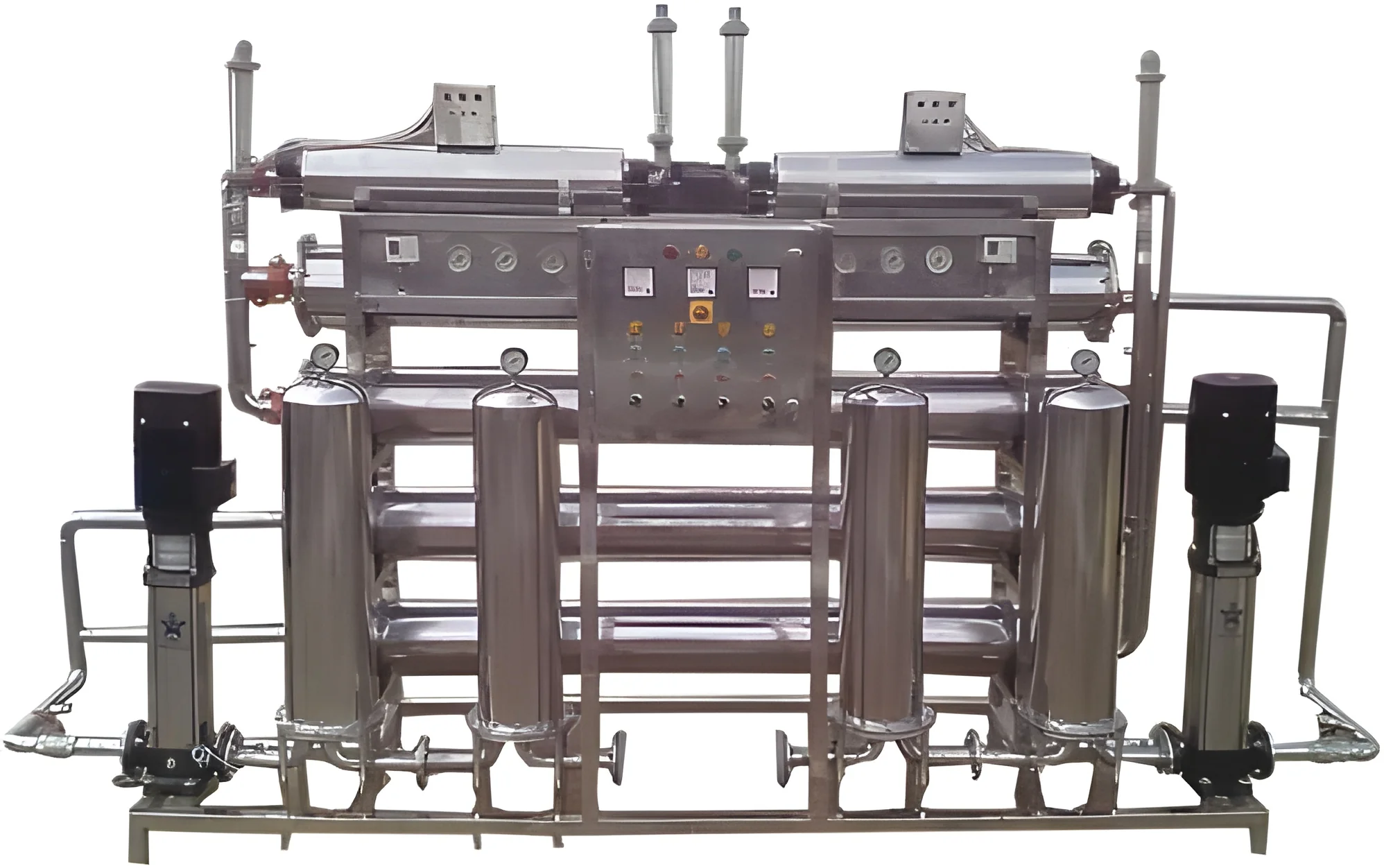
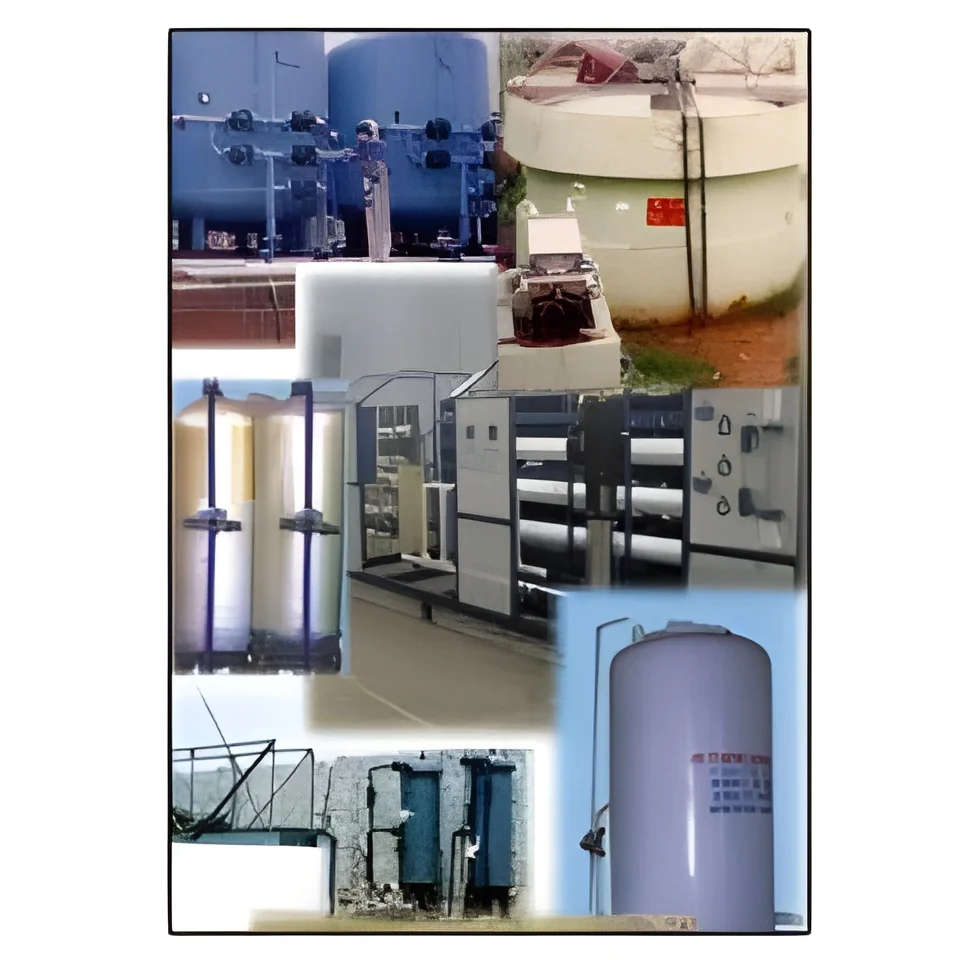
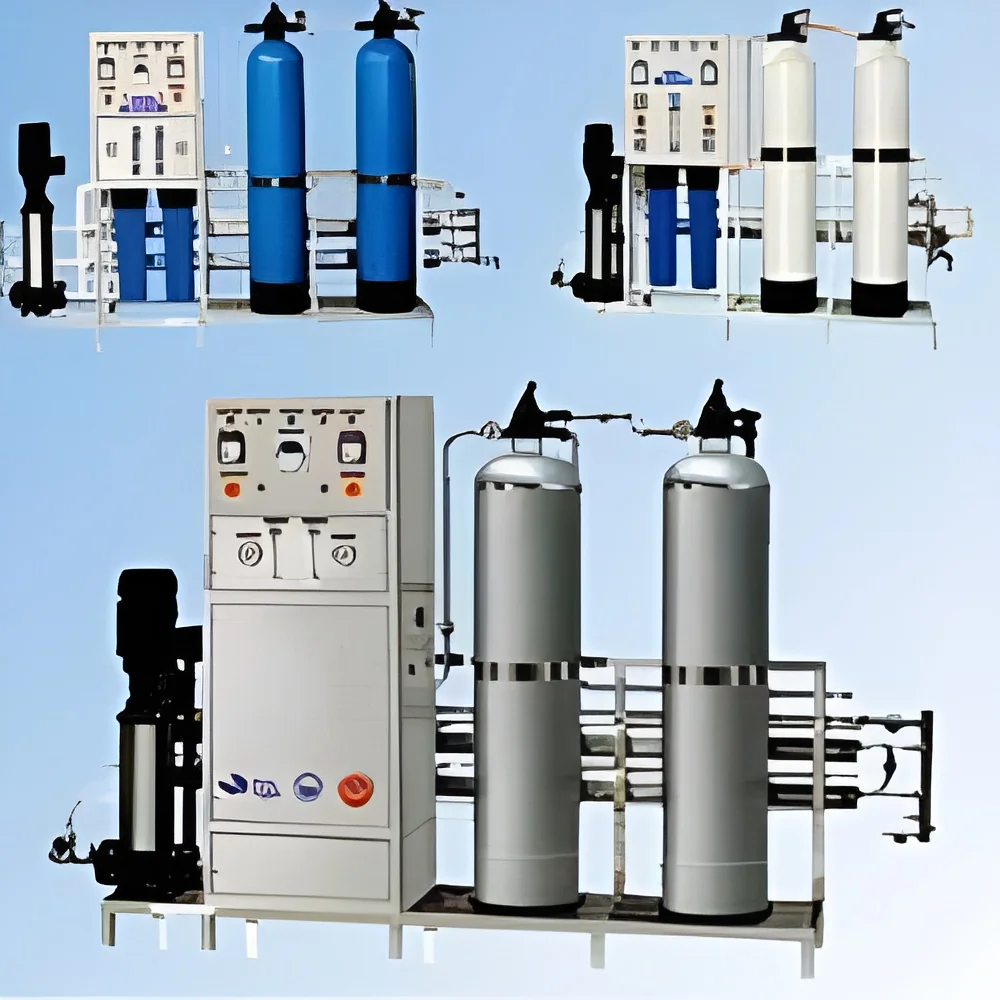
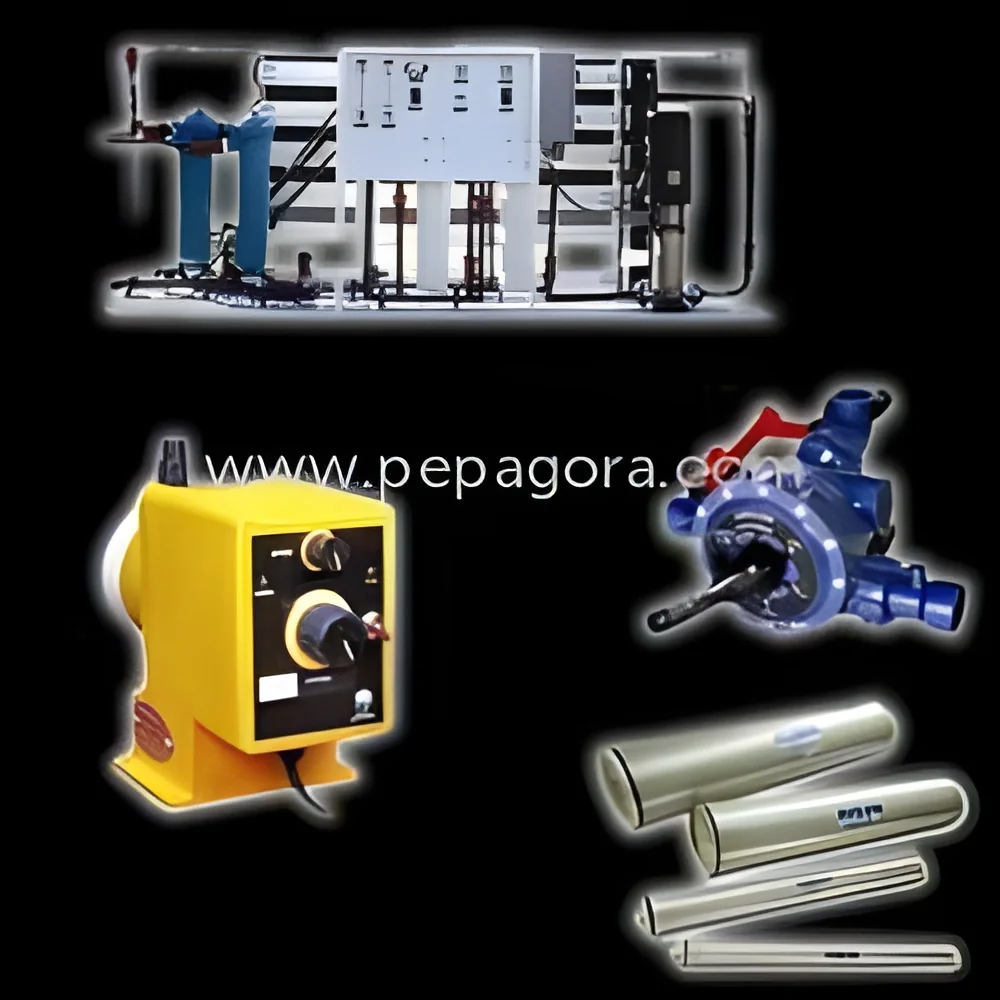
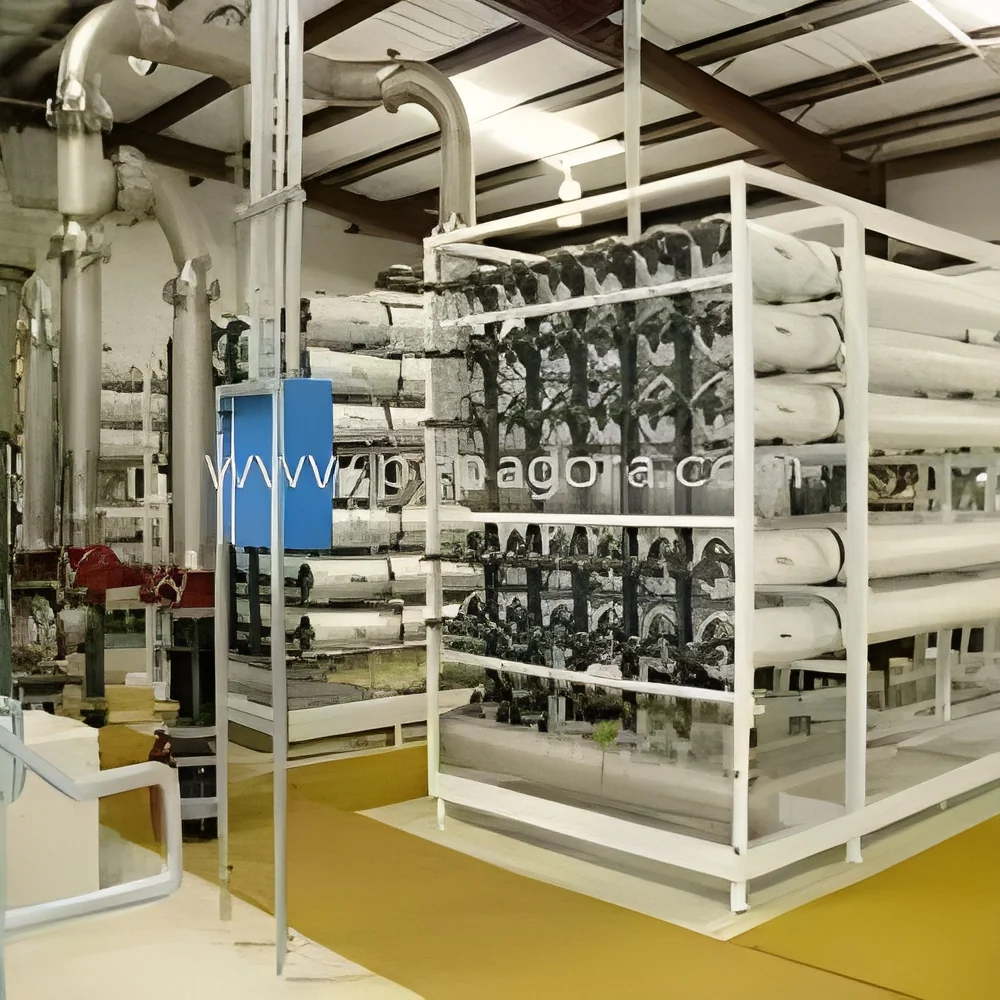
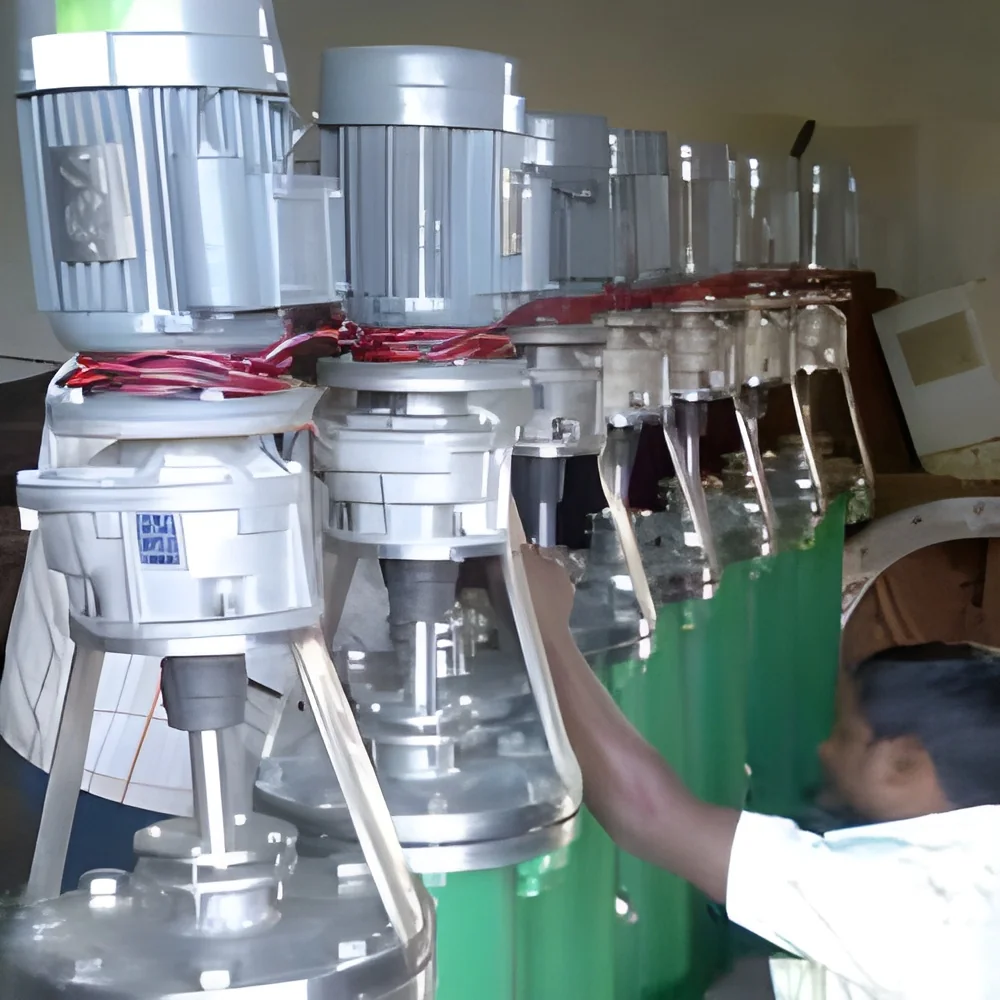
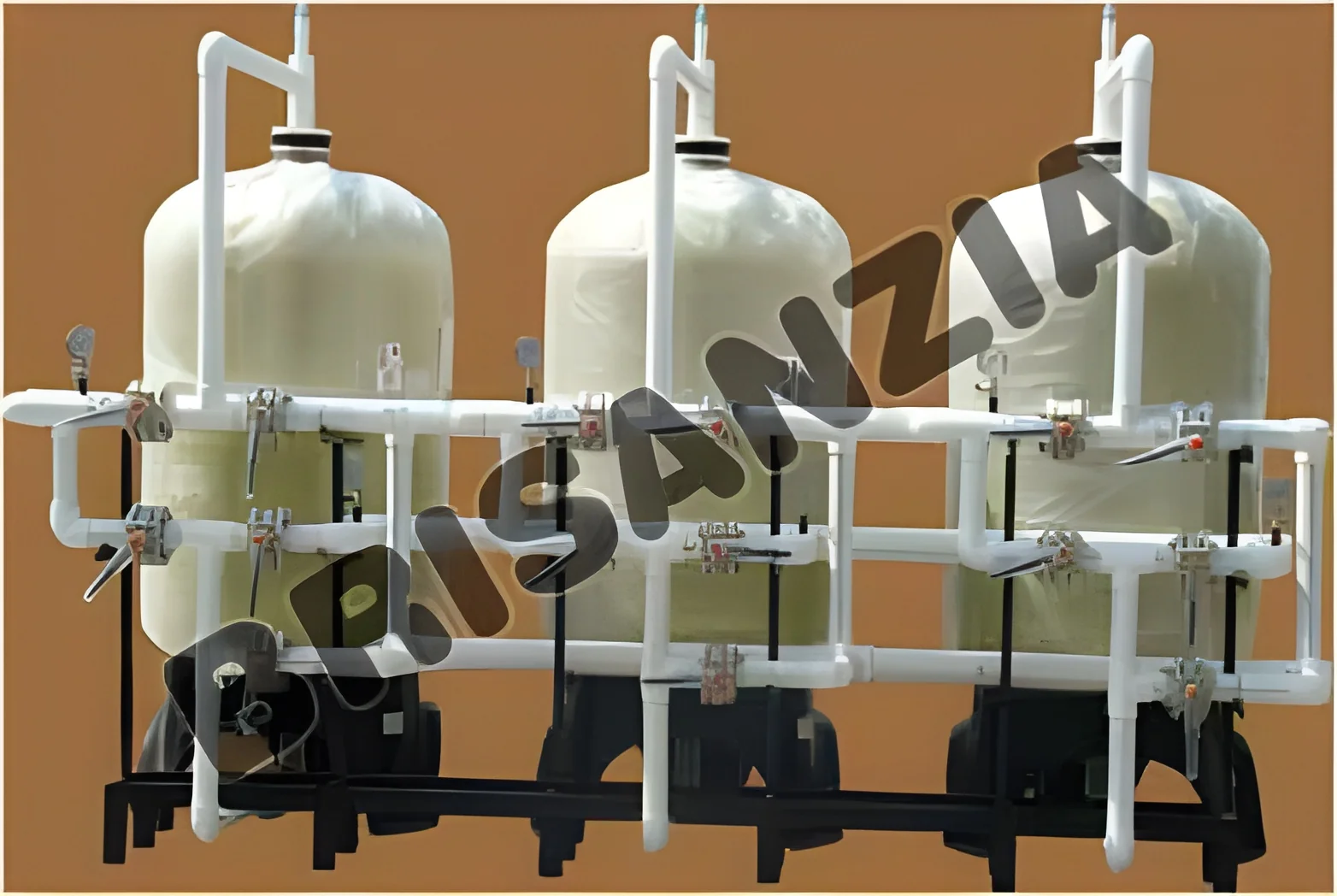
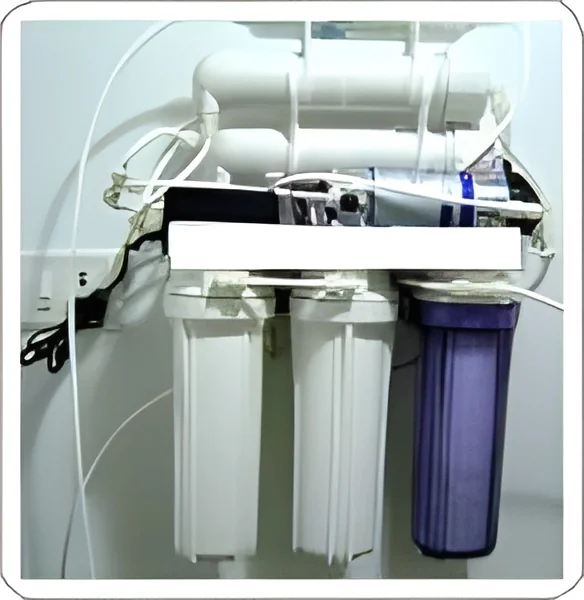
What are Water Treatment & RO Plant Leasing?
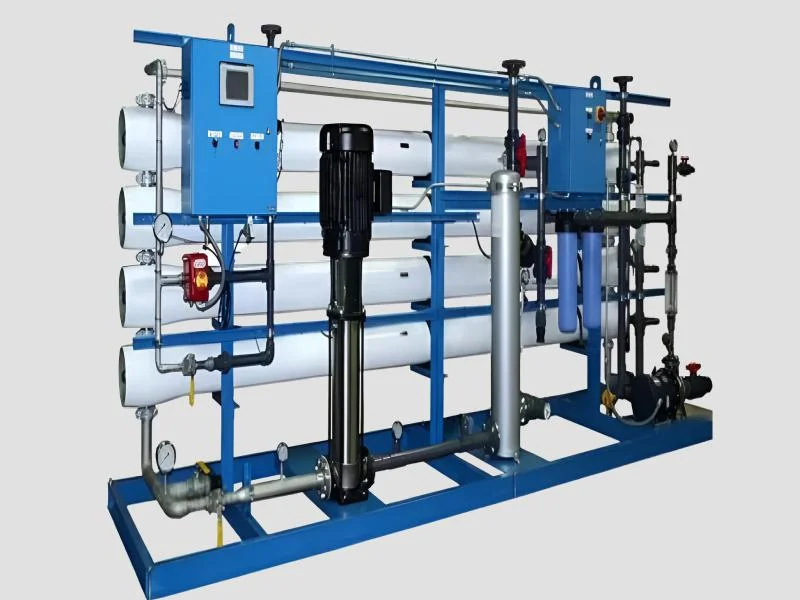
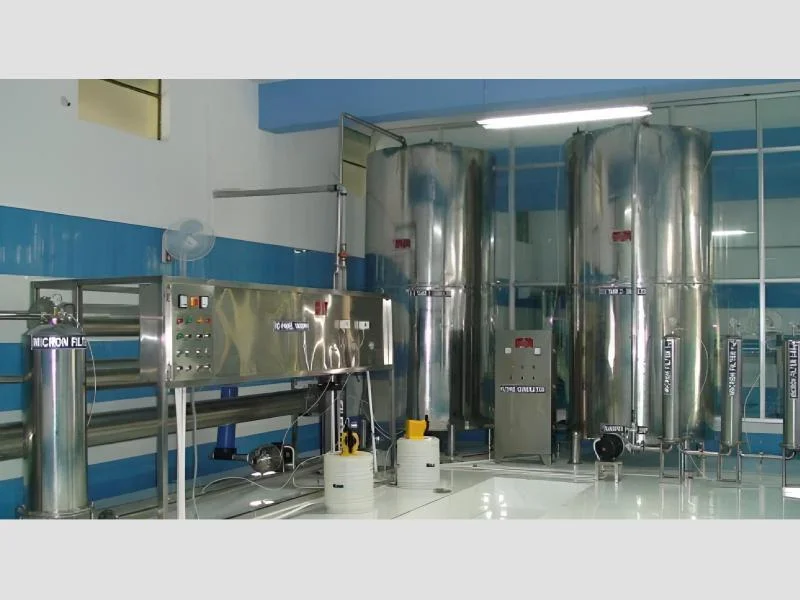
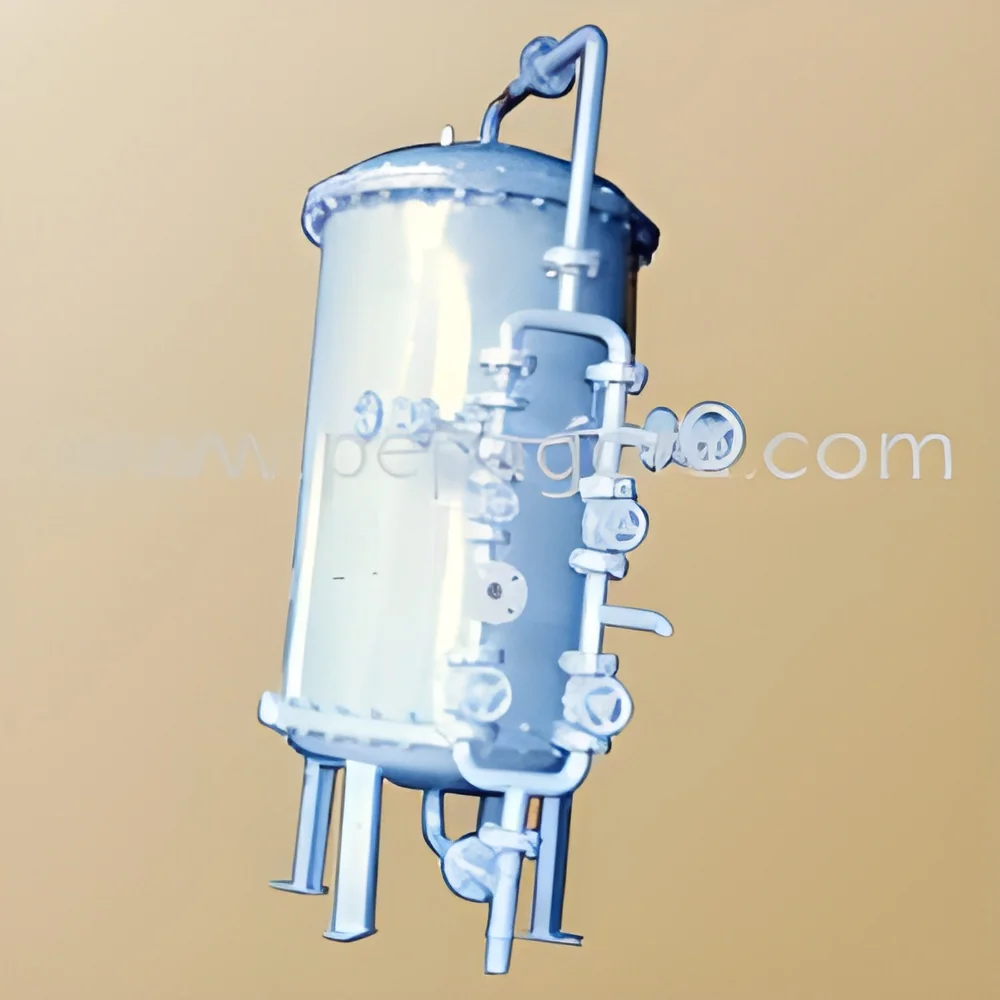
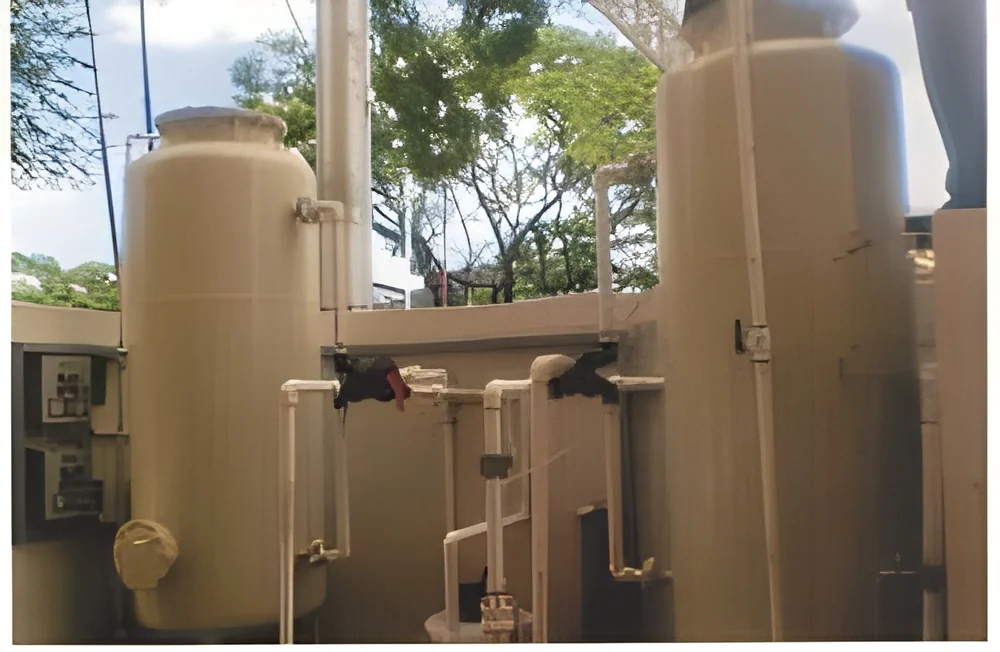
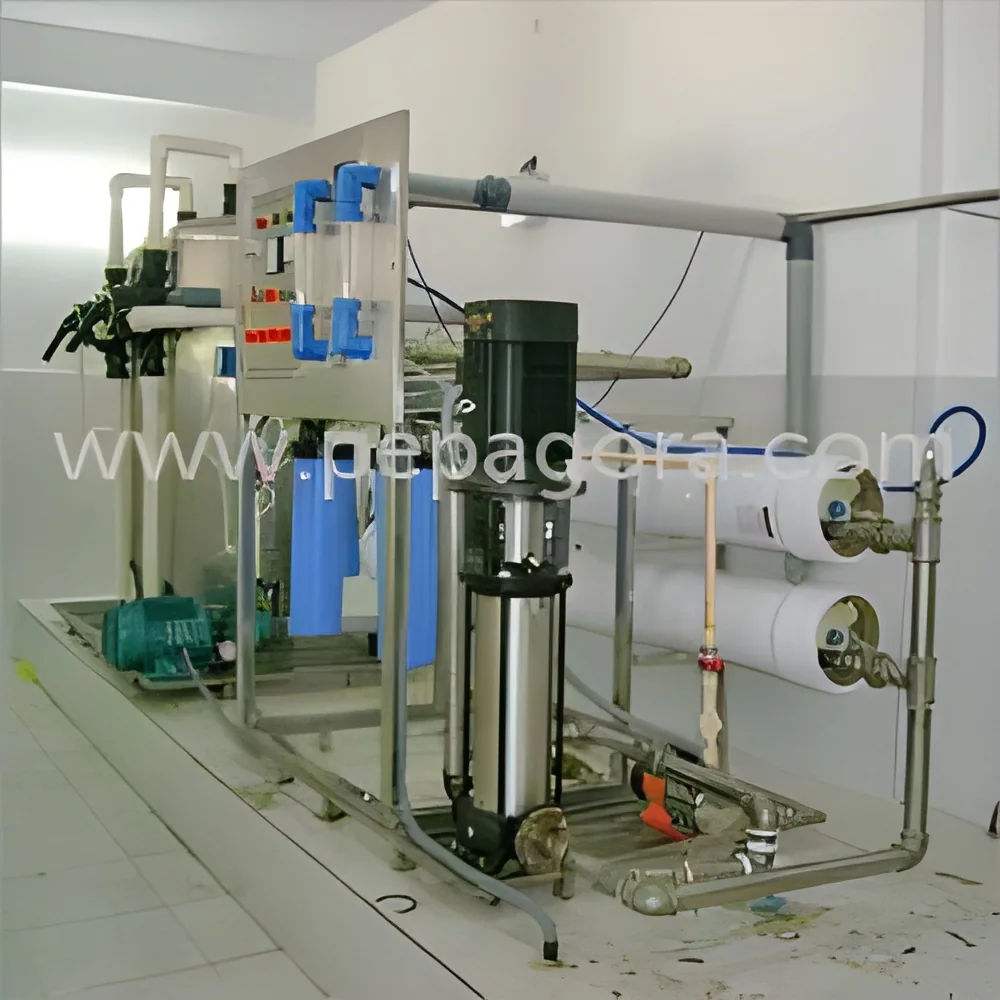
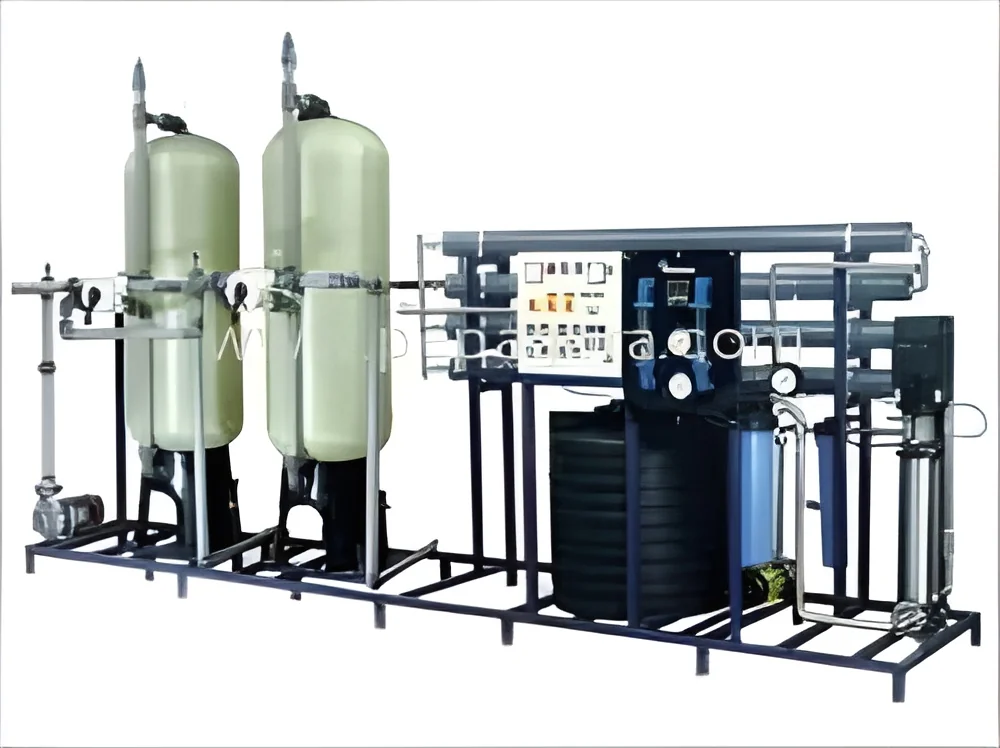
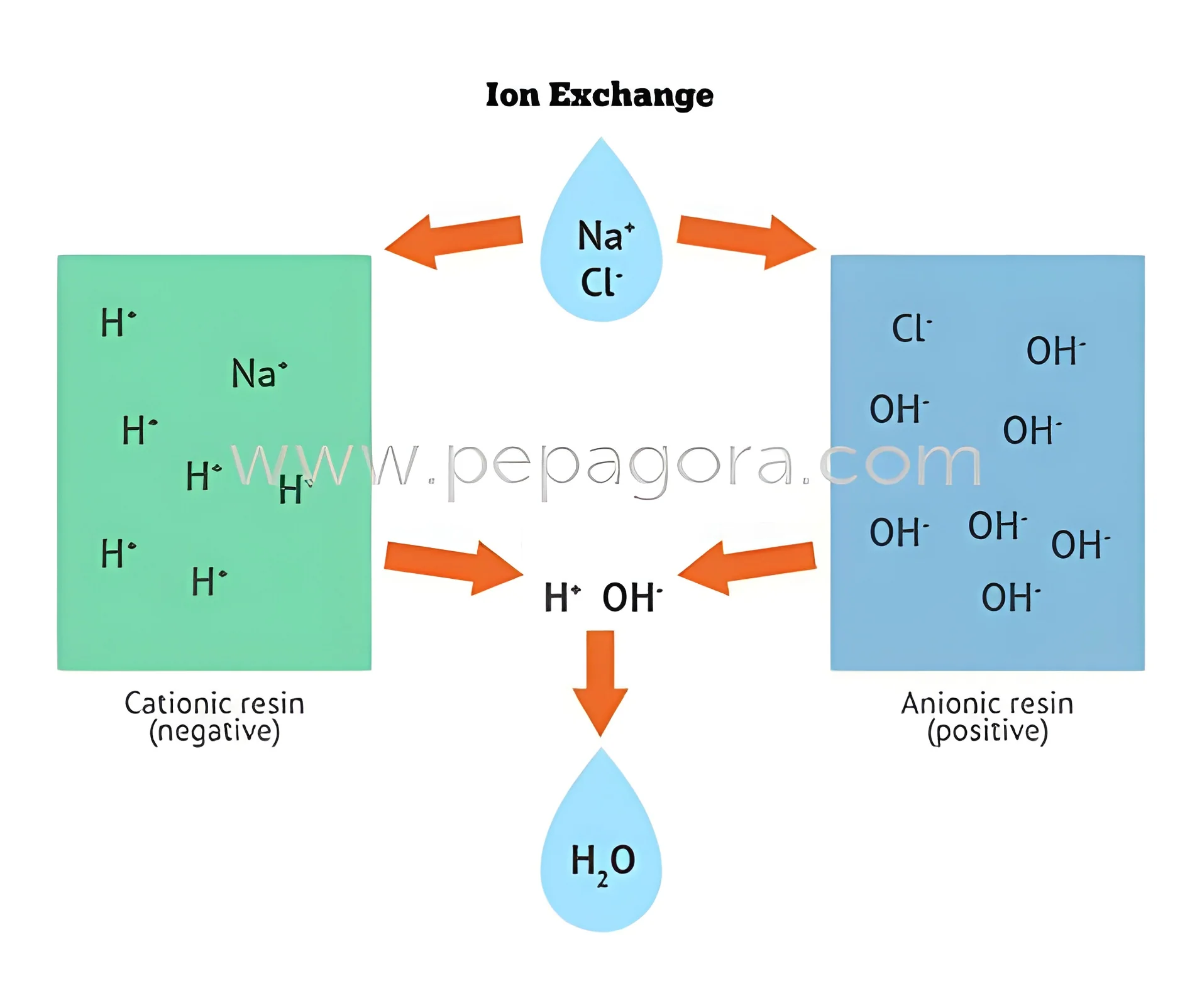
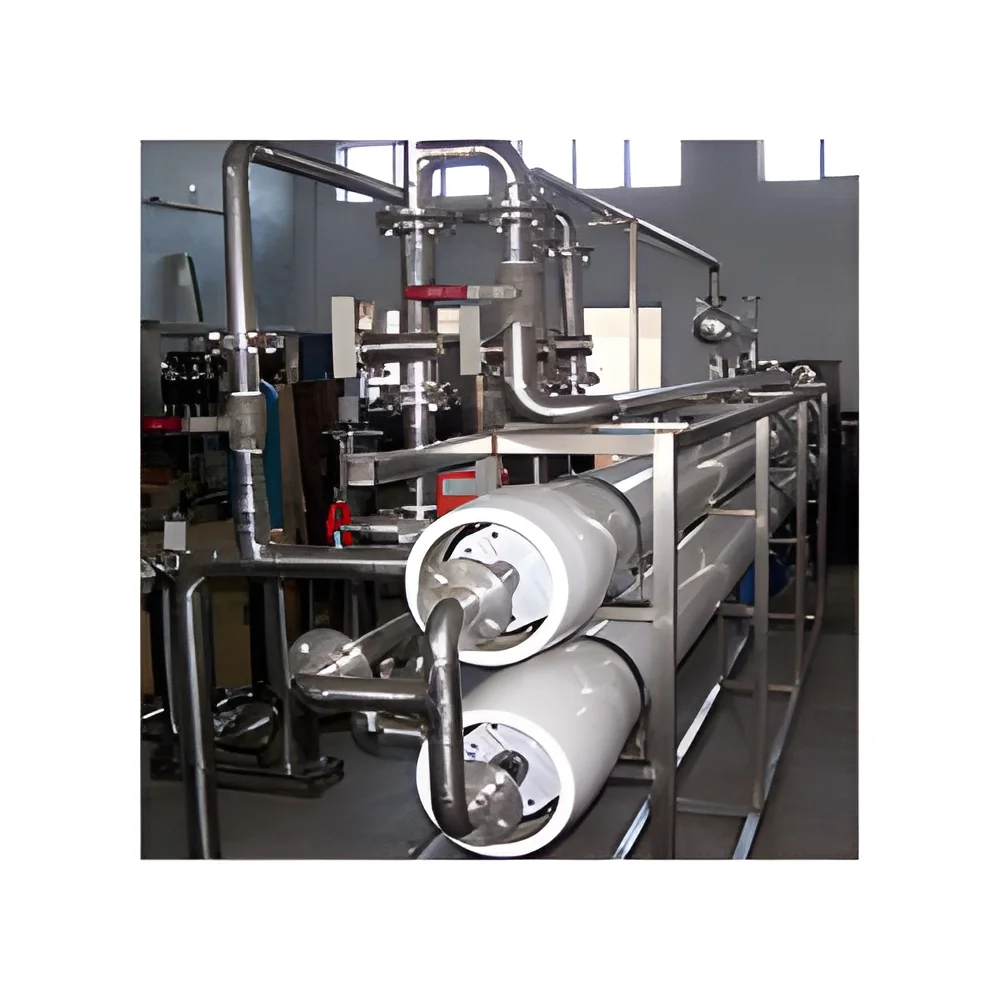
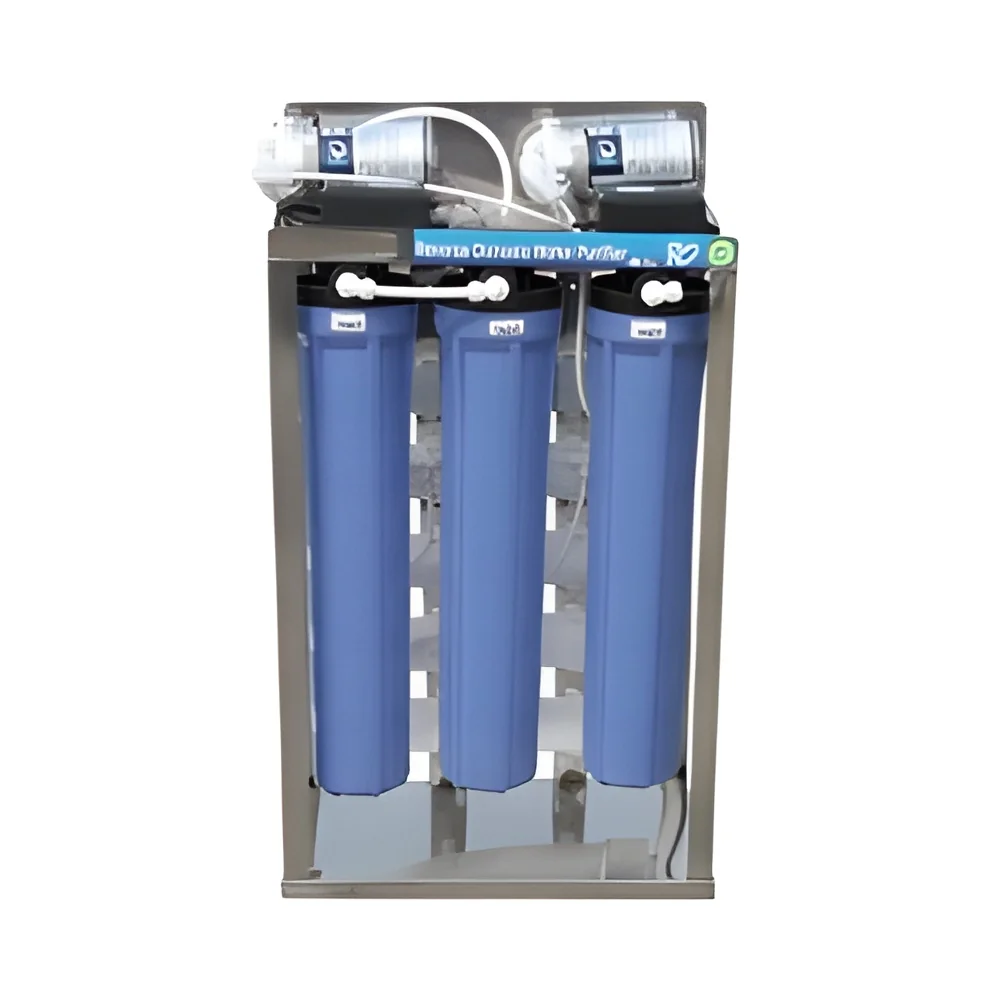
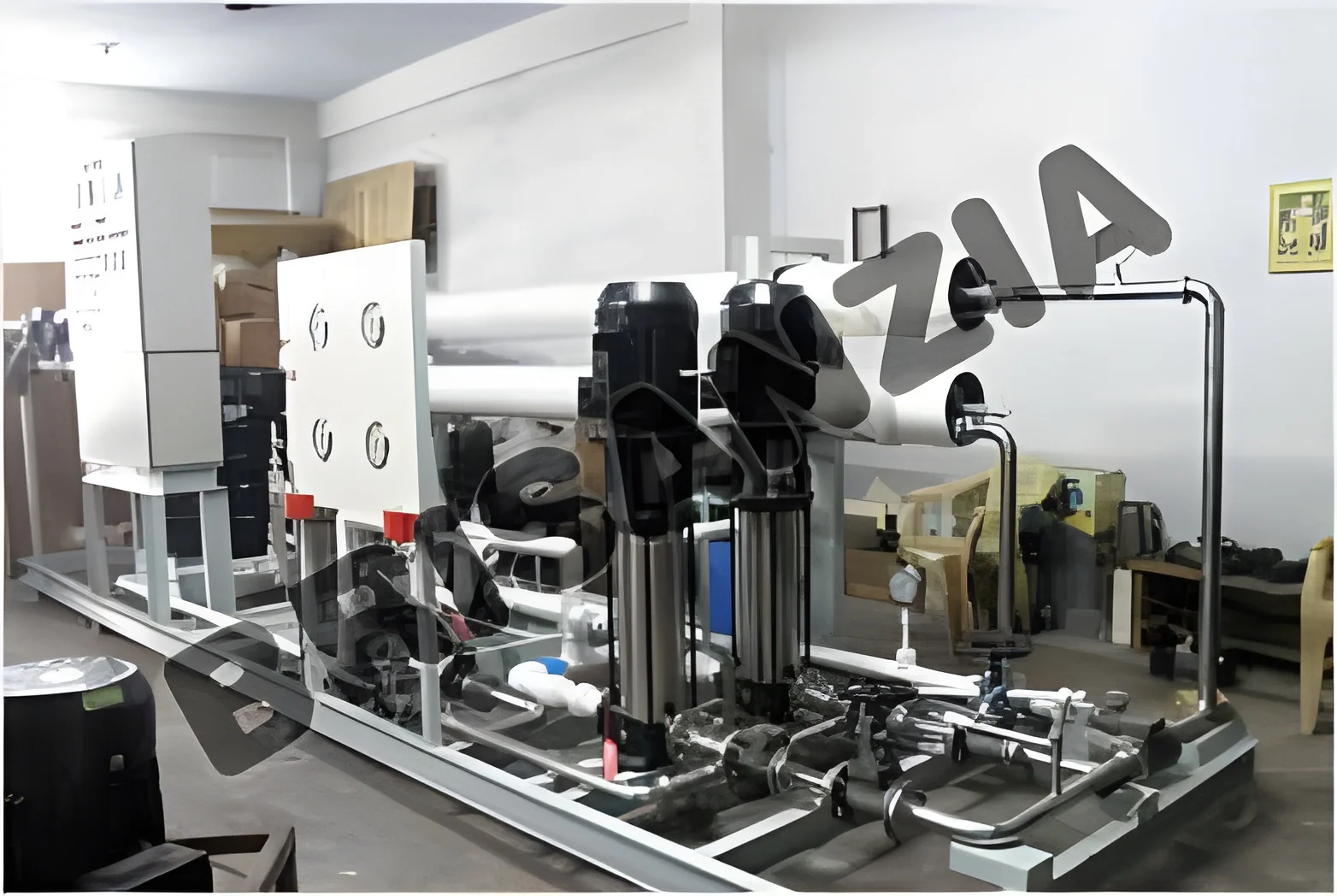
Water Treatment & RO Plant Leasing refers to the rental services of equipment and systems designed for purifying water through various treatment methods, including reverse osmosis (RO). This leasing model allows businesses to access advanced water treatment technologies without the capital investment required to purchase the equipment outright. Businesses can lease these systems for a specified period, benefiting from improved cash flow and flexibility.
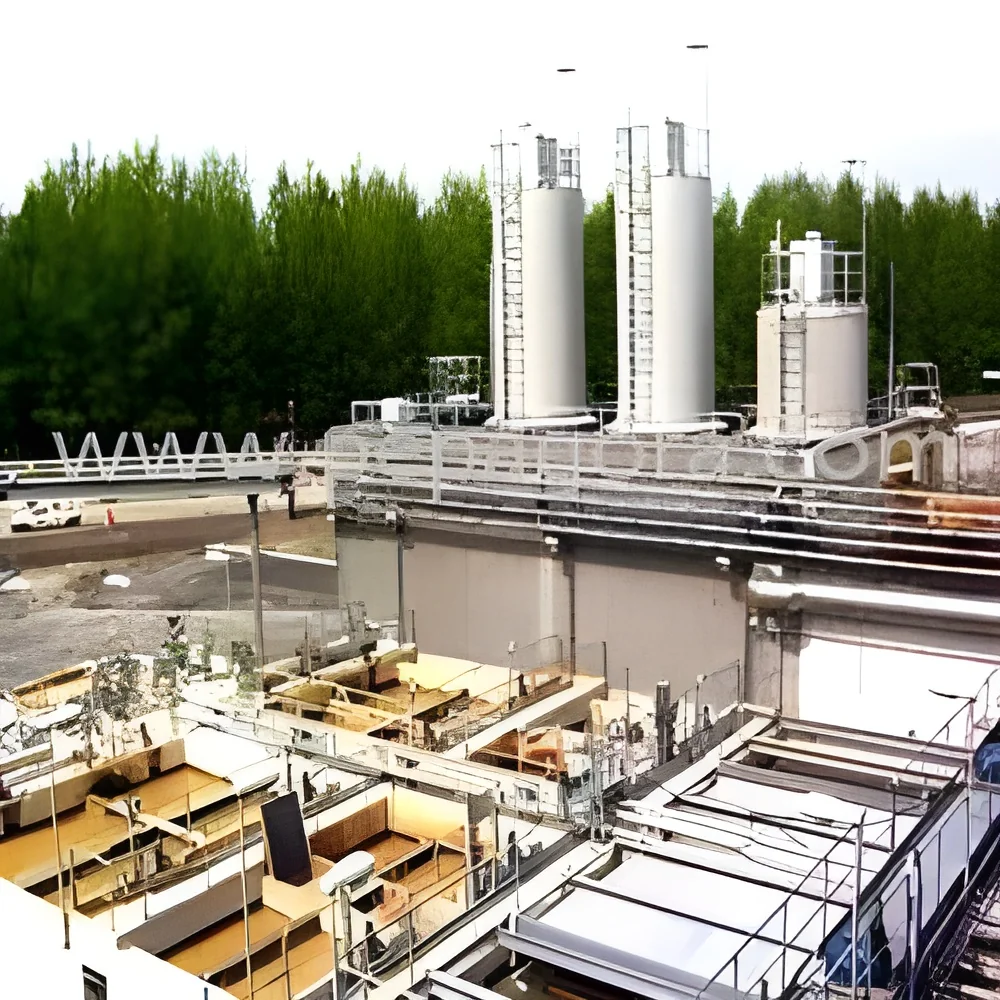
These water treatment systems are essential across numerous industries, including manufacturing, food and beverage, pharmaceuticals, and municipal water supplies. Companies utilize these systems to ensure the quality of water used in their processes, comply with regulatory standards, and reduce operational costs associated with water treatment. The leasing model is particularly beneficial for businesses looking to scale operations or those that require temporary solutions.
In the current market, the demand for clean and safe water is rising due to increasing regulatory pressures and environmental concerns. The leasing of water treatment and RO plants presents an innovative solution for companies to meet these challenges while maintaining operational efficiency. This approach not only supports sustainability goals but also enhances overall productivity.
Key Features and Specifications
Water Treatment & RO Plant Leasing systems come equipped with various features that enhance their effectiveness and efficiency. Understanding these specifications is crucial for businesses to select the right system for their needs.
Key specifications include:
1. Treatment Capacity
- The volume of water the system can process per day.
- Common ranges are between 1,000 to 100,000 liters per day.
2. Filtration Technology
- Types of filters used, including microfiltration, ultrafiltration, and reverse osmosis membranes.
- Each type is designed to remove specific contaminants.
3. Power Requirements
- Energy consumption of the system.
- Typically varies from low (below 1 kW) to high (above 10 kW), depending on the capacity.
4. Recovery Rate
- The percentage of water that can be recovered from the feed water.
- Standard recovery rates range from 50% to 90%.
5. Control System
- Type of monitoring and control technology, such as SCADA or PLC.
- Provides real-time data and alerts for system performance.
6. Maintenance Needs
- Frequency and type of maintenance required.
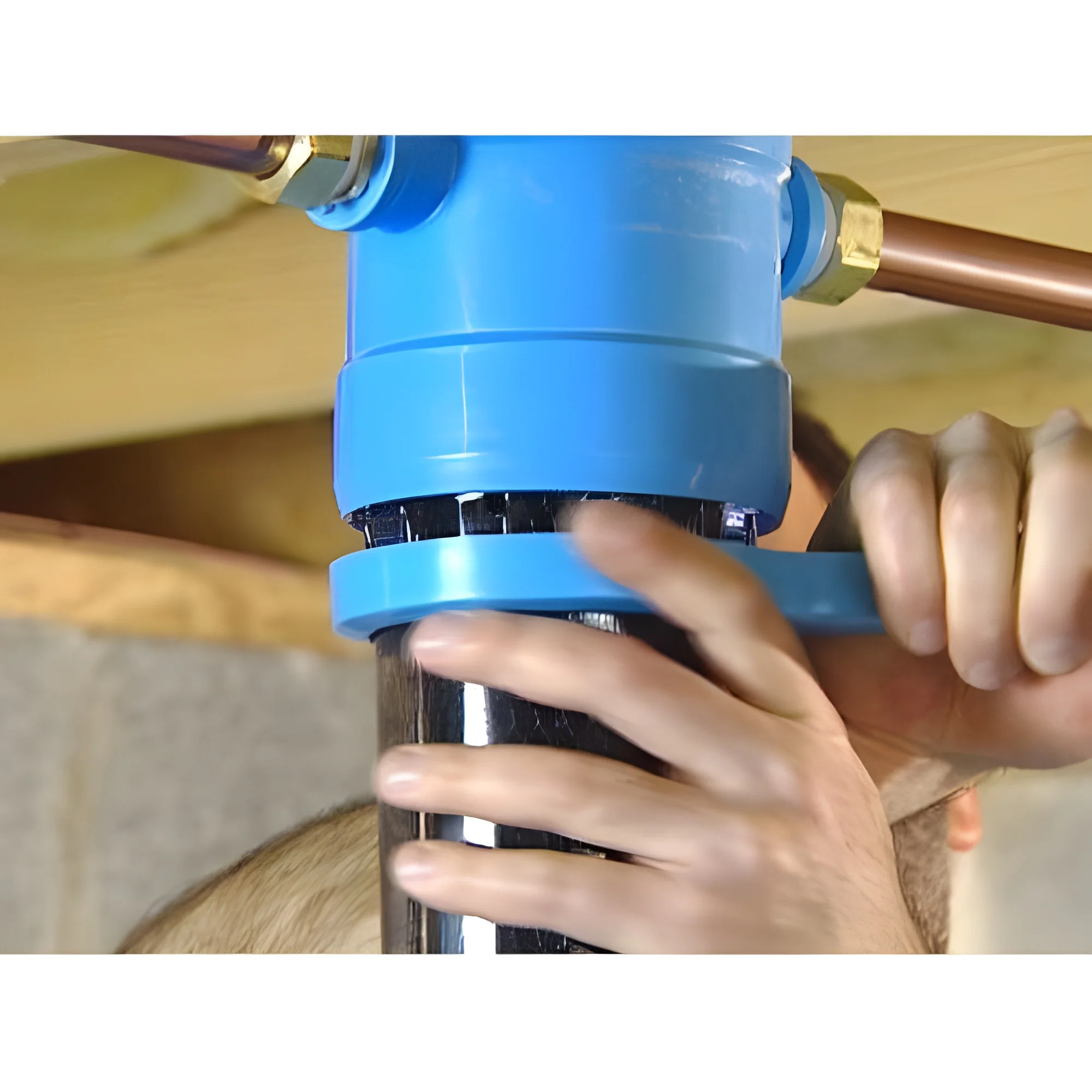
- Regular checks and filter replacements are standard.
7. Compliance Standards
- Adherence to industry standards such as CE certification.
- Ensures the system meets safety and quality benchmarks.
8. Customization Options
- Availability of tailored solutions based on specific business needs.
- Common customizations include size, filtration stages, and additional features.
In summary, understanding these specifications enables businesses to make informed decisions when leasing water treatment and RO systems that best fit their operational requirements.
Common Applications and Use Cases
Water Treatment & RO Plant Leasing systems find applications across various sectors, addressing specific needs and challenges.
1. Manufacturing: These systems are used to provide high-quality water for production processes, ensuring product quality and compliance with industry regulations.
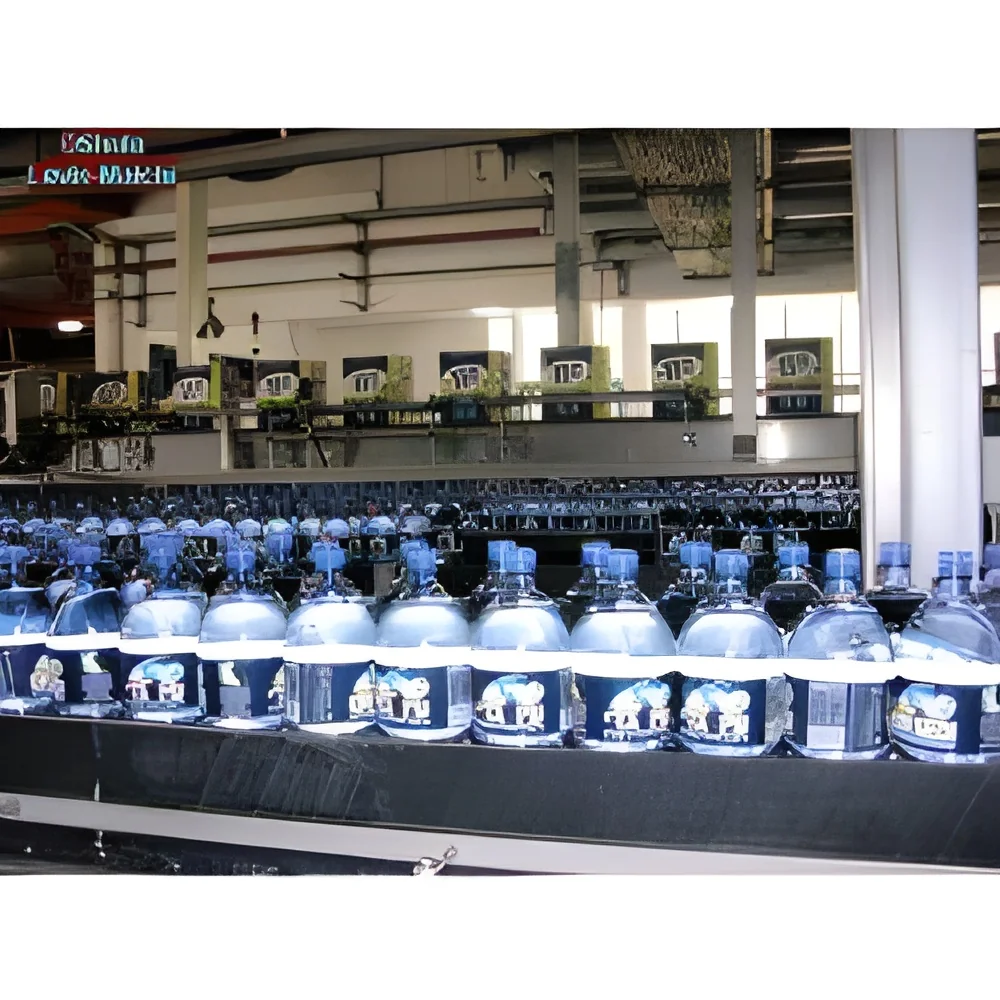
2. Food and Beverage: The food industry relies on these systems for safe water that meets health standards, essential for production and processing.
3. Pharmaceuticals: Water treatment is critical to the pharmaceutical industry, where clean water is necessary for drug formulation and cleaning processes.
4. Municipal Water Supply: Local governments can lease systems to improve water quality and meet public health standards without long-term commitments.
5. Agriculture: Farmers use these systems to ensure that irrigation water is free from harmful contaminants, promoting better crop yields.
6. Hospitality: Hotels and resorts lease water treatment systems to provide clean drinking water and maintain high hygiene standards for guests.
7. Aquaculture: Fish farming operations utilize these systems to create optimal water conditions for fish health and growth.
Product Variants and Subcategories
Water Treatment & RO Plant Leasing systems offer a variety of options to meet diverse operational requirements. Each variant is designed to cater to specific applications and industry needs.
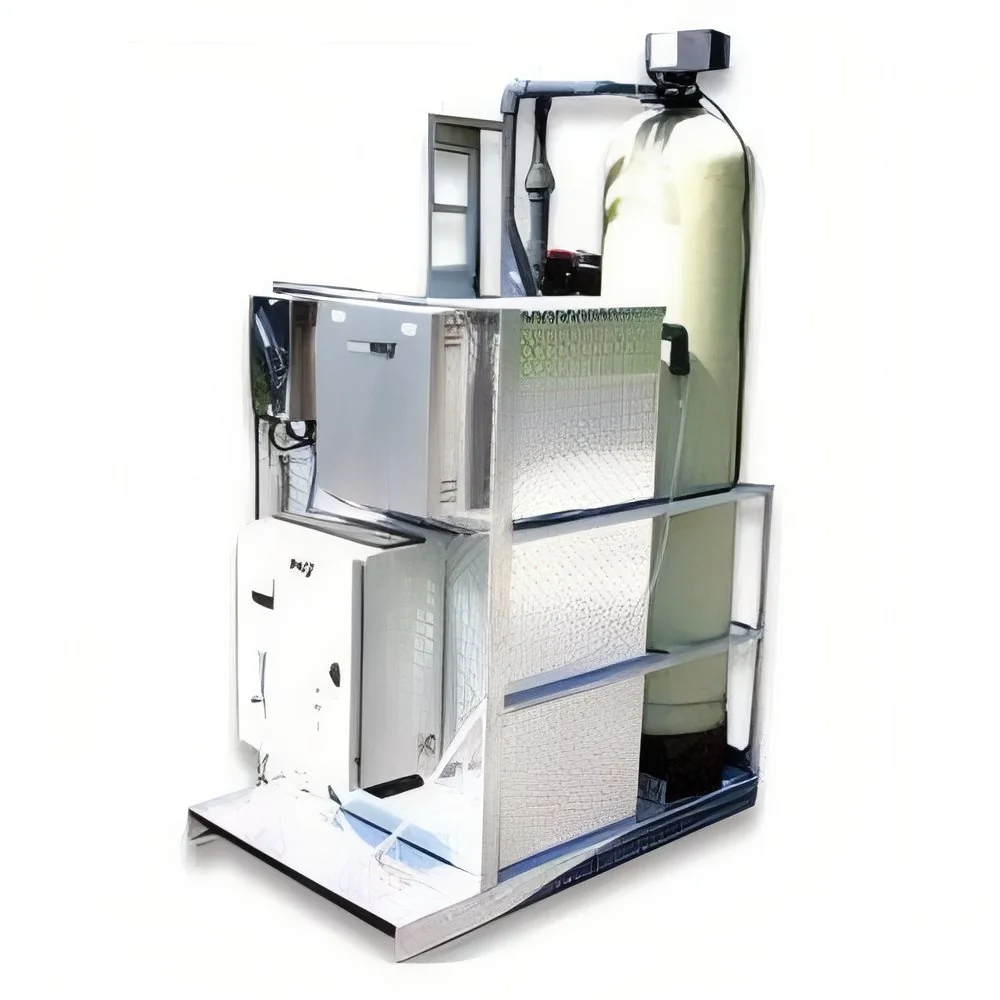
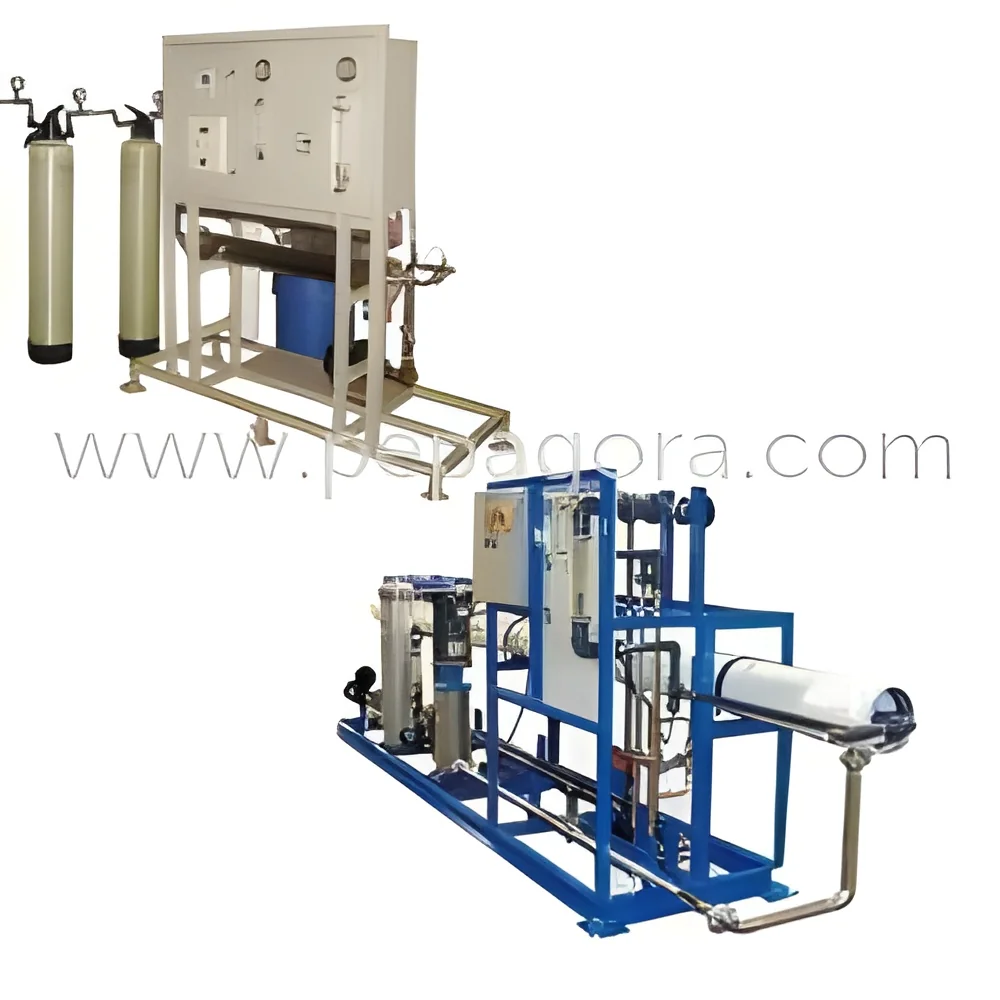
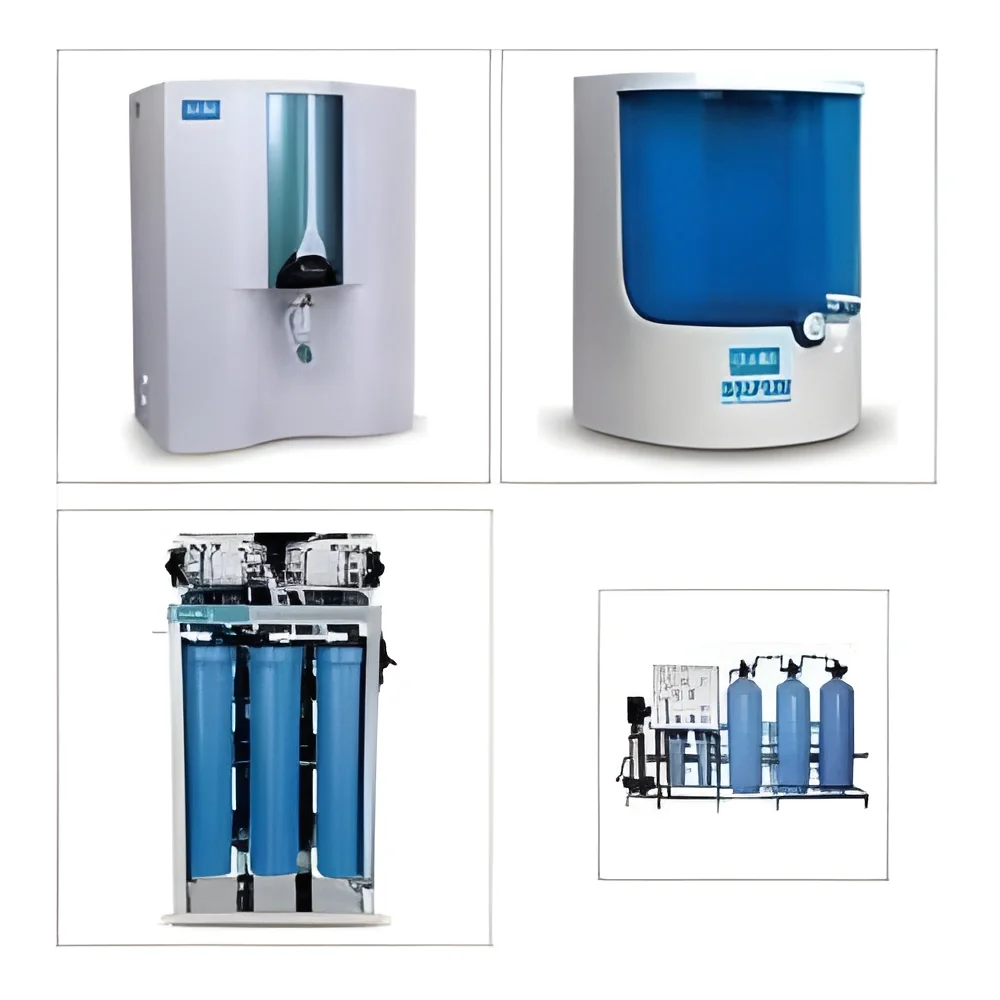
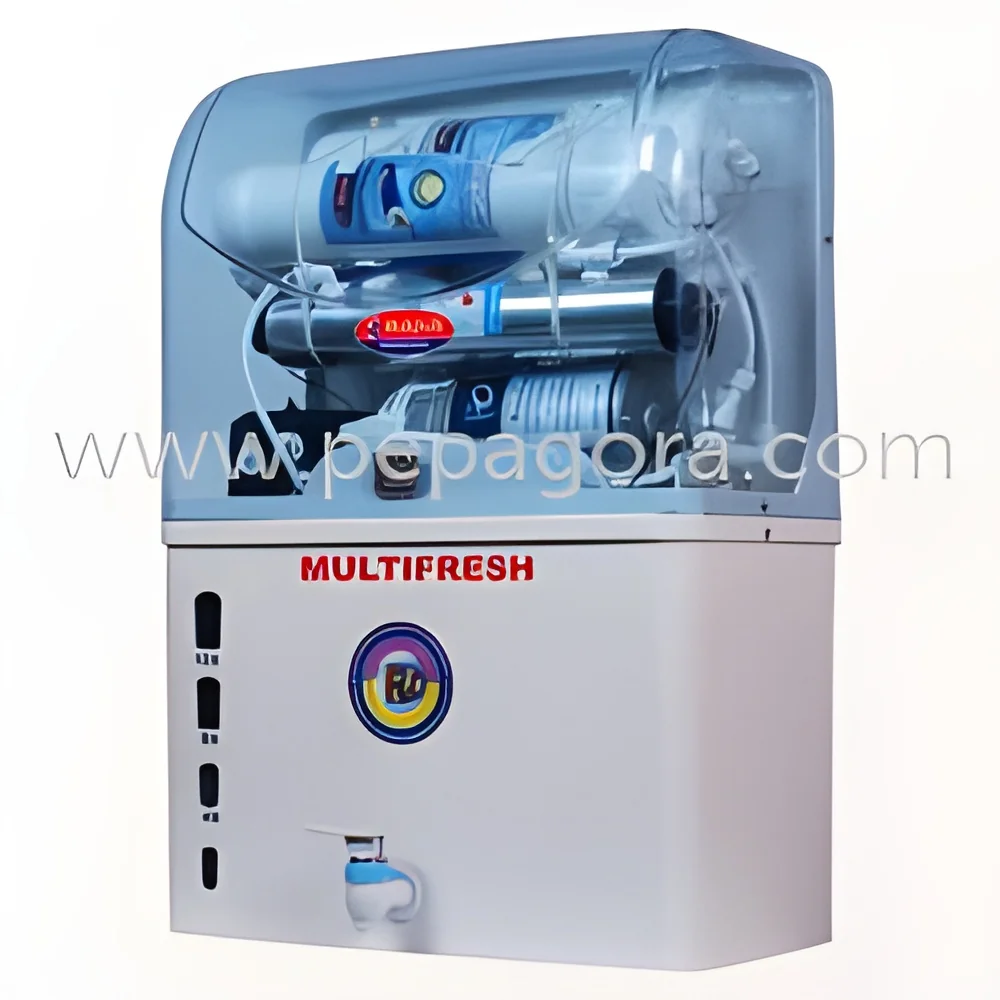
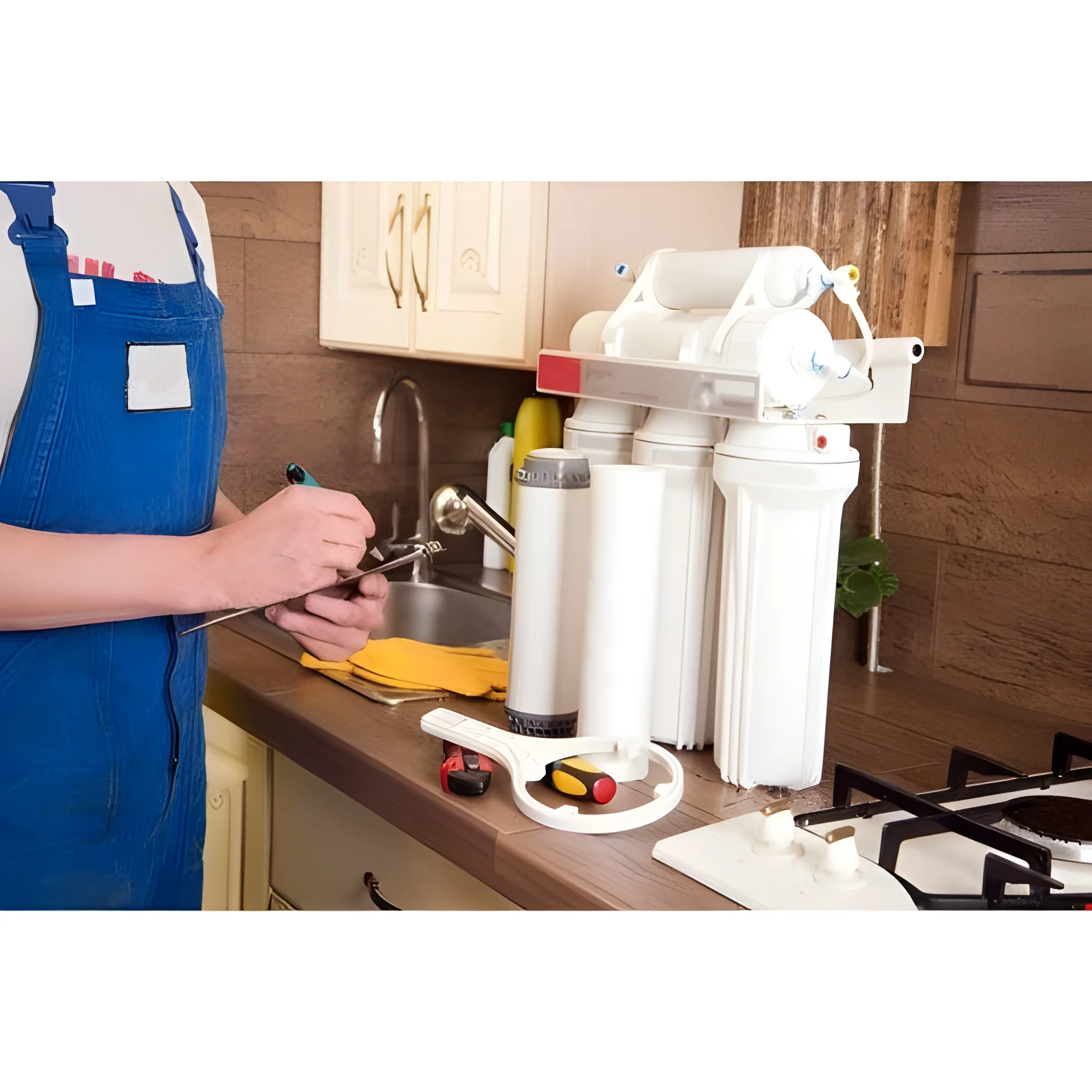
Compact RO Systems: These systems are ideal for small to medium-sized businesses with limited space. They provide efficient water treatment with high recovery rates.
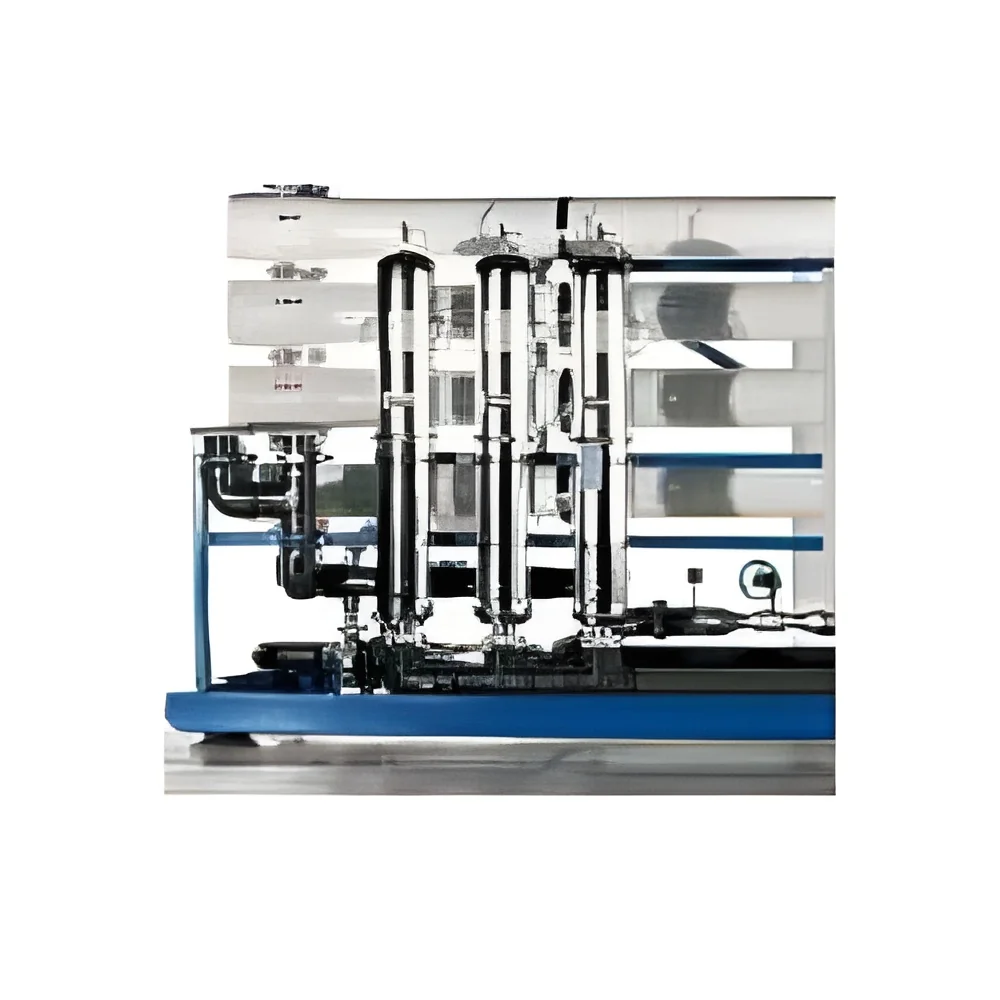
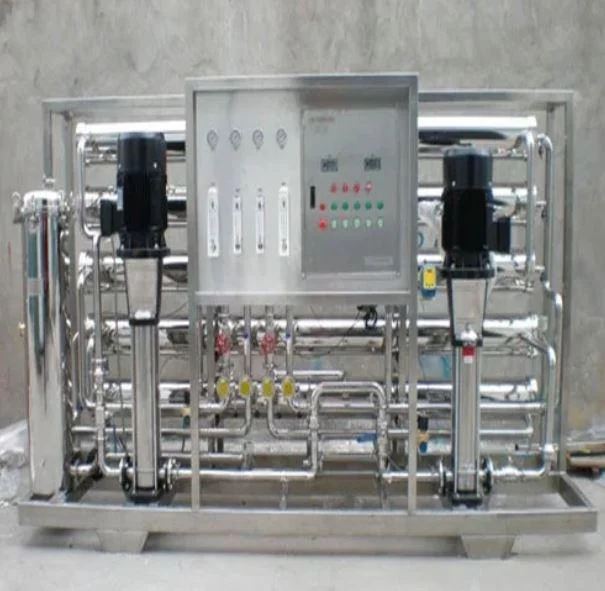
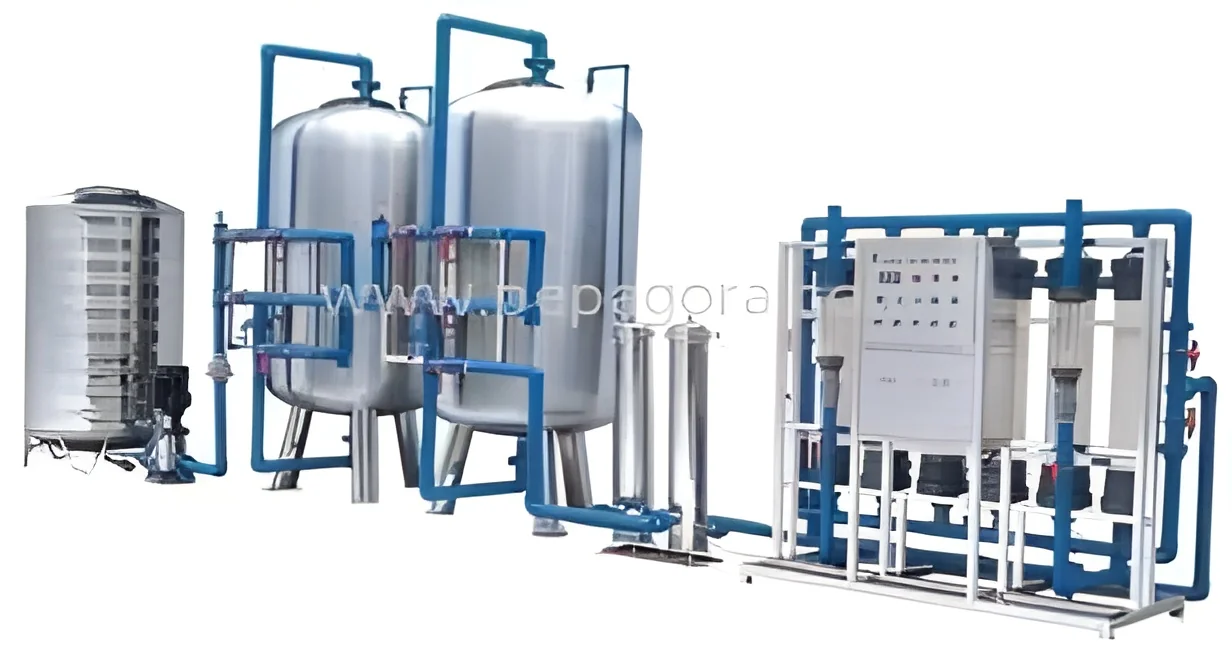
Industrial RO Systems: Designed for large-scale operations, these systems can handle significant volumes of water and are suited for heavy-duty applications, such as in manufacturing.
Portable Water Treatment Systems: These systems are mobile and can be deployed in remote locations or for temporary projects, offering flexibility for businesses.
Custom Water Treatment Solutions: Tailored to specific industry needs, these systems can be designed with various filtration technologies to meet unique requirements.
Benefits and Advantages
Leasing Water Treatment & RO Plant systems offers numerous advantages for businesses.
Key benefits include:
1. Cost-Effectiveness: Leasing eliminates the high upfront costs associated with purchasing equipment, allowing for better budget management.
2. Flexibility: Businesses can easily scale operations up or down by adjusting their leasing agreements based on changing needs.
3. Access to Advanced Technology: Leasing provides access to the latest water treatment technologies without the burden of ownership.
4. Reduced Maintenance Responsibilities: Many leasing agreements include maintenance services, reducing the operational burden on businesses.
5. Compliance Assurance: Leasing from reputable suppliers often includes systems that meet regulatory standards, ensuring compliance.
6. Risk Mitigation: Leasing minimizes financial risk associated with technology obsolescence and equipment failures.
Buying Guide for B2B Buyers
When sourcing Water Treatment & RO Plant Leasing, businesses should consider several critical factors to ensure they make informed decisions.
1. Quality Assessment: Evaluate the quality of the equipment and technology offered. Look for certifications and performance data.
2. Supplier Verification: Conduct due diligence on suppliers to ensure they have a reliable reputation and proven track record in the industry.
3. Pricing and MOQ: Understand the pricing structure and any minimum order quantities to align with budgetary constraints.
4. Delivery and Lead Times: Confirm the expected delivery schedules and lead times to plan for project timelines effectively.
5. Compliance Requirements: Ensure that the systems comply with relevant industry regulations and standards to avoid legal issues.
Compliance and Certifications
Water Treatment & RO Plant systems must adhere to various compliance standards to ensure safety and effectiveness. ISO 9001 is a widely recognized quality management standard that ensures consistent quality in manufacturing processes.
CE certification indicates that the product meets European safety standards, making it essential for suppliers targeting markets in Europe. Compliance with HACCP (Hazard Analysis Critical Control Point) is necessary for industries like food and beverage, ensuring that water treatment processes do not compromise safety.
Additionally, testing and safety requirements vary by region, necessitating that systems meet local regulations. Businesses should be aware of these compliance factors to ensure safe and legal operations.
Why Source Water Treatment & RO Plant Leasing from Pepagora?
Pepagora stands out as a trusted platform for sourcing Water Treatment & RO Plant Leasing, offering numerous advantages to businesses.
Verified Supplier Network: Pepagora connects buyers with a network of verified suppliers, ensuring access to high-quality products and services. This verification process reduces the risk of unreliable partnerships.
Streamlined RFQ Process: The platform simplifies the request for quotation process, allowing businesses to receive and compare offers quickly. This efficiency facilitates faster decision-making.
Trade Assurance and Support: Pepagora provides buyer protection through trade assurance services, ensuring that transactions are secure and that products meet specified standards.
Regional Coverage: With a geographic reach encompassing India, GCC, and Southeast Asia, Pepagora offers businesses access to a wide range of suppliers and products tailored to their regional needs.

 IN
IN