IN
IN₹
Apparel & Fashion
Description
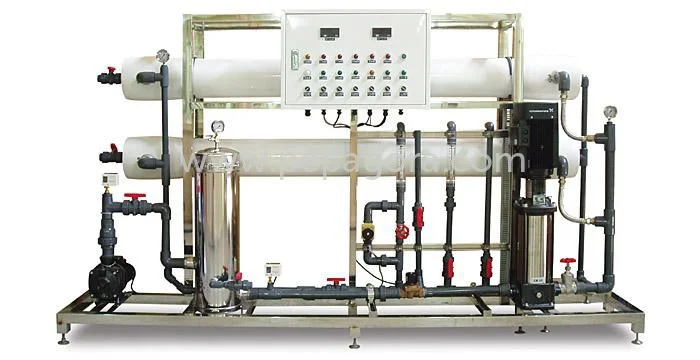
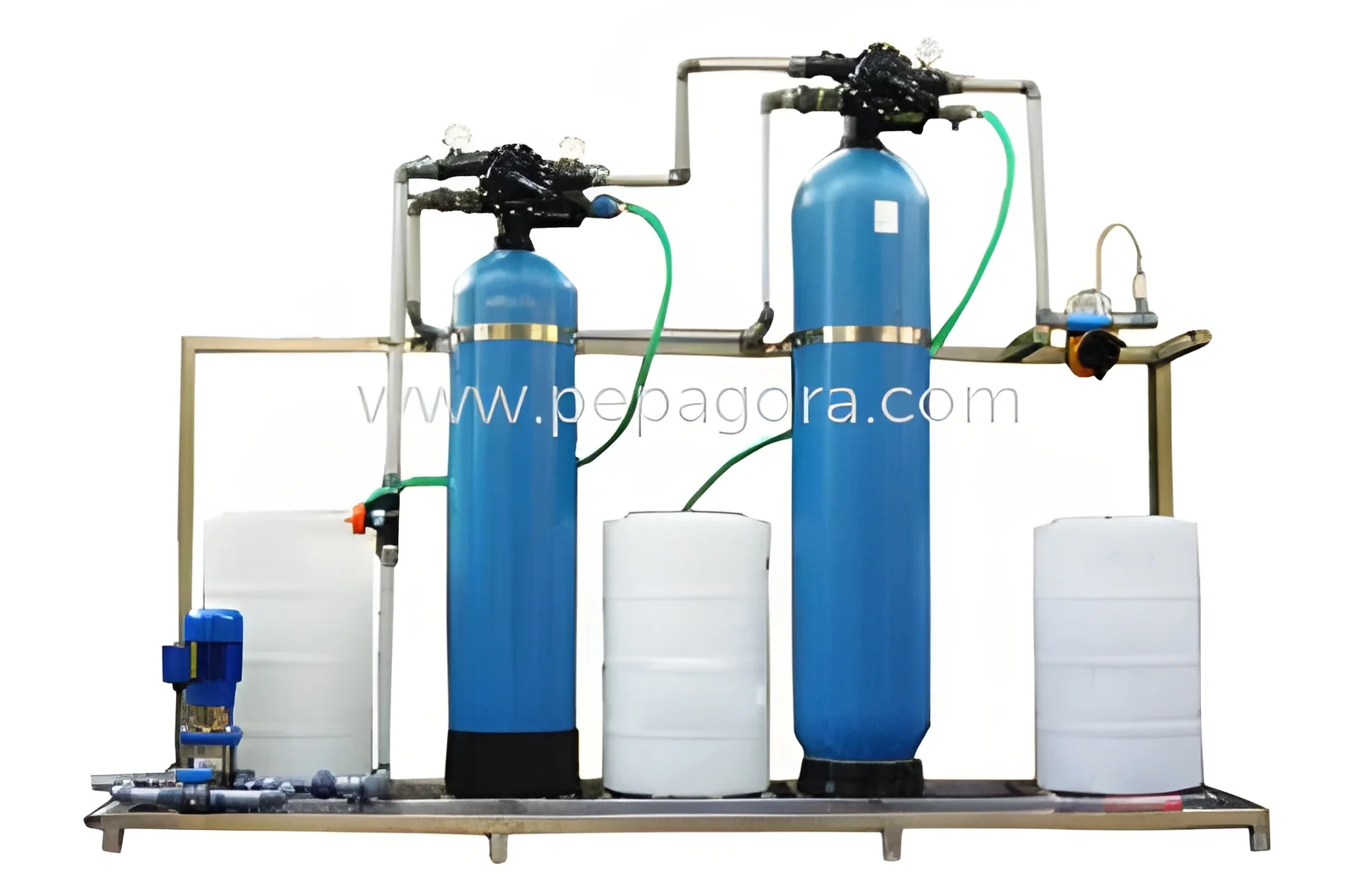
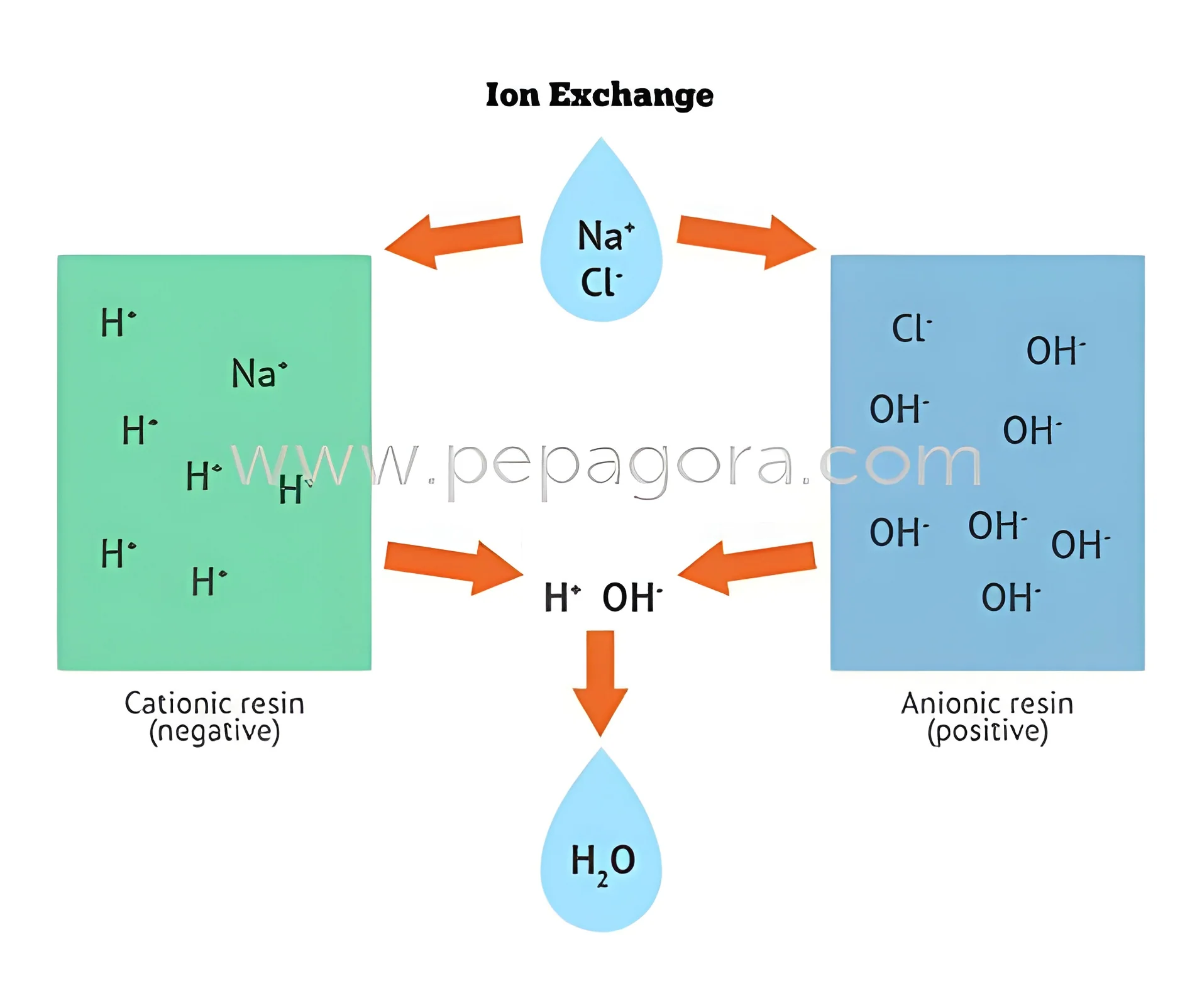
Industrial Ion Exchange Water Treatment Plants represent advanced water purification systems designed to remove dissolved ions and impurities through proven ion exchange technology. These standard OEM units deliver capacities ranging from 5m3 to 350m3, providing scalable solutions for various industrial water treatment needs. The systems operate by exchanging undesirable ions like calcium, magnesium, and heavy metals with less problematic ions, resulting in high-purity demineralized water. Engineered for reliability and straightforward installation, these plants ensure consistent performance with minimal maintenance requirements, making them practical choices for businesses seeking efficient water purification solutions that integrate seamlessly into existing operations while delivering dependable results.

These ion exchange plants serve critical roles across multiple industries where water quality directly impacts operational efficiency and product integrity. In power generation, the...
Industrial Ion Exchange Water Treatment Plants represent advanced water purification systems designed to remove dissolved ions and impurities through proven ion exchange technology. These standard OEM units deliver capacities ranging from 5m3 to 350m3, providing scalable solutions for various industrial water treatment needs. The systems operate by exchanging undesirable ions like calcium, magnesium, and heavy metals with less problematic ions, resulting in high-purity demineralized water. Engineered for reliability and straightforward installation, these plants ensure consistent performance with minimal maintenance requirements, making them practical choices for businesses seeking efficient water purification solutions that integrate seamlessly into existing operations while delivering dependable results.

These ion exchange plants serve critical roles across multiple industries where water quality directly impacts operational efficiency and product integrity. In power generation, they provide ultra-pure water for boiler systems and cooling circuits, preventing scale formation and corrosion that can damage expensive equipment. Pharmaceutical manufacturers depend on these systems to produce water that meets stringent pharmacopeia standards for drug production and facility cleaning. Chemical processing facilities utilize ion exchange technology to ensure process water purity, maintaining reaction efficiency and product quality. Food and beverage producers rely on these plants for water used in ingredient preparation and sanitation, while various manufacturing sectors implement them for process water treatment and equipment protection requirements.

The business value of these industrial ion exchange plants lies in their operational reliability, cost-effectiveness, and ability to support continuous production processes. Designed for durability and consistent performance, these systems reduce operational costs through minimal maintenance requirements and efficient ion exchange resin utilization. By delivering high-purity water consistently, they help businesses maintain product quality standards, comply with regulatory requirements, and protect valuable equipment from damage caused by water impurities. The standardized OEM design ensures quick implementation and scalability, allowing organizations to adapt to changing water treatment demands without significant additional investment. With reliable performance and negotiable pricing structures, these plants provide long-term value by enhancing operational efficiency and reducing water management expenses while supporting sustainable industrial operations.

Key Features:
- Standard OEM design ensures easy installation and compatibility with industrial water systems
- Capacity range from 5m3 to 350m3 accommodates various operational scales and requirements
- Efficient ion exchange process removes dissolved ions and impurities for water purification
- Robust construction guarantees reliable long-term performance with minimal maintenance
- Consistent demineralized water output meets industrial purity standards and specifications

Benefits:
- Reduced operational costs through efficient performance and minimal maintenance requirements
- Enhanced product quality and process efficiency with consistent high-purity water supply
- Protection of expensive equipment from scale, corrosion, and impurity-related damage
- Compliance with industry standards and regulatory requirements for water quality
- Scalable solutions that adapt to changing operational needs and production demands
Specifications
| Key Attributes | |
|---|---|
| Type | Ion-exchange plant |
| Range | 5m3 to 350m3 |
| Supply Type | OEM |
| Price | Negotiable |
| Condition | New |
| Standard or Nonstandard | Standard |
| Advantage | Easy to install |
| Delivery | On Time Delivery |
| Application | Industrial Applications |
| Use | Water Treatment |
| Additional Information | |
|---|---|
| Country of Origin | India |
Application
Industrial ion exchange water treatment plants effectively remove dissolved ions and impurities through proven exchange technology, delivering high-purity water for critical processes. These systems handle capacities from 5m3 to 350m3, making them suitable for various industrial scales while maintaining consistent water quality and operational reliability across different applications and sectors requiring controlled water parameters.
Standard OEM ion exchange units are designed for straightforward integration into existing water treatment systems, providing dependable performance with minimal maintenance requirements. They serve industries where water purity directly impacts product quality, process efficiency, and regulatory compliance, offering scalable solutions that adapt to specific operational needs while ensuring continuous purified water supply for manufacturing and processing requirements.
- Power generation facilities utilize ion exchange systems for boiler feed water and cooling systems to prevent scaling and corrosion
- Pharmaceutical manufacturing relies on demineralized water for drug formulation, cleaning processes, and meeting strict quality standards
- Chemical processing plants employ ion exchange technology to remove contaminants from process water ensuring product purity
- Food and beverage production uses treated water for ingredient mixing, cleaning, and maintaining hygiene standards
- Manufacturing industries implement these systems for process water treatment, equipment protection, and quality control
Trade Details
| Available Stock | In Stock |
| Sample Availability | No |
Payment Terms
| Payment Terms |
|
Company Profile
Aditya Enterprises, Andhra Pradesh
 Andhra Pradesh, India
Andhra Pradesh, IndiaApparel & Fashion•Distributor / Wholesaler•Importer / Exporter
Factory Details
Factory SizeBelow 1000 sqm
Annual Production Capacity0
Main Markets
Eastern Asia
South Asia
Industrial Ion Exchange Water Treatment Plant 5m3 to 350m3 OEM
Industrial Ion Exchange Water Treatment Plant delivers 5m3 to 350m3 capacity for reliable demineralized water. Standard OEM units ensure easy installation, consistent purified water output, and on-time delivery for industrial applications.
Min. Order Quantity: 1 piece
Shipping
Shipping fee and delivery date to be negotiated. Contact supplier now for more details.
Aditya Enterprises
 Andhra Pradesh, India
Andhra Pradesh, IndiaApparel & FashionDistributor / Wholesaler