IN
IN₹
Apparel & Fashion
Description
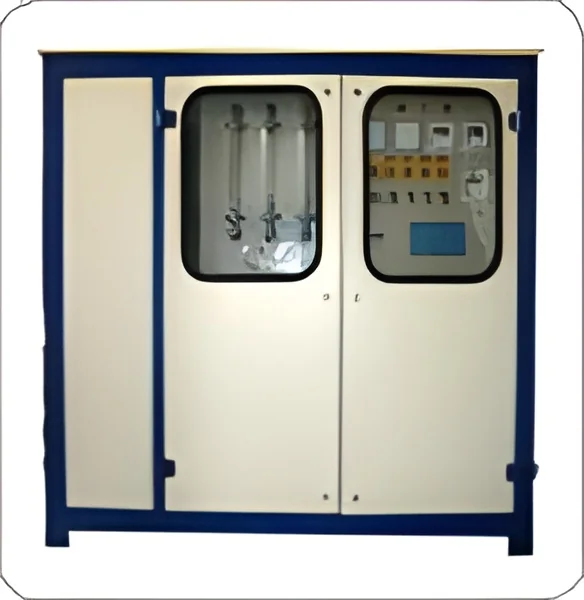
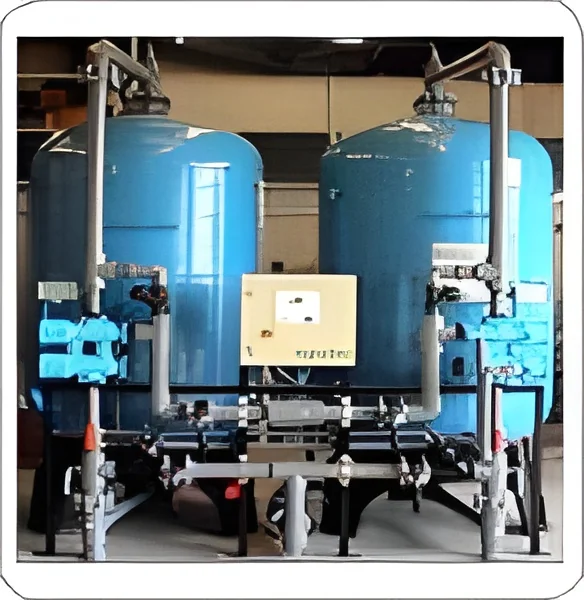
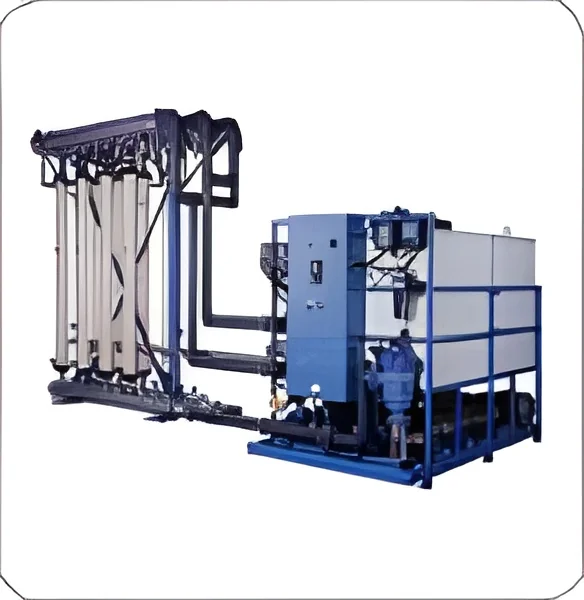
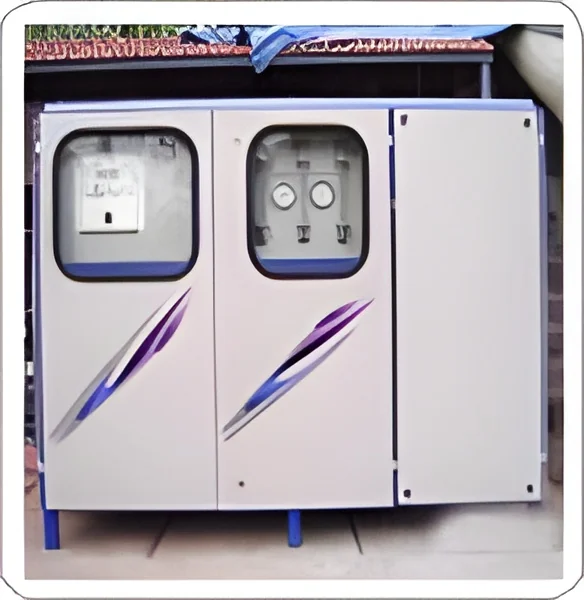
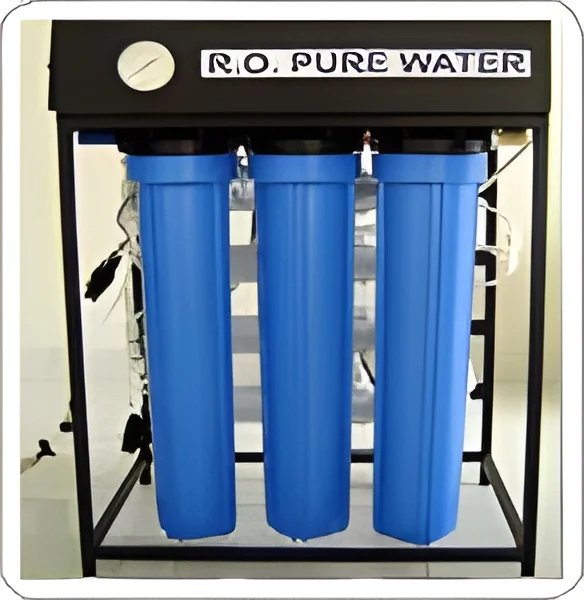
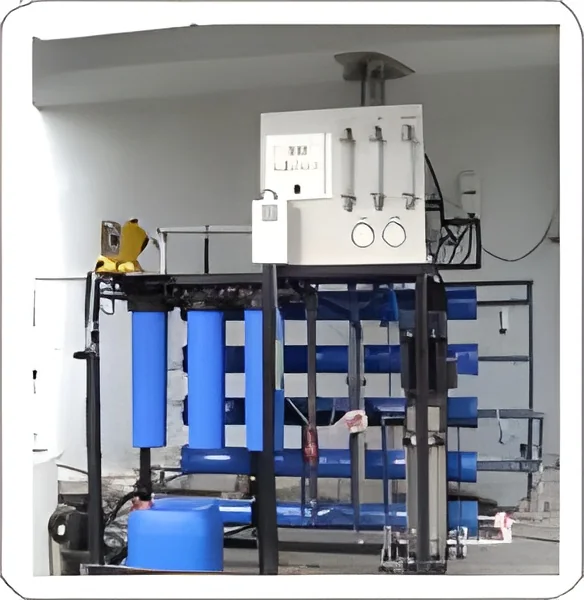
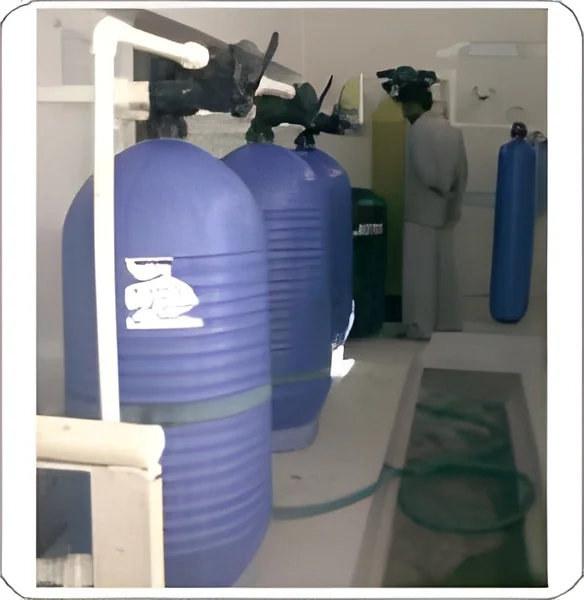
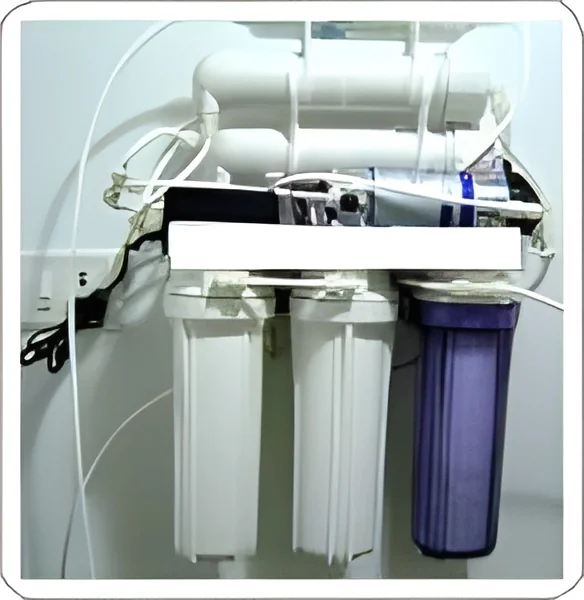
Institutional reverse osmosis systems represent advanced water purification technology engineered for high-capacity requirements in large facilities. Utilizing semi-permeable membrane technology, these systems effectively remove contaminants including dissolved salts, microorganisms, and chemical impurities from water sources. The purification process involves applying pressure to force water through specialized membranes, separating pure water from unwanted substances. This sophisticated approach guarantees consistent delivery of clean, safe water for operations where water quality cannot be compromised. Designed for continuous heavy-duty use, these systems incorporate automated monitoring controls and self-cleaning mechanisms that maintain peak efficiency while reducing manual oversight requirements.

These water purification systems find extensive application across healthcare, education, manufacturing, and hospitality sectors. Medical facilities depend on them for sterile water in ...
Institutional reverse osmosis systems represent advanced water purification technology engineered for high-capacity requirements in large facilities. Utilizing semi-permeable membrane technology, these systems effectively remove contaminants including dissolved salts, microorganisms, and chemical impurities from water sources. The purification process involves applying pressure to force water through specialized membranes, separating pure water from unwanted substances. This sophisticated approach guarantees consistent delivery of clean, safe water for operations where water quality cannot be compromised. Designed for continuous heavy-duty use, these systems incorporate automated monitoring controls and self-cleaning mechanisms that maintain peak efficiency while reducing manual oversight requirements.

These water purification systems find extensive application across healthcare, education, manufacturing, and hospitality sectors. Medical facilities depend on them for sterile water in dialysis units, laboratory testing, and surgical procedures. Educational institutions install them to provide safe drinking water to large student and staff populations. The hospitality industry utilizes them to ensure water purity in food preparation areas and guest services. Manufacturing operations, particularly in food processing, beverage production, and pharmaceutical manufacturing, rely on these systems to meet regulatory standards and maintain consistent product quality. Their versatile design allows for configuration adjustments to address specific industry needs, including specialized filtration stages and varying flow rate requirements.

Investing in institutional reverse osmosis systems delivers substantial operational value through reliable performance and long-term cost efficiency. These systems significantly reduce dependence on bottled water while minimizing maintenance expenses through durable components and energy-optimized pump systems. Their robust construction ensures minimal operational interruptions, while adaptable configurations provide tailored solutions for unique facility requirements. By maintaining consistent water purity standards, these systems protect downstream equipment, enhance safety protocols, and support compliance with health and safety regulations, establishing them as trusted infrastructure for organizations seeking dependable water treatment solutions.

Key Features:
- Advanced semi-permeable membrane technology for comprehensive contaminant removal
- High-capacity design engineered for large-scale water purification demands
- Customizable configurations including flow rates and filtration stages
- Automated control systems with self-cleaning cross-flow technology
- Durable construction using corrosion-resistant materials for extended service life

Benefits:
- Consistent delivery of high-purity water for critical applications
- Reduced operational costs through energy efficiency and minimal maintenance
- Enhanced safety compliance with regulatory water quality standards
- Protection of downstream equipment from scale and contamination damage
- Reliable performance with minimal downtime for continuous operations
Specifications
| Additional Information | |
|---|---|
| Country of Origin | India |
Application
Institutional reverse osmosis systems provide essential water purification for facilities requiring large daily volumes of contaminant-free water. These robust systems efficiently remove dissolved salts, bacteria, and chemical impurities through advanced membrane technology, ensuring consistent water quality for critical operations across multiple sectors. Their scalable design supports high-capacity demands where water purity directly impacts operational safety and efficiency.
These systems serve healthcare facilities, educational institutions, manufacturing plants, and hospitality venues by delivering safe, purified water tailored to specific operational requirements. Engineered for diverse environments, they offer adaptable configurations in flow rates, filtration stages, and tank capacities to maintain optimal performance across different applications. This flexibility ensures reliable water purification from medical procedures to industrial manufacturing processes.
- Providing purified water for dialysis treatments and laboratory procedures in medical facilities
- Ensuring safe drinking water supplies for schools, universities, and large office complexes
- Supporting food and beverage production with contaminant-free water for manufacturing
- Enabling pharmaceutical companies to meet stringent water purity standards for drug formulation
- Supplying high-purity water for hotel kitchens, resorts, and large catering operations
Trade Details
| Available Stock | In Stock |
| Sample Availability | No |
Payment Terms
| Payment Terms |
|
Company Profile
Aagam Chemicals, Maharashtra
 Maharashtra, India
Maharashtra, IndiaManufacturer•Importer / Exporter
Factory Details
Factory SizeBelow 1000 sqm
Annual Production Capacity0
Institutional Reverse Osmosis Systems For Large Scale Water Purification
Institutional reverse osmosis systems deliver large-scale water purification using semi-permeable membrane technology to remove contaminants, ideal for hospitals, schools, and industries requiring reliable high-volume pure water.
Min. Order Quantity: 1 unit
Shipping
Shipping fee and delivery date to be negotiated. Contact supplier now for more details.
Aagam Chemicals
 Maharashtra, India
Maharashtra, IndiaManufacturer