IN
IN₹
Apparel & Fashion
Description
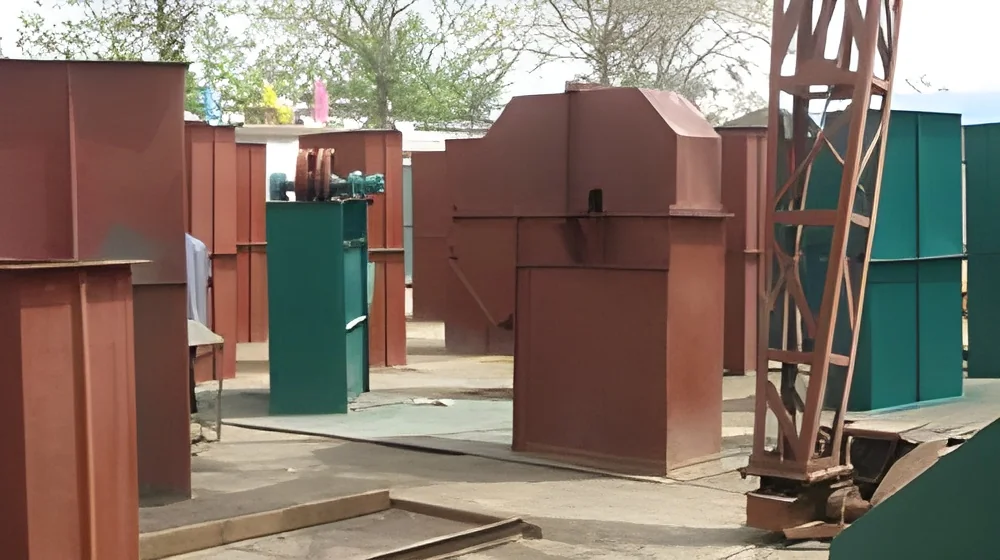
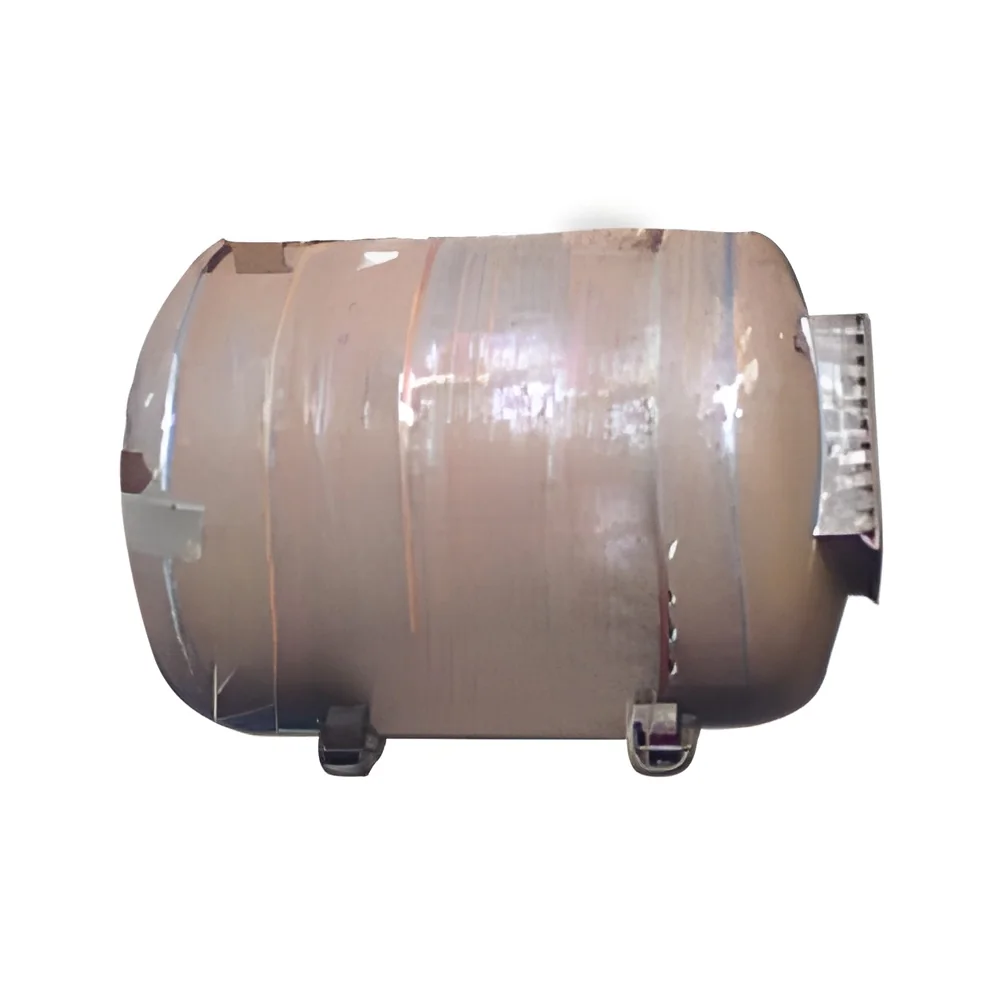
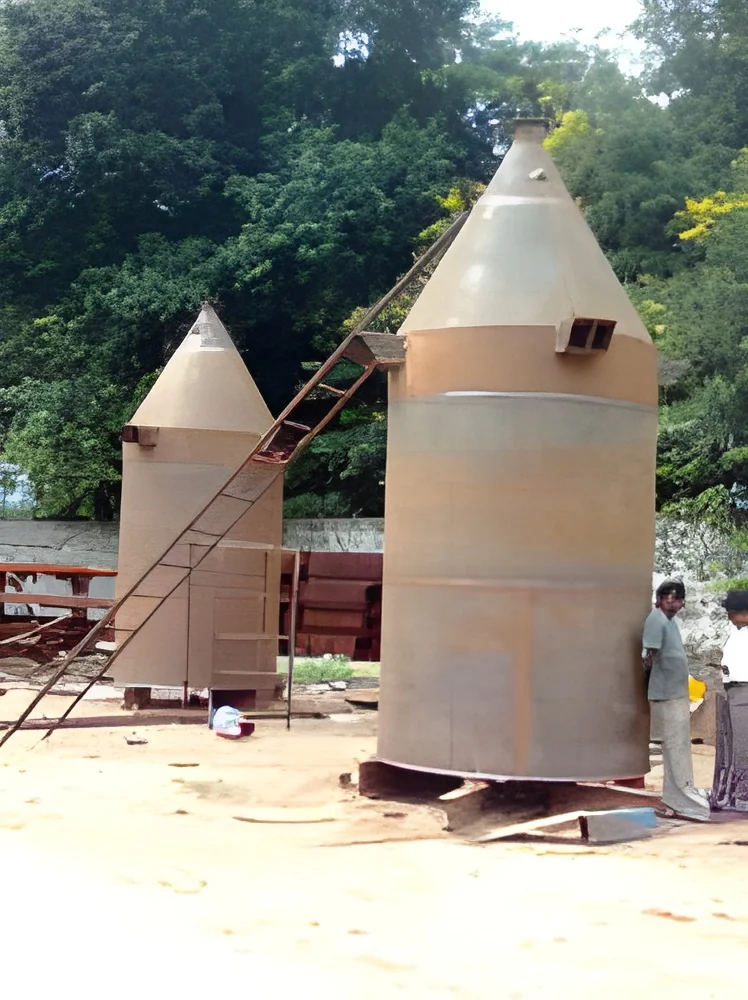
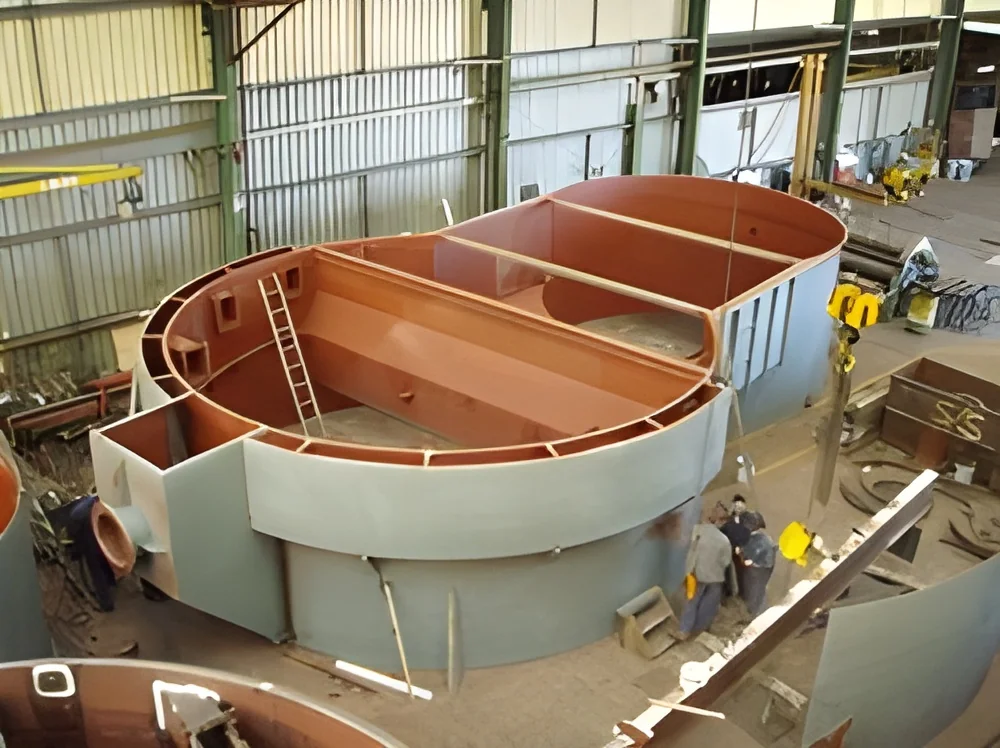
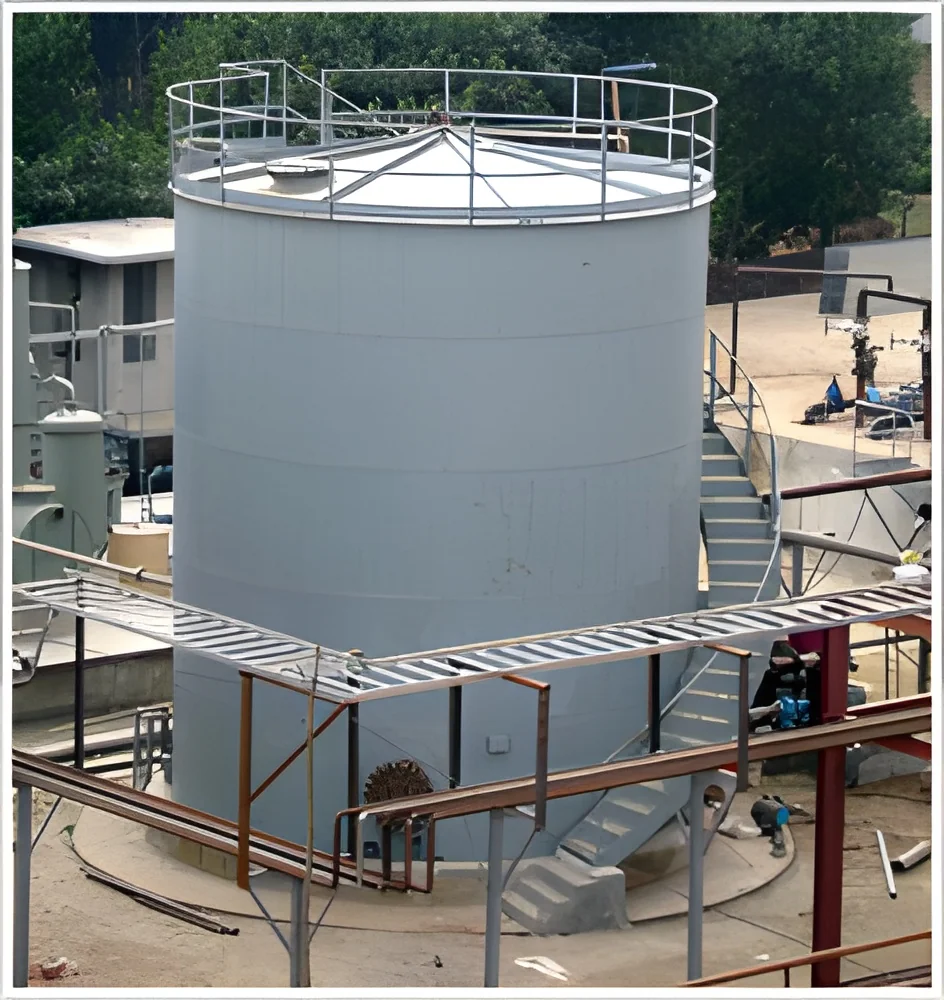
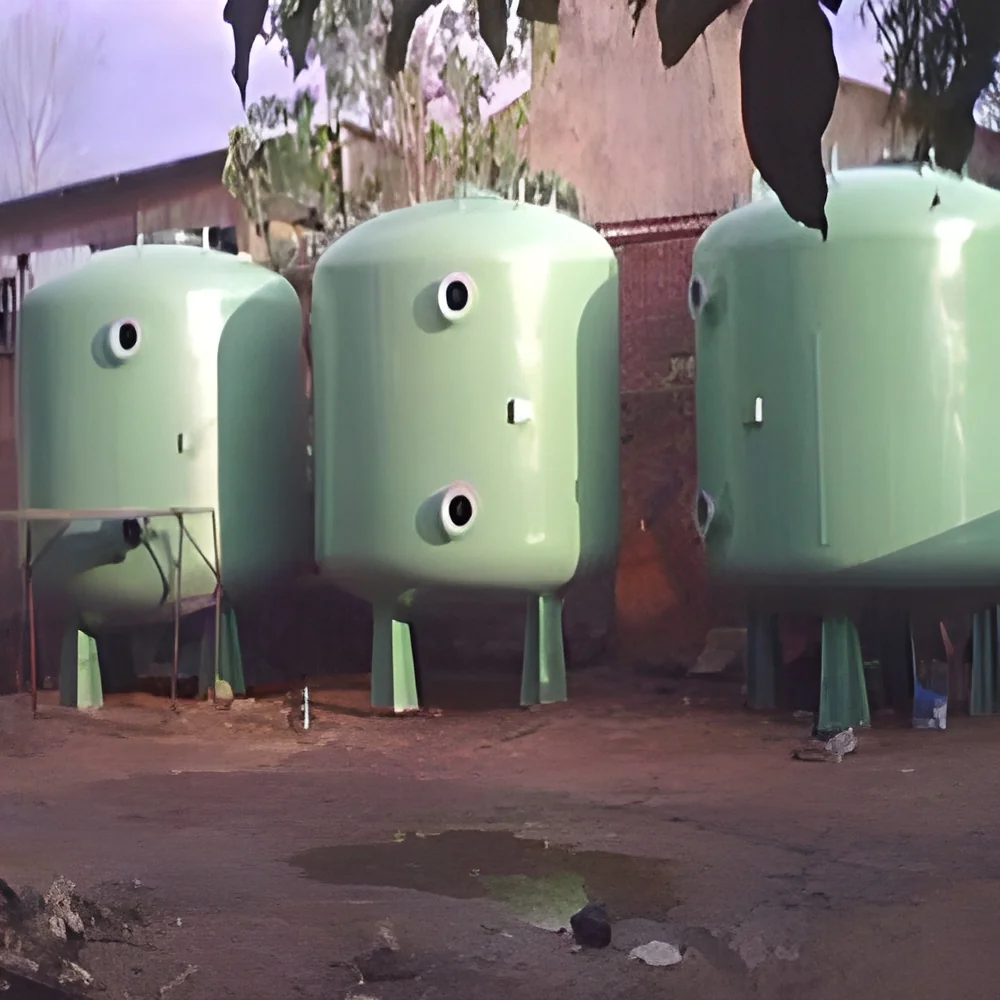
Our industrial water treatment plants are comprehensive purification systems designed to tackle physical, chemical, and biological impurities in water. Built with robust components and engineered for demanding environments, these plants transform raw or contaminated water into a reliable, high-quality resource. They integrate multiple treatment stages—such as filtration, disinfection, and chemical dosing—to ensure thorough contaminant removal. This results in consistent water output that meets specific purity standards, which is essential for processes where water quality directly impacts product integrity, equipment longevity, and regulatory compliance. The focus on energy-efficient operation ensures that this high level of performance is achieved sustainably, keeping long-term running costs manageable.

These systems are indispensable in industries where water is a critical component of production or service. Manufacturing sectors rely on them for clean process water, which prevents ...
Our industrial water treatment plants are comprehensive purification systems designed to tackle physical, chemical, and biological impurities in water. Built with robust components and engineered for demanding environments, these plants transform raw or contaminated water into a reliable, high-quality resource. They integrate multiple treatment stages—such as filtration, disinfection, and chemical dosing—to ensure thorough contaminant removal. This results in consistent water output that meets specific purity standards, which is essential for processes where water quality directly impacts product integrity, equipment longevity, and regulatory compliance. The focus on energy-efficient operation ensures that this high level of performance is achieved sustainably, keeping long-term running costs manageable.

These systems are indispensable in industries where water is a critical component of production or service. Manufacturing sectors rely on them for clean process water, which prevents scaling and corrosion in machinery, and for treating wastewater before discharge. The pharmaceutical industry depends on them to produce water for injection (WFI) and purified water (PW) for drug manufacturing and cleaning validation. In food and beverage, they ensure water used as an ingredient or for sanitation is free from contaminants that could affect taste, safety, or shelf life. Municipalities use them as core components in drinking water treatment facilities, and large-scale commercial properties implement them for sustainable water management through recycling initiatives.

The primary business value lies in operational reliability, cost control, and risk mitigation. These plants are designed for continuous, trouble-free operation, minimizing unplanned downtime that can disrupt production schedules. Their energy-efficient design translates directly to lower utility expenses, while durable construction reduces the frequency and cost of repairs or part replacements. By delivering water that consistently meets required specifications, they help avoid costly quality issues, production rejects, or non-compliance penalties. This combination of reliable performance, operational savings, and quality assurance provides a strong return on investment, making them a sound and strategic capital expenditure for serious operations.

Key Features:
- Robust construction using durable materials for long-term operation in industrial settings.
- Comprehensive multi-stage process for removing physical, chemical, and biological impurities.
- Energy-efficient design with optimized pumps, controls, and recovery systems to minimize power consumption.
- Configurable system layout and capacity to match specific feed water quality and output volume requirements.
- Advanced control panels for automated operation, monitoring, and consistent process management.

Benefits:
- Ensures a reliable supply of high-purity water critical for sensitive manufacturing and production processes.
- Reduces operational costs through energy-efficient performance and low maintenance requirements.
- Mitigates risk by helping operations comply with industry-specific water quality standards and regulations.
- Protects downstream equipment from scaling, corrosion, and fouling caused by poor water quality.
- Provides a dependable, long-lasting solution that supports continuous operation and reduces total cost of ownership.
Specifications
| Additional Information | |
|---|---|
| Country of Origin | India |
Application
Our industrial water treatment plants are engineered to purify water by removing a wide spectrum of contaminants, including sediments, dissolved chemicals, and microorganisms. They deliver water that meets stringent quality standards, ensuring safety and compliance for critical processes across various demanding operational environments. The systems are designed to handle different feed water conditions and produce consistent output specifications, making them a versatile solution for diverse industrial needs.
These treatment solutions provide dependable performance in continuous operation scenarios, from manufacturing lines to municipal facilities. Their robust design prioritizes energy efficiency and minimal maintenance requirements, reducing operational costs and downtime. This reliability makes them suitable for applications where consistent water quality is non-negotiable and where system longevity is a key operational priority.
- Manufacturing facilities for purifying process water and treating industrial wastewater.
- Pharmaceutical production units requiring ultra-pure water for formulation and equipment cleaning.
- Food and beverage processing plants for preparing ingredient water and meeting sanitation standards.
- Municipal water treatment centers for producing safe, potable community drinking water.
- Large commercial complexes and institutions for water recycling and reuse in cooling towers or irrigation.
Trade Details
| Available Stock | In Stock |
| Sample Availability | No |
Payment Terms
| Payment Terms |
|
Company Profile
Amalamary Engineering Works, Tamil Nadu
 Tamil Nadu, India
Tamil Nadu, IndiaManufacturer
Factory Details
Factory SizeBelow 1000 sqm
Annual Production Capacity0
Industrial Water Treatment Plants For Applications With Energy Efficient Operation
Industrial water treatment plants remove physical, chemical, and biological impurities. Our robust, energy-efficient systems deliver reliable pure water output for manufacturing, pharmaceutical, and municipal applications.
Min. Order Quantity: 1 unit
Shipping
Shipping fee and delivery date to be negotiated. Contact supplier now for more details.
Amalamary Engineering Works
 Tamil Nadu, India
Tamil Nadu, IndiaManufacturer