What are Temperature & Pressure Calibration Tools?
Temperature and pressure calibration tools are specialized devices designed to ensure the accuracy and reliability of temperature and pressure measurements in various industrial applications. These tools are essential for validating the performance of sensors, gauges, and other measuring instruments. By adjusting and calibrating these devices, businesses can maintain compliance with industry standards and improve the quality of their products and processes.
These calibration tools are widely used across multiple sectors, including manufacturing, pharmaceuticals, food and beverage, and energy production. Businesses rely on them to guarantee that their equipment operates within specified tolerances, thus minimizing the risk of errors that could lead to production delays or safety hazards. The relevance of these tools in today’s market cannot be overstated, as industries increasingly focus on precision and efficiency to meet regulatory requirements and consumer expectations.
Key Features and Specifications
Temperature and pressure calibration tools come with various features that cater to the specific needs of different industries. Understanding these features and their specifications is vital for making informed purchasing decisions.
Key specifications include:
1. Calibration Range
- Tools typically cover a broad range of temperatures and pressures.
- This may include specific temperature ranges and pressure limits tailored to industry needs.
2. Accuracy Level
- The accuracy of calibration tools is often expressed as a percentage of the reading or as a fixed value.
- High-precision tools may offer accuracy levels as low as ±0.01% of full scale.
3. Measurement Units
- Calibration tools may display measurements in various units such as Celsius, Fahrenheit, Pascal, or Bar.
- This versatility is essential for applications in different regions or industries.
4. Display Type
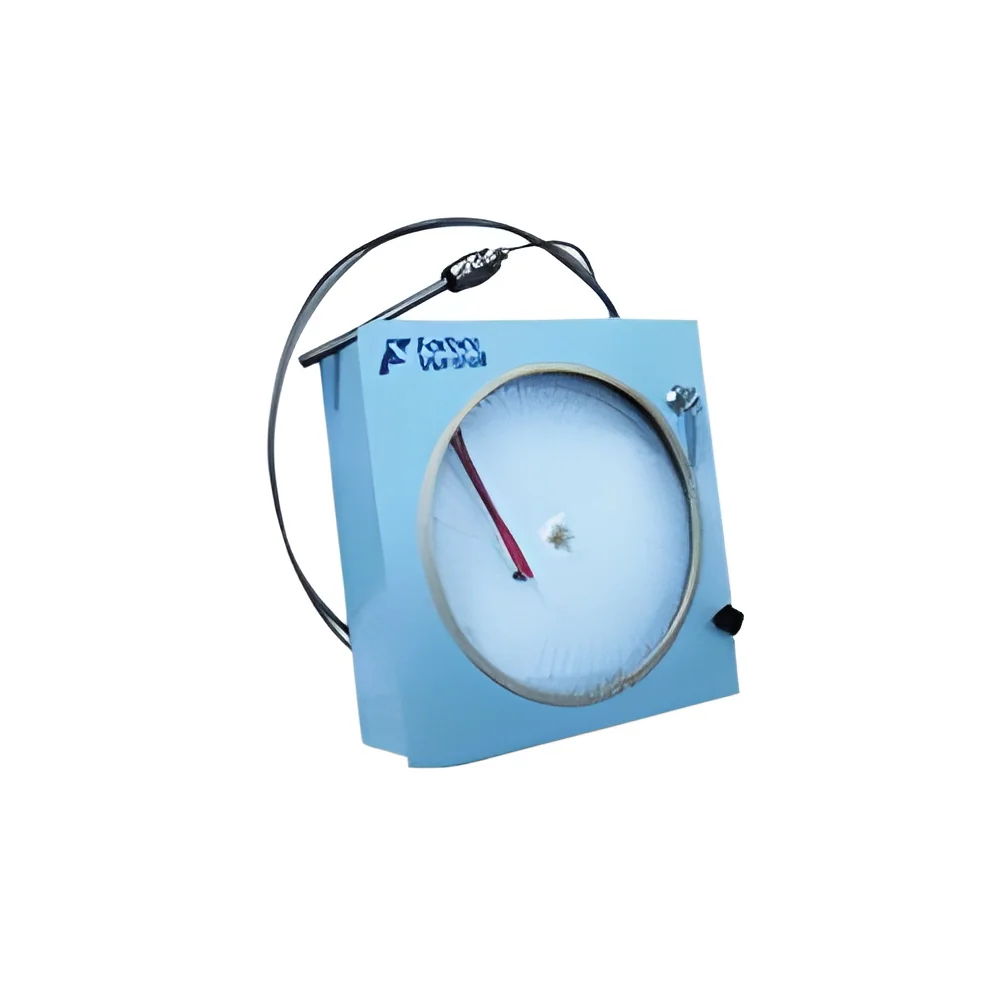
- Tools may have digital or analog displays.
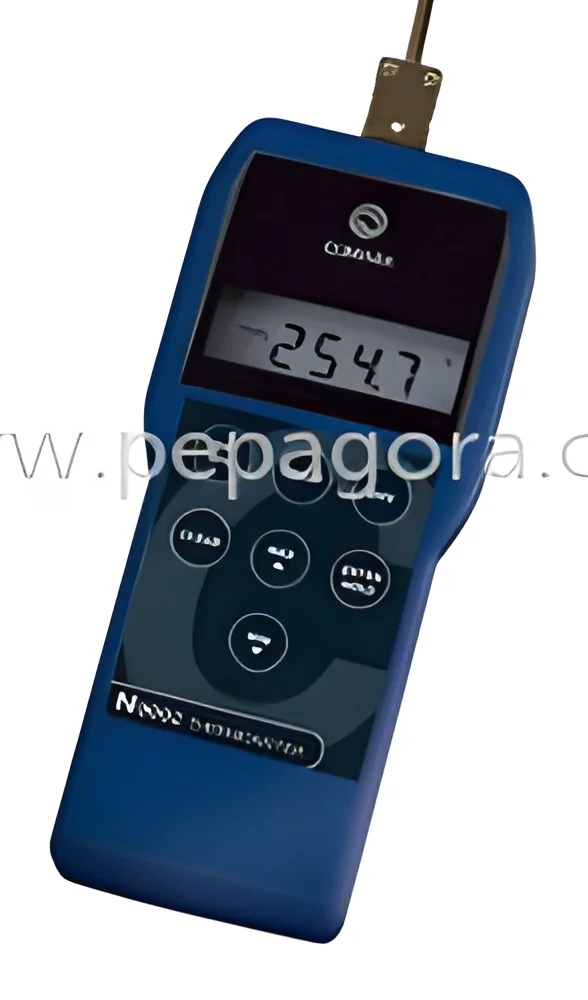
- Digital displays often provide clearer readings and additional functions like data logging.
5. Portability
- Many calibration tools are designed to be portable for on-site calibration.
- Lightweight and compact designs enhance usability in various environments.
6. Battery Life
- For portable tools, prolonged battery life is a crucial feature.
- Some devices may offer rechargeable batteries for convenience.
7. Calibration Certificate
- Many calibration tools come with a certificate of calibration.
- This certificate verifies that the tool has been tested against recognized standards.
8. User Interface
- An intuitive user interface simplifies operation and reduces training time.
- Features like touchscreens or programmable settings enhance functionality.
In summary, understanding these specifications helps businesses select the best calibration tools suited for their operations.
Common Applications and Use Cases
Temperature and pressure calibration tools serve a wide array of industries, ensuring that measurement accuracy is maintained for safety and compliance.
1. Pharmaceutical Industry: These tools are used to calibrate equipment that monitors critical temperatures in storage and production environments, ensuring product safety and efficacy.
2. Food and Beverage Industry: Calibration tools ensure that temperature and pressure measurements in processing and storage meet health regulations, leading to safe and high-quality products.
3. Manufacturing Sector: In manufacturing, calibration tools are essential for maintaining the accuracy of machinery that operates under specific temperature and pressure conditions.
4. Energy Production: Calibration tools are utilized to monitor and maintain equipment used in the energy sector, ensuring efficient operations and regulatory compliance.
5. HVAC Systems: In heating, ventilation, and air conditioning, calibration tools help ensure that systems operate within specified temperature and pressure ranges for optimal performance.
6. Aerospace: The aerospace industry relies on precise measurements for safety and performance, making calibration tools vital in maintaining equipment.
7. Automotive: Calibration tools are used in automotive manufacturing and testing to ensure that components meet performance standards.
Product Variants and Subcategories
Temperature and pressure calibration tools come in various forms to meet the diverse needs of different industries. Each variant has specific features that enhance its application.
Digital Calibration Tools: These tools provide precise digital readings and often come equipped with data logging capabilities. They are ideal for industries requiring high accuracy and detailed records.
Portable Calibration Kits: Designed for on-site calibration, these kits are lightweight and easy to transport. They typically include multiple adapters and tools for versatile applications.
Analog Calibration Instruments: While less common today, analog tools still play a role in some industries. They offer a simple, straightforward approach to measurement and calibration.
Benefits and Advantages
Temperature and pressure calibration tools provide numerous benefits to businesses across various sectors.
1. Enhanced Accuracy: These tools ensure that measurements are precise, reducing the risk of errors in production processes.
2. Regulatory Compliance: Regular calibration helps businesses meet industry standards and regulations, avoiding costly fines and legal issues.
3. Improved Product Quality: By maintaining accurate measurements, companies can enhance the quality of their products, leading to higher customer satisfaction.
4. Increased Efficiency: Reliable calibration tools minimize downtime caused by equipment failure, thus enhancing operational efficiency.
5. Cost Savings: Accurate measurements can lead to reduced waste and improved resource management, resulting in significant cost savings over time.
6. Safety Assurance: In industries where temperature and pressure control is critical, calibration tools help ensure safety for both personnel and equipment.
Buying Guide for B2B Buyers
When sourcing temperature and pressure calibration tools, it is essential for buyers to consider several critical factors to ensure they make informed purchasing decisions.
1. Quality Assessment: Look for calibration tools that meet established quality standards. Consider manufacturers with certifications that validate their reliability and accuracy.
2. Supplier Verification: Vet potential suppliers by reviewing their reputation in the industry. Seek references and check for customer reviews to ensure they provide high-quality products.
3. Pricing and MOQ: Understand the pricing structure and minimum order quantities (MOQ) required. This information helps in budgeting and ensures that you can meet your operational needs.
4. Delivery and Lead Times: Inquire about the supplier's delivery capabilities and lead times. Timely delivery is crucial for maintaining operations and avoiding delays.
5. Compliance Requirements: Ensure that the tools meet any relevant regulatory compliance standards specific to your industry. This consideration prevents future compliance issues.
Compliance and Certifications
Temperature and pressure calibration tools must adhere to various quality standards and certifications to ensure their effectiveness and reliability. Commonly recognized standards include ISO 9001, which outlines quality management principles that enhance customer satisfaction and operational efficiency.
Industry certifications such as CE indicate that the product meets European safety, health, and environmental protection standards. These certifications are crucial for ensuring that the tools are safe for use and compliant with regulatory requirements.
Safety and testing requirements also play a significant role in the calibration tools industry. Manufacturers must ensure their products can withstand operational stresses and provide accurate readings under various conditions.
Additionally, businesses should consider regional compliance aspects. Different countries may have specific regulations that affect the use and certification of calibration tools, so it is essential to be aware of these when sourcing products.
Why Source Temperature & Pressure Calibration Tools from Pepagora?
Pepagora offers a reliable platform for sourcing temperature and pressure calibration tools, delivering several key advantages to B2B buyers.
Verified Supplier Network: Pepagora connects buyers with a network of verified suppliers, ensuring that all products meet stringent quality standards. This network helps buyers source reliable and accurate calibration tools with confidence.
Streamlined RFQ Process: The platform simplifies the request for quotation (RFQ) process, allowing buyers to easily compare prices and specifications from multiple suppliers. This efficiency helps in making informed purchasing decisions quickly.
Trade Assurance and Support: Pepagora provides trade assurance, offering buyers protection against potential issues such as product quality or delivery delays. This support fosters trust and peace of mind during transactions.
Regional Coverage: With a strong presence in regions like India, the GCC, and Southeast Asia, Pepagora ensures that businesses can access temperature and pressure calibration tools tailored to their specific market needs. This geographic reach enhances the ability to meet local compliance requirements and operational demands.

 IN
IN